HTML SitemapExplore
logo
Find Things to DoFind The Best Restaurants

Grapevine Arbor — Attraction in San Gabriel

Name
Grapevine Arbor
Description
Nearby attractions
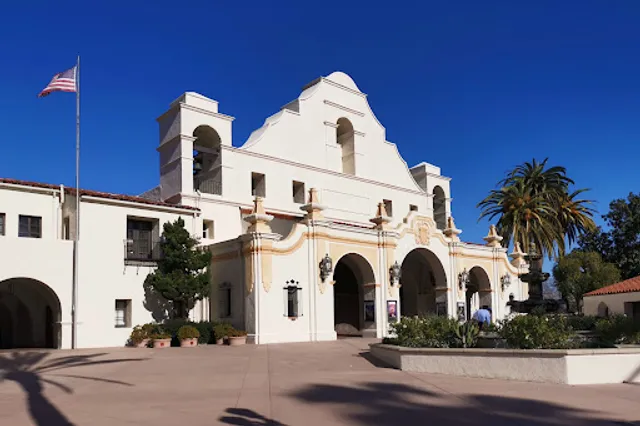
San Gabriel Mission Playhouse
320 S Mission Dr, San Gabriel, CA 91776
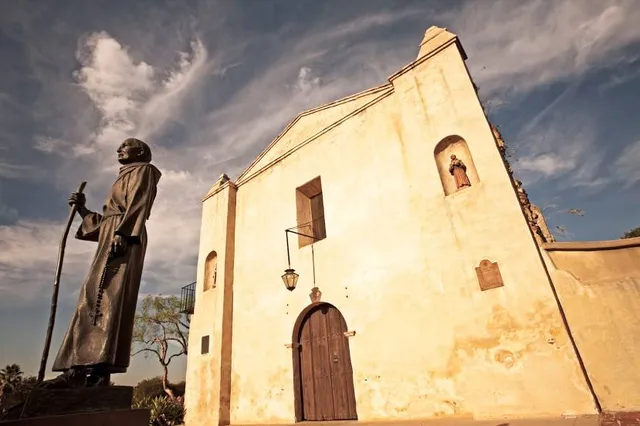
Mission San Gabriel Arcángel
429 S Junipero Serra Dr, San Gabriel, CA 91776
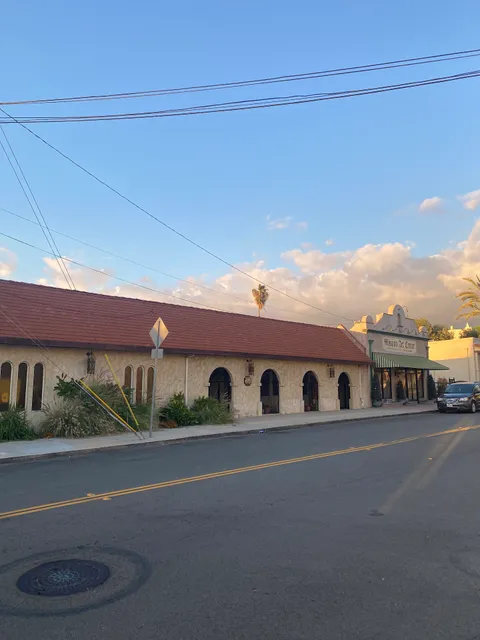
Church In San Gabriel
615 W Santa Anita St, San Gabriel, CA 91776
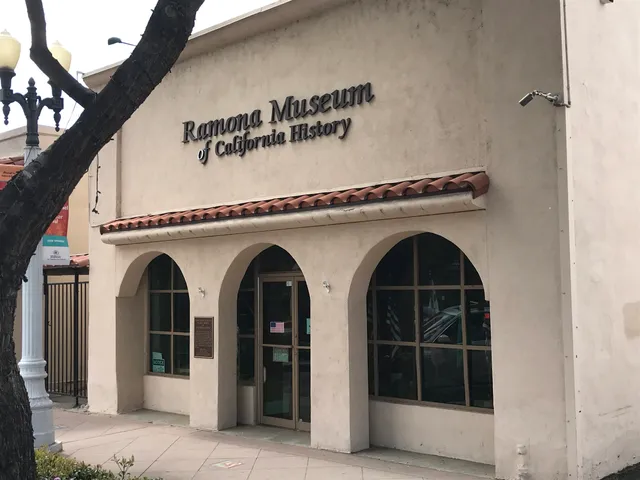
Ramona Museum of California History
339 S Mission Dr, San Gabriel, CA 91776
Smith Park
232 W Broadway, San Gabriel, CA 91776
Clars Los Angeles
818 W Las Tunas Dr, San Gabriel, CA 91776
Winston Smoyer Memorial Community Garden
1006 Clay Ct, Alhambra, CA 91801
Alhambra Golf Course
630 S Almansor St, Alhambra, CA 91801
San Gabriel Library
500 S Del Mar Ave, San Gabriel, CA 91776
Liya Art Center
222 W Las Tunas Dr, San Gabriel, CA 91776, United States
Nearby restaurants
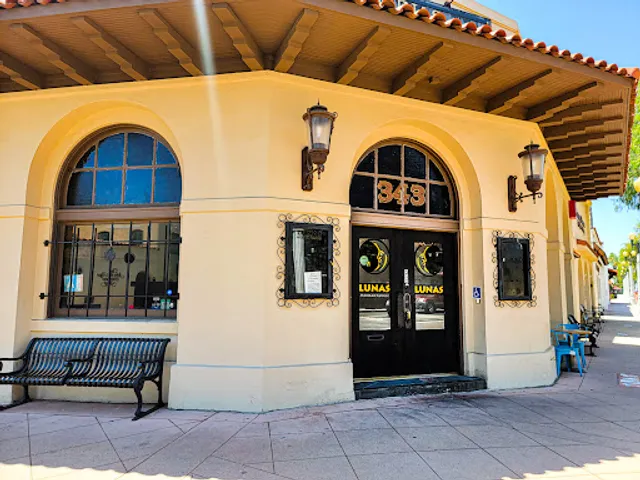
Lunas Bar and Grill
343 S Mission Dr, San Gabriel, CA 91776
Dancing Spoons
413 S Mission Dr, San Gabriel, CA 91776
Wahib's Mediterranean Express
264 S Mission Dr, San Gabriel, CA 91776
Sushi Rolland | Japanese Restaurant
264 S Mission Dr H, San Gabriel, CA 91776
Manduyo
264 S Mission Dr M, San Gabriel, CA 91776
Cafe Et Cetera
Blossom Market Hall, 264 S Mission Dr Unit C Floor 1, San Gabriel, CA 91776
Almuchow Atbp.
264 S Mission Dr unit D, San Gabriel, CA 91776
Newport Seafood Restaurant
518 W Las Tunas Dr, San Gabriel, CA 91776
Oy Oysters
264 S Mission Dr Stall F, San Gabriel, CA 91776
PUNJAB - Indian Market and Cuisine
618 W Las Tunas Dr, San Gabriel, CA 91776
Nearby hotels
Related posts
Keywords
Grapevine Arbor tourism.Grapevine Arbor hotels.Grapevine Arbor bed and breakfast. flights to Grapevine Arbor.Grapevine Arbor attractions.Grapevine Arbor restaurants.Grapevine Arbor travel.Grapevine Arbor travel guide.Grapevine Arbor travel blog.Grapevine Arbor pictures.Grapevine Arbor photos.Grapevine Arbor travel tips.Grapevine Arbor maps.Grapevine Arbor things to do.
Grapevine Arbor things to do, attractions, restaurants, events info and trip planning
Grapevine Arbor
United StatesCaliforniaSan GabrielGrapevine Arbor

Basic Info

Grapevine Arbor

324 S Mission Dr, San Gabriel, CA 91776
4.6(61)
Open until 3:00 PM
Save
spot

Ratings & Description

Info

attractions: San Gabriel Mission Playhouse, Mission San Gabriel Arcángel, Church In San Gabriel, Ramona Museum of California History, Smith Park, Clars Los Angeles, Winston Smoyer Memorial Community Garden, Alhambra Golf Course, San Gabriel Library, Liya Art Center, restaurants: Lunas Bar and Grill, Dancing Spoons, Wahib's Mediterranean Express, Sushi Rolland | Japanese Restaurant, Manduyo, Cafe Et Cetera, Almuchow Atbp., Newport Seafood Restaurant, Oy Oysters, PUNJAB - Indian Market and Cuisine
logoLearn more insights from Wanderboat AI.
Phone
(626) 308-2875
Website
sangabrielcity.com
Open hoursSee all hours
Mon10 AM - 3 PMOpen

Plan your stay

hotel
Pet-friendly Hotels in San Gabriel
Find a cozy hotel nearby and make it a full experience.
hotel
Affordable Hotels in San Gabriel
Find a cozy hotel nearby and make it a full experience.
hotel
The Coolest Hotels You Haven't Heard Of (Yet)
Find a cozy hotel nearby and make it a full experience.
hotel
Trending Stays Worth the Hype in San Gabriel
Find a cozy hotel nearby and make it a full experience.

Reviews

Nearby attractions of Grapevine Arbor

San Gabriel Mission Playhouse

Mission San Gabriel Arcángel

Church In San Gabriel

Ramona Museum of California History

Smith Park

Clars Los Angeles

Winston Smoyer Memorial Community Garden

Alhambra Golf Course

San Gabriel Library

Liya Art Center

San Gabriel Mission Playhouse

San Gabriel Mission Playhouse

4.6

(362)

Open 24 hours
Click for details
Mission San Gabriel Arcángel

Mission San Gabriel Arcángel

4.7

(620)

Open 24 hours
Click for details
Church In San Gabriel

Church In San Gabriel

4.8

(15)

Open 24 hours
Click for details
Ramona Museum of California History

Ramona Museum of California History

4.4

(8)

Open 24 hours
Click for details

Things to do nearby

Bellflower Farmers Market
Mon, Dec 8 • 3:00 PM
16521 Adenmoor Avenue, Bellflower, CA 90706
View details
Merry Maker Mondays!
Mon, Dec 8 • 6:00 PM
3382 East Florence Avenue, Huntington Park, CA 90255
View details
Montebello Code and Coffee
Thu, Dec 11 • 6:00 PM
4000 Market Place Drive, Monterey Park, CA 91755
View details

Nearby restaurants of Grapevine Arbor

Lunas Bar and Grill

Dancing Spoons

Wahib's Mediterranean Express

Sushi Rolland | Japanese Restaurant

Manduyo

Cafe Et Cetera

Almuchow Atbp.

Newport Seafood Restaurant

Oy Oysters

PUNJAB - Indian Market and Cuisine

Lunas Bar and Grill

Lunas Bar and Grill

4.3

(292)

Click for details
Dancing Spoons

Dancing Spoons

4.7

(46)

Click for details
Wahib's Mediterranean Express

Wahib's Mediterranean Express

4.4

(47)

$$

Closed
Click for details
Sushi Rolland | Japanese Restaurant

Sushi Rolland | Japanese Restaurant

4.9

(30)

Click for details
Get the Appoverlay
Get the AppOne tap to find yournext favorite spots!
Wanderboat LogoWanderboat

Your everyday Al companion for getaway ideas

CompanyAbout Us
InformationAI Trip PlannerSitemap
SocialXInstagramTiktokLinkedin
LegalTerms of ServicePrivacy Policy

Get the app

© 2025 Wanderboat. All rights reserved.
logo

Posts

Ailbhe J.Ailbhe J.
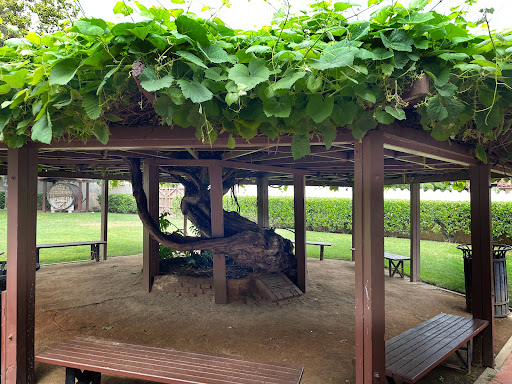
What is the story of this grapevine? In 1861, local winemaker L.J. Rose donated a mature grapevine stalk from his property to this location. His nearby vineyard was named “Sunny Slope”. Rose lived adjacent to Benjamin Wilson, who also made wine from his own “Lake Vineyard” (this is the origin of Lake Ave; he founded the nearby city of Alhambra). These former vineyards are where the Huntington Library, the Old Mill, and Lacy Park are now located. (LA and the surrounding areas were once covered with vineyards in the 1800s. The cuttings supplied by Mission San Gabriel contributed to the city becoming the major producer of commercial wine in the country. This is why LA was called “The City of Vines”.) Before L.J. Rose owned this vine, however, it reportedly came from a small canyon in San Marino, just a stone’s throw west from what is now the Japanese Gardens within The Huntington Library (that garden exists in one of these canyons). According to a legal document of that period, this vine cutting was “procured” from Wilson's land by a local resident, named Andrew Courtney (he kept company with former pirate, Joseph Chapman, who also cultivated vineyards at what is now LA State Historic Park). The precise location was Mission Canyon, aka Wild Grape Canyon. Mr Courtney planted this on his property, which was nearby. Some time later, Rose purchased Mr Courtney’s land, but that hearty grapevine stalk - now much larger - became an obstruction. It was about 4 inches thick and 3 ft tall when it was removed. He offered it to David Franklin Hall, who co-owned the property where the Grapevine Arbor is now (also a friend of Chapman, who did work for the Mission). It was called the Grape Vine Property, as this parcel of land had been part of the Mission’s four vineyards, before Mexico secularized the missions. Though this cutting was said to be a “wild grape vine” that came from a canyon, it was not native to California; it was introduced by the Spanish shortly after they arrived. To verify this, the vine was tested twice: in 2007 by Spanish researchers, and in 2013 by UC Davis. The results were the same: it was a European vine, imported by the Spaniards in the late 1700s. Popularly known as the “Mission grape", it originated in the Castilla-La Mancha region of Spain, known as listán prieto, (vitis vinifera, “wine-bearing vine”). There is a second Mission grape, a hybrid version: it is a blend of listán prieto and a native Californian varietal. Creating a hybrid grape was not easy: it involved grafting the branches of the European vine onto the roots of the North American vine. Eventually, growers favored the hybrid, and it eventually replaced the former (this wine was only slightly better). It was used extensively by the missions, and more so by others when commercial winemaking took off in the 1830s. It is believed that hybridization occurred at or near Mission San Gabriel. At Olvera Street (formerly called Wine Street), vines still grow from both Pelanconi house and Avila Adobe, crawling above unaware pedestrians. These have survived for some 200 years. The cuttings were likely planted after 1818, perhaps grown for shade instead of wine; these likely were supplied by the Mission. To determine the variety, these were also tested. The findings revealed that these vines are hybrids. In recent years, local winemakers have been harvesting the grapes from the vines (planted in the late 1700s) located inside the Mission grounds, as well as from vines in Olvera Street, to make L.A.’s unique & historic Angelica wine. Yields of this sweet, fortified, brownish wine are minimal, so it’s not cheap. San Antonio Winery, however, sells an inexpensive version of this wine, though their grapes are harvested elsewhere.
G R A C EG R A C E
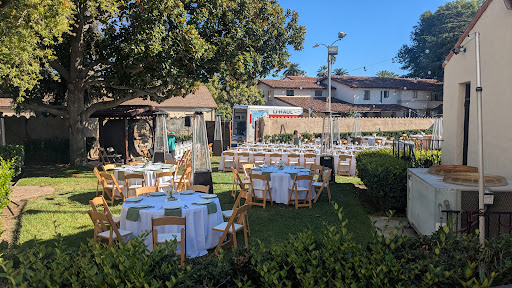
Beautiful venue for a wedding!
hotel
Find your stay

Pet-friendly Hotels in San Gabriel

Find a cozy hotel nearby and make it a full experience.

What is the story of this grapevine? In 1861, local winemaker L.J. Rose donated a mature grapevine stalk from his property to this location. His nearby vineyard was named “Sunny Slope”. Rose lived adjacent to Benjamin Wilson, who also made wine from his own “Lake Vineyard” (this is the origin of Lake Ave; he founded the nearby city of Alhambra). These former vineyards are where the Huntington Library, the Old Mill, and Lacy Park are now located. (LA and the surrounding areas were once covered with vineyards in the 1800s. The cuttings supplied by Mission San Gabriel contributed to the city becoming the major producer of commercial wine in the country. This is why LA was called “The City of Vines”.) Before L.J. Rose owned this vine, however, it reportedly came from a small canyon in San Marino, just a stone’s throw west from what is now the Japanese Gardens within The Huntington Library (that garden exists in one of these canyons). According to a legal document of that period, this vine cutting was “procured” from Wilson's land by a local resident, named Andrew Courtney (he kept company with former pirate, Joseph Chapman, who also cultivated vineyards at what is now LA State Historic Park). The precise location was Mission Canyon, aka Wild Grape Canyon. Mr Courtney planted this on his property, which was nearby. Some time later, Rose purchased Mr Courtney’s land, but that hearty grapevine stalk - now much larger - became an obstruction. It was about 4 inches thick and 3 ft tall when it was removed. He offered it to David Franklin Hall, who co-owned the property where the Grapevine Arbor is now (also a friend of Chapman, who did work for the Mission). It was called the Grape Vine Property, as this parcel of land had been part of the Mission’s four vineyards, before Mexico secularized the missions. Though this cutting was said to be a “wild grape vine” that came from a canyon, it was not native to California; it was introduced by the Spanish shortly after they arrived. To verify this, the vine was tested twice: in 2007 by Spanish researchers, and in 2013 by UC Davis. The results were the same: it was a European vine, imported by the Spaniards in the late 1700s. Popularly known as the “Mission grape", it originated in the Castilla-La Mancha region of Spain, known as listán prieto, (vitis vinifera, “wine-bearing vine”). There is a second Mission grape, a hybrid version: it is a blend of listán prieto and a native Californian varietal. Creating a hybrid grape was not easy: it involved grafting the branches of the European vine onto the roots of the North American vine. Eventually, growers favored the hybrid, and it eventually replaced the former (this wine was only slightly better). It was used extensively by the missions, and more so by others when commercial winemaking took off in the 1830s. It is believed that hybridization occurred at or near Mission San Gabriel. At Olvera Street (formerly called Wine Street), vines still grow from both Pelanconi house and Avila Adobe, crawling above unaware pedestrians. These have survived for some 200 years. The cuttings were likely planted after 1818, perhaps grown for shade instead of wine; these likely were supplied by the Mission. To determine the variety, these were also tested. The findings revealed that these vines are hybrids. In recent years, local winemakers have been harvesting the grapes from the vines (planted in the late 1700s) located inside the Mission grounds, as well as from vines in Olvera Street, to make L.A.’s unique & historic Angelica wine. Yields of this sweet, fortified, brownish wine are minimal, so it’s not cheap. San Antonio Winery, however, sells an inexpensive version of this wine, though their grapes are harvested elsewhere.
Ailbhe J.

Ailbhe J.

hotel
Find your stay

Affordable Hotels in San Gabriel

Find a cozy hotel nearby and make it a full experience.

Get the Appoverlay
Get the AppOne tap to find yournext favorite spots!
Beautiful venue for a wedding!
G R A C E

G R A C E

hotel
Find your stay

The Coolest Hotels You Haven't Heard Of (Yet)

Find a cozy hotel nearby and make it a full experience.

hotel
Find your stay

Trending Stays Worth the Hype in San Gabriel

Find a cozy hotel nearby and make it a full experience.

create-post
Turn your ideas into a post and inspire others!
Create

Reviews of Grapevine Arbor

4.6
(61)
avatar
5.0
2y

What is the story of this grapevine?

In 1861, local winemaker L.J. Rose donated a mature grapevine stalk from his property to this location. His nearby vineyard was named “Sunny Slope”.

Rose lived adjacent to Benjamin Wilson, who also made wine from his own “Lake Vineyard” (this is the origin of Lake Ave; he founded the nearby city of Alhambra). These former vineyards are where the Huntington Library, the Old Mill, and Lacy Park are now located.

(LA and the surrounding areas were once covered with vineyards in the 1800s. The cuttings supplied by Mission San Gabriel contributed to the city becoming the major producer of commercial wine in the country. This is why LA was called “The City of Vines”.)

Before L.J. Rose owned this vine, however, it reportedly came from a small canyon in San Marino, just a stone’s throw west from what is now the Japanese Gardens within The Huntington Library (that garden exists in one of these canyons).

According to a legal document of that period, this vine cutting was “procured” from Wilson's land by a local resident, named Andrew Courtney (he kept company with former pirate, Joseph Chapman, who also cultivated vineyards at what is now LA State Historic Park). The precise location was Mission Canyon, aka Wild Grape Canyon. Mr Courtney planted this on his property, which was nearby.

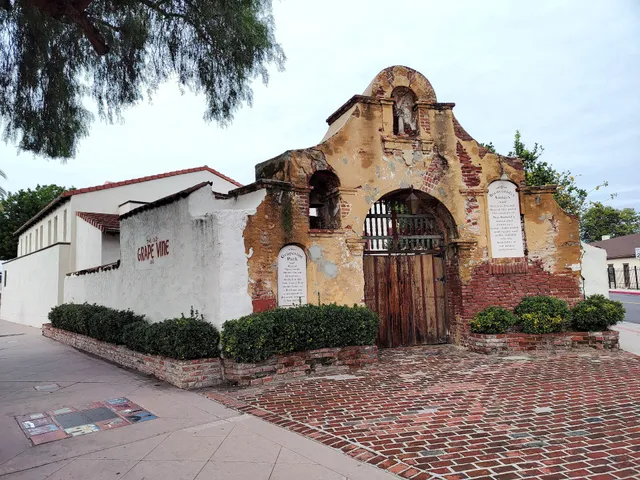
Some time later, Rose purchased Mr Courtney’s land, but that hearty grapevine stalk - now much larger - became an obstruction. It was about 4 inches thick and 3 ft tall when it was removed. He offered it to David Franklin Hall, who co-owned the property where the Grapevine Arbor is now (also a friend of Chapman, who did work for the Mission). It was called the Grape Vine Property, as this parcel of land had been part of the Mission’s four vineyards, before Mexico secularized the missions.

Though this cutting was said to be a “wild grape vine” that came from a canyon, it was not native to California; it was introduced by the Spanish shortly after they arrived. To verify this, the vine was tested twice: in 2007 by Spanish researchers, and in 2013 by UC Davis. The results were the same: it was a European vine, imported by the Spaniards in the late 1700s. Popularly known as the “Mission grape", it originated in the Castilla-La Mancha region of Spain, known as listán prieto, (vitis vinifera, “wine-bearing vine”).

There is a second Mission grape, a hybrid version: it is a blend of listán prieto and a native Californian varietal. Creating a hybrid grape was not easy: it involved grafting the branches of the European vine onto the roots of the North American vine. Eventually, growers favored the hybrid, and it eventually replaced the former (this wine was only slightly better). It was used extensively by the missions, and more so by others when commercial winemaking took off in the 1830s. It is believed that hybridization occurred at or near Mission San Gabriel.

At Olvera Street (formerly called Wine Street), vines still grow from both Pelanconi house and Avila Adobe, crawling above unaware pedestrians. These have survived for some 200 years. The cuttings were likely planted after 1818, perhaps grown for shade instead of wine; these likely were supplied by the Mission. To determine the variety, these were also tested. The findings revealed that these vines are hybrids.

In recent years, local winemakers have been harvesting the grapes from the vines (planted in the late 1700s) located inside the Mission grounds, as well as from vines in Olvera Street, to make L.A.’s unique & historic Angelica wine. Yields of this sweet, fortified, brownish wine are minimal, so it’s not cheap. San Antonio Winery, however, sells an inexpensive version of this wine, though their grapes are...

   Read more
avatar
5.0
6y

Love this venue. My wife and I were married here and it’s not only a beautiful location for any event (especially a wedding) but it’s very affordable. I would highly recommend checking this site out. Staff are friendly and helpful, and it’s just a great asset...

   Read more
avatar
4.0
1y

This is a very nice venue spot by the San Gabriel Mission. The spot is large for a big gathering. There is a tented area but I am not sure if the tent is always there or if it was rented when I went. The only downside is...

   Read more
Page 1 of 7
Previous
Next