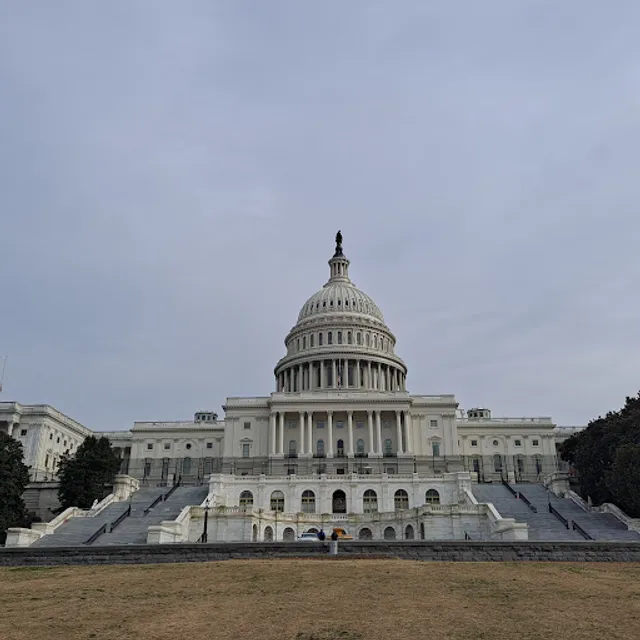
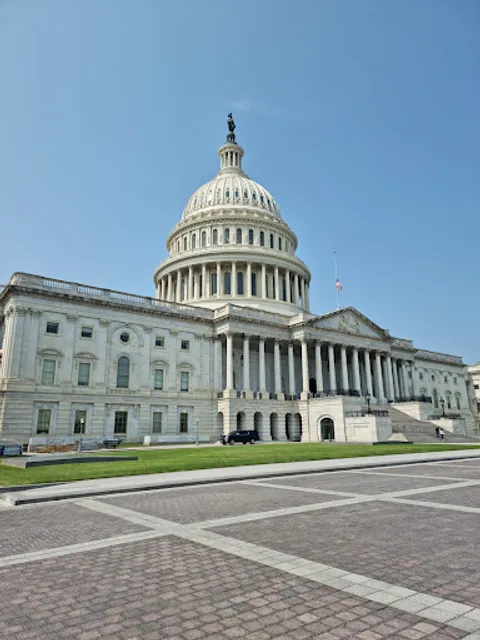
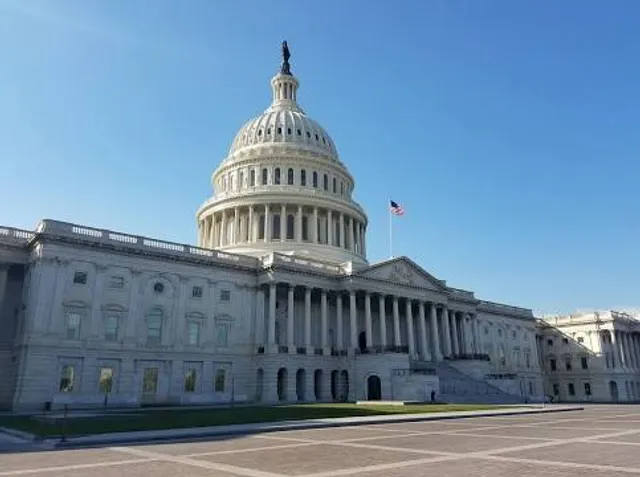
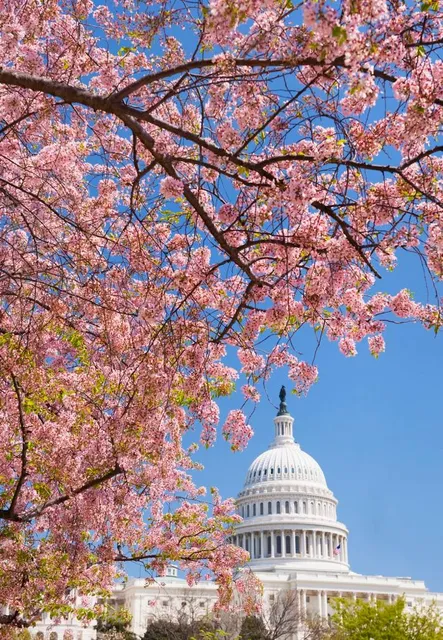
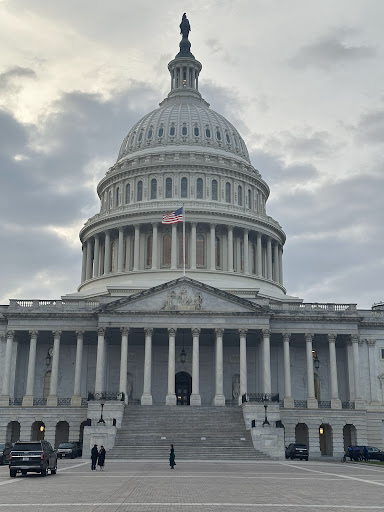
In accordance with the "Residence Act" passed by Congress in 1790, President George Washington in 1791 selected the area that is now the District of Columbia from land ceded by Maryland. He also selected three commissioners to survey the site and oversee the design and construction of the capital city and its government buildings. The commissioners, in turn, hired the French engineer Pierre Charles L'Enfant to plan the new city of Washington. He located the Capitol at the elevated east end of the Mall, on the brow of what was then called Jenkins' Hill. The site was, in L'Enfant's words, "a pedestal waiting for a monument." . L'Enfant was expected to design the U.S. Capitol Building and to supervise its construction. However, he refused to produce any drawings for the building, claiming that he carried the design "in his head"; this fact and his refusal to consider himself subject to the commissioners' authority led to his dismissal in 1792. In March of that year the commissioners announced a competition, suggested by Secretary of State Thomas Jefferson, that would award $500 and a city lot to whoever produced "the most approved plan" for the U.S. Capitol Building by mid-July. None of the 17 plans submitted, however, were wholly satisfactory. In October, a letter arrived from Dr. William Thornton, a Scottish-trained physician living in Tortola, British West Indies, requesting an opportunity to present a plan even though the competition had closed. The commissioners granted this request. . Thornton's plan depicted a building composed of three sections. The central section, which was topped by a low dome, was to be flanked on the north and south by two rectangular wings (one for the Senate and one for the House of Representatives). President Washington commended the plan for its "grandeur, simplicity and convenience," and on April 5, 1793, it was accepted by the commissioners; Washington gave his formal approval on July 25 . The history of the United States Capitol Building begins in 1793. Since then, the U.S. Capitol has been built, burnt, rebuilt, extended and restored. The Capitol that we see today is the result of several major periods of construction; it stands as a monument to the ingenuity, determination and skill of the...
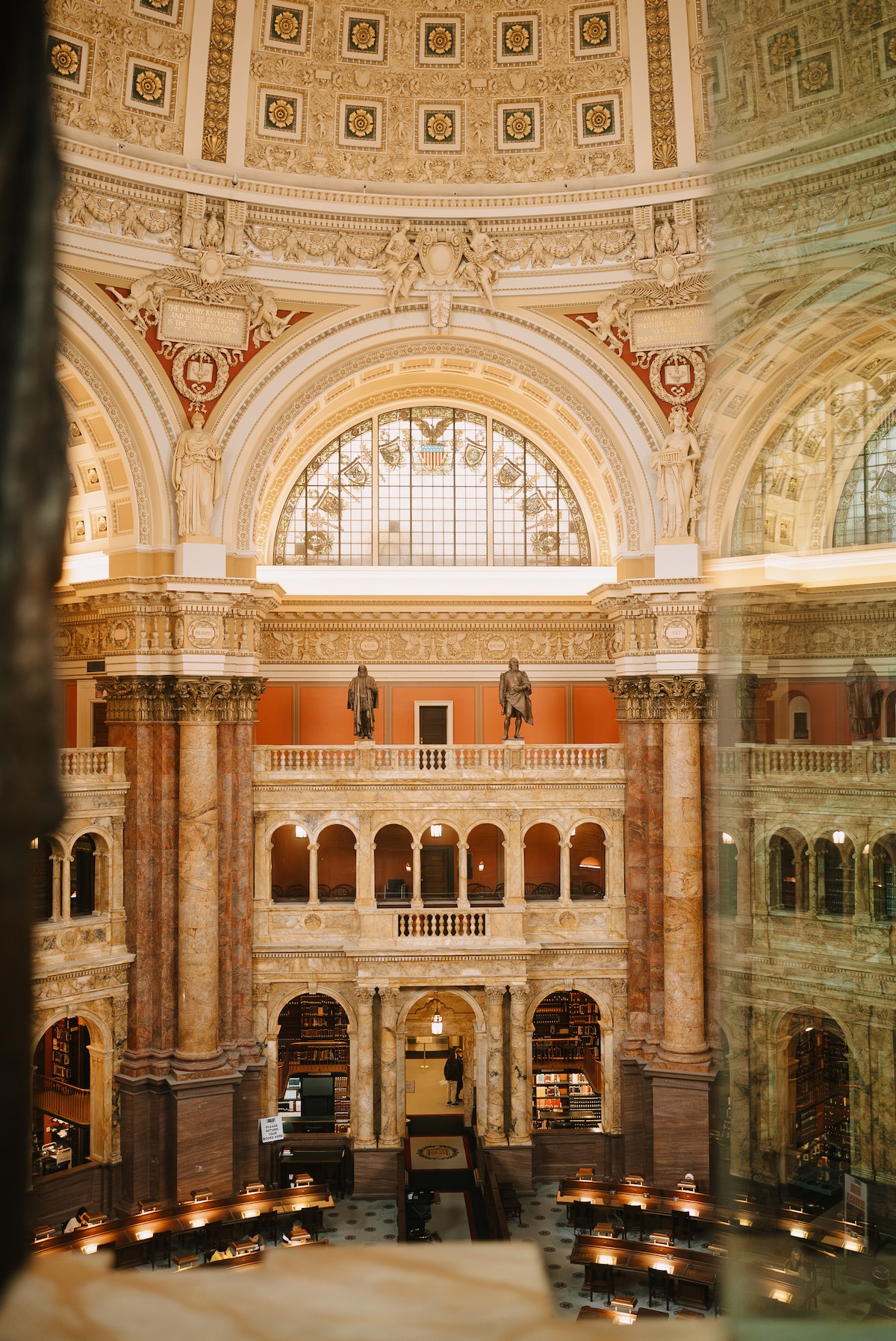
Read moreVisiting Capitol Hill in Washington DC is an incredibly rewarding experience that everyone should have on their travel bucket list. Capitol Hill is the heart of American democracy and the iconic center of political power in the United States. Visitors can explore the impressive Capitol building and its surrounding buildings, which are steeped in history and symbolism. The architecture of these buildings is simply stunning, and the intricate details and grandeur of the interiors are awe-inspiring.
Capitol Hill has a fascinating history that spans over two centuries. It has been the site of many significant events in American history, from presidential inaugurations to historic civil rights protests. The Capitol building itself has been expanded and renovated many times over the years, with each new addition reflecting the changing times and political climate of the country. The Capitol also serves as the center of the legislative branch of the US government, with the House of Representatives and the Senate meeting here to debate and pass laws that shape the nation.
One of the best things about visiting Capitol Hill is the sense of awe and wonder that one feels when standing in such a historic and influential place. The buildings, monuments, and memorials on Capitol Hill are a testament to the American spirit and the ideals upon which the nation was founded. Whether you're a history buff, a political junkie, or simply someone who appreciates beautiful architecture, a visit to Capitol Hill is a must-do experience that will leave you feeling inspired...
Read moreVisiting the U.S. Capitol in Washington, D.C., was an incredible experience, and I highly recommend it to anyone exploring the city! The architecture, history, and significance of this place make it a must-see. However, there are a few tips that can make your visit even better.
First, book your Capitol tour in advance. The guided tours are fascinating and provide a deep dive into the history and function of this iconic building. It’s a great way to learn about the Capitol’s history, see its stunning interiors, and hear about the legislative process.
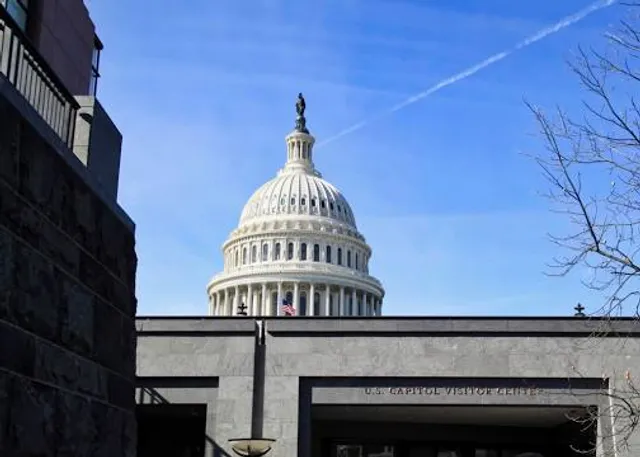
If you’re visiting from outside the United States (like us—we traveled from Canada), you can access some unique opportunities. On the first floor of the Capitol Visitor Center, there’s an office where international visitors can request a pass to watch a live Senate or House of Representatives session. It was an amazing experience to see democracy in action and hear debates firsthand.
I highly recommend making time to visit both the Senate and the House of Representatives galleries. Watching these sessions in person gives you a real sense of how decisions are made at the highest level. Just be aware of the session schedules and plan accordingly.
Overall, I’d strongly suggest getting the two-tour pass and combining the general Capitol tour with the opportunity to sit in on live sessions in the Senate or House of Representatives. It’s a unique experience you won’t forget. The Capitol is not just a building—it’s the heart of U.S. democracy, and seeing it in action was...
Read more