National Law Enforcement Museum things to do, attractions, restaurants, events info and trip planning
Basic Info
National Law Enforcement Museum
444 E St NW, Washington, DC 20001
4.7(325)
Closed


tickets
Save
spot
spot
Ratings & Description
Info
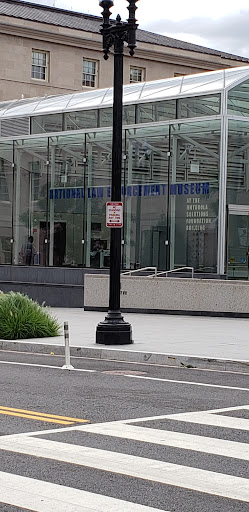
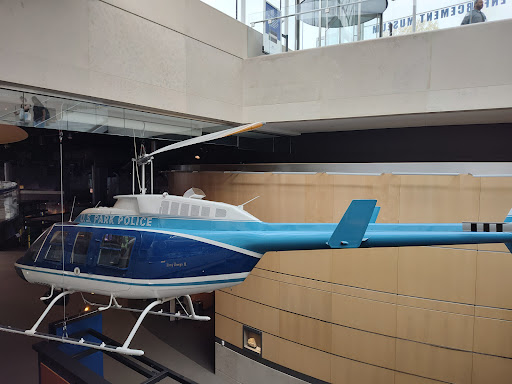
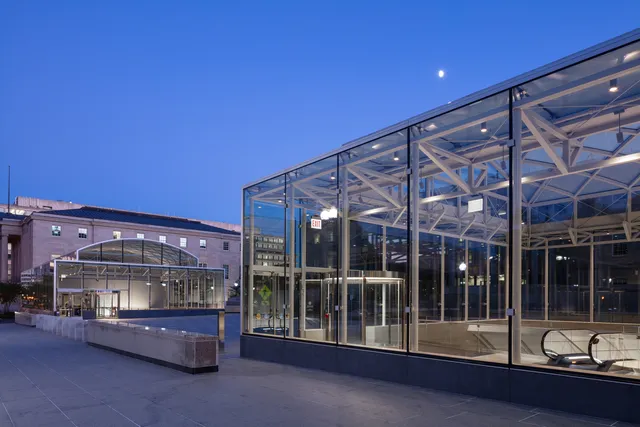
The National Law Enforcement Museum is a museum located in Washington, D.C. It opened on October 13, 2018, and covers American law enforcement through interactive exhibits, historical and contemporary artifact collections, with a dedicated space for research and educational programming.
Cultural
Entertainment
Family friendly
Accessibility
attractions: National Law Enforcement Officers Memorial, National Building Museum, Abraham Lincoln Statue, Capital One Arena, Shakespeare Theatre Company: Harman Hall, Escape the Room DC (Penn Quarter), Capital Jewish Museum, Darlington Memorial Fountain, National Portrait Gallery, National Gallery of Art, restaurants: DAIKAYA, Oyamel, Rasika, Carmine's - Washington DC, Denson Liquor Bar, Fiola, Jack's Famous Deli, Gordon Ramsay Street Pizza - Washington D.C., Luke's Lobster Penn Quarter, China Chilcano, local businesses: Wishing Wellness DC Weed Dispensary, District of Columbia Court, Judiciary Square, Henry J. Daly Building, Judiciary Square, DC Court of Appeals, DC Monuments Tour, DC 420 Club Weed Delivery, Spliff Nation Dispensary, Regal Gallery Place
 Learn more insights from Wanderboat AI.
Phone
(202) 737-3400
Website
nleomf.org
Open hoursSee all hours
Fri10 AM - 5 PMClosed
Plan your stay

Pet-friendly Hotels in Washington
Find a cozy hotel nearby and make it a full experience.

Affordable Hotels in Washington
Find a cozy hotel nearby and make it a full experience.

The Coolest Hotels You Haven't Heard Of (Yet)
Find a cozy hotel nearby and make it a full experience.

Trending Stays Worth the Hype in Washington
Find a cozy hotel nearby and make it a full experience.
Reviews
Live events
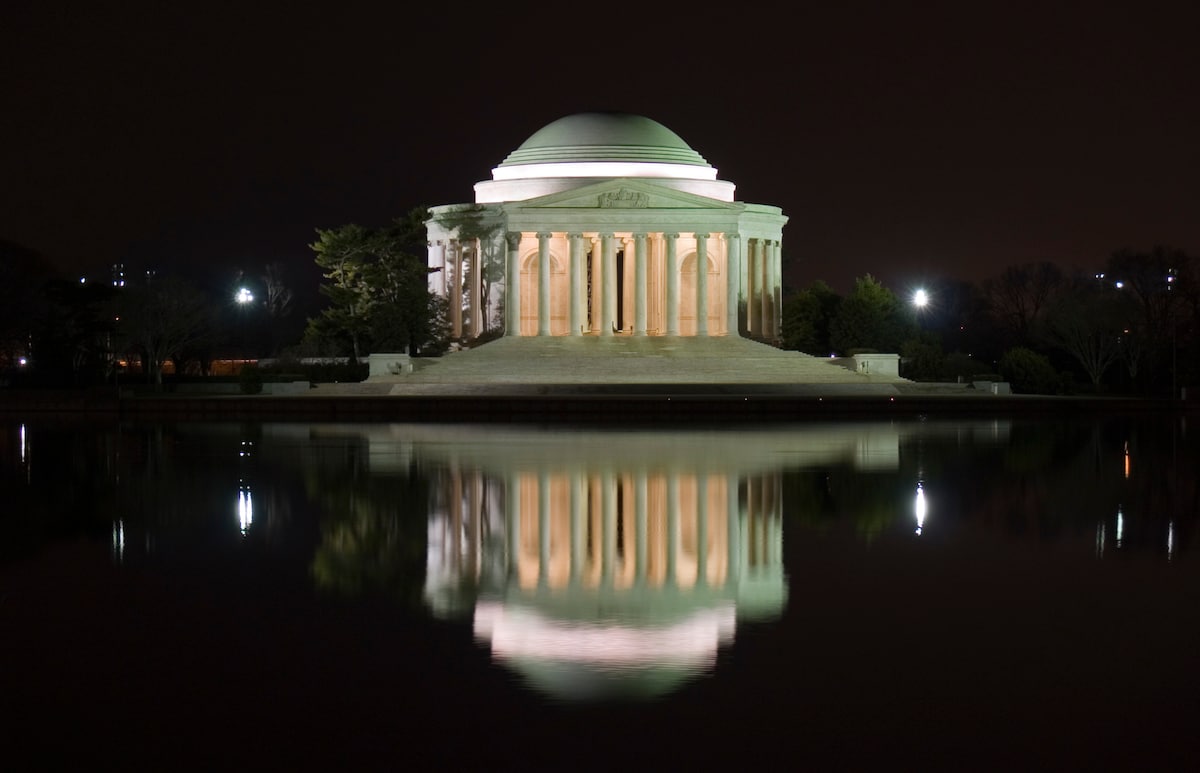
Marvel at the National Mall at night with a guide
Fri, Feb 6 • 7:00 PM
Washington, District of Columbia, 20001
View details

lululemon Bethesda Row: Yoga with Ayanna Wells from Flourish Forward
Sat, Feb 7 • 8:30 AM
4838 Bethesda Avenue Bethesda, MD 20814
View details
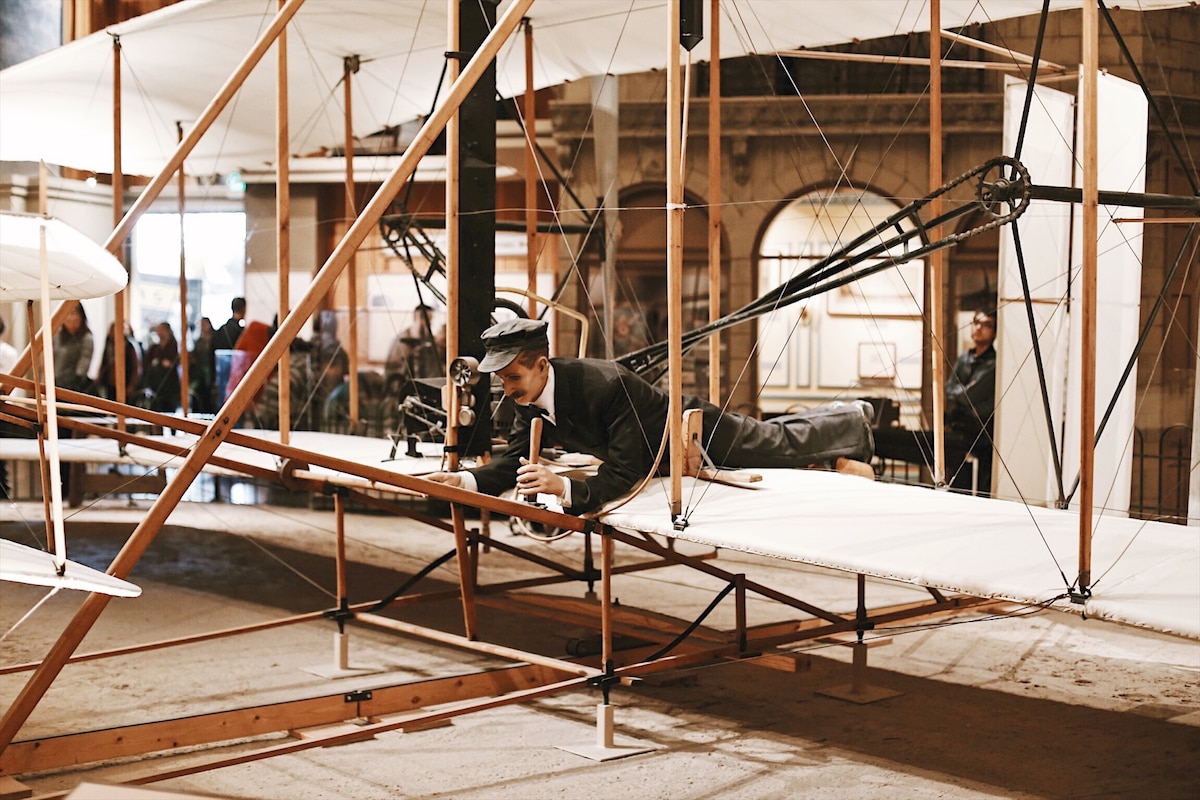
Explore the Air & Space Museum with expert guides
Fri, Feb 6 • 1:30 PM
Washington, District of Columbia, 20560
View details
Nearby attractions of National Law Enforcement Museum
National Law Enforcement Officers Memorial
National Building Museum
Abraham Lincoln Statue
Capital One Arena
Shakespeare Theatre Company: Harman Hall
Escape the Room DC (Penn Quarter)
Capital Jewish Museum
Darlington Memorial Fountain
National Portrait Gallery
National Gallery of Art
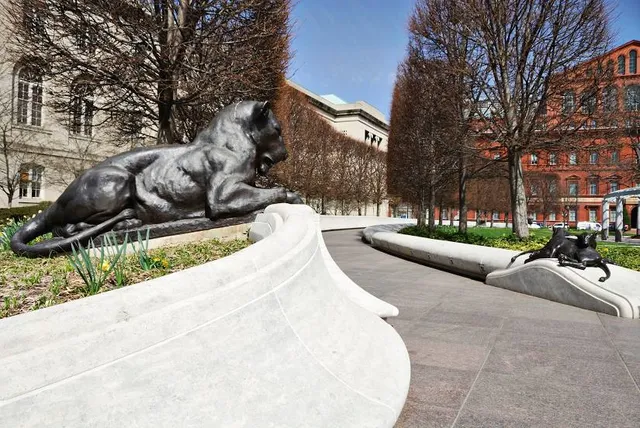
National Law Enforcement Officers Memorial
4.6
(1.0K)
Open 24 hours
Click for details
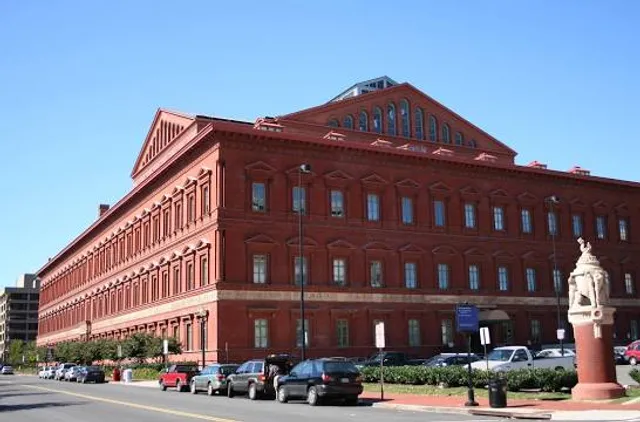
National Building Museum
4.4
(2K)
Closed
Click for details
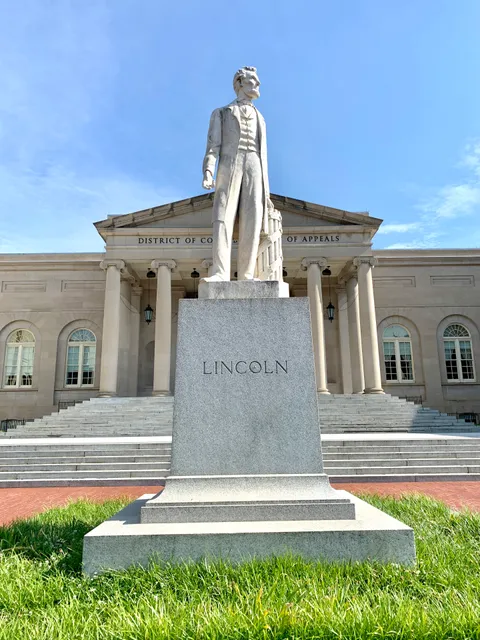
Abraham Lincoln Statue
4.7
(260)
Open until 12:00 AM
Click for details
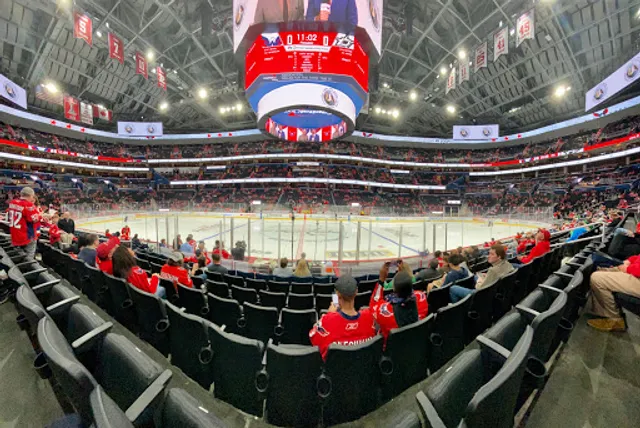
Capital One Arena
4.5
(6.5K)
Open 24 hours
Click for details
Nearby restaurants of National Law Enforcement Museum
DAIKAYA
Oyamel
Rasika
Carmine's - Washington DC
Denson Liquor Bar
Fiola
Jack's Famous Deli
Gordon Ramsay Street Pizza - Washington D.C.
Luke's Lobster Penn Quarter
China Chilcano
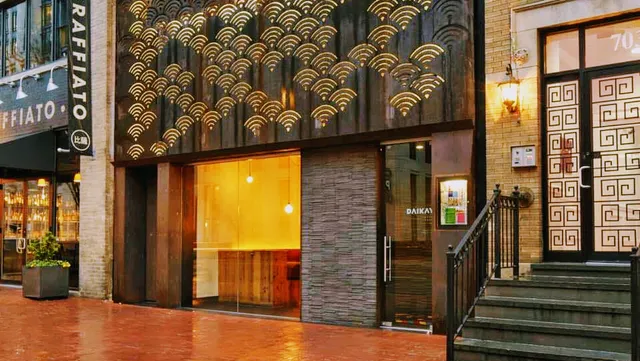
DAIKAYA
4.4
(2.2K)
$$
Closed
Click for details
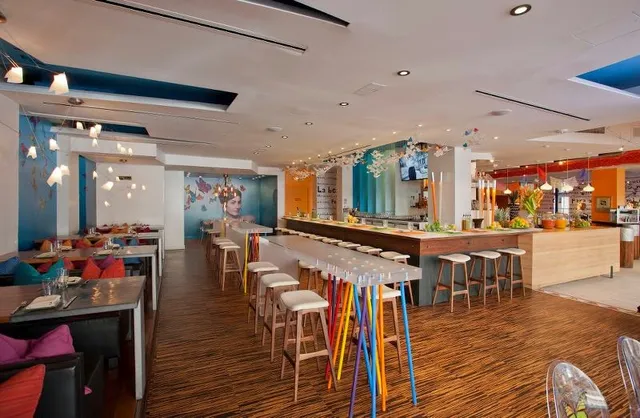
Oyamel
4.4
(3.1K)
$$
Closed
Click for details
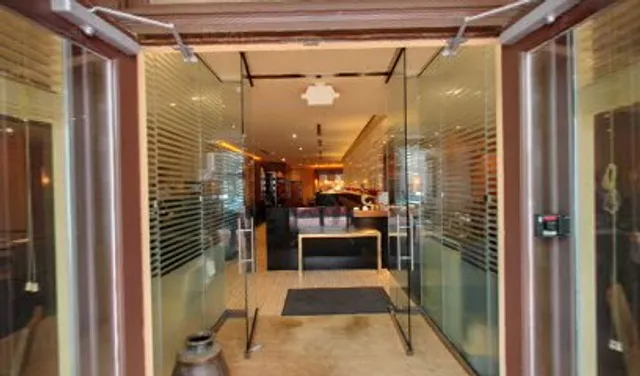
Rasika
4.3
(1.8K)
$$
Closed
Click for details
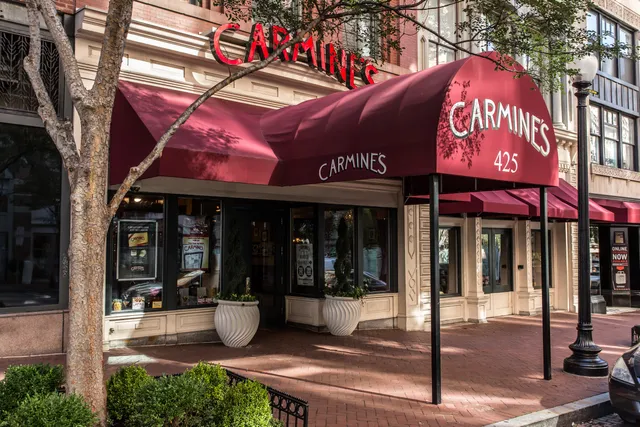
Carmine's - Washington DC
4.3
(2.5K)
$$
Closed
Click for details
Nearby local services of National Law Enforcement Museum
Wishing Wellness DC Weed Dispensary
District of Columbia Court
Judiciary Square
Henry J. Daly Building
Judiciary Square
DC Court of Appeals
DC Monuments Tour
DC 420 Club Weed Delivery
Spliff Nation Dispensary
Regal Gallery Place
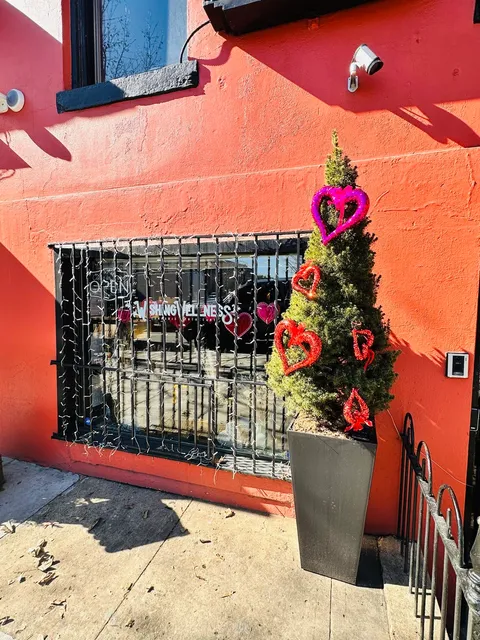
Wishing Wellness DC Weed Dispensary
5.0
(471)
Click for details
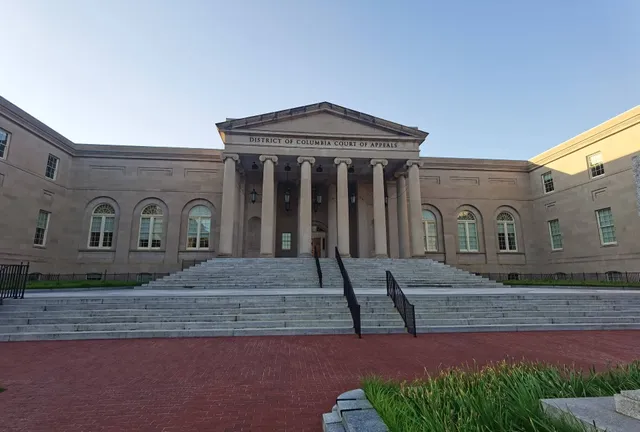
District of Columbia Court
4.0
(46)
Click for details
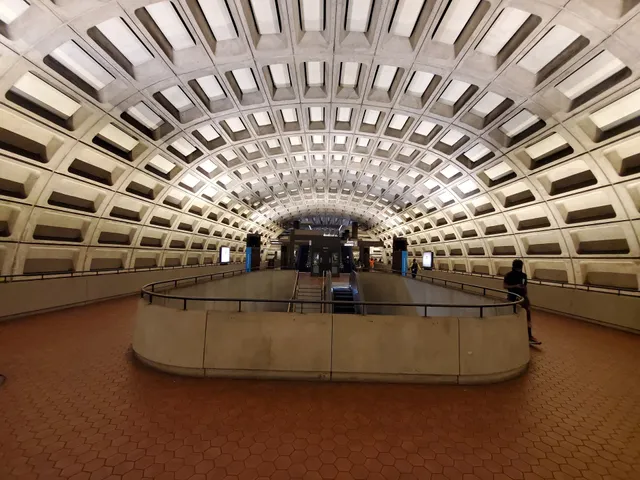
Judiciary Square
4.5
(21)
Click for details
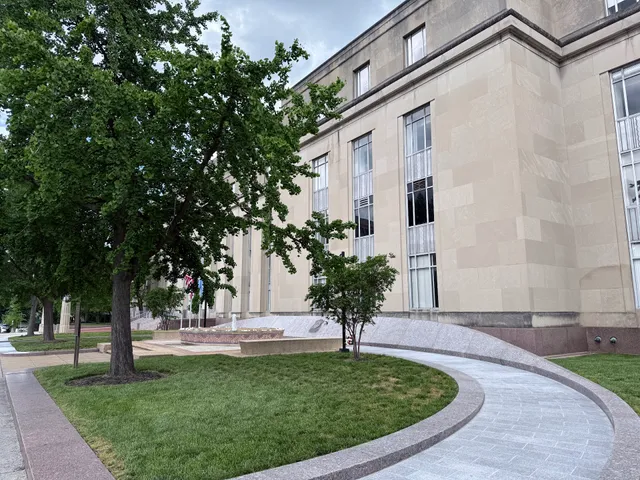
Henry J. Daly Building
3.9
(54)
Click for details