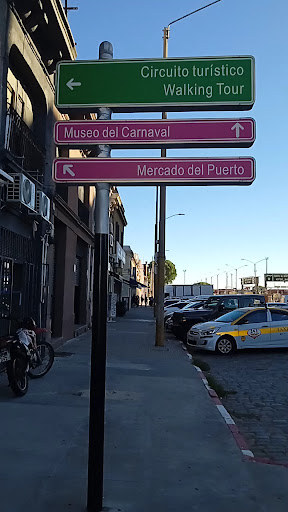
Port Market things to do, attractions, restaurants, events info and trip planning
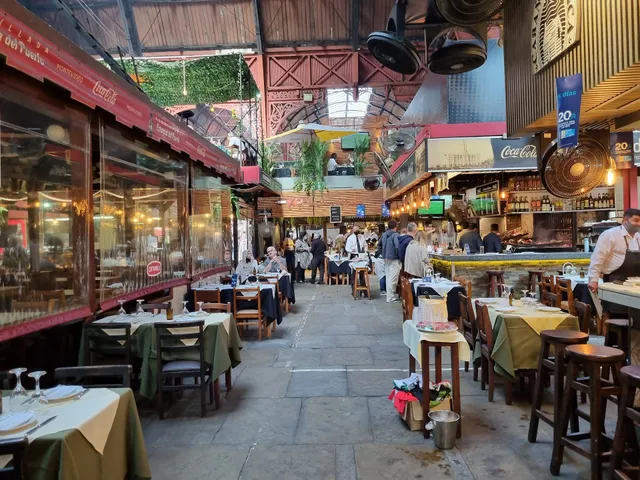
Basic Info
Port Market
Piedras 237, 11000 Montevideo, Departamento de Montevideo, Uruguay
4.4(8.1K)
Closed
Save
spot
spot
Ratings & Description
Info
attractions: Museo del Carnaval, Pre-Columbian and Indigenous Art Museum, Zabala Square, Museo del Gaucho and Currency, Museo El Juguetero, Constitution Plaza, Montevideo Metropolitan Cathedral, Patio Mainumby, Destino Sarandi, Cultural space the Bovedas, restaurants: Don García, Puerto Marino, La Maestranza, El Chipirón, Boutique de Alfajores, Es Mercat, Mercado del Puerto, Alvarez Bar, Restaurant El Navegante, La Fonda, local businesses: Puerto Market, Cabaña Veronica, Estancia del Puerto, Montevideo Wine Experience, Casa de Lavalleja, Museo Histórico Nacional Casa Rivera, Port of Montevideo, Column vent, Archbishop of Montevideo, South Hub
 Learn more insights from Wanderboat AI.
Phone
+598 2916 8410
Website
mercadodelpuerto.com
Open hoursSee all hours
Mon10 AM - 6 PMClosed
Plan your stay

Pet-friendly Hotels in Montevideo
Find a cozy hotel nearby and make it a full experience.

Affordable Hotels in Montevideo
Find a cozy hotel nearby and make it a full experience.

The Coolest Hotels You Haven't Heard Of (Yet)
Find a cozy hotel nearby and make it a full experience.

Trending Stays Worth the Hype in Montevideo
Find a cozy hotel nearby and make it a full experience.
Reviews
Live events
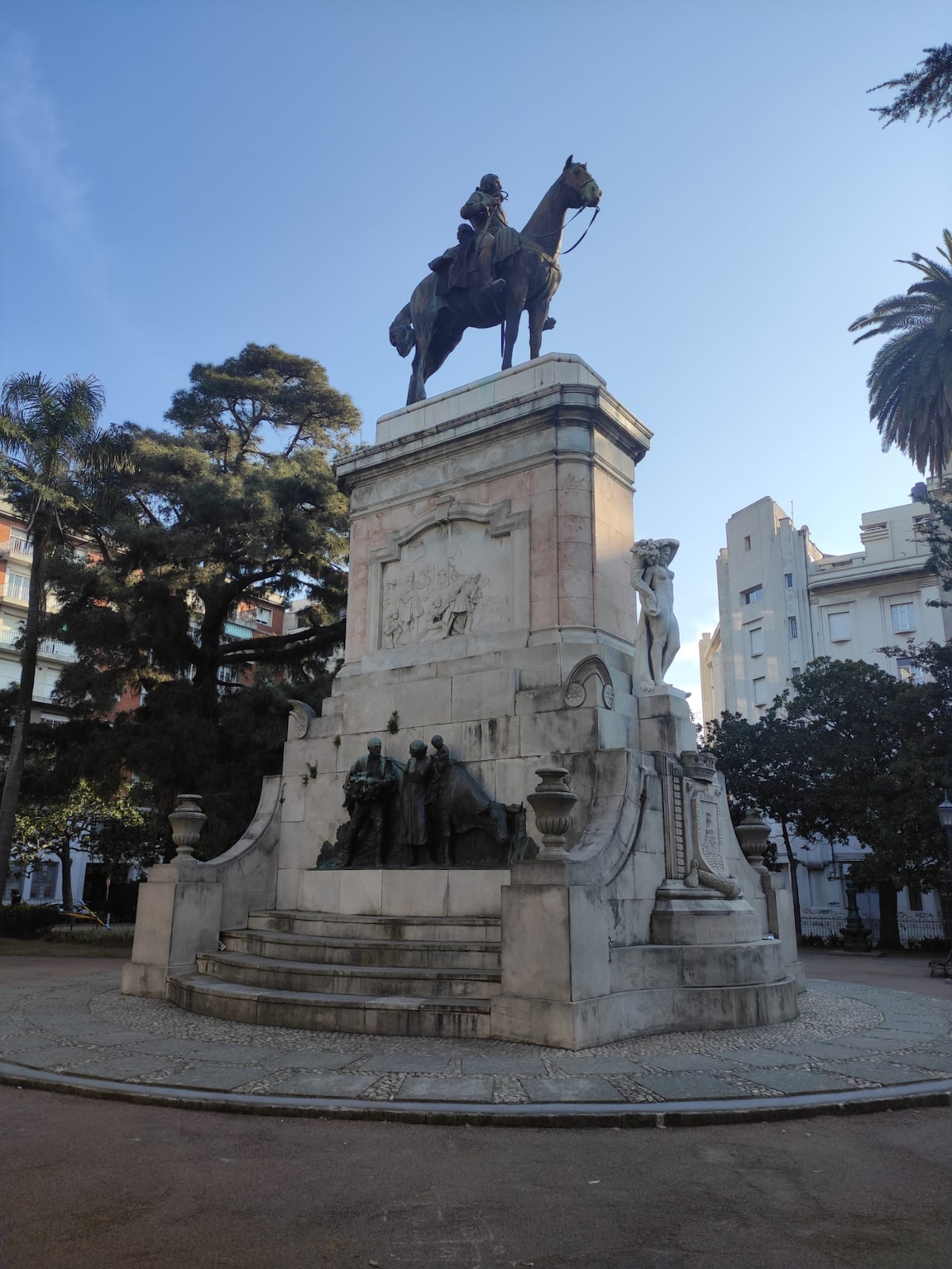
Discover the Old City’s rich culture and history
Mon, Feb 9 • 10:45 AM
Montevideo, Montevideo Department, 11100, Uruguay
View details

Yoga & Brunch in Uruguayan Style
Tue, Feb 10 • 10:30 AM
Montevideo, Montevideo Department, 11200, Uruguay
View details
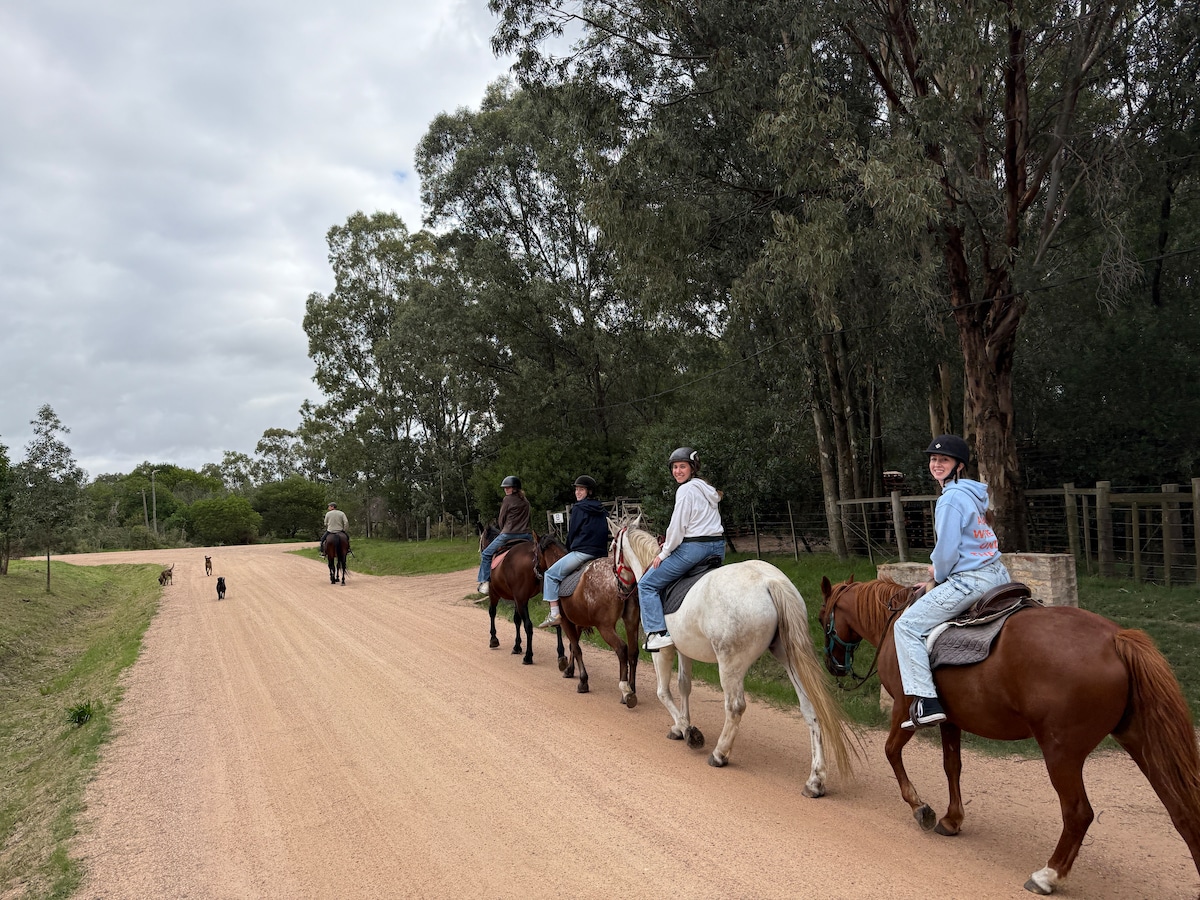
Horseback riding in Montevideo
Mon, Feb 9 • 10:00 AM
Montevideo, Montevideo Department, 12800, Uruguay
View details
Nearby attractions of Port Market
Museo del Carnaval
Pre-Columbian and Indigenous Art Museum
Zabala Square
Museo del Gaucho and Currency
Museo El Juguetero
Constitution Plaza
Montevideo Metropolitan Cathedral
Patio Mainumby
Destino Sarandi
Cultural space the Bovedas
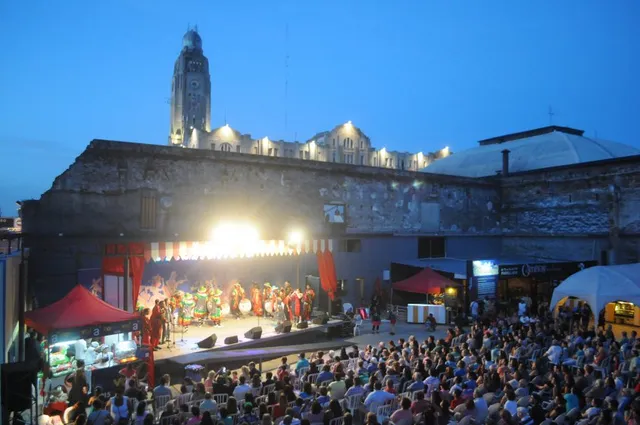
Museo del Carnaval
4.5
(1.4K)
Closed
Click for details
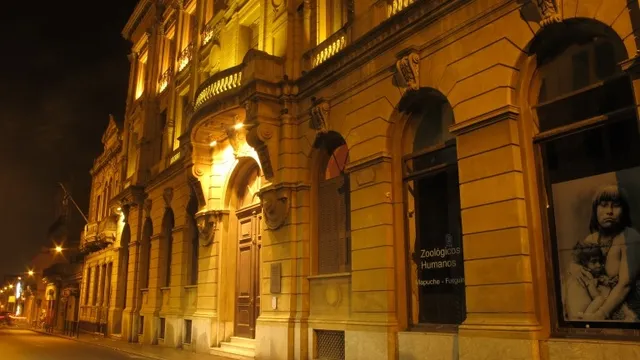
Pre-Columbian and Indigenous Art Museum
4.3
(886)
Open until 12:00 AM
Click for details
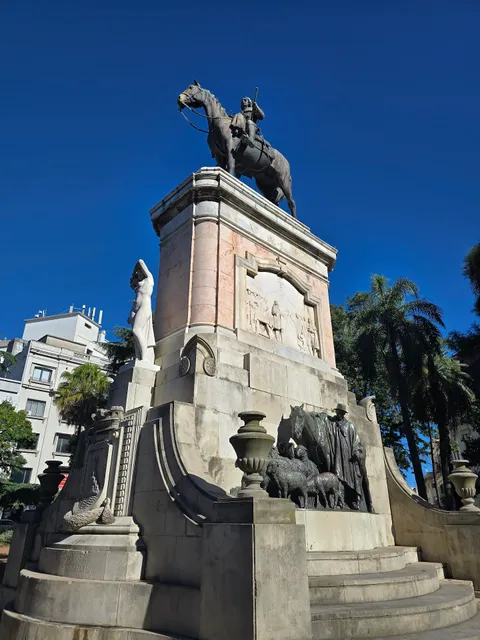
Zabala Square
4.6
(2K)
Open until 12:00 AM
Click for details
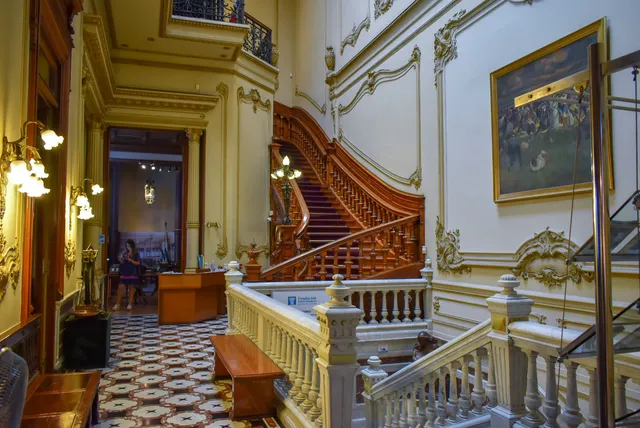
Museo del Gaucho and Currency
4.7
(377)
Open until 12:00 AM
Click for details
Nearby restaurants of Port Market
Don García
Puerto Marino
La Maestranza
El Chipirón
Boutique de Alfajores
Es Mercat
Mercado del Puerto
Alvarez Bar
Restaurant El Navegante
La Fonda
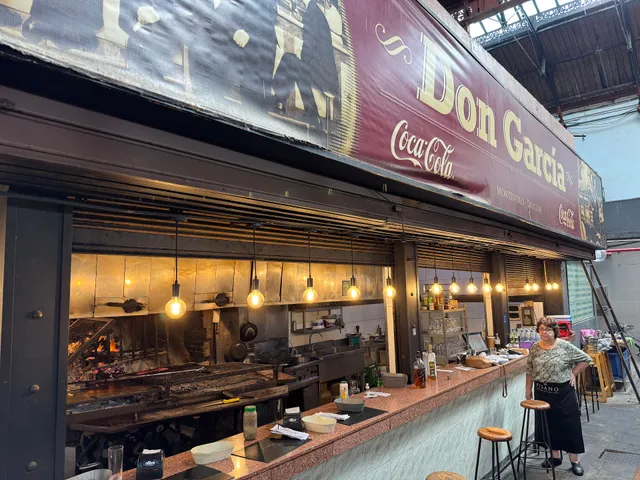
Don García
4.4
(202)
$$
Closed
Click for details
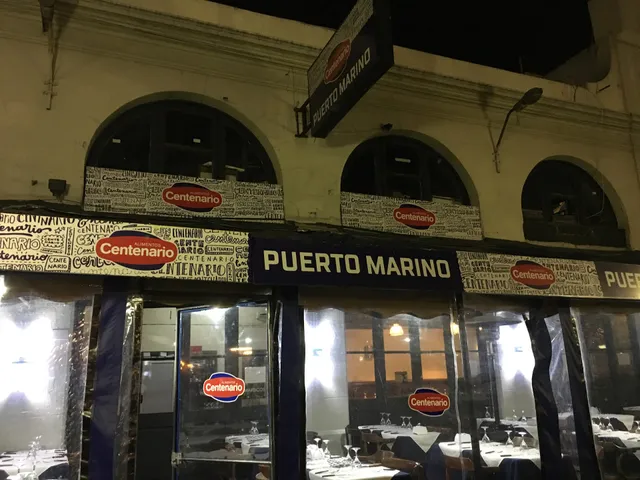
Puerto Marino
3.5
(274)
$$
Closed
Click for details
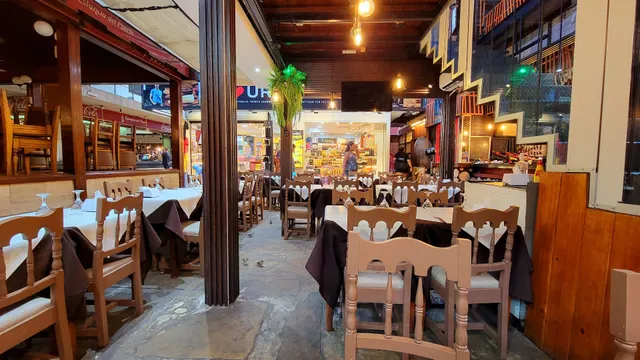
La Maestranza
4.1
(176)
Closed
Click for details
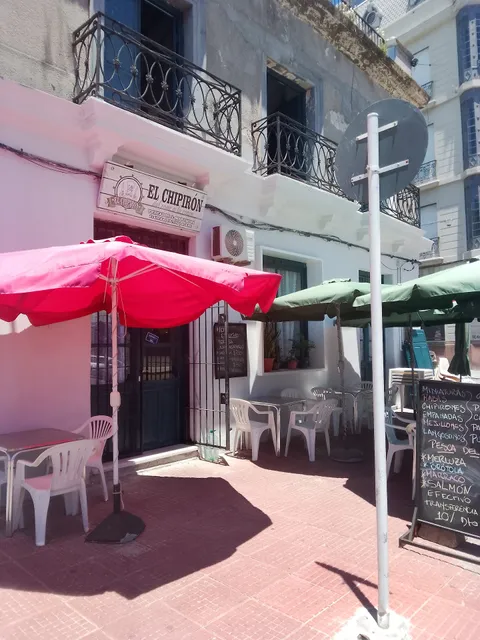
El Chipirón
4.6
(327)
$$
Open until 12:00 AM
Click for details
Nearby local services of Port Market
Puerto Market
Cabaña Veronica
Estancia del Puerto
Montevideo Wine Experience
Casa de Lavalleja
Museo Histórico Nacional Casa Rivera
Port of Montevideo
Column vent
Archbishop of Montevideo
South Hub

Puerto Market
4.4
(7.6K)
Click for details
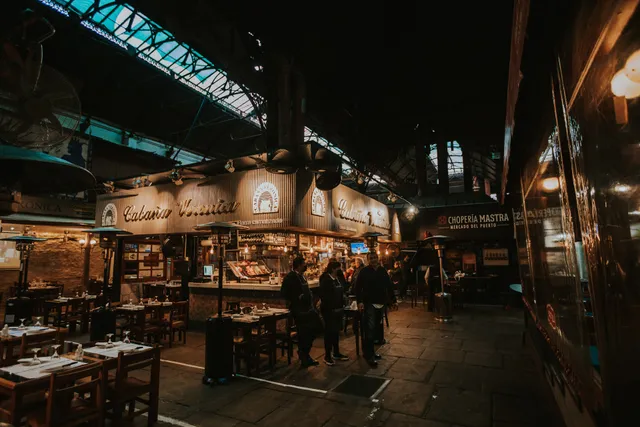
Cabaña Veronica
4.4
(484)
Click for details
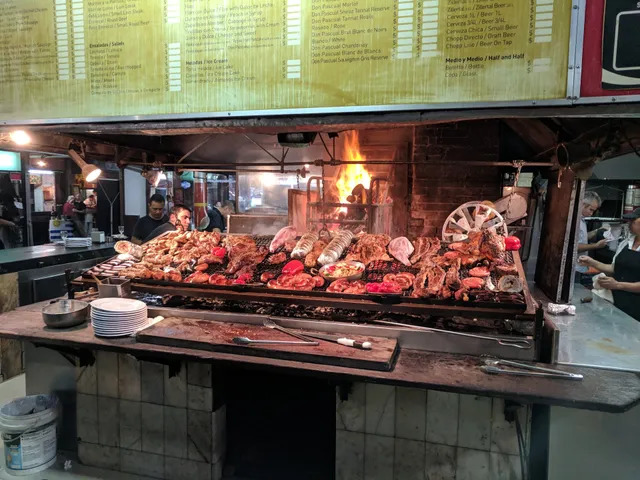
Estancia del Puerto
3.9
(182)
Click for details
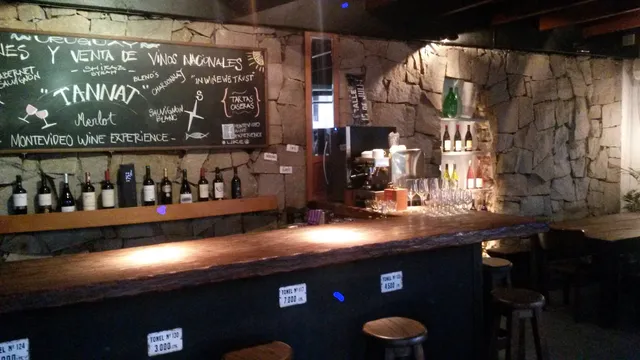
Montevideo Wine Experience
4.7
(265)
Click for details