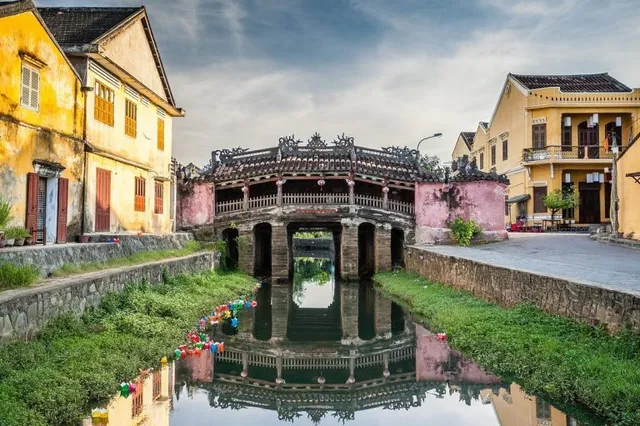
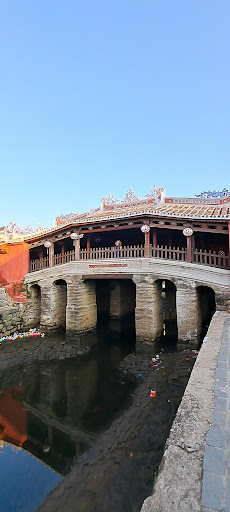
The Japanese Bridge, located in Hoi An Ancient Town, a UNESCO World Heritage Site, is one of the most fascinating cultural attractions in Vietnam. Built in the 17th century, this monument has witnessed many changes in the town. If you come to Hoi An, it is a must-visit.
The Japanese Bridge is called Chua Cau Bridge in Vietnamese. It was built by Japanese merchants to connect with the Chinese neighborhood. It was built for communication and connections and has a very important meaning.
The Japanese Bridge in Hoi An is considered a beautiful representation of the town’s long history. For centuries, this bridge has connected the past, present, and future.
In 1719, Lord Nguyen Phuc Chu visited Hoi An and inscribed the name “Lai Vien Kieu” in three characters at the entrance of the bridge.
This means “Lai Vien Kieu” in Vietnamese and “Bridge to Welcome Guests from Far Away” in English.
Also, because this tower was mainly built by the Japanese, it was named the "Japanese Bridge" or "Japanese Covered Bridge." Although it is commonly called the "Japanese Bridge," it is a unique combination of Vietnamese, Japanese, and Chinese cultures in terms of building materials, design, patterns, and decorations.
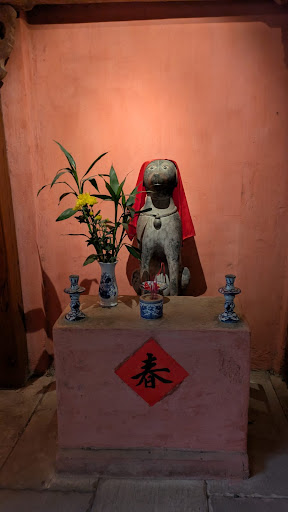
On February 17, 1990, this bridge was designated as a national historic and cultural heritage. There are a dog and a monkey at the entrance and exit of the bridge, respectively. These two statues symbolize the guardian deities of the bridge, as they symbolize protection and safety in Japanese culture. It is also said that these two statues mean that the construction began in the Year of the Monkey and was completed in the Year of the Dog.
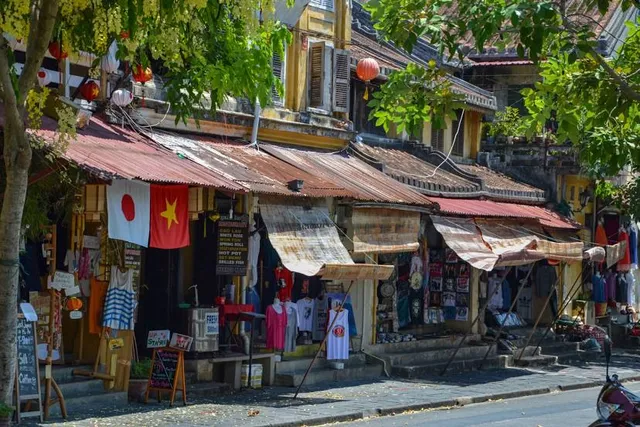
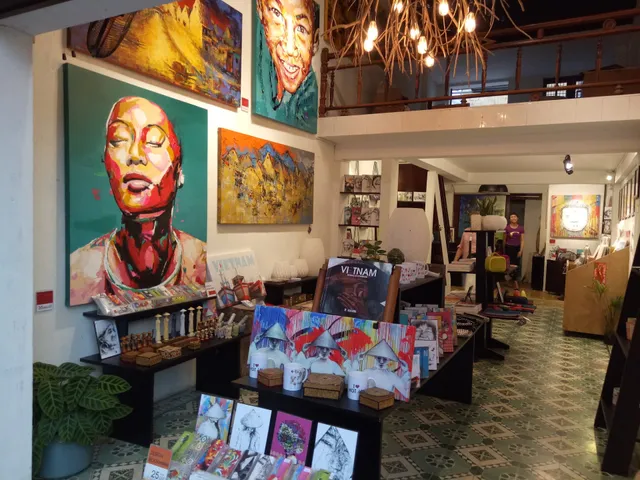
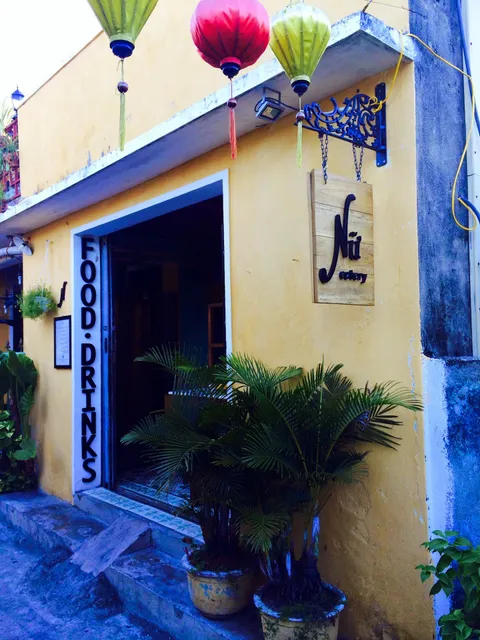
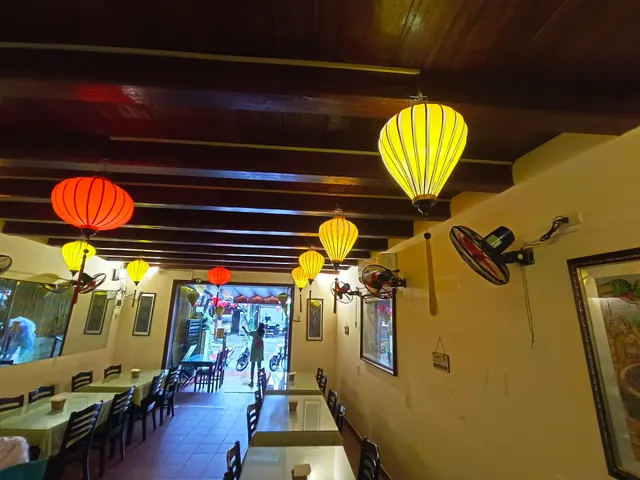
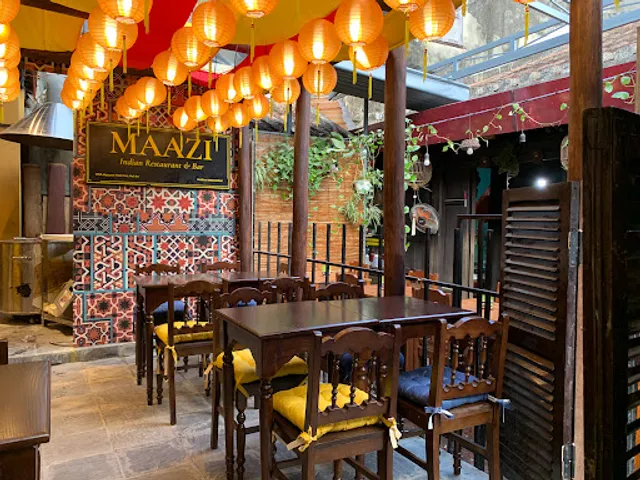
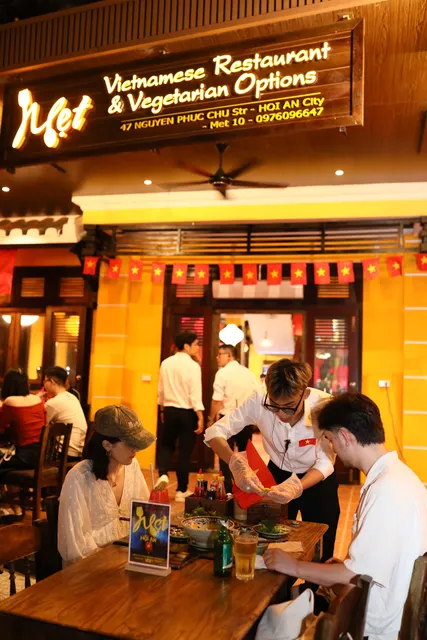
Various cafes and restaurants have been built on both sides of the street centered around the Japanese Bridge, utilizing old and quaint houses. The old cultural heritage of Hoi An (UNESCO World Heritage) and the appearance of the ancient city still remain along the street. There are many unique cafes and restaurants here. There are also many shops selling traditional specialties, handmade products, and souvenirs on the street. And there are various galleries of various genres gathered here. This street was also a place where trade between Vietnam and Japan was active in the 17th century. It is a place with many things to see, so I recommend you visit.
Unlike the daytime, the nighttime scenery is also...
Read moreThe bridge is the only remaining old in Hoi An today's Covered Bridge, also known as Japanese Bridge. The bridge is the Japanese merchants built in the early 17th century so people here often called Japanese bridge. According to legend, the temple is considered as a sword stabbed into the back of the mamazu monster, making it not turn tail, causing earthquakes. In 1653, they built the temple more parts, connecting to the railing to the north, protrude between the bridge should from which the locals called the Pagoda Bridge. This is the only structures remaining of Japan. Located in the adjacent segments on Nguyen Thi Minh Khai with Tran Phu Street, Cau Pagoda has a special architectural style with bold Vietnam, tiled roof covering. This bridge wooden lengthy about 18m. On the front door of this ancient temple with a large sign,carving embossed three kanji is "Lai Vien Kieu".That is due in 1719, Lord Nguyen Phuc Chu visiting Hoi An and seen temples special bridge so the bridge is named "Lai Vien",mean is "you afar comes".A special feature of this temple is that the temple did not worship Buddha but worship "Bac De Tran Vo"-Gods protected land, gives joy and happiness to people, showing spiritual aspirations that people want to say the same heaven and earth to seek all the best. Covered bridge is quite unique, in the middle of the way through the rainbow style, the two sides have narrow corridor to resort to the seven-time wooden. The obverse of the temple overlooking romance of the Huai River. Pagodas and bridges are made of wood, lacquer and engraved motifs meticulously, harmony between the architectural style of Vietnamese, Chinese, Japanese. The bridge has wooden statues standing by, a dog statues and a monkey statues. Legend has it that the animals that the Japanese cult had been ancient worship. Bridge is recognized as Historic Monuments - national culture in 1990. Along with the traffic regulatory functions, facilitate the travel of people in the old town, the temple is a place of living Bridge beliefs related to the legend of the namazu monster. Bridge has undergone at least six times of restoration but retains the original features of...
Read moreThe Chùa Cầu, or Japanese Covered Bridge, is undoubtedly one of Hoi An's most iconic landmarks and a masterpiece of cultural heritage. Visiting this historic bridge was a profound experience that allowed us to connect with the town’s rich history and vibrant culture.
Built in the late 16th century by the Japanese community residing in Hoi An, the bridge was constructed to link the Japanese and Chinese quarters of the town, symbolizing unity and cultural harmony. Its architectural beauty is both simple and elegant, showcasing a fusion of Japanese, Chinese, and Vietnamese influences. The arched wooden structure, with its intricate carvings and tiled roof, stands as a testament to the craftsmanship and artistic traditions of the past.
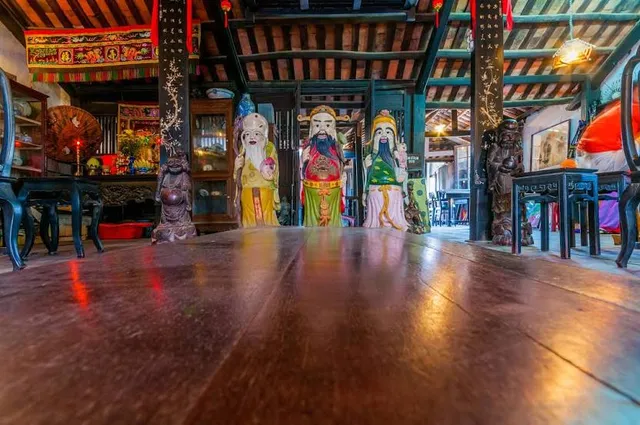
A unique feature of Chùa Cầu is the small temple located at its center, dedicated to the deity Tran Vo Bac De, who is believed to protect the bridge and town from floods and other misfortunes. This spiritual element adds a layer of significance to the bridge, making it not just a functional structure but also a sacred space.
Chùa Cầu holds immense importance for Hoi An, both historically and culturally. It represents the town’s era of prosperity as a bustling international trading port and the harmonious coexistence of diverse communities. Over the centuries, it has become a symbol of resilience and unity, surviving the tests of time and remaining a central figure in the town’s identity.
Strolling across the bridge, we couldn’t help but admire its timeless beauty and the stories it embodies. It was a humbling reminder of the interconnectedness of cultures and the importance of preserving historical treasures. Visiting Chùa Cầu is a must for anyone exploring Hoi An, as it captures the essence of this UNESCO World Heritage...
Read more