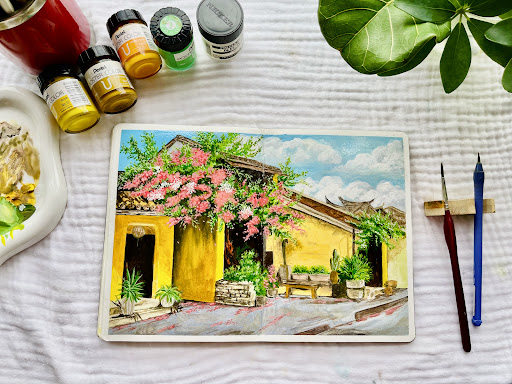
Hoi An Ancient Town is an unforgettable destination that seamlessly weaves together rich history, cultural vibrancy, and modern-day charm. Nestled along the banks of the Thu Bon River in central Vietnam, this UNESCO World Heritage site offers visitors a rare glimpse into Southeast Asia’s past, framed by impeccably preserved architecture, lantern-lit streets, and a lively cosmopolitan atmosphere that spans centuries.
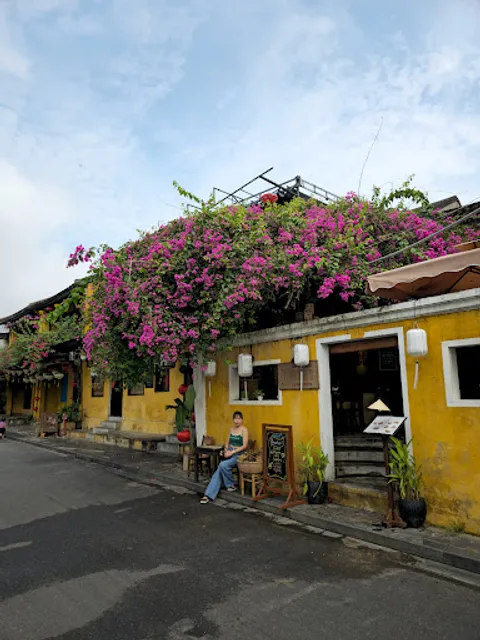
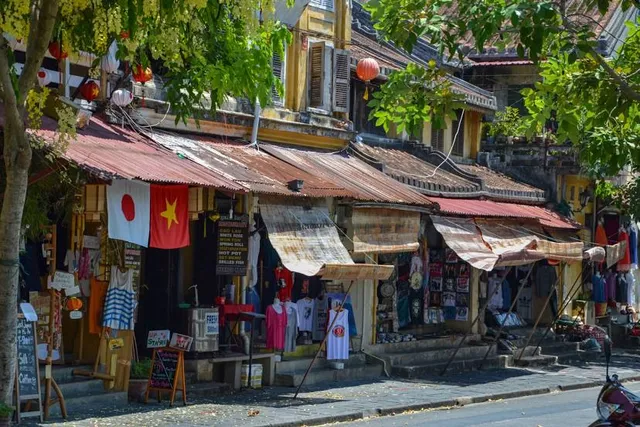
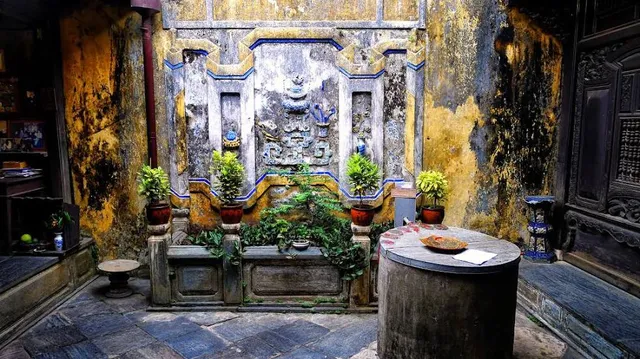
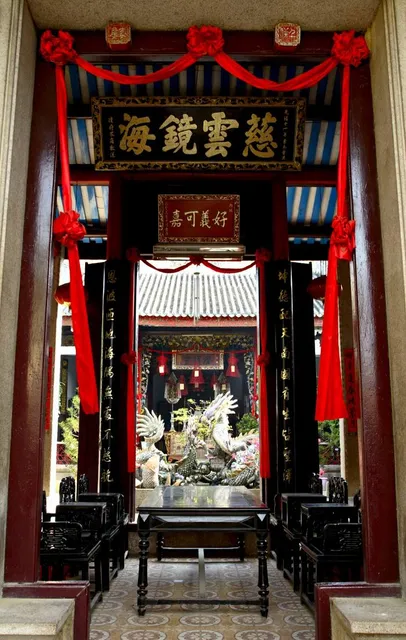
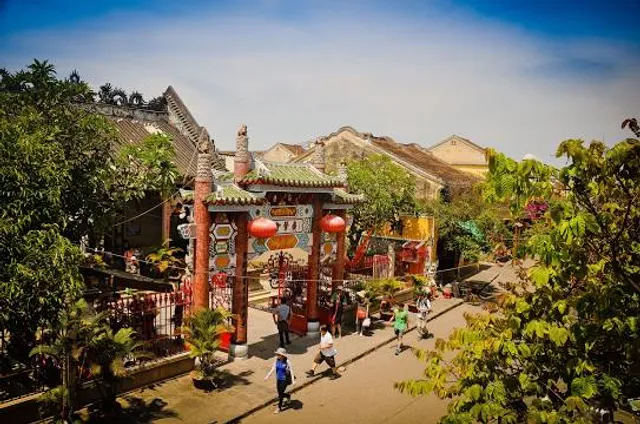
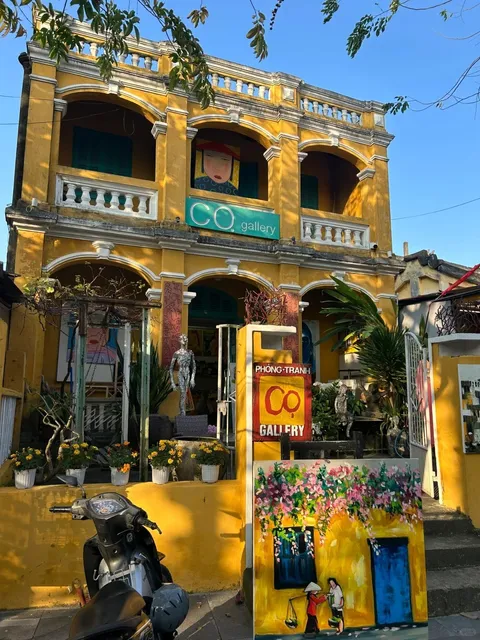
From the moment you step into the Old Town, you are greeted by a unique blend of architectural influences. The streets are a living gallery, showcasing designs that reflect the fusion of Vietnamese traditions with Chinese, Japanese, and European styles, the result of Hoi An’s pivotal role as a trading port from the 15th to 19th centuries. Strolling through the narrow, pedestrian-friendly alleys, you’ll find rows of yellow-painted shophouses, timber-framed buildings adorned with intricate carvings, bustling open markets, assembly halls, and religious sites such as pagodas and family cult houses. The original street plan remains almost untouched—axis lines parallel and perpendicular to the river, making every step feel like a walk through a meticulously preserved time capsule.
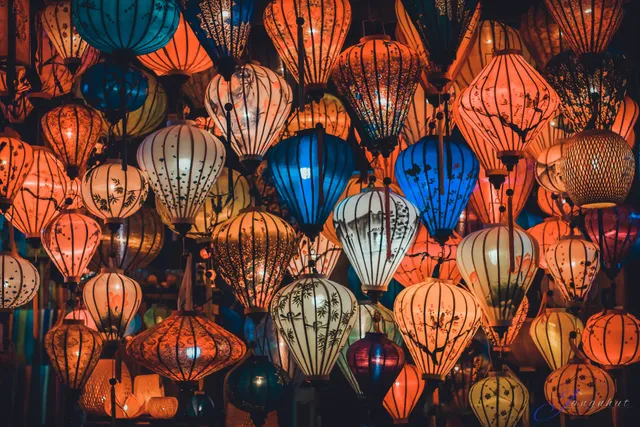
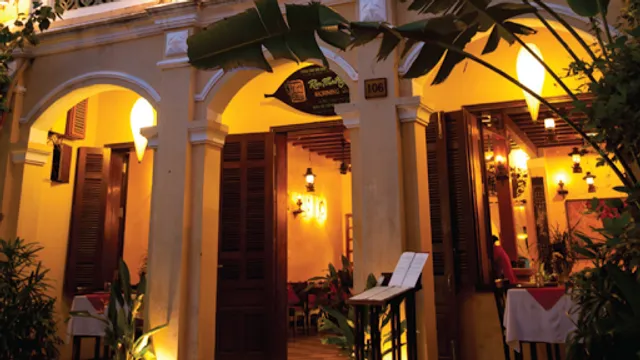
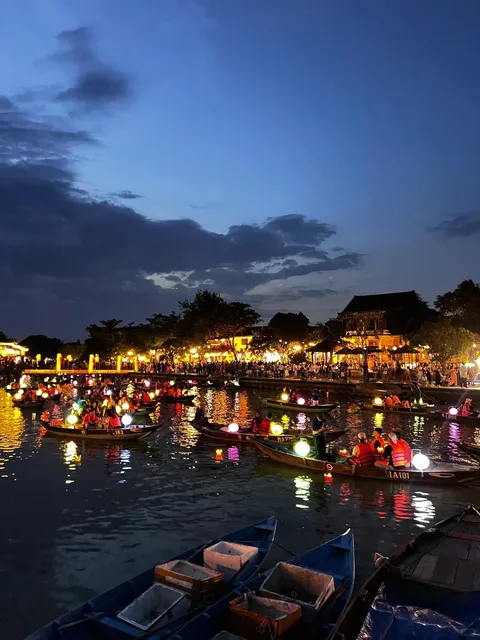
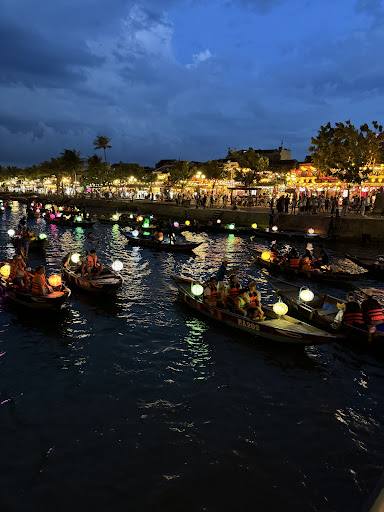
The visual spectacle of Hoi An is at its peak in the evening. As night falls, thousands of lanterns illuminate the streets and riverbanks, casting a warm, magical glow that transforms the town into a scene reminiscent of a fairytale. Consider timing your visit with the monthly Lantern Festival, when locals celebrate the full moon by floating candle-lit lanterns on the river—a spiritual and communal highlight that captivates both residents and visitors alike. Music fills the air, the markets come to life with local delicacies, and boats gently drift past, adding to the enchanting ambiance.
Hoi An’s charm goes beyond its physical beauty. The town pulses with a welcoming energy, largely credited to the friendliness of its residents. Local vendors invite you to sample fresh produce or handmade goods at the central market, Cho Hoi An, while never feeling overly aggressive. Street food is a must, with standouts like cao lầu noodles, white rose dumplings, and the famed bánh mì Hội An, all best enjoyed at a riverside café or while wandering the night market[5]. For those seeking souvenirs, Hoi An is also renown for its tailoring shops—where visitors can have custom garments made in just a day or two, at remarkably reasonable prices.
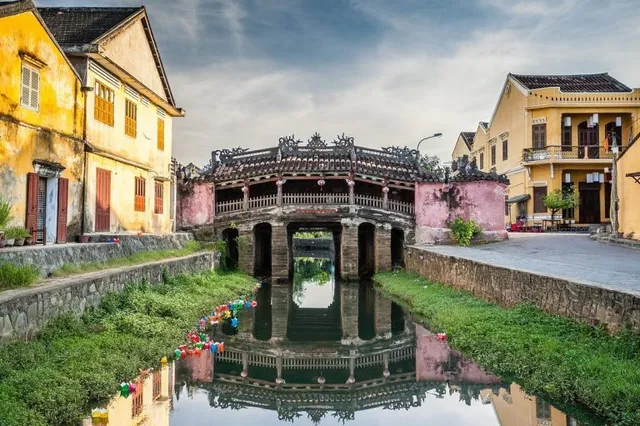
Exploring Hoi An is best done on foot or bicycle, allowing you to savor every corner, hidden temple, and quiet courtyard. The Japanese Covered Bridge, dating from the 18th century, stands out as an iconic symbol—a picturesque reminder of the town’s international legacy and historical continuity.
As vibrant as Hoi An is, there are some practical points to consider. Due to its popularity, the town can become crowded, especially during peak months and festival evenings. To fully enjoy the experience, try to explore early or late in the day, when the streets are quieter and the light is soft. There is a small entrance fee for tourists, which grants access to a selection of key attractions, including historic houses and temples—a worthwhile investment for the insight it offers.
While tourism has brought a wave of modern cafés and boutiques, Hoi An has managed to maintain its authentic character, thanks to strict conservation rules. Restoration efforts ensure that even new establishments embody the spirit of the old town. However, some visitors may find certain streets to be more commercialized than expected, with higher prices in the main pedestrian zone.
For travelers of every kind—solo adventurers, families, history buffs, culture enthusiasts, foodies—Hoi An Ancient Town is truly a destination where past and present coexist in beautiful harmony. Whether you’re losing yourself in lantern-lit nights, savoring street food, or simply soaking in the riverside tranquility, the memories you make in Hoi An are bound to...
Read moreLocated on the central coast of Vietnam, Hoi An Ancient Town is a beautifully preserved UNESCO World Heritage Site that offers a perfect blend of history, culture, and charm. Stepping into Hoi An feels like entering a different era — where time slows down and every street corner tells a story.
Hoi An’s unique architecture reflects a fusion of cultures, influenced by centuries of trade with China, Japan, and Europe. The old town is filled with narrow cobbled streets, ancient wooden houses, Chinese temples, Japanese bridges, and French-colonial buildings — each with its own distinct character. One of the town’s highlights is the Japanese Covered Bridge, a 400-year-old landmark that beautifully symbolizes the cultural exchange that defines Hoi An.
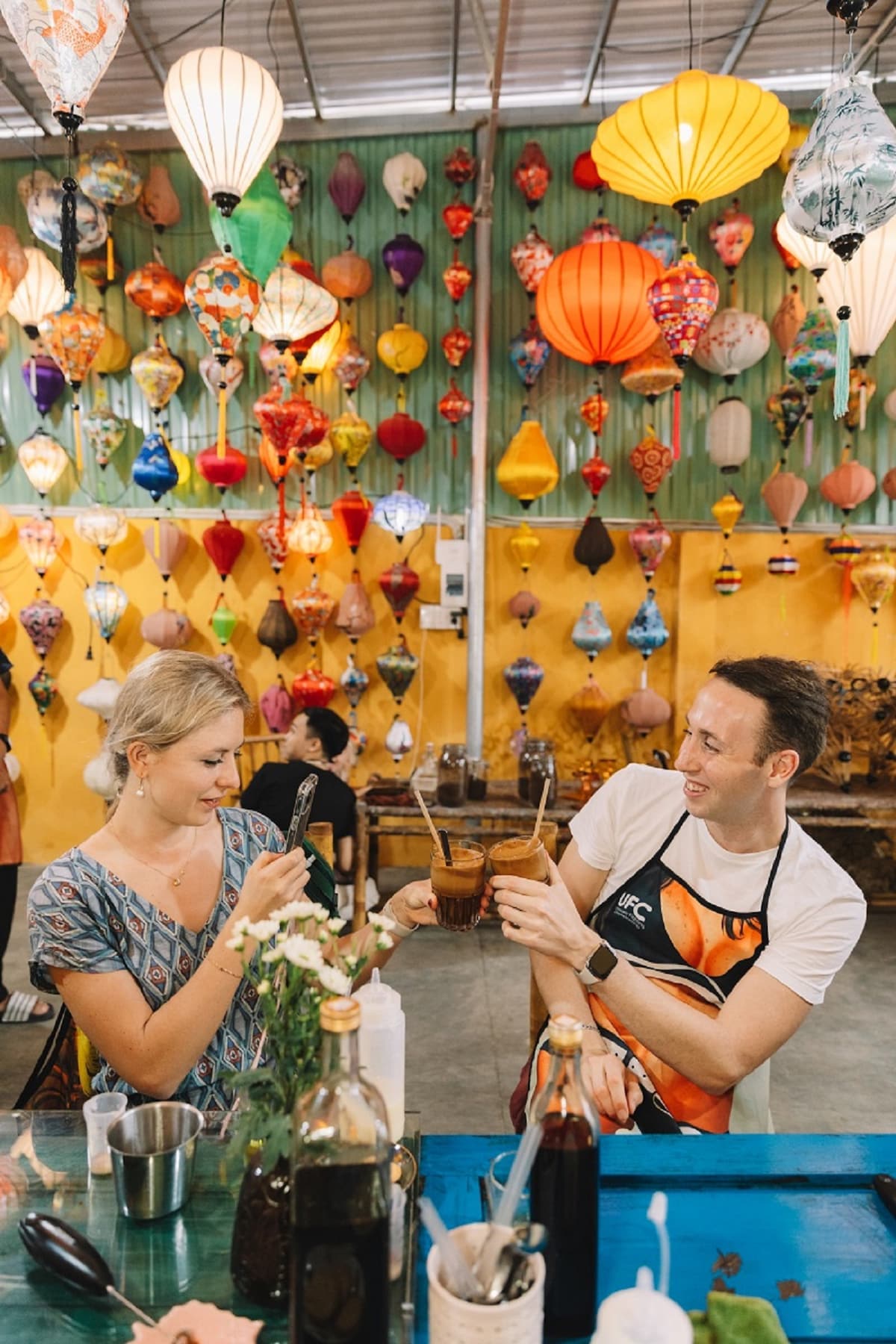
Hoi An is also famous for its tailor shops, where you can get custom-made clothing in just a day or two. Whether it’s suits, dresses, or leather shoes, the craftsmanship is top-quality and reasonably priced. The night markets are also a treat — perfect for picking up souvenirs, handmade lanterns, or tasting local street food.
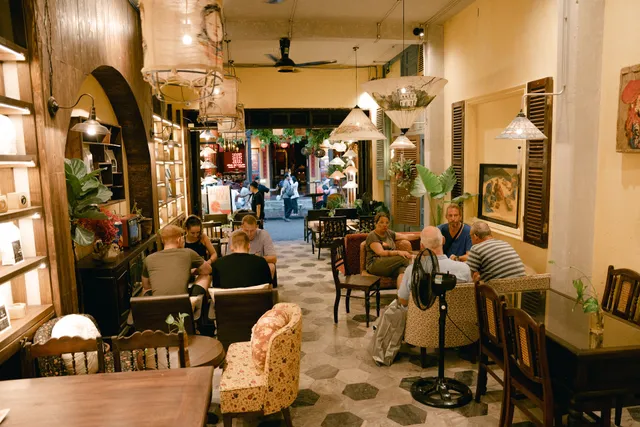
Hoi An is a food lover’s paradise. Signature dishes like Cao Lầu, White Rose dumplings, and Bánh Mì Phượng offer a taste of the town’s culinary diversity. Many cafes and restaurants are set in historic buildings along the river, providing stunning views and a relaxing ambiance.
One of the most magical experiences in Hoi An is walking along the Thu Bồn River at night, when thousands of colorful lanterns light up the streets. You can even take a traditional boat ride and release a floating lantern into the water — a peaceful, almost spiritual activity that’s deeply symbolic in Vietnamese culture.
🕯️ Travel Tips • The Old Town is pedestrian-only at certain times, making it perfect for walking or cycling. • Entrance tickets (about 120,000 VND) include access to several historical buildings and temples. • Visit during the full moon lantern festival (held monthly) for a truly unforgettable experience.
Hoi An Ancient Town is not just a destination — it’s an experience. Whether you’re exploring its historical landmarks, savoring local cuisine, or simply enjoying the slow pace of life, Hoi An has a timeless beauty that captures the heart of every traveler. A visit here is truly a highlight of any...
Read moreWe spent a day wandering around Hoi An Ancient Town, and honestly, even without buying the official entry ticket, it was already a really lovely experience.
Right away, you can feel the vibe shift from the buzz of Da Nang to something more peaceful, slower, and nostalgic.
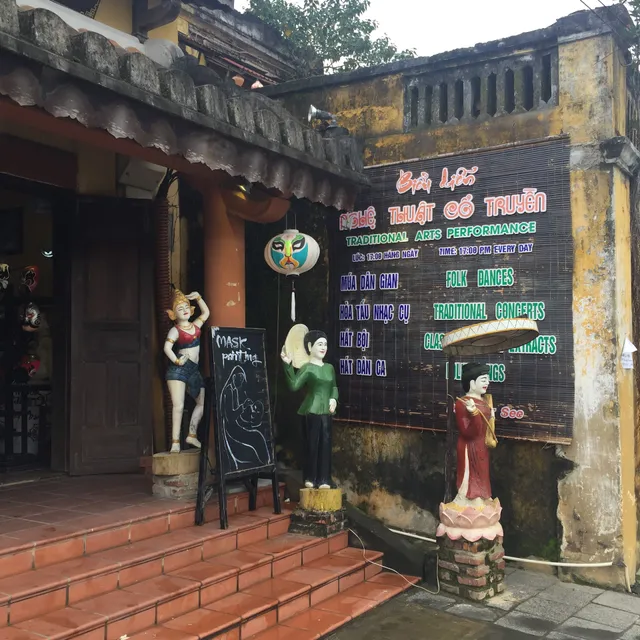
The old yellow-washed buildings, wooden shophouses, colorful lanterns, and cobbled streets all give Hoi An its timeless charm.
There’s just something very romantic and laid-back about the place.
You don’t need a ticket to walk through the main areas, and there’s plenty to see and explore.
We browsed through stalls selling handmade crafts, silk items, leather goods, and unique souvenirs.
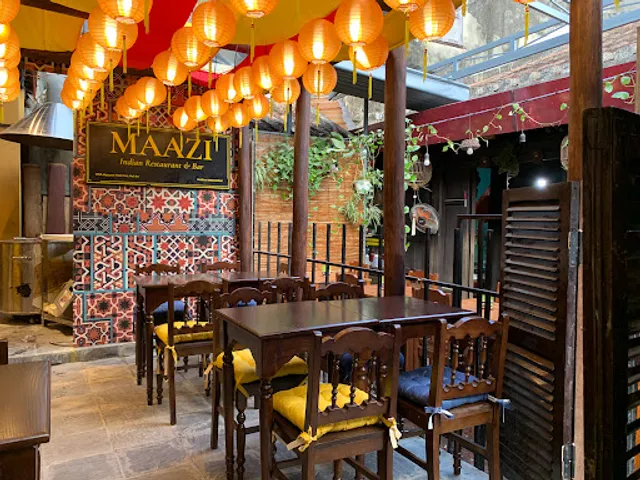
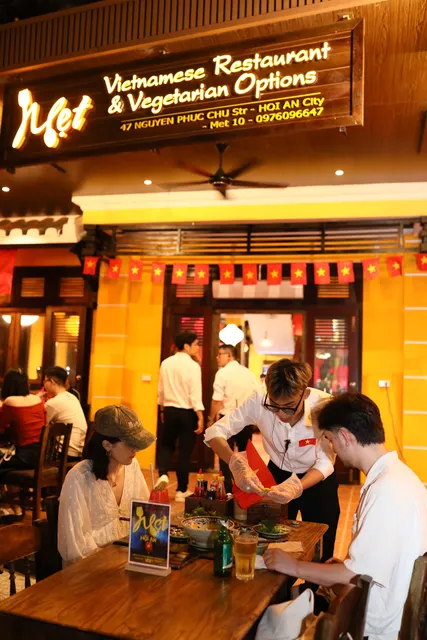
There are also loads of coffee shops, small restaurants, massage places, nail salons, and even stores selling Vietnamese chocolate, craft beer, and local wines.
It’s the kind of place where you could easily spend a full day just soaking it all in.
One major highlight for us was trying the famous Bánh Mì Phượng—yes, that bánh mì place that’s been featured by Anthony Bourdain, the late and beloved food critic and travel host.
His recommendation kind of put it on the global foodie map. We were pleasantly surprised that even though it's super famous, the queue was orderly and moved fast, and we got our banh mi not long after ordering.
It was delicious, crispy on the outside, warm and packed with flavourful meat and fresh vegetables inside. Definitely worth trying if you're in Hoi An.
Of course, if you want to visit the actual heritage buildings, old houses, museums, and temples inside the Ancient Town, you’ll need to purchase a ticket at the official booths.
That gives you access to a selection of historical and cultural sites, and your contribution goes toward preserving this UNESCO World Heritage site.
All in all, Hoi An Ancient Town is worth the trip, ticket or not. The streets are scenic, the shops are fun to explore, and the food—especially that banh mi—is memorable.
As evening falls, the town slowly transforms, lighting up with lanterns and...
Read more