Phố cổ Hội An things to do, attractions, restaurants, events info and trip planning
Basic Info
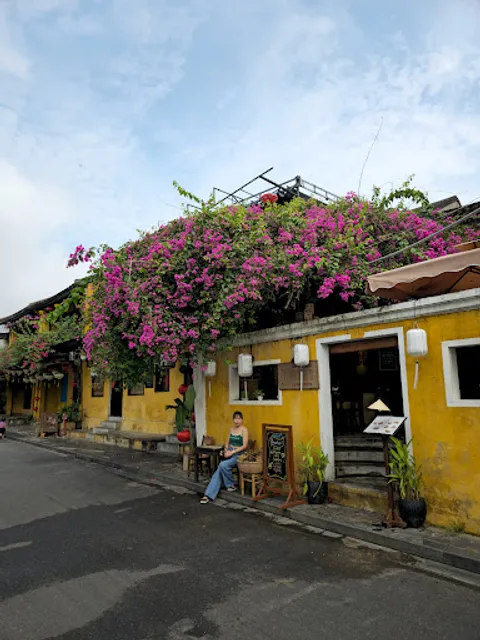
Phố cổ Hội An
Old Town, Hội An, Quảng Nam 008454, Vietnam
4.7(858)
Open until 12:00 AM
Save
spot
spot
Ratings & Description
Info
Cultural
Scenic
Outdoor
Family friendly
attractions: Museum of Folk Culture, Museum of Trade Ceramics, 會安古鎮, Hoi An Traditional Art Performance House, Chùa Cầu, Hội An Night Market, Rehahn Gallery, Old House of Tan Ky, Museum of Traditional Medicine, Hoi An ancient town, restaurants: MẸT Hội An - Vietnamese cuisine & Vegetarian options 7, MẸT Hội An - Vietnamese restaurant & Vegetarian Food 6, 92 station restaurant & cafe, Pho Xua, Moments Hoi An, Cơm Linh - Vietnamese Restaurant, MIX Greek Restaurant Hoi An, HOI AN CUISINE Restaurant - 73 Tran Phu, Hoi An Heart Restaurant, Boulevard Gelato I - Hội An, local businesses: Chinese Assembly Hall of Hoi An, Sen Tailor Hoi An, Eat Hoi An, Co May Tailor Hoi An, Quan Cong Temple, Tran Family Chapel, Hoi An Market, Cloth Shop #50, TaTa Tailor (The counter No.05 Inside Hoi An Fabric Market), “Ms. An” No. 90 Tailor Inside Hoi An Cloth Market
 Learn more insights from Wanderboat AI.
Website
klook.com
Open hoursSee all hours
TueOpen 24 hoursOpen
Plan your stay

Pet-friendly Hotels in Hội An
Find a cozy hotel nearby and make it a full experience.

Affordable Hotels in Hội An
Find a cozy hotel nearby and make it a full experience.

The Coolest Hotels You Haven't Heard Of (Yet)
Find a cozy hotel nearby and make it a full experience.

Trending Stays Worth the Hype in Hội An
Find a cozy hotel nearby and make it a full experience.
Reviews
Live events
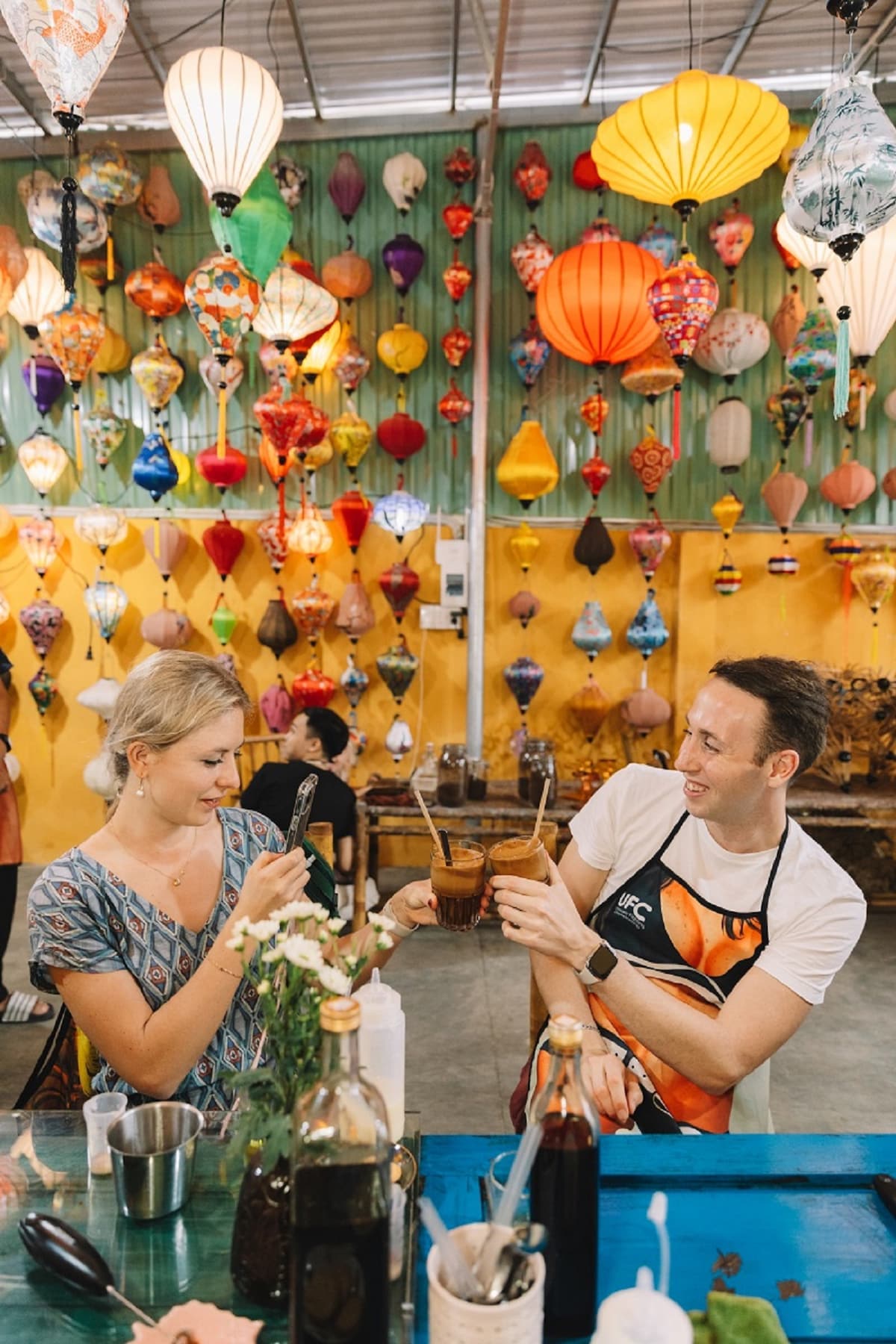
Vietnamese culture and coffee making class
Mon, Feb 23 • 10:00 AM
Hội An, Quảng Nam, 56000, Vietnam
View details
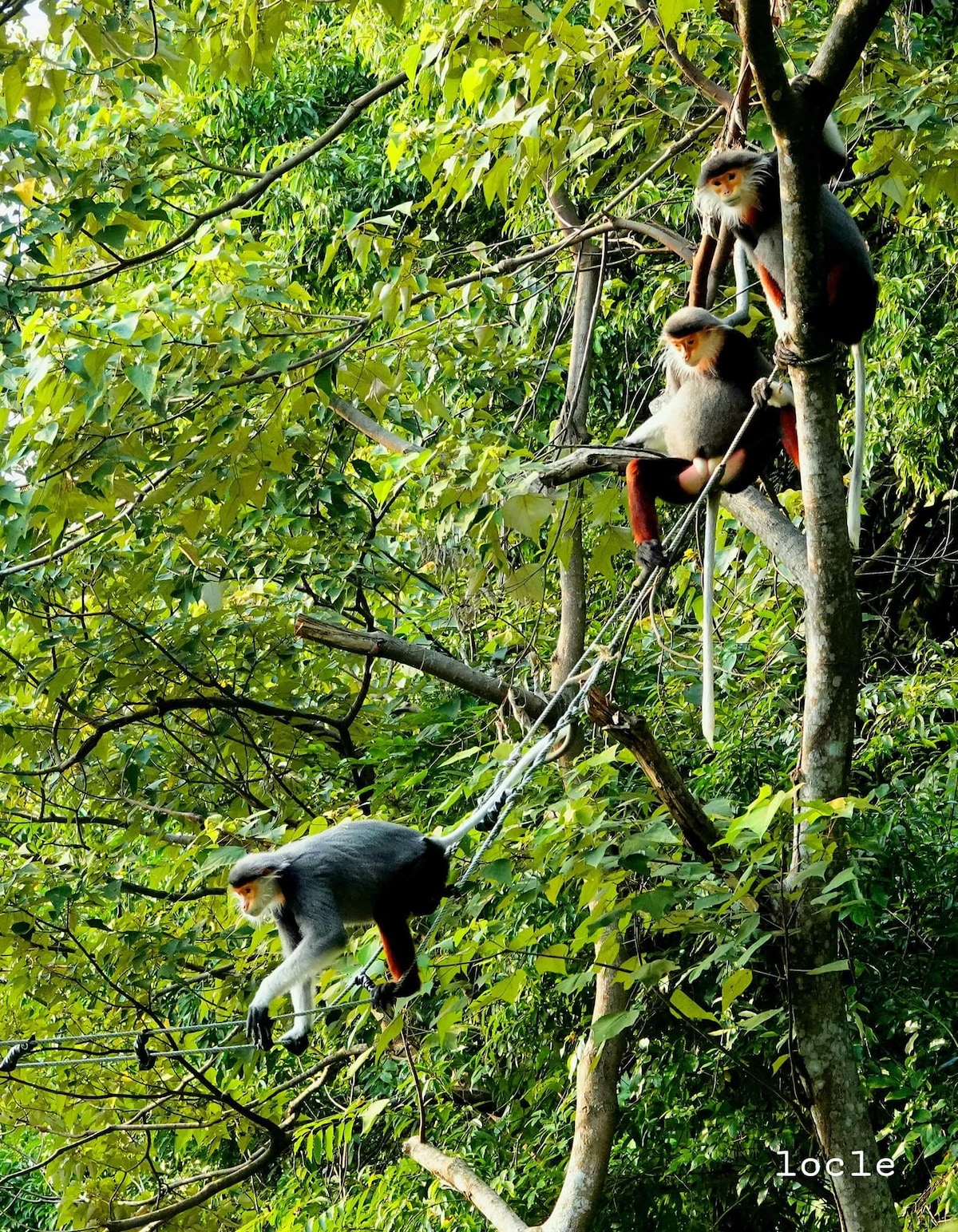
Da Nang endangered wildlife safari
Fri, Feb 20 • 7:30 AM
Sơn Trà, Đà Nẵng, 550000, Vietnam
View details
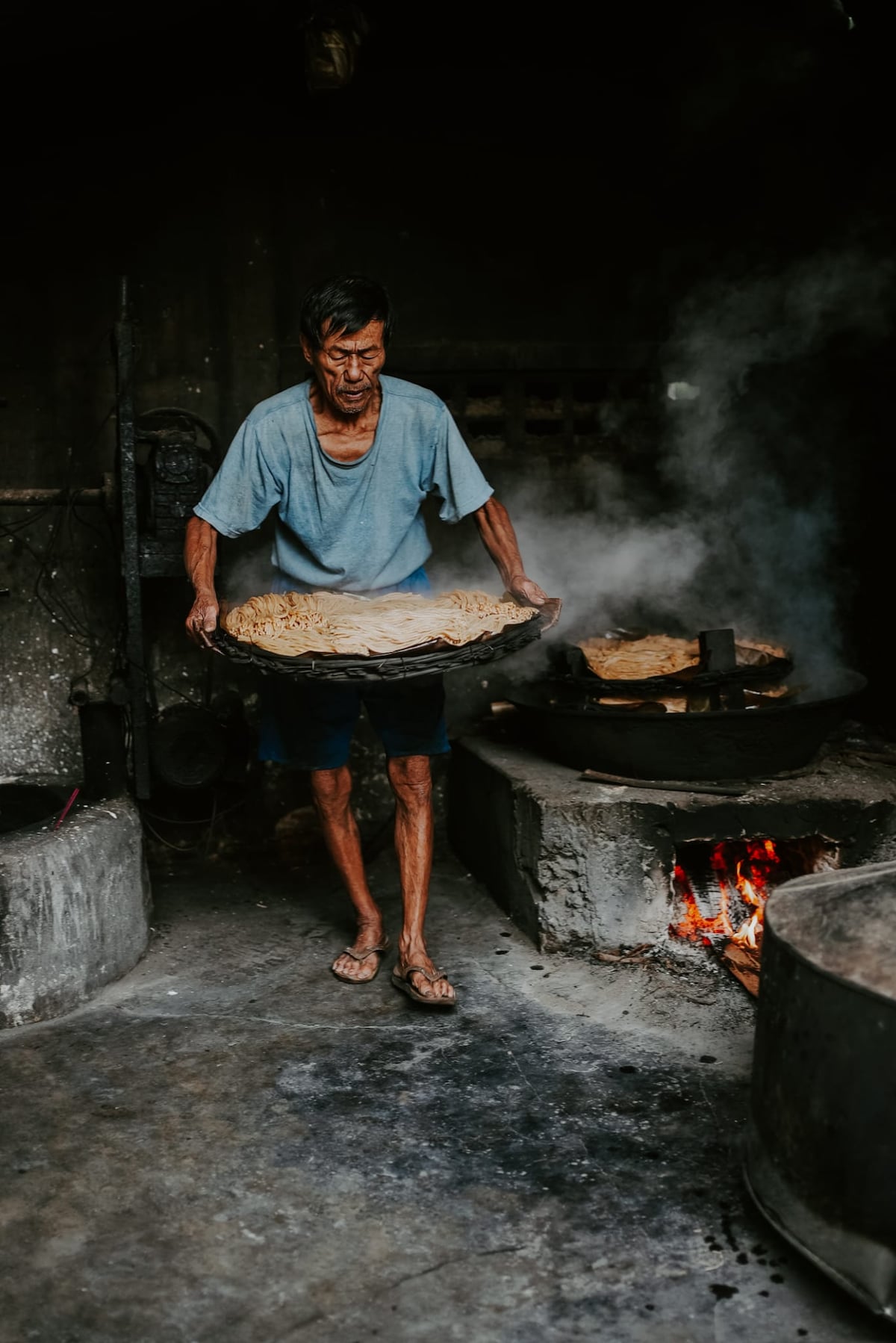
Hidden Gems of Old Hoi An
Tue, Feb 17 • 3:30 PM
Hội An, Quảng Nam, 560000, Vietnam
View details
Nearby attractions of Phố cổ Hội An
Museum of Folk Culture
Museum of Trade Ceramics
會安古鎮
Hoi An Traditional Art Performance House
Chùa Cầu
Hội An Night Market
Rehahn Gallery
Old House of Tan Ky
Museum of Traditional Medicine
Hoi An ancient town
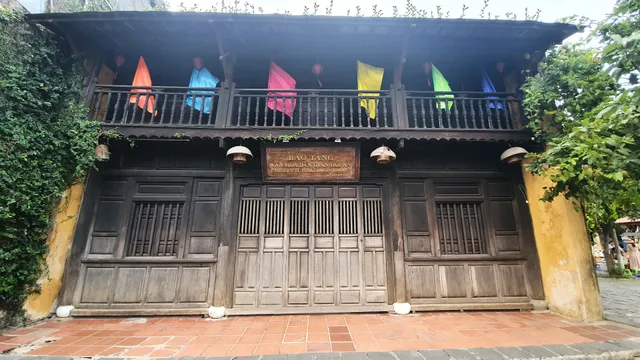
Museum of Folk Culture
4.3
(422)
Open until 9:30 PM
Click for details
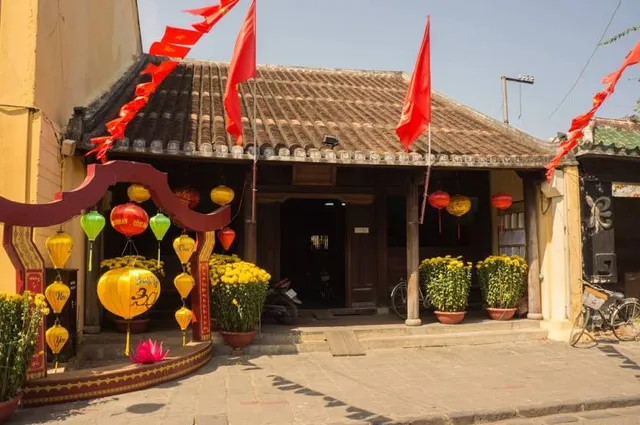
Museum of Trade Ceramics
4.1
(94)
Open until 9:00 PM
Click for details
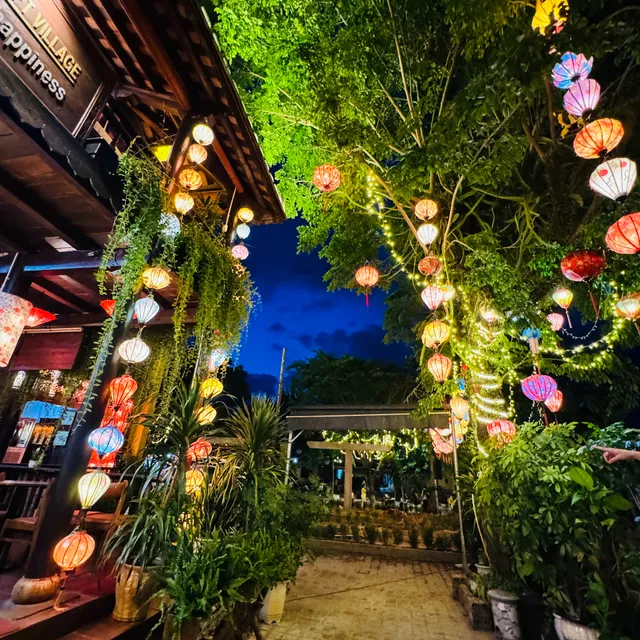
會安古鎮
4.7
(263)
Open 24 hours
Click for details
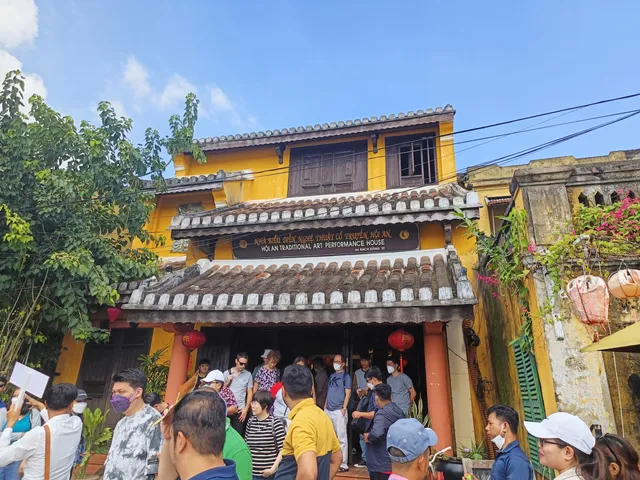
Hoi An Traditional Art Performance House
4.5
(340)
Open until 5:00 PM
Click for details
Nearby restaurants of Phố cổ Hội An
MẸT Hội An - Vietnamese cuisine & Vegetarian options 7
MẸT Hội An - Vietnamese restaurant & Vegetarian Food 6
92 station restaurant & cafe
Pho Xua
Moments Hoi An
Cơm Linh - Vietnamese Restaurant
MIX Greek Restaurant Hoi An
HOI AN CUISINE Restaurant - 73 Tran Phu
Hoi An Heart Restaurant
Boulevard Gelato I - Hội An
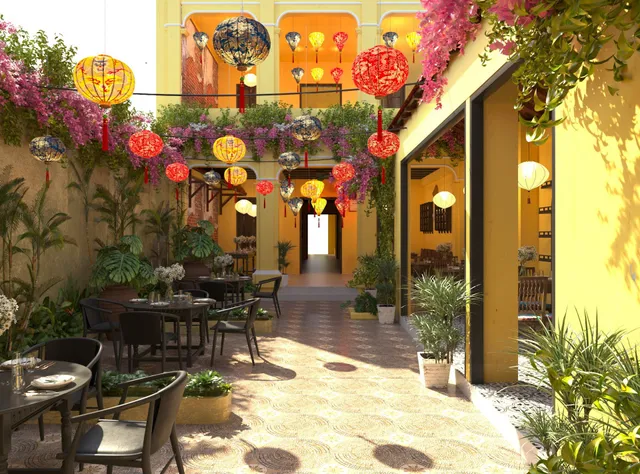
MẸT Hội An - Vietnamese cuisine & Vegetarian options 7
4.9
(5.2K)
Open until 10:30 PM
Click for details
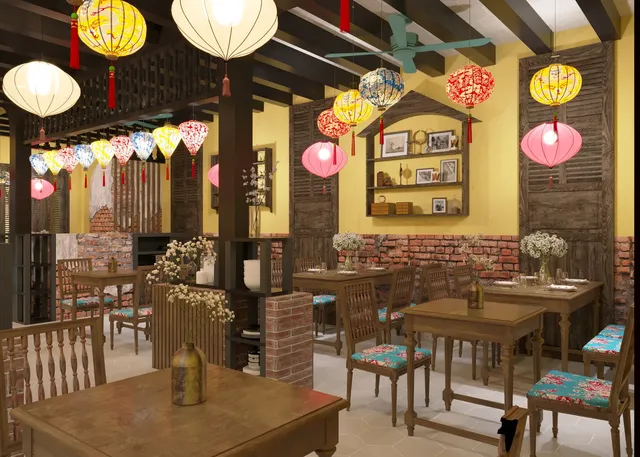
MẸT Hội An - Vietnamese restaurant & Vegetarian Food 6
4.9
(5.2K)
Open until 10:30 PM
Click for details
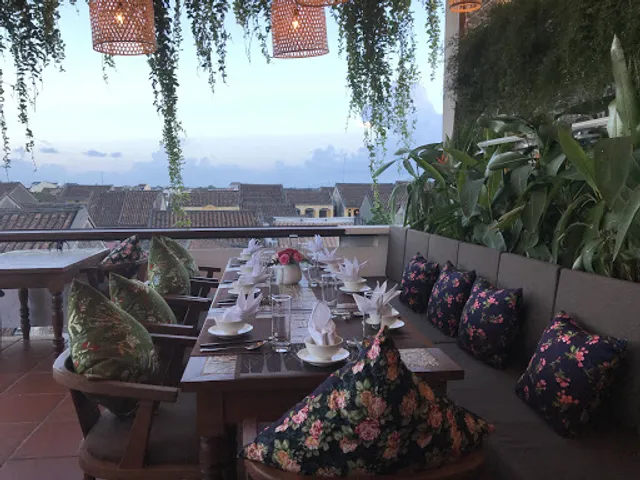
92 station restaurant & cafe
4.4
(567)
Open until 7:00 PM
Click for details
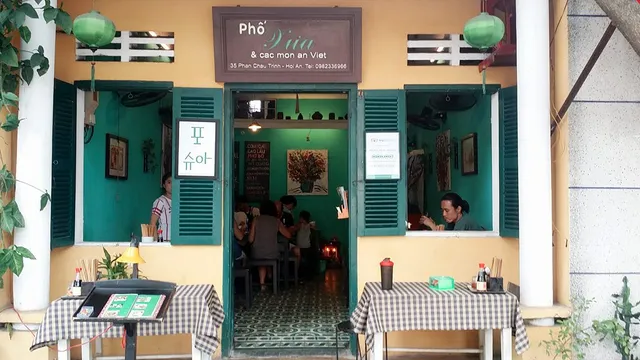
Pho Xua
4.3
(1.8K)
Open until 8:45 PM
Click for details
Nearby local services of Phố cổ Hội An
Chinese Assembly Hall of Hoi An
Sen Tailor Hoi An
Eat Hoi An
Co May Tailor Hoi An
Quan Cong Temple
Tran Family Chapel
Hoi An Market
Cloth Shop #50
TaTa Tailor (The counter No.05 Inside Hoi An Fabric Market)
“Ms. An” No. 90 Tailor Inside Hoi An Cloth Market
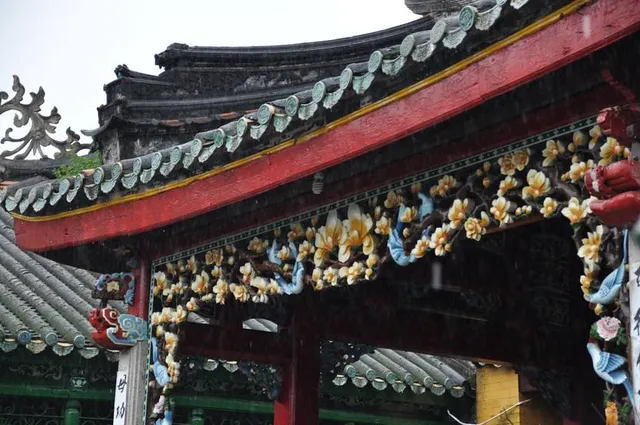
Chinese Assembly Hall of Hoi An
4.4
(35)
Click for details
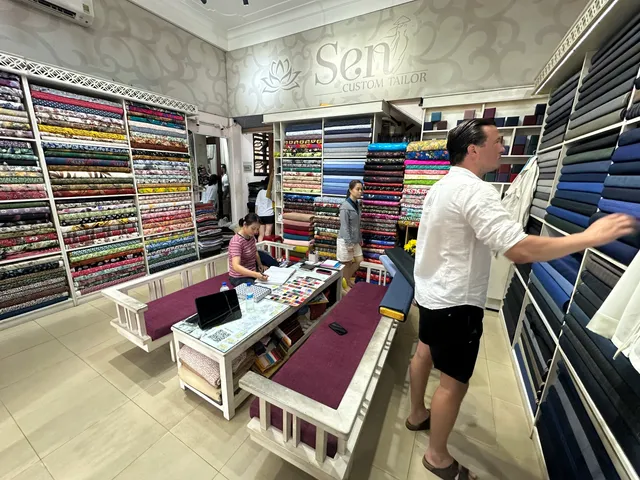
Sen Tailor Hoi An
4.9
(175)
Click for details
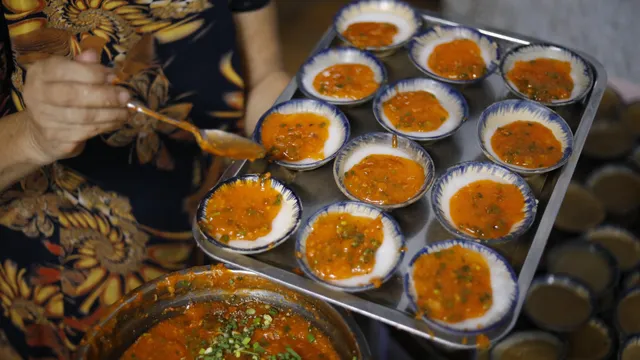
Eat Hoi An
4.9
(112)
Click for details

Co May Tailor Hoi An
5.0
(63)
Click for details





