Dominican monastery things to do, attractions, restaurants, events info and trip planning
Basic Info
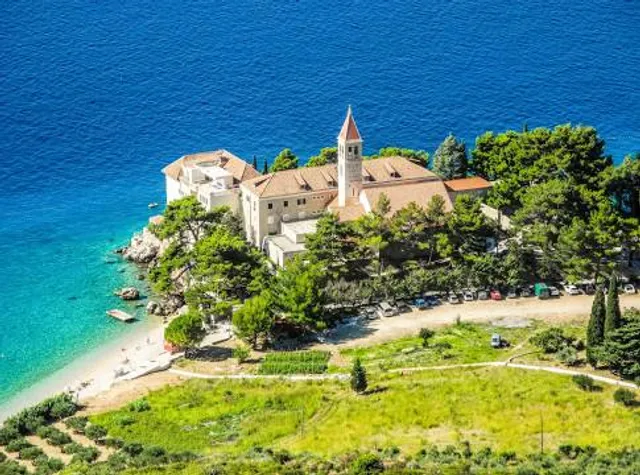
Dominican monastery
Šetalište Anđelka Rabadana 4, 21420, Bol, Croatia
4.7(280)
Closed
Save
spot
spot
Ratings & Description
Info
Cultural
Family friendly
Accessibility
attractions: Galerija Branislav Dešković, Stina Winery, restaurants: Konoba Dinko, Konoba Mendula, Loggia 1884, Pumparela Restaurant, Argento, Varadero, Pizzeria Topolino, Restaurant Jadranka, Boket78, Riva - Bol d.o.o., local businesses: Kotlina beach, Plaža Grabov Rat, Grabov Rat Beach, Port Bol
 Learn more insights from Wanderboat AI.
Phone
+385 21 642 029
Open hoursSee all hours
Thu10 AM - 12 PM, 6 - 8 PMClosed
Plan your stay

Pet-friendly Hotels in Općina Bol
Find a cozy hotel nearby and make it a full experience.

Affordable Hotels in Općina Bol
Find a cozy hotel nearby and make it a full experience.

The Coolest Hotels You Haven't Heard Of (Yet)
Find a cozy hotel nearby and make it a full experience.

Trending Stays Worth the Hype in Općina Bol
Find a cozy hotel nearby and make it a full experience.
Reviews
Nearby attractions of Dominican monastery
Galerija Branislav Dešković
Stina Winery
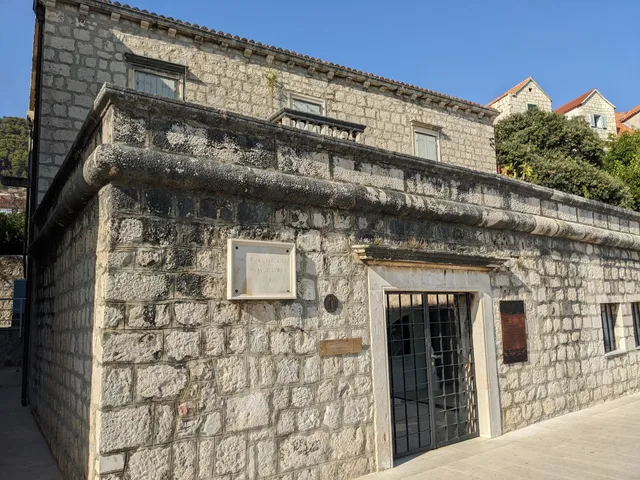
Galerija Branislav Dešković
5.0
(8)
Closed
Click for details
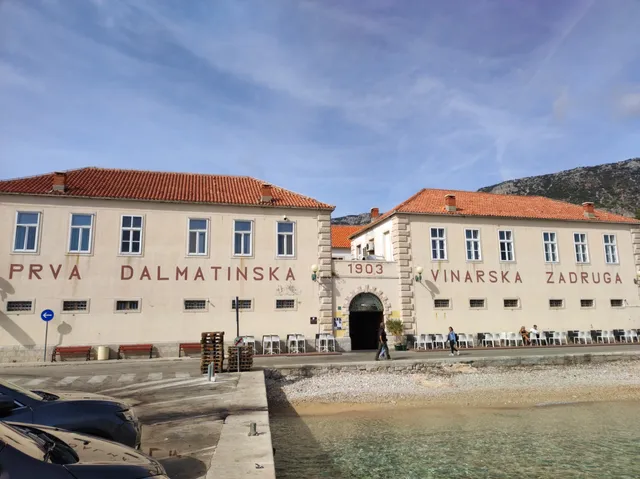
Stina Winery
4.6
(249)
Open 24 hours
Click for details
Nearby restaurants of Dominican monastery
Konoba Dinko
Konoba Mendula
Loggia 1884
Pumparela Restaurant
Argento
Varadero
Pizzeria Topolino
Restaurant Jadranka
Boket78
Riva - Bol d.o.o.
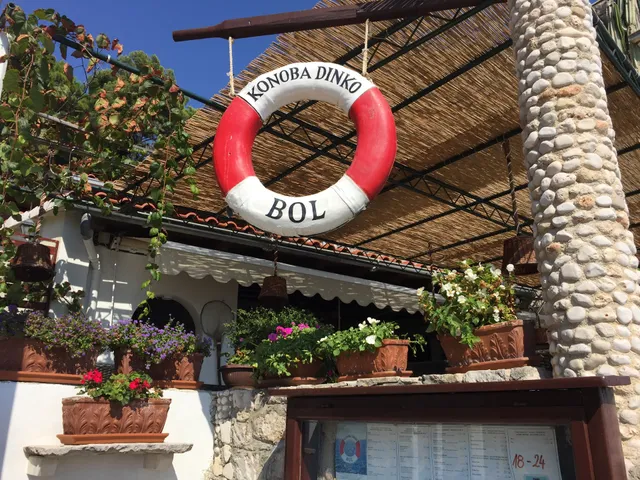
Konoba Dinko
4.6
(271)
$$
Closed
Click for details
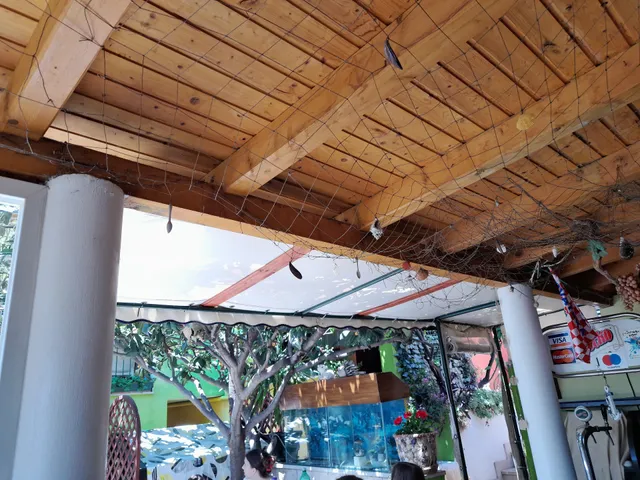
Konoba Mendula
4.2
(208)
$$
Closed
Click for details
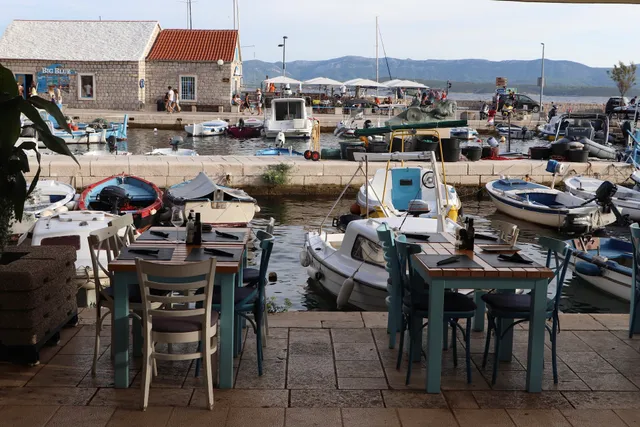
Loggia 1884
4.5
(542)
Click for details
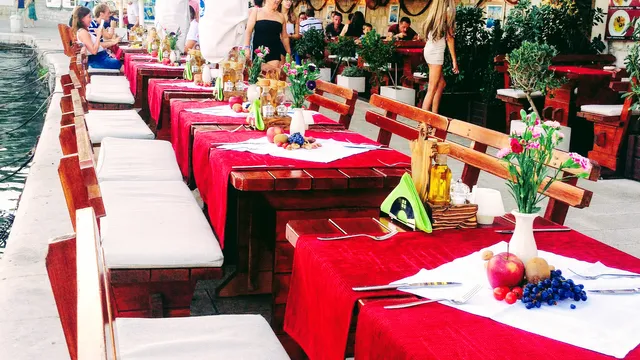
Pumparela Restaurant
4.5
(787)
$$
Click for details
Nearby local services of Dominican monastery
Kotlina beach
Plaža Grabov Rat
Grabov Rat Beach
Port Bol
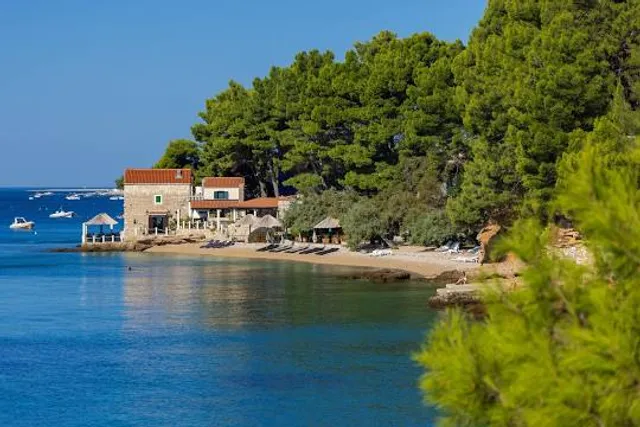
Kotlina beach
4.7
(121)
Click for details
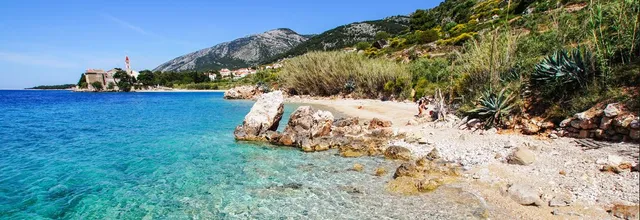
Plaža Grabov Rat
4.5
(31)
Click for details
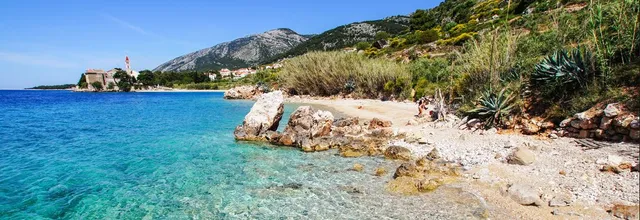
Grabov Rat Beach
4.5
(26)
Click for details
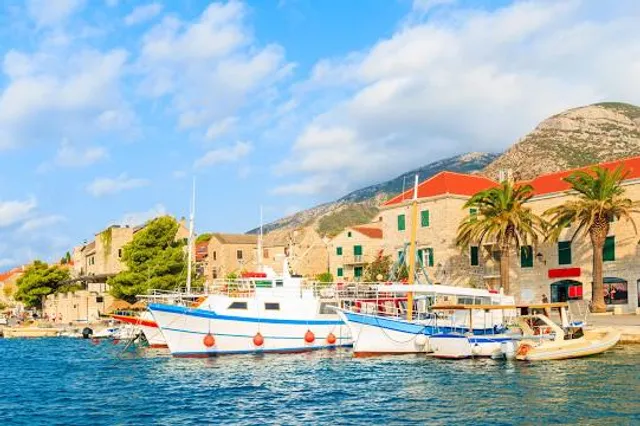
Port Bol
4.7
(1.0K)
Click for details