Hellenic Parliament things to do, attractions, restaurants, events info and trip planning

Basic Info
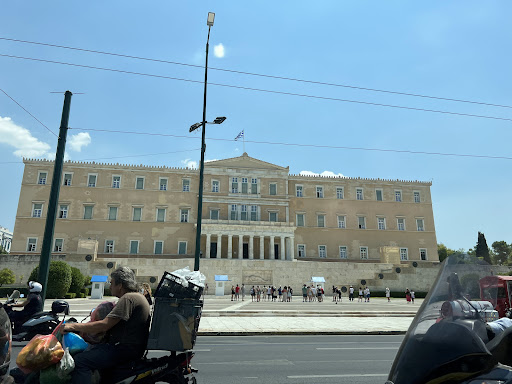
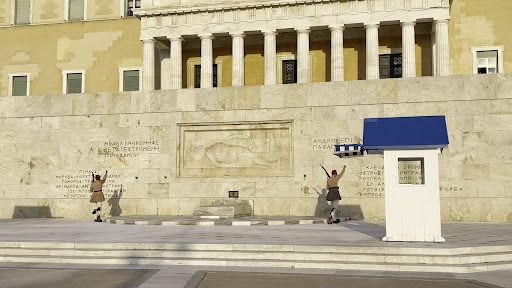
Hellenic Parliament
Μέγαρο, Voulis, Athina 100 21, Greece
4.4(1.1K)
Save
spot
spot
Ratings & Description
Info
Cultural
Scenic
Accessibility
Family friendly
attractions: Monument to the Unknown Soldier, Athens National Garden, Syntagma Square, Pallas Theater, B. & M. Theocharakis Foundation for the Fine Arts & Music, Museum of Ancient Greek Technology Kotsanas, Botanical Museum of the National Gardens, Numismatic Museum of Athens, Benaki Museum - The Ghika Gallery, Zoumboulakis Galleries, restaurants: GB Roof Garden, McDonald's Σύνταγμα, Athénée, The Greco's Project, Public Café Restaurant in Syntagma Square, Souvlaki Kostas, Telemachos Athens - Awarded meat & wine restaurant, Pasaji, IL GATTO CAFFE, Pit All Day GastroBar, local businesses: Attica Mall, Syntagma, LOUIS VUITTON Athens, Gucci Athens - Panepistimiou, Hellenic Children's, El Greco, CHANEL ATHENS, Sir Barber, SANTE ΜΠΟΥΓΑΤΣΑΔΙΚΟ ΑΘΗΝΑ, THE APIVITA EXPERIENCE STORE
 Learn more insights from Wanderboat AI.
Phone
+30 21 0370 7000
Website
hellenicparliament.gr
Plan your stay

Pet-friendly Hotels in Athens
Find a cozy hotel nearby and make it a full experience.

Affordable Hotels in Athens
Find a cozy hotel nearby and make it a full experience.

The Coolest Hotels You Haven't Heard Of (Yet)
Find a cozy hotel nearby and make it a full experience.

Trending Stays Worth the Hype in Athens
Find a cozy hotel nearby and make it a full experience.
Reviews
Live events
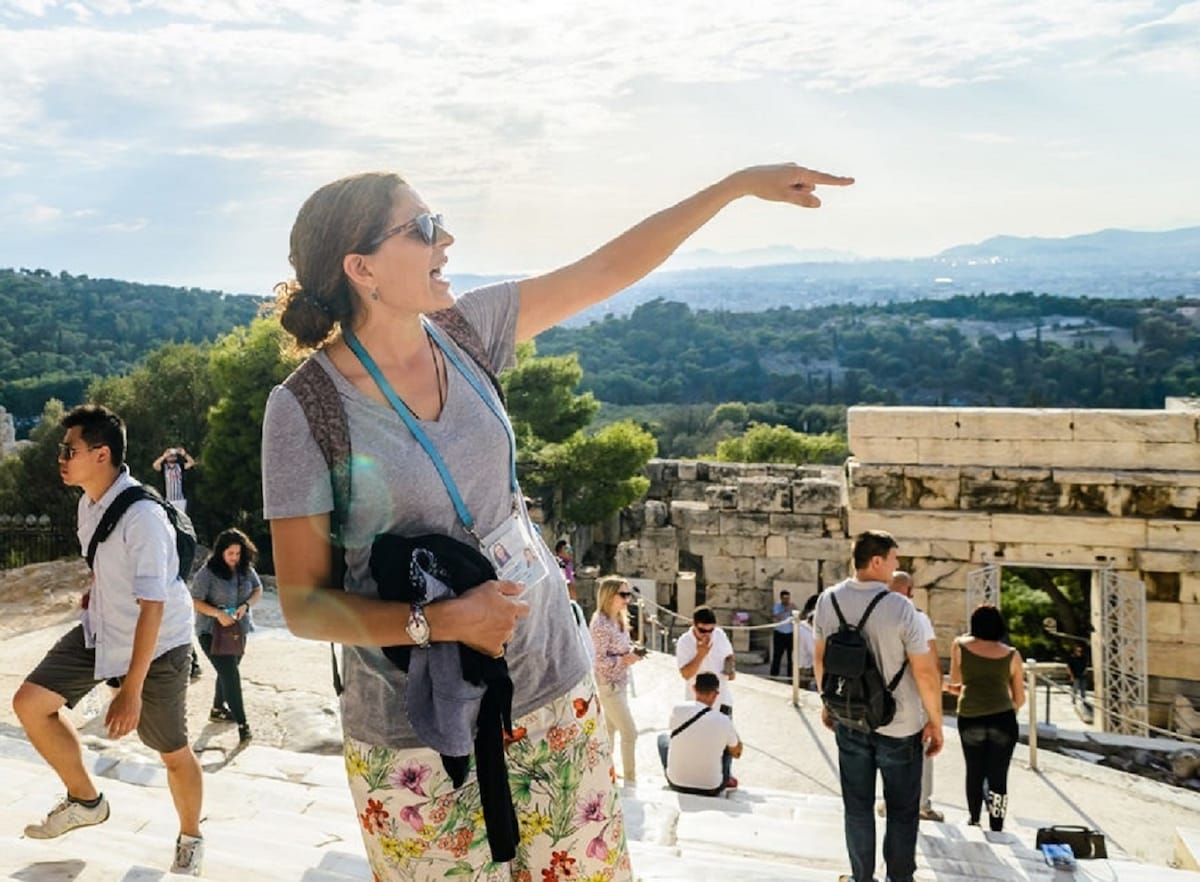
See the Acropolis with a licensed guide
Fri, Feb 13 • 8:00 AM
117 42, Athens, Greece
View details
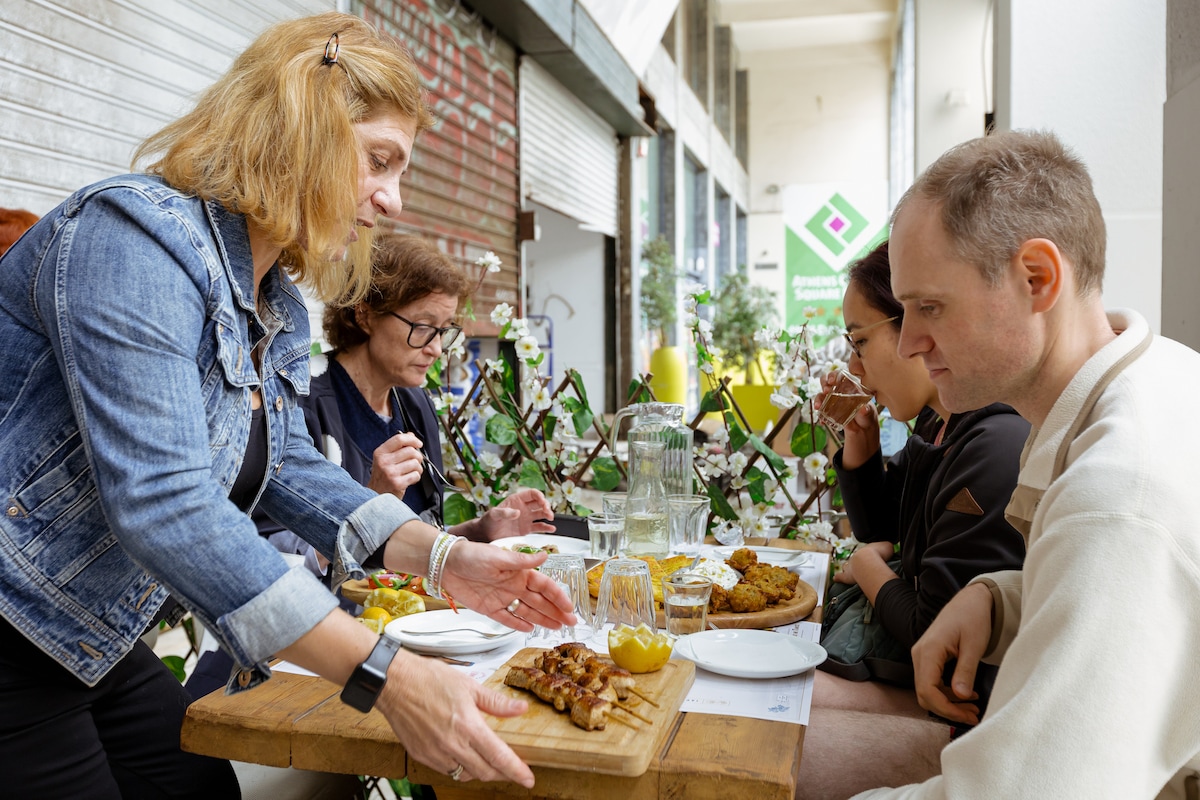
Taste hidden Athenian flavors on culinary romp
Fri, Feb 13 • 9:00 AM
105 54, Athens, Greece
View details
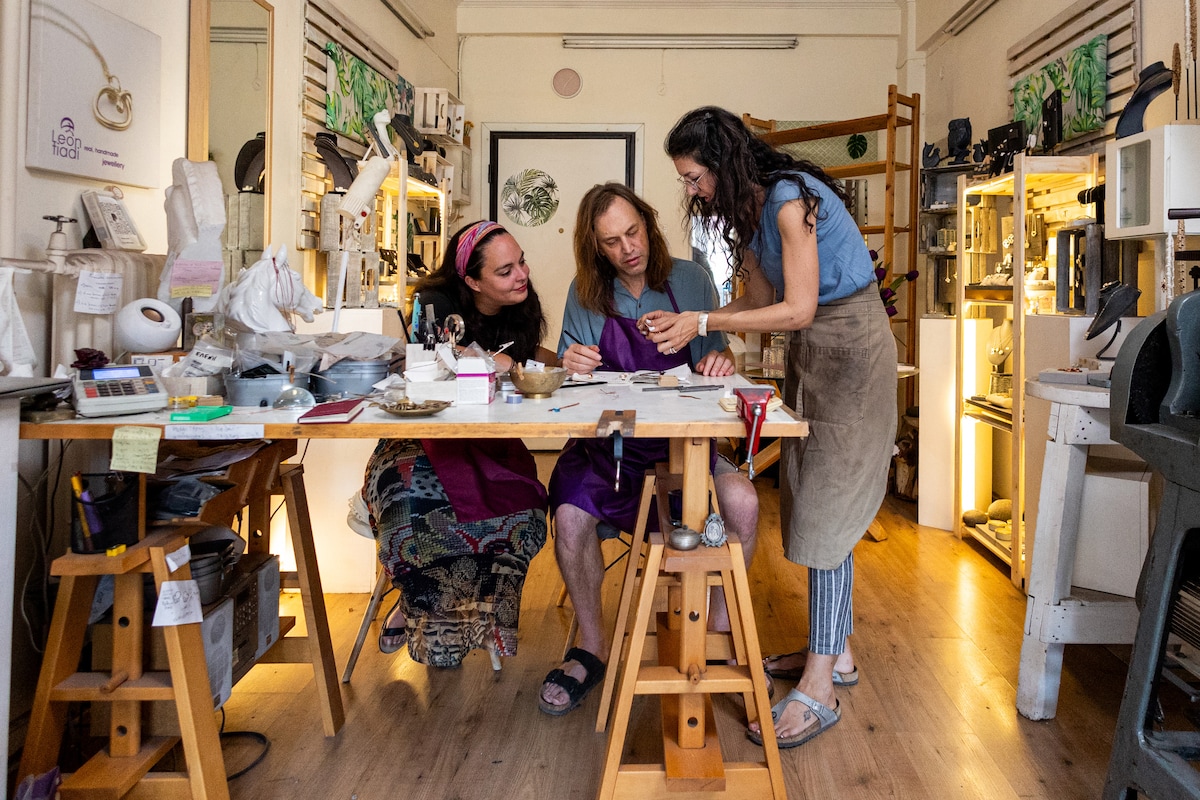
Design and fashion jewelry with a Silversmith
Fri, Feb 13 • 9:30 AM
105 63, Athens, Greece
View details
Nearby attractions of Hellenic Parliament
Monument to the Unknown Soldier
Athens National Garden
Syntagma Square
Pallas Theater
B. & M. Theocharakis Foundation for the Fine Arts & Music
Museum of Ancient Greek Technology Kotsanas
Botanical Museum of the National Gardens
Numismatic Museum of Athens
Benaki Museum - The Ghika Gallery
Zoumboulakis Galleries
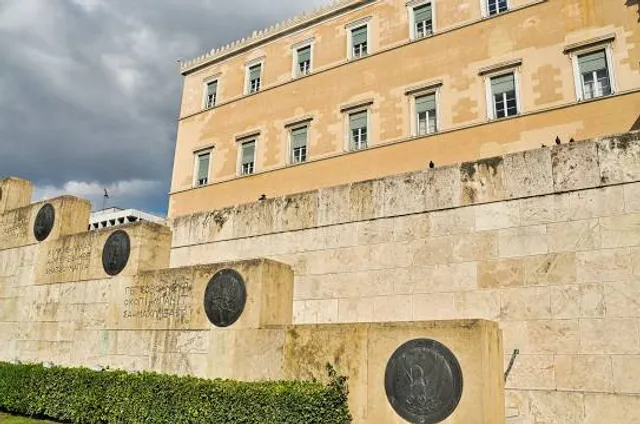
Monument to the Unknown Soldier
4.7
(1.7K)
Open until 12:00 AM
Click for details
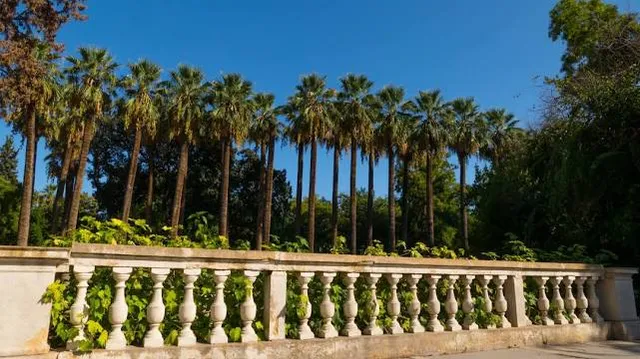
Athens National Garden
4.6
(14.4K)
Open until 5:30 PM
Click for details
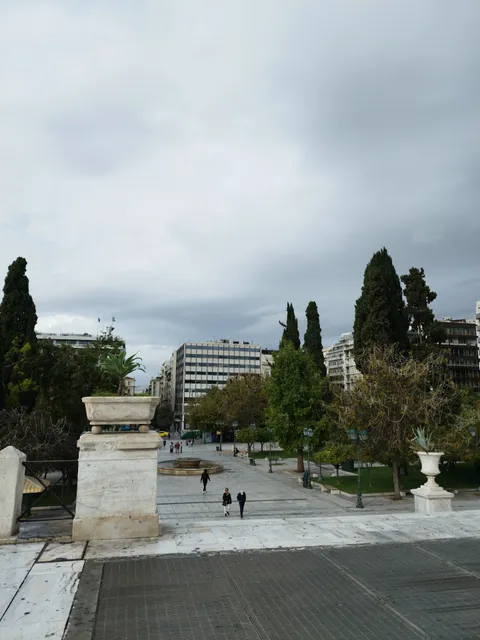
Syntagma Square
4.5
(2.8K)
Open until 12:00 AM
Click for details
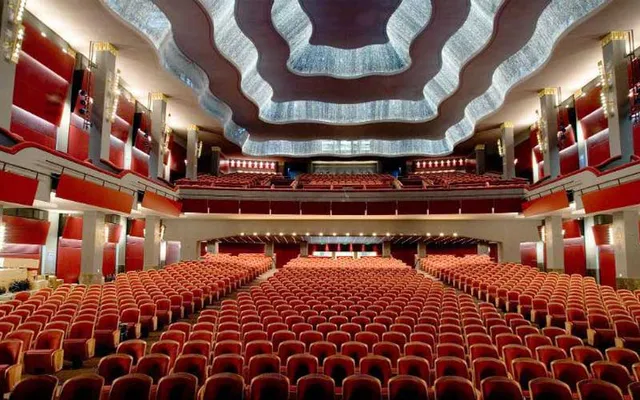
Pallas Theater
4.6
(3.8K)
Open 24 hours
Click for details
Nearby restaurants of Hellenic Parliament
GB Roof Garden
McDonald's Σύνταγμα
Athénée
The Greco's Project
Public Café Restaurant in Syntagma Square
Souvlaki Kostas
Telemachos Athens - Awarded meat & wine restaurant
Pasaji
IL GATTO CAFFE
Pit All Day GastroBar
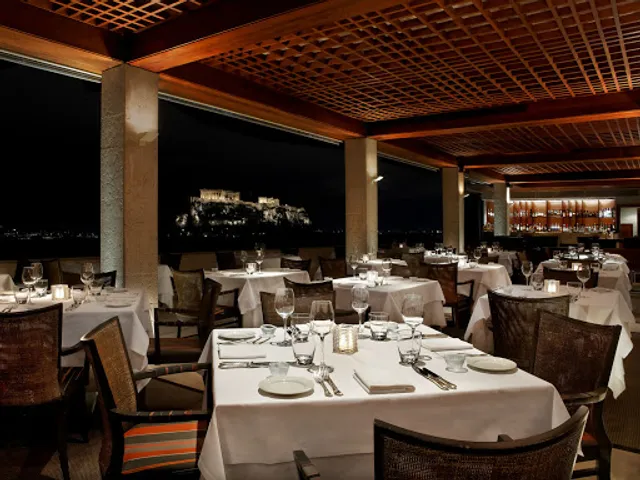
GB Roof Garden
4.7
(1.2K)
Closed
Click for details
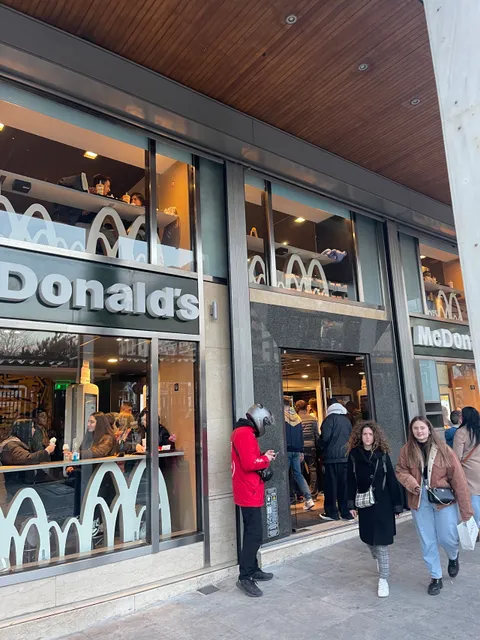
McDonald's Σύνταγμα
3.9
(5K)
Open until 12:00 AM
Click for details
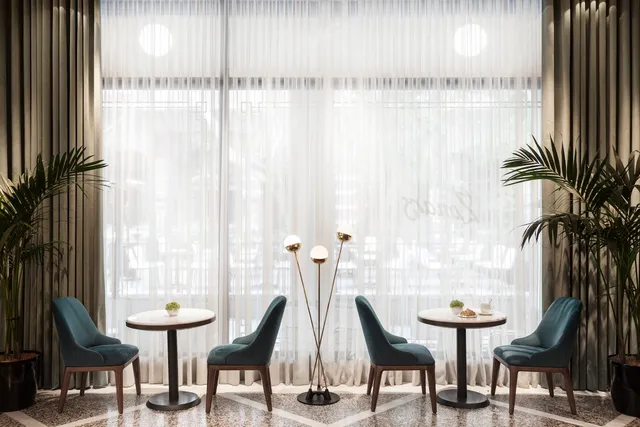
Athénée
3.9
(1.5K)
Closed
Click for details
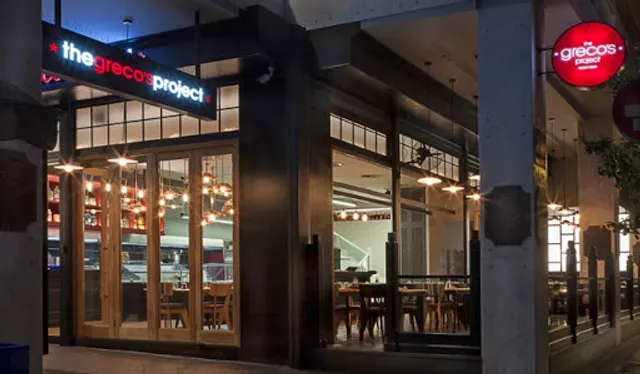
The Greco's Project
4.2
(2.5K)
Open until 1:00 AM
Click for details
Nearby local services of Hellenic Parliament
Attica Mall
Syntagma
LOUIS VUITTON Athens
Gucci Athens - Panepistimiou
Hellenic Children's
El Greco
CHANEL ATHENS
Sir Barber
SANTE ΜΠΟΥΓΑΤΣΑΔΙΚΟ ΑΘΗΝΑ
THE APIVITA EXPERIENCE STORE
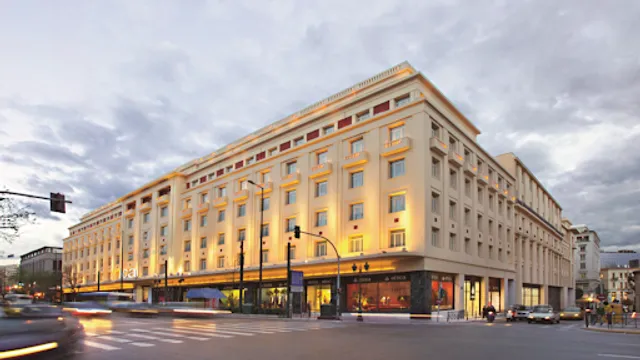
Attica Mall
4.4
(4.9K)
Click for details
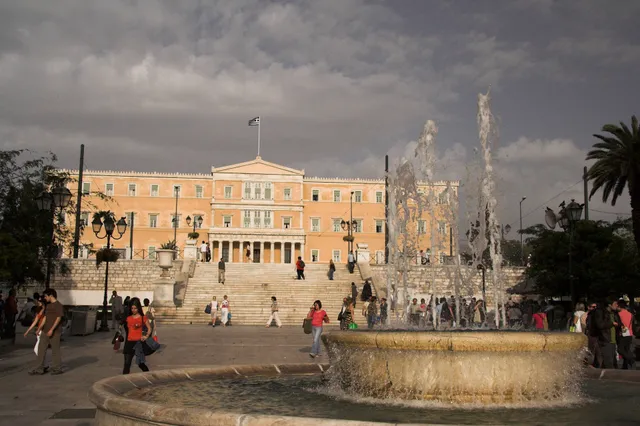
Syntagma
4.5
(392)
Click for details
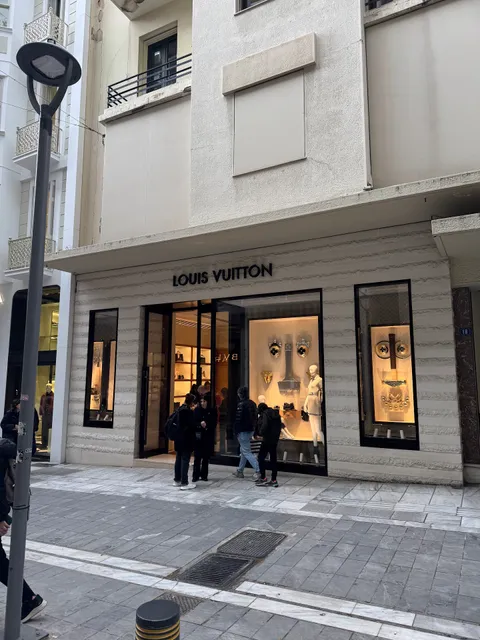
LOUIS VUITTON Athens
4.5
(809)
Click for details
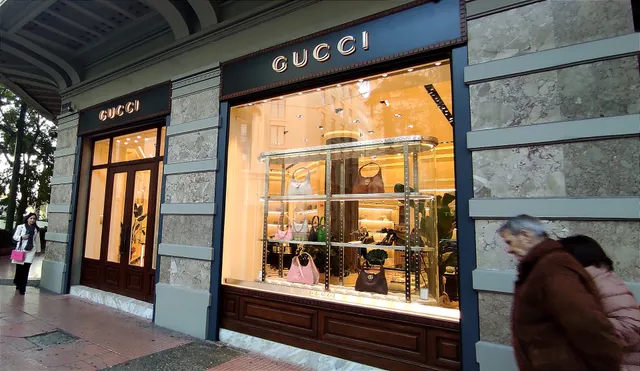
Gucci Athens - Panepistimiou
4.4
(267)
Click for details