HTML SitemapExplore

Museo Del Castillo De San Jorge — Local services in Seville

Name
Museo Del Castillo De San Jorge
Description
The Castle of San Jorge was a medieval fortress built on the west bank of the Guadalquivir river in the Spanish city of Seville. It was also used as headquarters and prison for the Spanish Inquisition. It was demolished in the 19th century and made into a food market.
Nearby attractions
Centro Cerámica Triana
C. Callao, 16, 41010 Sevilla, Spain
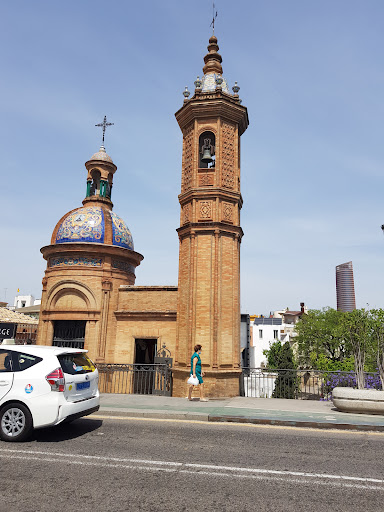
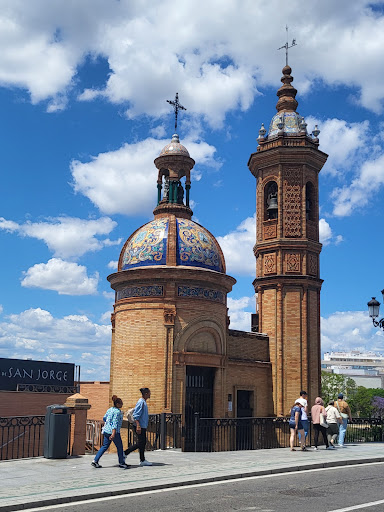
Capilla Virgen del Carmen
Puente de Isabel II, 23, 41010 Sevilla, Spain
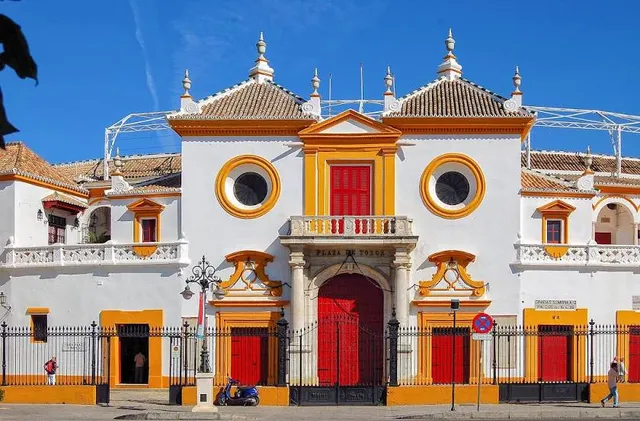
Plaza de toros de la Real Maestranza de Caballería de Sevilla
P.º de Cristóbal Colón, 12, Casco Antiguo, 41001 Sevilla, Spain
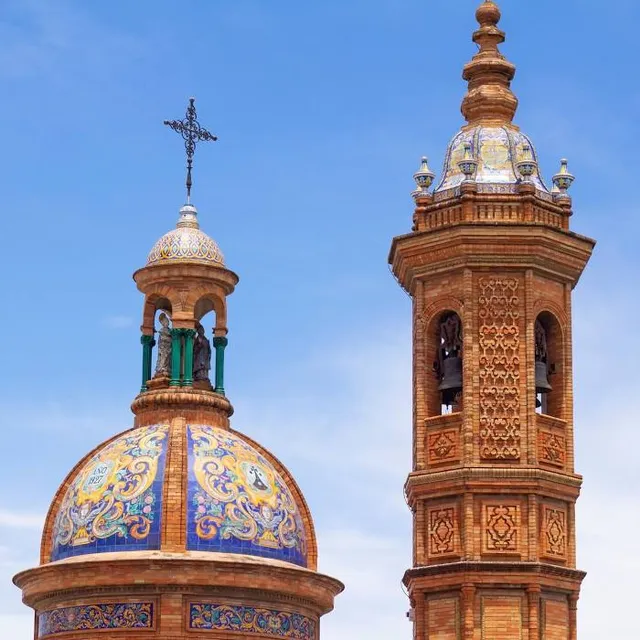
Capilla de los Marineros
C. Pureza, 57, 41010 Sevilla, Spain
Escape Room Terror ♦️ REDRUM Sevilla
C. Alfarería, 36, 41010 Sevilla, Spain
La Navidad en el Río, Navigalia
Casco Antiguo, 41001 Seville, Spain
Real Parroquia de Señora Santa Ana
Párroco don Eugenio, 1, 41010 Sevilla, Spain
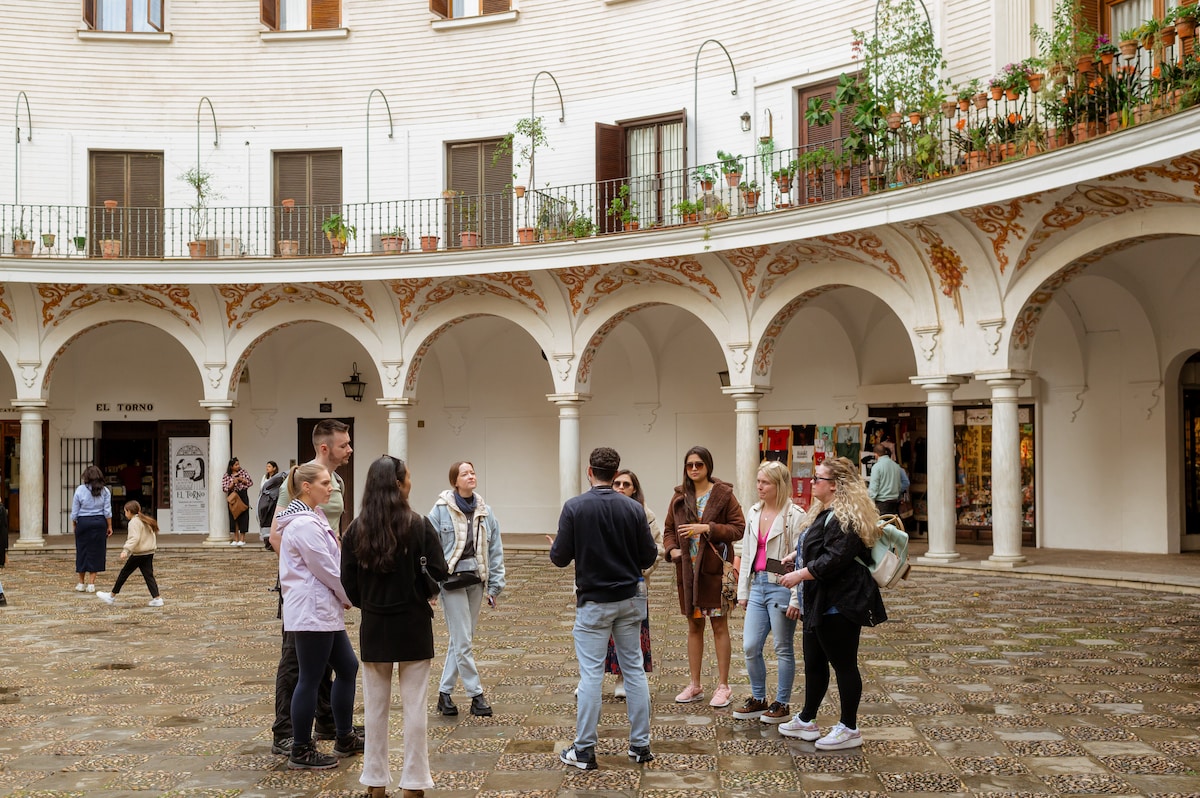
Corral de vecinos, la casa de las flores
C. Castilla, 16, 41010 Sevilla, Spain
Chapina Garden
C. Radio Sevilla, 7, Casco Antiguo, 41001 Sevilla, Spain
Torre del Oro
The Golden Tower, P.º de Cristóbal Colón, s/n, Casco Antiguo, 41001 Sevilla, Spain
Nearby restaurants
MaríaTrifulca
Puente de Triana, Pl. del Altozano, 1, 41010 Sevilla, Spain
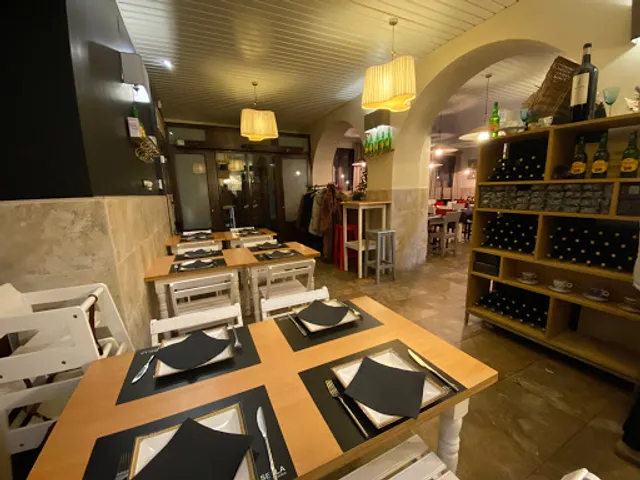
El Sella
C. Pureza, 4, 41010 Sevilla, Spain
La Casa Fundida
Puente de Isabel II, 45A, 41010 Sevilla, Spain
La Casa de María - Arroces y Guisos
C. Betis, 2, 41010 Sevilla, Spain
Arrocería Criaito Triana
Mercado De Triana, Pl. del Altozano, 28-40, 41010 Sevilla, Spain
Restaurante Casa Cuesta
C. Castilla, 1, 41010 Sevilla, Spain
Mercado del Barranco
C. Arjona, s/n, Casco Antiguo, 41001 Sevilla, Spain
Casa Berrinche
Pl. del Altozano, C. San Jorge, 1 ACC, 41010 Sevilla, Spain
Betis 7 Triana Experience Restaurant
C. Betis, 7, 41010 Sevilla, Spain
Altobrasa - Restaurante de Carnes a la Brasa
Mercado de Abastos de Triana, C. San Jorge, 6, Puesto 46B-46C, 41010 Sevilla, Spain
Nearby local services
Puente de Triana
Puente de Isabel II, 30, 41010 Sevilla, Spain
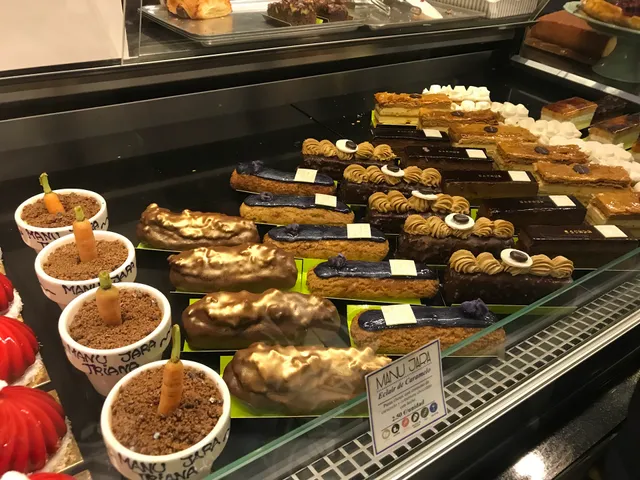
Dulcería Manu Jara
C. Pureza, 5, 41010 Sevilla, Spain
Kukuchurro – Triana
C. San Jacinto, 6, 41010 Sevilla, Spain
PASEO DE ARTE
Paseo de Ntra. Sra. de la O, 41010 Sevilla, Spain
SOUVENIRS MARINA ESTELA
Mercado De Triana, C. San Jorge, 6, Puesto 66/67, 41010 Sevilla, Spain
Heladería María Limones Triana
C. San Jacinto, 19, 41010 Sevilla, Spain
Carrefour Express
Pl. del Altozano, 8, 41010 Sevilla, Spain
Bocasú | Manu Jara
C. San Jorge, 6, puestos 5 y 6, 41010 Sevilla, Spain
Concha Barral Souvenirs
41010 Seville, Spain
Escape Room Triana
C. Alfarería, 9A, 41010 Sevilla, Spain
Nearby hotels
Hotel Zenit Sevilla
Edificio Zenit, C. Pagés del Corro, 90, B, 41010 Sevilla, Spain
Hotel Kivir Sevilla
P.º de Cristóbal Colón, 3, Casco Antiguo, 41001 Sevilla, Spain
Apartamentos Trianasol
C. Antillano Campos, 11, 41010 Sevilla, Spain
HOTEL TRIANA MONTALVAN
C. Alfarería, 23, 41010 Sevilla, Spain
Noches en Triana
C. Pagés del Corro, 53, 41010 Sevilla, Spain
Betis 7 Luxury Boutique Apartments
C. Betis, 7, 41010 Sevilla, Spain
Pierre & Vacances Sevilla Apartamentos
C. Pagés del Corro, 102, 41010 Sevilla, Spain
Terra Triana | Apartments
C. Alfarería, 45, 41010 Sevilla, Spain
Hotel Lobby Room Sevilla
C. Reyes Católicos, 23, Casco Antiguo, 41001 Sevilla, Spain
B&B Casa Alfareria 59
C. Alfarería, 59, 41010 Sevilla, Spain
Related posts
Keywords
Museo Del Castillo De San Jorge tourism.Museo Del Castillo De San Jorge hotels.Museo Del Castillo De San Jorge bed and breakfast. flights to Museo Del Castillo De San Jorge.Museo Del Castillo De San Jorge attractions.Museo Del Castillo De San Jorge restaurants.Museo Del Castillo De San Jorge local services.Museo Del Castillo De San Jorge travel.Museo Del Castillo De San Jorge travel guide.Museo Del Castillo De San Jorge travel blog.Museo Del Castillo De San Jorge pictures.Museo Del Castillo De San Jorge photos.Museo Del Castillo De San Jorge travel tips.Museo Del Castillo De San Jorge maps.Museo Del Castillo De San Jorge things to do.
Museo Del Castillo De San Jorge things to do, attractions, restaurants, events info and trip planning
Museo Del Castillo De San Jorge
SpainAndalusiaSevilleMuseo Del Castillo De San Jorge

Basic Info

Museo Del Castillo De San Jorge

Pl. del Altozano, s/n, 41001 Sevilla, Spain
3.8(266)
Closed
Save
spot

Ratings & Description

Info

The Castle of San Jorge was a medieval fortress built on the west bank of the Guadalquivir river in the Spanish city of Seville. It was also used as headquarters and prison for the Spanish Inquisition. It was demolished in the 19th century and made into a food market.

Cultural
Accessibility
Family friendly
attractions: Centro Cerámica Triana, Capilla Virgen del Carmen, Plaza de toros de la Real Maestranza de Caballería de Sevilla, Capilla de los Marineros, Escape Room Terror ♦️ REDRUM Sevilla, La Navidad en el Río, Navigalia, Real Parroquia de Señora Santa Ana, Corral de vecinos, la casa de las flores, Chapina Garden, Torre del Oro, restaurants: MaríaTrifulca, El Sella, La Casa Fundida, La Casa de María - Arroces y Guisos, Arrocería Criaito Triana, Restaurante Casa Cuesta, Mercado del Barranco, Casa Berrinche, Betis 7 Triana Experience Restaurant, Altobrasa - Restaurante de Carnes a la Brasa, local businesses: Puente de Triana, Dulcería Manu Jara, Kukuchurro – Triana, PASEO DE ARTE, SOUVENIRS MARINA ESTELA, Heladería María Limones Triana, Carrefour Express, Bocasú | Manu Jara, Concha Barral Souvenirs, Escape Room Triana

logoLearn more insights from Wanderboat AI.
Phone
+34 955 47 02 55
Website
visitasevilla.es
Open hoursSee all hours
Fri9:30 AM - 2:30 PMClosed

Plan your stay

hotel
Pet-friendly Hotels in Seville
Find a cozy hotel nearby and make it a full experience.

hotel
Affordable Hotels in Seville
Find a cozy hotel nearby and make it a full experience.

hotel
The Coolest Hotels You Haven't Heard Of (Yet)
Find a cozy hotel nearby and make it a full experience.

hotel
Trending Stays Worth the Hype in Seville
Find a cozy hotel nearby and make it a full experience.

Reviews

Live events
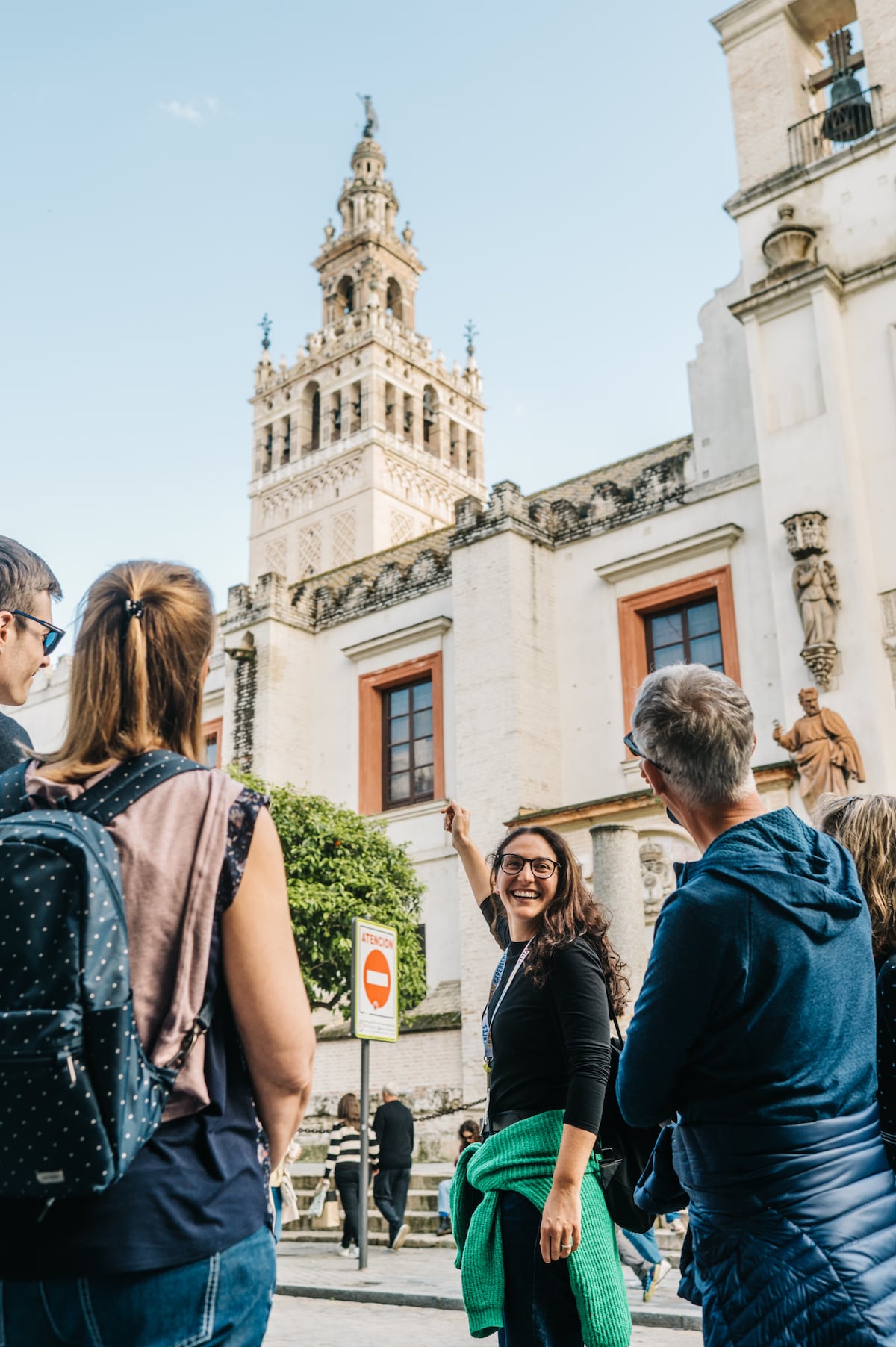
Explore Seville’s highlights with a local guide
Fri, Jan 23 • 10:00 AM
41004, Seville, Andalusia, Spain
View details

Horseback riding around Doñana National Park
Fri, Jan 23 • 10:00 AM
41110, Sevilla, Andalucía, Spain
View details
Seville: The Genuine Wine & Tapas Tour
Fri, Jan 23 • 6:45 PM
41003, Seville, Andalusia, Spain
View details

Nearby attractions of Museo Del Castillo De San Jorge

Centro Cerámica Triana

Capilla Virgen del Carmen

Plaza de toros de la Real Maestranza de Caballería de Sevilla

Capilla de los Marineros

Escape Room Terror ♦️ REDRUM Sevilla

La Navidad en el Río, Navigalia

Real Parroquia de Señora Santa Ana

Corral de vecinos, la casa de las flores

Chapina Garden

Torre del Oro

Centro Cerámica Triana

Centro Cerámica Triana

4.1

(718)

Closed
Click for details
Capilla Virgen del Carmen

Capilla Virgen del Carmen

4.6

(108)

Closed
Click for details
Plaza de toros de la Real Maestranza de Caballería de Sevilla

Plaza de toros de la Real Maestranza de Caballería de Sevilla

4.4

(12K)

Closed
Click for details
Capilla de los Marineros

Capilla de los Marineros

4.8

(948)

Closed
Click for details

Nearby restaurants of Museo Del Castillo De San Jorge

MaríaTrifulca

El Sella

La Casa Fundida

La Casa de María - Arroces y Guisos

Arrocería Criaito Triana

Restaurante Casa Cuesta

Mercado del Barranco

Casa Berrinche

Betis 7 Triana Experience Restaurant

Altobrasa - Restaurante de Carnes a la Brasa
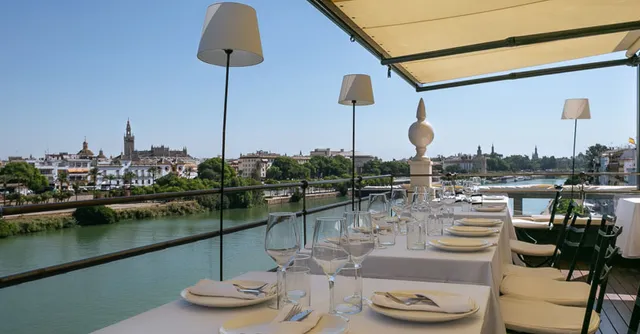
MaríaTrifulca

MaríaTrifulca

4.1

(3K)

$$$

Open until 1:00 AM
Click for details
El Sella

El Sella

4.7

(2.2K)

Closed
Click for details
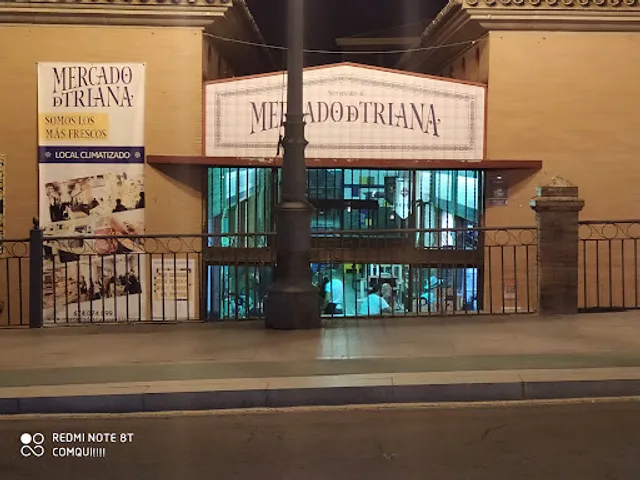
La Casa Fundida

La Casa Fundida

4.3

(370)

Closed
Click for details
La Casa de María - Arroces y Guisos

La Casa de María - Arroces y Guisos

4.2

(740)

Open until 2:00 AM
Click for details

Nearby local services of Museo Del Castillo De San Jorge

Puente de Triana

Dulcería Manu Jara

Kukuchurro – Triana

PASEO DE ARTE

SOUVENIRS MARINA ESTELA

Heladería María Limones Triana

Carrefour Express

Bocasú | Manu Jara

Concha Barral Souvenirs

Escape Room Triana
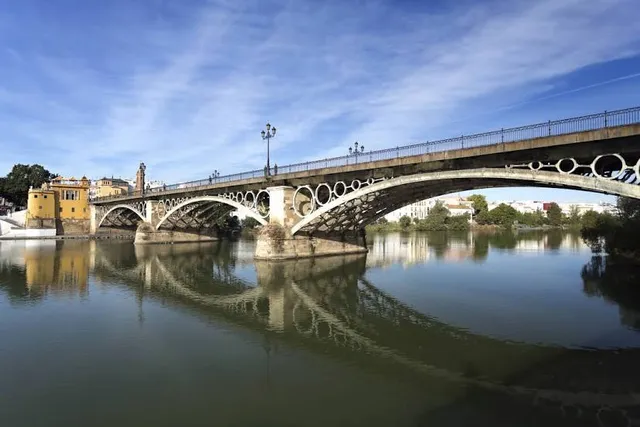
Puente de Triana

Puente de Triana

4.7

(8.1K)

Click for details
Dulcería Manu Jara

Dulcería Manu Jara

4.6

(772)

Click for details
Kukuchurro – Triana

Kukuchurro – Triana

4.4

(228)

Click for details
PASEO DE ARTE

PASEO DE ARTE

4.0

(59)

Click for details
Get the Appoverlay
Get the AppOne tap to find yournext favorite spots!
Wanderboat LogoWanderboat

Your everyday Al companion for getaway ideas

CompanyAbout Us
InformationAI Trip PlannerSitemap
SocialXInstagramTiktokLinkedin
LegalTerms of ServicePrivacy Policy

Get the app

© 2025 Wanderboat. All rights reserved.

Reviews of Museo Del Castillo De San Jorge

3.8
(266)
avatar
2.0
27w

Located right next to the mercado, I was very disappointed at the lack of information provided from this museum about the tragedy and horrors so many jews had to endure for their beliefs. A short "video" gave some insight and avialable in English. There was more displays of catholic religious materials than information regarding the inqusition which was very ironic given what had happened here. So much more can be done to make this a much more informative visit.

Following is an excerpt from Rick Steve's Spain guidebook which can offer more insight into the matter " In the summer of 1391, smoldering anti-Jewish sentiment flared up in Sevilla. On June 6, Christian mobs ransacked the city's Jewish Quarter (Juderfa). Approximately 4,000 Jews were killed, and 5,000 Jewish families were driven from their homes. The former Juderia eventually became the neighborhood of the holy cross- Barrio Santa cruz. Synagogues were stripped and transformed into churches. Sevilla's uprising spread through Spain (and Europe), the first of many nasty pogroms during the next century. Before the pogrom, Jews had lived in Sevilla for centuries as the city's respected merchants, doctors, and bankers. They flourished under the Muslim Moors. After Sevilla was "liber- ated" by Kina Ferdinand l(1248), Jews were given protection by Castile's kings and allowed measure Of self-government, though they were confined to the Jewish neighborhood. But by the 14th century, Jews were increasingly accused of everything from poisoning wells to ritually sacrificing Christian babies. Mobs killed suspected Jews, and some of Sevilla's most espected Jewish citizens had their fortunes confiscated.

After 1391. Jews were forced to make a choice: Be persecuted (even killed), relocate, or convert to Christianity. The newly Christianized-called conversos (converted) or marranos (swine)-were constantly under suspicion of practicing their old faith in private, and thereby undermining true Christianity. Fanning the mistrust were the perceptions of longtime Christians, who felt threatened by this new social class of converted Jews, who now had equal status. To root out the perceived problem of underground Judaism, the "Catholic Monarchs," Ferdinand and Isabel, estab- lished the Inquisition in Spain (1478). Under the direction of Grand Inquisitor Tomás de Torquemada, these religious courts arrested and interrogated conversos suspected of practicing Judaism. Using long solitary confinement and torture, they extracted confessions. On February 6, 1481, Sevilla hosted Spain's first auto-da-fé ("act of faith"), public confession and punishment for heresy. Six accused conversos were paraded barefoot into the cathedral. forced to publicly confess their sins, then burned at the stake. Over the next three decades, thousands of conversos were tried and killed in Spain. In 1492. the same year the last Moors were driven from Spain Ferdinand and Isabel decreed that all remaining Jews convert or be expelled, In what became known as the Sephardic Diaspora, Spain's Jews left mostly for Portugal and North Africa

   Read more
avatar
4.0
6y

The Castle of San Jorge was a medieval fortress built on the west bank of the Guadalquivir river in Seville, Spain. It was also used as headquarters and prison for the Spanish Inquisition. It was demolished in the 19th century and made into a food market.

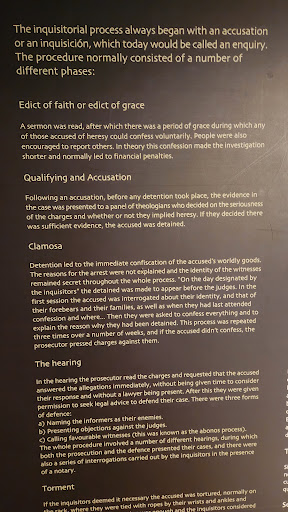
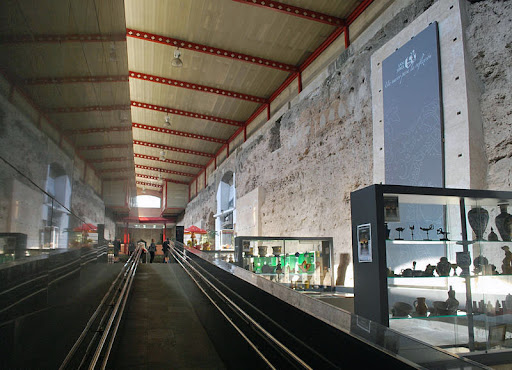
A museum in the underground ruins focuses on the history of the castle, the Spanish Inquisition and of religious repression. Next to the food market in the Barrio de Triana, the Alley of the Inquisition, which was part of the fortifications, now connects Castilla Street with the Nuestra Señora de la O Walk.

When the Inquisition began in Seville, they needed more space for their dungeons. Since the Castle of San Jorge was unused, it was a very apparent place for those duties and it was ceded to it by the Court.

The Inquisition originally intended to suppress heresy within the Catholic Church itself, ensuring its spiritual purity. But the "Modern Inquisition" established in Seville, contrary to what is believed, was an independent institution of the Church, to prosecute false Christians and heretics.

It was created by the Catholic Monarchs and began operating in Seville in 1481, with the converts strongly opposed to the establishment of the Court.

Since Seville was an amalgam of cultures, with remarkable Judeo-Moorish minorities and a large commercial center open to traffic of all nations, it was an ideal place for the presence and distribution of non-Catholic ideologies. An archbishop of Seville, Pedro Gonzalez de Mendoza, was the true founder of the Modern Inquisition.

The Christians accused of heresy were forbidden to appeal to Rome, so that the "religious control" became independent controlled outside the papal curia.

The Tribunal of the Holy Office began with its headquarters at the convent of San Pable of the Dominicans (present church of la Magdalena) who, because of the rivalry that it maintained with the Franciscan Order, and risking its prestige, turned the convent for the men and women...

   Read more
avatar
5.0
4y

Si quieres conocer algo más, continua con la lectura: también llamado como Castillo de Gabir / Castillo de Triana / Castillo de la Inquisición, es un Castillo almohade en el que se estableció el Tribunal de la Santa Inquisición en 1481, permaneciendo hasta 1785 en él. Abandonado, es casi totalmente demolido a principios del siglo XIX, en que se terraplenó el terreno a una cota más alta que la del castillo con los propios escombros, procediéndose a construir el mercado.

Las primeras descripciones datan del siglo XV, en el que constituía un edificio que se hallaba rodeado por un foso con torres fuertes a ciertas distancias para su mayor defensa. Una de éstas se descubre todavía a nivel del agua en el sitio conocido como la Enramadilla, cerca de la llamada Alcantarilla de los Ciegos, y también se observan reliquias de otra en un argamasón, en la calle de este nombre, que correspondía al sector llamado de Camaroneros. Estos dos puntos eran los extremos del gran foso, que corría la extensión de lo que se conocería como la Cava, entrando por él el Guadalquivir en sus mareas altas, como recoge Morgado.

Para facilitar la comunicación había en las principales avenidas portezuelas o alcantarillas, tales como la ya citada de los Ciegos, y otra destruida en la zona de San Jacinto, que flanqueaba el paso a las gentes del castillo de Aznalfarache.

El Castillo de Triana puede deber sus orígenes al tiempo de los godos en el que presumiblemente serviría de defensa de la población, escasa, que existía en ese momento, contra los ataques de Leovigildo. En 1171 Jucef Abu Jacub, rey de Sevilla, mandó construir el puente de barcas amarrando las gruesas cadenas a los muros del castillo. Datan de 1178 las primeras noticias sobre el Castillo, cuando el infante Don Sancho, hizo una acometida contra los moros de Sevilla, atacando el castillo de Triana. Formalizado el cerco a Sevilla por el rey San Fernando en 1247 se sucedieron los ataques al castillo aún ocupado por los moros, pasando a poder cristiano en 1248.

No se conocen noticias de sus alcaidías hasta fines del siglo XIV, sucediéndose sus alcaides dado el enorme peso que la posesión del castillo ofrecía para mantenerse estable en el gobierno de Sevilla. En el siglo XV los años y el estado civil de la monarquía acusaban ya de inútiles las fortalezas como el castillo de Triana, se abandonó su cuidado, continuando habitando en él distintas familias, que mantenían el culto a la iglesia de San Jorge, abandonándole posteriormente cuando en 1481 se estableciera La Inquisición. Ësta se estableció allí hasta 1626, en el que muy deteriorado la muralla del castillo, por las fuertes arriadas hubo de abandonarlo.

En 1627 fue concedido al conde Duque de Olivares para cuidar de su reparo y evitase el fraude de mercaderías que se realizaban en su puerta. Hasta 1639, en el que reparadas las ruinas, volvió a ocuparlo la Inquisición hasta su traslado definitivo en 1785, debido a lo insostenible de su estado dada su antigüedad y afectación ante las continuas inundaciones. Las sucesivas ocupaciones de la Inquisición dieron lugar a diversas inscripciones que databan sus permanencias. Tras ella se legó el castillo a la ciudad con tributo perpetuo por parte de la Real Hacienda, para que abriendo una calle desde el Altozano a la de Castilla, se construyeran casas a uno y otro lado, a cuyo efecto se derribaron sus habitaciones, dejando en alberca el anchuroso solar que aún permanece.

En el siglo XVIII se acometieron diferentes obras debido a las inundaciones, construyéndose un reducto elevado con barandal de hierro, arrimado al muro interior del castillo, lo único conservado de la fortaleza, desde cuya puerta se da paso al puente en las inundaciones, por medio de una compuerta levadiza que a él le une. Se derribó para esto el muro exterior del mismo castillo, con cuyos escombros se levantó el terreno, formando un plano inclinado hasta la compuerta ordinaria del puente. Todo se concluyó en 1786. Si te gustado, Por favor, Dale un Like, Gracias. Fuentes IAPH, y...

   Read more
Page 1 of 7
Previous
Next

Posts

Pokemon MomPokemon Mom
Located right next to the mercado, I was very disappointed at the lack of information provided from this museum about the tragedy and horrors so many jews had to endure for their beliefs. A short "video" gave some insight and avialable in English. There was more displays of catholic religious materials than information regarding the inqusition which was very ironic given what had happened here. So much more can be done to make this a much more informative visit. Following is an excerpt from Rick Steve's Spain guidebook which can offer more insight into the matter " In the summer of 1391, smoldering anti-Jewish sentiment flared up in Sevilla. On June 6, Christian mobs ransacked the city's Jewish Quarter (Juderfa). Approximately 4,000 Jews were killed, and 5,000 Jewish families were driven from their homes. The former Juderia eventually became the neighborhood of the holy cross- Barrio Santa cruz. Synagogues were stripped and transformed into churches. Sevilla's uprising spread through Spain (and Europe), the first of many nasty pogroms during the next century. Before the pogrom, Jews had lived in Sevilla for centuries as the city's respected merchants, doctors, and bankers. They flourished under the Muslim Moors. After Sevilla was "liber- ated" by Kina Ferdinand l(1248), Jews were given protection by Castile's kings and allowed measure Of self-government, though they were confined to the Jewish neighborhood. But by the 14th century, Jews were increasingly accused of everything from poisoning wells to ritually sacrificing Christian babies. Mobs killed suspected Jews, and some of Sevilla's most espected Jewish citizens had their fortunes confiscated. After 1391. Jews were forced to make a choice: Be persecuted (even killed), relocate, or convert to Christianity. The newly Christianized-called conversos (converted) or marranos (swine)-were constantly under suspicion of practicing their old faith in private, and thereby undermining true Christianity. Fanning the mistrust were the perceptions of longtime Christians, who felt threatened by this new social class of converted Jews, who now had equal status. To root out the perceived problem of underground Judaism, the "Catholic Monarchs," Ferdinand and Isabel, estab- lished the Inquisition in Spain (1478). Under the direction of Grand Inquisitor Tomás de Torquemada, these religious courts arrested and interrogated conversos suspected of practicing Judaism. Using long solitary confinement and torture, they extracted confessions. On February 6, 1481, Sevilla hosted Spain's first auto-da-fé ("act of faith"), public confession and punishment for heresy. Six accused conversos were paraded barefoot into the cathedral. forced to publicly confess their sins, then burned at the stake. Over the next three decades, thousands of conversos were tried and killed in Spain. In 1492. the same year the last Moors were driven from Spain Ferdinand and Isabel decreed that all remaining Jews convert or be expelled, In what became known as the Sephardic Diaspora, Spain's Jews left mostly for Portugal and North Africa <many ultimately ended up in Holland). Spain emerged as a nation unified under the banner of Christianity."
ClÁsicoClÁsico
Si quieres conocer algo más, continua con la lectura: también llamado como Castillo de Gabir / Castillo de Triana / Castillo de la Inquisición, es un Castillo almohade en el que se estableció el Tribunal de la Santa Inquisición en 1481, permaneciendo hasta 1785 en él. Abandonado, es casi totalmente demolido a principios del siglo XIX, en que se terraplenó el terreno a una cota más alta que la del castillo con los propios escombros, procediéndose a construir el mercado. Las primeras descripciones datan del siglo XV, en el que constituía un edificio que se hallaba rodeado por un foso con torres fuertes a ciertas distancias para su mayor defensa. Una de éstas se descubre todavía a nivel del agua en el sitio conocido como la Enramadilla, cerca de la llamada Alcantarilla de los Ciegos, y también se observan reliquias de otra en un argamasón, en la calle de este nombre, que correspondía al sector llamado de Camaroneros. Estos dos puntos eran los extremos del gran foso, que corría la extensión de lo que se conocería como la Cava, entrando por él el Guadalquivir en sus mareas altas, como recoge Morgado. Para facilitar la comunicación había en las principales avenidas portezuelas o alcantarillas, tales como la ya citada de los Ciegos, y otra destruida en la zona de San Jacinto, que flanqueaba el paso a las gentes del castillo de Aznalfarache. El Castillo de Triana puede deber sus orígenes al tiempo de los godos en el que presumiblemente serviría de defensa de la población, escasa, que existía en ese momento, contra los ataques de Leovigildo. En 1171 Jucef Abu Jacub, rey de Sevilla, mandó construir el puente de barcas amarrando las gruesas cadenas a los muros del castillo. Datan de 1178 las primeras noticias sobre el Castillo, cuando el infante Don Sancho, hizo una acometida contra los moros de Sevilla, atacando el castillo de Triana. Formalizado el cerco a Sevilla por el rey San Fernando en 1247 se sucedieron los ataques al castillo aún ocupado por los moros, pasando a poder cristiano en 1248. No se conocen noticias de sus alcaidías hasta fines del siglo XIV, sucediéndose sus alcaides dado el enorme peso que la posesión del castillo ofrecía para mantenerse estable en el gobierno de Sevilla. En el siglo XV los años y el estado civil de la monarquía acusaban ya de inútiles las fortalezas como el castillo de Triana, se abandonó su cuidado, continuando habitando en él distintas familias, que mantenían el culto a la iglesia de San Jorge, abandonándole posteriormente cuando en 1481 se estableciera La Inquisición. Ësta se estableció allí hasta 1626, en el que muy deteriorado la muralla del castillo, por las fuertes arriadas hubo de abandonarlo. En 1627 fue concedido al conde Duque de Olivares para cuidar de su reparo y evitase el fraude de mercaderías que se realizaban en su puerta. Hasta 1639, en el que reparadas las ruinas, volvió a ocuparlo la Inquisición hasta su traslado definitivo en 1785, debido a lo insostenible de su estado dada su antigüedad y afectación ante las continuas inundaciones. Las sucesivas ocupaciones de la Inquisición dieron lugar a diversas inscripciones que databan sus permanencias. Tras ella se legó el castillo a la ciudad con tributo perpetuo por parte de la Real Hacienda, para que abriendo una calle desde el Altozano a la de Castilla, se construyeran casas a uno y otro lado, a cuyo efecto se derribaron sus habitaciones, dejando en alberca el anchuroso solar que aún permanece. En el siglo XVIII se acometieron diferentes obras debido a las inundaciones, construyéndose un reducto elevado con barandal de hierro, arrimado al muro interior del castillo, lo único conservado de la fortaleza, desde cuya puerta se da paso al puente en las inundaciones, por medio de una compuerta levadiza que a él le une. Se derribó para esto el muro exterior del mismo castillo, con cuyos escombros se levantó el terreno, formando un plano inclinado hasta la compuerta ordinaria del puente. Todo se concluyó en 1786. Si te gustado, Por favor, Dale un Like, Gracias. Fuentes IAPH, y Monumental.net
Maria LauricellaMaria Lauricella
Il Museo del Castillo de San Jorge, inaugurato nel dicembre 2009, si trova al di sotto del livello del mercato coperto di Triana, sulla riva occidentale del Guadalquivir. L' ingresso è gratuito, ma il museo è chiuso per interventi di ristrutturazione. All' interno del museo un plastico riproduce l' aspetto della fortezza almohade e delle mura, di cui si conservano alcuni resti. Percorrendo le sale del museo si può scoprire la storia dell' antica fortezza e quella dell'Inquisizione spagnola. Il Castillo de San Jorge, è noto nel corso dei secoli con varie denominazioni “Castillo de Gabir”, “Castillo de Triana”, “ Castillo de la Inquisición”. Nell’area sorgeva la fortezza visigota di Spalis, in cui si rifugiava la popolazione per proteggersi dagli attacchi di Leovigildo. Durante il dominio almohade, nel 1171 Jucef Abu Jacub fece costruire il ponte delle barche legando le grosse catene alle mura del castello di Gabir. Nel 1178, quando l'Infante del Portogallo Sancho sferrò un attacco contro i Mori di Siviglia del castello di Triana. Quando il re Fernando III di Castiglia conquistò la città nel 1248, donò il castello all'Ordine dei Cavalieri di San Giorgio. La chiesa di San Giorgio, prima della costruzione della Chiesa di Santa Ana, nel 1276 era la sede della prima parrocchia di Triana. Le prime descrizioni risalgono al XV secolo, e viene definito come un edificio circondato da un fossato in cui entrava l' acqua del Guadalquivir con possenti torri. Resti di una torre sono ancora visibili a livello dell'acqua nel luogo noto come La Enramadilla, vicino alla “ Fogna dei Ciechi”. L' antico maniero perse nel corso dei secoli la sua funzione difensiva e dal 1481 al 1626, e dal 1639 al 1785 fu utilizzato come sede della Corte della Santa Inquisizione spagnola a Siviglia e come prigione. Nel 1805 Beethoven nell' opera Fidelio, cita a una prigione sivigliana dove alla fine del XVIII secolo c'erano dei prigionieri. Anche se non viene nominato esplicitamente nel testo, è molto probabile che il compositore si riferisse al Castello di San Giorgio. Quando l'Inquisizione lasciò l'edificio, fu brevemente utilizzato come magazzino per il grano prima di essere occupato, due volte a settimana, da venditori ambulanti. Questa nuova funzione si è consolidata negli anni e il castello è diventato un mercato coperto. Nell'Ottocento il maniero ormai in stato di abbandono e danneggiato dalle inondazioni del Guadalquivir, fu quasi completamente demolito e il terreno fu riempito con le macerie creando un prolungamento da Plaza del Altozano a Calle Castilla e nel 1823 fu costruito il Mercato di Triana.
See more posts
See more posts
hotel
Find your stay

Pet-friendly Hotels in Seville

Find a cozy hotel nearby and make it a full experience.

Located right next to the mercado, I was very disappointed at the lack of information provided from this museum about the tragedy and horrors so many jews had to endure for their beliefs. A short "video" gave some insight and avialable in English. There was more displays of catholic religious materials than information regarding the inqusition which was very ironic given what had happened here. So much more can be done to make this a much more informative visit. Following is an excerpt from Rick Steve's Spain guidebook which can offer more insight into the matter " In the summer of 1391, smoldering anti-Jewish sentiment flared up in Sevilla. On June 6, Christian mobs ransacked the city's Jewish Quarter (Juderfa). Approximately 4,000 Jews were killed, and 5,000 Jewish families were driven from their homes. The former Juderia eventually became the neighborhood of the holy cross- Barrio Santa cruz. Synagogues were stripped and transformed into churches. Sevilla's uprising spread through Spain (and Europe), the first of many nasty pogroms during the next century. Before the pogrom, Jews had lived in Sevilla for centuries as the city's respected merchants, doctors, and bankers. They flourished under the Muslim Moors. After Sevilla was "liber- ated" by Kina Ferdinand l(1248), Jews were given protection by Castile's kings and allowed measure Of self-government, though they were confined to the Jewish neighborhood. But by the 14th century, Jews were increasingly accused of everything from poisoning wells to ritually sacrificing Christian babies. Mobs killed suspected Jews, and some of Sevilla's most espected Jewish citizens had their fortunes confiscated. After 1391. Jews were forced to make a choice: Be persecuted (even killed), relocate, or convert to Christianity. The newly Christianized-called conversos (converted) or marranos (swine)-were constantly under suspicion of practicing their old faith in private, and thereby undermining true Christianity. Fanning the mistrust were the perceptions of longtime Christians, who felt threatened by this new social class of converted Jews, who now had equal status. To root out the perceived problem of underground Judaism, the "Catholic Monarchs," Ferdinand and Isabel, estab- lished the Inquisition in Spain (1478). Under the direction of Grand Inquisitor Tomás de Torquemada, these religious courts arrested and interrogated conversos suspected of practicing Judaism. Using long solitary confinement and torture, they extracted confessions. On February 6, 1481, Sevilla hosted Spain's first auto-da-fé ("act of faith"), public confession and punishment for heresy. Six accused conversos were paraded barefoot into the cathedral. forced to publicly confess their sins, then burned at the stake. Over the next three decades, thousands of conversos were tried and killed in Spain. In 1492. the same year the last Moors were driven from Spain Ferdinand and Isabel decreed that all remaining Jews convert or be expelled, In what became known as the Sephardic Diaspora, Spain's Jews left mostly for Portugal and North Africa <many ultimately ended up in Holland). Spain emerged as a nation unified under the banner of Christianity."
Pokemon Mom

Pokemon Mom

hotel
Find your stay

Affordable Hotels in Seville

Find a cozy hotel nearby and make it a full experience.

Get the Appoverlay
Get the AppOne tap to find yournext favorite spots!
Si quieres conocer algo más, continua con la lectura: también llamado como Castillo de Gabir / Castillo de Triana / Castillo de la Inquisición, es un Castillo almohade en el que se estableció el Tribunal de la Santa Inquisición en 1481, permaneciendo hasta 1785 en él. Abandonado, es casi totalmente demolido a principios del siglo XIX, en que se terraplenó el terreno a una cota más alta que la del castillo con los propios escombros, procediéndose a construir el mercado. Las primeras descripciones datan del siglo XV, en el que constituía un edificio que se hallaba rodeado por un foso con torres fuertes a ciertas distancias para su mayor defensa. Una de éstas se descubre todavía a nivel del agua en el sitio conocido como la Enramadilla, cerca de la llamada Alcantarilla de los Ciegos, y también se observan reliquias de otra en un argamasón, en la calle de este nombre, que correspondía al sector llamado de Camaroneros. Estos dos puntos eran los extremos del gran foso, que corría la extensión de lo que se conocería como la Cava, entrando por él el Guadalquivir en sus mareas altas, como recoge Morgado. Para facilitar la comunicación había en las principales avenidas portezuelas o alcantarillas, tales como la ya citada de los Ciegos, y otra destruida en la zona de San Jacinto, que flanqueaba el paso a las gentes del castillo de Aznalfarache. El Castillo de Triana puede deber sus orígenes al tiempo de los godos en el que presumiblemente serviría de defensa de la población, escasa, que existía en ese momento, contra los ataques de Leovigildo. En 1171 Jucef Abu Jacub, rey de Sevilla, mandó construir el puente de barcas amarrando las gruesas cadenas a los muros del castillo. Datan de 1178 las primeras noticias sobre el Castillo, cuando el infante Don Sancho, hizo una acometida contra los moros de Sevilla, atacando el castillo de Triana. Formalizado el cerco a Sevilla por el rey San Fernando en 1247 se sucedieron los ataques al castillo aún ocupado por los moros, pasando a poder cristiano en 1248. No se conocen noticias de sus alcaidías hasta fines del siglo XIV, sucediéndose sus alcaides dado el enorme peso que la posesión del castillo ofrecía para mantenerse estable en el gobierno de Sevilla. En el siglo XV los años y el estado civil de la monarquía acusaban ya de inútiles las fortalezas como el castillo de Triana, se abandonó su cuidado, continuando habitando en él distintas familias, que mantenían el culto a la iglesia de San Jorge, abandonándole posteriormente cuando en 1481 se estableciera La Inquisición. Ësta se estableció allí hasta 1626, en el que muy deteriorado la muralla del castillo, por las fuertes arriadas hubo de abandonarlo. En 1627 fue concedido al conde Duque de Olivares para cuidar de su reparo y evitase el fraude de mercaderías que se realizaban en su puerta. Hasta 1639, en el que reparadas las ruinas, volvió a ocuparlo la Inquisición hasta su traslado definitivo en 1785, debido a lo insostenible de su estado dada su antigüedad y afectación ante las continuas inundaciones. Las sucesivas ocupaciones de la Inquisición dieron lugar a diversas inscripciones que databan sus permanencias. Tras ella se legó el castillo a la ciudad con tributo perpetuo por parte de la Real Hacienda, para que abriendo una calle desde el Altozano a la de Castilla, se construyeran casas a uno y otro lado, a cuyo efecto se derribaron sus habitaciones, dejando en alberca el anchuroso solar que aún permanece. En el siglo XVIII se acometieron diferentes obras debido a las inundaciones, construyéndose un reducto elevado con barandal de hierro, arrimado al muro interior del castillo, lo único conservado de la fortaleza, desde cuya puerta se da paso al puente en las inundaciones, por medio de una compuerta levadiza que a él le une. Se derribó para esto el muro exterior del mismo castillo, con cuyos escombros se levantó el terreno, formando un plano inclinado hasta la compuerta ordinaria del puente. Todo se concluyó en 1786. Si te gustado, Por favor, Dale un Like, Gracias. Fuentes IAPH, y Monumental.net
ClÁsico

ClÁsico

hotel
Find your stay

The Coolest Hotels You Haven't Heard Of (Yet)

Find a cozy hotel nearby and make it a full experience.

hotel
Find your stay

Trending Stays Worth the Hype in Seville

Find a cozy hotel nearby and make it a full experience.

Il Museo del Castillo de San Jorge, inaugurato nel dicembre 2009, si trova al di sotto del livello del mercato coperto di Triana, sulla riva occidentale del Guadalquivir. L' ingresso è gratuito, ma il museo è chiuso per interventi di ristrutturazione. All' interno del museo un plastico riproduce l' aspetto della fortezza almohade e delle mura, di cui si conservano alcuni resti. Percorrendo le sale del museo si può scoprire la storia dell' antica fortezza e quella dell'Inquisizione spagnola. Il Castillo de San Jorge, è noto nel corso dei secoli con varie denominazioni “Castillo de Gabir”, “Castillo de Triana”, “ Castillo de la Inquisición”. Nell’area sorgeva la fortezza visigota di Spalis, in cui si rifugiava la popolazione per proteggersi dagli attacchi di Leovigildo. Durante il dominio almohade, nel 1171 Jucef Abu Jacub fece costruire il ponte delle barche legando le grosse catene alle mura del castello di Gabir. Nel 1178, quando l'Infante del Portogallo Sancho sferrò un attacco contro i Mori di Siviglia del castello di Triana. Quando il re Fernando III di Castiglia conquistò la città nel 1248, donò il castello all'Ordine dei Cavalieri di San Giorgio. La chiesa di San Giorgio, prima della costruzione della Chiesa di Santa Ana, nel 1276 era la sede della prima parrocchia di Triana. Le prime descrizioni risalgono al XV secolo, e viene definito come un edificio circondato da un fossato in cui entrava l' acqua del Guadalquivir con possenti torri. Resti di una torre sono ancora visibili a livello dell'acqua nel luogo noto come La Enramadilla, vicino alla “ Fogna dei Ciechi”. L' antico maniero perse nel corso dei secoli la sua funzione difensiva e dal 1481 al 1626, e dal 1639 al 1785 fu utilizzato come sede della Corte della Santa Inquisizione spagnola a Siviglia e come prigione. Nel 1805 Beethoven nell' opera Fidelio, cita a una prigione sivigliana dove alla fine del XVIII secolo c'erano dei prigionieri. Anche se non viene nominato esplicitamente nel testo, è molto probabile che il compositore si riferisse al Castello di San Giorgio. Quando l'Inquisizione lasciò l'edificio, fu brevemente utilizzato come magazzino per il grano prima di essere occupato, due volte a settimana, da venditori ambulanti. Questa nuova funzione si è consolidata negli anni e il castello è diventato un mercato coperto. Nell'Ottocento il maniero ormai in stato di abbandono e danneggiato dalle inondazioni del Guadalquivir, fu quasi completamente demolito e il terreno fu riempito con le macerie creando un prolungamento da Plaza del Altozano a Calle Castilla e nel 1823 fu costruito il Mercato di Triana.
Maria Lauricella

Maria Lauricella

See more posts
See more posts