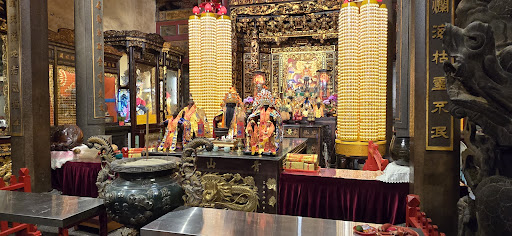
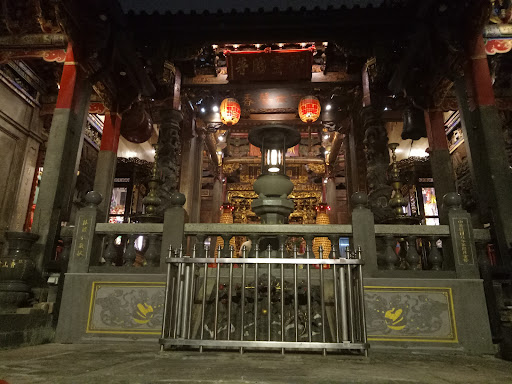
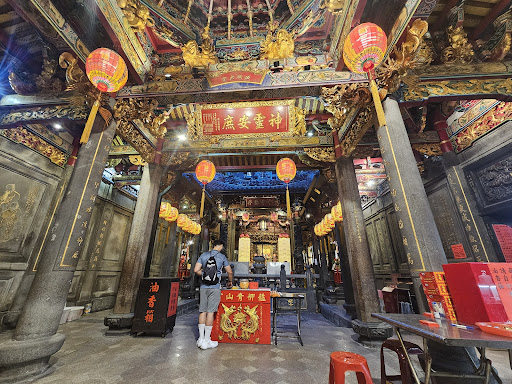
Bangka Qingshan Temple things to do, attractions, restaurants, events info and trip planning
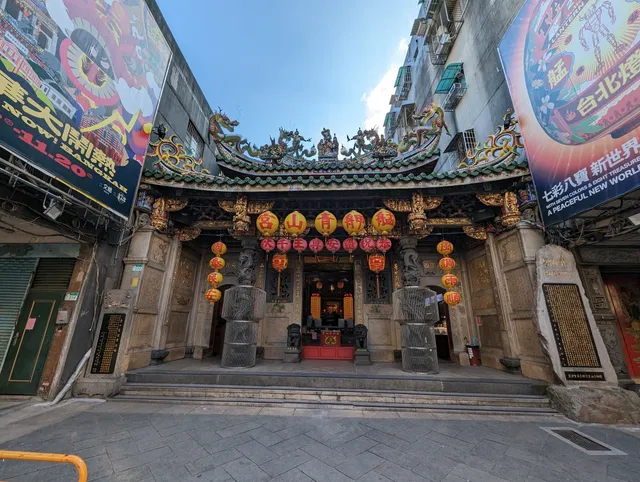
Basic Info
Bangka Qingshan Temple
No. 218, Section 2, Guiyang St, Wanhua District, Taipei City, Taiwan 108
4.3(1.0K)
Open until 10:00 PM
Save
spot
spot
Ratings & Description
Info
Cultural
Family friendly
Accessibility
attractions: Bangka Old Street, Guangzhou Street Night Market, Bopiliao Historical Block, Longshan Riverside Park, Qingshui Temple, Monga Dizang Temple, Bangka Park, Longshan Cultural & Creative Base, Huajiang Wild Duck Natural Park, Taipei Food Tour / Taipei's Origin & Longshan Temple - Walking Tour Meeting Point - TourMeAway, restaurants: Yuan Fang Gua Bao, A-Tsai-Ma, Chang Hung Noodles, 一甲子餐飲, SUNWAY, 壽司王, 慧宇豆花, Coba Sushi, 沛對原汁排骨湯, 忻鮨壽司, local businesses: Lungshan Temple, Huaxi Street Night Market, Zhixing Market, Wuzhou Street Night Market, 忘華刨冰, Monga Night Market, sozo hair salon西門町接髮髮廊剪髮燙髮染髮頭皮護理, 西昌街觀光夜市, PX MART Ximending Store, 安騏美甲美學
 Learn more insights from Wanderboat AI.
Phone
+886 2 2382 2296
Open hoursSee all hours
Sun6 AM - 10 PMOpen
Plan your stay

Pet-friendly Hotels in Wanhua District
Find a cozy hotel nearby and make it a full experience.

Affordable Hotels in Wanhua District
Find a cozy hotel nearby and make it a full experience.

The Coolest Hotels You Haven't Heard Of (Yet)
Find a cozy hotel nearby and make it a full experience.

Trending Stays Worth the Hype in Wanhua District
Find a cozy hotel nearby and make it a full experience.
Reviews
Live events

#037 CNY RAVE CAFE RUN ft. DECATHLON
Sat, Feb 21 • 1:00 AM
Nowhere Taipei Mexican Bistro, No. 16號, Section 1, Chengde Rd, Datong District, Taipei City, Taiwan 10349
View details
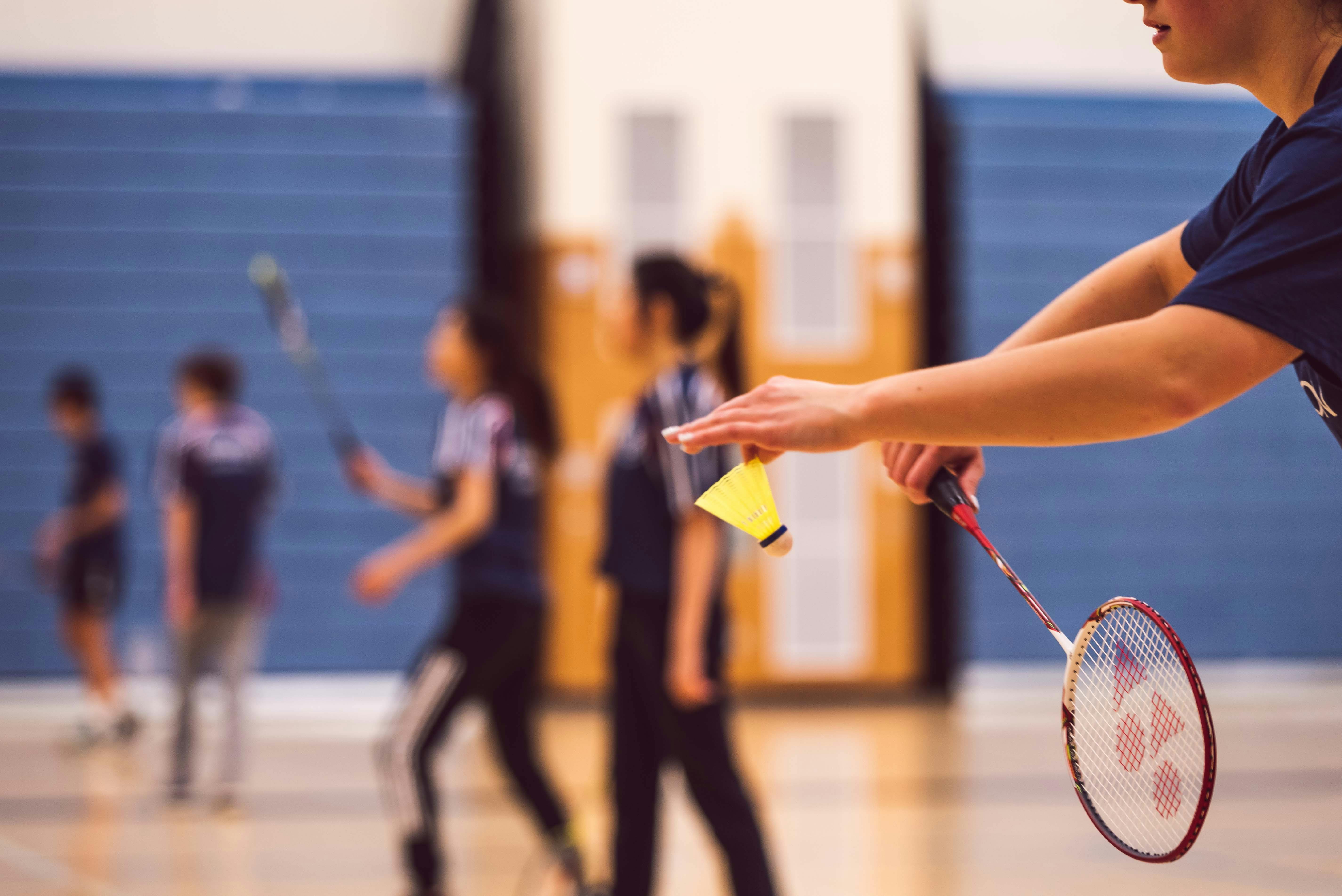
Saturday Social Badminton!
Sat, Feb 21 • 10:00 AM
Xinyi District, Taipei City
View details
Nearby attractions of Bangka Qingshan Temple
Bangka Old Street
Guangzhou Street Night Market
Bopiliao Historical Block
Longshan Riverside Park
Qingshui Temple
Monga Dizang Temple
Bangka Park
Longshan Cultural & Creative Base
Huajiang Wild Duck Natural Park
Taipei Food Tour / Taipei's Origin & Longshan Temple - Walking Tour Meeting Point - TourMeAway
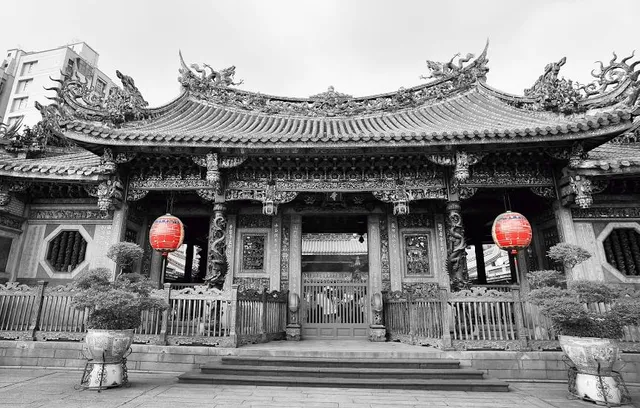
Bangka Old Street
4.1
(596)
Open until 12:00 AM
Click for details
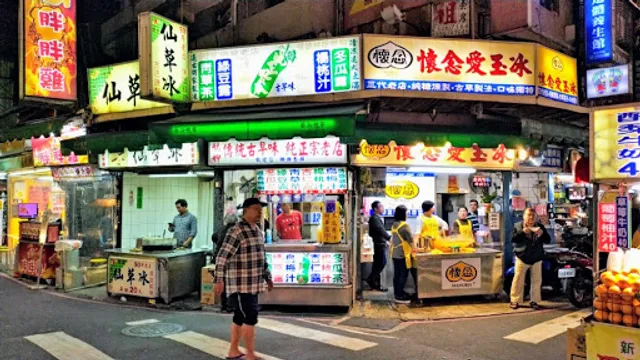
Guangzhou Street Night Market
4.1
(6K)
Closed
Click for details

Bopiliao Historical Block
4.2
(5.4K)
Closed
Click for details
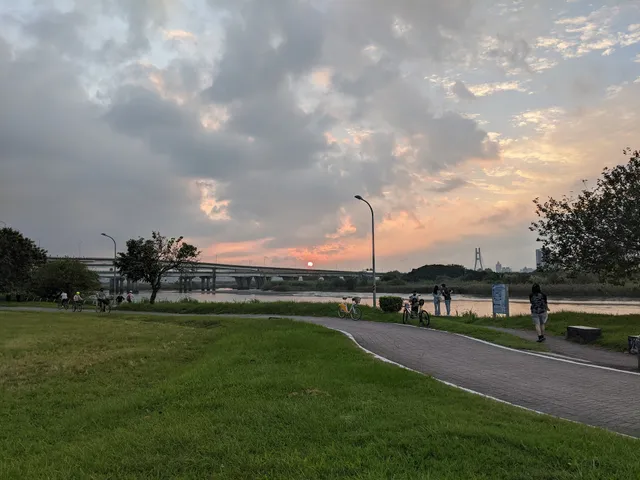
Longshan Riverside Park
4.1
(363)
Open until 12:00 AM
Click for details
Nearby restaurants of Bangka Qingshan Temple
Yuan Fang Gua Bao
A-Tsai-Ma
Chang Hung Noodles
一甲子餐飲
SUNWAY
壽司王
慧宇豆花
Coba Sushi
沛對原汁排骨湯
忻鮨壽司
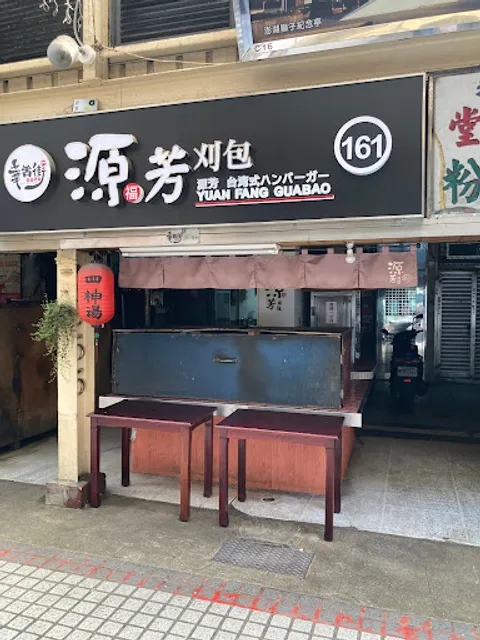
Yuan Fang Gua Bao
4.3
(1.3K)
Closed
Click for details
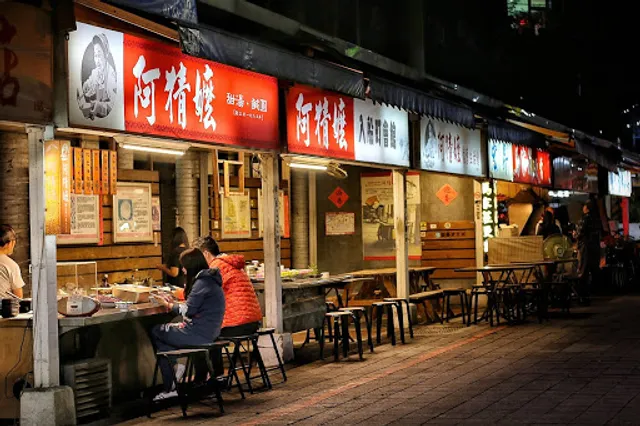
A-Tsai-Ma
4.1
(411)
$
Closed
Click for details
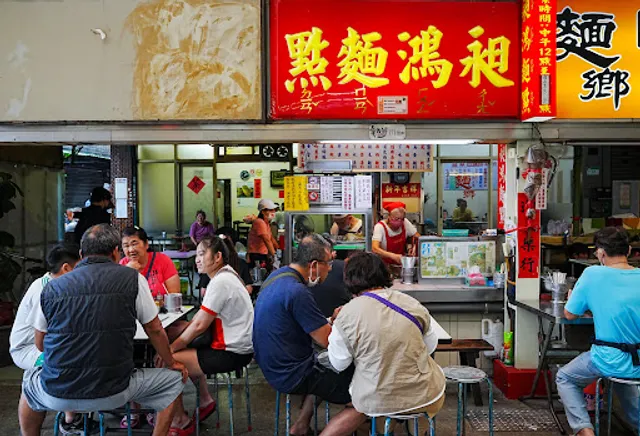
Chang Hung Noodles
4.1
(389)
Click for details
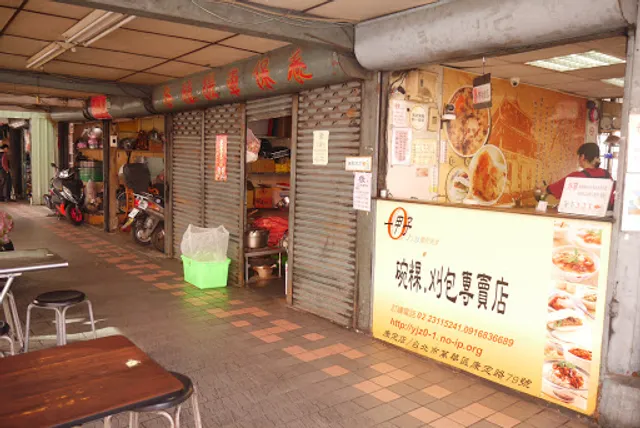
一甲子餐飲
4.4
(2.9K)
Open until 12:00 AM
Click for details
Nearby local services of Bangka Qingshan Temple
Lungshan Temple
Huaxi Street Night Market
Zhixing Market
Wuzhou Street Night Market
忘華刨冰
Monga Night Market
sozo hair salon西門町接髮髮廊剪髮燙髮染髮頭皮護理
西昌街觀光夜市
PX MART Ximending Store
安騏美甲美學
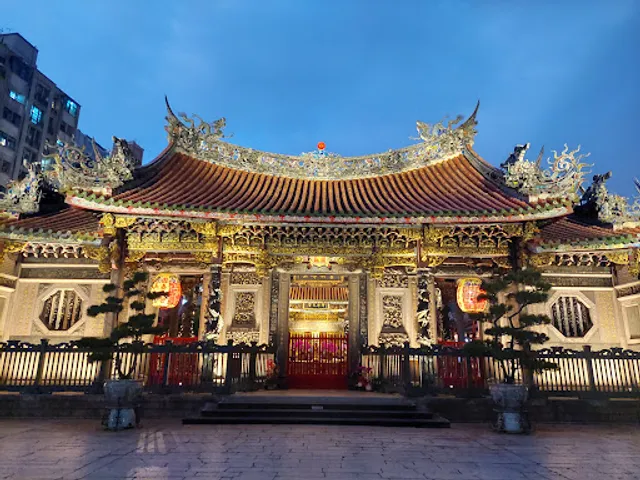
Lungshan Temple
4.5
(17.2K)
Click for details
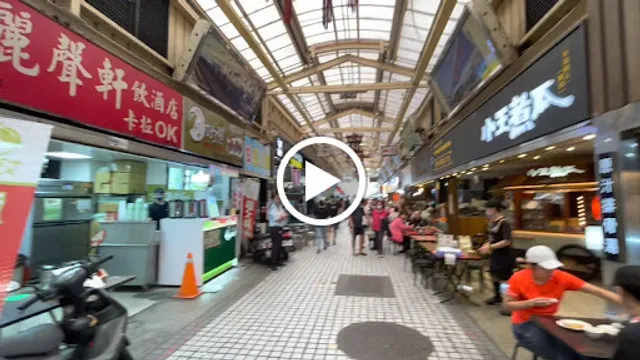
Huaxi Street Night Market
3.9
(3.7K)
Click for details
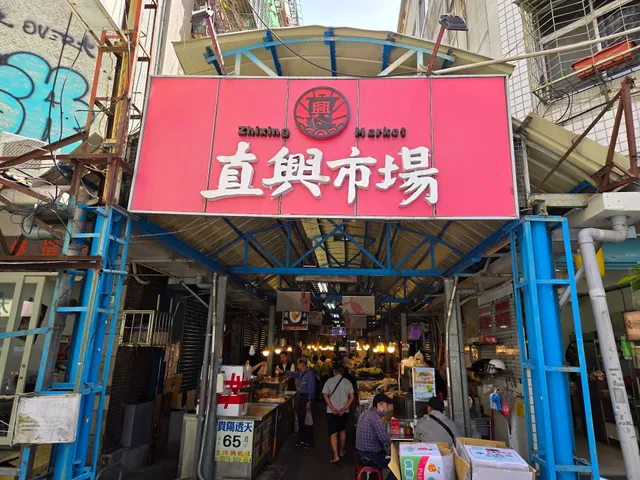
Zhixing Market
3.8
(337)
Click for details
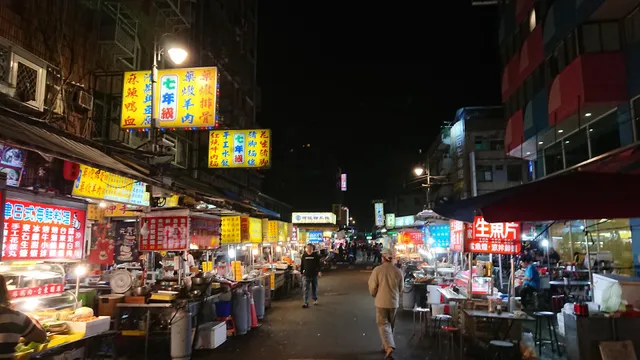
Wuzhou Street Night Market
4.0
(162)
Click for details