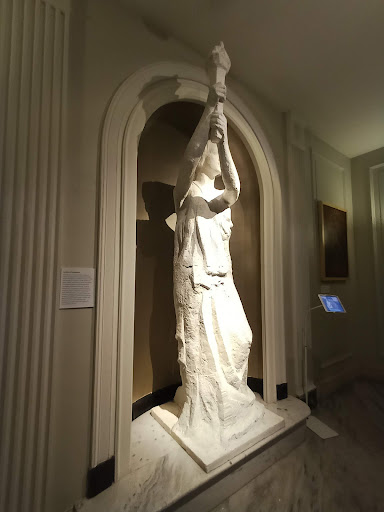
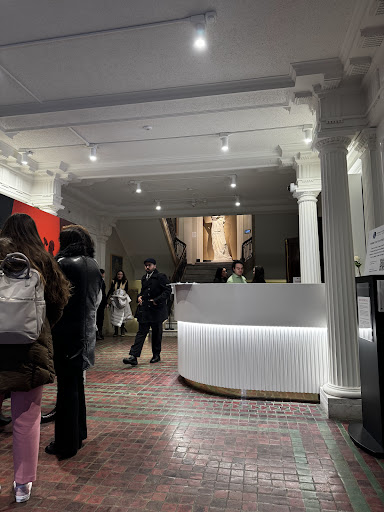
Victims of Communism Museum and Memorial Foundation things to do, attractions, restaurants, events info and trip planning
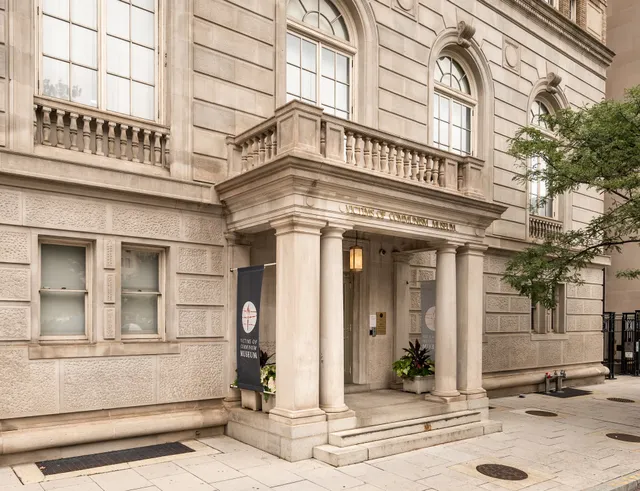
Basic Info
Victims of Communism Museum and Memorial Foundation
900 15th St NW, Washington, DC 20005
3.9(120)
Open until 12:00 AM
Save
spot
spot
Ratings & Description
Info
Cultural
Accessibility
Family friendly
attractions: McPherson Square, Lafayette Square, Nexford University, St. John's, Lafayette Square, Farragut Square, General Tadeusz Kościuszko Statue, Franklin Park, Bay Atlantic University - Washington D.C., Lafayette Building, Renwick Gallery of the Smithsonian American Art Museum, restaurants: Joe's Seafood, Prime Steak & Stone Crab, Mazi DC - New American Cuisine, RARE Steakhouse & Tavern, DUA DC Coffee, Eye Street Grill, Kitchen + Kocktails By Kevin Kelley - DC, Joe & the Juice - 1500 K Street - Café, Juice Bar and Sandwich Shop, Bobby Van’s Steakhouse, The Park at 14th, P.J. Clarke’s DC, local businesses: The Good Liar Brian Curry, Metro Variety Shop, FRESHFARM By the White House Farmers Market, PAN Foundation, White House Gifts, Mentora College - Washington, D.C., McPherson Square Station, VFS Global Visa Application Center in Washington DC, American Civil Liberties Union Washington Legislative Office, McPherson Square
 Learn more insights from Wanderboat AI.
Phone
(202) 629-9500
Website
victimsofcommunism.org
Open hoursSee all hours
Tue9 AM - 3 PMOpen
Plan your stay

Pet-friendly Hotels in Washington
Find a cozy hotel nearby and make it a full experience.

Affordable Hotels in Washington
Find a cozy hotel nearby and make it a full experience.

The Coolest Hotels You Haven't Heard Of (Yet)
Find a cozy hotel nearby and make it a full experience.

Trending Stays Worth the Hype in Washington
Find a cozy hotel nearby and make it a full experience.
Reviews
Live events
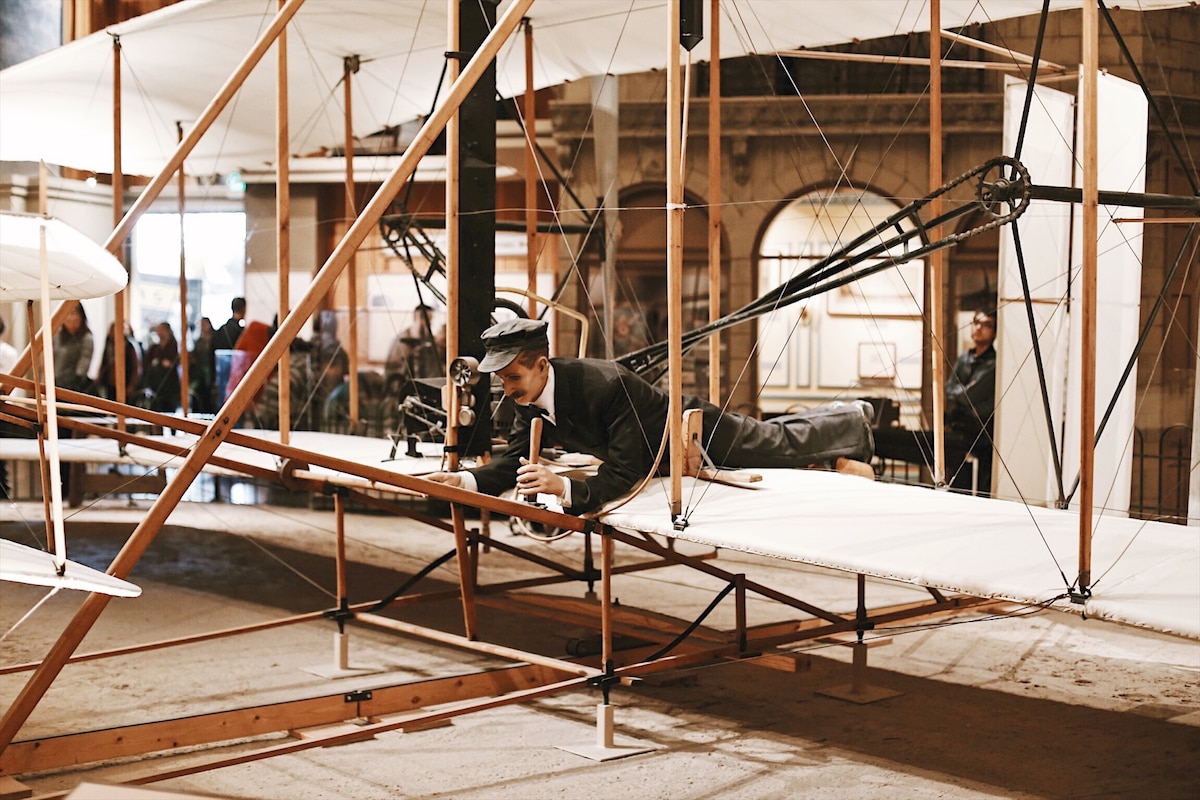
Explore the Air & Space Museum with expert guides
Wed, Jan 28 • 1:30 PM
Washington, District of Columbia, 20560
View details

Sip & Charm Bar in Fairfax City - Make Custom Charm Jewelry
Wed, Jan 28 • 4:00 PM
10417 Main Street Fairfax, VA 22030
View details

CEPL Connections: Alumni & Friends Gathering
Thu, Jan 29 • 5:00 PM
950 North Glebe Road Arlington, VA 22203
View details
Nearby attractions of Victims of Communism Museum and Memorial Foundation
McPherson Square
Lafayette Square
Nexford University
St. John's, Lafayette Square
Farragut Square
General Tadeusz Kościuszko Statue
Franklin Park
Bay Atlantic University - Washington D.C.
Lafayette Building
Renwick Gallery of the Smithsonian American Art Museum
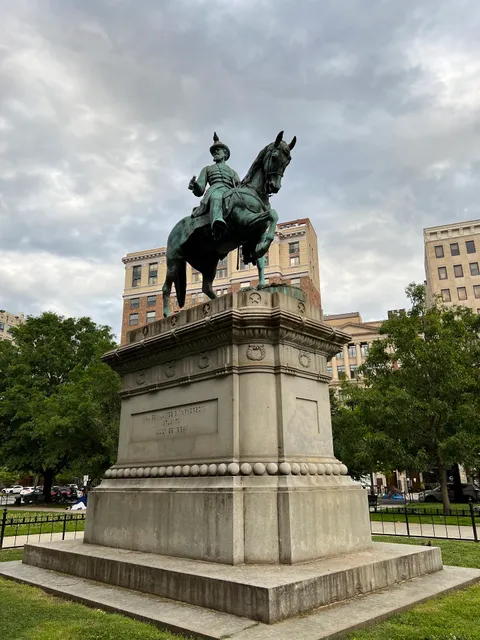
McPherson Square
4.1
(256)
Open until 12:00 AM
Click for details
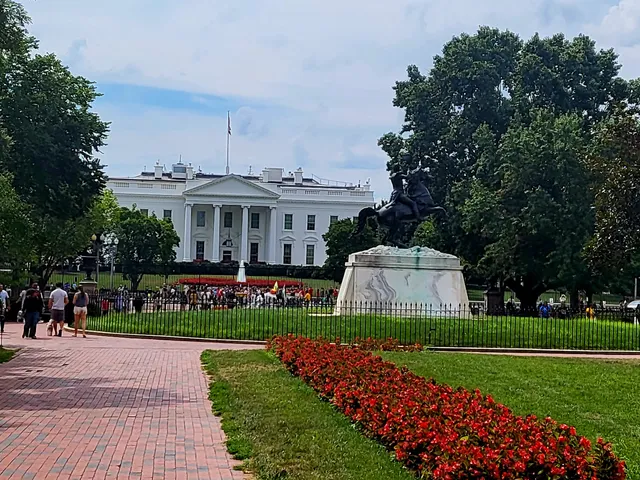
Lafayette Square
4.6
(1.5K)
Open until 12:00 AM
Click for details

Nexford University
4.9
(151)
Open until 12:00 AM
Click for details
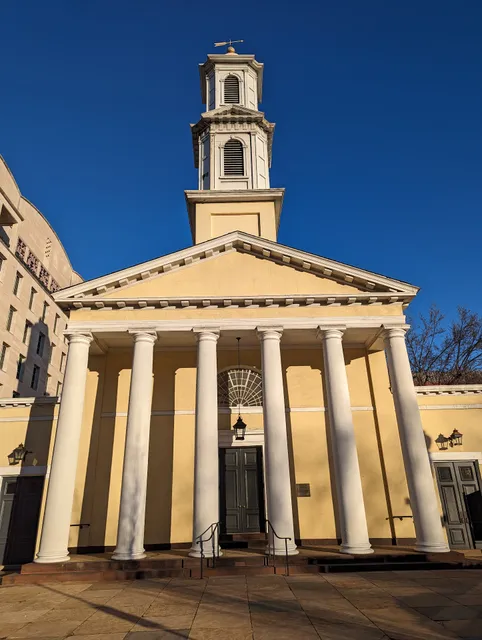
St. John's, Lafayette Square
4.6
(114)
Closed
Click for details
Nearby restaurants of Victims of Communism Museum and Memorial Foundation
Joe's Seafood, Prime Steak & Stone Crab
Mazi DC - New American Cuisine
RARE Steakhouse & Tavern
DUA DC Coffee
Eye Street Grill
Kitchen + Kocktails By Kevin Kelley - DC
Joe & the Juice - 1500 K Street - Café, Juice Bar and Sandwich Shop
Bobby Van’s Steakhouse
The Park at 14th
P.J. Clarke’s DC
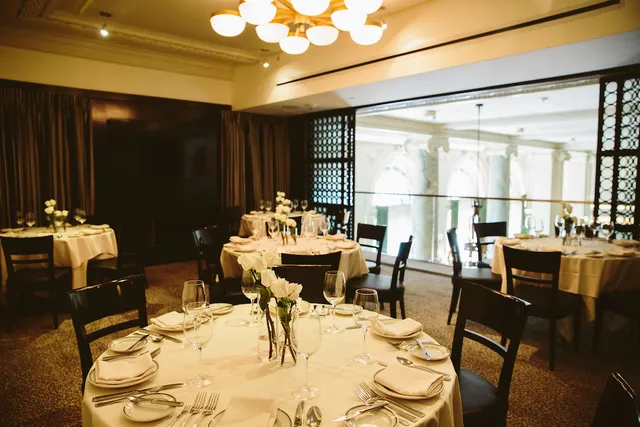
Joe's Seafood, Prime Steak & Stone Crab
4.6
(2.4K)
$$$$
Open until 10:00 PM
Click for details
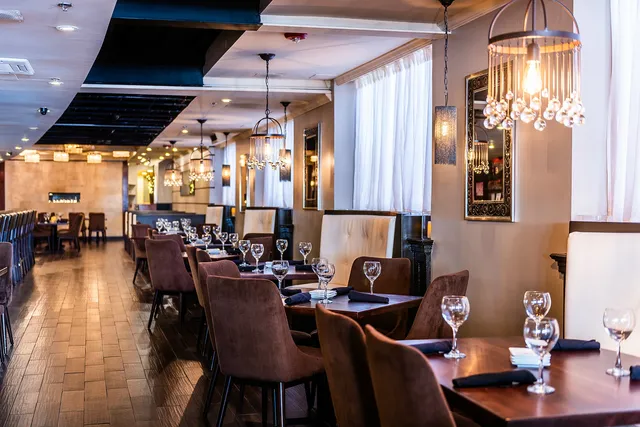
Mazi DC - New American Cuisine
4.6
(422)
$$
Open until 10:00 PM
Click for details
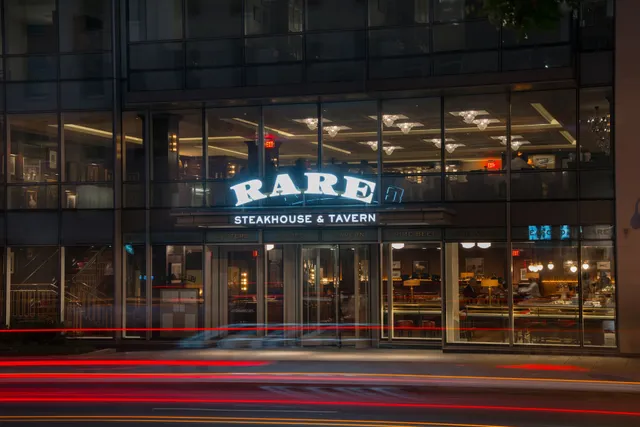
RARE Steakhouse & Tavern
4.4
(437)
$$$$
Open until 12:00 AM
Click for details
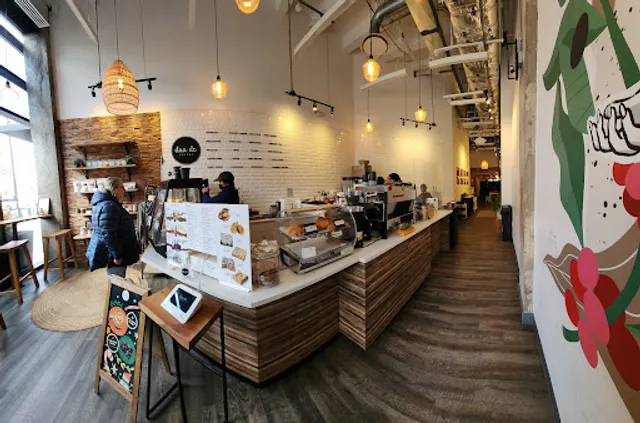
DUA DC Coffee
4.7
(488)
$
Closed
Click for details
Nearby local services of Victims of Communism Museum and Memorial Foundation
The Good Liar Brian Curry
Metro Variety Shop
FRESHFARM By the White House Farmers Market
PAN Foundation
White House Gifts
Mentora College - Washington, D.C.
McPherson Square Station
VFS Global Visa Application Center in Washington DC
American Civil Liberties Union Washington Legislative Office
McPherson Square
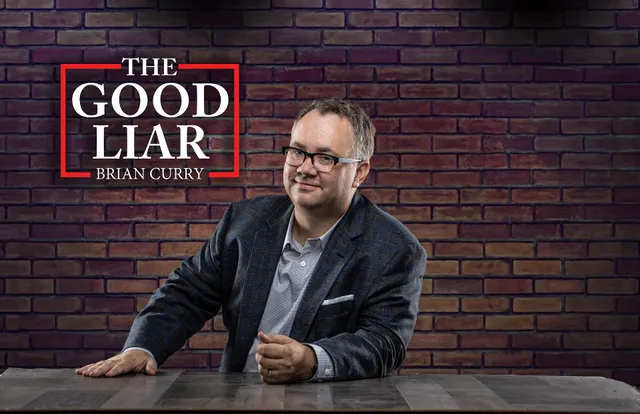
The Good Liar Brian Curry
5.0
(285)
Click for details
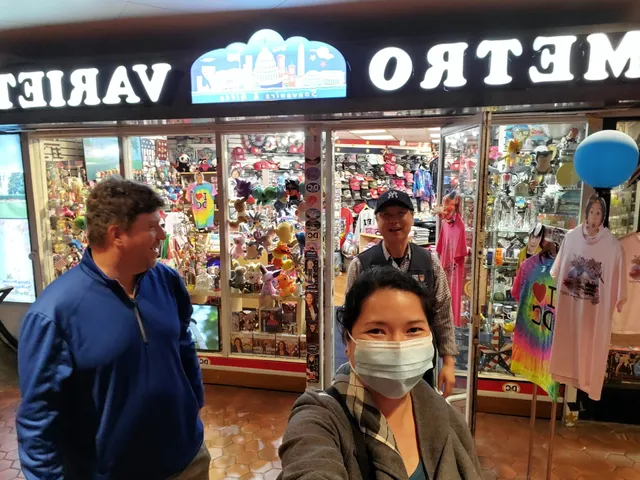
Metro Variety Shop
4.8
(427)
Click for details
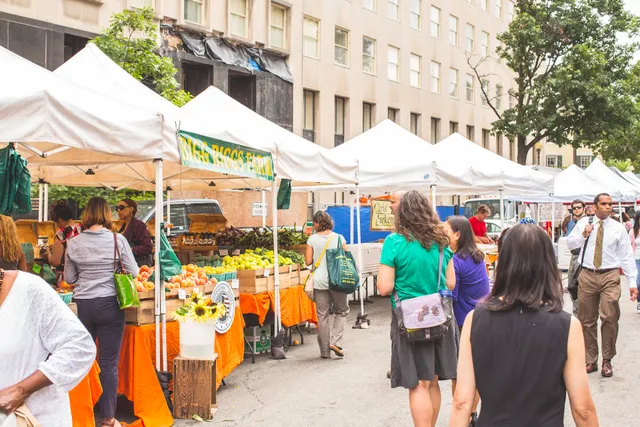
FRESHFARM By the White House Farmers Market
4.6
(32)
Click for details
PAN Foundation
4.8
(189)
Click for details