Checchino Dal 1887 things to do, attractions, restaurants, events info and trip planning
Basic Info
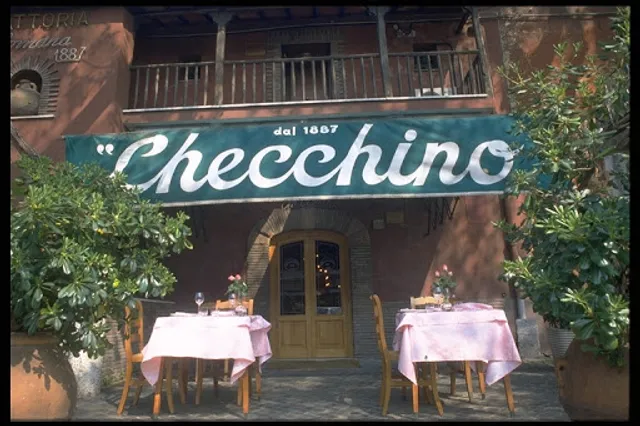
Checchino Dal 1887
Via di Monte Testaccio, 30, 00153 Roma RM, Italy
4.4(504)
Open until 12:00 AM
Save
spot
spot
Ratings & Description
Info
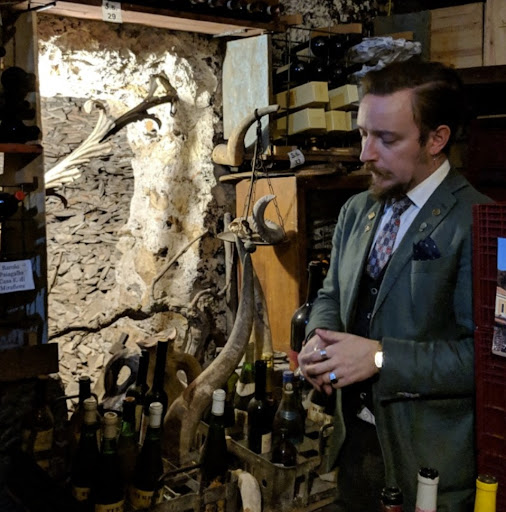
Refined, wood-paneled 19th-century restaurant, for Roman fine dining plus a sweetmeat tasting menu.
attractions: Mattatoio, Città dell'Altra Economia, Alibi Club Roma, Non-Catholic Cemetery, CWGC Rome War Cemetery, Pyramid of Caius Cestius, St Paul's Gate, Play area for children, Polo Museale Atac, Keyhole of the Order of Malta, restaurants: Ristorante Pecorino, Ristorante Angelina a Testaccio, Ristorante Jole, Flavio al Velavevodetto, Shake, Ar Monte Testaccio, Inka Chicken, Mordi & Vai, Casa Manco, Romeo Testaccio, local businesses: Testaccio market, ARF! Festival, Greenwich, Mercatino Car Boot Market Roma prossime date 9 e 30 marzo, Ponte Testaccio, Lungotevere Testaccio, Game Over Escape Rooms - Rome Trastevere, Angels and Dragons, Teddy’s Lab Trastevere, Bucolica The Donuts Shop
 Learn more insights from Wanderboat AI.
Phone
+39 333 585 5055
Website
checchino-dal-1887.com
Open hoursSee all hours
Wed12:30 - 3 PM, 8 - 11 PMOpen
Plan your stay

Pet-friendly Hotels in Rome
Find a cozy hotel nearby and make it a full experience.

Affordable Hotels in Rome
Find a cozy hotel nearby and make it a full experience.

The Coolest Hotels You Haven't Heard Of (Yet)
Find a cozy hotel nearby and make it a full experience.

Trending Stays Worth the Hype in Rome
Find a cozy hotel nearby and make it a full experience.
Featured dishes
View full menu
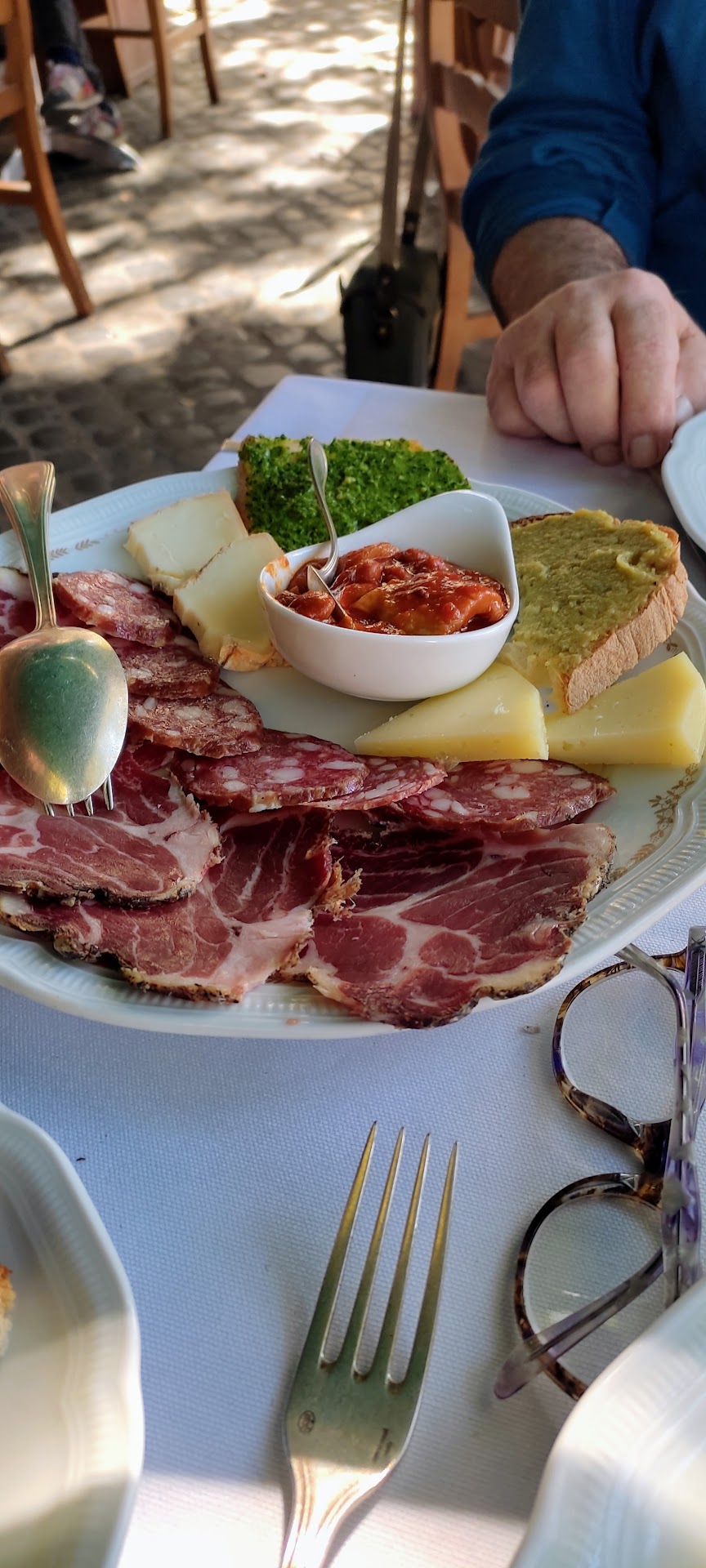
Antipasto Misto Della Casa
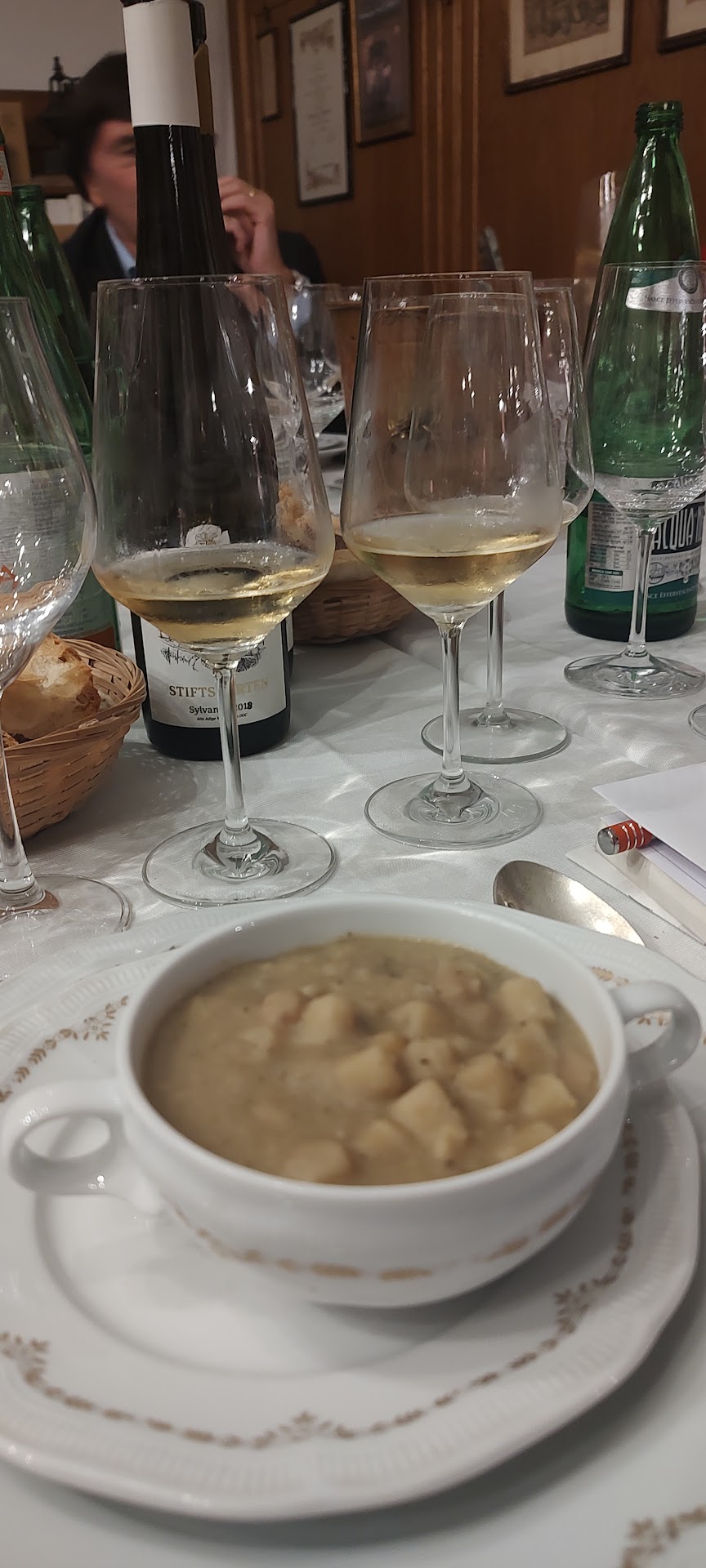
Pasta E Ceci Al Rosmarino
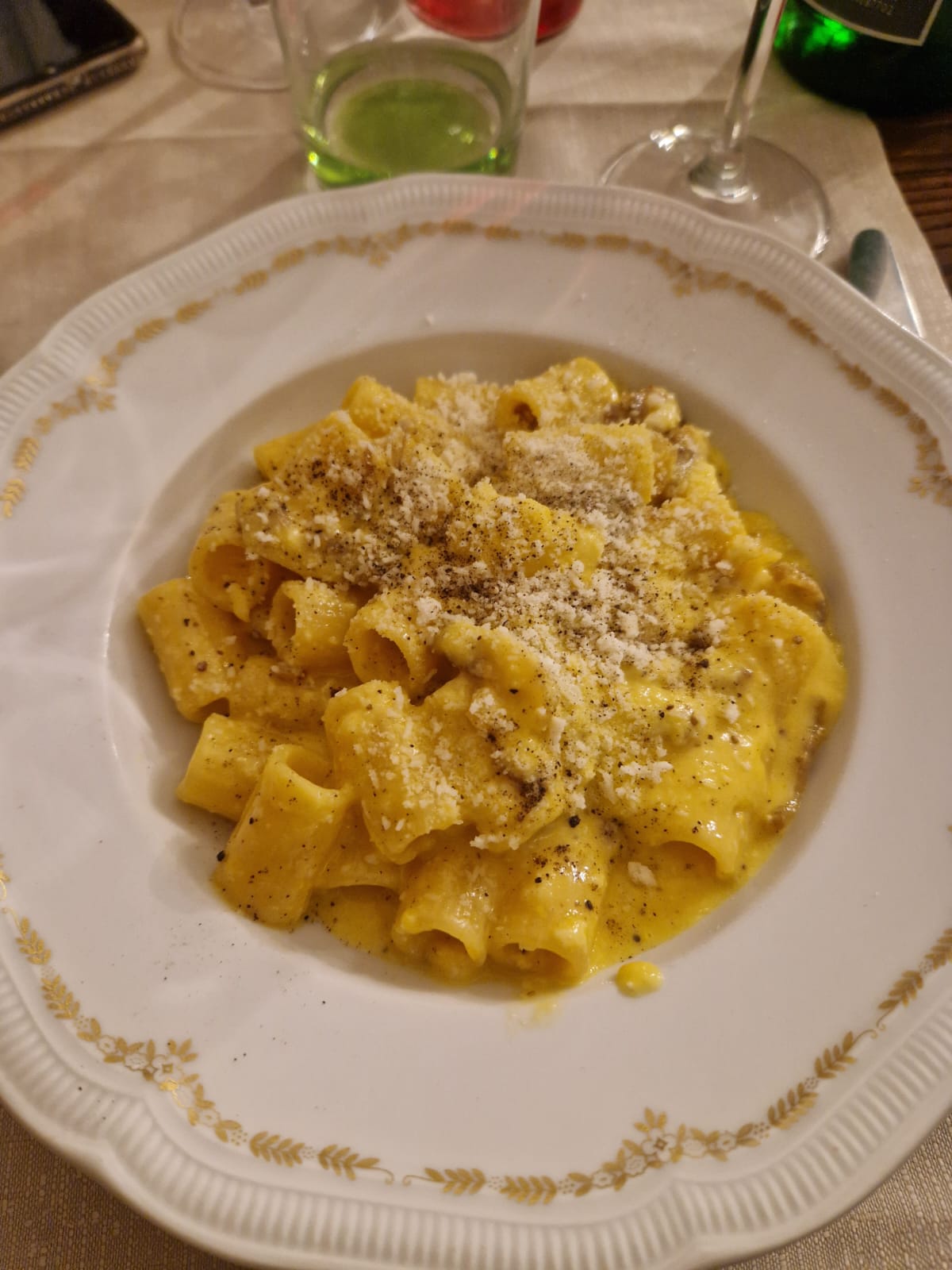
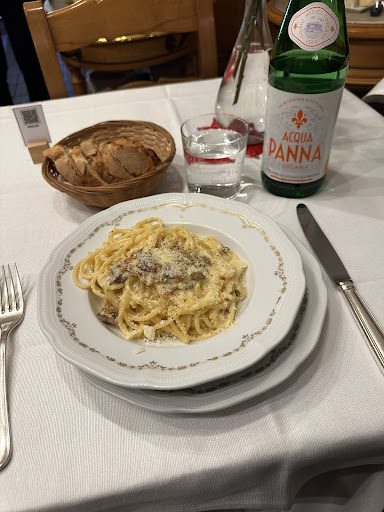
Spaghetti Alla Carbonara
Reviews
Live events
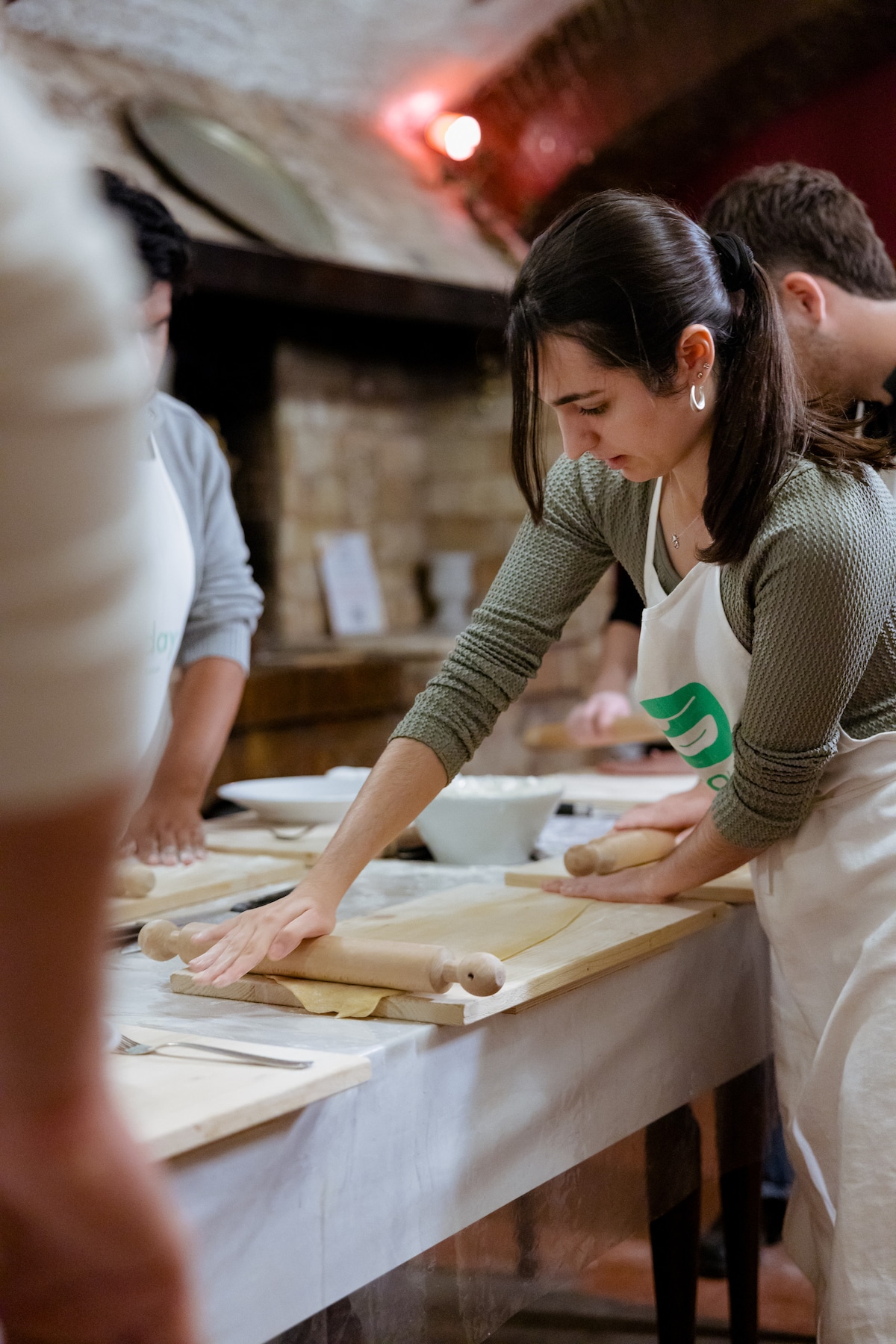
Make handmade fettuccine and tiramisu with a local
Wed, Feb 25 • 3:00 PM
00187, Rome, Lazio, Italy
View details

LUNA: A Journey to the Moon – un’esperienza immersiva in realtà virtuale a Roma
Wed, Feb 25 • 4:00 PM
Via Trionfale, 7400, Roma, 00136
View details

Passioni, simpatia e convenzioni: la natura umana in Hume e Darwin
Thu, Feb 26 • 6:00 PM
Via Plebiscito 118 00186 Roma
View details
Nearby attractions of Checchino Dal 1887
Mattatoio
Città dell'Altra Economia
Alibi Club Roma
Non-Catholic Cemetery
CWGC Rome War Cemetery
Pyramid of Caius Cestius
St Paul's Gate
Play area for children
Polo Museale Atac
Keyhole of the Order of Malta
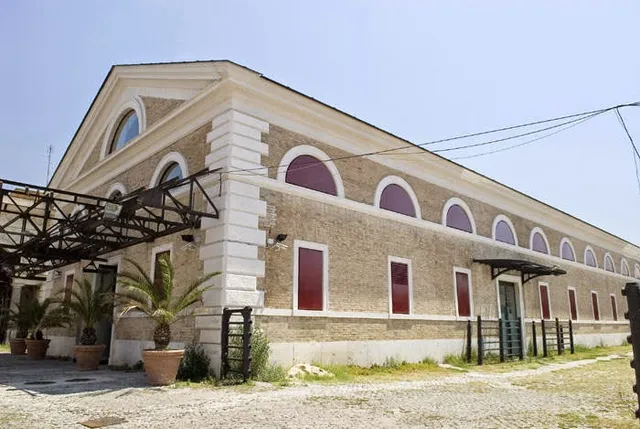
Mattatoio
4.2
(741)
Open until 8:00 PM
Click for details
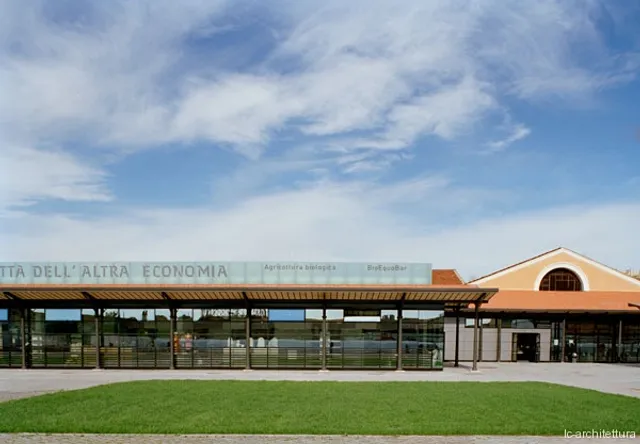
Città dell'Altra Economia
3.9
(1.4K)
Open until 12:00 AM
Click for details
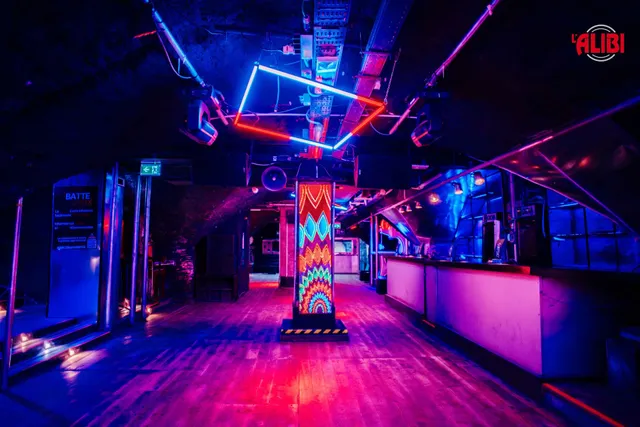
Alibi Club Roma
3.6
(211)
Open until 12:00 AM
Click for details
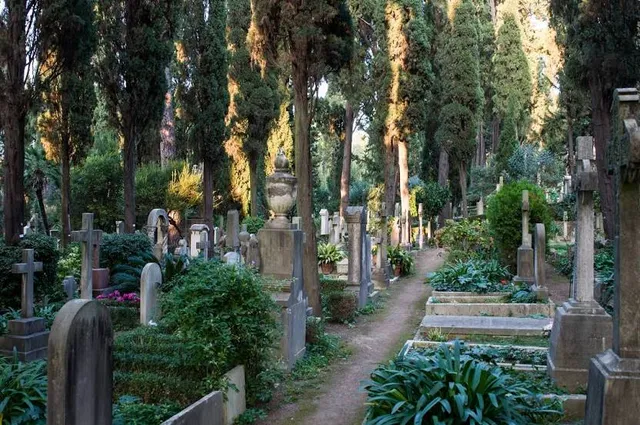
Non-Catholic Cemetery
4.6
(1.0K)
Closed
Click for details
Nearby restaurants of Checchino Dal 1887
Ristorante Pecorino
Ristorante Angelina a Testaccio
Ristorante Jole
Flavio al Velavevodetto
Shake
Ar Monte Testaccio
Inka Chicken
Mordi & Vai
Casa Manco
Romeo Testaccio
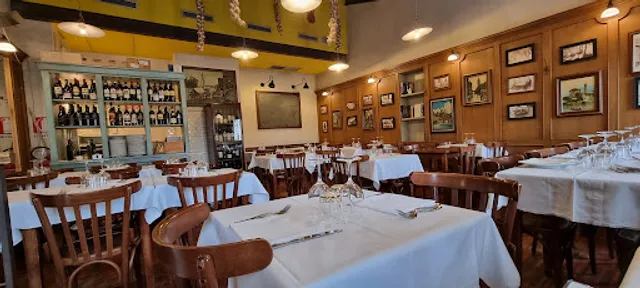
Ristorante Pecorino
4.5
(1.0K)
Closed
Click for details
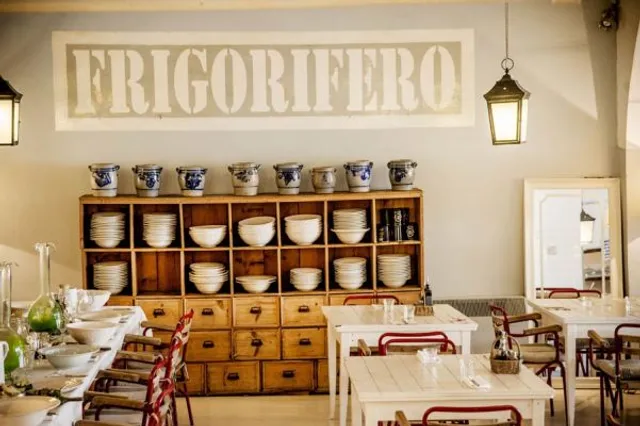
Ristorante Angelina a Testaccio
4.1
(1.6K)
Closed
Click for details
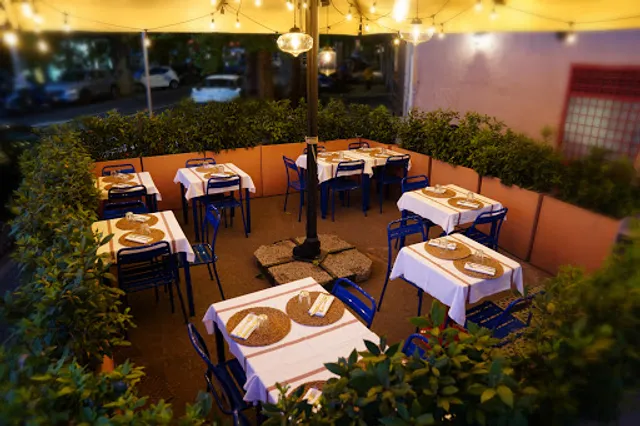
Ristorante Jole
4.7
(306)
Closed
Click for details
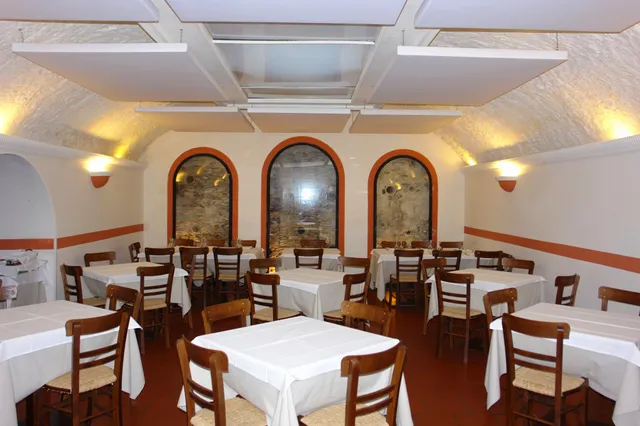
Flavio al Velavevodetto
4.2
(2.7K)
Closed
Click for details
Nearby local services of Checchino Dal 1887
Testaccio market
ARF! Festival
Greenwich
Mercatino Car Boot Market Roma prossime date 9 e 30 marzo
Ponte Testaccio
Lungotevere Testaccio
Game Over Escape Rooms - Rome Trastevere
Angels and Dragons
Teddy’s Lab Trastevere
Bucolica The Donuts Shop
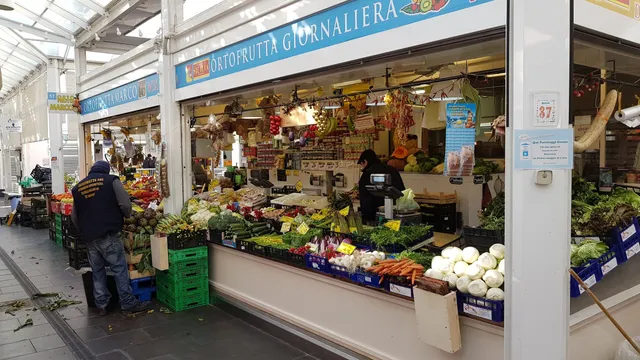
Testaccio market
4.4
(3.7K)
Click for details
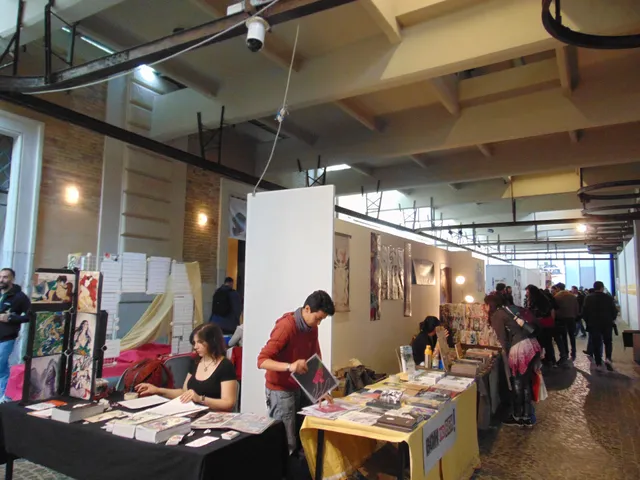
ARF! Festival
4.3
(82)
Click for details
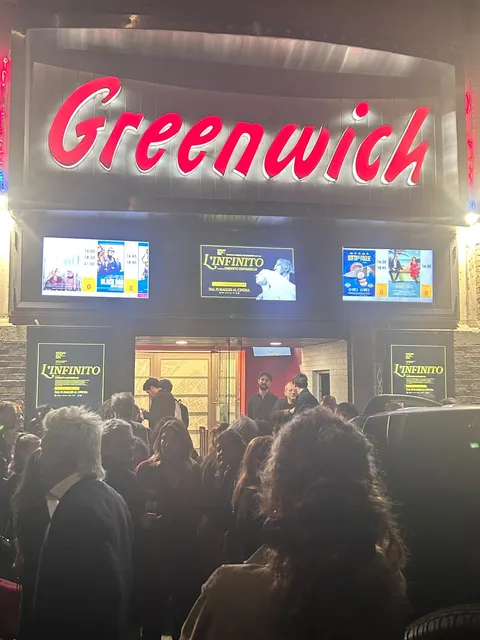
Greenwich
4.4
(669)
Click for details
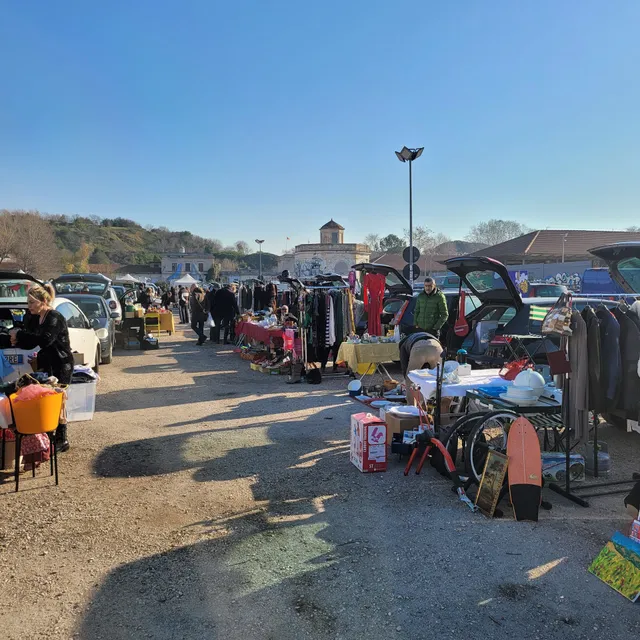
Mercatino Car Boot Market Roma prossime date 9 e 30 marzo
3.8
(12)
Click for details


The hit list
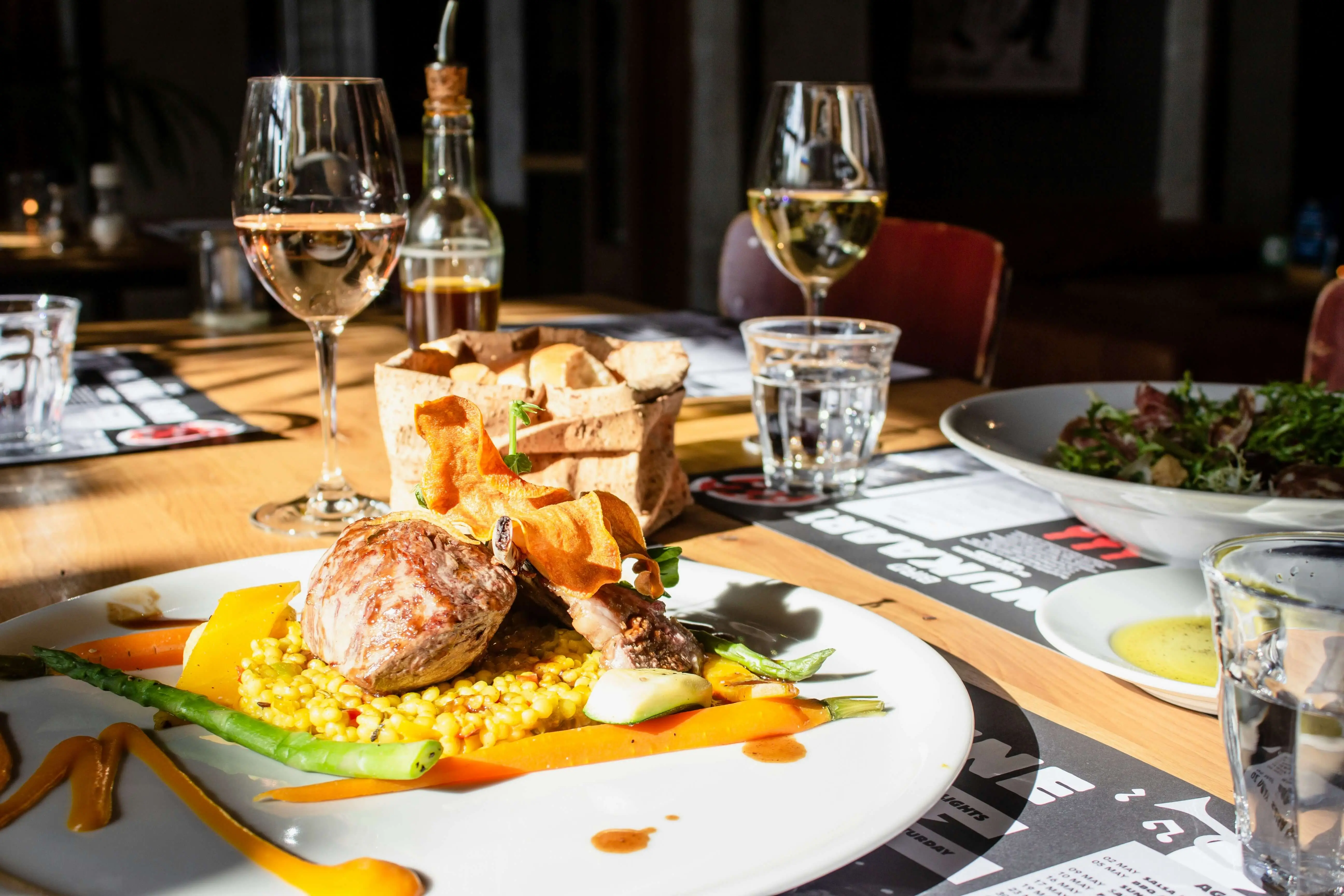

Plan your trip with Wanderboat
Welcome to Wanderboat AI, your AI search for local Eats and Fun, designed to help you explore your city and the world with ease.
Powered by Wanderboat AI trip planner.