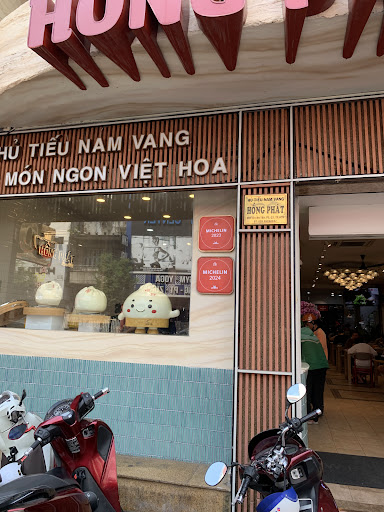
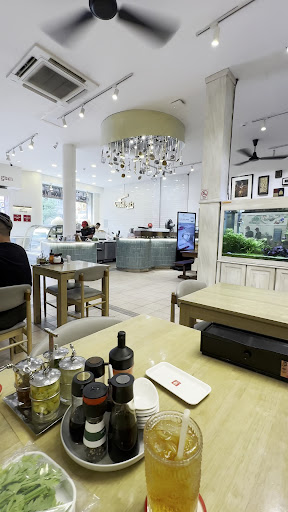
Warning, long review ahead I stumbled upon this place purely by accident, and i treated this place as a regular stall, not some Michelin bib award place. After my meal i found out about all this Michelin thingy and as a chinese food enthusiast, I really really struggle to understand how and why this place earns such an award.
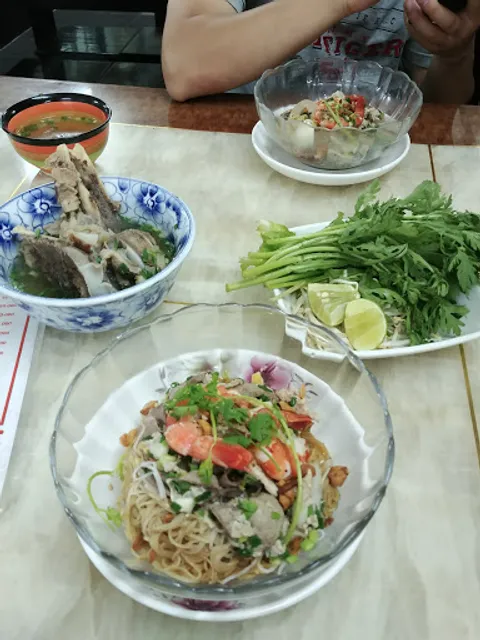
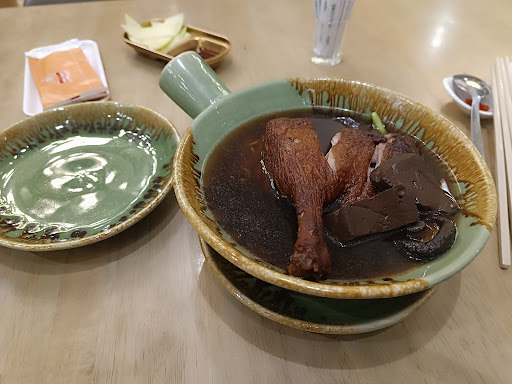
For context, I ordered a braised duck noodle bowl and dumplings noodle bowl
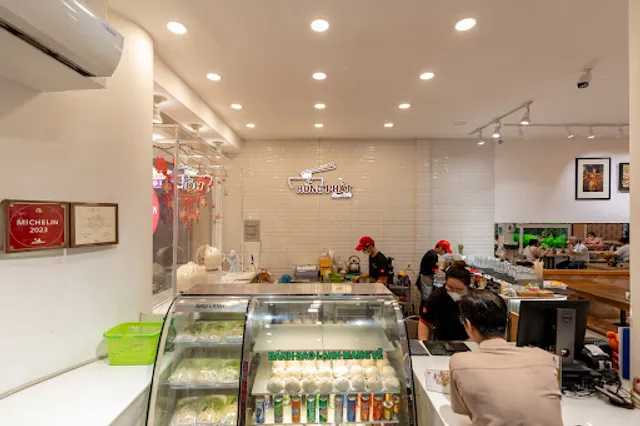
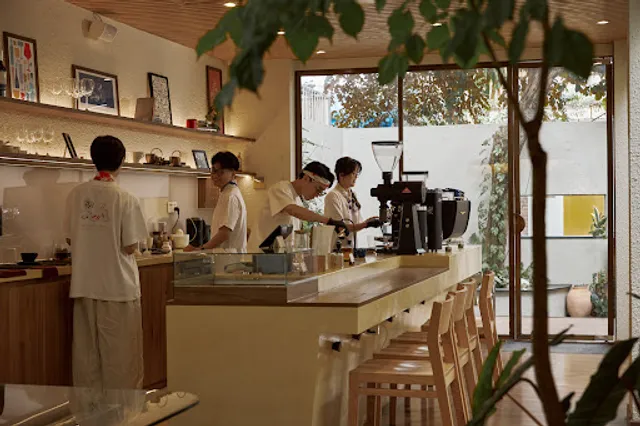
The pros: the place is very spacious with lots of decorations and wall drawings, highlighting the sense of premium-ness when dining. The broth of both bowls is quite easy to slurp, with braised duck broth full of herbal taste whereas dumpling broth is clear and smooth. The char sew meat in the dumpling bowl is also very well seasoned and moist. The chili oil is extremely good, since it's not just regular chili oil, but there's also added dried fish in it. And that's all the good thing i can say about this place
The cons: The chili oil, tho very good, is NOT available right away, and you have to ask for the waiter to bring it out. Not sure if this is intentional, but I looked around and none of the tables have chili oil containers on the table. Next is the abysmal waiting time, I entered the place at around 9 Pm, so there's literally no other customer but us, and our order still takes roughly around 20 minutes. The braised duck noodle bowl: the duck doesn't seem to be properly braised. I feel like they tried to roast it first then braised it, but none of the things came out right, and i ended up with a very dried piece of duck that wasn't seasoned very well. The noodle is a little bit undercooked, but this may come down to preference. The broth, tho full of herbal taste, is also very sweet, a lot sweeter than any braised duck bowl i tried before. The dumpling noodle bowl: This is one of, if not the worst dumpling I've ever tried, and I'm not even exaggerate. The dumpling is small, so small that the only time I've seen such a small dumpling is when I ate at some mobile stall that a guy dragged around for like 25k vnd a bowl. The dumpling skin is severely undercooked, so it left a starchy taste in your mouth. Due to the skin of the dumpling being undercooked, the filling of the dumpling is nearly tasteless because of the starchy taste that overwhelmed everything. The pricing is...not cheap, but not extremely expensive either, but definitely not cheap. I felt I got ripped off when i paid nearly 300k vnd for 2 bowls of below average noodles, that I am confidently assure I can get the same bowls for half the price elsewhere (and even better quality food). If this place cut the price like half, and have no Michelin award thingy, then maybe I'll give it a 3.5 star.
In conclusion, I always feel the Michelin award is kind of a scam, especially toward Asian food, and stalls like this reinforce my way of thinking even harder. If you want true authentic dumpling noodles, there are way better places around District 5 and way cheaper...
Read moreIf there is one place in Saigon that embodies the soul of a perfect bowl of Hủ Tiếu, it’s Hủ Tiếu Hồng Phát. This isn’t your average street-side noodle stall, this is a Michelin-starred institution (2023 & 2024) serving up bowls of pure umami magic without the eye-watering price tag of a French Laundry tasting menu.
The broth is a masterpiece, a deep and complex symphony of flavors simmered for 24 hours, pork bones, beef, a hint of dried squid, and who knows what other secret alchemy. Each sip coats your tongue with rich, velvety depth, something between a comforting embrace and an umami uppercut. This is the kind of broth that tells a story one of long hours, meticulous care, and generations of noodle-making mastery.
Then, there are the noodles. Fresh, soft, and delicate, not the chewy, fermented Hủ Tiếu Mỹ Tho variety, but something more refined. Each strand soaks up the broth beautifully, carrying every bit of that porky, beefy goodness straight to your taste buds. And the toppings? A generous mix of succulent pork, plump shrimp, and fresh herbs, all working in perfect harmony. If you want to take things up a notch, get the hotpot of broth with bone-in meat and blood cake a true family-style feast that well make you feel like a local.
This is the kind of meal that sticks with you. The kind that makes you sit back, exhale, and wonder how something so simple can be so damn good!
If Gordon Ramsay had his mind blown by a bowl of Hủ Tiếu on the Mekong Delta, then this place is the refined, urban version of that experience without the need for a boat.
So do yourself a favor: come hungry, bring friends, and don’t rush. Let the broth, the noodles, and the Michelin-star magic do...
Read moreNổi bật: quán hủ tiếu lâu đời ở SG. (Phần st) Hủ tiếu ở Sài Gòn, đặc biệt là hủ tiếu Nam Vang, chưa bao giờ được thừa nhận là một "món sang". Trong suốt lịch sử hình thành của mình, món ngon này được xem như một lựa chọn phổ biến, gần gũi mà mọi giới đều có thể thưởng thức được.
Vào những ngày cuối tháng Tư này, ngưỡng giá một tô hủ tiếu Nam Vang ăn được ở Sài Gòn nằm trong khoảng từ 25.000đ đến 40.000đ. Nếu thành phần "hùng hậu" hơn (nhiều tim, gan, cật, tôm...) như kiểu hủ tiếu Nhân Quán thì ngoài 50.000đ một chút.
Cọng hủ tiếu dai trong hủ tiếu Nam Vang là một biến thể thú vị từ những người Mẫn Nam (Phúc Kiến) trong giai đoạn di cư về phía những nước Đông Nam Á, với bột gạo là nguyên liệu chính. Do không có nguyên liệu làm mì, họ đã dùng nguyên liệu tại chỗ là gạo để chế sợi thay cho mì (từ đầu thế kỷ trước 3 nước Đông Dương đã là một vựa gạo khổng lồ với sản lượng xuất khẩu lên đến 1.5 triệu tấn hàng năm).
Như ở Campuchia hủ tiếu được gọi là "kuy teav", ở Việt Nam gọi là "hủ tiếu", ở Thái Lan là "kuai tiao" cũng như các nước lân cận Malaysia, Singapore và Brunei gọi là "kway teow" (nhưng lại là cọng hủ tiếu mềm).
Phần hỗn hợp tôm khô, hành phi, hành lá và thịt bằm gần như chiếm trọn bề mặt tô hủ tiếu nước
Nếu như phiên bản hủ tiếu Nam Vang được cho là nấu trong Hoàng cung Campuchia của Ty Lum (góc Nguyễn Trãi - Huỳnh Mẫn Đạt) cũng chỉ dừng ở mức 50.000đ, thì quả thật phải trả 75.000đ cho một tô hủ tiếu ở quán Hồng Phát là quá mắc. Nhưng nhìn thực khách lũ lượt kéo về đây từ sáng sớm đến tối mịt, thì chắc hẳn phải có một lý do nào đó về tô hủ tiếu "sang" này.
Bên cạnh thành phần khá hùng hậu như tôm loại ngon, tim, gan, cật... thì cái quyến rũ thực khách nằm ở chỗ "hỗn hợp" ăn kèm (có thể tạm gọi là "nhưn" như trong mì Quảng), bao gồm tôm khô, hành phi, hành lá và thịt bằm. Tô hủ tiếu khô hay nước khi dọn ra thì phần nhưn này luôn gây chú ý đầu tiên, đặc biệt là hủ tiếu nước khi nó chiếm trọn toàn bộ bề mặt. Vớt ngay muỗng đầu tiên có thể cảm nhận ngay vị ngọt được nấu từ xương ống, mực khô... cũng như sự hài hòa của hỗn hợp nhưn. Một hương vị có lẽ là độc nhất ở Sài Gòn. Và đảm bảo bạn sẽ ăn đến muỗng cuối cùng cho đáng "đồng tiền bát gạo".
Huyết thường thấy nhiều nhất ở các tiệm cháo lòng hay bún riêu bánh canh, mì... nhưng trong hủ tiếu Nam Vang thì có lẽ chỉ có ở Hồng Phát
Cũng sẽ rất thiếu sót nếu không nhắc đến món huyết ăn kèm. Huyết thường thấy nhiều nhất ở các tiệm cháo lòng hay bún riêu, bánh canh, mì... nhưng trong hủ tiếu Nam Vang thì có lẽ chỉ là quán này. Thường thì trong tô khô hay nước đã có sẵn một miếng huyết rồi, nhưng để cho đã thèm tôi nghĩ nên kêu thêm hẳn một chén ăn thêm. Vị ngọt dịu thẩm thấu từ nước lèo chắc chắn sẽ không làm bạn thất vọng.
Phàm khi đã gắn mác "sang" lên một món ăn vốn dĩ được xem là bình dân như hủ tiếu Nam Vang, sự kỳ vọng cũng tỉ lệ thuận theo. Và tôi tin bạn sẽ hài lòng dù phải chi ra nhiều hơn, bởi những thứ là duy nhất luôn có giá trị của nó. Như đôi khi tôi vẫn phải trả gấp đôi cho một dĩa cơm dừa Nasi Lemak trong cái quán nhỏ lụp xụp không máy lạnh gần khu Katong - Singapore, hay cho dĩa gỏi đu đủ Som Tam cạnh chợ trời Chatuchak ở Bangkok...
Hủ tiếu Nam Vang - Hồng Phát 389 - 391 Võ Văn Tần, phường 05, quận 03 Mở cửa: 6h sáng đến 12h đêm Giá: Hủ tiếu Nam Vang (75.000đ/tô), huyết (20.000đ/chén) (Nguồn:...
Read more