Centro Cultural Recoleta things to do, attractions, restaurants, events info and trip planning
Basic Info
Centro Cultural Recoleta
Junín 1930, C1113AAX Cdad. Autónoma de Buenos Aires, Argentina
4.6(15.8K)
Closed

tickets
Save
spot
spot
Ratings & Description
Info
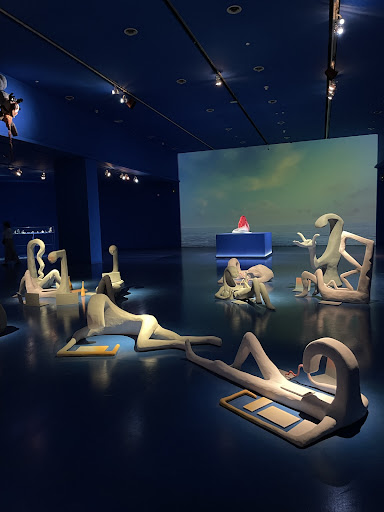
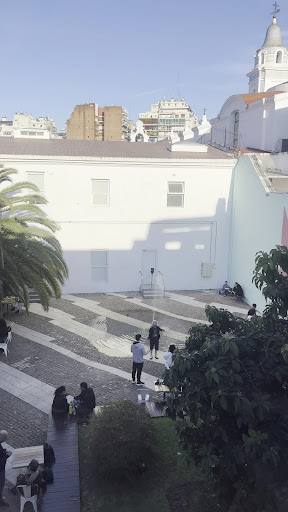
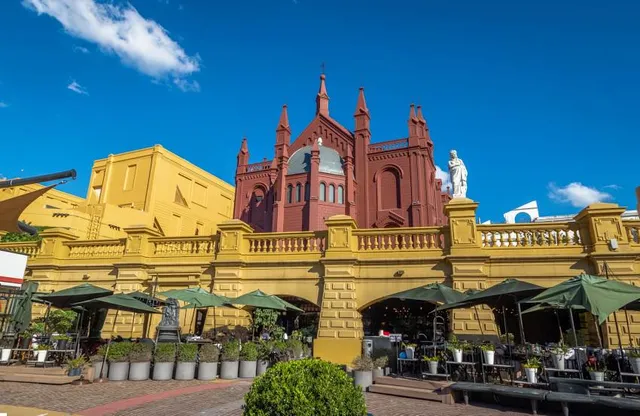
The Centro Cultural Recoleta is an exhibition and cultural events centre located in the barrio of Recoleta, Buenos Aires, Argentina. It holds sculptures and exhibitions, as well as concerts and artistic presentations and workshops of diverse types.
Cultural
Family friendly
attractions: Participatory Science Museum, Plaza Francia, Museo Nacional de Bellas Artes, Plaza San Martín de Tours, Gomero de la Recoleta - Árbol Histórico, Panteón de Eva Perón, Plaza República Federativa del Brasil, Intendente Torcuato de Alvear Park, Monumento de Francia a la Argentina, Parque Thays, restaurants: La Biela, La Panera Rosa, Club de la Birra Recoleta, Buller, La Parolaccia Recoleta, Blest Recoleta, Clark´s, BARTOLA, PANI Recoleta, La Ferneteria (Bellas Artes), local businesses: Basílica Nuestra Señora del Pilar, Cementerio de la Recoleta, Feria de Recoleta, Afrika Club, Palais de Glace, Feria Artesanal Intendente Alvear, conocida como FERIA PLAZA FRANCIA (Ordenanza 46075/92), Centro de Convenciones Buenos Aires, The Pick Market, Club Shampoo, ARMANDO FLORERIA
 Learn more insights from Wanderboat AI.
Phone
+54 11 4803-1040
Website
centroculturalrecoleta.org
Open hoursSee all hours
Sun11 AM - 9 PMClosed
Plan your stay

Pet-friendly Hotels in Autonomous City of Buenos Aires
Find a cozy hotel nearby and make it a full experience.

Affordable Hotels in Autonomous City of Buenos Aires
Find a cozy hotel nearby and make it a full experience.

The Coolest Hotels You Haven't Heard Of (Yet)
Find a cozy hotel nearby and make it a full experience.

Trending Stays Worth the Hype in Autonomous City of Buenos Aires
Find a cozy hotel nearby and make it a full experience.
Reviews
Live events
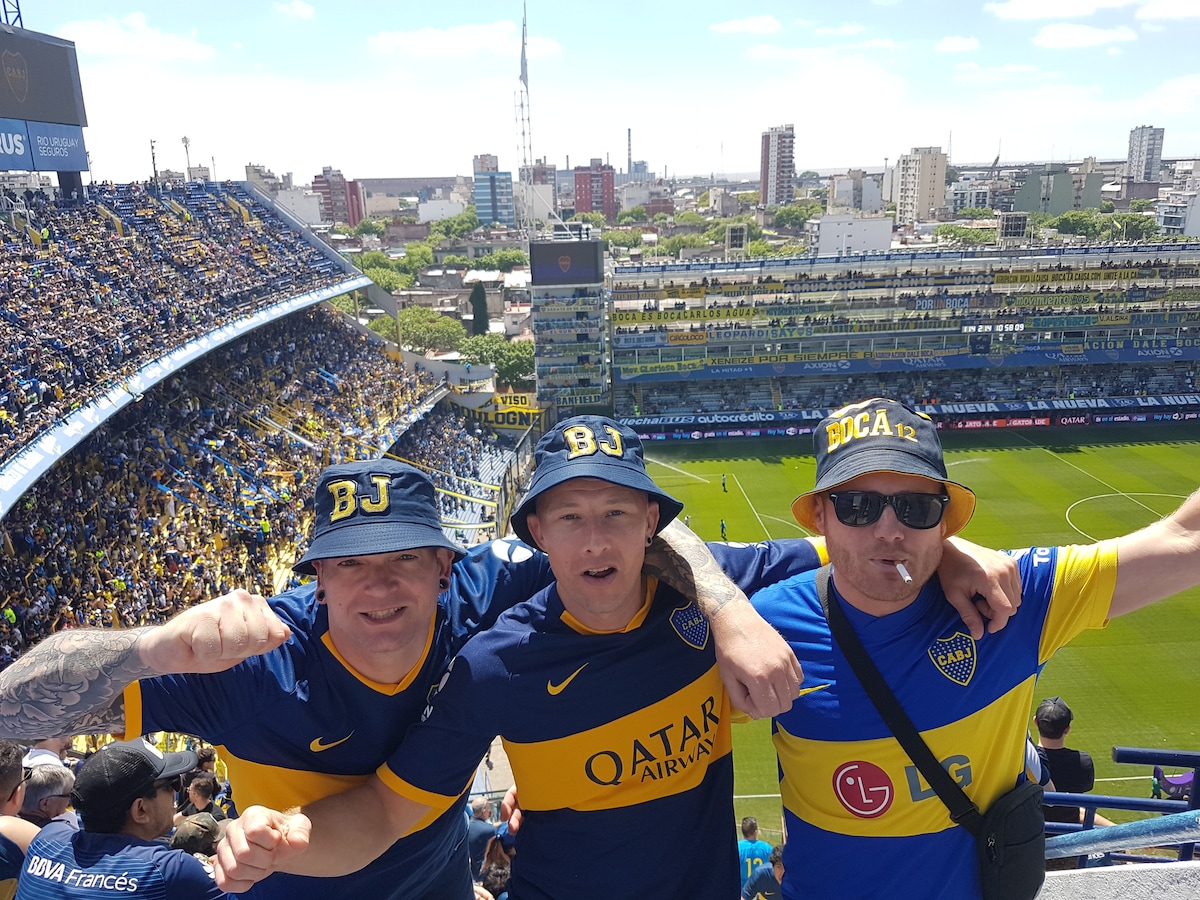
Watch an Argentine soccer match with a true fan
Mon, Feb 16 • 3:00 PM
C1010, Buenos Aires, Ciudad Autónoma de Buenos Aires, Argentina
View details

The Jury Experience: ¿Asesinato Millonario o Una Red de Mentiras?
Sat, Feb 21 • 4:00 PM
Chacabuco 875, C1069
View details
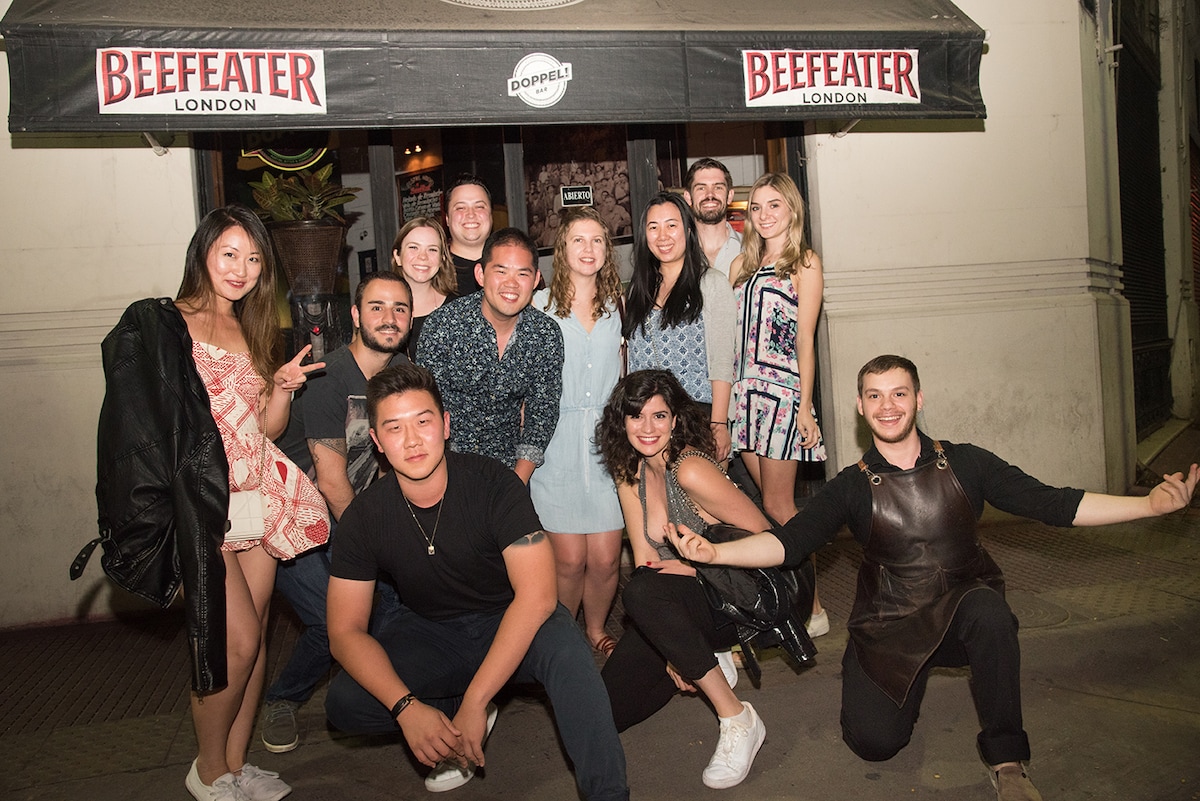
Buenos Aires Bar Crawl: Live the Real Nightlife
Sun, Feb 15 • 9:30 PM
C1427, Buenos Aires, Buenos Aires, Argentina
View details
Nearby attractions of Centro Cultural Recoleta
Participatory Science Museum
Plaza Francia
Museo Nacional de Bellas Artes
Plaza San Martín de Tours
Gomero de la Recoleta - Árbol Histórico
Panteón de Eva Perón
Plaza República Federativa del Brasil
Intendente Torcuato de Alvear Park
Monumento de Francia a la Argentina
Parque Thays
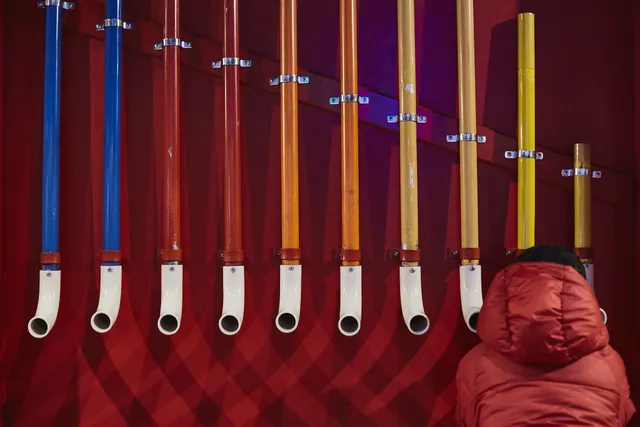
Participatory Science Museum
4.3
(2.5K)
Closed
Click for details
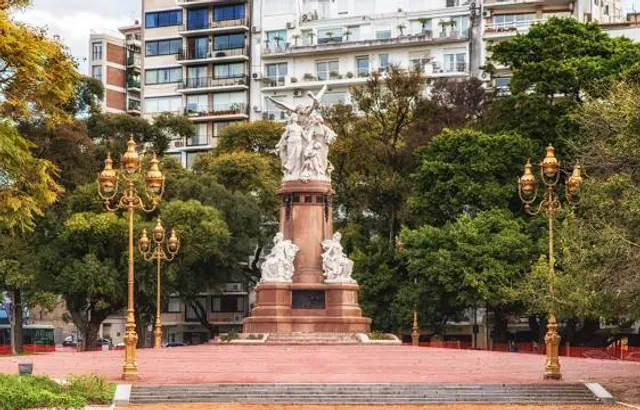
Plaza Francia
4.5
(7.2K)
Open 24 hours
Click for details
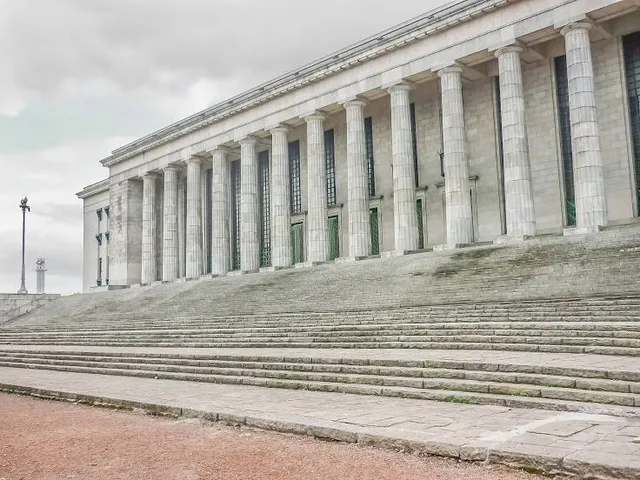
Museo Nacional de Bellas Artes
4.8
(13.2K)
Closed
Click for details
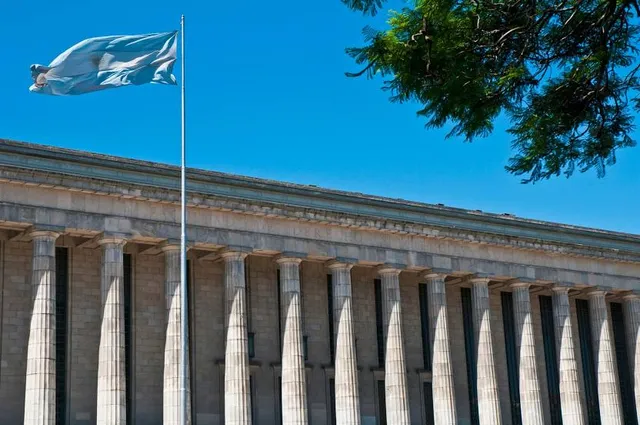
Plaza San Martín de Tours
4.5
(1.2K)
Open until 12:00 AM
Click for details
Nearby restaurants of Centro Cultural Recoleta
La Biela
La Panera Rosa
Club de la Birra Recoleta
Buller
La Parolaccia Recoleta
Blest Recoleta
Clark´s
BARTOLA
PANI Recoleta
La Ferneteria (Bellas Artes)
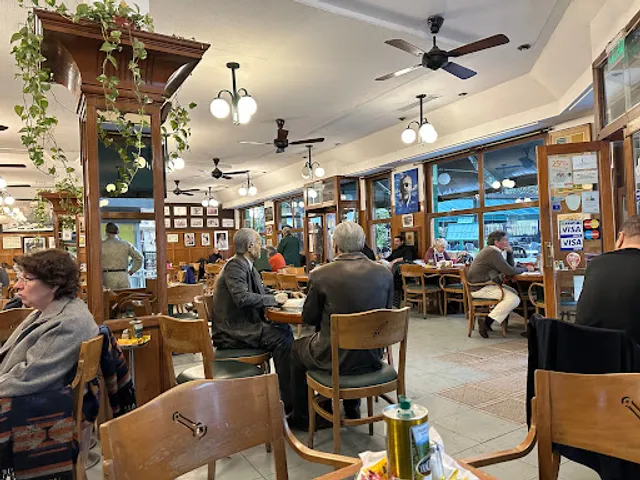
La Biela
4.3
(5.3K)
$$$
Closed
Click for details
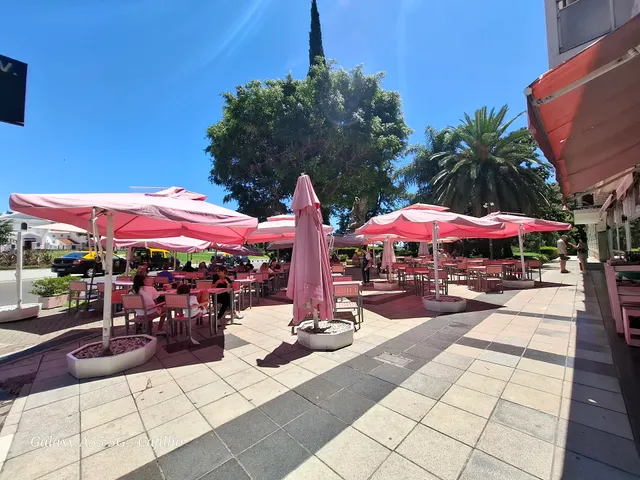
La Panera Rosa
4.0
(4.6K)
Closed
Click for details
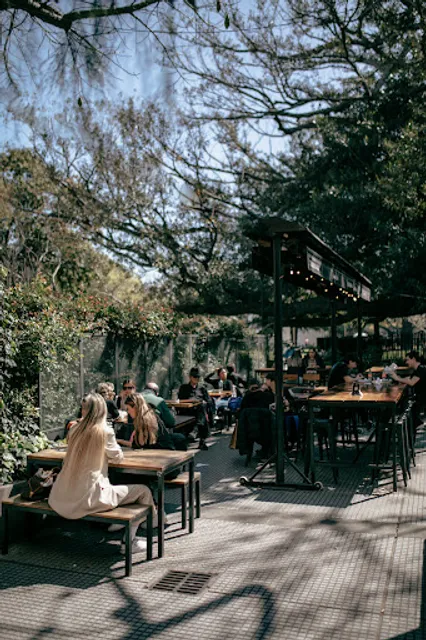
Club de la Birra Recoleta
4.3
(1.5K)
Open until 2:00 AM
Click for details
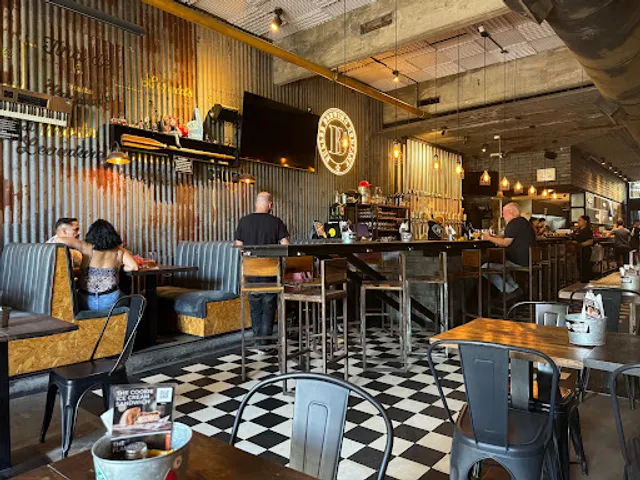
Buller
4.2
(6K)
Open until 2:00 AM
Click for details
Nearby local services of Centro Cultural Recoleta
Basílica Nuestra Señora del Pilar
Cementerio de la Recoleta
Feria de Recoleta
Afrika Club
Palais de Glace
Feria Artesanal Intendente Alvear, conocida como FERIA PLAZA FRANCIA (Ordenanza 46075/92)
Centro de Convenciones Buenos Aires
The Pick Market
Club Shampoo
ARMANDO FLORERIA
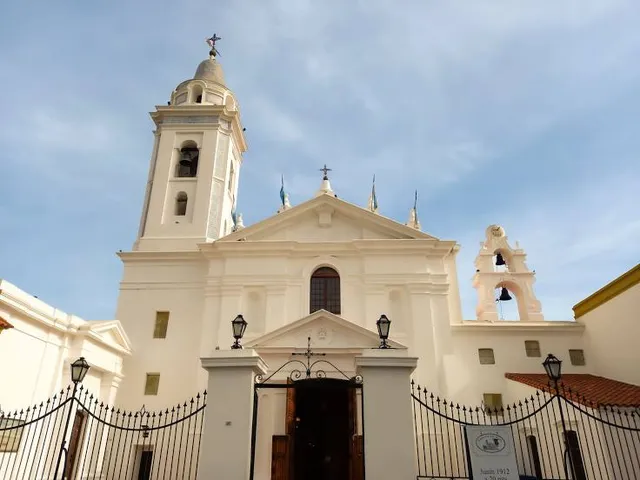
Basílica Nuestra Señora del Pilar
4.7
(1.2K)
Click for details
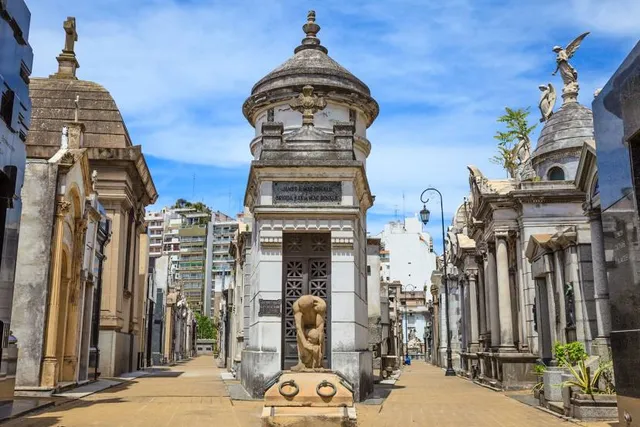
Cementerio de la Recoleta
4.3
(2.9K)
Click for details
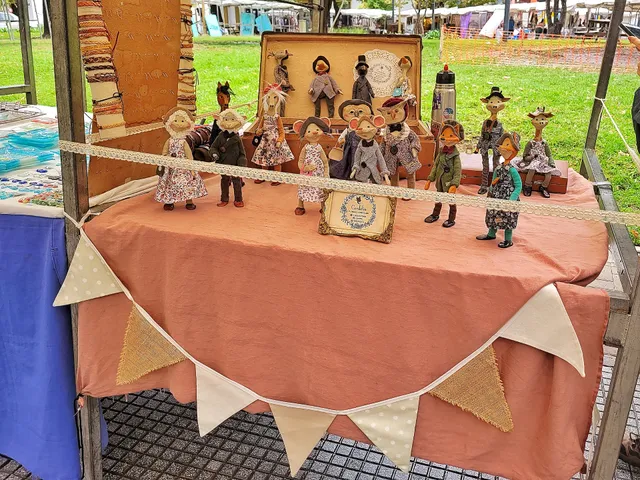
Feria de Recoleta
4.6
(54)
Click for details
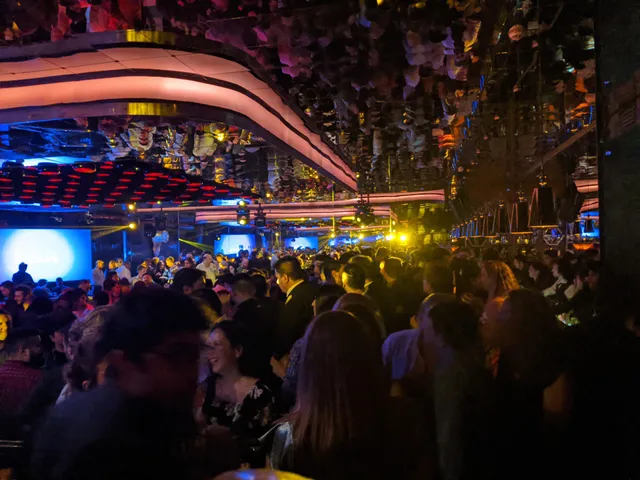
Afrika Club
3.1
(944)
Click for details