Templo Libertad - Museo Judío de Buenos Aires things to do, attractions, restaurants, events info and trip planning
Basic Info
Templo Libertad - Museo Judío de Buenos Aires
AAO, Libertad 769, C1012 Cdad. Autónoma de Buenos Aires, Argentina
4.6(399)
Closed
Save
spot
spot
Ratings & Description
Info
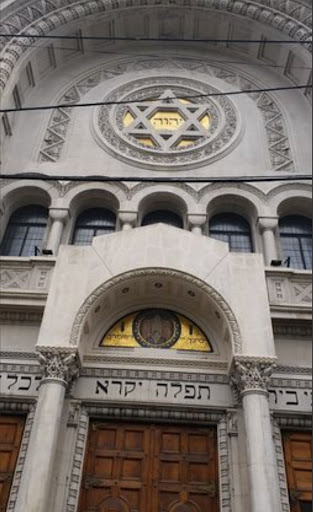
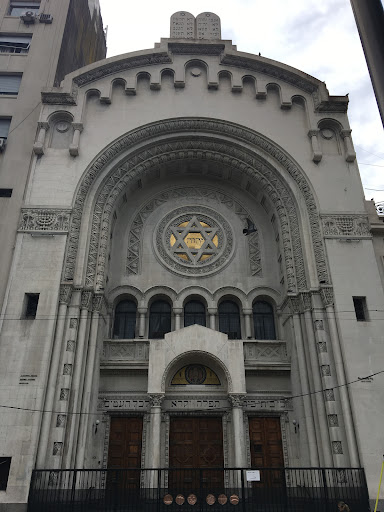
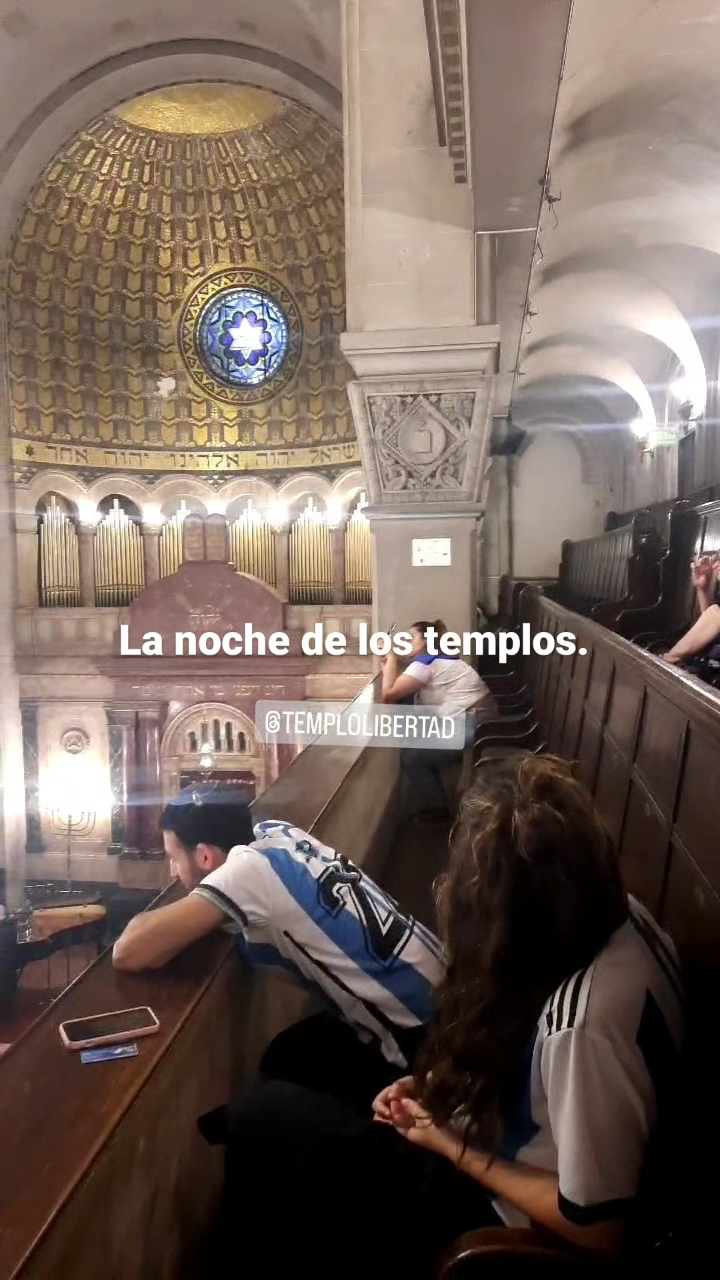
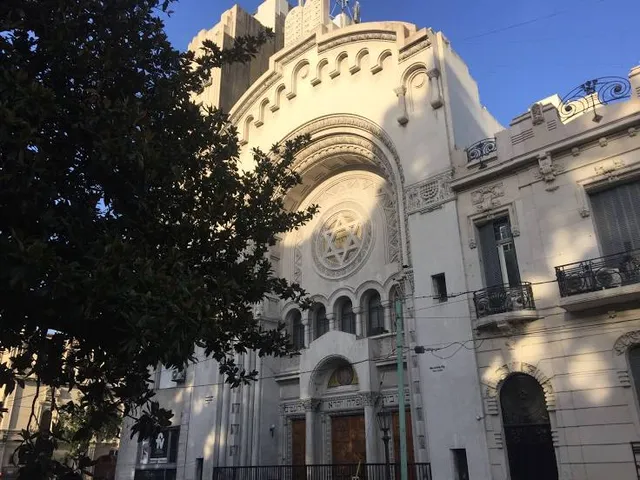
The Sinagoga de la Congregación Israelita Argentina, also called Templo Libertad, is a Reform synagogue situated in Buenos Aires, Argentina. Situated on Libertad street, near the famous Teatro Colón, the synagogue is home to the Congregación Israelita de la República Argentina and houses a Jewish history museum.
Cultural
Family friendly
Accessibility
attractions: Teatro Colón, Plaza Lavalle, Vatican Square, Tango Porteño, Obelisco, Globe Theatre, Teatro Broadway, National Institute of Theatre Studies I.N.E.T., Teatro Gran Rex, Teatro Regina, restaurants: El Cuartito, Delhi Mahal, La Fonte D'Oro | Sucursal Cerrito 814 (Capital Federal), Café Bar El Teatro, Petit Colón, Exedra, Kentucky pizzería, Rong Cheng "Sister Fang's Private Kitchen", Puny - Pasta & Grill, Ludlow Coffee House, local businesses: Plaza Libertad, GAME HOUSE - Escape Room en Buenos Aires, La Perla Comidas, Courts Building Square, PRAXIS JURÍDICA LIBROS, Peluqueria de damas, caballeros y barbería Le Grand Patron, MADRE PLANTA, Plaza de la República, BAO Workcenter, Peatonal Florida
 Learn more insights from Wanderboat AI.
Phone
+54 11 3986-3260
Website
templolibertad.org.ar
Open hoursSee all hours
Wed10 AM - 6 PMClosed
Plan your stay

Pet-friendly Hotels in Autonomous City of Buenos Aires
Find a cozy hotel nearby and make it a full experience.

Affordable Hotels in Autonomous City of Buenos Aires
Find a cozy hotel nearby and make it a full experience.

The Coolest Hotels You Haven't Heard Of (Yet)
Find a cozy hotel nearby and make it a full experience.

Trending Stays Worth the Hype in Autonomous City of Buenos Aires
Find a cozy hotel nearby and make it a full experience.
Reviews
Live events
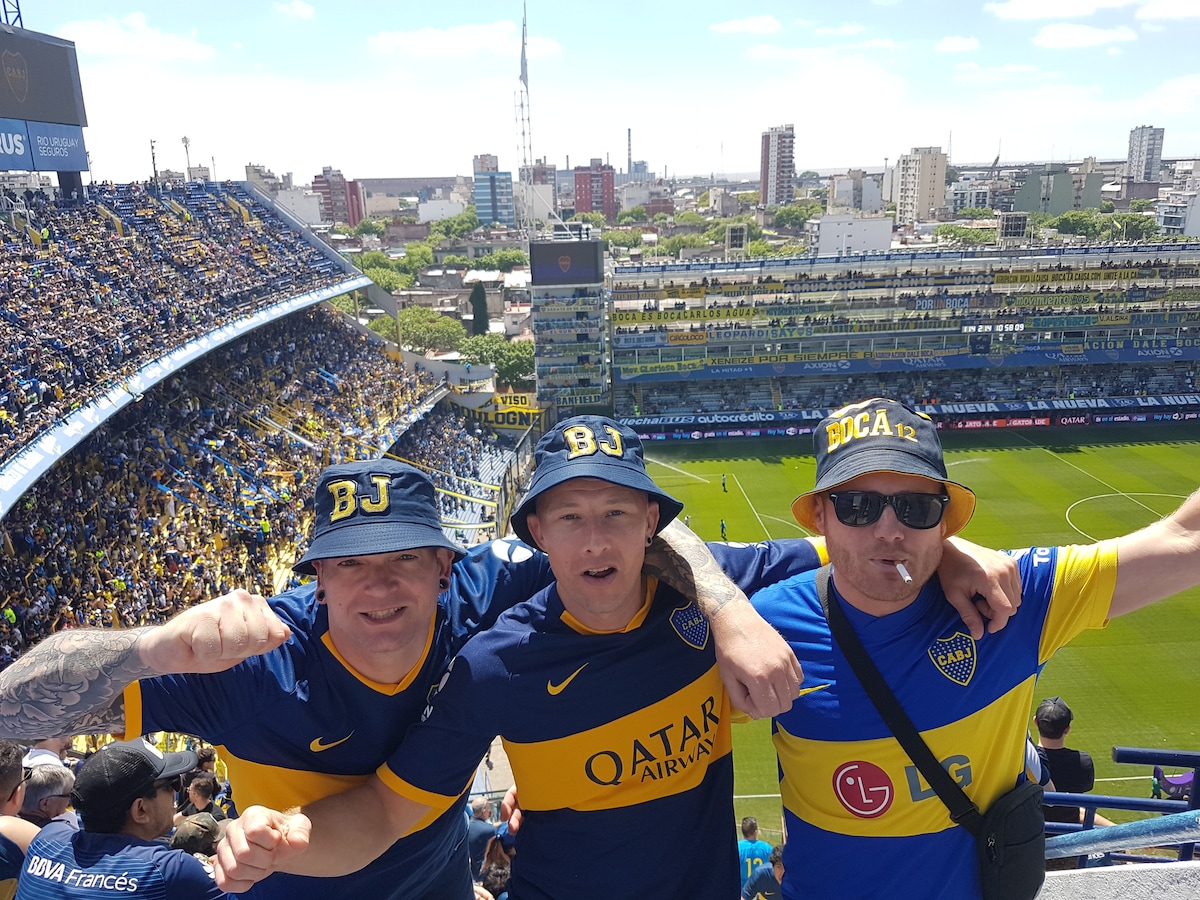
Watch an Argentine soccer match with a true fan
Thu, Jan 29 • 4:15 PM
C1010, Buenos Aires, Ciudad Autónoma de Buenos Aires, Argentina
View details

Buenos Aires Flavors
Thu, Jan 29 • 5:30 PM
C1414, Buenos Aires, Buenos Aires, Argentina
View details
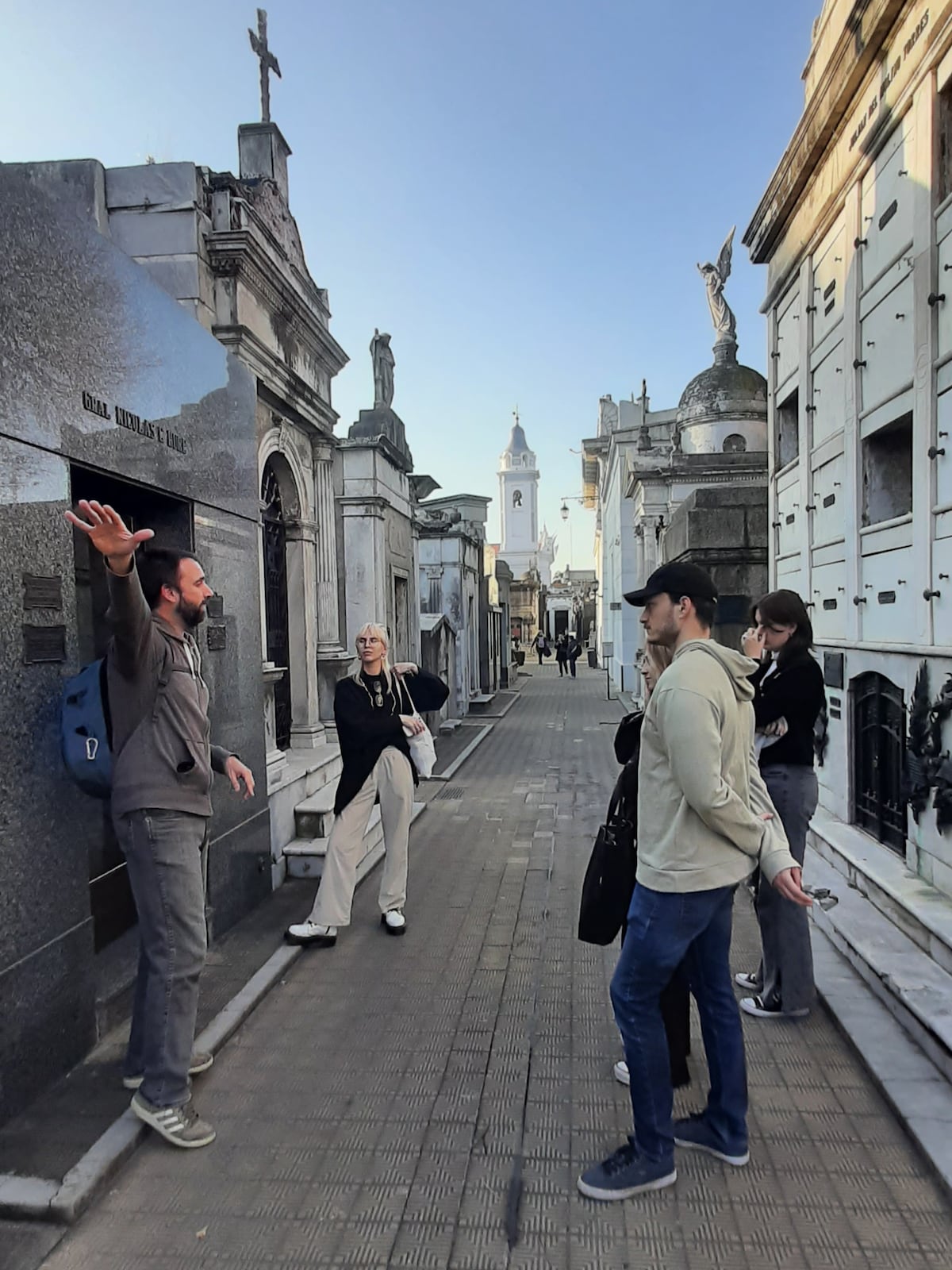
Recoleta Cemetery – Small Group Stories Tour
Thu, Jan 29 • 9:00 AM
C1113, Buenos Aires, Buenos Aires, Argentina
View details
Nearby attractions of Templo Libertad - Museo Judío de Buenos Aires
Teatro Colón
Plaza Lavalle
Vatican Square
Tango Porteño
Obelisco
Globe Theatre
Teatro Broadway
National Institute of Theatre Studies I.N.E.T.
Teatro Gran Rex
Teatro Regina
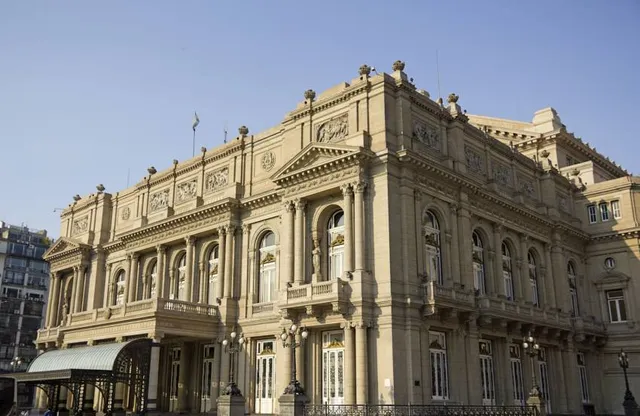
Teatro Colón
4.8
(29.7K)
Open 24 hours
Click for details
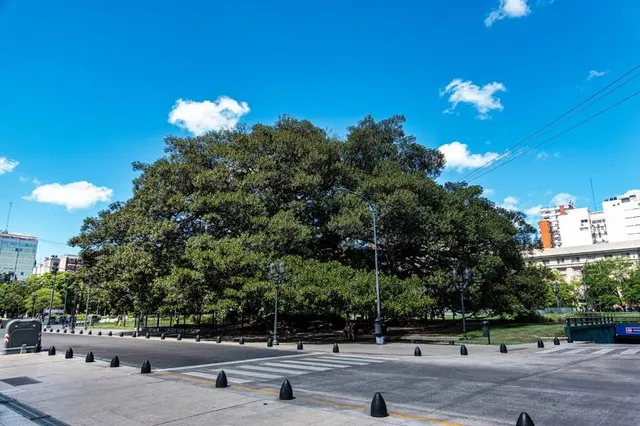
Plaza Lavalle
4.5
(2.2K)
Open until 12:00 AM
Click for details
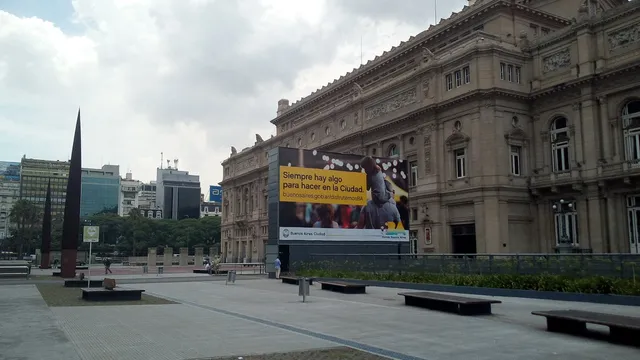
Vatican Square
4.5
(1.5K)
Open until 12:00 AM
Click for details
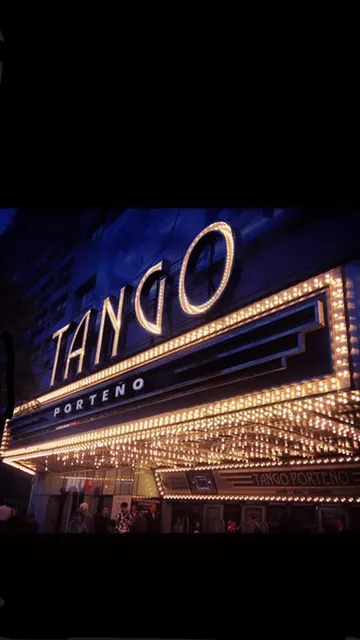
Tango Porteño
4.6
(3.7K)
Open 24 hours
Click for details
Nearby restaurants of Templo Libertad - Museo Judío de Buenos Aires
El Cuartito
Delhi Mahal
La Fonte D'Oro | Sucursal Cerrito 814 (Capital Federal)
Café Bar El Teatro
Petit Colón
Exedra
Kentucky pizzería
Rong Cheng "Sister Fang's Private Kitchen"
Puny - Pasta & Grill
Ludlow Coffee House
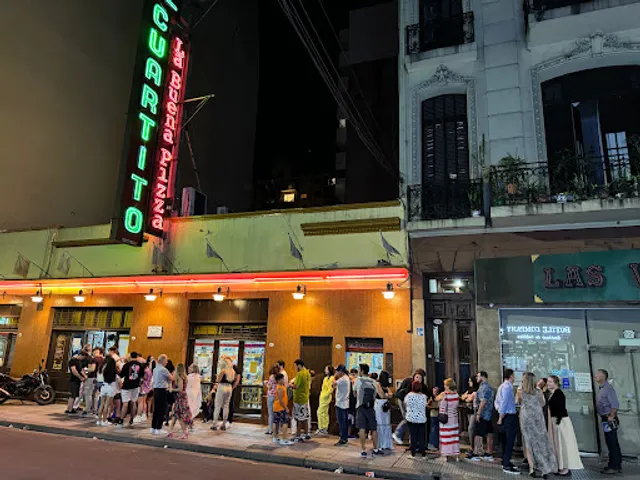
El Cuartito
4.5
(14.6K)
Open until 12:00 AM
Click for details
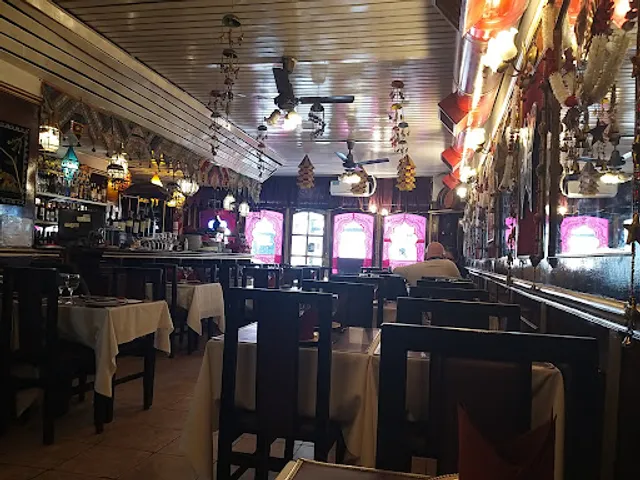
Delhi Mahal
4.3
(1.2K)
Open until 12:00 AM
Click for details
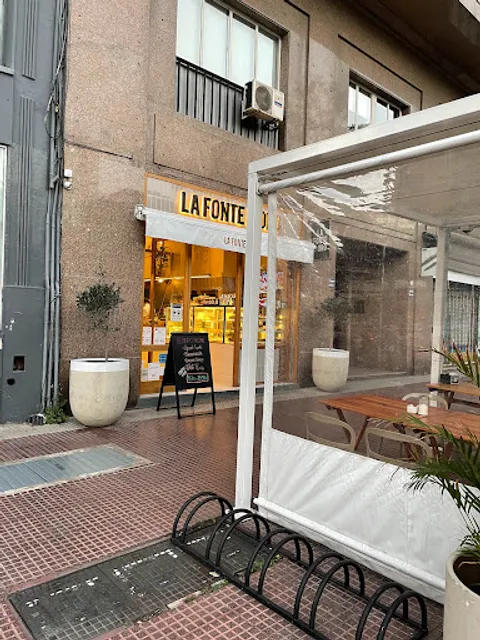
La Fonte D'Oro | Sucursal Cerrito 814 (Capital Federal)
4.2
(878)
Closed
Click for details
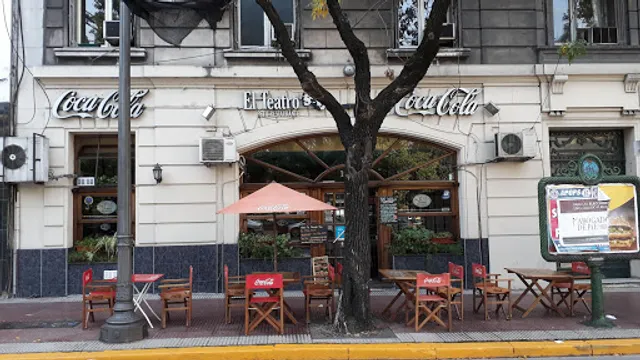
Café Bar El Teatro
4.1
(370)
Closed
Click for details
Nearby local services of Templo Libertad - Museo Judío de Buenos Aires
Plaza Libertad
GAME HOUSE - Escape Room en Buenos Aires
La Perla Comidas
Courts Building Square
PRAXIS JURÍDICA LIBROS
Peluqueria de damas, caballeros y barbería Le Grand Patron
MADRE PLANTA
Plaza de la República
BAO Workcenter
Peatonal Florida
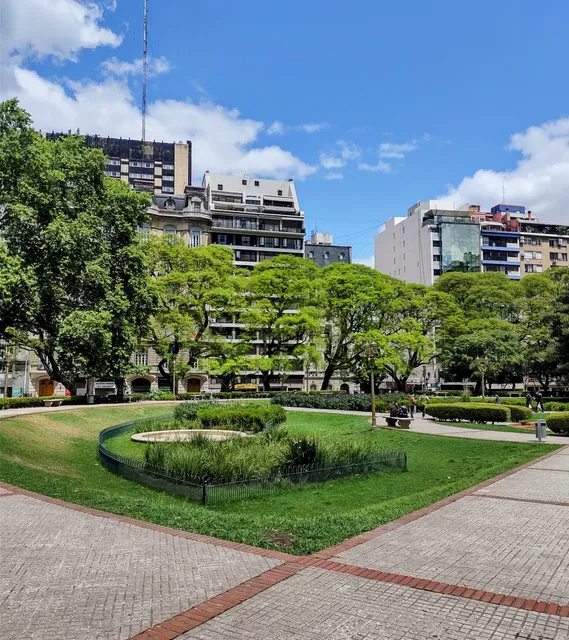
Plaza Libertad
4.4
(3.5K)
Click for details
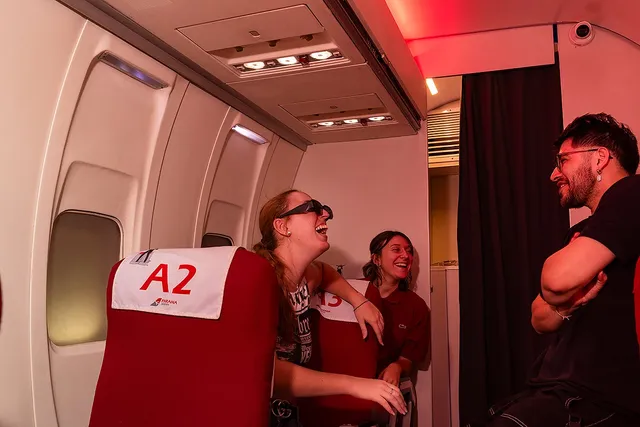
GAME HOUSE - Escape Room en Buenos Aires
4.8
(1.4K)
Click for details
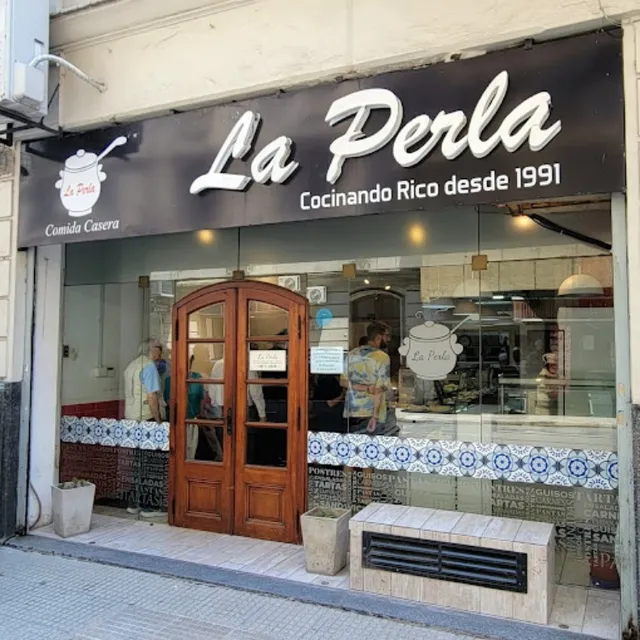
La Perla Comidas
4.3
(102)
Click for details
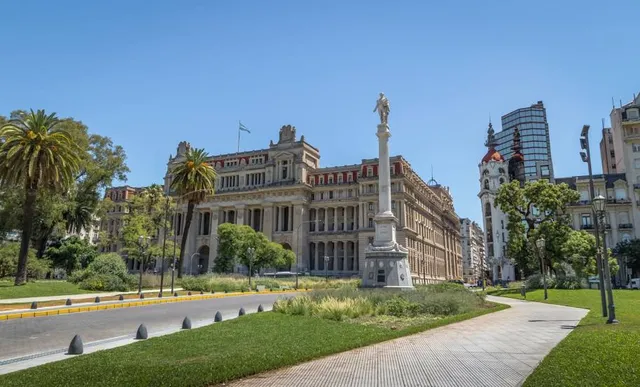
Courts Building Square
4.0
(15)
Click for details