HTML SitemapExplore
logo
Find Things to DoFind The Best Restaurants

Anzac Memorial — Attraction in Sydney

Name
Anzac Memorial
Description
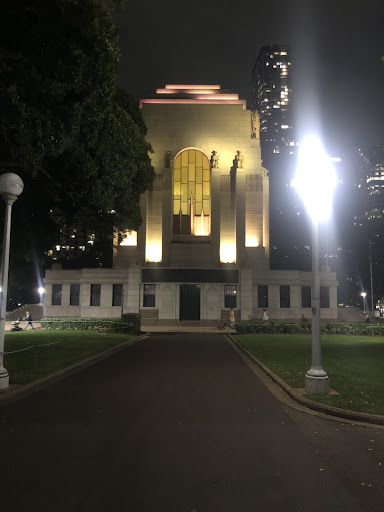
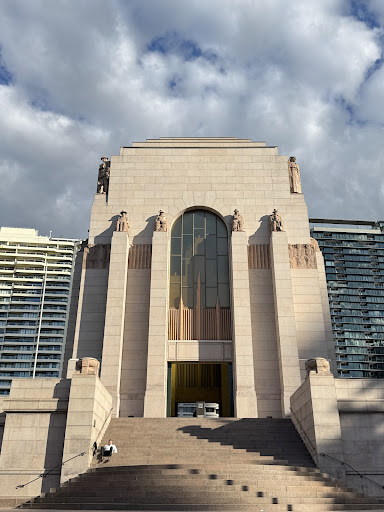
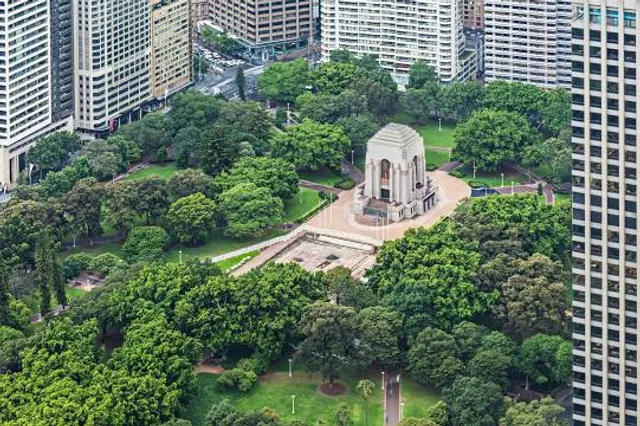
The Anzac Memorial is a heritage-listed war memorial, museum and monument located in Hyde Park South near Liverpool Street in the CBD of Sydney, Australia.
Nearby attractions
Australian Museum
Level 4/1 William St, Darlinghurst NSW 2010, Australia
Hyde Park
Elizabeth St, Sydney NSW 2000, Australia
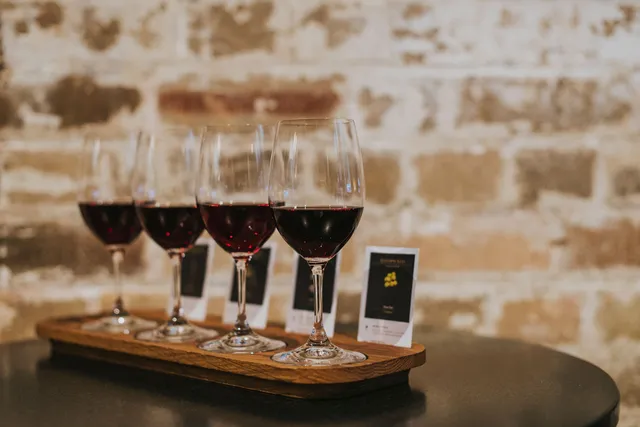
Handpicked Wines Cellar Door
203 Castlereagh St, Sydney NSW 2000, Australia
Oxford Art Factory
3/46 Oxford St, Darlinghurst NSW 2010, Australia
Sydney Masonic Centre
66 Goulburn St, Sydney NSW 2000, Australia
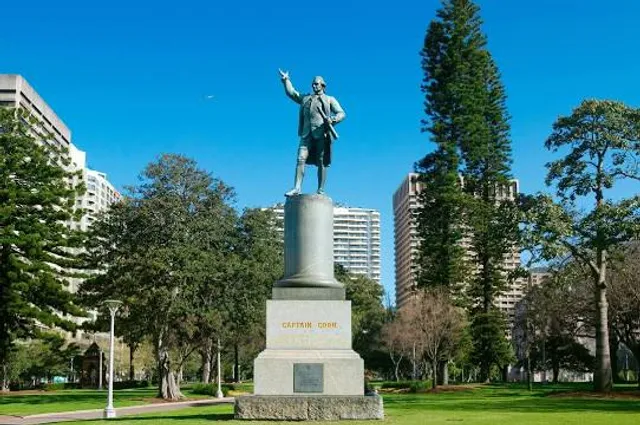
Captain Cook
Hyde Park South, 120 Elizabeth St, Sydney NSW 2000, Australia
Metro Theatre
G2/624 George St, Sydney NSW 2000, Australia
Hyde Park Obelisk
Elizabeth St, Sydney NSW 2000, Australia
St Mary's Cathedral
St Marys Rd, Sydney NSW 2000, Australia
Doltone House Hyde Park
3/181 Elizabeth St, Sydney NSW 2000, Australia
Nearby restaurants
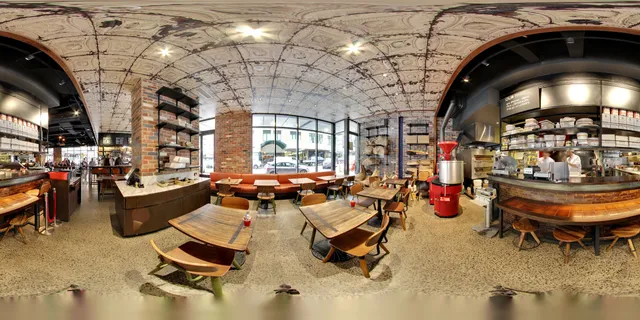
Macchiato Wood Fire Pizza and Coffee Roasters
Shop 2/338 Pitt St, Sydney NSW 2000, Australia
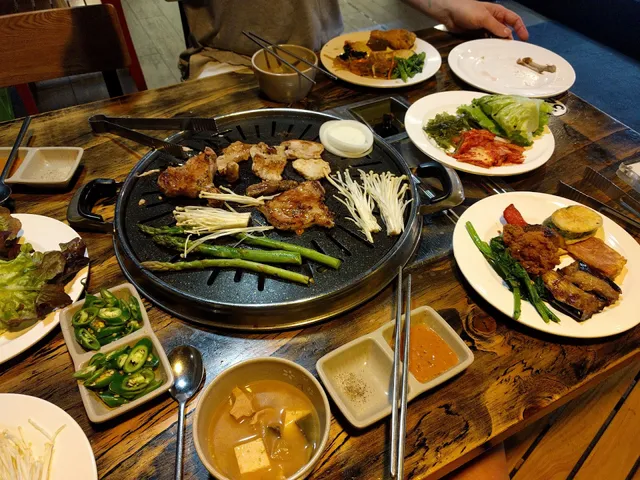
Shinara Korean BBQ Buffet
338 Pitt St, Sydney NSW 2000, Australia
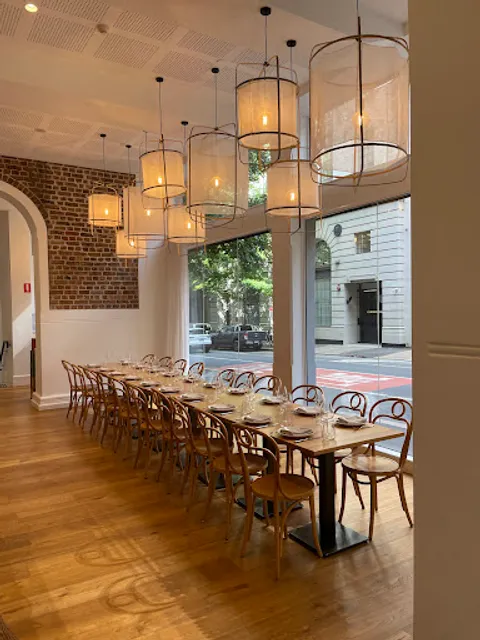
Alpha Dining
238 Castlereagh St, Sydney NSW 2000, Australia
Alberto's Lounge
17-19 Alberta St, Sydney NSW 2000, Australia
The Soda Factory
16 Wentworth Ave, Surry Hills NSW 2010, Australia
The Meat & Wine Co Sydney CBD Castlereagh St
219-223 Castlereagh St, Sydney NSW 2000, Australia
JOE BLACK CAFE
27 Commonwealth St, Sydney NSW 2000, Australia
Mazzaro Restaurant
271-279 Elizabeth St, Sydney NSW 2000, Australia
Hydeaway
120 Elizabeth St, Hydeaway Cafe, Hyde Park South, Sydney NSW 2000, Australia
The Naked Duck Hyde Park
175 Liverpool St, Sydney NSW 2000, Australia
Nearby hotels
Pullman Sydney Hyde Park
36 College St, Darlinghurst NSW 2010, Australia
Song Hotel Sydney
5/11 Wentworth Ave, Sydney NSW 2000, Australia
Hyde Park Inn
271 Elizabeth St, Sydney NSW 2000, Australia
Oaks Sydney Hyde Park Suites
38 College St, Darlinghurst NSW 2000, Australia
Best Western Plus Hotel Stellar
4 Wentworth Ave, Surry Hills NSW 2000, Australia
ibis Styles Sydney Central
27 Wentworth Ave, Sydney NSW 2010, Australia
Rydges World Square Hotel
389 Pitt St, Sydney NSW 2000, Australia
The Porter House Hotel Sydney - MGallery Collection
203 Castlereagh St, Sydney NSW 2000, Australia
Meriton Suites Pitt Street, Sydney
329 Pitt St, Sydney NSW 2000, Australia
Kimpton Margot Sydney
339 Pitt St, Sydney NSW 2000, Australia
Related posts
Keywords
Anzac Memorial tourism.Anzac Memorial hotels.Anzac Memorial bed and breakfast. flights to Anzac Memorial.Anzac Memorial attractions.Anzac Memorial restaurants.Anzac Memorial travel.Anzac Memorial travel guide.Anzac Memorial travel blog.Anzac Memorial pictures.Anzac Memorial photos.Anzac Memorial travel tips.Anzac Memorial maps.Anzac Memorial things to do.
Anzac Memorial things to do, attractions, restaurants, events info and trip planning
Anzac Memorial
AustraliaNew South WalesSydneyAnzac Memorial

Basic Info

Anzac Memorial

126 Elizabeth St, Sydney NSW 2000, Australia
4.7(1.1K)
Open 24 hours
Save
spot

Ratings & Description

Info

The Anzac Memorial is a heritage-listed war memorial, museum and monument located in Hyde Park South near Liverpool Street in the CBD of Sydney, Australia.

Cultural
Accessibility
Family friendly
attractions: Australian Museum, Hyde Park, Handpicked Wines Cellar Door, Oxford Art Factory, Sydney Masonic Centre, Captain Cook, Metro Theatre, Hyde Park Obelisk, St Mary's Cathedral, Doltone House Hyde Park, restaurants: Macchiato Wood Fire Pizza and Coffee Roasters, Shinara Korean BBQ Buffet, Alpha Dining, Alberto's Lounge, The Soda Factory, The Meat & Wine Co Sydney CBD Castlereagh St, JOE BLACK CAFE, Mazzaro Restaurant, Hydeaway, The Naked Duck Hyde Park
logoLearn more insights from Wanderboat AI.
Phone
+61 2 8262 2900
Website
anzacmemorial.nsw.gov.au

Plan your stay

hotel
Pet-friendly Hotels in Sydney
Find a cozy hotel nearby and make it a full experience.

hotel
Affordable Hotels in Sydney
Find a cozy hotel nearby and make it a full experience.

hotel
The Coolest Hotels You Haven't Heard Of (Yet)
Find a cozy hotel nearby and make it a full experience.

hotel
Trending Stays Worth the Hype in Sydney
Find a cozy hotel nearby and make it a full experience.

Reviews

Nearby attractions of Anzac Memorial

Australian Museum

Hyde Park

Handpicked Wines Cellar Door

Oxford Art Factory

Sydney Masonic Centre

Captain Cook

Metro Theatre

Hyde Park Obelisk

St Mary's Cathedral

Doltone House Hyde Park

Australian Museum

Australian Museum

4.6

(5.1K)

Open 24 hours
Click for details
Hyde Park

Hyde Park

4.6

(7.2K)

Open 24 hours
Click for details
Handpicked Wines Cellar Door

Handpicked Wines Cellar Door

4.5

(155)

Open 24 hours
Click for details
Oxford Art Factory

Oxford Art Factory

4.4

(649)

Closed
Click for details

Things to do nearby

Candlelight: Tribute to A.R. Rahman
Fri, Dec 12 • 6:30 PM
197 Macquarie Street, Sydney, 2000
View details
Horizon of Khufu: an immersive expedition to Ancient Egypt
Wed, Dec 10 • 10:00 AM
Olympic Boulevard, Sydney Olympic Park, 2127
View details
Bubble Planet: An Immersive Experience in Sydney
Wed, Dec 10 • 9:00 AM
Sydney Olympic Park, 2127
View details

Nearby restaurants of Anzac Memorial

Macchiato Wood Fire Pizza and Coffee Roasters

Shinara Korean BBQ Buffet

Alpha Dining

Alberto's Lounge

The Soda Factory

The Meat & Wine Co Sydney CBD Castlereagh St

JOE BLACK CAFE

Mazzaro Restaurant

Hydeaway

The Naked Duck Hyde Park

Macchiato Wood Fire Pizza and Coffee Roasters

Macchiato Wood Fire Pizza and Coffee Roasters

4.6

(4.7K)

Click for details
Shinara Korean BBQ Buffet

Shinara Korean BBQ Buffet

4.7

(3K)

Click for details
Alpha Dining

Alpha Dining

4.3

(543)

$$$

Click for details
Alberto's Lounge

Alberto's Lounge

4.6

(722)

Click for details
Get the Appoverlay
Get the AppOne tap to find yournext favorite spots!
Wanderboat LogoWanderboat

Your everyday Al companion for getaway ideas

CompanyAbout Us
InformationAI Trip PlannerSitemap
SocialXInstagramTiktokLinkedin
LegalTerms of ServicePrivacy Policy

Get the app

© 2025 Wanderboat. All rights reserved.
logo

Posts

Daniel PhilpsDaniel Philps
Everything I’ve written below is (possibly new) historical info to add. I won’t waste your time expecting you to read anything about what you likely already know. I publicly confirm here that I have confirmed with the wonderfully researching older people of my bio family that it involves info of my heritage (2 Grand Uncles in WW1, 1 of whom died in France) which may assist you in obtaining more about yours - that’s my only reason for writing 😘 Hyper-fast Summary: I’m 51 & I am the youngest of 2 parents who were also the youngest of their (big) dairy farming families, & their parents were too (same farming nightmare backgrounds) - so there’s massive generation gaps on both sides (I have 2nd cousins who are older than me & most of my cousins are older than most people’s Aunts & Uncles). I was born in 1973. My parents were born in 1944 & 1945. My grandparents were born in 1908/1909 Or somewhere around that time based on records available. I recently was informed by dear cousins that 2 of my “Grand Uncles” (older brothers of my beloved Paternal Grandmother “Nanny Philps” - born Essie Jayne “Hesta” Ingram in Coraki NSW in 1908 - were (horrifically) sent to fight in France in WW1. Not WW2 - WW1. One came back. One did not. I had no idea. I bawled my eyes out once the “attempt at understanding” occurred (it took me about a week to get it through my head - it took me a very, VERY long time to even “pretend to start understanding”). This place means even more IMMACULATE HUMAN DECENCY to me than it did before - & it always has meant a lot to me (for all the obvious reasons anyone with any semblance of a brain already knows). More detailed summary: I’m incredibly fortunate to have never dealt with war nor be forced into one as a child. My closest friends my age who’ve ever had to deal with it are both beloved: (1) Aleks got sent from Serbia to Brisbane Australia age 14 by his wonderful parents to live with his wonderful Aunty to avoid the war (his best school friend was Croation - they lived 9km from border - died in same war age 16) & (2) Dear Kate: her father ran a Navy Vessel in Vietnam. They didn’t go on land, but the vessel desalinated water around it (filled with agent orange) - many of the kids of people on this ship experienced appalling consequences later in life which aren’t widely known about the Vietnam War. My father never got conscripted to Vietnam because he was a dairy farmer. His “Towny” friends did. Some didn’t come back. Most of those who did didn’t ever “properly return” (nor did Australia support them). I know no one I’m aware of who fought in Korean War nor WW2. I know that First Nation / ATSI people sent to WW1&2 were never given anything to come home to whilst their white colleagues (I’m Anglo heritage - we’ve checked everything - there’s a possibility my maternal Great Grandmother was the daughter of “Kanaks” - meaning islanders stolen into north Qld cane farming slavery, she was born in 1882 - but I have no other connection so I NEVER pretend to understand what they must have gone through 😘). So here’s the actual, proven (it’s soooo hard to find) information about my Grand Uncles who fought in WW1: - They were both young men from the Coraki NSW dairy farming family (shareholders, not landowners, so it was a “povo” environment & I still remember Nanny P talking about “bread & dripping or bread & jam”: they were their food options as kids - no wonder they believed the lies they were sold about “off to war” - They were part of the 19th Battalion known as “The Syndicate” - Nanny P’s older brother was labeled “4727 PTE Reginald Sam Ingram of Ryde” (how he got to Ryde NSW we have no idea - he came back from WW1 with “shell shock” (what we now call PTSD) & ran a farm west of Lismore. I have no further details about how he & his family coped thereafter . Nanny P’s youngest brother (older than her) was in same batallion. He was labeled “4726 PTE Robert Searle Ingram, also of Ryde” (so might have been a Military Camp name? Who knows) & “killed in action in France on 14 November 1916”. That’s all I know x
Min MinMin Min
The ANZAC Memorial, set at the southern end of Hyde Park, is one of Sydney’s most moving landmarks. What makes it extraordinary is the way it creates a sense of serenity right in the middle of the bustling city. Surrounded by leafy parklands and reflected beautifully in its long rectangular Pool of Reflection, the memorial stands as both a work of art and a sacred place of remembrance. ✨ Architecture and Atmosphere Designed in the Art Deco style by architect Bruce Dellit, the memorial is striking for its symmetry, clean lines, and solemn presence. The exterior is clad in pale pink granite, its surface softened by time and sunlight. Sculptural reliefs by George Rayner Hoff adorn the walls, capturing themes of sacrifice, duty, and resilience. Even before stepping inside, the building invites a sense of quiet reflection, contrasting powerfully with the glass towers of Sydney that rise just beyond the park. 🌿 A Place of Peace in the City One of the most beautiful aspects of the ANZAC Memorial is its location. Despite being only steps from Sydney’s busiest streets, the memorial and its surrounding gardens feel calm and contemplative. The Pool of Reflection stretches out in front, bordered by stately plane trees whose leaves rustle gently in the breeze. This blend of natural beauty and designed space makes it an ideal place to pause, sit quietly, and honor history away from the urban rush. 🕊️ Interior Experience Inside, the memorial is even more powerful. The Hall of Memory, crowned by a high domed ceiling, is lined with hundreds of golden stars—one for each person from New South Wales who lost their life in the Great War. At its heart lies the sculpture Sacrifice, depicting a fallen soldier carried on a shield by his mother, sister, and wife. The stillness of the space, enhanced by soft light and stone, encourages visitors to reflect not only on loss but also on courage and endurance. 🌟 Why It’s Special The ANZAC Memorial is more than a monument—it is a living place of remembrance. It honors not only those who served in the First World War but also all Australians who have served in conflicts since. Its beauty lies in its dual role: a landmark of architectural refinement and a sanctuary for collective memory. ⸻ ✅ In short: The ANZAC Memorial is serene, dignified, and deeply moving—a place where history, design, and emotion come together. It reminds you that even in the center of a modern city, there can be a space dedicated to quiet reflection and respect for the past.
Meredith SmallMeredith Small
My partner and I were staying just a block away at the Vibes Hotel, and when taking a walk in the park here, we decided to look at the War Memorial, partly to cool off in the December weather, and partly because we both share a love of history and a deep respect for those who serve our nations. The interior was cooler, but it was the memorial itself which impressed us most. From the original WWI memorial, to the later, broader history of service men and women from NSW, which we found in the surrounding galleries and downstairs, we were touched and moved. The use of soil from the towns of origin of serving soldiers, and from places where New South Welshmen and women had fought, was a beautiful and meaningful touch, in my opinion. I also loved the etched glass vases placed in the corners of the downstairs gallery. If you're looking for well maintained toilets during your time in the area, I can recommend those in the memorial as well! Well worth taking time to appreciate whether you are a visitor to Sydney, or someone who's lived there all your life.
See more posts
See more posts
hotel
Find your stay

Pet-friendly Hotels in Sydney

Find a cozy hotel nearby and make it a full experience.

Everything I’ve written below is (possibly new) historical info to add. I won’t waste your time expecting you to read anything about what you likely already know. I publicly confirm here that I have confirmed with the wonderfully researching older people of my bio family that it involves info of my heritage (2 Grand Uncles in WW1, 1 of whom died in France) which may assist you in obtaining more about yours - that’s my only reason for writing 😘 Hyper-fast Summary: I’m 51 & I am the youngest of 2 parents who were also the youngest of their (big) dairy farming families, & their parents were too (same farming nightmare backgrounds) - so there’s massive generation gaps on both sides (I have 2nd cousins who are older than me & most of my cousins are older than most people’s Aunts & Uncles). I was born in 1973. My parents were born in 1944 & 1945. My grandparents were born in 1908/1909 Or somewhere around that time based on records available. I recently was informed by dear cousins that 2 of my “Grand Uncles” (older brothers of my beloved Paternal Grandmother “Nanny Philps” - born Essie Jayne “Hesta” Ingram in Coraki NSW in 1908 - were (horrifically) sent to fight in France in WW1. Not WW2 - WW1. One came back. One did not. I had no idea. I bawled my eyes out once the “attempt at understanding” occurred (it took me about a week to get it through my head - it took me a very, VERY long time to even “pretend to start understanding”). This place means even more IMMACULATE HUMAN DECENCY to me than it did before - & it always has meant a lot to me (for all the obvious reasons anyone with any semblance of a brain already knows). More detailed summary: I’m incredibly fortunate to have never dealt with war nor be forced into one as a child. My closest friends my age who’ve ever had to deal with it are both beloved: (1) Aleks got sent from Serbia to Brisbane Australia age 14 by his wonderful parents to live with his wonderful Aunty to avoid the war (his best school friend was Croation - they lived 9km from border - died in same war age 16) & (2) Dear Kate: her father ran a Navy Vessel in Vietnam. They didn’t go on land, but the vessel desalinated water around it (filled with agent orange) - many of the kids of people on this ship experienced appalling consequences later in life which aren’t widely known about the Vietnam War. My father never got conscripted to Vietnam because he was a dairy farmer. His “Towny” friends did. Some didn’t come back. Most of those who did didn’t ever “properly return” (nor did Australia support them). I know no one I’m aware of who fought in Korean War nor WW2. I know that First Nation / ATSI people sent to WW1&2 were never given anything to come home to whilst their white colleagues (I’m Anglo heritage - we’ve checked everything - there’s a possibility my maternal Great Grandmother was the daughter of “Kanaks” - meaning islanders stolen into north Qld cane farming slavery, she was born in 1882 - but I have no other connection so I NEVER pretend to understand what they must have gone through 😘). So here’s the actual, proven (it’s soooo hard to find) information about my Grand Uncles who fought in WW1: - They were both young men from the Coraki NSW dairy farming family (shareholders, not landowners, so it was a “povo” environment & I still remember Nanny P talking about “bread & dripping or bread & jam”: they were their food options as kids - no wonder they believed the lies they were sold about “off to war” - They were part of the 19th Battalion known as “The Syndicate” - Nanny P’s older brother was labeled “4727 PTE Reginald Sam Ingram of Ryde” (how he got to Ryde NSW we have no idea - he came back from WW1 with “shell shock” (what we now call PTSD) & ran a farm west of Lismore. I have no further details about how he & his family coped thereafter . Nanny P’s youngest brother (older than her) was in same batallion. He was labeled “4726 PTE Robert Searle Ingram, also of Ryde” (so might have been a Military Camp name? Who knows) & “killed in action in France on 14 November 1916”. That’s all I know x
Daniel Philps

Daniel Philps

hotel
Find your stay

Affordable Hotels in Sydney

Find a cozy hotel nearby and make it a full experience.

Get the Appoverlay
Get the AppOne tap to find yournext favorite spots!
The ANZAC Memorial, set at the southern end of Hyde Park, is one of Sydney’s most moving landmarks. What makes it extraordinary is the way it creates a sense of serenity right in the middle of the bustling city. Surrounded by leafy parklands and reflected beautifully in its long rectangular Pool of Reflection, the memorial stands as both a work of art and a sacred place of remembrance. ✨ Architecture and Atmosphere Designed in the Art Deco style by architect Bruce Dellit, the memorial is striking for its symmetry, clean lines, and solemn presence. The exterior is clad in pale pink granite, its surface softened by time and sunlight. Sculptural reliefs by George Rayner Hoff adorn the walls, capturing themes of sacrifice, duty, and resilience. Even before stepping inside, the building invites a sense of quiet reflection, contrasting powerfully with the glass towers of Sydney that rise just beyond the park. 🌿 A Place of Peace in the City One of the most beautiful aspects of the ANZAC Memorial is its location. Despite being only steps from Sydney’s busiest streets, the memorial and its surrounding gardens feel calm and contemplative. The Pool of Reflection stretches out in front, bordered by stately plane trees whose leaves rustle gently in the breeze. This blend of natural beauty and designed space makes it an ideal place to pause, sit quietly, and honor history away from the urban rush. 🕊️ Interior Experience Inside, the memorial is even more powerful. The Hall of Memory, crowned by a high domed ceiling, is lined with hundreds of golden stars—one for each person from New South Wales who lost their life in the Great War. At its heart lies the sculpture Sacrifice, depicting a fallen soldier carried on a shield by his mother, sister, and wife. The stillness of the space, enhanced by soft light and stone, encourages visitors to reflect not only on loss but also on courage and endurance. 🌟 Why It’s Special The ANZAC Memorial is more than a monument—it is a living place of remembrance. It honors not only those who served in the First World War but also all Australians who have served in conflicts since. Its beauty lies in its dual role: a landmark of architectural refinement and a sanctuary for collective memory. ⸻ ✅ In short: The ANZAC Memorial is serene, dignified, and deeply moving—a place where history, design, and emotion come together. It reminds you that even in the center of a modern city, there can be a space dedicated to quiet reflection and respect for the past.
Min Min

Min Min

hotel
Find your stay

The Coolest Hotels You Haven't Heard Of (Yet)

Find a cozy hotel nearby and make it a full experience.

hotel
Find your stay

Trending Stays Worth the Hype in Sydney

Find a cozy hotel nearby and make it a full experience.

My partner and I were staying just a block away at the Vibes Hotel, and when taking a walk in the park here, we decided to look at the War Memorial, partly to cool off in the December weather, and partly because we both share a love of history and a deep respect for those who serve our nations. The interior was cooler, but it was the memorial itself which impressed us most. From the original WWI memorial, to the later, broader history of service men and women from NSW, which we found in the surrounding galleries and downstairs, we were touched and moved. The use of soil from the towns of origin of serving soldiers, and from places where New South Welshmen and women had fought, was a beautiful and meaningful touch, in my opinion. I also loved the etched glass vases placed in the corners of the downstairs gallery. If you're looking for well maintained toilets during your time in the area, I can recommend those in the memorial as well! Well worth taking time to appreciate whether you are a visitor to Sydney, or someone who's lived there all your life.
Meredith Small

Meredith Small

See more posts
See more posts

Reviews of Anzac Memorial

4.7
(1,106)
avatar
5.0
41w

Everything I’ve written below is (possibly new) historical info to add. I won’t waste your time expecting you to read anything about what you likely already know. I publicly confirm here that I have confirmed with the wonderfully researching older people of my bio family that it involves info of my heritage (2 Grand Uncles in WW1, 1 of whom died in France) which may assist you in obtaining more about yours - that’s my only reason for writing 😘 Hyper-fast Summary: I’m 51 & I am the youngest of 2 parents who were also the youngest of their (big) dairy farming families, & their parents were too (same farming nightmare backgrounds) - so there’s massive generation gaps on both sides (I have 2nd cousins who are older than me & most of my cousins are older than most people’s Aunts & Uncles). I was born in 1973. My parents were born in 1944 & 1945. My grandparents were born in 1908/1909 Or somewhere around that time based on records available. I recently was informed by dear cousins that 2 of my “Grand Uncles” (older brothers of my beloved Paternal Grandmother “Nanny Philps” - born Essie Jayne “Hesta” Ingram in Coraki NSW in 1908 - were (horrifically) sent to fight in France in WW1. Not WW2 - WW1. One came back. One did not. I had no idea. I bawled my eyes out once the “attempt at understanding” occurred (it took me about a week to get it through my head - it took me a very, VERY long time to even “pretend to start understanding”). This place means even more IMMACULATE HUMAN DECENCY to me than it did before - & it always has meant a lot to me (for all the obvious reasons anyone with any semblance of a brain already knows). More detailed summary: I’m incredibly fortunate to have never dealt with war nor be forced into one as a child. My closest friends my age who’ve ever had to deal with it are both beloved: (1) Aleks got sent from Serbia to Brisbane Australia age 14 by his wonderful parents to live with his wonderful Aunty to avoid the war (his best school friend was Croation - they lived 9km from border - died in same war age 16) & (2) Dear Kate: her father ran a Navy Vessel in Vietnam. They didn’t go on land, but the vessel desalinated water around it (filled with agent orange) - many of the kids of people on this ship experienced appalling consequences later in life which aren’t widely known about the Vietnam War. My father never got conscripted to Vietnam because he was a dairy farmer. His “Towny” friends did. Some didn’t come back. Most of those who did didn’t ever “properly return” (nor did Australia support them). I know no one I’m aware of who fought in Korean War nor WW2. I know that First Nation / ATSI people sent to WW1&2 were never given anything to come home to whilst their white colleagues (I’m Anglo heritage - we’ve checked everything - there’s a possibility my maternal Great Grandmother was the daughter of “Kanaks” - meaning islanders stolen into north Qld cane farming slavery, she was born in 1882 - but I have no other connection so I NEVER pretend to understand what they must have gone through 😘). So here’s the actual, proven (it’s soooo hard to find) information about my Grand Uncles who fought in WW1: They were both young men from the Coraki NSW dairy farming family (shareholders, not landowners, so it was a “povo” environment & I still remember Nanny P talking about “bread & dripping or bread & jam”: they were their food options as kids - no wonder they believed the lies they were sold about “off to war” They were part of the 19th Battalion known as “The Syndicate” Nanny P’s older brother was labeled “4727 PTE Reginald Sam Ingram of Ryde” (how he got to Ryde NSW we have no idea - he came back from WW1 with “shell shock” (what we now call PTSD) & ran a farm west of Lismore. I have no further details about how he & his family coped thereafter . Nanny P’s youngest brother (older than her) was in same batallion. He was labeled “4726 PTE Robert Searle Ingram, also of Ryde” (so might have been a Military Camp name? Who knows) & “killed in action in France on 14 November 1916”. That’s...

   Read more
avatar
5.0
13w

The ANZAC Memorial, set at the southern end of Hyde Park, is one of Sydney’s most moving landmarks. What makes it extraordinary is the way it creates a sense of serenity right in the middle of the bustling city. Surrounded by leafy parklands and reflected beautifully in its long rectangular Pool of Reflection, the memorial stands as both a work of art and a sacred place of remembrance.

✨ Architecture and Atmosphere

Designed in the Art Deco style by architect Bruce Dellit, the memorial is striking for its symmetry, clean lines, and solemn presence. The exterior is clad in pale pink granite, its surface softened by time and sunlight. Sculptural reliefs by George Rayner Hoff adorn the walls, capturing themes of sacrifice, duty, and resilience. Even before stepping inside, the building invites a sense of quiet reflection, contrasting powerfully with the glass towers of Sydney that rise just beyond the park.

🌿 A Place of Peace in the City

One of the most beautiful aspects of the ANZAC Memorial is its location. Despite being only steps from Sydney’s busiest streets, the memorial and its surrounding gardens feel calm and contemplative. The Pool of Reflection stretches out in front, bordered by stately plane trees whose leaves rustle gently in the breeze. This blend of natural beauty and designed space makes it an ideal place to pause, sit quietly, and honor history away from the urban rush.

🕊️ Interior Experience

Inside, the memorial is even more powerful. The Hall of Memory, crowned by a high domed ceiling, is lined with hundreds of golden stars—one for each person from New South Wales who lost their life in the Great War. At its heart lies the sculpture Sacrifice, depicting a fallen soldier carried on a shield by his mother, sister, and wife. The stillness of the space, enhanced by soft light and stone, encourages visitors to reflect not only on loss but also on courage and endurance.

🌟 Why It’s Special

The ANZAC Memorial is more than a monument—it is a living place of remembrance. It honors not only those who served in the First World War but also all Australians who have served in conflicts since. Its beauty lies in its dual role: a landmark of architectural refinement and a sanctuary for collective memory.

⸻

✅ In short: The ANZAC Memorial is serene, dignified, and deeply moving—a place where history, design, and emotion come together. It reminds you that even in the center of a modern city, there can be a space dedicated to quiet reflection and respect...

   Read more
avatar
5.0
1y

The memorial was built in the mid-1930s and has a blocky “reaching to the skies” art deco look . This was a surprise. It’s not huge; the top floor is mostly a space for silent contemplation and the names of various battles and locations where ANZAC forces operated during World War I were carved into the walls. The docents were both talkative and informative. The ground floor had very interesting exhibit about the royal Australian Navy (RAN) with photos from veterans, lots of ships’ crests, and some uniforms.

The lower floor was fascinating. I needed another hour there and will try to go back. They have a very large exhibit of Australian forces throughout the ages up to current times; they were involved in places I never would’ve thought of like Fiji, what looks like desert storm, and desert locations. Lots of uniforms with explanations; stories of individuals; medals; a great photo video section of the forces in action from the 1960s forward. I had to hurry through this section. I was about to head out because they were closing in 10 minutes and realized I had missed probably one of the most significant aspects of the memorial – the circular area of the lower floor contained samples of soil from every Australian town where Australian military who had died during World War I lived. The circle is filled with narrow marble slabs engraved with the name of the town and set into the marble is a clear circular disc maybe 3 inches wide by 1 inch deep that contains the soil. And they’re in alphabetic order. The soil differences in color, graininess, etc. was really interesting. Then in the center of the room on the floor was a large circle with the names of battle locations where Australians died and a soil sample from each of them; some of them have no soil, and the docent explained that was because the governments of those countries said (in essence) “you invaded us, we didn’t ask you here, our people died, and we are not giving you any soil (Vietnam and...

   Read more
Page 1 of 7
Previous
Next