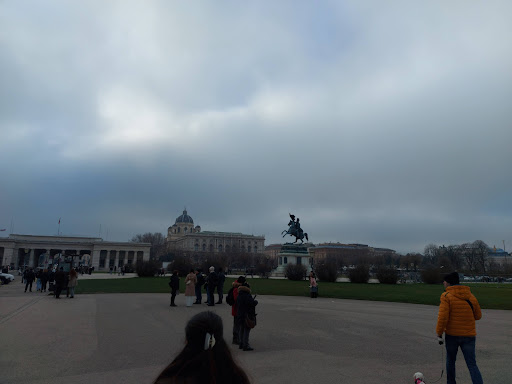
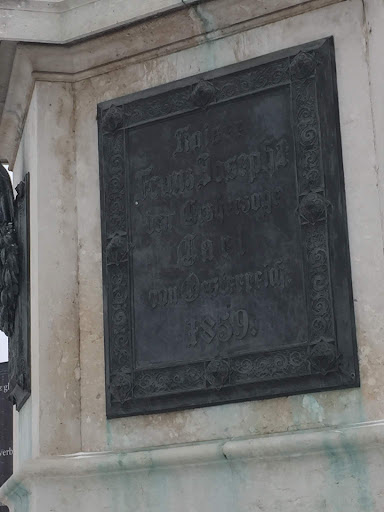
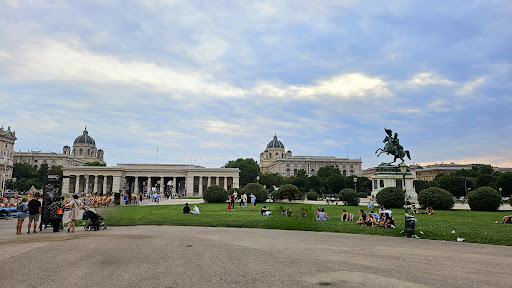
Archduke Karl - Equestrian Statue things to do, attractions, restaurants, events info and trip planning
Basic Info
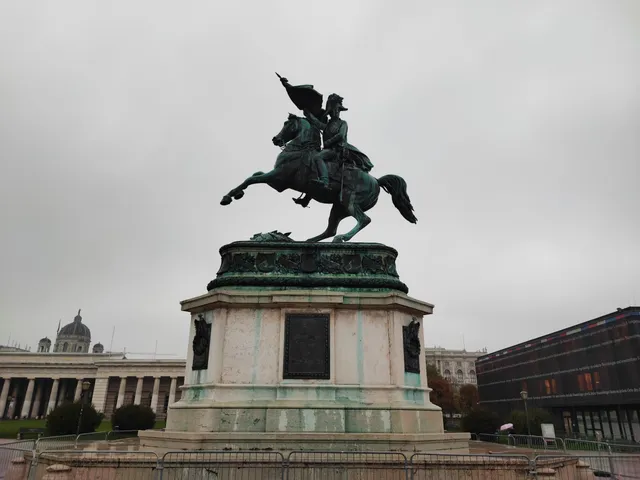
Archduke Karl - Equestrian Statue
Heldenplatz 21/4, 1010 Wien, Austria
4.7(293)
Open until 12:00 AM
Save
spot
spot
Ratings & Description
Info
Cultural
Scenic
Family friendly
Accessibility
attractions: Heldenplatz, Hofburg, Volksgarten, Sisi Museum, Imperial Treasury Vienna, Museum of Natural History Vienna, Maria-Theresien-Platz, Weltmuseum Wien, Kunsthistorisches Museum Wien, Hofburg Vienna Eventlocation, restaurants: Demel Vienna cafe, Brasserie Palmenhaus Wien, PIZZA SENZA DANZA, Volksgarten Pavillon, Stelldichein - Café Meierei Volksgarten, Bar - Restaurant Kanzleramt, Wien - Vienna, Restaurant Bellaria, L'Osteria Wien Bräunerstraße, Ristorante La Sosta, Hofburgstüberl, local businesses: Museo Etnográfico de Viena, Austrian National Library, Parliament, Michaelerplatz, Imperial Shop Vienna, Palais Pálffy Kultur & Events GmbH, Babenberger Passage, Maria-Theresa Memorial, Corte de Caza y Armería, Palais Niederösterreich
 Learn more insights from Wanderboat AI.
Phone
+43 1 53649814500
Open hoursSee all hours
WedOpen 24 hoursOpen
Plan your stay

Pet-friendly Hotels in Vienna
Find a cozy hotel nearby and make it a full experience.

Affordable Hotels in Vienna
Find a cozy hotel nearby and make it a full experience.

The Coolest Hotels You Haven't Heard Of (Yet)
Find a cozy hotel nearby and make it a full experience.

Trending Stays Worth the Hype in Vienna
Find a cozy hotel nearby and make it a full experience.
Reviews
Live events
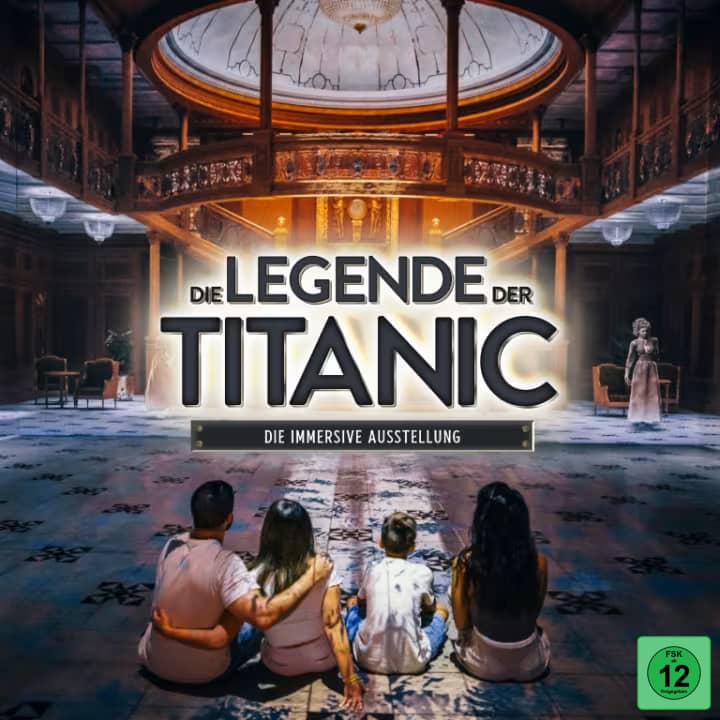
Die Legende der Titanic - Die immersive Ausstellung
Wed, Feb 11 • 10:00 AM
Karl-Farkas-Gasse 19, Wien, 1030
View details
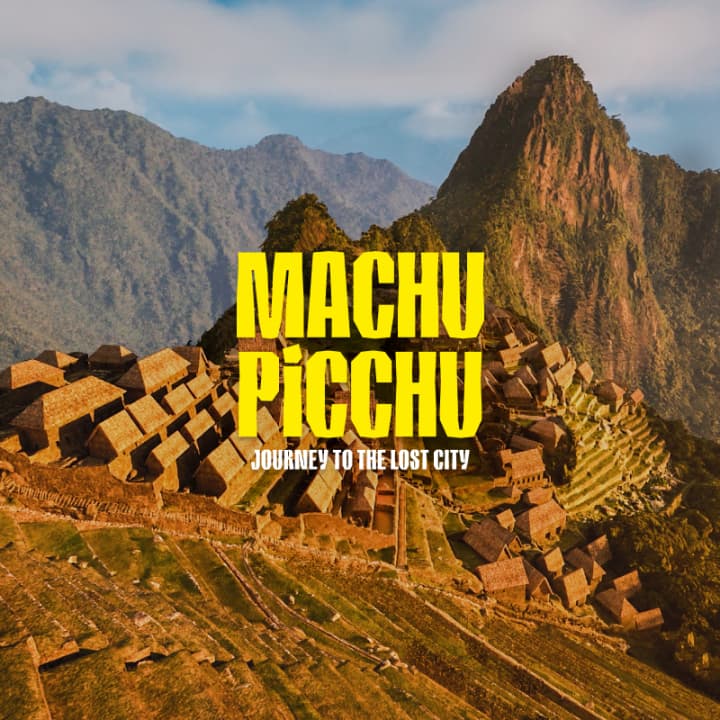
Machu Picchu - die immersive Experience!
Wed, Feb 11 • 10:00 AM
Donauturmplatz 1, Wien, 1220
View details
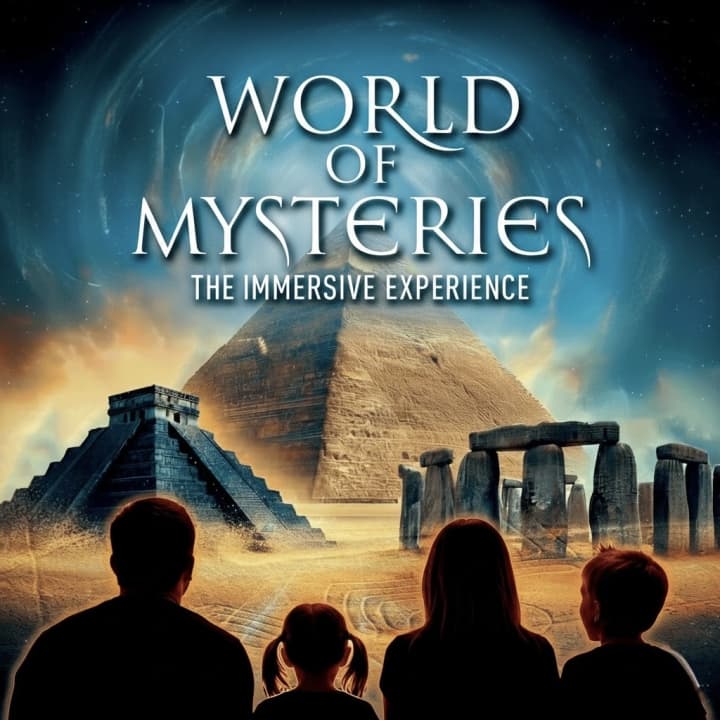
Immersium: World of Mysteries
Fri, Feb 13 • 10:00 AM
Habsburgergasse 10, Wien, 1010
View details
Nearby attractions of Archduke Karl - Equestrian Statue
Heldenplatz
Hofburg
Volksgarten
Sisi Museum
Imperial Treasury Vienna
Museum of Natural History Vienna
Maria-Theresien-Platz
Weltmuseum Wien
Kunsthistorisches Museum Wien
Hofburg Vienna Eventlocation
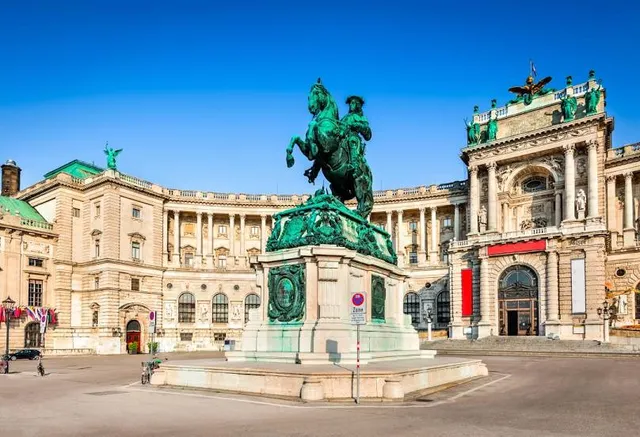
Heldenplatz
4.7
(7.6K)
Open until 12:00 AM
Click for details
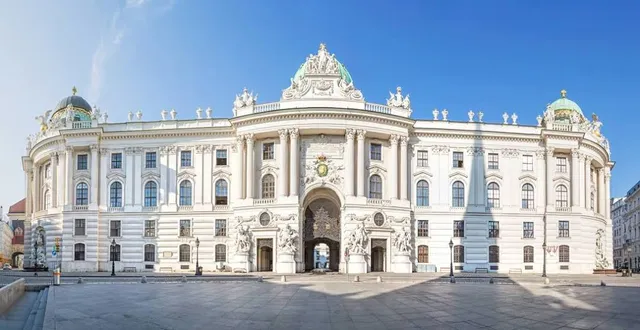
Hofburg
4.7
(19.5K)
Closed
Click for details
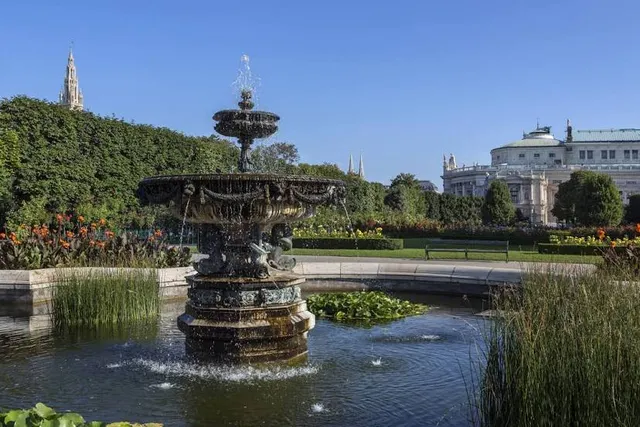
Volksgarten
4.6
(7.9K)
Closed
Click for details
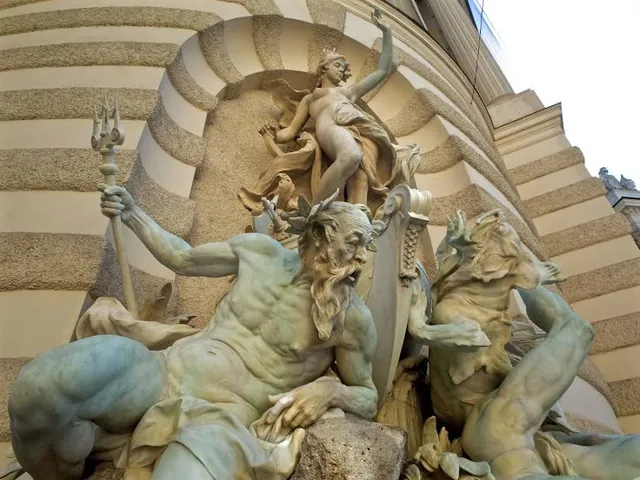
Sisi Museum
4.4
(7K)
Closed
Click for details
Nearby restaurants of Archduke Karl - Equestrian Statue
Demel Vienna cafe
Brasserie Palmenhaus Wien
PIZZA SENZA DANZA
Volksgarten Pavillon
Stelldichein - Café Meierei Volksgarten
Bar - Restaurant Kanzleramt, Wien - Vienna
Restaurant Bellaria
L'Osteria Wien Bräunerstraße
Ristorante La Sosta
Hofburgstüberl
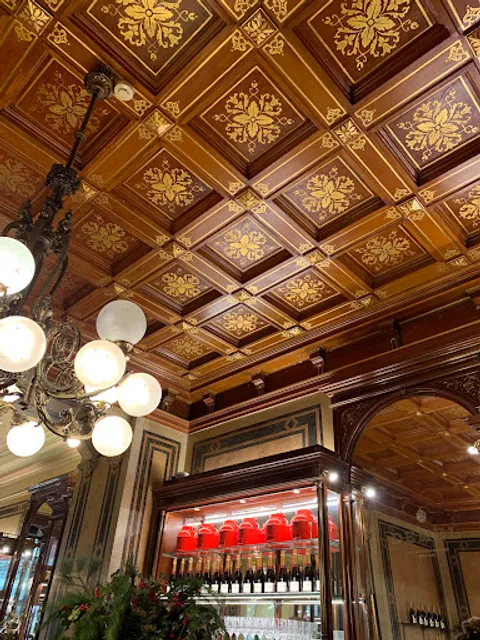
Demel Vienna cafe
4.2
(7.9K)
$$$
Closed
Click for details
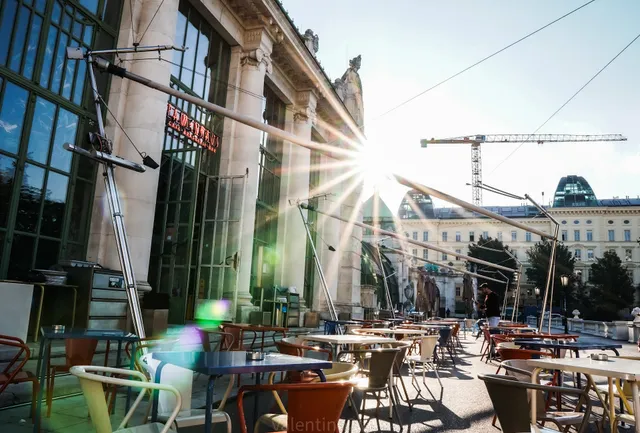
Brasserie Palmenhaus Wien
4.2
(3.7K)
$$$
Closed
Click for details
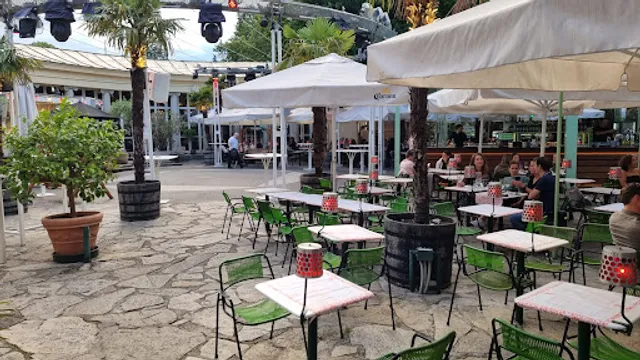
PIZZA SENZA DANZA
3.8
(345)
Click for details
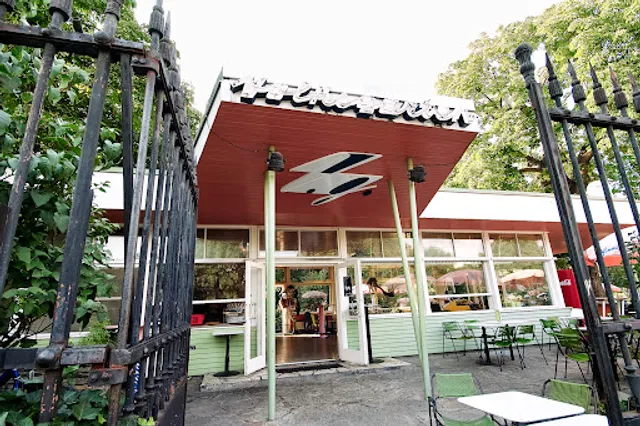
Volksgarten Pavillon
3.6
(186)
Click for details
Nearby local services of Archduke Karl - Equestrian Statue
Museo Etnográfico de Viena
Austrian National Library
Parliament
Michaelerplatz
Imperial Shop Vienna
Palais Pálffy Kultur & Events GmbH
Babenberger Passage
Maria-Theresa Memorial
Corte de Caza y Armería
Palais Niederösterreich
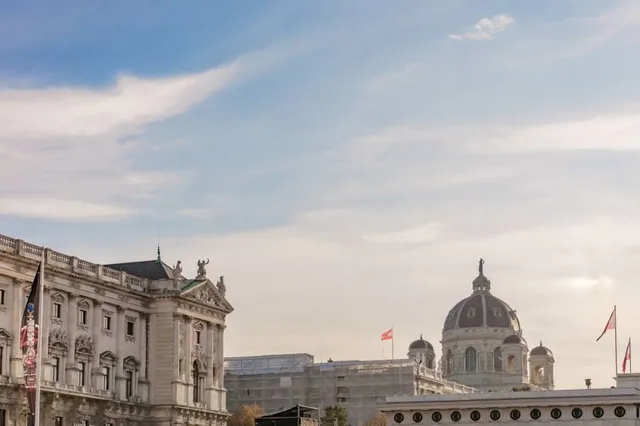
Museo Etnográfico de Viena
4.6
(1.3K)
Click for details
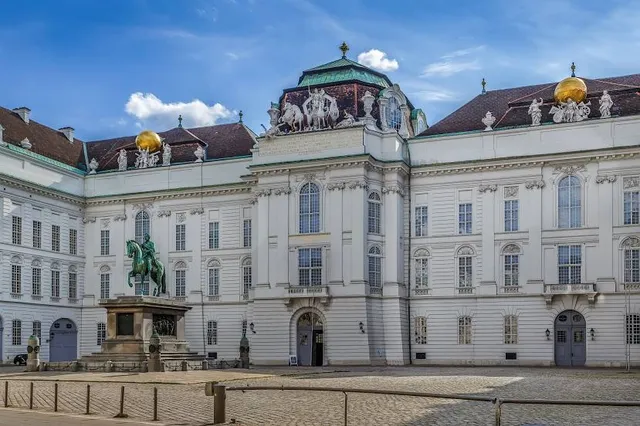
Austrian National Library
4.6
(1.4K)
Click for details
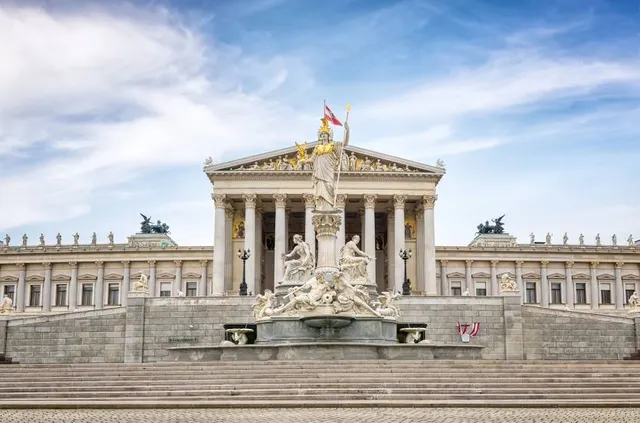
Parliament
4.5
(832)
Click for details
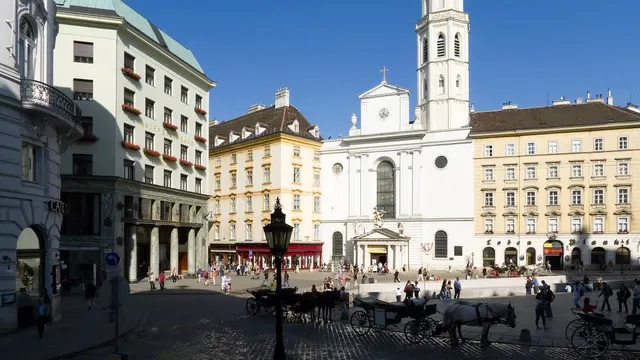
Michaelerplatz
4.8
(305)
Click for details