HTML SitemapExplore
logo
Find Things to DoFind The Best Restaurants

Imperial Treasury Vienna — Attraction in Vienna

Name
Imperial Treasury Vienna
Description
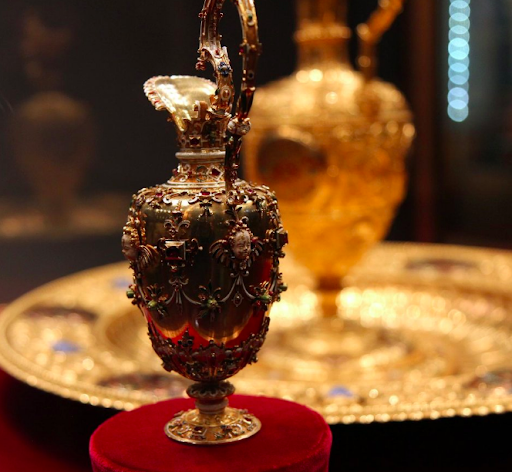
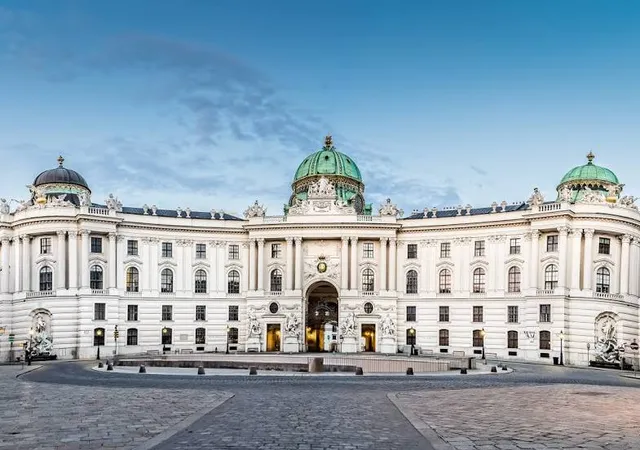
The Imperial Treasury at the Hofburg Palace in Vienna, Austria contains a valuable collection of secular and ecclesiastical treasures covering over a thousand years of European history.
Nearby attractions
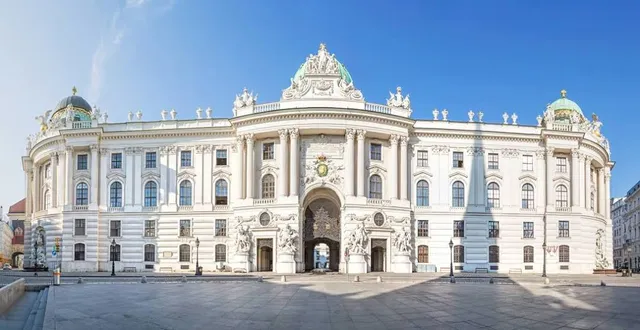
Hofburg
1010 Vienna, Austria
Sisi Museum
Michaelerkuppel, 1010 Wien, Austria
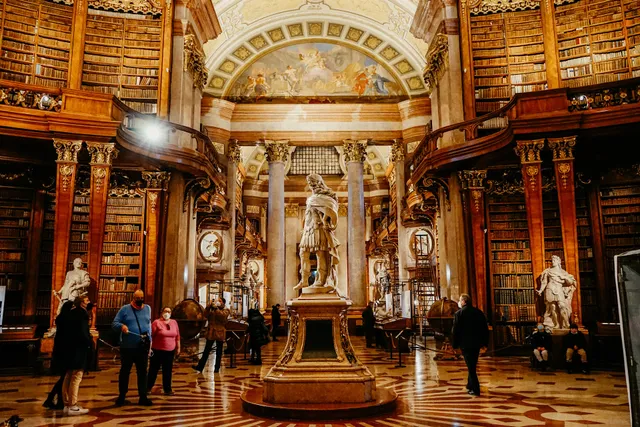
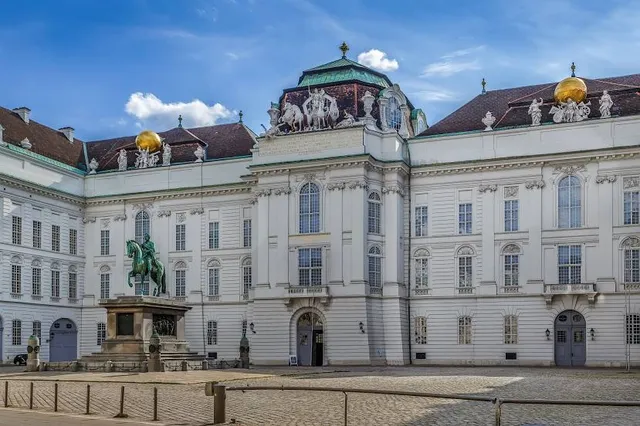
Austrian National Library
Josefsplatz 1, 1015 Wien, Austria
Heldenplatz
Heldenplatz 21/4, 1010 Wien, Austria
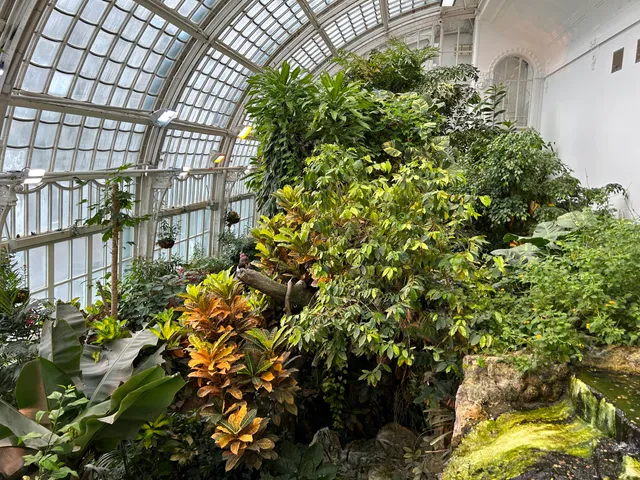
Schmetterlinghaus
Hofburg, Burggarten Palmenhaus, Schmetterlinghaus, 1010 Wien, Austria
Hofburg Vienna Eventlocation
Heldenplatz, 1010 Wien, Austria
Spanish Riding School
Michaelerplatz 1, 1010 Wien, Austria
Albertina
Albertinapl. 1, 1010 Wien, Austria
Wiener Hofburgkapelle / Wiener Hofmusikkapelle
Hofburg - Schweizerhof, 1010 Wien, Austria
Time Travel Vienna
Habsburgergasse 10A, 1010 Wien, Austria
Nearby restaurants
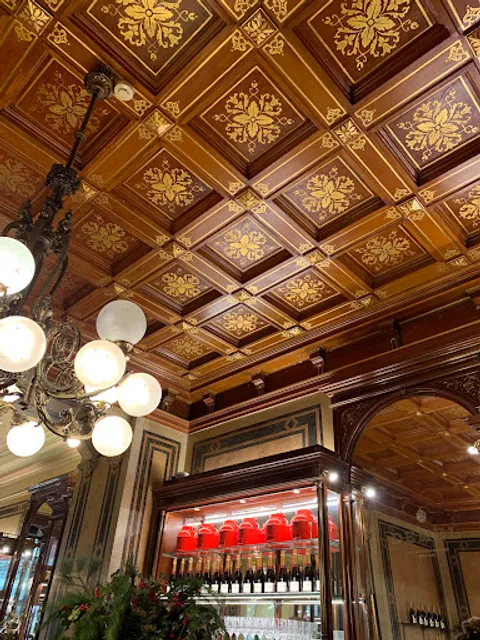
Brasserie Palmenhaus Wien
Burggarten 1, 1010 Wien, Austria
L'Osteria Wien Bräunerstraße
Bräunerstraße 11, 1010 Wien, Austria
Illy Caffè
Habsburgergasse 14, Michaelerplatz 6, 1010 Wien, Austria
Green Door Bistro
Josefsplatz 1, 1010 Wien, Austria
Ristorante L`Asino che Ride
Augustinerstraße 12, 1010 Wien, Austria
Bar - Restaurant Kanzleramt, Wien - Vienna
Schauflergasse 6, 1010 Wien, Austria
Reinthaler's Beisl
Dorotheergasse 2-4, 1010 Wien, Austria
Ristorante La Sosta
Schauflergasse 6, 1010 Wien, Austria
Hofburgstüberl
Hofburg-Passage 4, 1010 Wien, Austria
Terrae. tuscan kitchen
Dorotheergasse 19, 1010 Wien, Austria
Nearby hotels
Hotel Sacher Vienna
Philharmoniker Str. 4, 1010 Wien, Austria
Pertschy Palais Hotel
Habsburgergasse 5, 1010 Wien, Austria
Steigenberger Hotel Herrenhof, Wien
Herrengasse 10, 1010 Wien, Austria
Graben Hotel
Dorotheergasse 3, 1010 Wien, Austria
Radisson Blu Style Hotel, Vienna
Herrengasse 12, 1010 Wien, Austria
Austria Trend Hotel Europa Wien
Neuer Markt 3, 1010 Wien, Austria
Le Méridien Vienna
Robert-Stolz-Platz 1, 1010 Wien, Austria
Pension a und a
Habsburgergasse 3/Floor M, 1010 Wien, Austria
Boutique Hotel Nossek
Graben 17, 1010 Wien, Austria
Park Hyatt Vienna
Am Hof 2, 1010 Wien, Austria
Related posts
🇦🇹 Austria | 2-Day Vienna City Walk Itinerary
Keywords
Imperial Treasury Vienna tourism.Imperial Treasury Vienna hotels.Imperial Treasury Vienna bed and breakfast. flights to Imperial Treasury Vienna.Imperial Treasury Vienna attractions.Imperial Treasury Vienna restaurants.Imperial Treasury Vienna travel.Imperial Treasury Vienna travel guide.Imperial Treasury Vienna travel blog.Imperial Treasury Vienna pictures.Imperial Treasury Vienna photos.Imperial Treasury Vienna travel tips.Imperial Treasury Vienna maps.Imperial Treasury Vienna things to do.
Imperial Treasury Vienna things to do, attractions, restaurants, events info and trip planning
Imperial Treasury Vienna
AustriaViennaImperial Treasury Vienna

Basic Info

Imperial Treasury Vienna

Schweizerhof, Hofburg, 1010 Wien, Austria
4.6(3.3K)
Open 24 hours
Save
spot

Ratings & Description

Info

The Imperial Treasury at the Hofburg Palace in Vienna, Austria contains a valuable collection of secular and ecclesiastical treasures covering over a thousand years of European history.

Cultural
Accessibility
attractions: Hofburg, Sisi Museum, Austrian National Library, Heldenplatz, Schmetterlinghaus, Hofburg Vienna Eventlocation, Spanish Riding School, Albertina, Wiener Hofburgkapelle / Wiener Hofmusikkapelle, Time Travel Vienna, restaurants: Brasserie Palmenhaus Wien, L'Osteria Wien Bräunerstraße, Illy Caffè, Green Door Bistro, Ristorante L`Asino che Ride, Bar - Restaurant Kanzleramt, Wien - Vienna, Reinthaler's Beisl, Ristorante La Sosta, Hofburgstüberl, Terrae. tuscan kitchen
logoLearn more insights from Wanderboat AI.
Phone
+43 1 525240
Website
kaiserliche-schatzkammer.at

Plan your stay

hotel
Pet-friendly Hotels in Vienna
Find a cozy hotel nearby and make it a full experience.

hotel
Affordable Hotels in Vienna
Find a cozy hotel nearby and make it a full experience.

hotel
The Coolest Hotels You Haven't Heard Of (Yet)
Find a cozy hotel nearby and make it a full experience.

hotel
Trending Stays Worth the Hype in Vienna
Find a cozy hotel nearby and make it a full experience.

Reviews

Nearby attractions of Imperial Treasury Vienna

Hofburg

Sisi Museum

Austrian National Library

Heldenplatz

Schmetterlinghaus

Hofburg Vienna Eventlocation

Spanish Riding School

Albertina

Wiener Hofburgkapelle / Wiener Hofmusikkapelle

Time Travel Vienna

Hofburg

Hofburg

4.7

(19.2K)

Open until 6:00 PM
Click for details
Sisi Museum

Sisi Museum

4.4

(6.5K)

Open 24 hours
Click for details
Austrian National Library

Austrian National Library

4.5

(1.9K)

Open 24 hours
Click for details
Heldenplatz

Heldenplatz

4.7

(7.5K)

Open 24 hours
Click for details

Things to do nearby

Imperial Lights
Imperial Lights
Mon, Dec 8 • 4:30 PM
Meidlinger Fahrstraße, Wien, 1130
View details
Die Legende der Titanic - Die immersive Ausstellung
Mon, Dec 8 • 12:00 PM
Karl-Farkas-Gasse 19, Wien, 1030
View details
Machu Picchu - die immersive Experience!
Mon, Dec 8 • 12:20 PM
Donauturmplatz 1, Wien, 1220
View details

Nearby restaurants of Imperial Treasury Vienna

Brasserie Palmenhaus Wien

L'Osteria Wien Bräunerstraße

Illy Caffè

Green Door Bistro

Ristorante L`Asino che Ride

Bar - Restaurant Kanzleramt, Wien - Vienna

Reinthaler's Beisl

Ristorante La Sosta

Hofburgstüberl

Terrae. tuscan kitchen

Brasserie Palmenhaus Wien

Brasserie Palmenhaus Wien

4.2

(3.6K)

$$$

Click for details
L'Osteria Wien Bräunerstraße

L'Osteria Wien Bräunerstraße

4.1

(3K)

$$

Click for details
Illy Caffè

Illy Caffè

3.7

(889)

Click for details
Green Door Bistro

Green Door Bistro

4.9

(138)

Click for details
Get the Appoverlay
Get the AppOne tap to find yournext favorite spots!
Wanderboat LogoWanderboat

Your everyday Al companion for getaway ideas

CompanyAbout Us
InformationAI Trip PlannerSitemap
SocialXInstagramTiktokLinkedin
LegalTerms of ServicePrivacy Policy

Get the app

© 2025 Wanderboat. All rights reserved.
logo

Reviews of Imperial Treasury Vienna

4.6
(3,322)
avatar
5.0
6y

The Imperial Treasury (German: Kaiserliche Schatzkammer) at the Hofburg Palace in Vienna, Austria contains a valuable collection of secular and ecclesiastical treasures covering over a thousand years of European history. The entrance to the treasury is at the Schweizerhof (Swiss Courtyard), the oldest part of the palace, which was rebuilt in the sixteenth century in the Renaissance style under Holy Roman Emperor Ferdinand I. The Imperial Treasury is affiliated with the Kunsthistorisches Museum, and houses in 21 rooms a collection of rare treasures that were compiled by the Imperial House of Habsburg over the course of centuries, including the Imperial Crown, Orb, and Sceptre of Austria, and the Imperial Regalia of the Emperors and Kings of the Holy Roman Empire, including the Imperial Crown of the Holy Roman Empire.

The Imperial Treasury is divided into two collections: the secular collection and the ecclesiastical collection. The secular collection contains numerous imperial artifacts from the House of Habsburg, including jewels and precious stones that due to their unique size could not be fitted into the imperial crowns. Like all secular treasuries, it was designed to attest to the political power and geographical reach of their owners. The ecclesiastical collection contains numerous religious treasures, including relics and objects ascribed to the private ownership of saints.

The Treasury is divided into two sections - secular and ecclesiastical. The secular museum contains a collection of royal objects:

The Imperial Regalia (Reichskleinodien): insignia and jewels of the Holy Roman Empire, including the Imperial Crown, the Holy Lance and the Imperial Sword; The Austrian Crown Jewels, comprising the personal crown of Emperor Rudolf II, which with the proclamation of the Austrian Empire in 1804 became the Imperial Crown of Austria, with sceptre and globus cruciger, the regalia worn by Emperor Ferdinand I of Austria on the occasion of his coronation as King of Lombardy–Venetia in 1835, as well as the vestments and other precious items of the Order of Saint Stephen of Hungary and the Military Order of Maria Theresa;

The regalia of the Archduchy of Austria with the cord casing of the archducal hat made for the coronation of King Joseph II in 1764; The Burgundian Treasury, part of the dowry of Mary the Rich at her wedding with Archduke Maximilian I in 1477.

The original insignia of the Kingdom of Bohemia, the scepter and the orb. The treasury of the Order of the Golden Fleece from the heritage of Mary's father Duke Charles the Bold.

On display are various valuable gems, including one of the world's largest emeralds. Part of the treasury are also the crown of the Transylvanian prince Stephen Bocskay and the two “inalienable heirlooms of the House of Austria”: a giant narwhal tooth which was thought to be the horn of a unicorn (Ainkhürn) and the Agate bowl from Late Antiquity which was thought to be the legendary Holy Grail; furthermore the Napoleonica artifacts of Napoleon II and his mother...

   Read more
avatar
5.0
7y

With over 1000 years worth of Royal treasury items, it is understandable why the Imperial Treasury (Schatzkammer) at the Hofburg Palace is regarded as one of the most important in the world. Housed in the Hofburg Palace which is more or less an essential tourist attraction to see in Vienna, the Imperial Treasury can be readily visited and something worth making the time for.

The Imperial Treasury is divided into two collections, housed in a 13th century room. These include the Secular collection, featuring centuries' worth of imperial artefacts of the Habsburg Royals and the Ecclesiastical Collection where you can see other precious devotional items, Baroque alter works and other items of intrigue; such as the tooth that is believed to have belonged to St. John the Baptist.

Of the two collections, it is the Secular Collection that is really quite inspiring. There are numerous Royal treasures that have the ability to make your jaw drop when seeing them for the first time. Items that we have very much enjoyed seeing include the Austrian Crown Jewels. These include the crown, sceptor and globus cruciger of Emperor Rudolf II (1552-1612). The Crown in particular is so very ornate and detailed in its design.

Another highly memorable item is the Imperial Crown of the Holy Roman Empire, with its oversized gemstones. This one is well worth spending a few minutes to inspect from all sides. The lighting is very good in this area as well so you can make some spectacular photos of the crown without use of professional equipment.

The Golden fleece necklace is also well worth finding as are the impressive robes, Imperial crosses, purses, brooches and other jewel and treasure items on display. The entire collection is laid out nicely and there is a suggested walking path, which assures that you are able to see all during your time in the Schatzkammer

Overall, we found the Imperial Treasury to be indeed an impressive collection and makes a worthwhile addition to a...

   Read more
avatar
5.0
7y

The Imperial Treasury at the Hofburg Palace in Vienna, Austria contains a valuable collection of secular and ecclesiastical treasures covering over a thousand years of European history.

The entrance to the treasury is at the Schweizerhof (Swiss Courtyard), the oldest part of the palace, which was rebuilt in the sixteenth century in the Renaissance style under Holy Roman Emperor Ferdinand I.

The Imperial Treasury is affiliated with the Kunsthistorisches Museum, and houses in 21 rooms a collection of rare treasures that were compiled by the Imperial House of Habsburg over the course of centuries, including the Imperial Crown, Orb, and Sceptre of Austria, and the Imperial Regalia of the Emperors and Kings of the Holy Roman Empire, including the Imperial Crown of the Holy Roman Empire.

The Imperial Treasury is divided into two collections: the secular collection and the ecclesiastical collection. The secular collection contains numerous imperial artifacts from the House of Habsburg, including jewels and precious stones that due to their unique size could not be fitted into the imperial crowns.

Like all secular treasuries, it was designed to attest to the political power and geographical reach of their owners. The ecclesiastical collection contains numerous religious treasures, including relics and objects ascribed to the private...

   Read more
Page 1 of 7
Previous
Next

Posts

🇦🇹 Austria | 2-Day Vienna City Walk Itinerary
Tessa VictoriaTessa Victoria
🇦🇹 Austria | 2-Day Vienna City Walk Itinerary
Me 1974Me 1974
The Imperial Treasury (German: Kaiserliche Schatzkammer) at the Hofburg Palace in Vienna, Austria contains a valuable collection of secular and ecclesiastical treasures covering over a thousand years of European history. The entrance to the treasury is at the Schweizerhof (Swiss Courtyard), the oldest part of the palace, which was rebuilt in the sixteenth century in the Renaissance style under Holy Roman Emperor Ferdinand I. The Imperial Treasury is affiliated with the Kunsthistorisches Museum, and houses in 21 rooms a collection of rare treasures that were compiled by the Imperial House of Habsburg over the course of centuries, including the Imperial Crown, Orb, and Sceptre of Austria, and the Imperial Regalia of the Emperors and Kings of the Holy Roman Empire, including the Imperial Crown of the Holy Roman Empire. The Imperial Treasury is divided into two collections: the secular collection and the ecclesiastical collection. The secular collection contains numerous imperial artifacts from the House of Habsburg, including jewels and precious stones that due to their unique size could not be fitted into the imperial crowns. Like all secular treasuries, it was designed to attest to the political power and geographical reach of their owners. The ecclesiastical collection contains numerous religious treasures, including relics and objects ascribed to the private ownership of saints. The Treasury is divided into two sections - secular and ecclesiastical. The secular museum contains a collection of royal objects: The Imperial Regalia (Reichskleinodien): insignia and jewels of the Holy Roman Empire, including the Imperial Crown, the Holy Lance and the Imperial Sword; The Austrian Crown Jewels, comprising the personal crown of Emperor Rudolf II, which with the proclamation of the Austrian Empire in 1804 became the Imperial Crown of Austria, with sceptre and globus cruciger, the regalia worn by Emperor Ferdinand I of Austria on the occasion of his coronation as King of Lombardy–Venetia in 1835, as well as the vestments and other precious items of the Order of Saint Stephen of Hungary and the Military Order of Maria Theresa; The regalia of the Archduchy of Austria with the cord casing of the archducal hat made for the coronation of King Joseph II in 1764; The Burgundian Treasury, part of the dowry of Mary the Rich at her wedding with Archduke Maximilian I in 1477. The original insignia of the Kingdom of Bohemia, the scepter and the orb. The treasury of the Order of the Golden Fleece from the heritage of Mary's father Duke Charles the Bold. On display are various valuable gems, including one of the world's largest emeralds. Part of the treasury are also the crown of the Transylvanian prince Stephen Bocskay and the two “inalienable heirlooms of the House of Austria”: a giant narwhal tooth which was thought to be the horn of a unicorn (Ainkhürn) and the Agate bowl from Late Antiquity which was thought to be the legendary Holy Grail; furthermore the Napoleonica artifacts of Napoleon II and his mother Marie Louise.
BradBrad
With over 1000 years worth of Royal treasury items, it is understandable why the Imperial Treasury (Schatzkammer) at the Hofburg Palace is regarded as one of the most important in the world. Housed in the Hofburg Palace which is more or less an essential tourist attraction to see in Vienna, the Imperial Treasury can be readily visited and something worth making the time for. The Imperial Treasury is divided into two collections, housed in a 13th century room. These include the Secular collection, featuring centuries' worth of imperial artefacts of the Habsburg Royals and the Ecclesiastical Collection where you can see other precious devotional items, Baroque alter works and other items of intrigue; such as the tooth that is believed to have belonged to St. John the Baptist. Of the two collections, it is the Secular Collection that is really quite inspiring. There are numerous Royal treasures that have the ability to make your jaw drop when seeing them for the first time. Items that we have very much enjoyed seeing include the Austrian Crown Jewels. These include the crown, sceptor and globus cruciger of Emperor Rudolf II (1552-1612). The Crown in particular is so very ornate and detailed in its design. Another highly memorable item is the Imperial Crown of the Holy Roman Empire, with its oversized gemstones. This one is well worth spending a few minutes to inspect from all sides. The lighting is very good in this area as well so you can make some spectacular photos of the crown without use of professional equipment. The Golden fleece necklace is also well worth finding as are the impressive robes, Imperial crosses, purses, brooches and other jewel and treasure items on display. The entire collection is laid out nicely and there is a suggested walking path, which assures that you are able to see all during your time in the Schatzkammer Overall, we found the Imperial Treasury to be indeed an impressive collection and makes a worthwhile addition to a visit in Vienna.
See more posts
See more posts
hotel
Find your stay

Pet-friendly Hotels in Vienna

Find a cozy hotel nearby and make it a full experience.

🇦🇹 Austria | 2-Day Vienna City Walk Itinerary
Tessa Victoria

Tessa Victoria

hotel
Find your stay

Affordable Hotels in Vienna

Find a cozy hotel nearby and make it a full experience.

Get the Appoverlay
Get the AppOne tap to find yournext favorite spots!
The Imperial Treasury (German: Kaiserliche Schatzkammer) at the Hofburg Palace in Vienna, Austria contains a valuable collection of secular and ecclesiastical treasures covering over a thousand years of European history. The entrance to the treasury is at the Schweizerhof (Swiss Courtyard), the oldest part of the palace, which was rebuilt in the sixteenth century in the Renaissance style under Holy Roman Emperor Ferdinand I. The Imperial Treasury is affiliated with the Kunsthistorisches Museum, and houses in 21 rooms a collection of rare treasures that were compiled by the Imperial House of Habsburg over the course of centuries, including the Imperial Crown, Orb, and Sceptre of Austria, and the Imperial Regalia of the Emperors and Kings of the Holy Roman Empire, including the Imperial Crown of the Holy Roman Empire. The Imperial Treasury is divided into two collections: the secular collection and the ecclesiastical collection. The secular collection contains numerous imperial artifacts from the House of Habsburg, including jewels and precious stones that due to their unique size could not be fitted into the imperial crowns. Like all secular treasuries, it was designed to attest to the political power and geographical reach of their owners. The ecclesiastical collection contains numerous religious treasures, including relics and objects ascribed to the private ownership of saints. The Treasury is divided into two sections - secular and ecclesiastical. The secular museum contains a collection of royal objects: The Imperial Regalia (Reichskleinodien): insignia and jewels of the Holy Roman Empire, including the Imperial Crown, the Holy Lance and the Imperial Sword; The Austrian Crown Jewels, comprising the personal crown of Emperor Rudolf II, which with the proclamation of the Austrian Empire in 1804 became the Imperial Crown of Austria, with sceptre and globus cruciger, the regalia worn by Emperor Ferdinand I of Austria on the occasion of his coronation as King of Lombardy–Venetia in 1835, as well as the vestments and other precious items of the Order of Saint Stephen of Hungary and the Military Order of Maria Theresa; The regalia of the Archduchy of Austria with the cord casing of the archducal hat made for the coronation of King Joseph II in 1764; The Burgundian Treasury, part of the dowry of Mary the Rich at her wedding with Archduke Maximilian I in 1477. The original insignia of the Kingdom of Bohemia, the scepter and the orb. The treasury of the Order of the Golden Fleece from the heritage of Mary's father Duke Charles the Bold. On display are various valuable gems, including one of the world's largest emeralds. Part of the treasury are also the crown of the Transylvanian prince Stephen Bocskay and the two “inalienable heirlooms of the House of Austria”: a giant narwhal tooth which was thought to be the horn of a unicorn (Ainkhürn) and the Agate bowl from Late Antiquity which was thought to be the legendary Holy Grail; furthermore the Napoleonica artifacts of Napoleon II and his mother Marie Louise.
Me 1974

Me 1974

hotel
Find your stay

The Coolest Hotels You Haven't Heard Of (Yet)

Find a cozy hotel nearby and make it a full experience.

hotel
Find your stay

Trending Stays Worth the Hype in Vienna

Find a cozy hotel nearby and make it a full experience.

With over 1000 years worth of Royal treasury items, it is understandable why the Imperial Treasury (Schatzkammer) at the Hofburg Palace is regarded as one of the most important in the world. Housed in the Hofburg Palace which is more or less an essential tourist attraction to see in Vienna, the Imperial Treasury can be readily visited and something worth making the time for. The Imperial Treasury is divided into two collections, housed in a 13th century room. These include the Secular collection, featuring centuries' worth of imperial artefacts of the Habsburg Royals and the Ecclesiastical Collection where you can see other precious devotional items, Baroque alter works and other items of intrigue; such as the tooth that is believed to have belonged to St. John the Baptist. Of the two collections, it is the Secular Collection that is really quite inspiring. There are numerous Royal treasures that have the ability to make your jaw drop when seeing them for the first time. Items that we have very much enjoyed seeing include the Austrian Crown Jewels. These include the crown, sceptor and globus cruciger of Emperor Rudolf II (1552-1612). The Crown in particular is so very ornate and detailed in its design. Another highly memorable item is the Imperial Crown of the Holy Roman Empire, with its oversized gemstones. This one is well worth spending a few minutes to inspect from all sides. The lighting is very good in this area as well so you can make some spectacular photos of the crown without use of professional equipment. The Golden fleece necklace is also well worth finding as are the impressive robes, Imperial crosses, purses, brooches and other jewel and treasure items on display. The entire collection is laid out nicely and there is a suggested walking path, which assures that you are able to see all during your time in the Schatzkammer Overall, we found the Imperial Treasury to be indeed an impressive collection and makes a worthwhile addition to a visit in Vienna.
Brad

Brad

See more posts
See more posts