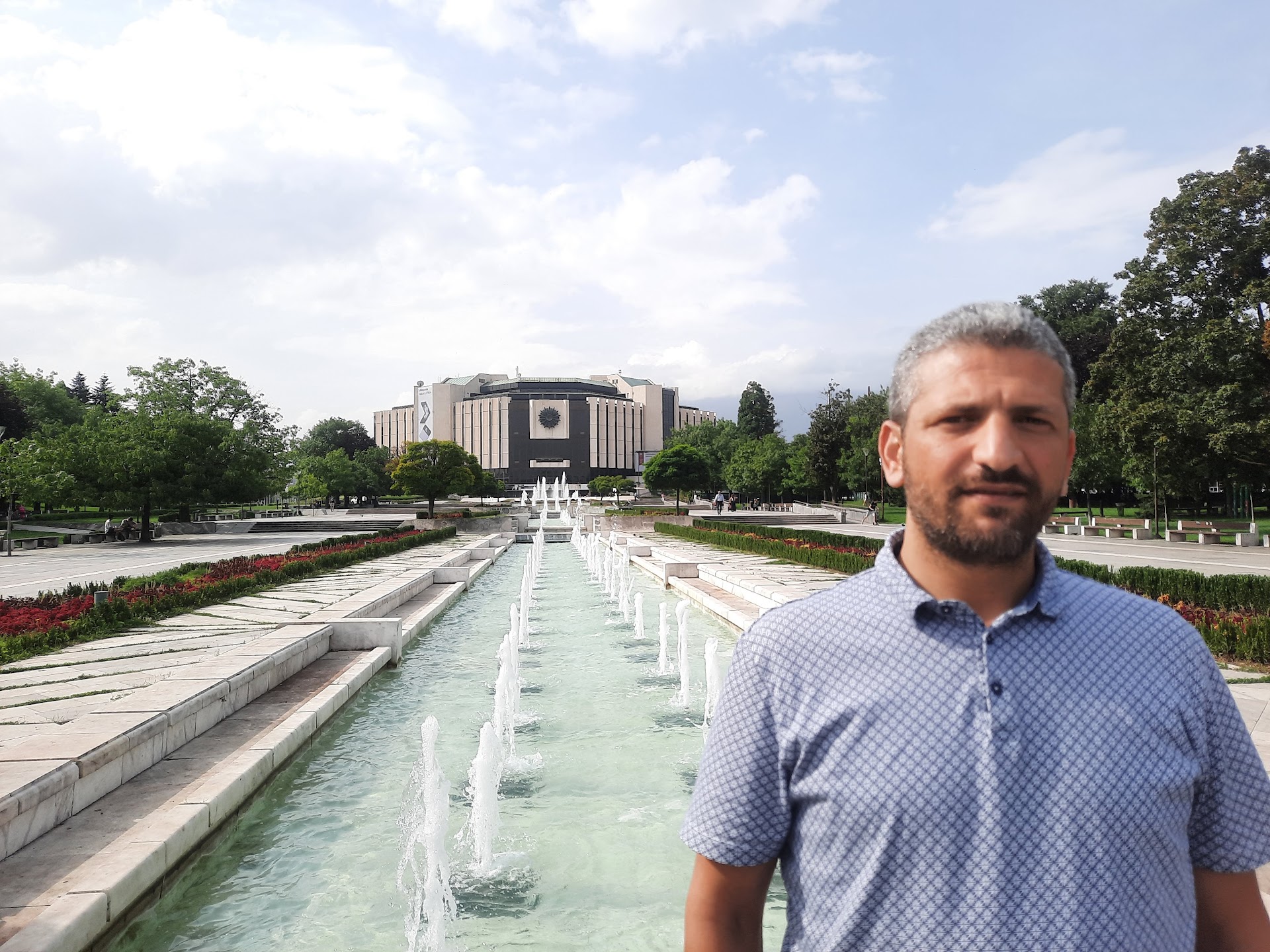
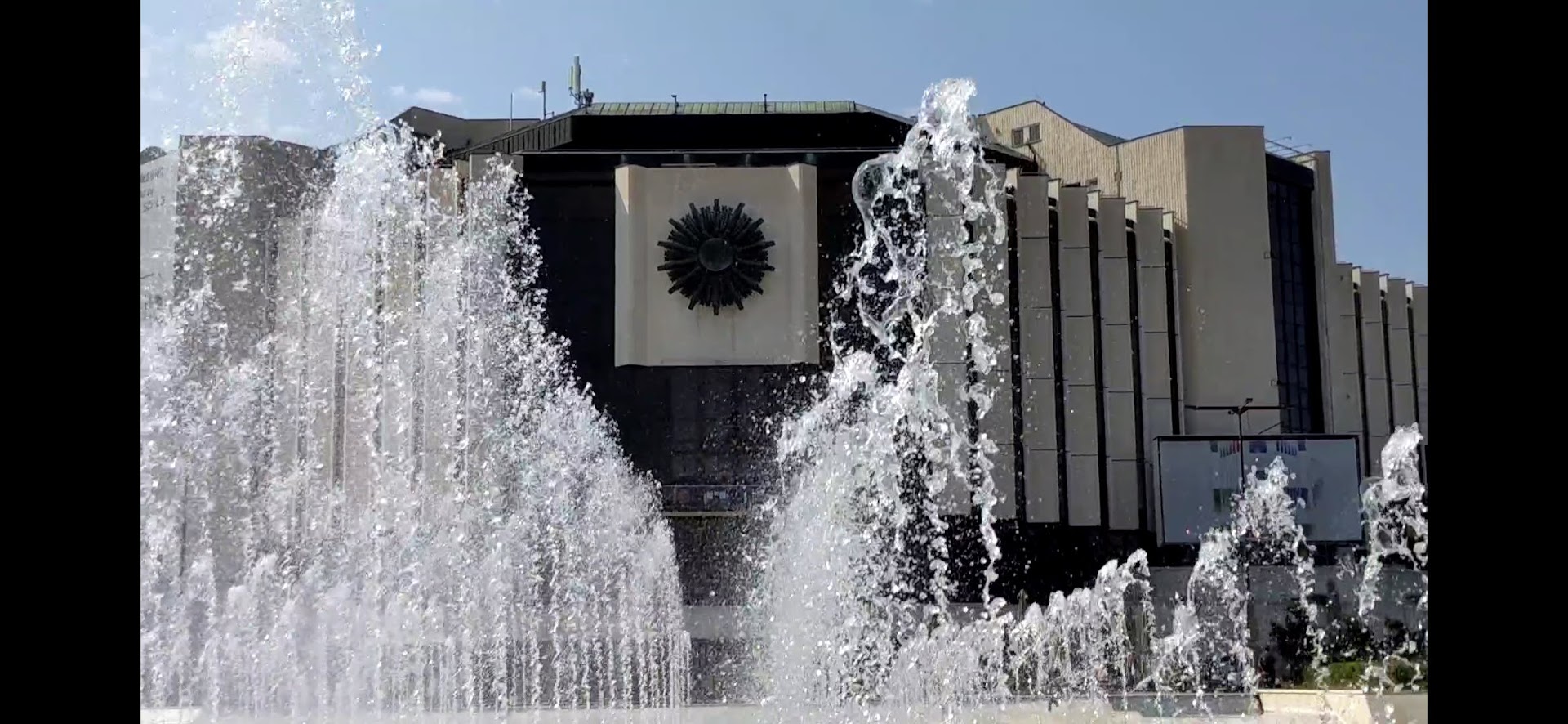
National Palace of Culture Park things to do, attractions, restaurants, events info and trip planning
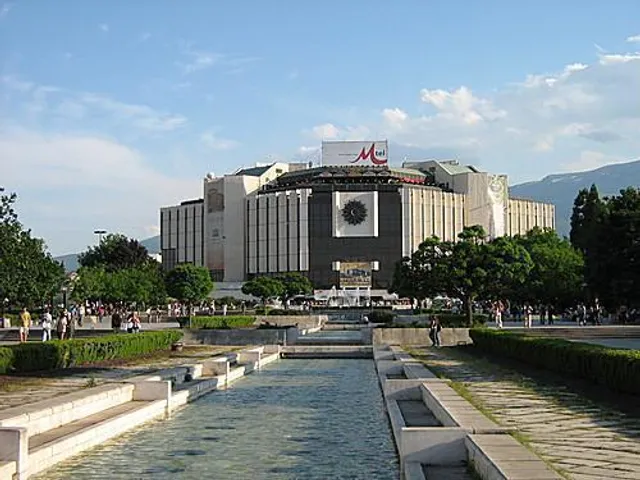
Basic Info
National Palace of Culture Park
Ndk, Vitosha Blvd, 1463 Sofia, Bulgaria
4.6(11.5K)
Open until 12:00 AM
Save
spot
spot
Ratings & Description
Info
Outdoor
Cultural
Family friendly
attractions: National Palace of Culture (NDK), PALMS ROYALE SOFIA CASINO, Earth and People National Museum, Rakia museum, National Literary Museum, Slaveykov Square, The Red Flat, Museum Boris Christoff, Contrast gallery, restaurants: Bar Singles, Chatime Bulgaria Square, Piatto Collezione, Culture Beat, Nedelya, Vita Rama Vegan Restaurant, Aubergine - Craft beer. Craft food., Bar National, HAMACHI-Ni - Japanese Fish Restaurant, Le Soleil Crepes and Coffee, local businesses: National Palace of Culture, bul. "Vitosha", Lovers Bridge, Saint George Church, Park Center, Church of Sveti Sedmochislenitsi, „Ruski Pametnik“ Shopping Centre, Площад Славейков / Slaveikov square, Галерия ПАРИЖ, Greek Church “St. George”
 Learn more insights from Wanderboat AI.
Phone
+359 2 916 6300
Website
ndk.bg
Open hoursSee all hours
TueOpen 24 hoursOpen
Plan your stay

Pet-friendly Hotels in Sofia City
Find a cozy hotel nearby and make it a full experience.

Affordable Hotels in Sofia City
Find a cozy hotel nearby and make it a full experience.

The Coolest Hotels You Haven't Heard Of (Yet)
Find a cozy hotel nearby and make it a full experience.

Trending Stays Worth the Hype in Sofia City
Find a cozy hotel nearby and make it a full experience.
Reviews
Live events
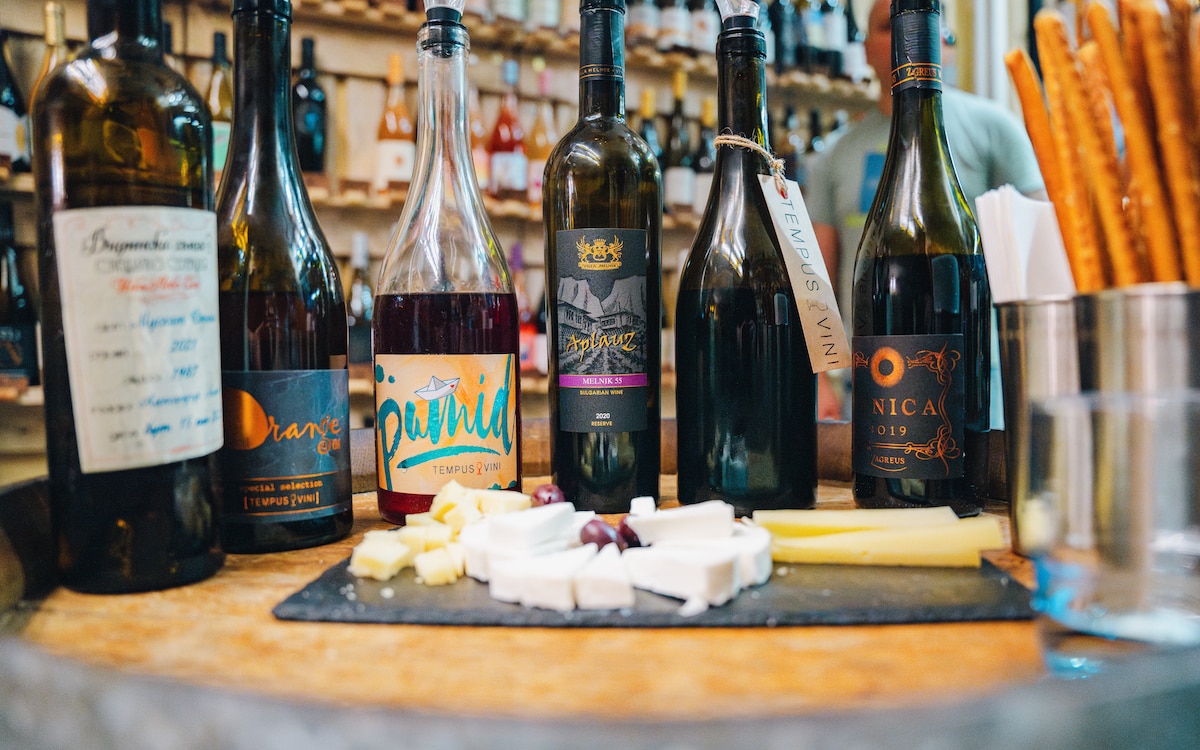
Taste Bulgarian wines in Sofia
Tue, Jan 27 • 4:00 PM
1000, Sofia, Sofia City Province, Bulgaria
View details
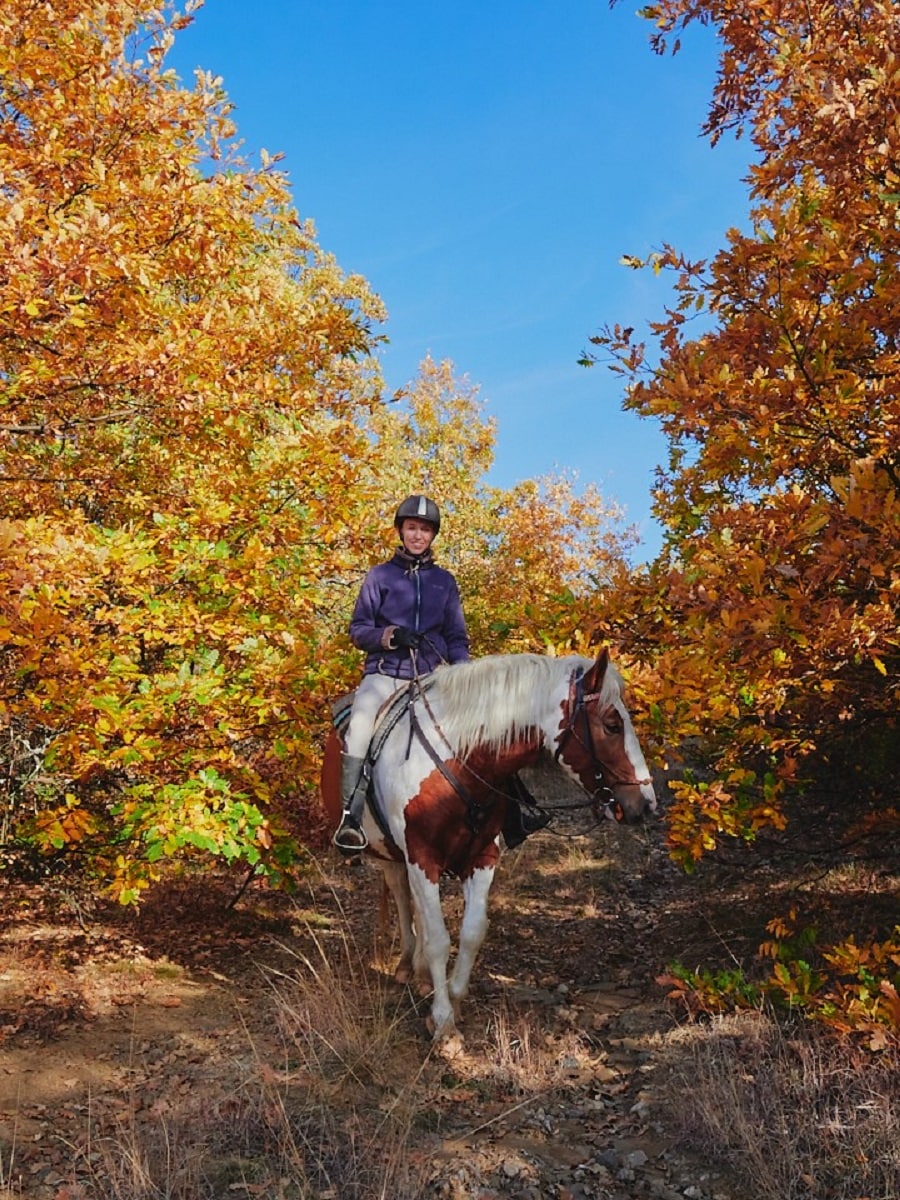
Escape Sofia: horse ride through Bulgarias beauty
Thu, Jan 29 • 6:30 AM
1421, Sofia, Sofia City Province, Bulgaria
View details
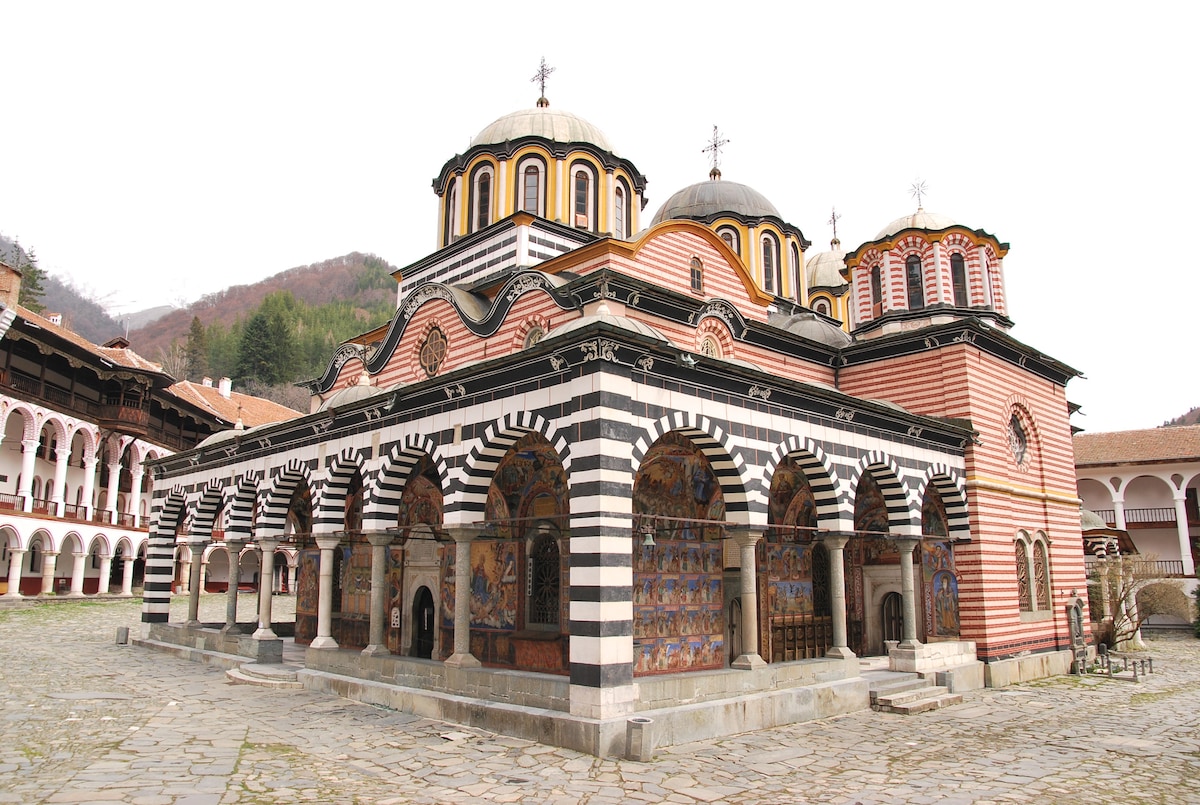
Tour to Rila Monastery and Boyana Church
Tue, Jan 27 • 8:00 AM
1504, Sofia, Sofia City Province, Bulgaria
View details
Nearby attractions of National Palace of Culture Park
National Palace of Culture (NDK)
PALMS ROYALE SOFIA CASINO
Earth and People National Museum
Rakia museum
National Literary Museum
Slaveykov Square
The Red Flat
Museum Boris Christoff
Contrast gallery
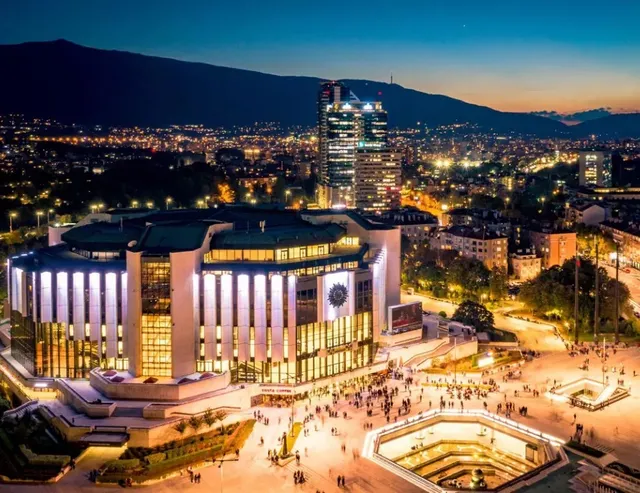
National Palace of Culture (NDK)
4.5
(6.7K)
Open until 8:00 PM
Click for details

PALMS ROYALE SOFIA CASINO
4.5
(453)
Open until 12:00 AM
Click for details
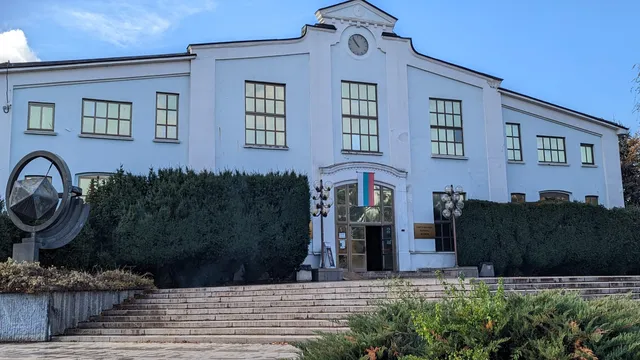
Earth and People National Museum
4.6
(1.1K)
Open until 6:00 PM
Click for details
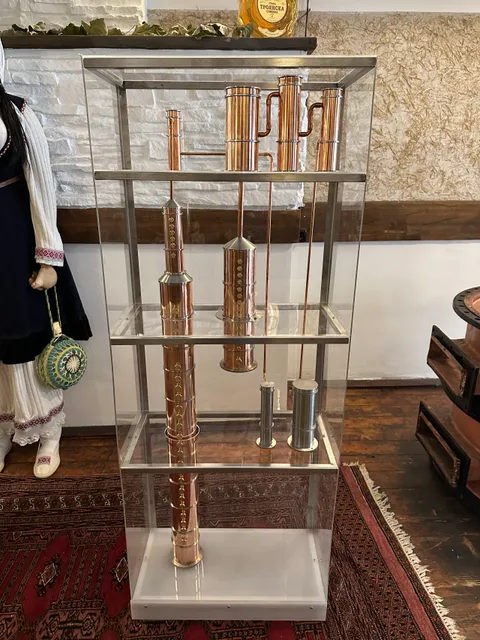
Rakia museum
4.7
(248)
Closed
Click for details
Nearby restaurants of National Palace of Culture Park
Bar Singles
Chatime Bulgaria Square
Piatto Collezione
Culture Beat
Nedelya
Vita Rama Vegan Restaurant
Aubergine - Craft beer. Craft food.
Bar National
HAMACHI-Ni - Japanese Fish Restaurant
Le Soleil Crepes and Coffee
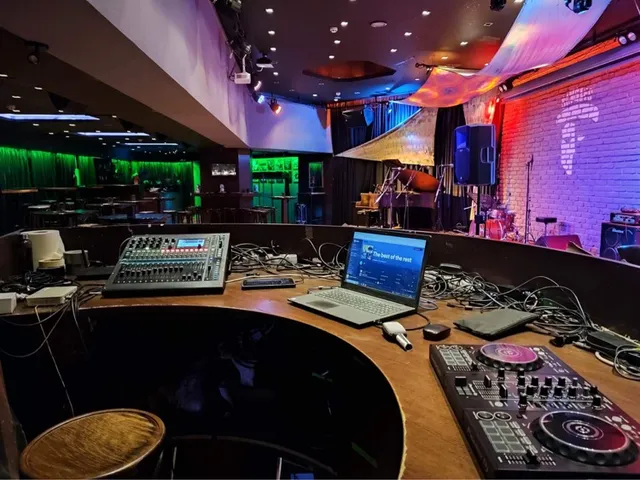
Bar Singles
4.6
(255)
Closed
Click for details
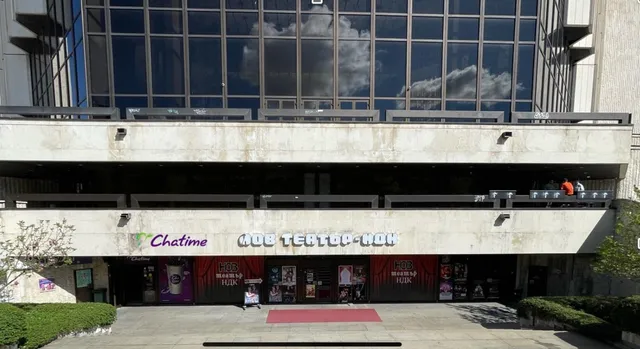
Chatime Bulgaria Square
4.6
(158)
Closed
Click for details
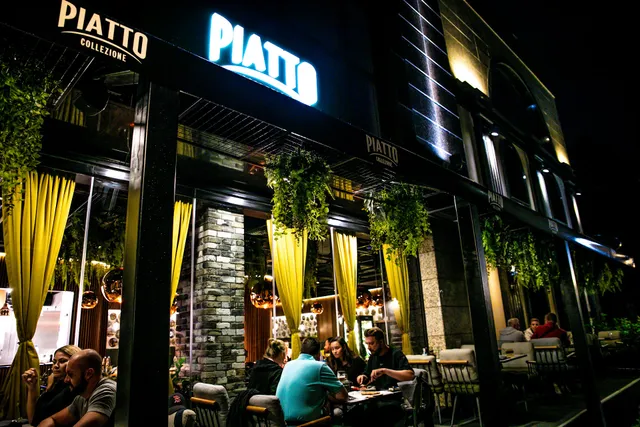
Piatto Collezione
4.7
(1.6K)
$$
Closed
Click for details
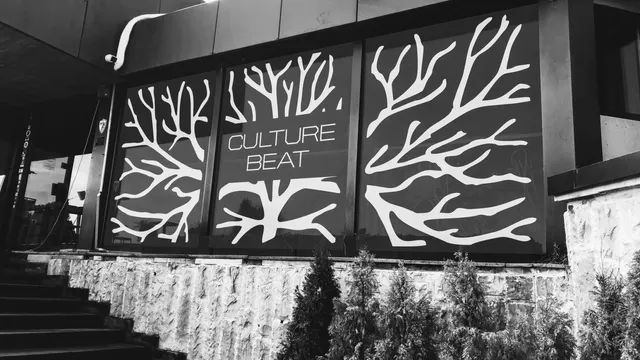
Culture Beat
3.8
(228)
$$
Open until 12:00 AM
Click for details
Nearby local services of National Palace of Culture Park
National Palace of Culture
bul. "Vitosha"
Lovers Bridge
Saint George Church
Park Center
Church of Sveti Sedmochislenitsi
„Ruski Pametnik“ Shopping Centre
Площад Славейков / Slaveikov square
Галерия ПАРИЖ
Greek Church “St. George”
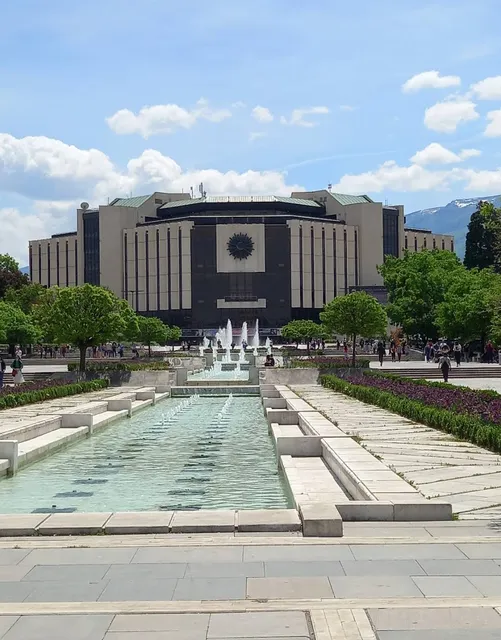
National Palace of Culture
4.5
(5.6K)
Click for details
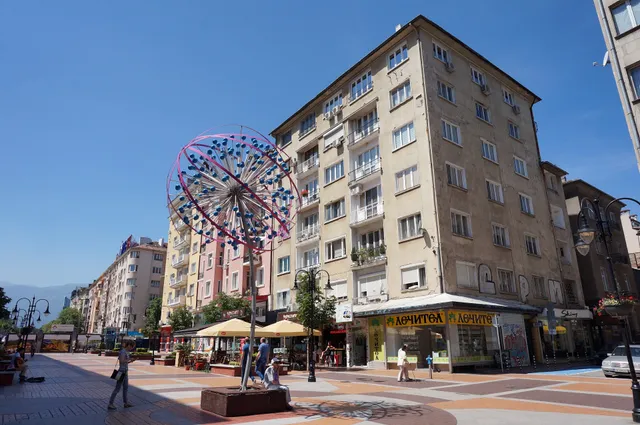
bul. "Vitosha"
4.6
(627)
Click for details
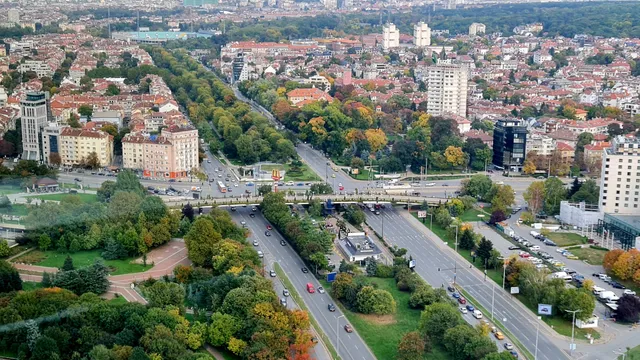
Lovers Bridge
4.5
(291)
Click for details
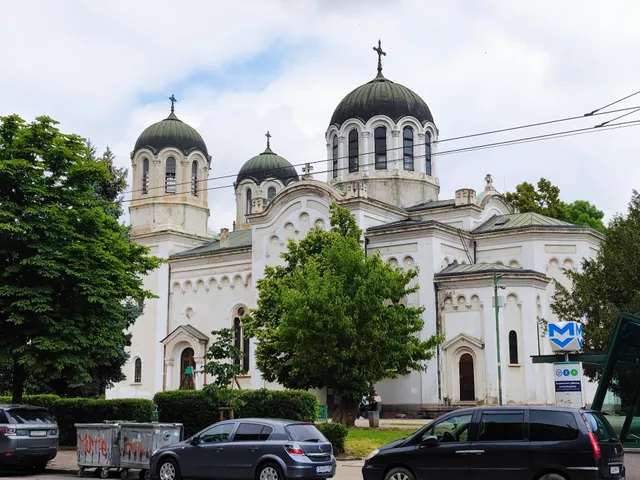
Saint George Church
4.6
(198)
Click for details