Royal Palace Park things to do, attractions, restaurants, events info and trip planning
Basic Info
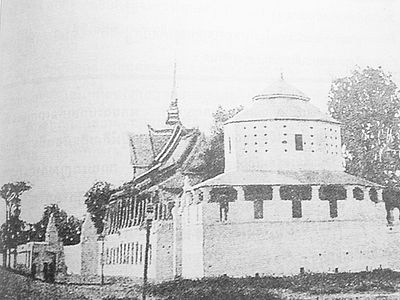
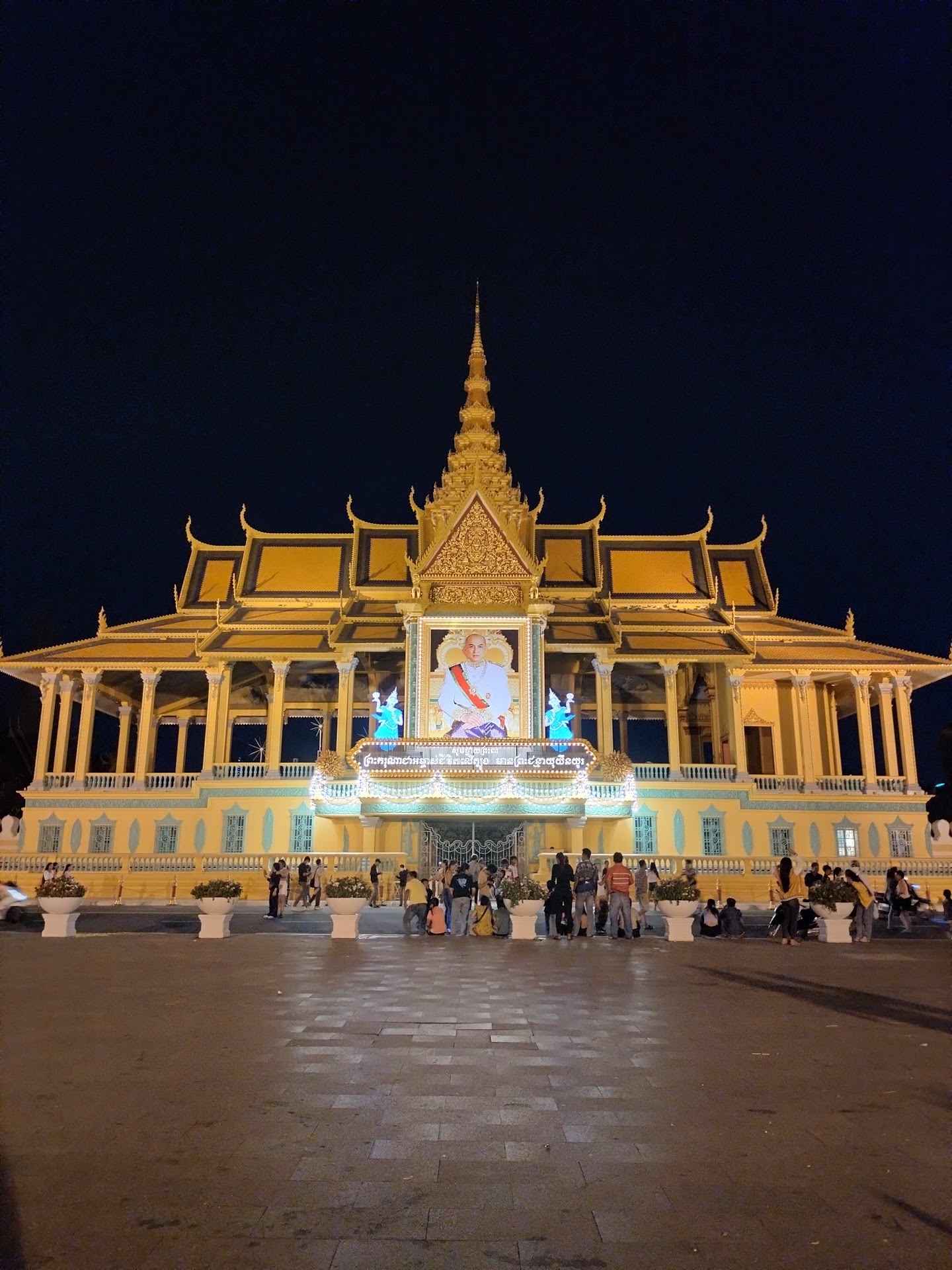
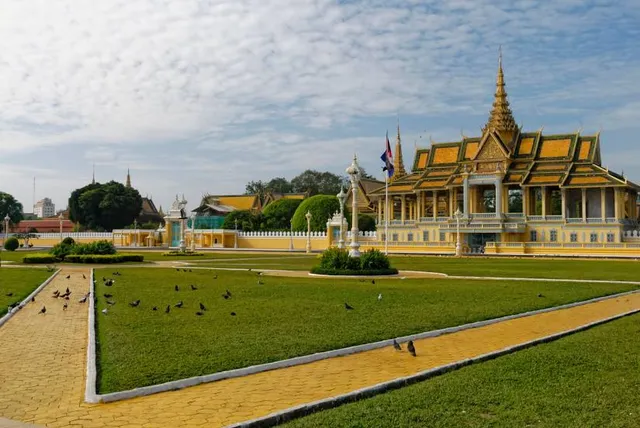
Royal Palace Park
HW8J+3VX, Samdach Sothearos Blvd (3), Phnom Penh, Cambodia
4.5(2.3K)
Open until 12:00 AM
Save
spot
spot
Ratings & Description
Info
The Royal Palace Park, also known as Wales Park, Wace Park or Rajawasala Park, is a small park on top a small hill in the heart of the city of Kandy, that overlooks the Kandy Lake and most of the city.
Cultural
Outdoor
Family friendly
attractions: Royal Palace, National Museum of Cambodia, Silver Pagoda, Norodom Sihanouk Museum/Preah Reach Damnak Chan, Wat Botum Park, Wat Ounalom Monastery, Sisowath Riverside Park, Kid Garden Botumvtey, Riverside, មាត់ទន្លេសុខា, restaurants: Pizza 4P's 313 Quayside, Indigo Taste Of India, Pop Italian Restaurant, CHHMA Catfé, TUBE COFFEE Riverside, CoCo Bubble Tea (Royal palace), Masala Dosa Street Kitchen, David's Restaurant Homemade Noodles, Pink Elephant Happy Pizza, Marhaba Halal Restaurant, local businesses: Psar Kandal (ផ្សារកណ្តាល), Himawari Microbrewery, The Silk Route Bar, Statue of Sihanouk Norodom
 Learn more insights from Wanderboat AI.
Open hoursSee all hours
ThuOpen 24 hoursOpen
Plan your stay

Pet-friendly Hotels in Khan Daun Penh
Find a cozy hotel nearby and make it a full experience.

Affordable Hotels in Khan Daun Penh
Find a cozy hotel nearby and make it a full experience.

The Coolest Hotels You Haven't Heard Of (Yet)
Find a cozy hotel nearby and make it a full experience.

Trending Stays Worth the Hype in Khan Daun Penh
Find a cozy hotel nearby and make it a full experience.
Reviews
Live events
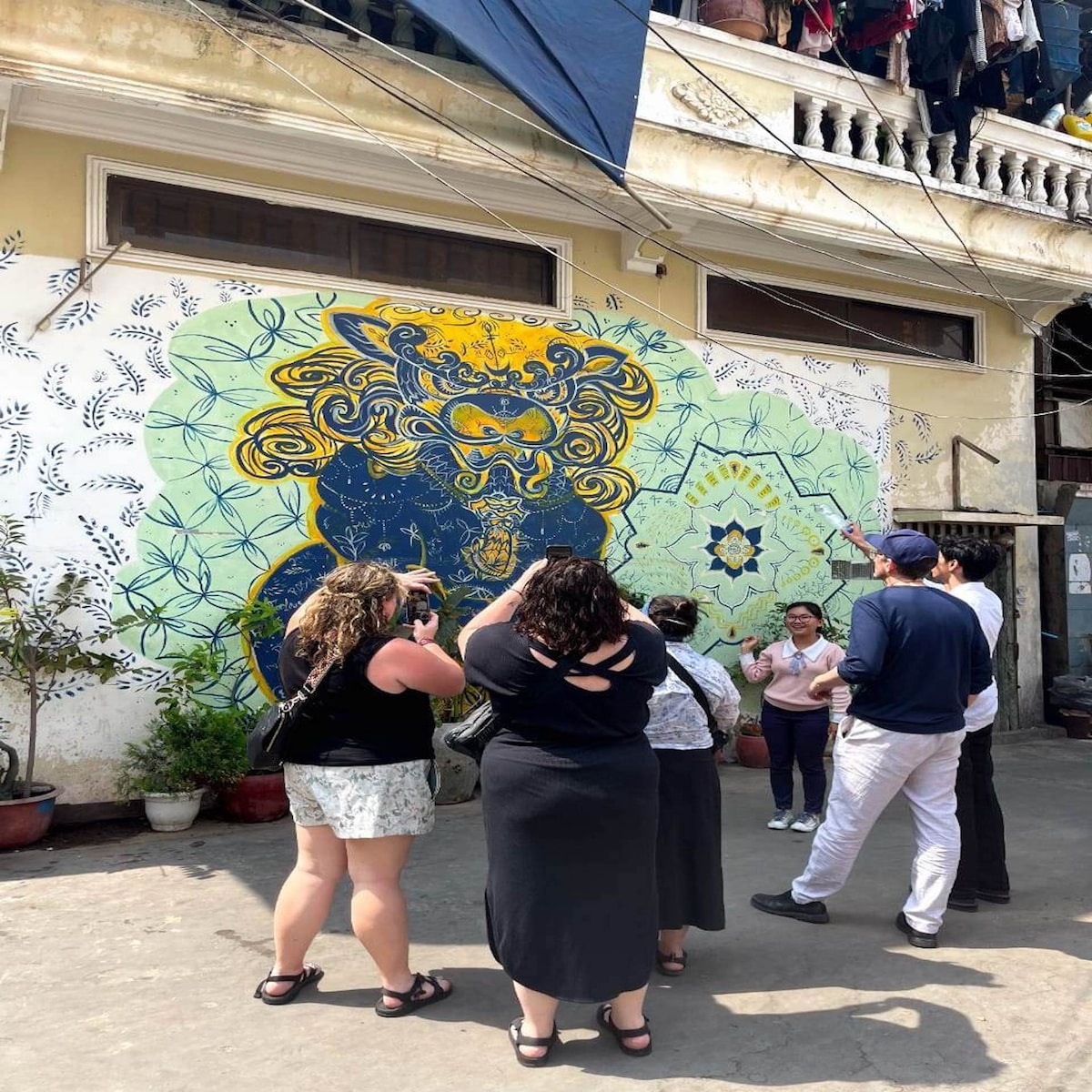
Phnom Penh Morning Market & Street Art Tour
Thu, Feb 26 • 8:30 AM
Phnom Penh, Phnom Penh 120211, Cambodia
View details
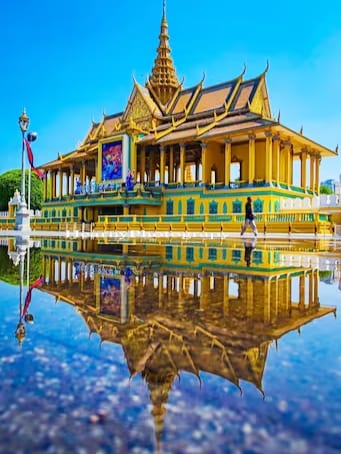
Walking Highlight City Tour
Sat, Feb 28 • 8:00 AM
Phnom Penh, Phnom Penh -, Cambodia
View details
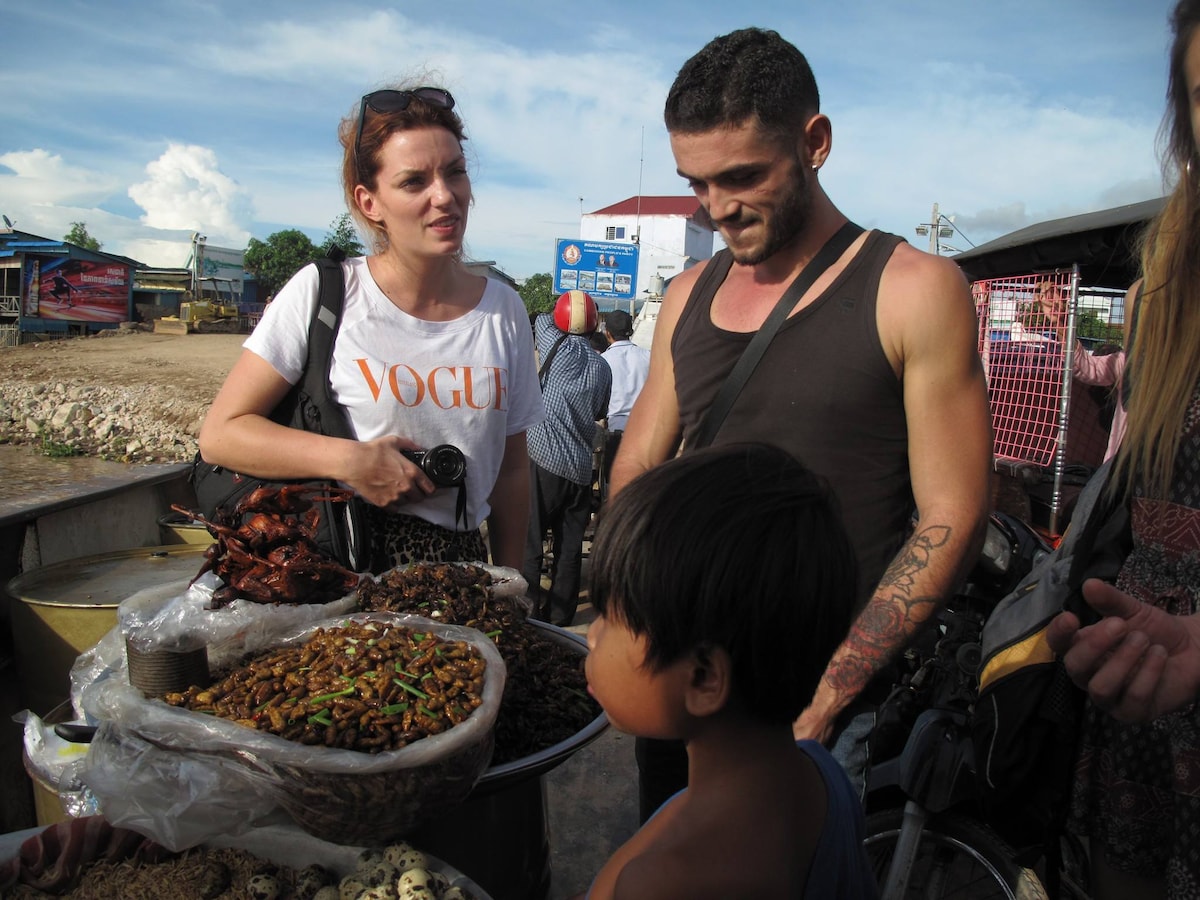
Phnom Penhs Khmer Cooking Escape Across the River
Sat, Feb 28 • 4:00 PM
Phnom Penh, Phnom Penh , Cambodia
View details
Nearby attractions of Royal Palace Park
Royal Palace
National Museum of Cambodia
Silver Pagoda
Norodom Sihanouk Museum/Preah Reach Damnak Chan
Wat Botum Park
Wat Ounalom Monastery
Sisowath Riverside Park
Kid Garden Botumvtey
Riverside
មាត់ទន្លេសុខា
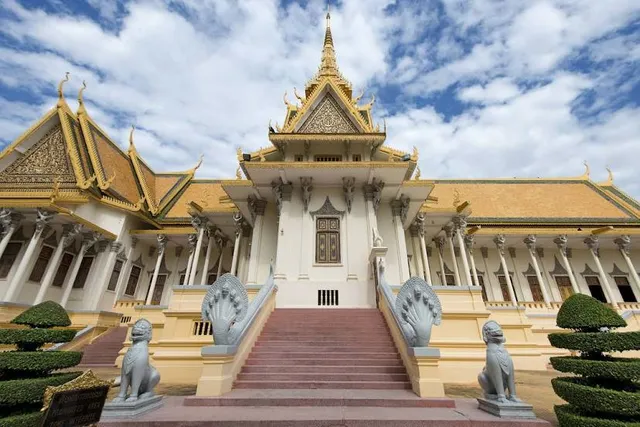
Royal Palace
4.3
(5.2K)
Closed
Click for details
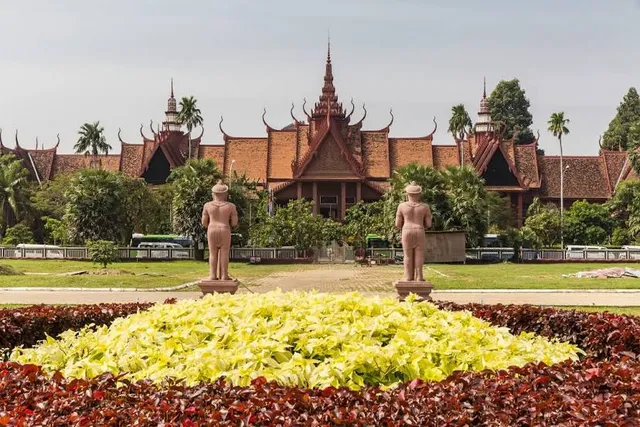
National Museum of Cambodia
4.2
(3K)
Closed
Click for details
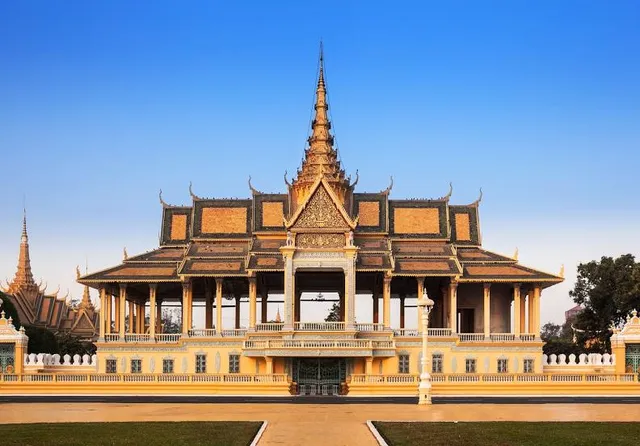
Silver Pagoda
4.4
(1.1K)
Closed
Click for details
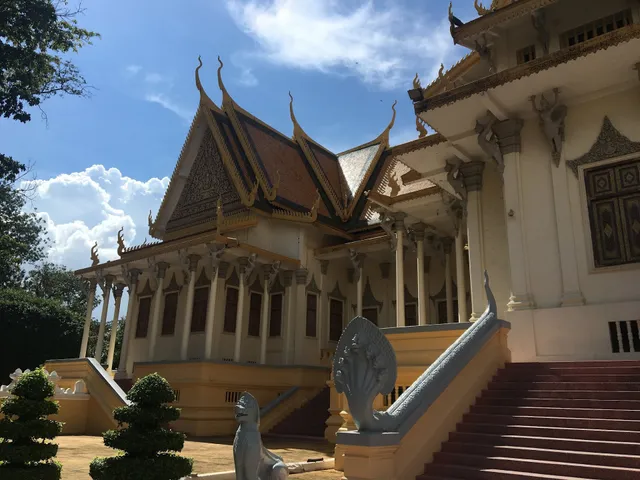
Norodom Sihanouk Museum/Preah Reach Damnak Chan
4.2
(34)
Open 24 hours
Click for details
Nearby restaurants of Royal Palace Park
Pizza 4P's 313 Quayside
Indigo Taste Of India
Pop Italian Restaurant
CHHMA Catfé
TUBE COFFEE Riverside
CoCo Bubble Tea (Royal palace)
Masala Dosa Street Kitchen
David's Restaurant Homemade Noodles
Pink Elephant Happy Pizza
Marhaba Halal Restaurant
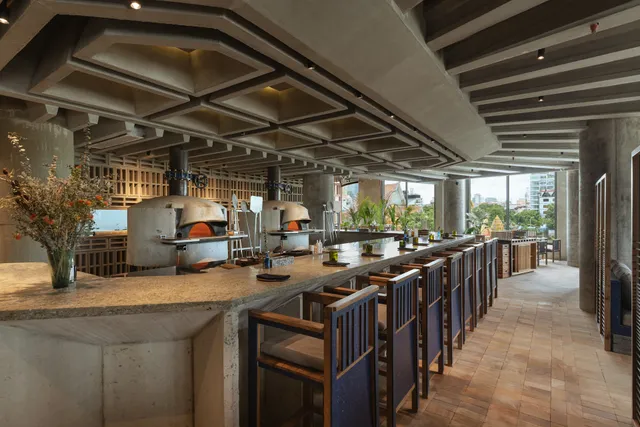
Pizza 4P's 313 Quayside
4.9
(4.6K)
$
Closed
Click for details
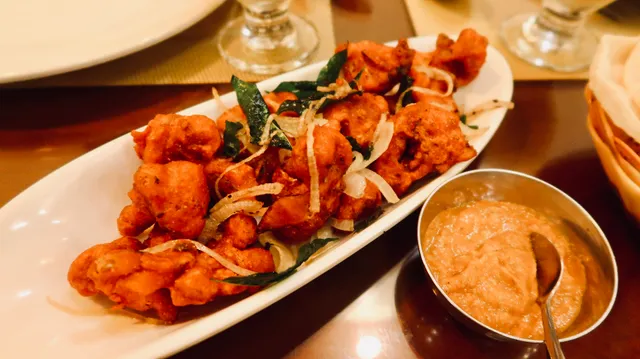
Indigo Taste Of India
4.5
(237)
Closed
Click for details
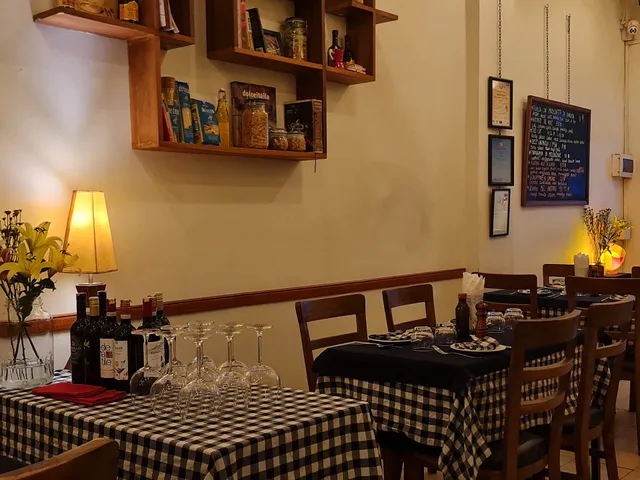
Pop Italian Restaurant
4.5
(155)
$$
Closed
Click for details
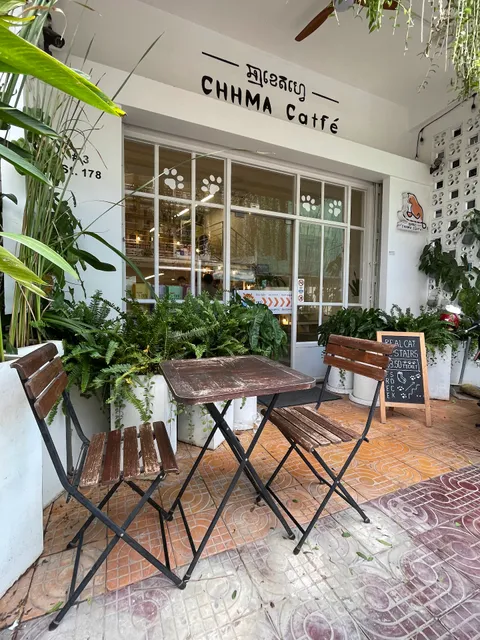
CHHMA Catfé
4.6
(279)
Closed
Click for details
Nearby local services of Royal Palace Park
Psar Kandal (ផ្សារកណ្តាល)
Himawari Microbrewery
The Silk Route Bar
Statue of Sihanouk Norodom
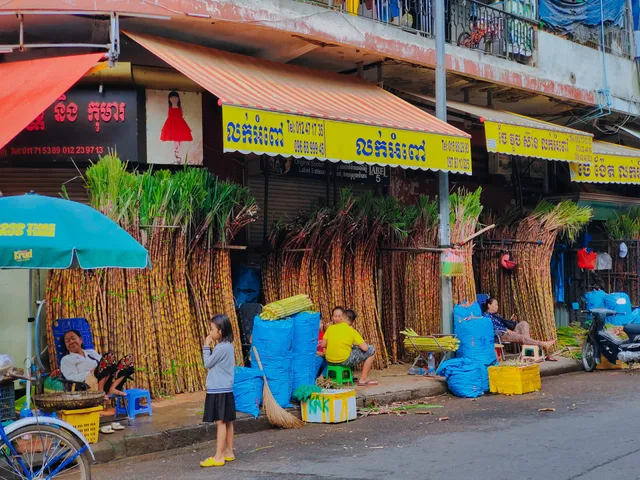
Psar Kandal (ផ្សារកណ្តាល)
4.4
(141)
Click for details
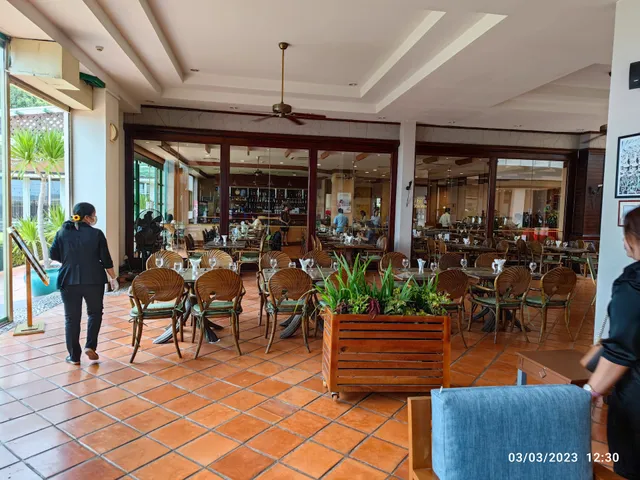
Himawari Microbrewery
4.2
(166)
Click for details
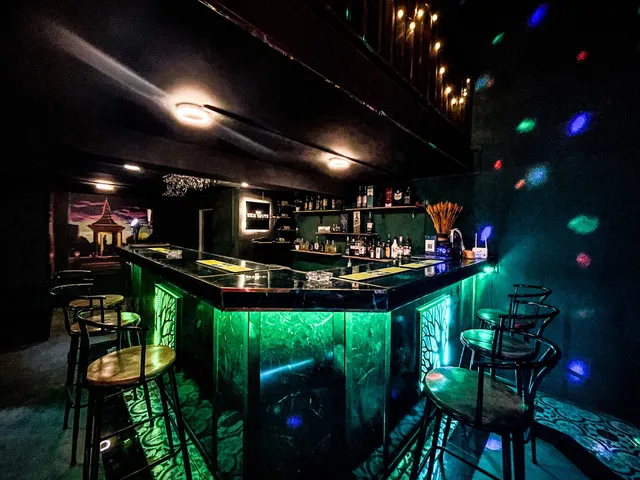
The Silk Route Bar
4.5
(22)
Click for details
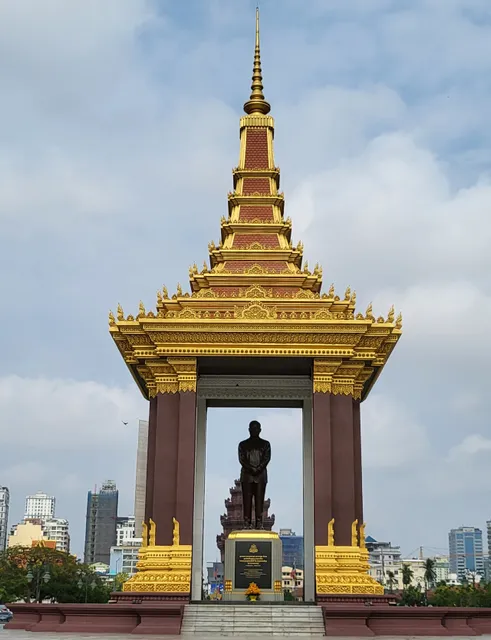
Statue of Sihanouk Norodom
4.6
(837)
Click for details