Fort Calgary things to do, attractions, restaurants, events info and trip planning
Basic Info
Fort Calgary
750 9 Ave SE, Calgary, AB T2G 5E1, Canada
4.3(1.1K)
Closed


tickets
Save
spot
spot
Ratings & Description
Info
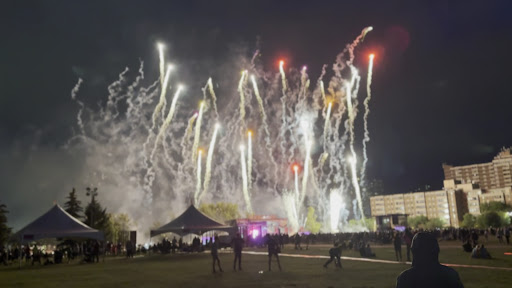
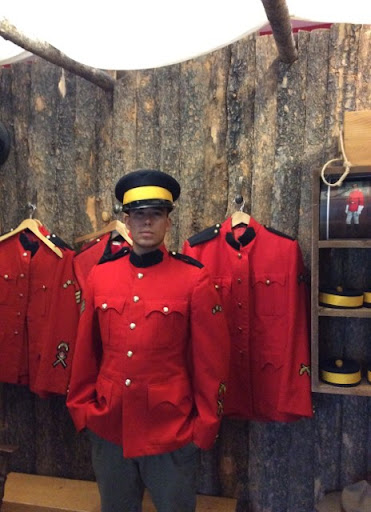
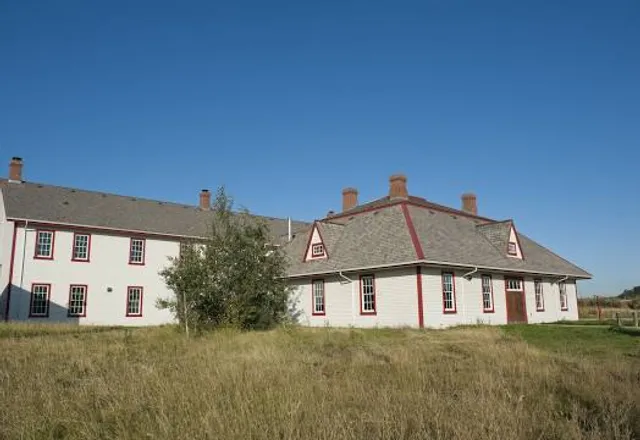
Fort Calgary was a North-West Mounted Police outpost at the confluence of the Bow and Elbow rivers in present-day Calgary, Alberta, Canada. Originally named Fort Brisebois, after the outpost's first commander, the outpost was renamed Fort Calgary in June 1876.
Cultural
Family friendly
Accessibility
attractions: Hunt House, Calgary Riverwalk, Esker Foundation, Studio Bell, home of the National Music Centre, 5th Street Square, Calgary Public Library - Central, Sam Centre, ENMAX Park, Cowboys Casino, Moonstone Creation, restaurants: Deane House, Joodam, Apprentice Cafe, Cafe Gravity, The Hose and Hound Neighbourhood Pub, Red's Diner in Ramsay, charbar, T2722 Luxury Barista Experience, Chix Eggshop, NUPO, local businesses: St. Patrick's Island Park, The Apothecary in Inglewood, TUU by COUTUKITSCH, St Patrick's Island, St. Patrick's Island, IGLESIA NI CRISTO [Calgary District Office] - Downtown, George C. King Bridge, Lina's, Italian Piazza, Connie & John's Pizza, East Calgary General Store
 Learn more insights from Wanderboat AI.
Phone
+1 587-288-1406
Website
theconfluence.ca
Open hoursSee all hours
Sat11 AM - 4 PMClosed
Plan your stay

Pet-friendly Hotels in Calgary
Find a cozy hotel nearby and make it a full experience.

Affordable Hotels in Calgary
Find a cozy hotel nearby and make it a full experience.

The Coolest Hotels You Haven't Heard Of (Yet)
Find a cozy hotel nearby and make it a full experience.

Trending Stays Worth the Hype in Calgary
Find a cozy hotel nearby and make it a full experience.
Reviews
Live events
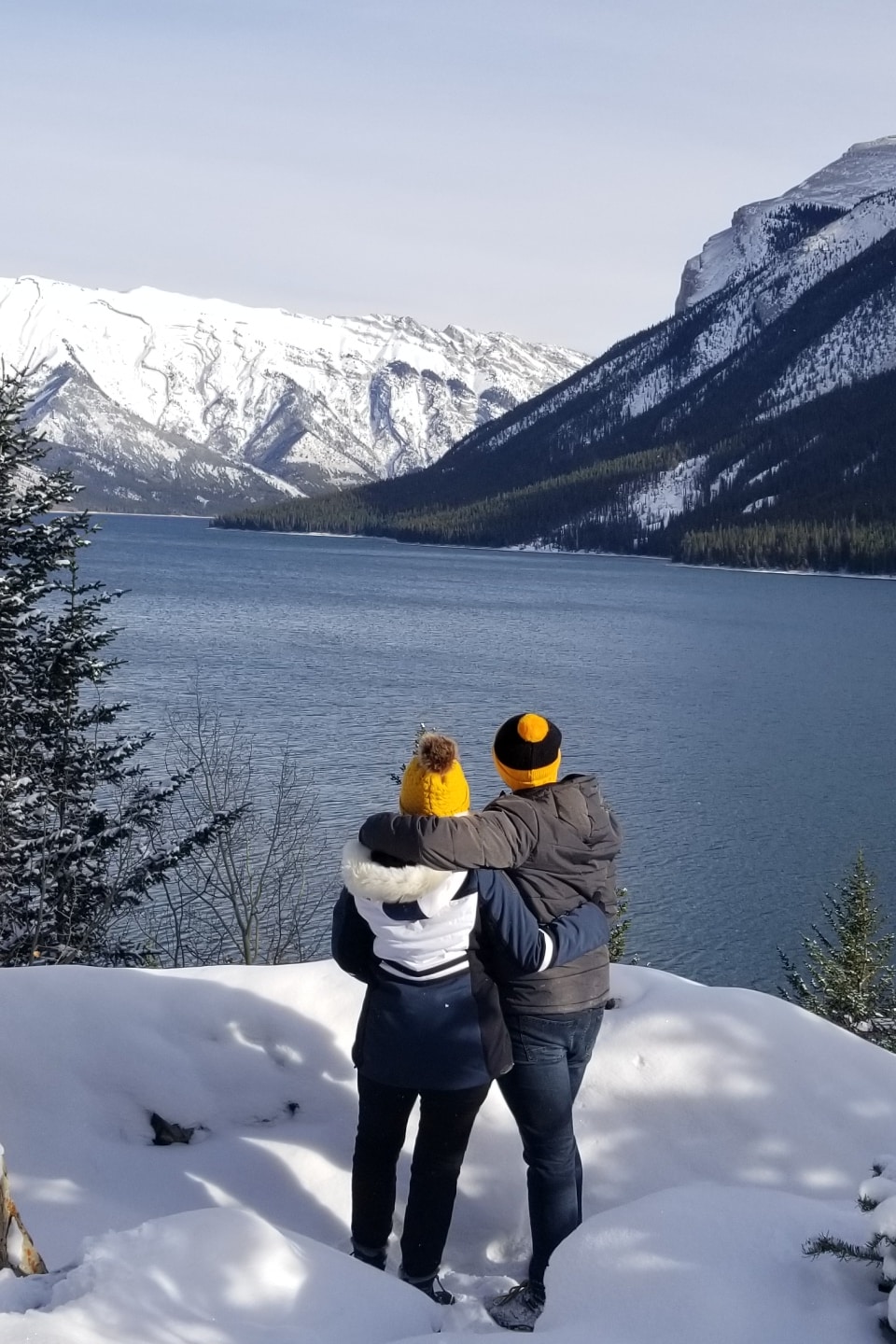
Banff: Lakes, Mountains & Glaciers
Sat, Feb 21 • 7:00 AM
Calgary, Alberta, T2G 1S6, Canada
View details
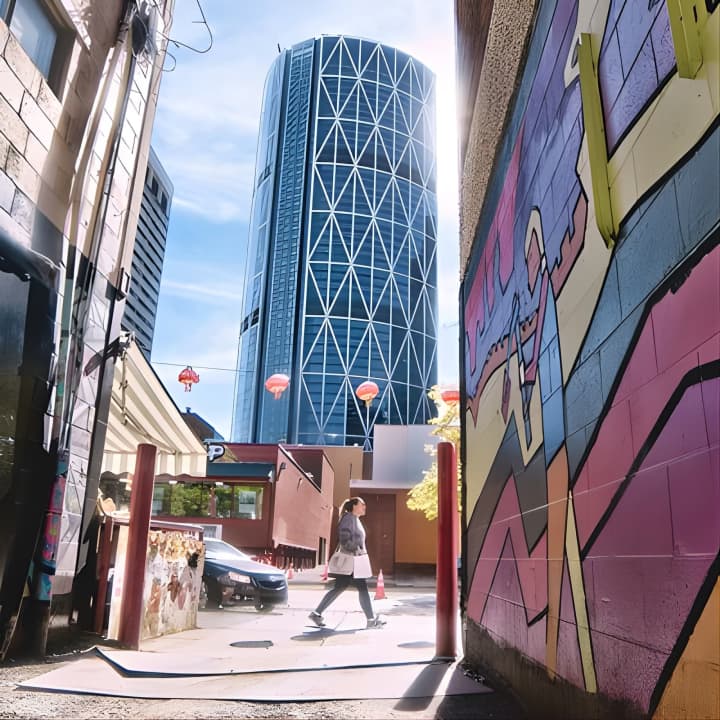
3-Hour Street Art Tour of Calgary with Craft Beer Tastings
Sat, Feb 21 • 1:00 PM
151 8 Avenue Southwest, Calgary, T2P 1M9
View details
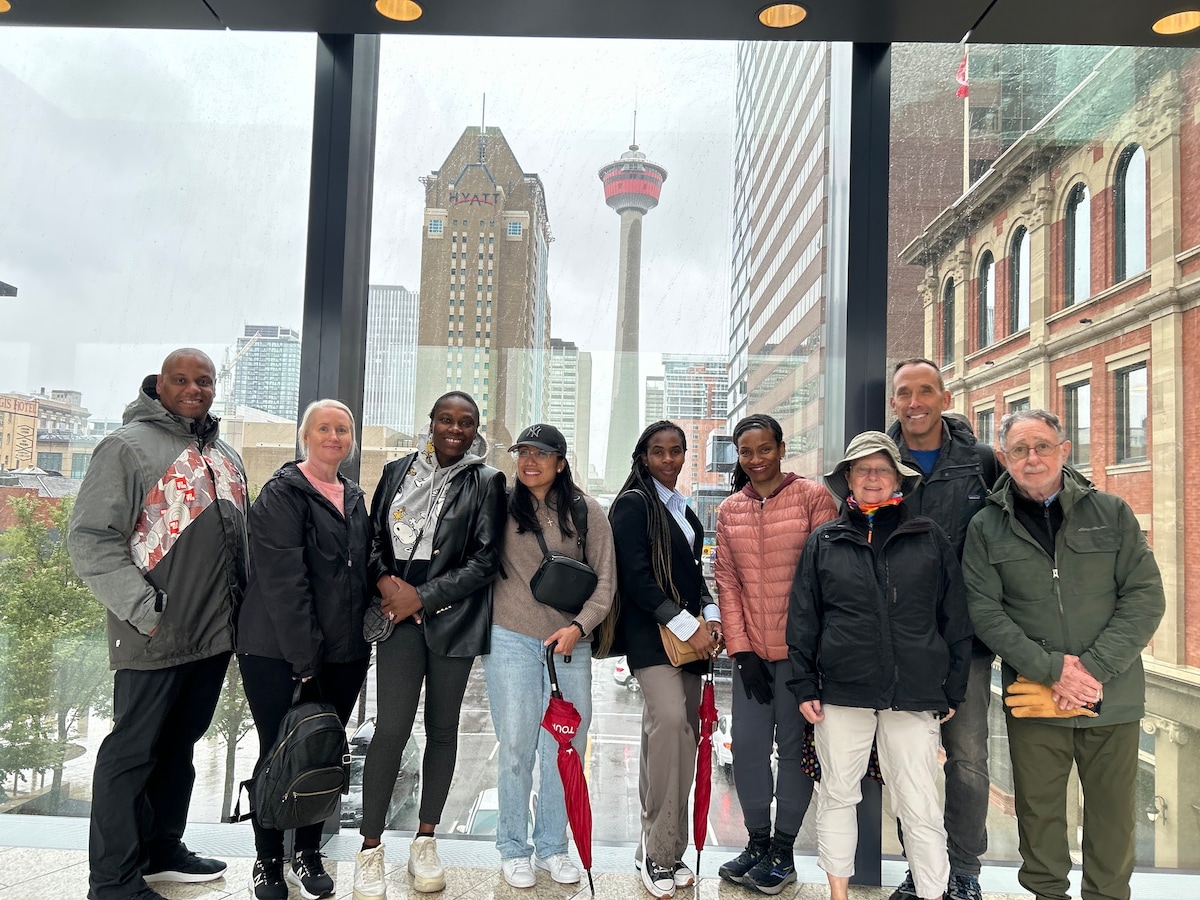
City Highlights Walking Tour of Downtown Calgary
Thu, Feb 26 • 9:00 AM
Calgary, Alberta, T2P 3H9, Canada
View details
Nearby attractions of Fort Calgary
Hunt House
Calgary Riverwalk
Esker Foundation
Studio Bell, home of the National Music Centre
5th Street Square
Calgary Public Library - Central
Sam Centre
ENMAX Park
Cowboys Casino
Moonstone Creation
Hunt House
4.2
(14)
Open 24 hours
Click for details
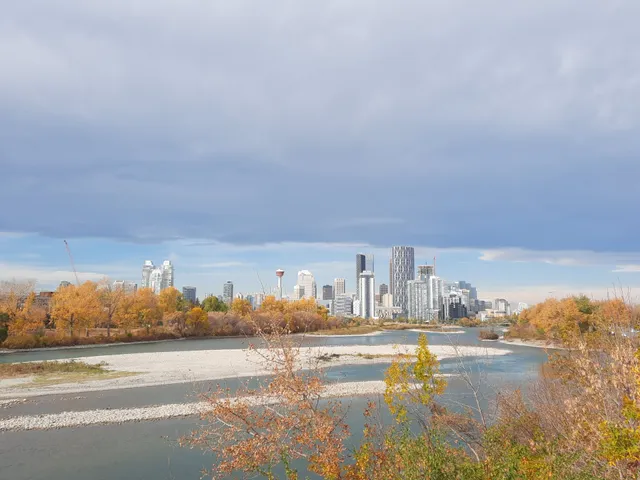
Calgary Riverwalk
4.8
(17)
Open until 12:00 AM
Click for details

Esker Foundation
4.8
(267)
Closed
Click for details
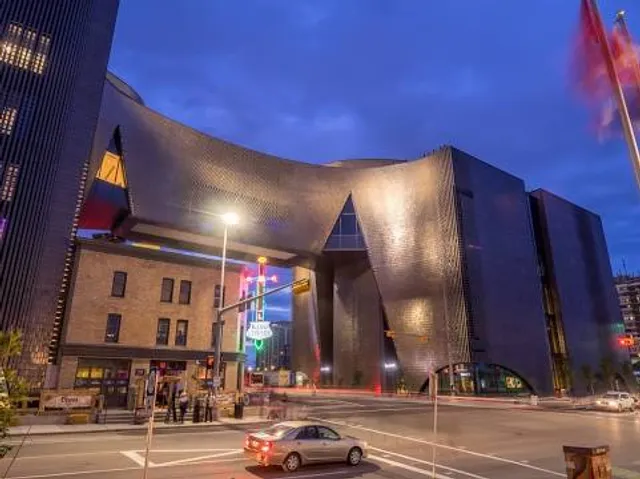
Studio Bell, home of the National Music Centre
4.6
(1.4K)
Closed
Click for details
Nearby restaurants of Fort Calgary
Deane House
Joodam
Apprentice Cafe
Cafe Gravity
The Hose and Hound Neighbourhood Pub
Red's Diner in Ramsay
charbar
T2722 Luxury Barista Experience
Chix Eggshop
NUPO
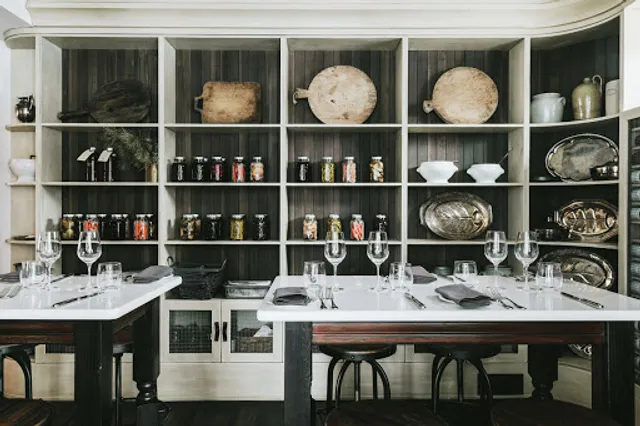
Deane House
4.4
(535)
$$$
Closed
Click for details
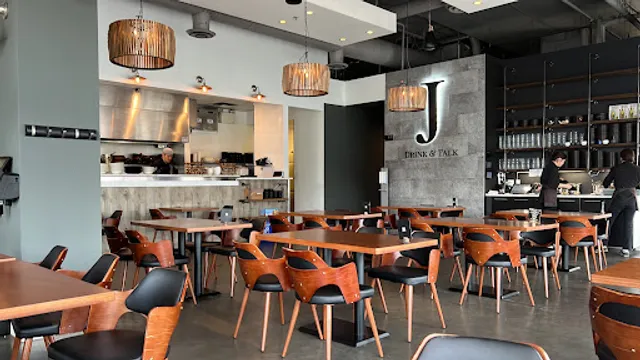
Joodam
4.7
(216)
Closed
Click for details
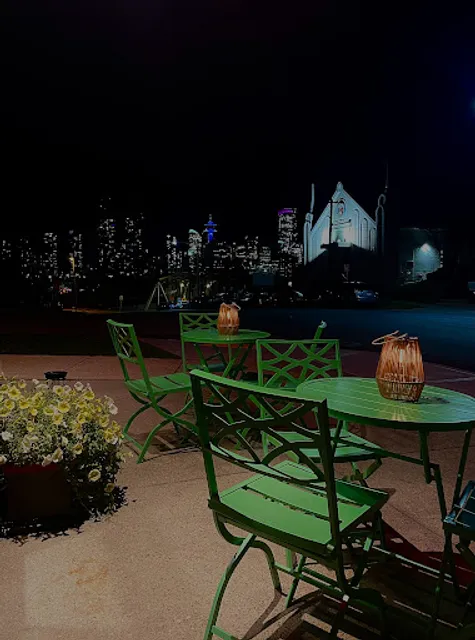
Apprentice Cafe
4.9
(208)
Closed
Click for details
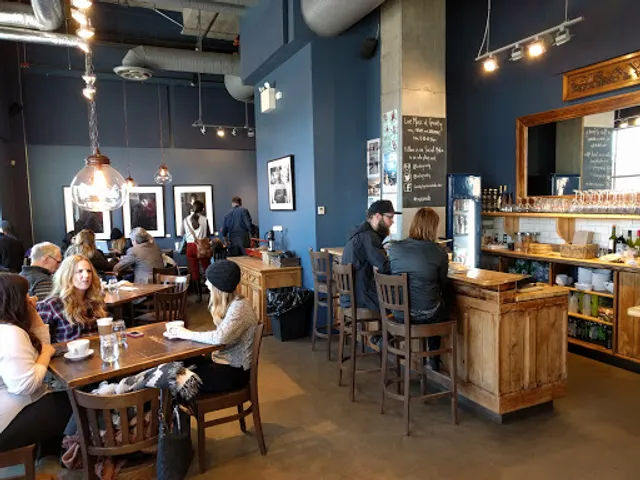
Cafe Gravity
4.6
(503)
Closed
Click for details
Nearby local services of Fort Calgary
St. Patrick's Island Park
The Apothecary in Inglewood
TUU by COUTUKITSCH
St Patrick's Island
St. Patrick's Island
IGLESIA NI CRISTO [Calgary District Office] - Downtown
George C. King Bridge
Lina's, Italian Piazza
Connie & John's Pizza
East Calgary General Store
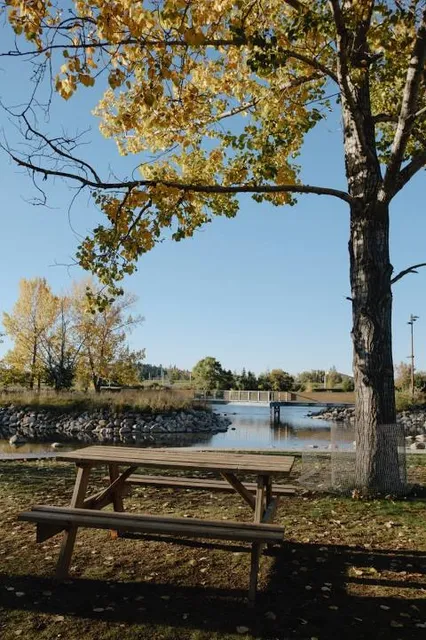
St. Patrick's Island Park
4.7
(355)
Click for details
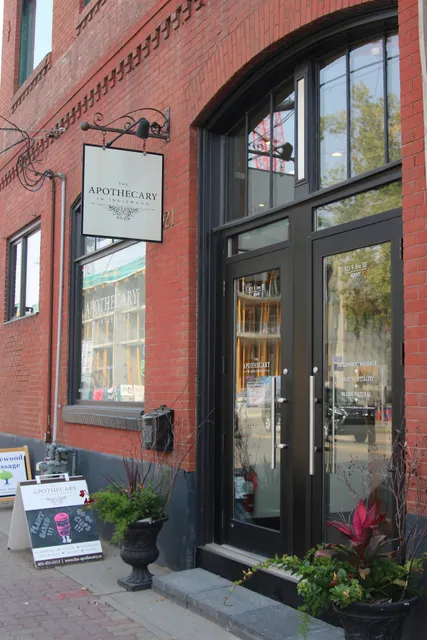
The Apothecary in Inglewood
4.7
(219)
Click for details
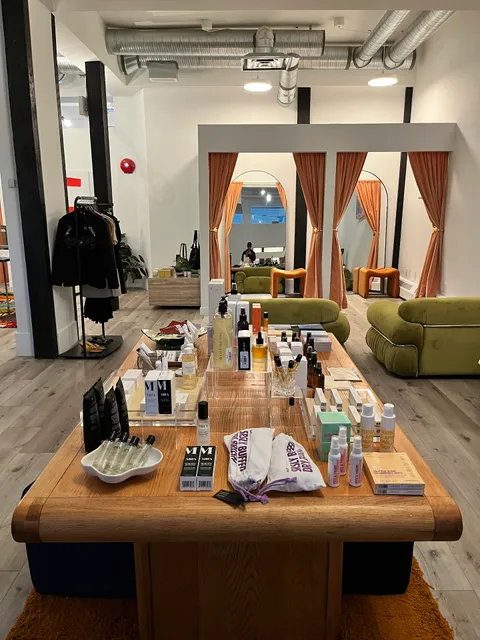
TUU by COUTUKITSCH
4.8
(35)
Click for details
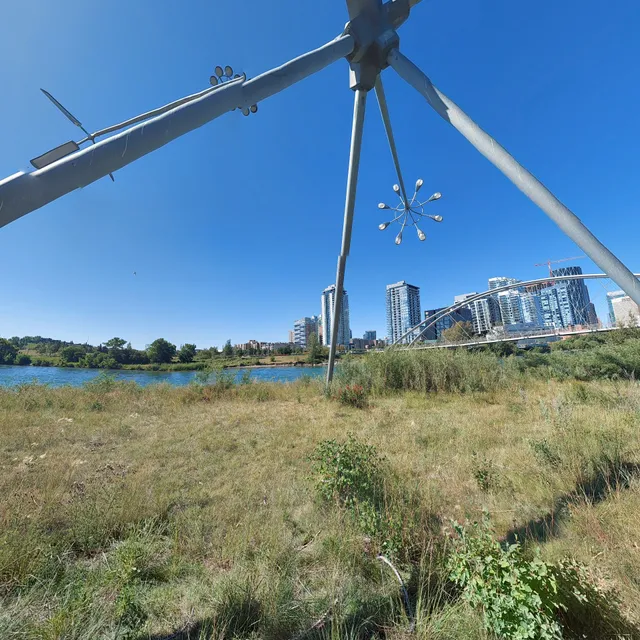
St Patrick's Island
4.7
(53)
Click for details