Fort York National Historic Site things to do, attractions, restaurants, events info and trip planning
Basic Info
Fort York National Historic Site
250 Fort York Blvd, Toronto, ON M5V 3K9
4.5(1.2K)
Open until 12:00 AM
Save
spot
spot
Ratings & Description
Info
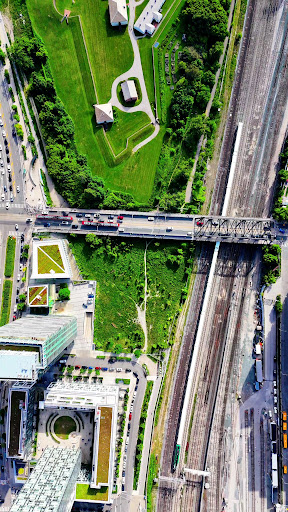
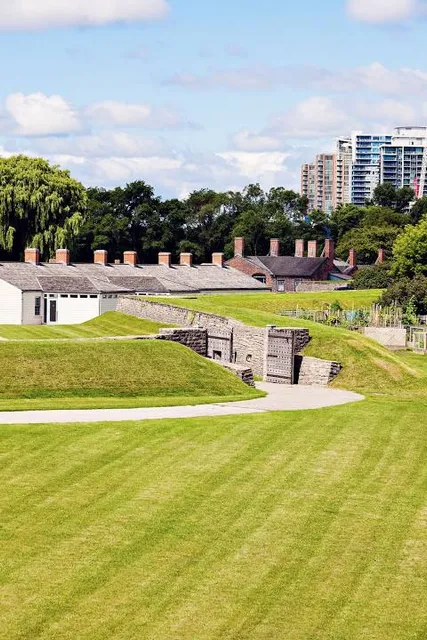
Fort York is an early 19th-century military fortification in the Fort York neighbourhood of Toronto, Ontario, Canada. The fort was used to house members of the British and Canadian militaries, and to defend the entrance of the Toronto Harbour.
Cultural
Family friendly
Accessibility
attractions: The Bentway, Garrison Common, Fort York Visitor Centre, Canoe Landing Park, Coronation Park, Stanley Park, Queen's Wharf Lighthouse, Little Norway Park, Coronation Dog Park, Arcadia Earth Toronto, restaurants: clubhouse @ STACKT market, Sundays Pasta Lab, The Old York Tavern, Milky's Cloud Room, Parisco Cafe, Edulis Restaurant, Farm Boy, WingsUp! Toronto - Bathurst, Roywoods, Kettlemans Bagel, local businesses: Navs Grocery, 39 Niagara, Sir Isaac Brock Bridge (also known as the Bathurst Street Bridge), The Queen's York Rangers Museum, Flora Lounge, TD Canada Trust Branch and ATM, 44 Toronto, Exhibition Place, Busy Bee King Mart, Little Basket
 Learn more insights from Wanderboat AI.
Phone
(416) 392-6907
Website
toronto.ca
Open hoursSee all hours
TueClosedOpen
Plan your stay

Pet-friendly Hotels in Toronto
Find a cozy hotel nearby and make it a full experience.

Affordable Hotels in Toronto
Find a cozy hotel nearby and make it a full experience.

The Coolest Hotels You Haven't Heard Of (Yet)
Find a cozy hotel nearby and make it a full experience.

Trending Stays Worth the Hype in Toronto
Find a cozy hotel nearby and make it a full experience.
Reviews
Live events

Monet: The Immersive Experience
Fri, Feb 27 • 10:00 AM
30 Hanover Rd, North York, M3K 0E2
View details

Valentine’s Tufting Workshop for Two: Create Your Own Rug
Tue, Feb 24 • 10:30 AM
4789 Yonge St Unit 1020, M2N 0G3
View details

Pursuit OCR: Ultimate Indoor Adventure!
Tue, Feb 24 • 2:00 PM
75 Westmore Dr Unit A, Etobicoke, M9V 3Y6
View details
Nearby attractions of Fort York National Historic Site
The Bentway
Garrison Common
Fort York Visitor Centre
Canoe Landing Park
Coronation Park
Stanley Park
Queen's Wharf Lighthouse
Little Norway Park
Coronation Dog Park
Arcadia Earth Toronto
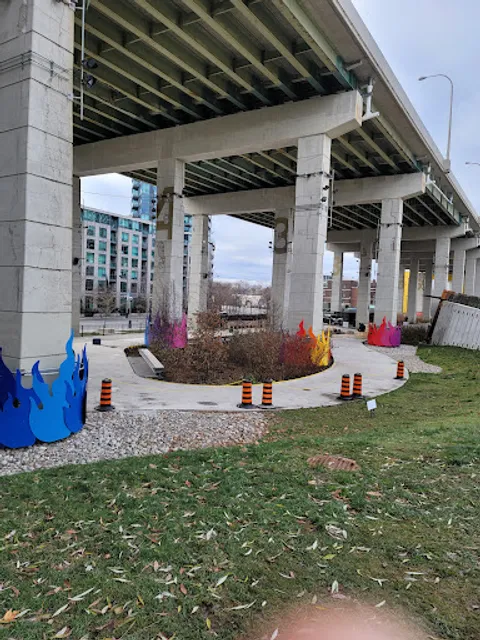
The Bentway
4.6
(939)
Closed
Click for details
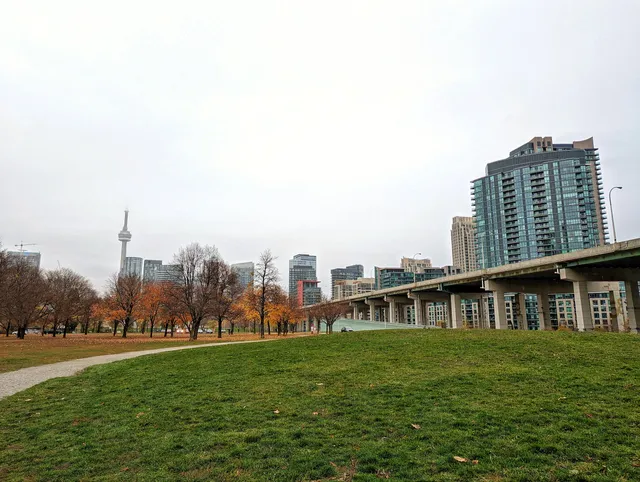
Garrison Common
4.4
(390)
Open until 12:00 AM
Click for details
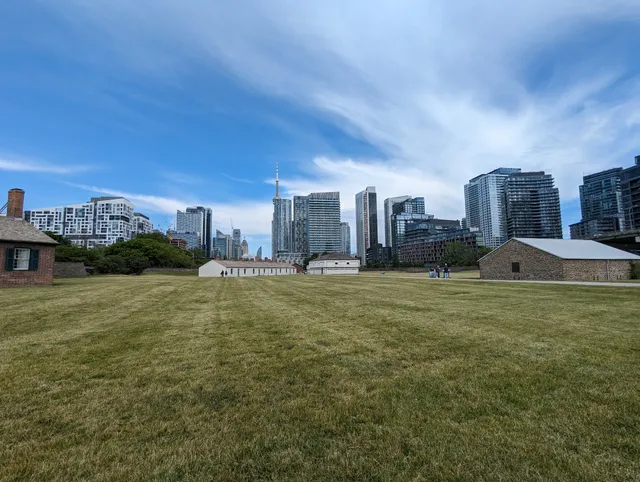
Fort York Visitor Centre
5.0
(18)
Open until 12:00 AM
Click for details
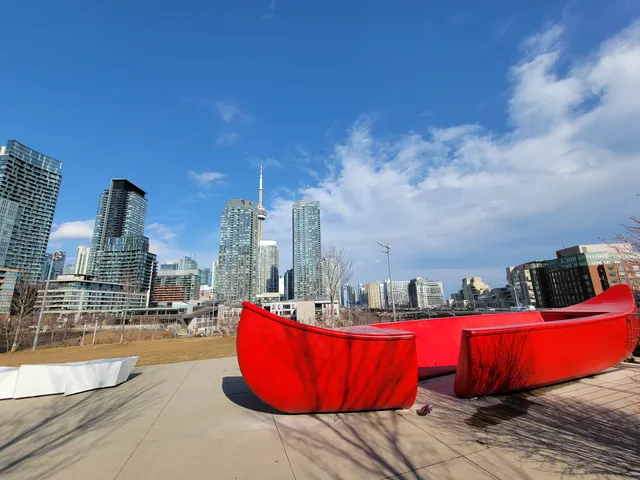
Canoe Landing Park
4.5
(629)
Closed
Click for details
Nearby restaurants of Fort York National Historic Site
clubhouse @ STACKT market
Sundays Pasta Lab
The Old York Tavern
Milky's Cloud Room
Parisco Cafe
Edulis Restaurant
Farm Boy
WingsUp! Toronto - Bathurst
Roywoods
Kettlemans Bagel
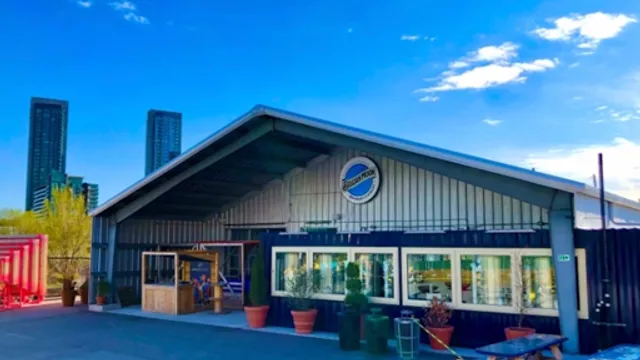
clubhouse @ STACKT market
4.1
(272)
Open until 12:00 AM
Click for details

Sundays Pasta Lab
4.8
(166)
Click for details
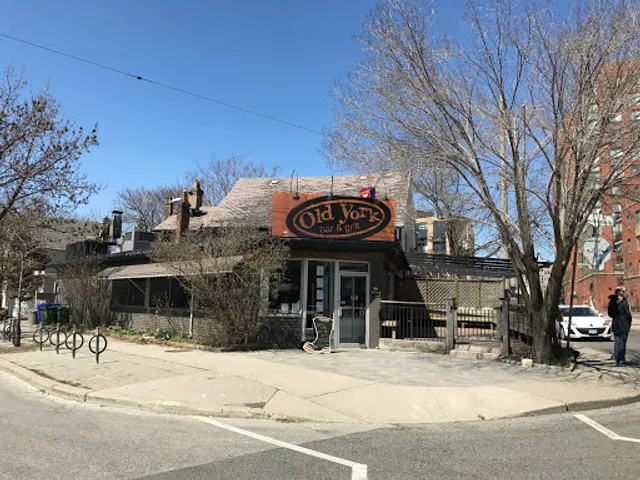
The Old York Tavern
4.5
(480)
Closed
Click for details
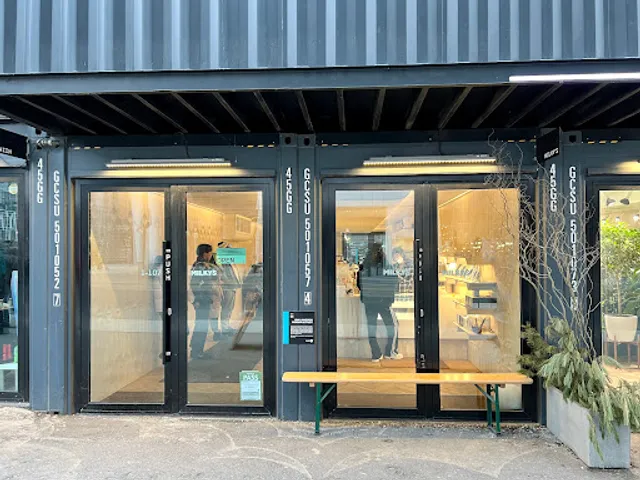
Milky's Cloud Room
4.2
(138)
Closed
Click for details
Nearby local services of Fort York National Historic Site
Navs Grocery
39 Niagara
Sir Isaac Brock Bridge (also known as the Bathurst Street Bridge)
The Queen's York Rangers Museum
Flora Lounge
TD Canada Trust Branch and ATM
44 Toronto
Exhibition Place
Busy Bee King Mart
Little Basket
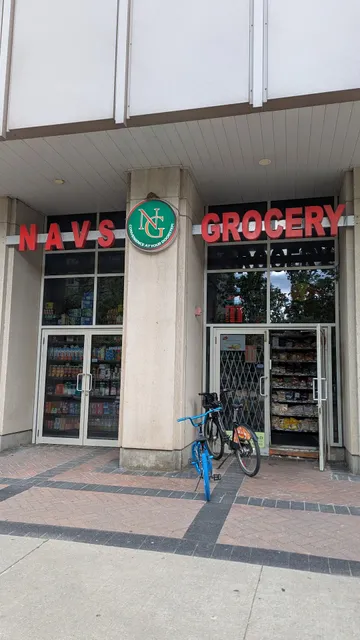
Navs Grocery
4.4
(310)
Click for details
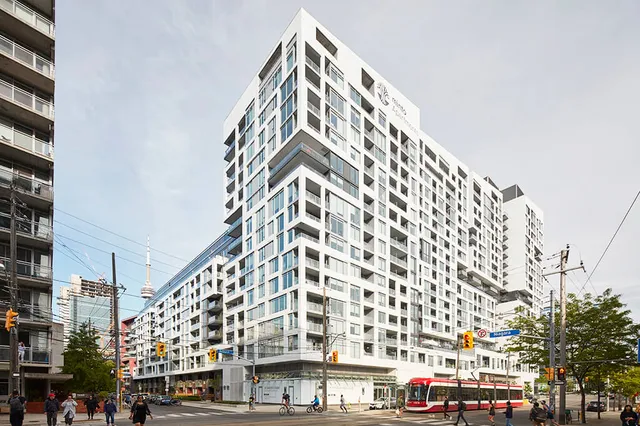
39 Niagara
4.7
(298)
Click for details
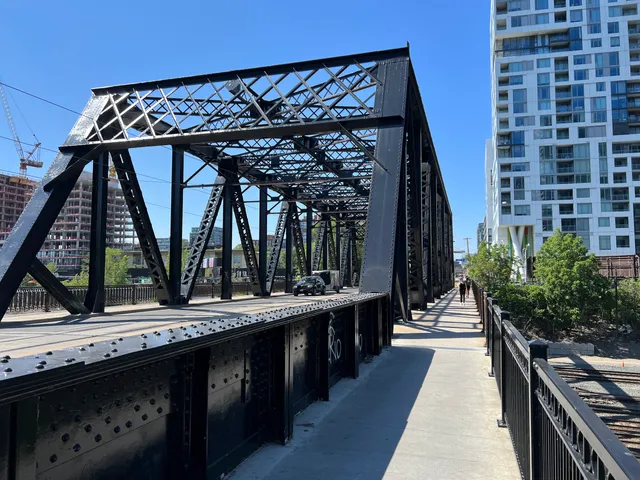
Sir Isaac Brock Bridge (also known as the Bathurst Street Bridge)
4.6
(51)
Click for details
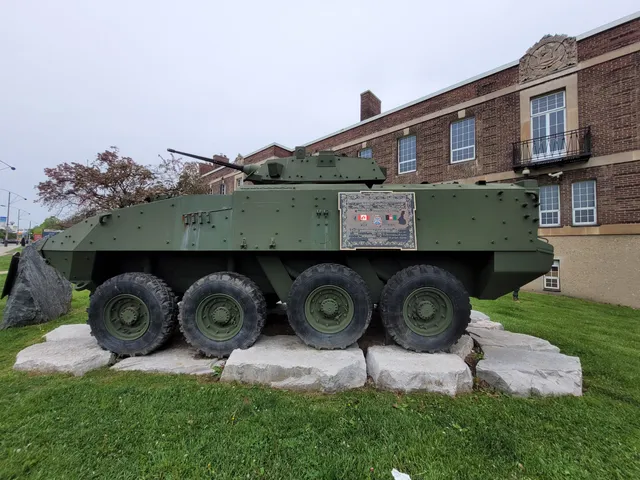
The Queen's York Rangers Museum
4.6
(74)
Click for details