Osgoode Hall things to do, attractions, restaurants, events info and trip planning
Basic Info
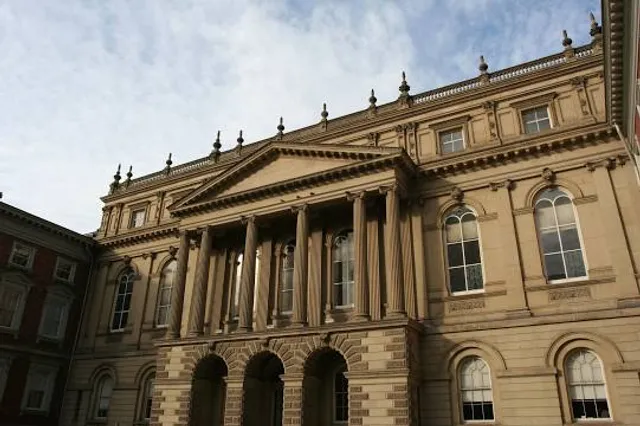
Osgoode Hall
130 Queen St W, Toronto, ON M5H 2N6, Canada
4.7(215)
Closed
Save
spot
spot
Ratings & Description
Info
Cultural
Accessibility
attractions: Toronto Sign, Toronto City Hall, Four Seasons Centre for the Performing Arts, Campbell House Museum, Niagara Falls Boat Ride and Tours Canada, Nathan Phillips Square, Textile Museum of Canada, Toronto Old City Hall, Art Gallery of Ontario, Yonge-Dundas Square, restaurants: Columbus Café, The Keg Steakhouse + Bar - York Street, Tacos De Princesa, Osgoode Hall Restaurant, Volos Greek Cuisine, PLANTA Queen, Gyubee Japanese Grill (Dundas), Little Anthony's, Ikkousha Ramen Toronto, eggspectation - Bay Street (Toronto), local businesses: Toronto Centre For Medical Imaging, Indigo - Toronto Eaton Centre, Queen Tour Niagara Falls Tours, CF Toronto Eaton Centre, Apple Eaton Centre, TouchBistro, First Canadian Place, Enigma Escape Room, 320 Bay Street - Permanent Building, Above Ground Art Supplies
 Learn more insights from Wanderboat AI.
Phone
+1 416-947-3300
Website
lso.ca
Open hoursSee all hours
Wed9 AM - 5 PMClosed
Plan your stay

Pet-friendly Hotels in Toronto
Find a cozy hotel nearby and make it a full experience.

Affordable Hotels in Toronto
Find a cozy hotel nearby and make it a full experience.

The Coolest Hotels You Haven't Heard Of (Yet)
Find a cozy hotel nearby and make it a full experience.

Trending Stays Worth the Hype in Toronto
Find a cozy hotel nearby and make it a full experience.
Reviews
Live events

Create a custom silver ring with a goldsmith
Thu, Feb 26 • 5:30 PM
Toronto, Ontario, M6J 0A8, Canada
View details
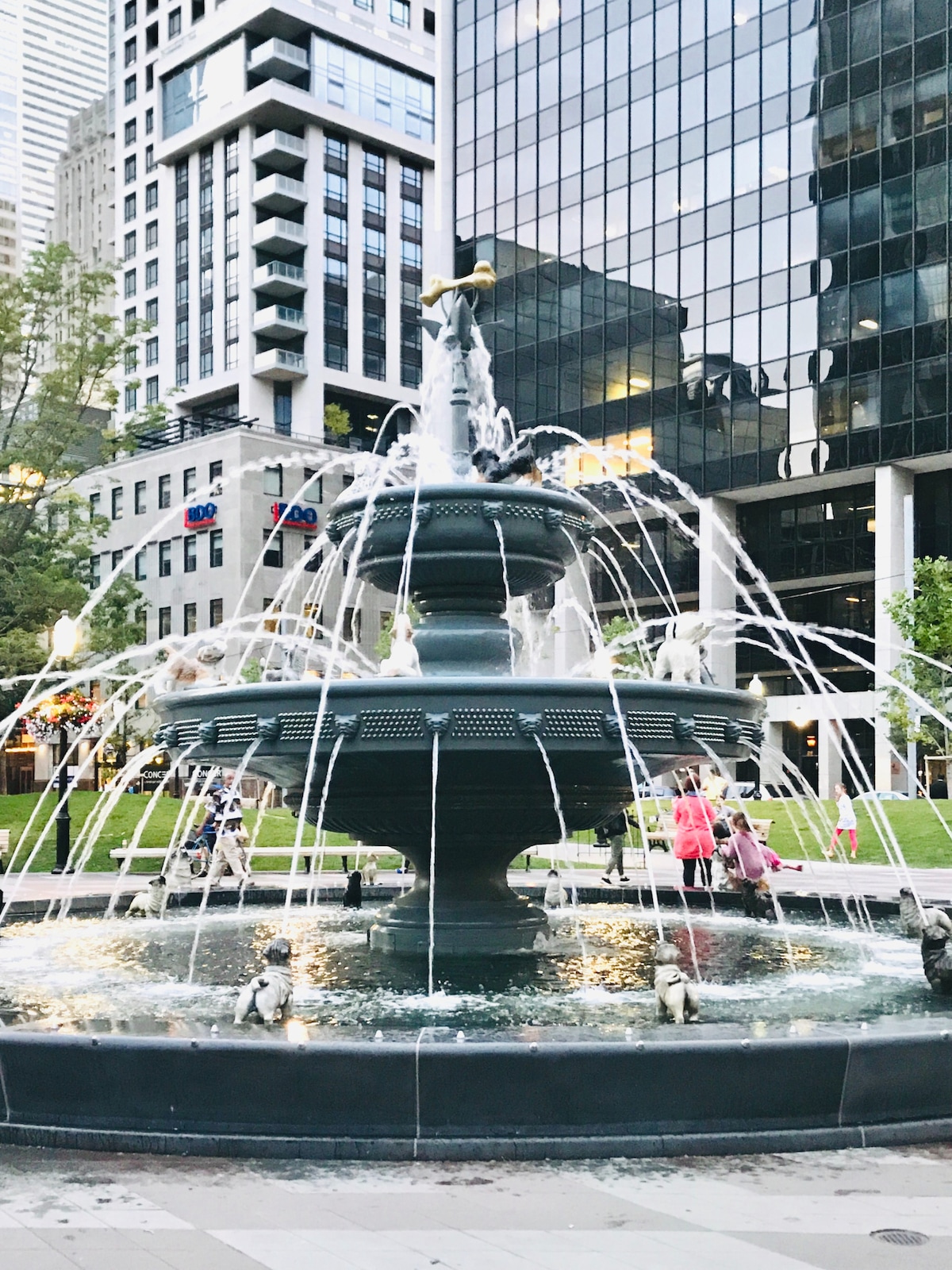
Show me the City
Sat, Feb 28 • 1:00 PM
Toronto, Ontario, M5J 1W9, Canada
View details
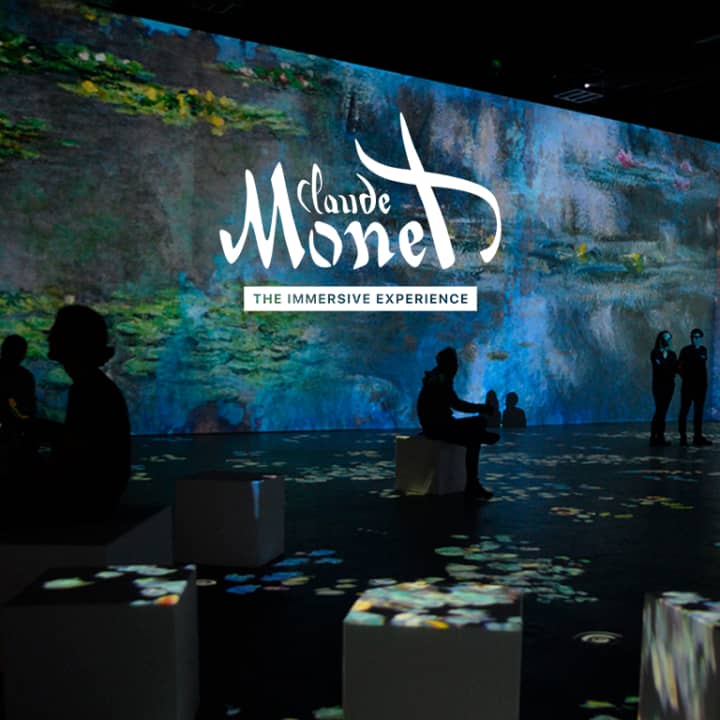
Monet: The Immersive Experience
Fri, Feb 27 • 10:00 AM
30 Hanover Rd, North York, M3K 0E2
View details
Nearby attractions of Osgoode Hall
Toronto Sign
Toronto City Hall
Four Seasons Centre for the Performing Arts
Campbell House Museum
Niagara Falls Boat Ride and Tours Canada
Nathan Phillips Square
Textile Museum of Canada
Toronto Old City Hall
Art Gallery of Ontario
Yonge-Dundas Square
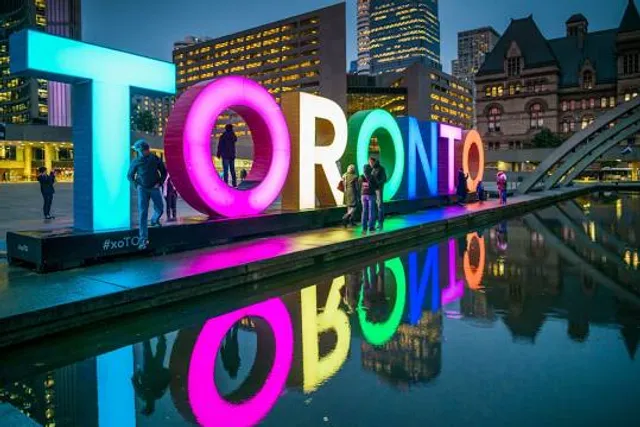
Toronto Sign
4.7
(7.1K)
Open until 12:00 AM
Click for details
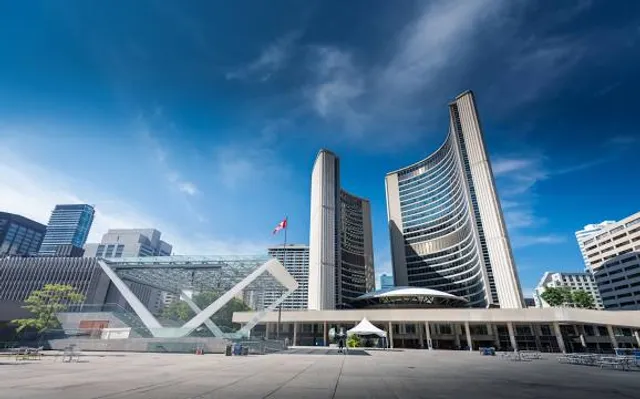
Toronto City Hall
4.4
(572)
Closed
Click for details
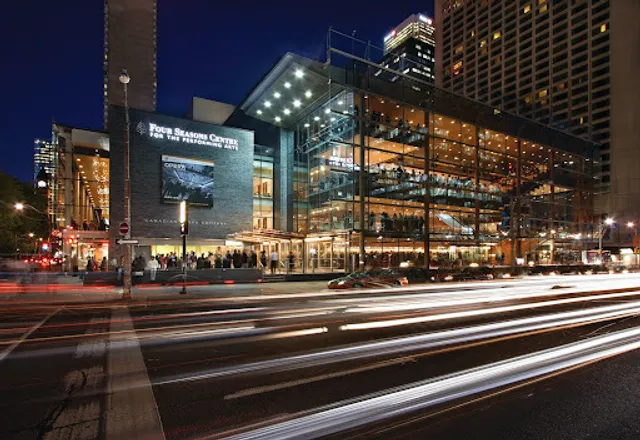
Four Seasons Centre for the Performing Arts
4.8
(193)
Open 24 hours
Click for details
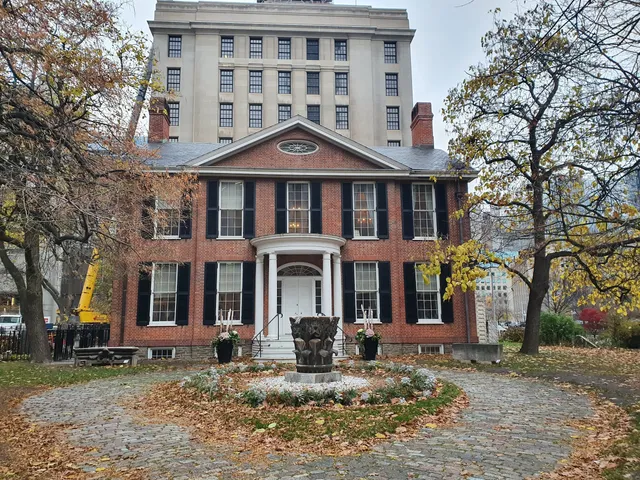
Campbell House Museum
4.5
(177)
Closed
Click for details
Nearby restaurants of Osgoode Hall
Columbus Café
The Keg Steakhouse + Bar - York Street
Tacos De Princesa
Osgoode Hall Restaurant
Volos Greek Cuisine
PLANTA Queen
Gyubee Japanese Grill (Dundas)
Little Anthony's
Ikkousha Ramen Toronto
eggspectation - Bay Street (Toronto)

Columbus Café
4.6
(7)
Open until 6:00 PM
Click for details
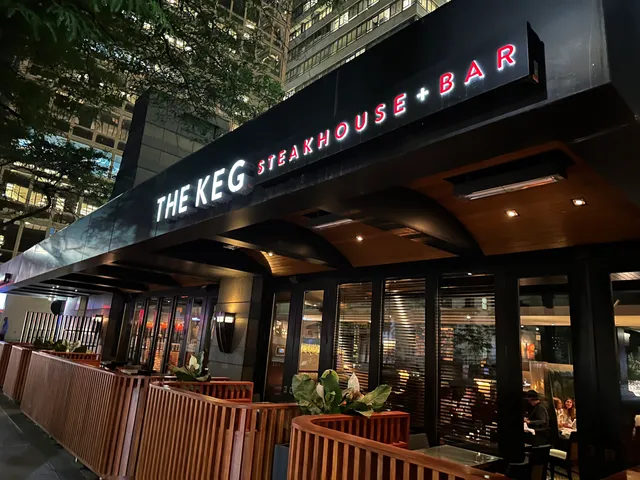
The Keg Steakhouse + Bar - York Street
4.5
(2.1K)
$$$
Closed
Click for details

Tacos De Princesa
4.9
(18)
Closed
Click for details
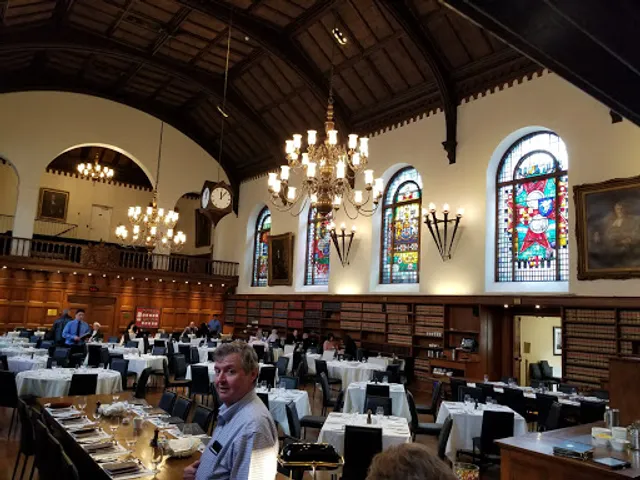
Osgoode Hall Restaurant
4.7
(73)
$$
Click for details
Nearby local services of Osgoode Hall
Toronto Centre For Medical Imaging
Indigo - Toronto Eaton Centre
Queen Tour Niagara Falls Tours
CF Toronto Eaton Centre
Apple Eaton Centre
TouchBistro
First Canadian Place
Enigma Escape Room
320 Bay Street - Permanent Building
Above Ground Art Supplies
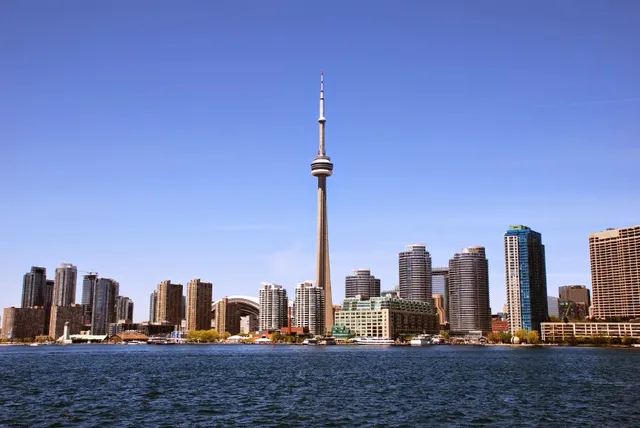
Toronto Centre For Medical Imaging
4.4
(696)
Click for details
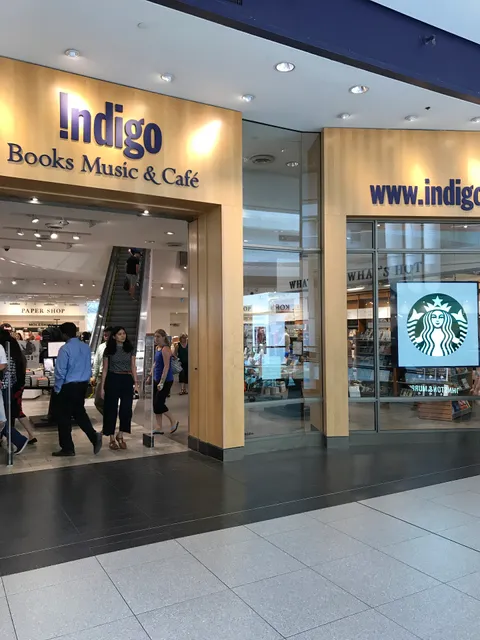
Indigo - Toronto Eaton Centre
4.5
(4K)
Click for details

Queen Tour Niagara Falls Tours
4.9
(788)
Click for details
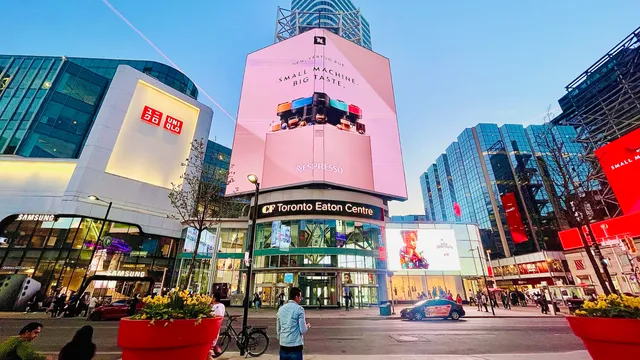
CF Toronto Eaton Centre
4.5
(4.7K)
Click for details