Mile Zero Monument things to do, attractions, restaurants, events info and trip planning
Basic Info
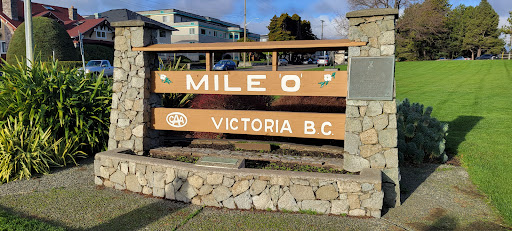
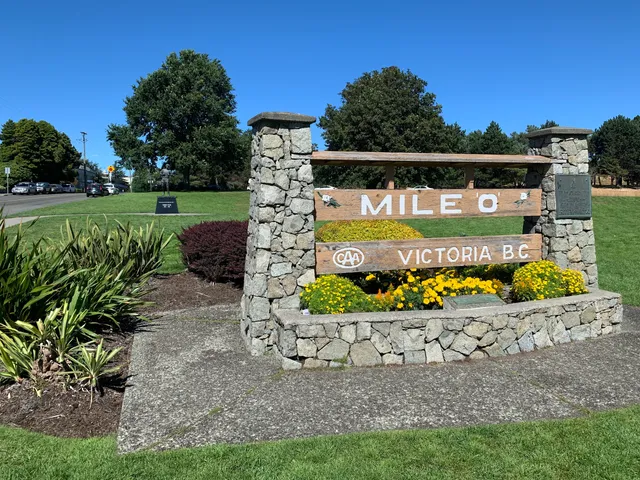
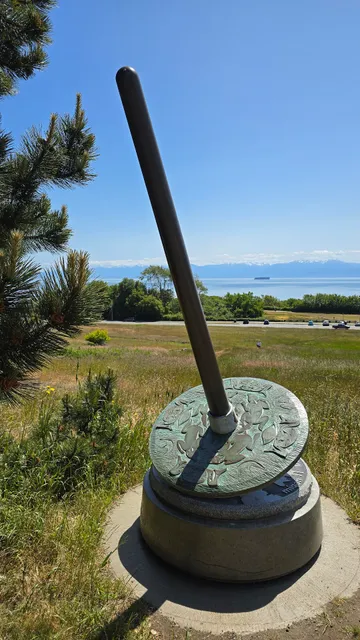
Mile Zero Monument
18 Douglas St, Victoria, BC V8V 2N6, Canada
4.4(709)
Open until 12:00 AM
Save
spot
spot
Ratings & Description
Info
Cultural
Scenic
Outdoor
Family friendly
Accessibility
attractions: Steve Fonyo Beach, Beacon Hill Park, Beacon Hill Children's Farm, Finlayson Point, Holland Point Park, Carr House National Historic Site, The Moss Lady, Beacon Hill Totem Pole, Beacon Hill Park North Playground, Athletic Green, restaurants: Beacon Drive In Restaurant, James Bay Inn Restaurant, The Bent Mast, James Bay Inn Pub, The Coriander Indian Restaurant, Piggy & Paisley, Heron Rock Bistro, Real Thai Restaurant, The Bop, Levantine Middle Eastern Restaurant, local businesses: Terry Fox Memorial, Dallas Rd, Finlayson Point Beach, Beacon Hill lookout, Heywood Ball Field
 Learn more insights from Wanderboat AI.
Phone
+1 250-953-2033
Open hoursSee all hours
TueOpen 24 hoursOpen
Plan your stay

Pet-friendly Hotels in Victoria
Find a cozy hotel nearby and make it a full experience.

Affordable Hotels in Victoria
Find a cozy hotel nearby and make it a full experience.

The Coolest Hotels You Haven't Heard Of (Yet)
Find a cozy hotel nearby and make it a full experience.

Trending Stays Worth the Hype in Victoria
Find a cozy hotel nearby and make it a full experience.
Reviews
Live events
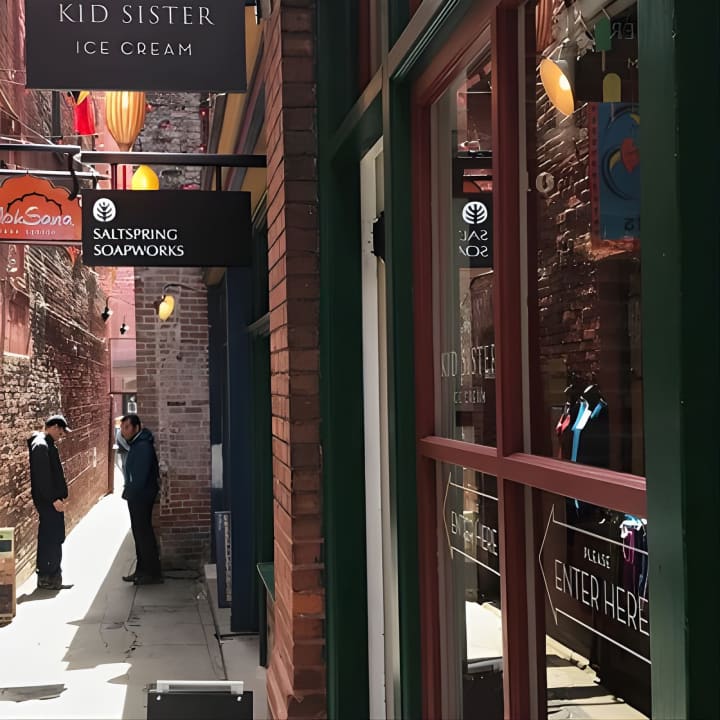
Victoria Guided Food and History Tour
Tue, Feb 24 • 11:30 AM
1701 Douglas Street #6, Victoria, V8W 0C1
View details

Downtown Food & City Foodie Walking Tour
Tue, Feb 24 • 11:30 AM
Victoria, British Columbia, V8V 1W9, Canada
View details
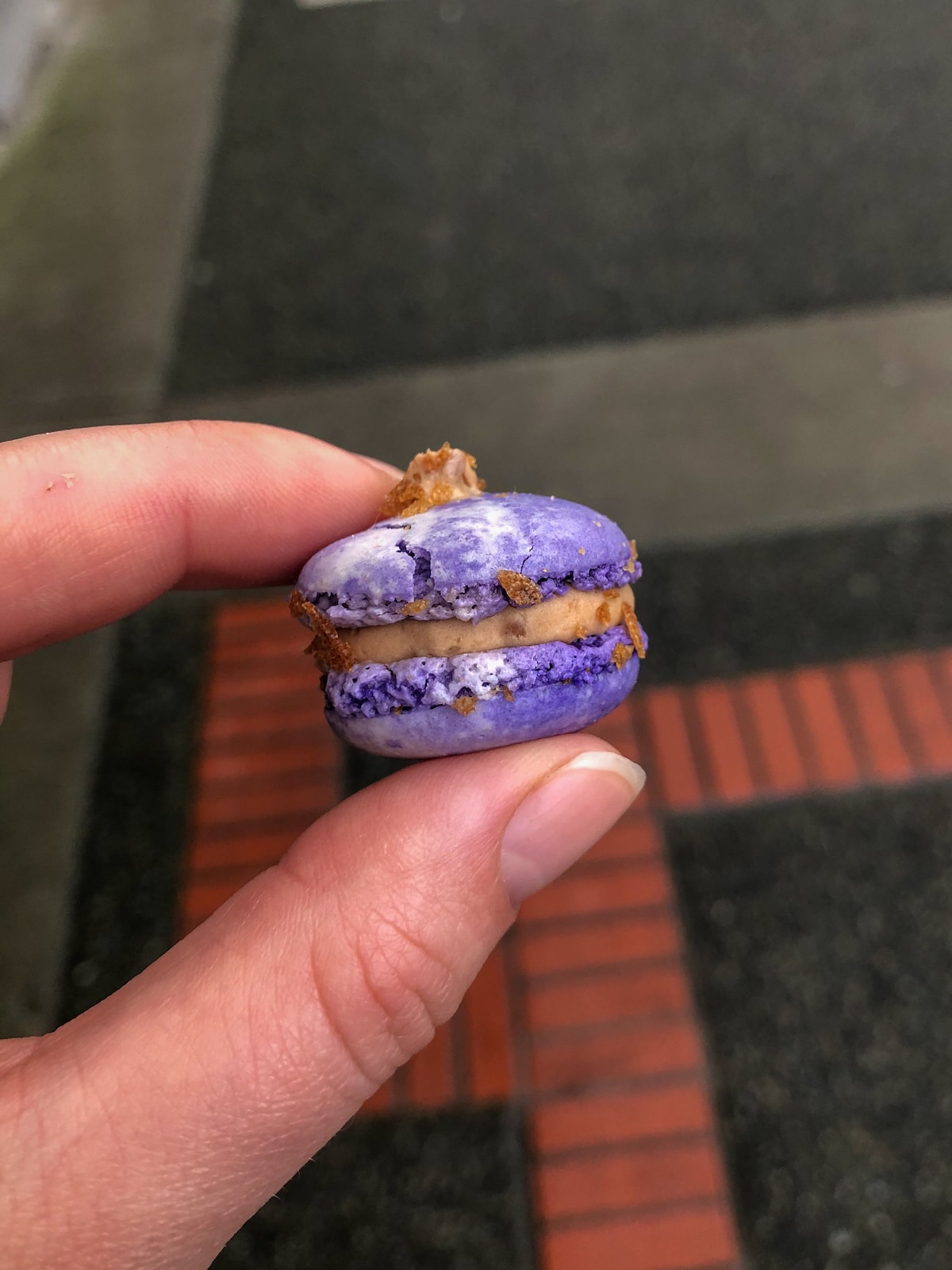
Taste Victoria’s local cuisine
Tue, Feb 24 • 11:30 AM
Victoria, British Columbia, V8T 4P1, Canada
View details
Nearby attractions of Mile Zero Monument
Steve Fonyo Beach
Beacon Hill Park
Beacon Hill Children's Farm
Finlayson Point
Holland Point Park
Carr House National Historic Site
The Moss Lady
Beacon Hill Totem Pole
Beacon Hill Park North Playground
Athletic Green
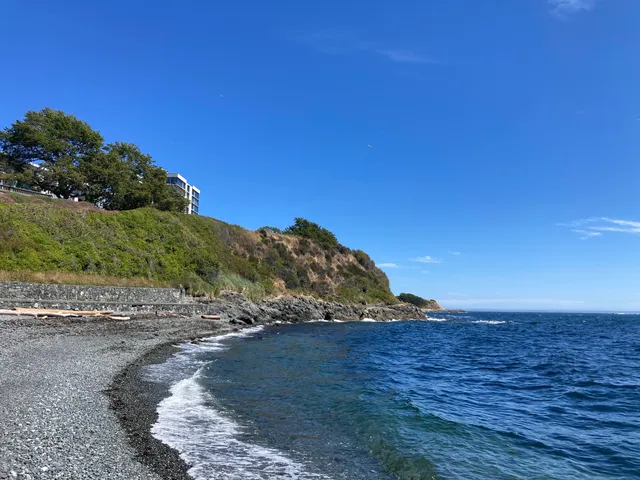
Steve Fonyo Beach
4.6
(65)
Open until 12:00 AM
Click for details

Beacon Hill Park
4.7
(4.2K)
Closed
Click for details
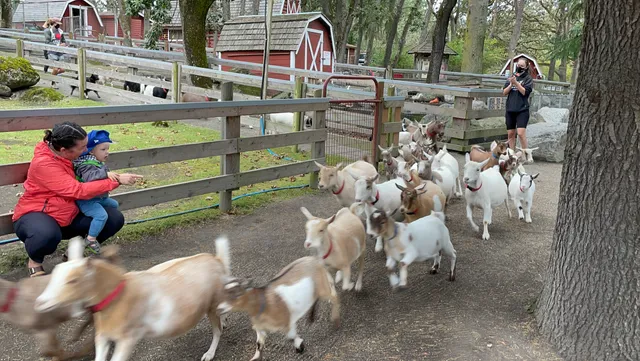
Beacon Hill Children's Farm
4.7
(963)
Open 24 hours
Click for details
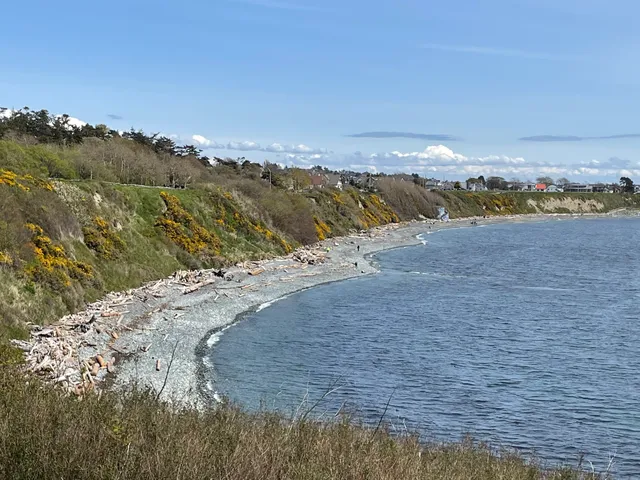
Finlayson Point
4.8
(230)
Open until 12:00 AM
Click for details
Nearby restaurants of Mile Zero Monument
Beacon Drive In Restaurant
James Bay Inn Restaurant
The Bent Mast
James Bay Inn Pub
The Coriander Indian Restaurant
Piggy & Paisley
Heron Rock Bistro
Real Thai Restaurant
The Bop
Levantine Middle Eastern Restaurant
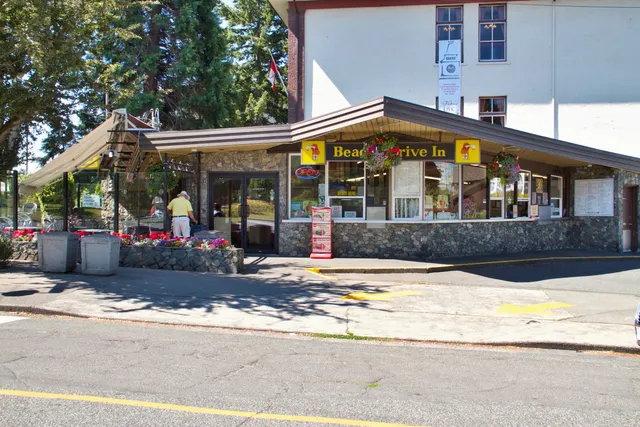
Beacon Drive In Restaurant
4.3
(1.4K)
Closed
Click for details
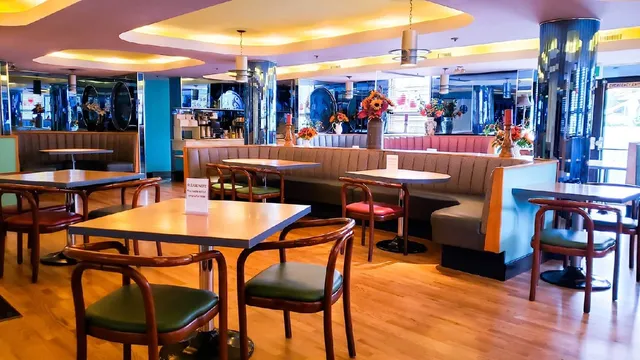
James Bay Inn Restaurant
4.4
(411)
Closed
Click for details
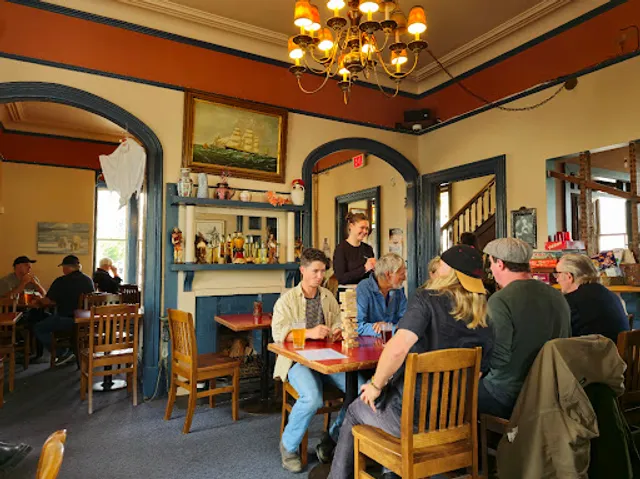
The Bent Mast
4.3
(623)
Closed
Click for details
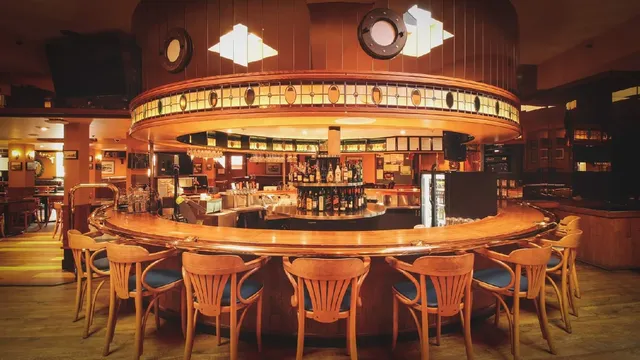
James Bay Inn Pub
4.4
(79)
Closed
Click for details
Nearby local services of Mile Zero Monument
Terry Fox Memorial
Dallas Rd
Finlayson Point Beach
Beacon Hill lookout
Heywood Ball Field
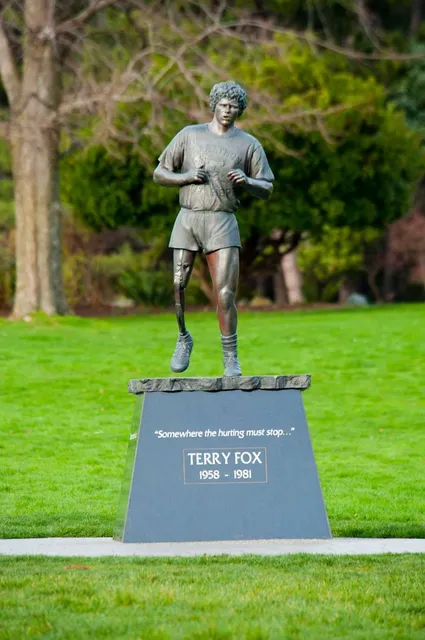
Terry Fox Memorial
4.8
(47)
Click for details
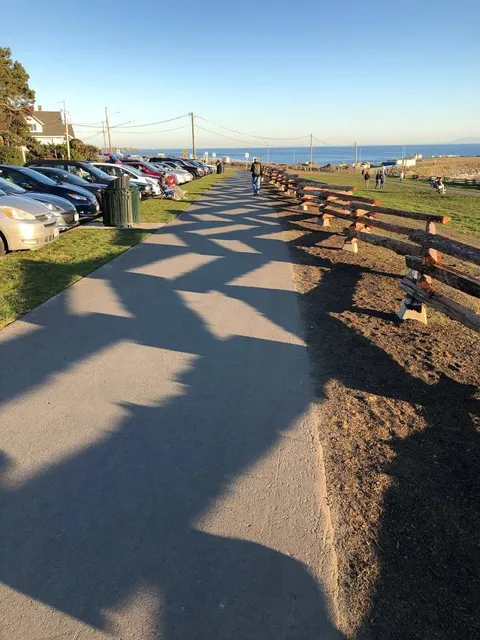
Dallas Rd
4.9
(56)
Click for details
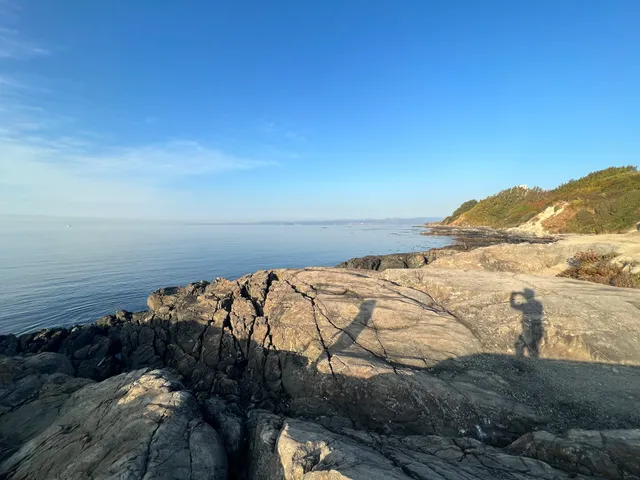
Finlayson Point Beach
4.9
(25)
Click for details
Beacon Hill lookout
4.6
(16)
Click for details