Rector's Palace things to do, attractions, restaurants, events info and trip planning
Basic Info
Rector's Palace
Ul. Pred Dvorom 3, 20000, Dubrovnik, Croatia
4.2(1.5K)
Closed


tickets
Save
spot
spot
Ratings & Description
Info
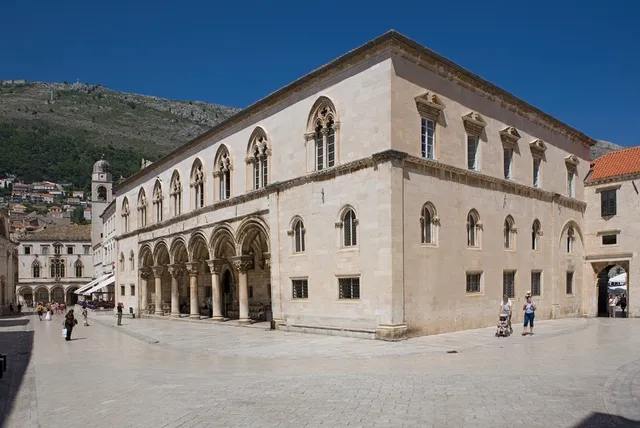
The Rector's Palace is a palace in the city of Dubrovnik that used to serve as the seat of the Rector of the Republic of Ragusa between the 14th century and 1808. It was also the seat of the Minor Council and the state administration.
Cultural
Family friendly
attractions: The Cathedral of the Assumption of the Virgin Mary, Porat Dubrovnik, Saint Blaise’s Church, Sponza Palace, Gradsko kazalište Marina Držića, Jesuit Stairs, Clock Tower of Dubrovnik, Maritime Museum, Church of St. Ignatius, Orlando's Column, restaurants: Gradska kavana Arsenal Restaurant, Lokanda Peskarija, Poklisar Restaurant, Kamenice, Bistro Tavulin, Restaurant Marco Polo, Taj Mahal Old Town, Dundo Maroje, Bura Bistro Wine & Cocktails, ARKA Dubrovnik (OLD TOWN), local businesses: Dubrovnik City Walls, St. Blaise's Church, Dubrovnik Old Town, Buža Bar, Dubrovnik Cable Car, Dubrovnik Blue Cave, Dubrovnik Walking Tours, Stradun, D'VINO WINE BAR DUBROVNIK, Dubrovnik City shop - IRON THRONE
 Learn more insights from Wanderboat AI.
Phone
+385 20 321 452
Open hoursSee all hours
Fri9 AM - 4 PMClosed
Plan your stay

Pet-friendly Hotels in Dubrovnik
Find a cozy hotel nearby and make it a full experience.

Affordable Hotels in Dubrovnik
Find a cozy hotel nearby and make it a full experience.

The Coolest Hotels You Haven't Heard Of (Yet)
Find a cozy hotel nearby and make it a full experience.

Trending Stays Worth the Hype in Dubrovnik
Find a cozy hotel nearby and make it a full experience.
Reviews
Live events

Sip organic wine in centuries-old family vineyard
Mon, Feb 23 • 3:15 PM
20000, Dubrovnik, Croatia
View details
Nearby attractions of Rector's Palace
The Cathedral of the Assumption of the Virgin Mary
Porat Dubrovnik
Saint Blaise’s Church
Sponza Palace
Gradsko kazalište Marina Držića
Jesuit Stairs
Clock Tower of Dubrovnik
Maritime Museum
Church of St. Ignatius
Orlando's Column
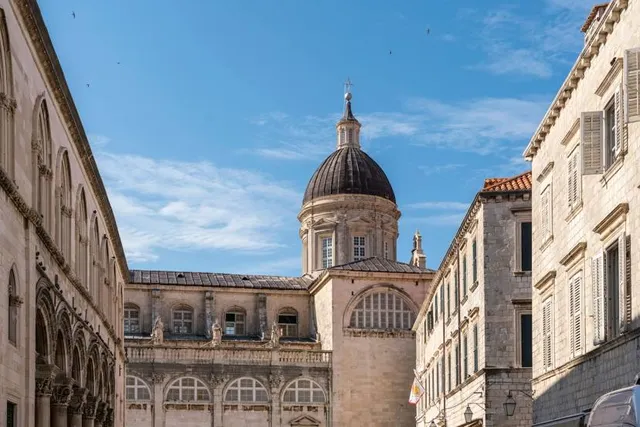
The Cathedral of the Assumption of the Virgin Mary
4.6
(1.9K)
Closed
Click for details
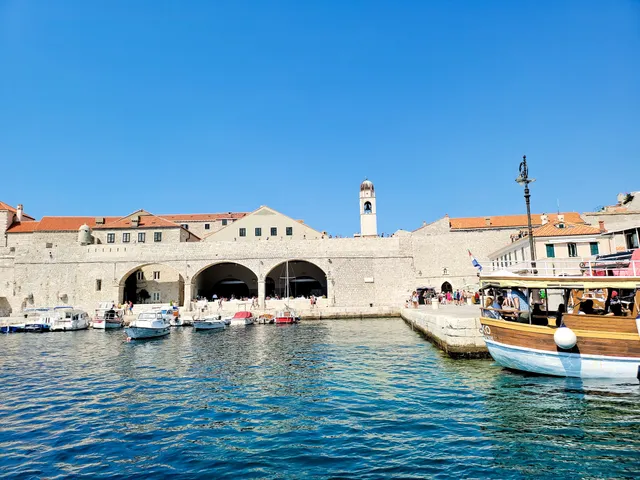
Porat Dubrovnik
4.7
(2.5K)
Open until 12:00 AM
Click for details
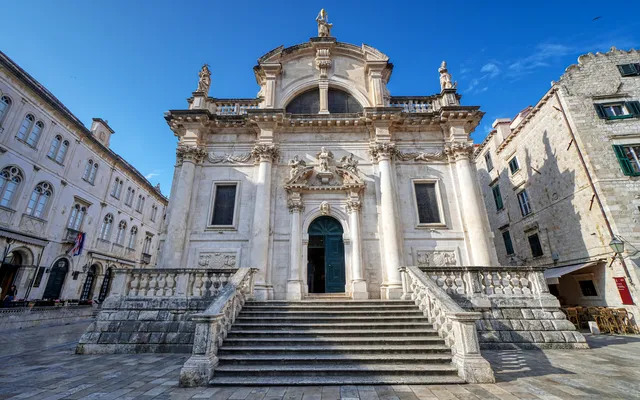
Saint Blaise’s Church
4.7
(692)
Closed
Click for details
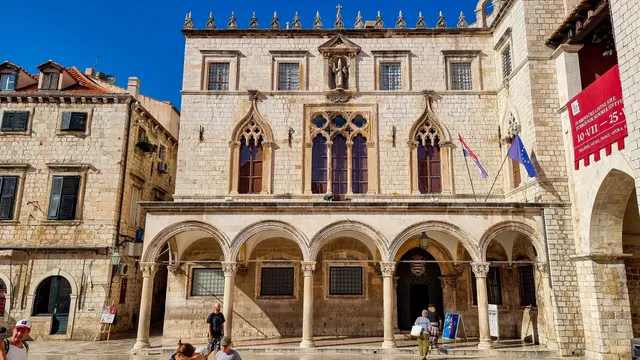
Sponza Palace
4.5
(895)
Closed
Click for details
Nearby restaurants of Rector's Palace
Gradska kavana Arsenal Restaurant
Lokanda Peskarija
Poklisar Restaurant
Kamenice
Bistro Tavulin
Restaurant Marco Polo
Taj Mahal Old Town
Dundo Maroje
Bura Bistro Wine & Cocktails
ARKA Dubrovnik (OLD TOWN)
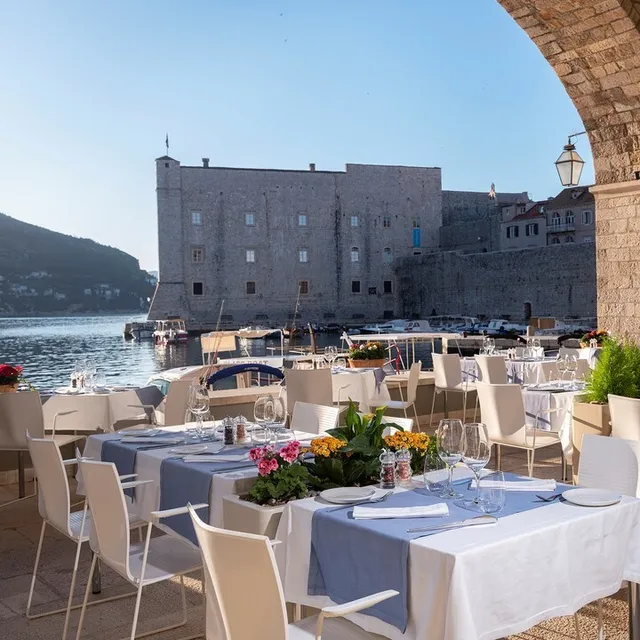
Gradska kavana Arsenal Restaurant
4.7
(2.9K)
$$
Closed
Click for details
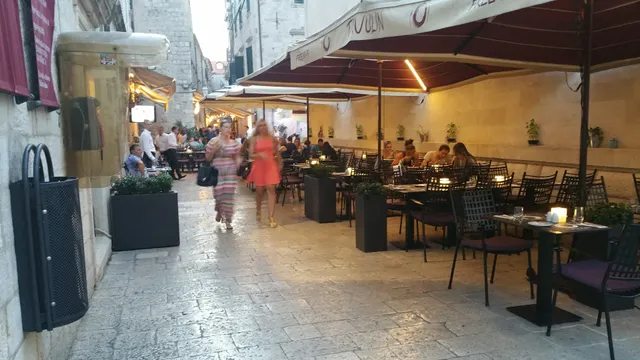
Lokanda Peskarija
3.9
(703)
$$
Click for details
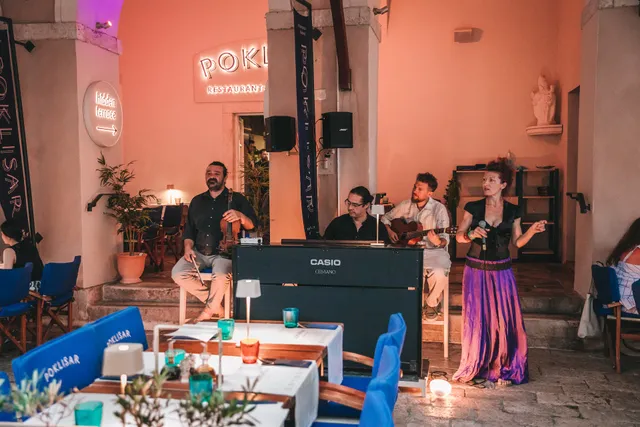
Poklisar Restaurant
4.2
(1.0K)
$$
Click for details
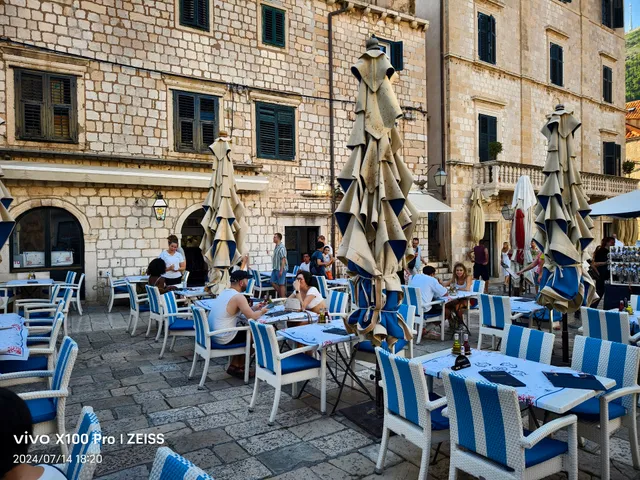
Kamenice
3.9
(1.2K)
$$
Closed
Click for details
Nearby local services of Rector's Palace
Dubrovnik City Walls
St. Blaise's Church
Dubrovnik Old Town
Buža Bar
Dubrovnik Cable Car
Dubrovnik Blue Cave
Dubrovnik Walking Tours
Stradun
D'VINO WINE BAR DUBROVNIK
Dubrovnik City shop - IRON THRONE
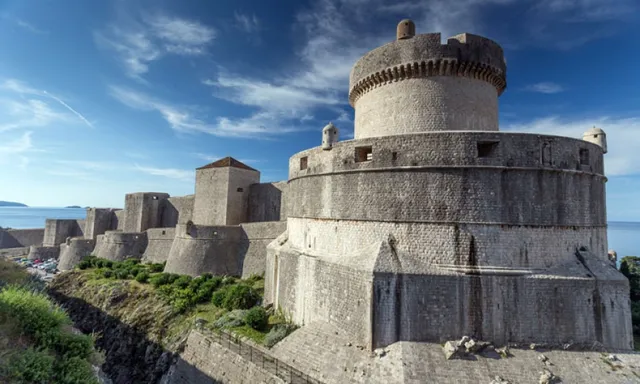
Dubrovnik City Walls
4.6
(4.9K)
Click for details

St. Blaise's Church
4.7
(531)
Click for details
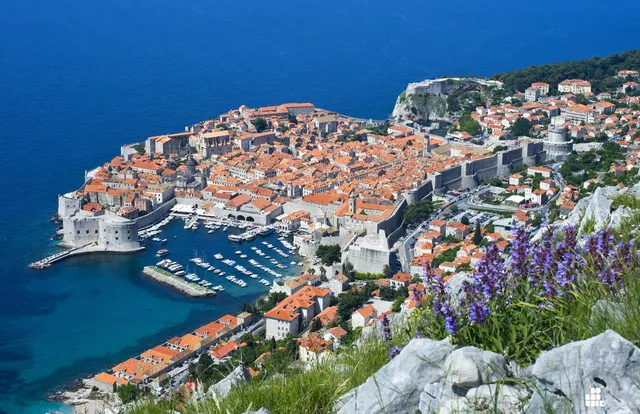
Dubrovnik Old Town
4.7
(337)
Click for details
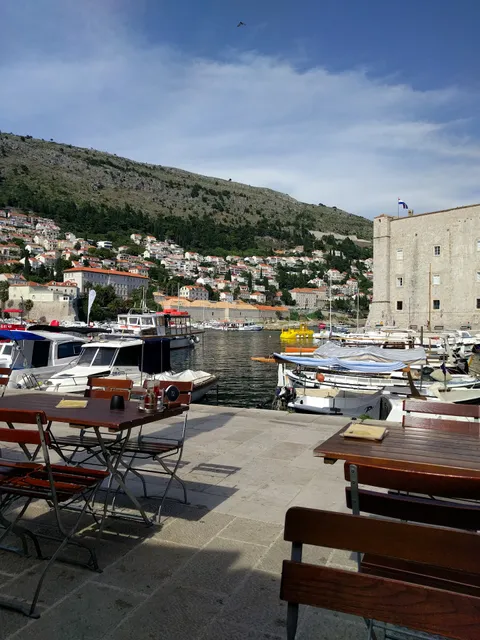
Buža Bar
4.0
(1.6K)
Click for details