Archaeological Site of the Tombs of the Kings things to do, attractions, restaurants, events info and trip planning
Basic Info
Archaeological Site of the Tombs of the Kings
Tombs of the Kings Ave 63, Chlorakas 8015, Cyprus
4.4(46)
Closed

tickets
Save
spot
spot
Ratings & Description
Info
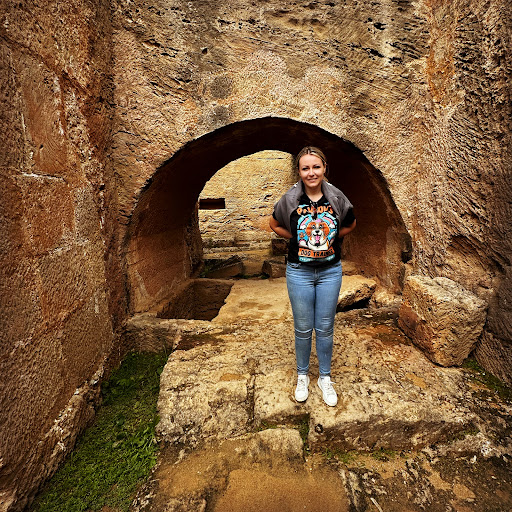
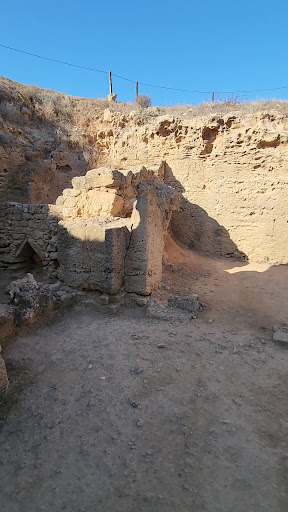
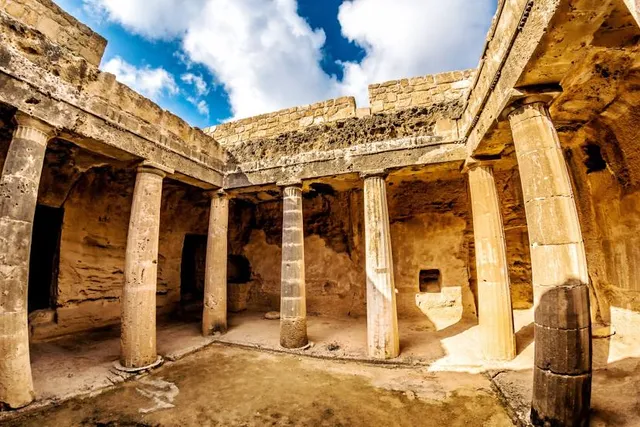
The Tombs of the Kings is a large necropolis lying about two kilometres north of Paphos harbour in Cyprus. In 1980, it was designated a UNESCO World Heritage Site along with Paphos and Kouklia.
Cultural
Outdoor
Accessibility
attractions: Tomb 1, Tomb 2, Tomb 3, Venus Bleu Beach, Tomb 6, restaurants: Karlina Restaurant, Gustoso Restaurant, BALKANIKA RESTAURANT, Martelli Pizza Italian Restaurant, Duomo Ristorante Italiano, Dias Zeus Restaurant, Jimmys Killer Prawns Paphos, Olivetio Restaurant, Alfie T's, Farmhouse Restaurant & Lounge Bar, local businesses: Baan Thai Herbal, Traditional Thai Massage, Municipal Beach
 Learn more insights from Wanderboat AI.
Phone
+357 26 306295
Website
culture.gov.cy
Open hoursSee all hours
WedClosed
Plan your stay

Pet-friendly Hotels in Paphos Municipality
Find a cozy hotel nearby and make it a full experience.

Affordable Hotels in Paphos Municipality
Find a cozy hotel nearby and make it a full experience.

The Coolest Hotels You Haven't Heard Of (Yet)
Find a cozy hotel nearby and make it a full experience.

Trending Stays Worth the Hype in Paphos Municipality
Find a cozy hotel nearby and make it a full experience.
Reviews
Live events
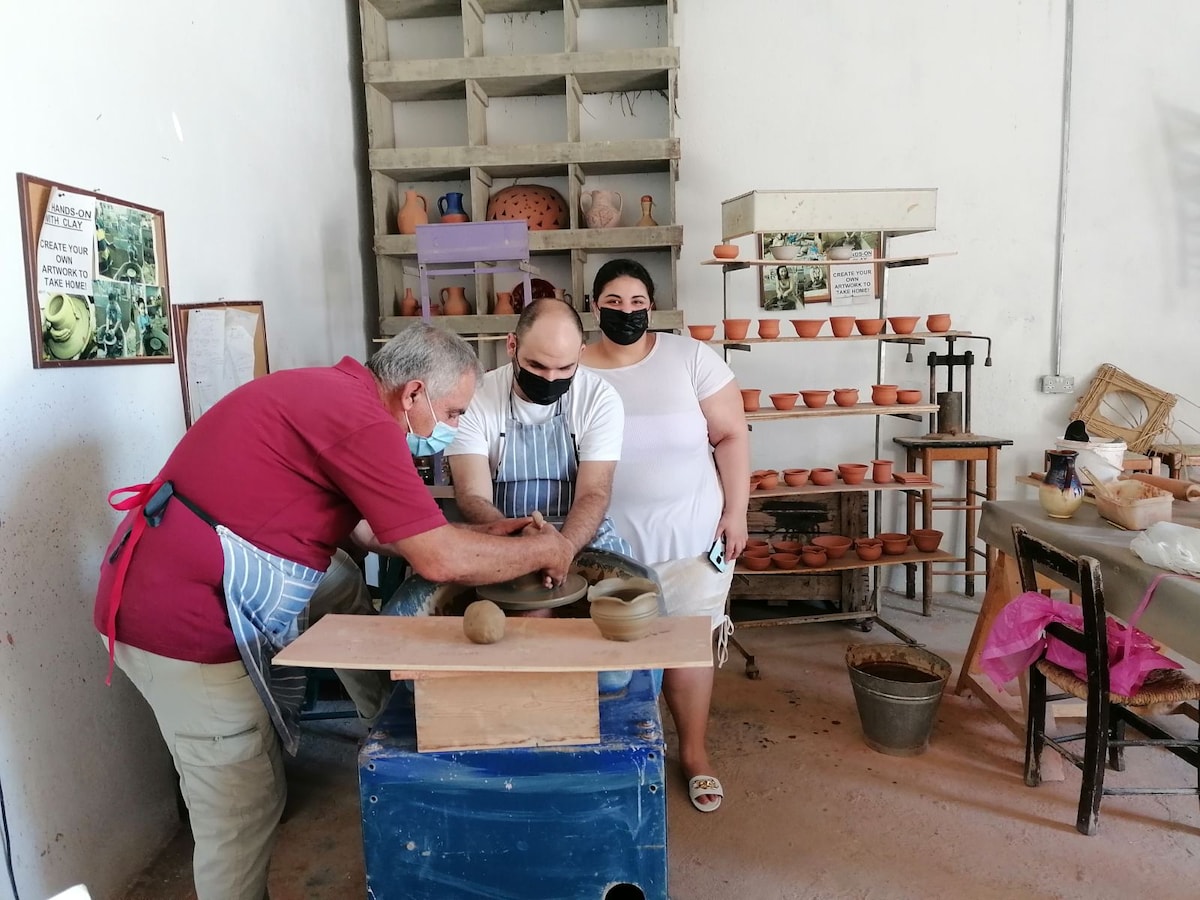
Meet locals through arts
Thu, Jan 29 • 9:00 AM
Paphos, Paphos, 8010, Cyprus
View details
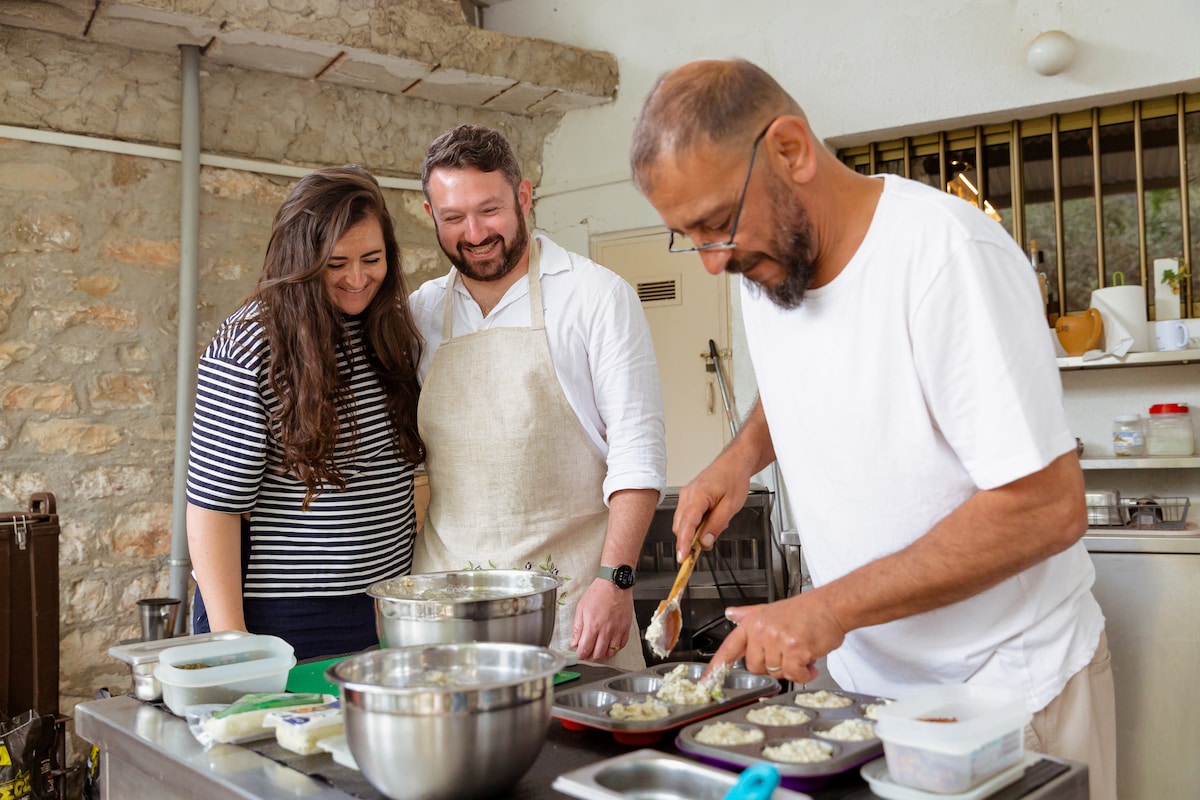
Taste and Cook with Halloumi cheese
Fri, Jan 30 • 10:00 AM
Episkopi, Paphos, 8524, Cyprus
View details
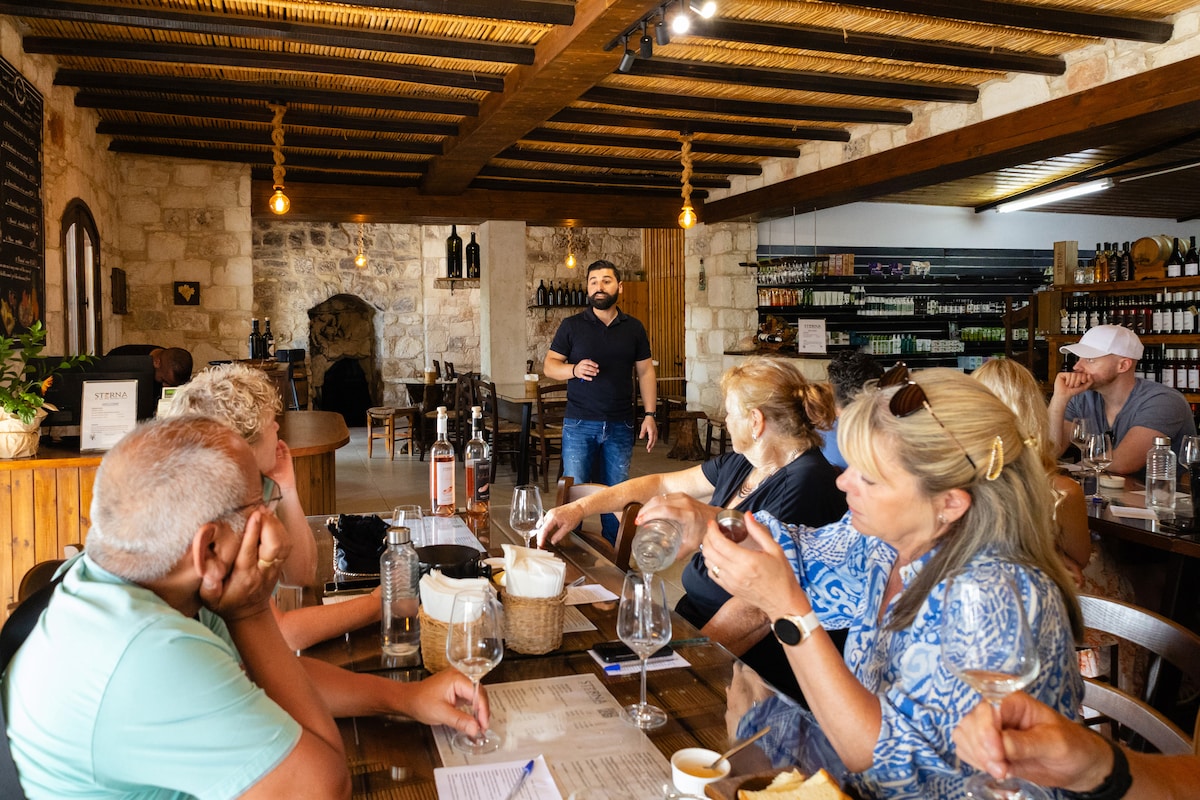
From Paphos: Troodos Mountains Full Day Wine Tour
Fri, Jan 30 • 8:00 AM
Paphos, Paphos, 00000, Cyprus
View details
Nearby attractions of Archaeological Site of the Tombs of the Kings
Tomb 1
Tomb 2
Tomb 3
Venus Bleu Beach
Tomb 6
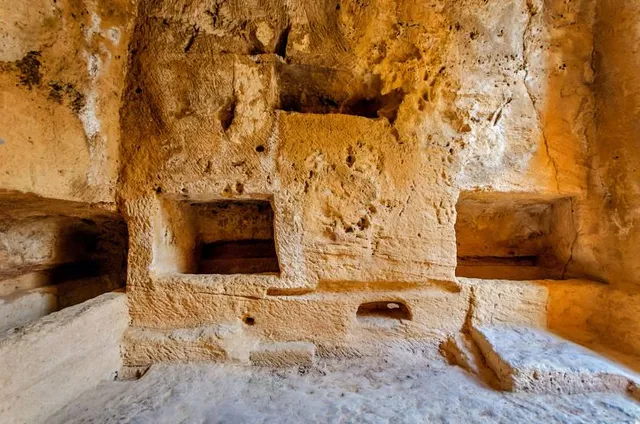
Tomb 1
4.2
(21)
Open 24 hours
Click for details

Tomb 2
4.5
(23)
Open 24 hours
Click for details

Tomb 3
4.8
(49)
Open 24 hours
Click for details
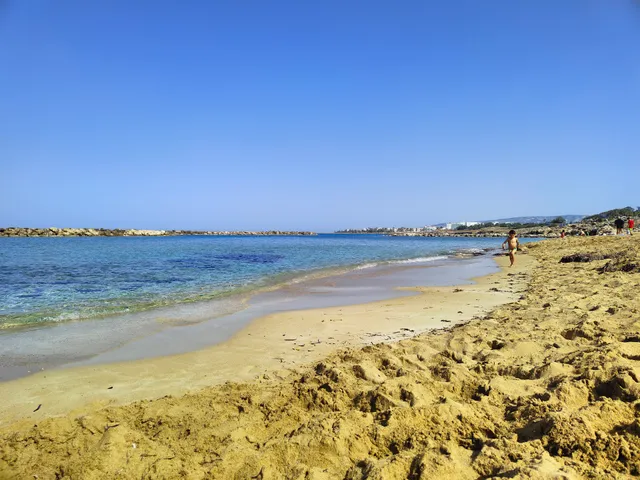
Venus Bleu Beach
4.6
(1.4K)
Open until 12:00 AM
Click for details
Nearby restaurants of Archaeological Site of the Tombs of the Kings
Karlina Restaurant
Gustoso Restaurant
BALKANIKA RESTAURANT
Martelli Pizza Italian Restaurant
Duomo Ristorante Italiano
Dias Zeus Restaurant
Jimmys Killer Prawns Paphos
Olivetio Restaurant
Alfie T's
Farmhouse Restaurant & Lounge Bar
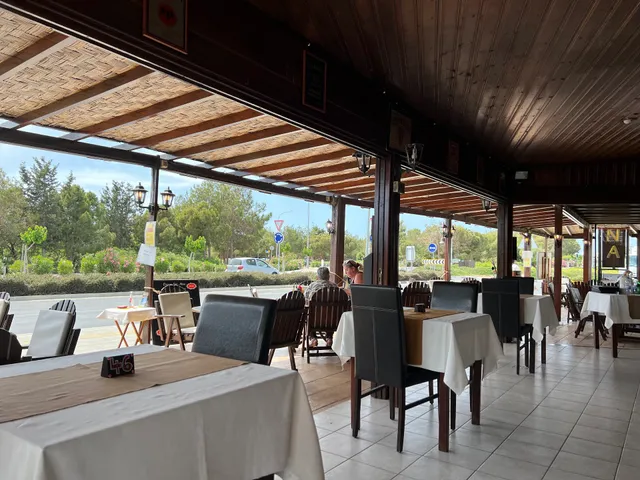
Karlina Restaurant
4.6
(653)
Open until 12:00 AM
Click for details
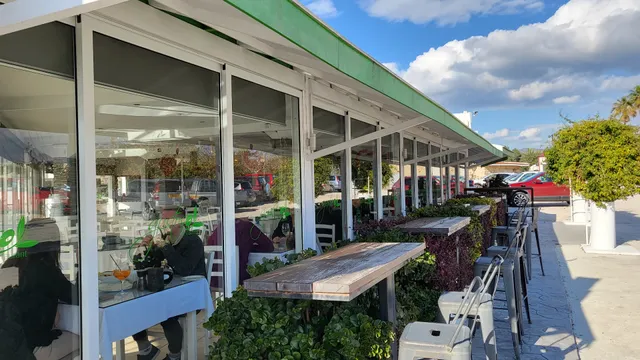
Gustoso Restaurant
4.6
(513)
$$
Open until 10:30 PM
Click for details
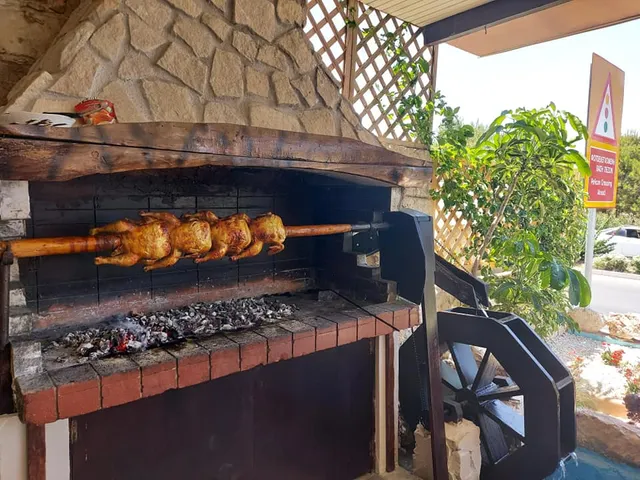
BALKANIKA RESTAURANT
4.8
(815)
Open until 12:00 AM
Click for details
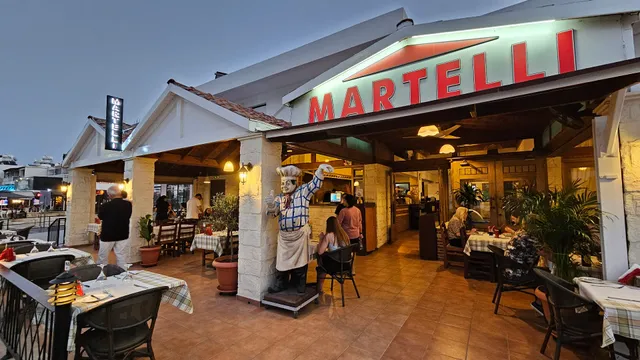
Martelli Pizza Italian Restaurant
4.6
(646)
Open until 10:30 PM
Click for details
Nearby local services of Archaeological Site of the Tombs of the Kings
Baan Thai Herbal, Traditional Thai Massage
Municipal Beach
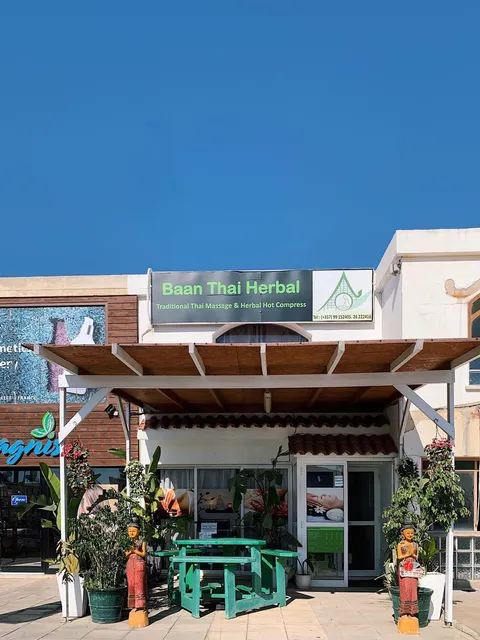
Baan Thai Herbal, Traditional Thai Massage
4.8
(54)
Click for details
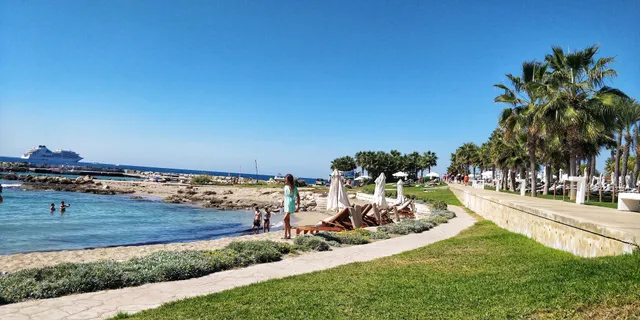
Municipal Beach
4.4
(38)
Click for details