The Egyptian Museum things to do, attractions, restaurants, events info and trip planning
Basic Info
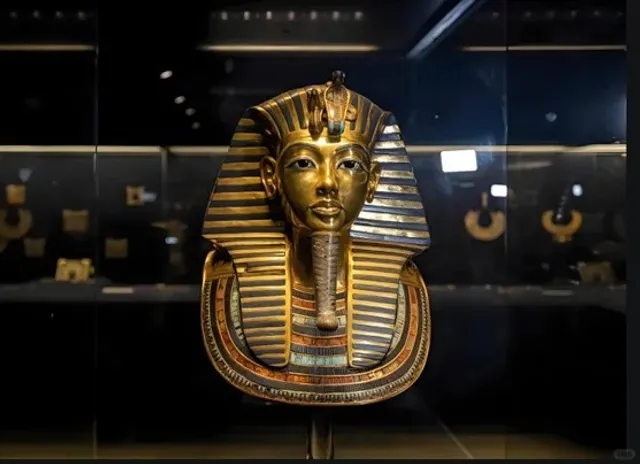
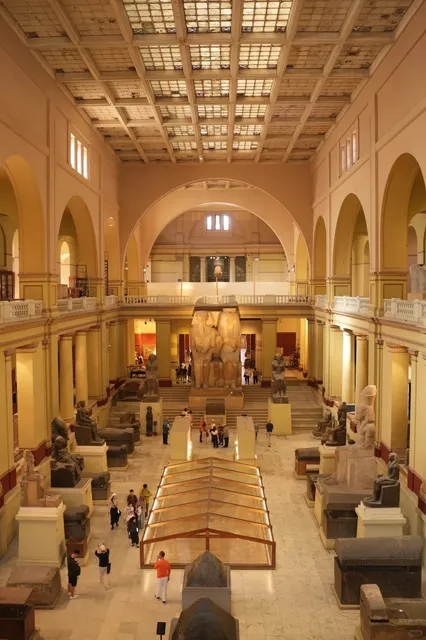
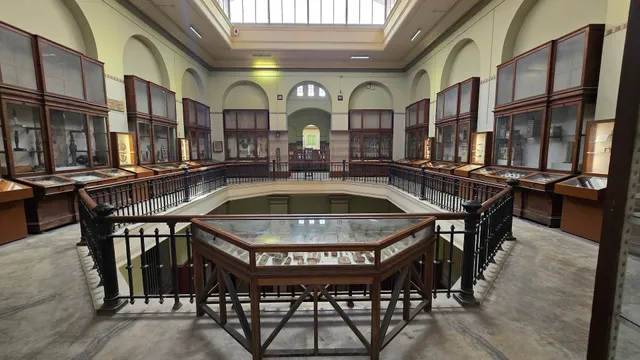
The Egyptian Museum
26WM+Q5C Auguste Mariette’s Memorial, Ismailia, Qasr El Nil, Cairo Governorate 4272083, Egypt
4.5(80)
Open 24 hours
Save
spot
spot
Ratings & Description
Info
Cultural
Family friendly
Accessibility
attractions: Mostra di Tutankhamen, 6 October Bridge, El- Tahrir Square, Talaat Harb Square, Qasr Al-Nil Statues, Omar Makram Mosque, Mashrabia Gallery Of Fine Art, Ramses II Obelisk, Townhouse Gallery, حى الغوريه, restaurants: La Poire, Fish & Chips, CAF Cafe - The Egyptian Museum, Nox, Bab El-Sharq, Vivo-the nile Ritz-Carlton, Culina, Bar'Oro, Mama dahab, Down Town Cafe-كافيه وسط البلد, local businesses: The Egyptian Museum in Cairo, Abo Taleb, Gift Shop Bazaar, Tahrir Square Obelisk (مسلة ميدان التحرير), Egyptian Museum Gift Shop, Qasr El Nil Bridge, ميدان التحرير, Oum el Dounia Gallery, Nile Tour Cruise, Mawlana Lounge and Cafe - كافية مولانا التحرير
 Learn more insights from Wanderboat AI.
Plan your stay

Pet-friendly Hotels in Cairo
Find a cozy hotel nearby and make it a full experience.

Affordable Hotels in Cairo
Find a cozy hotel nearby and make it a full experience.

The Coolest Hotels You Haven't Heard Of (Yet)
Find a cozy hotel nearby and make it a full experience.

Trending Stays Worth the Hype in Cairo
Find a cozy hotel nearby and make it a full experience.
Reviews
Live events
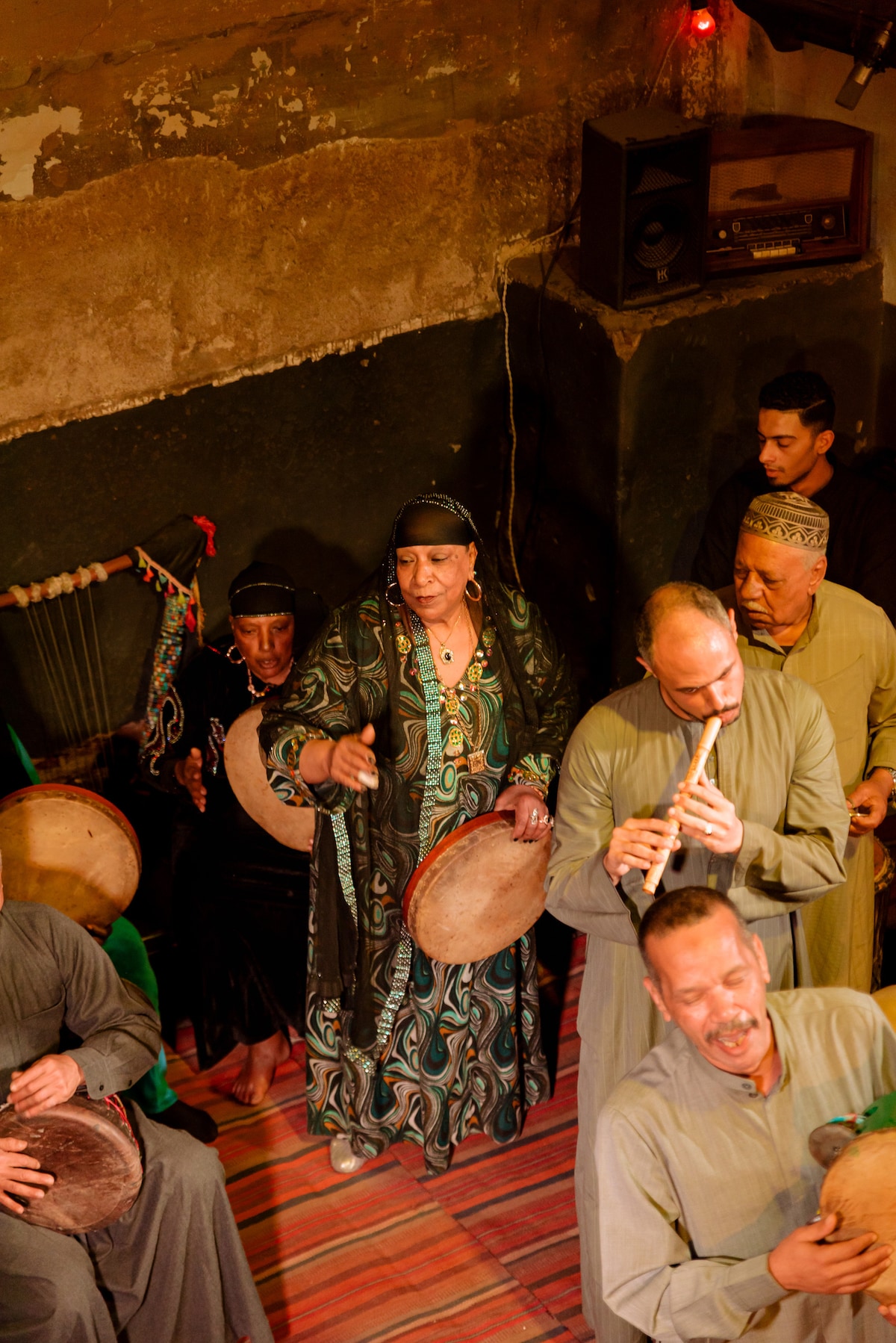
Egyptian musical healing rituals - Zar زار مصري
Wed, Feb 11 • 6:15 PM
Al Inshaa WA Al Munirah, Cairo Governorate, Egypt
View details
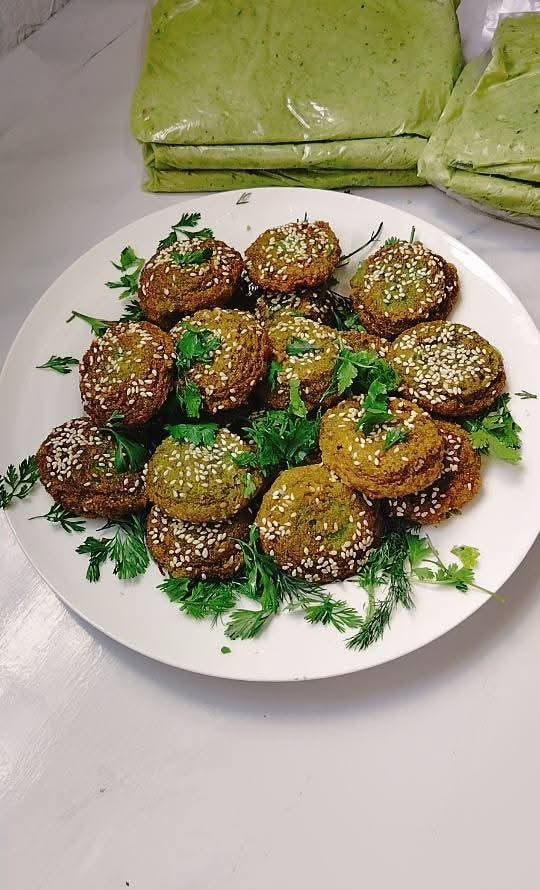
Taste & Learn: Egyptian Falafel Experience
Mon, Feb 9 • 3:00 PM
Al Manteqah Ath Thamenah, Cairo Governorate, 4441504, Egypt
View details
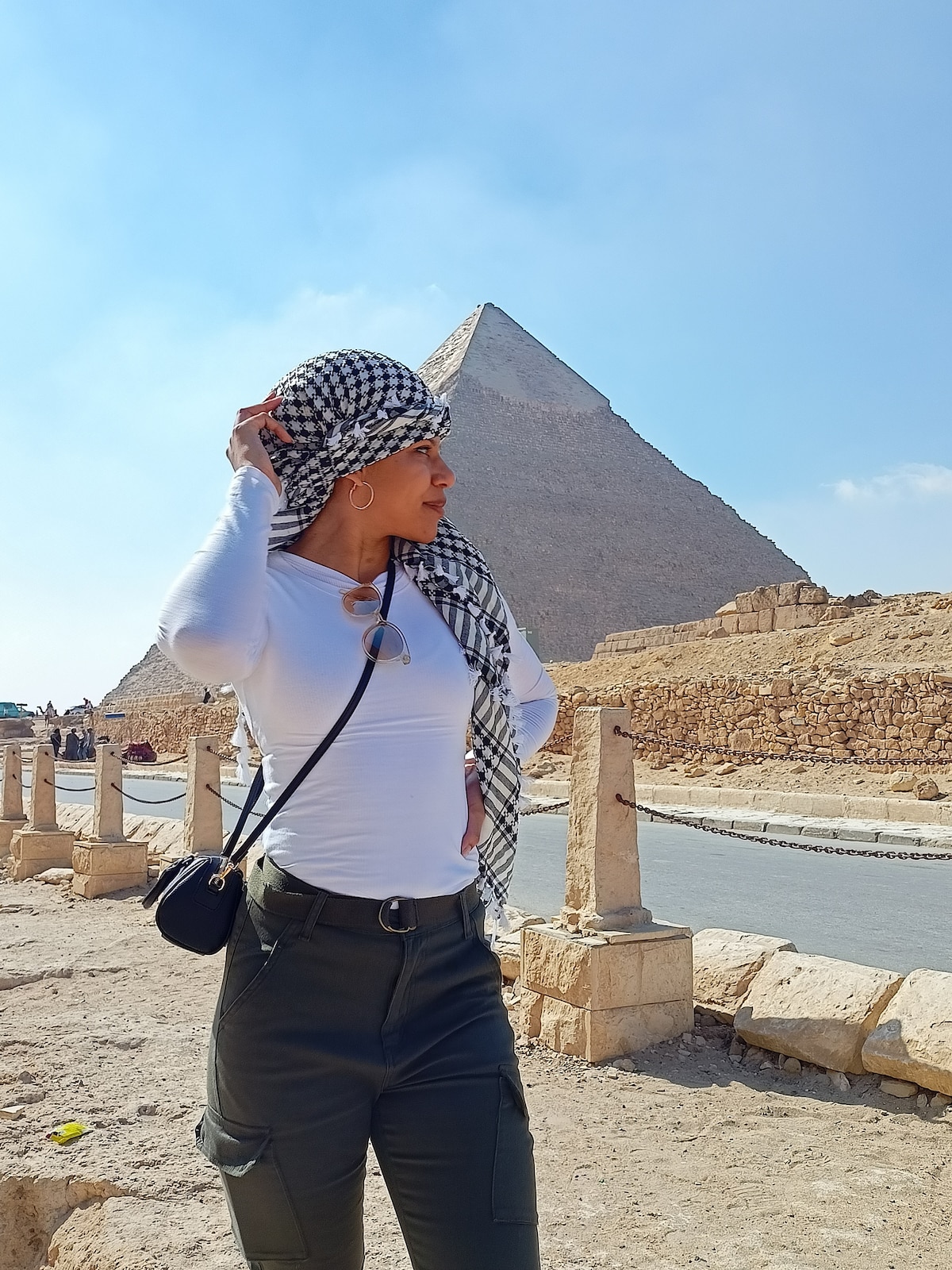
Private tour to Giza Pyramids, Sphinx, ATVs& Lunch
Sun, Feb 8 • 8:00 AM
Qasr Ad Dobarah, Cairo Governorate, 11512, Egypt
View details
Nearby attractions of The Egyptian Museum
Mostra di Tutankhamen
6 October Bridge
El- Tahrir Square
Talaat Harb Square
Qasr Al-Nil Statues
Omar Makram Mosque
Mashrabia Gallery Of Fine Art
Ramses II Obelisk
Townhouse Gallery
حى الغوريه
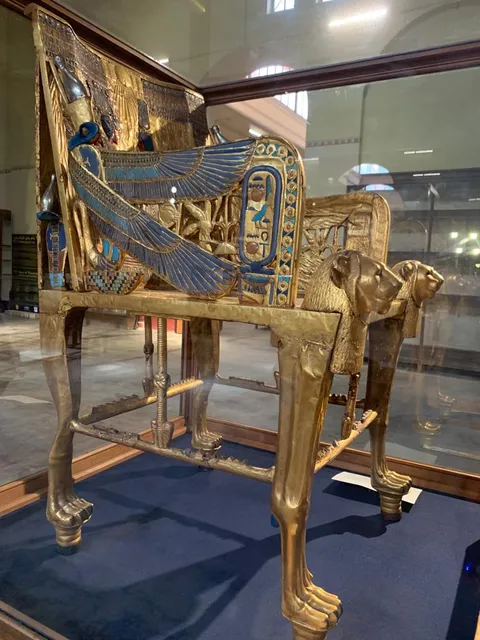
Mostra di Tutankhamen
4.6
(103)
Open 24 hours
Click for details
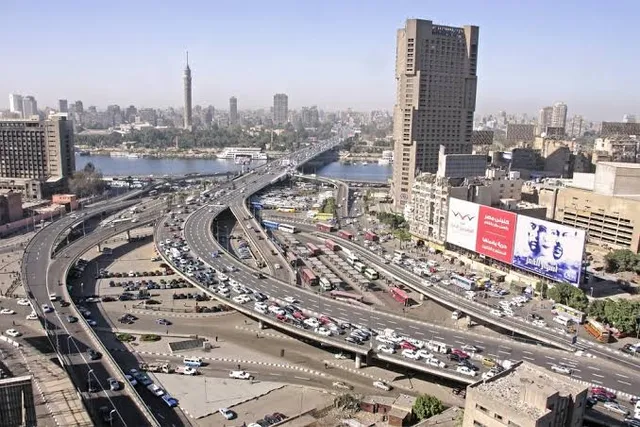
6 October Bridge
4.0
(8.7K)
Open until 12:00 AM
Click for details
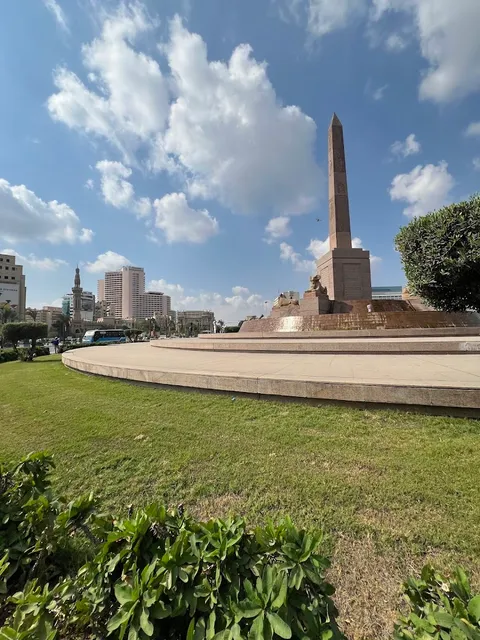
El- Tahrir Square
4.6
(2.1K)
Open 24 hours
Click for details
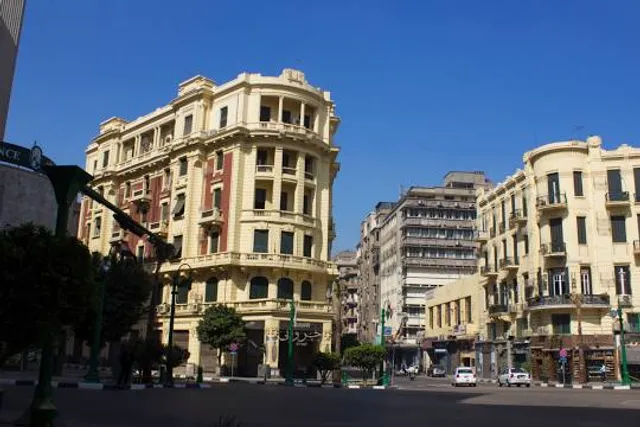
Talaat Harb Square
4.5
(8.7K)
Open until 12:00 AM
Click for details
Nearby restaurants of The Egyptian Museum
La Poire
Fish & Chips
CAF Cafe - The Egyptian Museum
Nox
Bab El-Sharq
Vivo-the nile Ritz-Carlton
Culina
Bar'Oro
Mama dahab
Down Town Cafe-كافيه وسط البلد
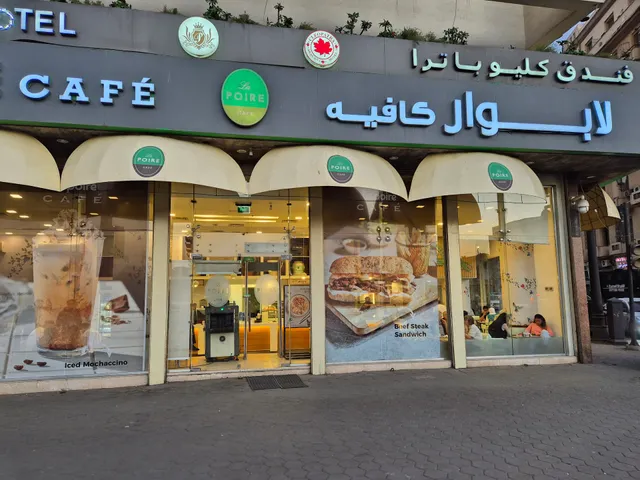
La Poire
4.1
(1.8K)
Closed
Click for details
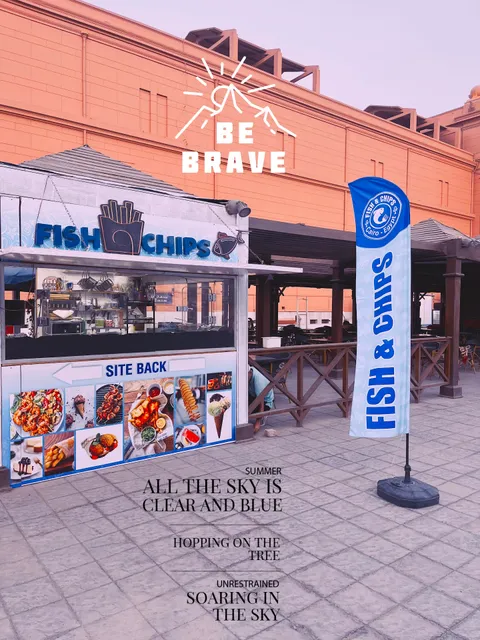
Fish & Chips
4.7
(175)
Closed
Click for details
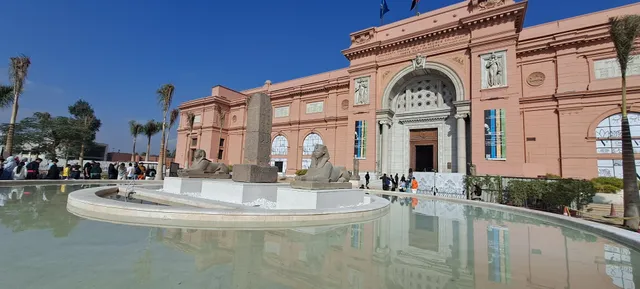
CAF Cafe - The Egyptian Museum
4.3
(46)
Closed
Click for details
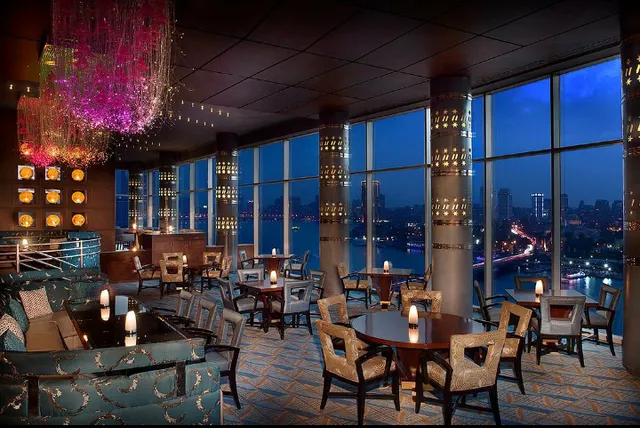
Nox
4.5
(143)
Click for details
Nearby local services of The Egyptian Museum
The Egyptian Museum in Cairo
Abo Taleb
Gift Shop Bazaar
Tahrir Square Obelisk (مسلة ميدان التحرير)
Egyptian Museum Gift Shop
Qasr El Nil Bridge
ميدان التحرير
Oum el Dounia Gallery
Nile Tour Cruise
Mawlana Lounge and Cafe - كافية مولانا التحرير
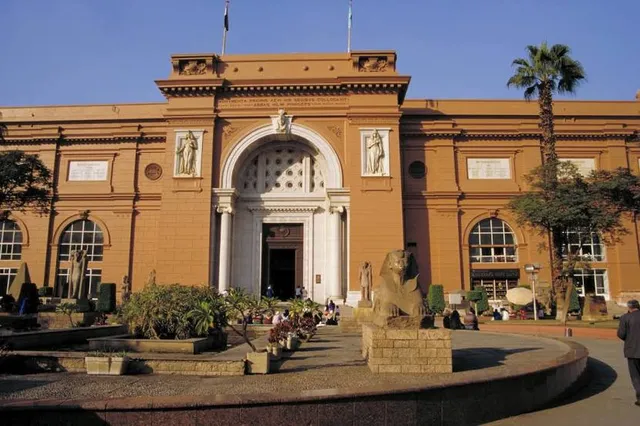
The Egyptian Museum in Cairo
4.5
(21K)
Click for details
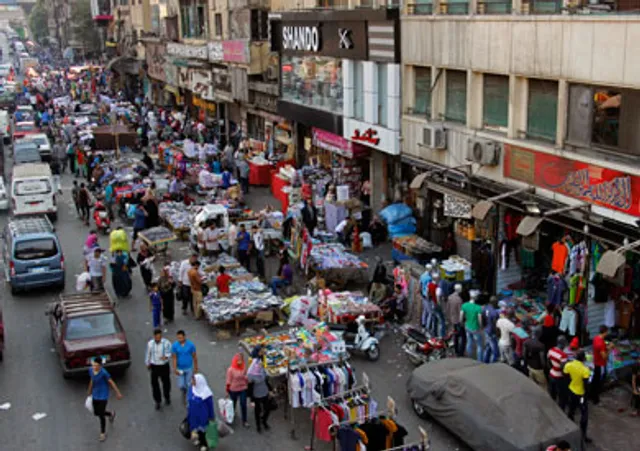
Abo Taleb
3.8
(663)
Click for details
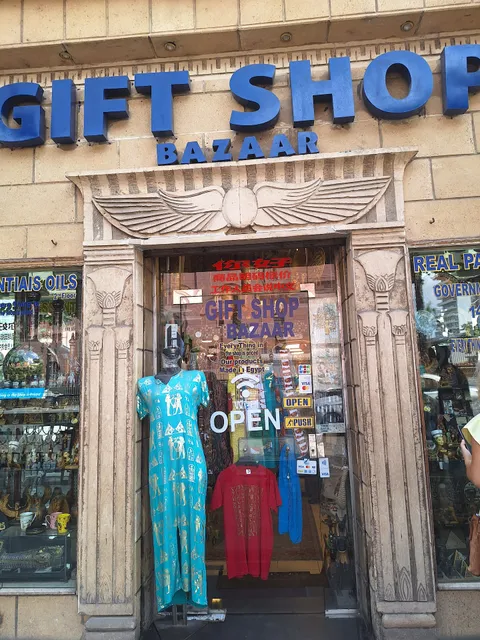
Gift Shop Bazaar
4.8
(427)
Click for details
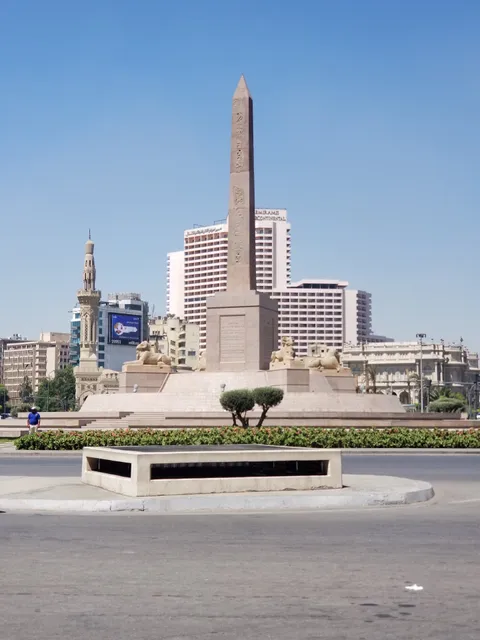
Tahrir Square Obelisk (مسلة ميدان التحرير)
4.5
(4.4K)
Click for details