Red Terror Martyrs' Memorial Museum የቀይ ሽብር መታሰቢያ ሙዚየም things to do, attractions, restaurants, events info and trip planning
Basic Info
Red Terror Martyrs' Memorial Museum የቀይ ሽብር መታሰቢያ ሙዚየም
2Q67+272, Africa Ave, Addis Ababa, Ethiopia
4.1(124)
Closed
Save
spot
spot
Ratings & Description
Info
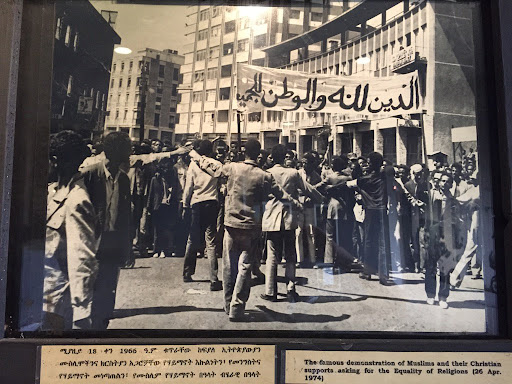
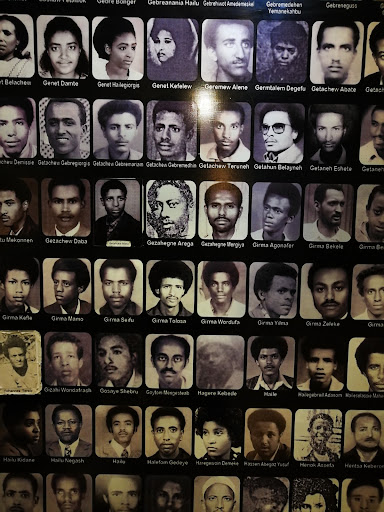
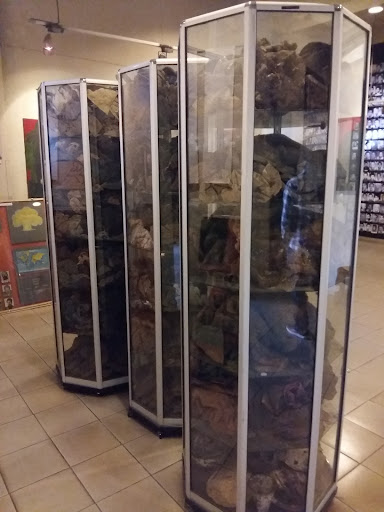
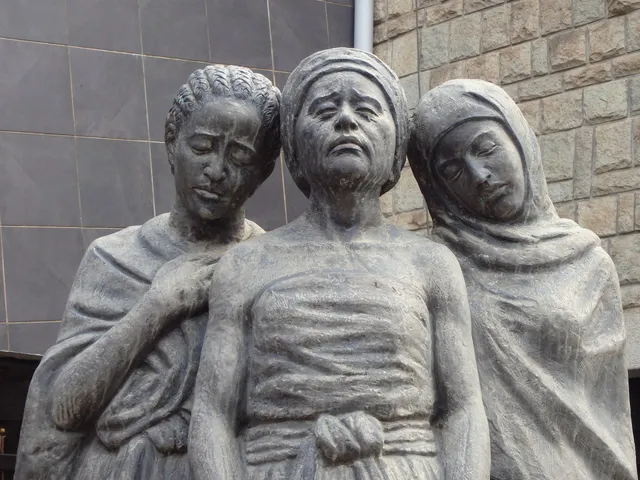
The "Red Terror" Martyrs' Memorial Museum in Addis Ababa was established in 2010 as a memorial to those who died during the Red Terror under the Derg government. The museum has displays of torture instruments, skulls and bones, coffins, bloody clothes and photographs of victims.
Cultural
Accessibility
Family friendly
attractions: Addis Ababa Museum | መስቀል አደባባይ, Meskel Square, Grove Garden Walk | Meskel Square | ግሮቭ መናፈሻ | መስቀል አደባባይ, Giddugala Aadaa Oromoo | Oromia Cultural Center | ኦሮሚያ ባህል ማእከል, Addis Ababa park, Addis Ababa Stadium, Palace Museum (National/Jubilee Palace of Ethiopia), Ethiopia park, restaurants: Union Cocktail Bar & Restaurant, The Oriental, Savor Restaurant, Flamingo Restaurant, Cascara Courtyard Cafe and Bar, Illy Caffé (Meskel Square), The Kitchen, Pepper And Spice Restaurant, Nehu Ethiopian Restaurant, የአፍሪካ ጃዝ መንደር | African Jazz Village, local businesses: Fendika Culture Center, addis ababa exhibition center, Addis Tour Guide, Lungo Local Tour Ethiopia, Commercial Bank of Ethiopia 'Meskel' Square Branch, Stunning Ethiopia Tours, Ethio Travel And Tours, Dembel City Center, Aberus Complex | Bole Dembel | አበሩስ ህንጻ | ቦሌ ደምበል, Aman Ethiopia Tours
 Learn more insights from Wanderboat AI.
Website
rtmmm.org
Open hoursSee all hours
Wed8:30 a.m. - 6:30 p.m.Closed
Plan your stay

Pet-friendly Hotels in Addis Ababa
Find a cozy hotel nearby and make it a full experience.

Affordable Hotels in Addis Ababa
Find a cozy hotel nearby and make it a full experience.

The Coolest Hotels You Haven't Heard Of (Yet)
Find a cozy hotel nearby and make it a full experience.

Trending Stays Worth the Hype in Addis Ababa
Find a cozy hotel nearby and make it a full experience.
Reviews
Nearby attractions of Red Terror Martyrs' Memorial Museum የቀይ ሽብር መታሰቢያ ሙዚየም
Addis Ababa Museum | መስቀል አደባባይ
Meskel Square
Grove Garden Walk | Meskel Square | ግሮቭ መናፈሻ | መስቀል አደባባይ
Giddugala Aadaa Oromoo | Oromia Cultural Center | ኦሮሚያ ባህል ማእከል
Addis Ababa park
Addis Ababa Stadium
Palace Museum (National/Jubilee Palace of Ethiopia)
Ethiopia park
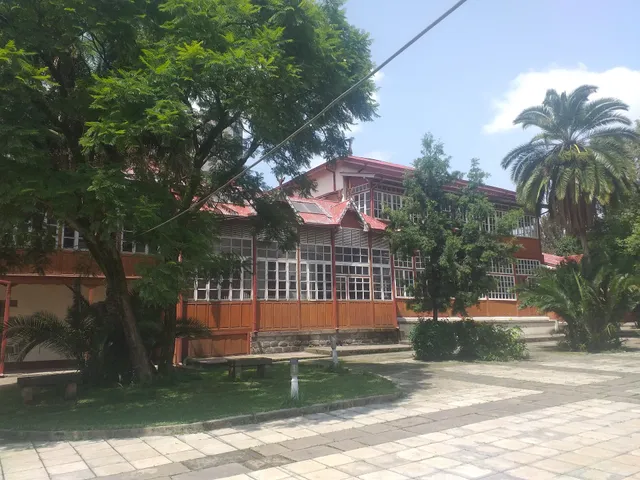
Addis Ababa Museum | መስቀል አደባባይ
4.3
(92)
Closed
Click for details
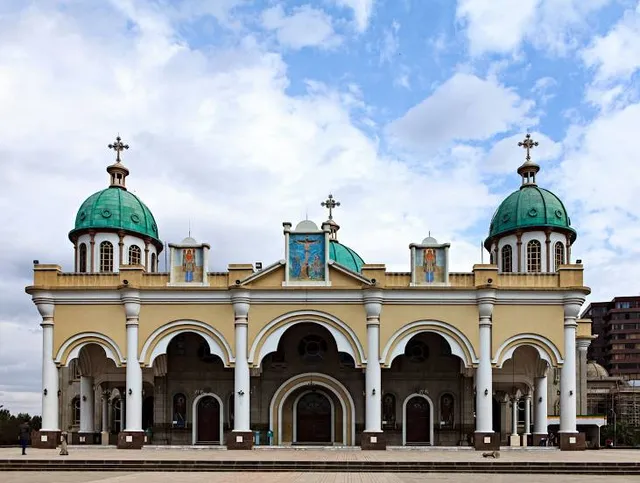
Meskel Square
4.4
(777)
Closed
Click for details
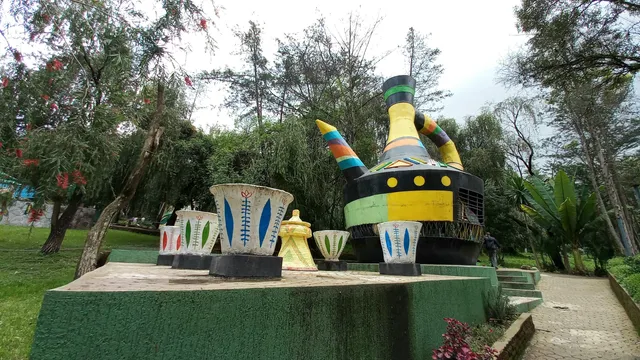
Grove Garden Walk | Meskel Square | ግሮቭ መናፈሻ | መስቀል አደባባይ
4.2
(68)
Open until 12:00 AM
Click for details
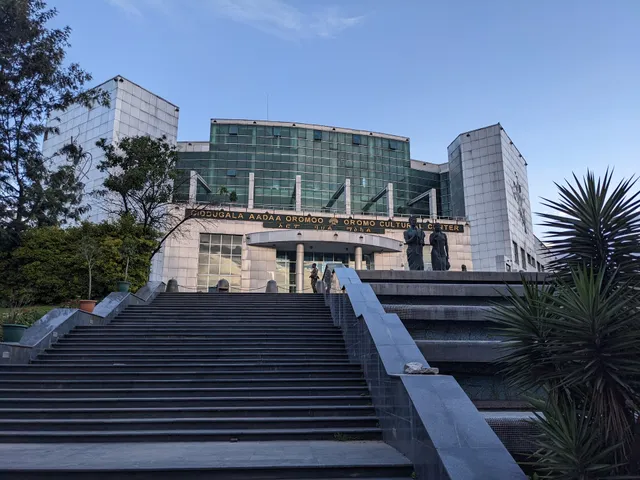
Giddugala Aadaa Oromoo | Oromia Cultural Center | ኦሮሚያ ባህል ማእከል
4.1
(48)
Closed
Click for details
Nearby restaurants of Red Terror Martyrs' Memorial Museum የቀይ ሽብር መታሰቢያ ሙዚየም
Union Cocktail Bar & Restaurant
The Oriental
Savor Restaurant
Flamingo Restaurant
Cascara Courtyard Cafe and Bar
Illy Caffé (Meskel Square)
The Kitchen
Pepper And Spice Restaurant
Nehu Ethiopian Restaurant
የአፍሪካ ጃዝ መንደር | African Jazz Village
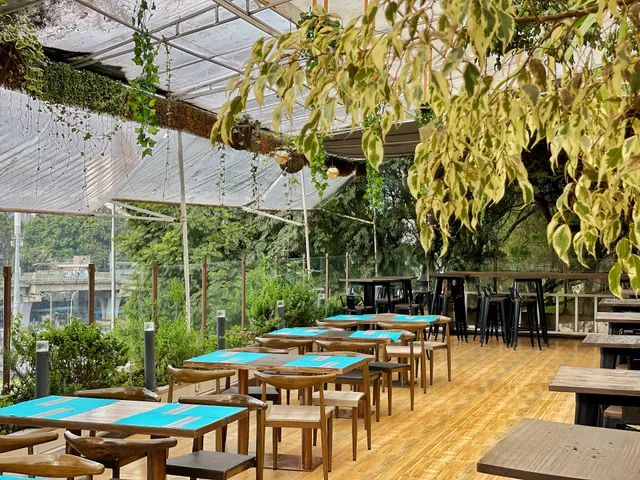
Union Cocktail Bar & Restaurant
4.3
(409)
Closed
Click for details
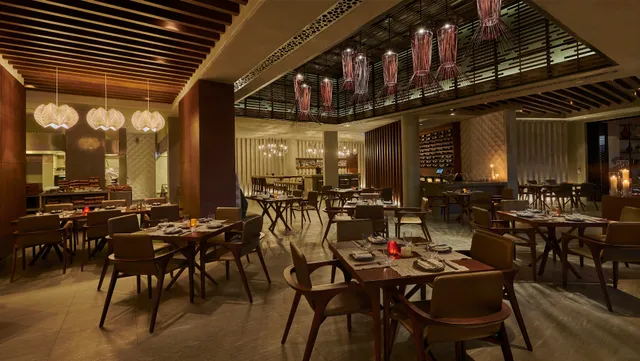
The Oriental
4.2
(74)
Closed
Click for details
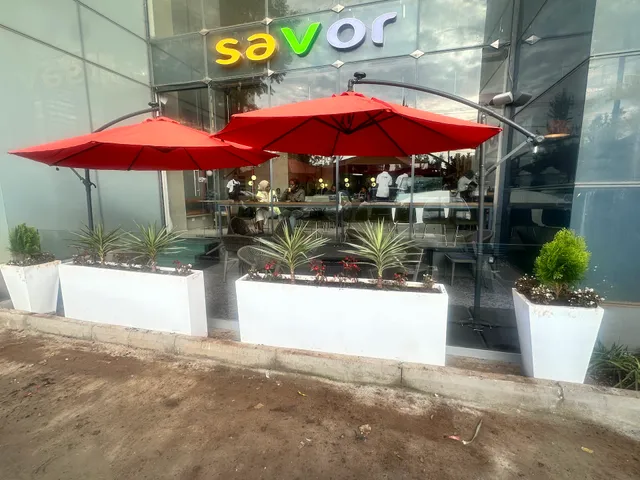
Savor Restaurant
4.3
(236)
Open until 11:00 PM
Click for details
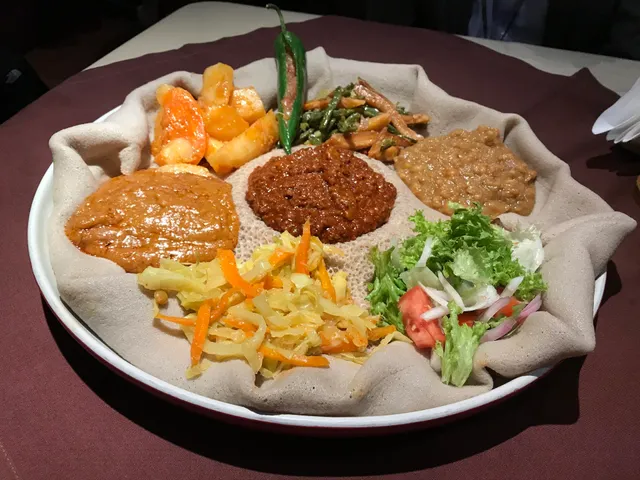
Flamingo Restaurant
4.2
(111)
Closed
Click for details
Nearby local services of Red Terror Martyrs' Memorial Museum የቀይ ሽብር መታሰቢያ ሙዚየም
Fendika Culture Center
addis ababa exhibition center
Addis Tour Guide
Lungo Local Tour Ethiopia
Commercial Bank of Ethiopia 'Meskel' Square Branch
Stunning Ethiopia Tours
Ethio Travel And Tours
Dembel City Center
Aberus Complex | Bole Dembel | አበሩስ ህንጻ | ቦሌ ደምበል
Aman Ethiopia Tours

Fendika Culture Center
4.6
(187)
Click for details
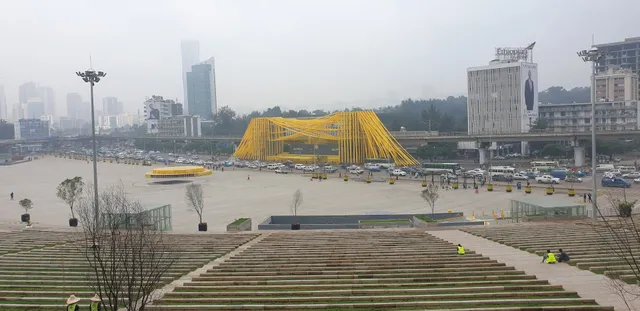
addis ababa exhibition center
3.8
(24)
Click for details
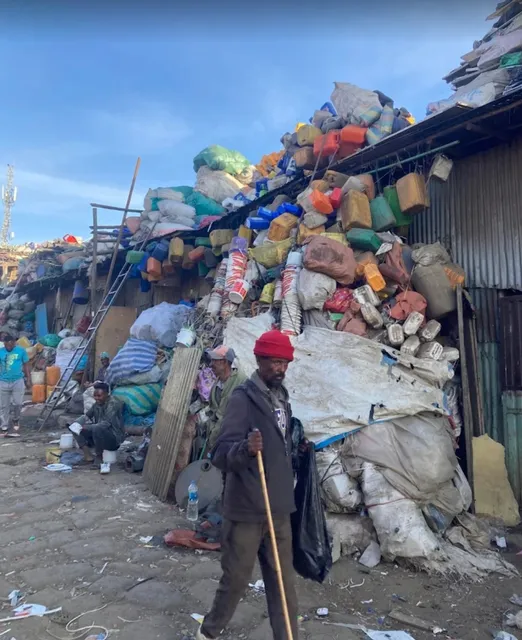
Addis Tour Guide
4.9
(34)
Click for details
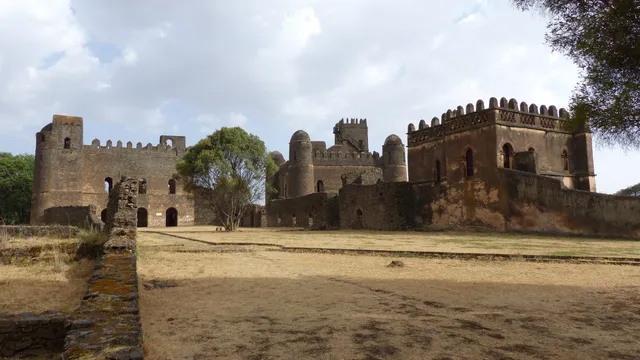
Lungo Local Tour Ethiopia
4.9
(21)
Click for details