Helsinki Cathedral things to do, attractions, restaurants, events info and trip planning
Basic Info
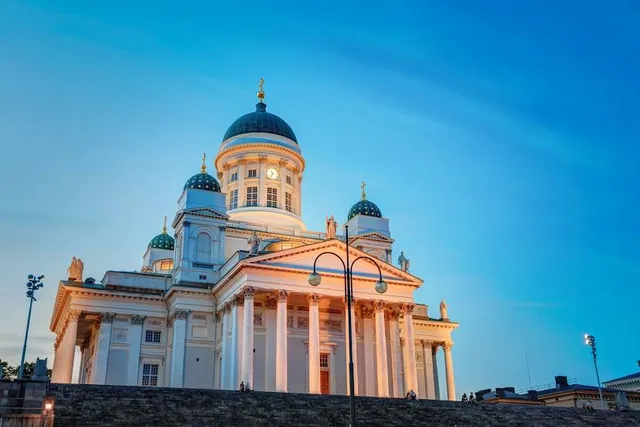
Helsinki Cathedral
Unioninkatu 29, 00170 Helsinki, Finland
4.6(5.6K)
Open 24 hours


tickets
Save
spot
spot
Ratings & Description
Info
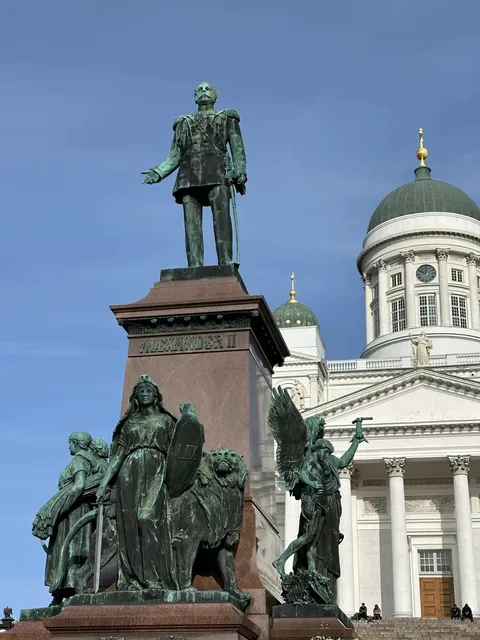
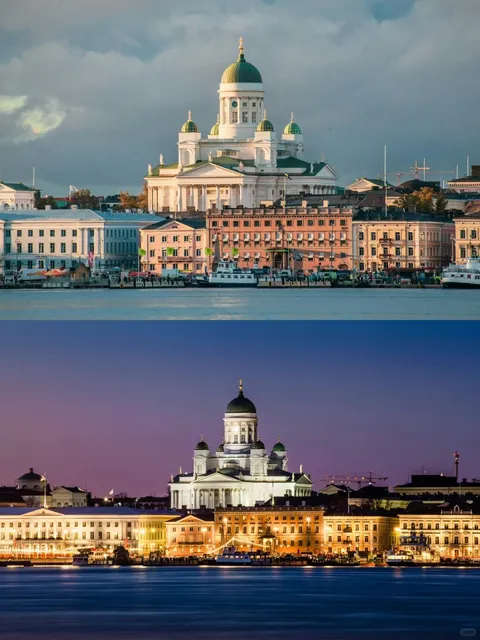
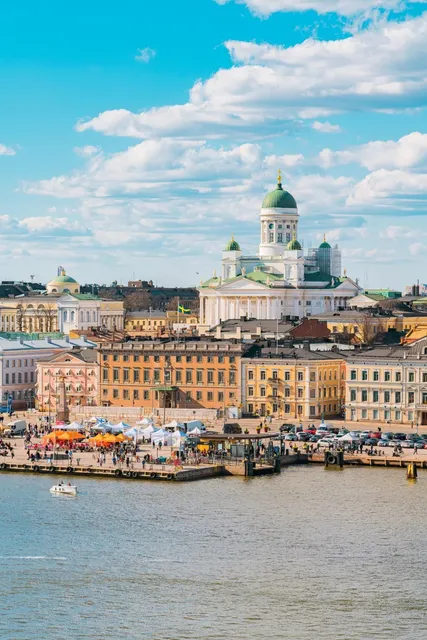
Helsinki Cathedral is the Finnish Evangelical Lutheran cathedral of the Diocese of Helsinki, located in the neighborhood of Kruununhaka in the centre of Helsinki, Finland, at the Senate Square. The church was originally built from 1830 to 1852 as a tribute to the Grand Duke of Finland, Tsar Nicholas I of Russia.
Cultural
Accessibility
attractions: Senate Square, Helsinki City Museum, The Bank of Finland Museum, The National Library of Finland, Alexander II Statue, Holy Trinity Church, Children’s Town, Esplanadi, University of Helsinki, Havis Amanda, restaurants: Pizzeria Via Tribunali, Café Engel, Fazer Café Kluuvikatu, Restaurant Caverna, Gastro Hub, Dongbei House, Ravintola Sunn, Restaurant Brasa, Helsinki Bryggeri Brewhouse, Kappeli, local businesses: Market Square, Finnkino Kinopalatsi Helsinki, House of the Estates, Ainola, Helsingin yliopiston pääkirjasto Kaisa-talo, Gastrogrill Muré, Helsinki City Hall, Kaisaniemi Reuse Centre, Citycenter Mall, Food Market Herkku
 Learn more insights from Wanderboat AI.
Phone
+358 9 23406120
Website
helsingintuomiokirkko.fi
Plan your stay

Pet-friendly Hotels in Helsinki sub-region
Find a cozy hotel nearby and make it a full experience.

Affordable Hotels in Helsinki sub-region
Find a cozy hotel nearby and make it a full experience.

The Coolest Hotels You Haven't Heard Of (Yet)
Find a cozy hotel nearby and make it a full experience.

Trending Stays Worth the Hype in Helsinki sub-region
Find a cozy hotel nearby and make it a full experience.
Reviews
Live events
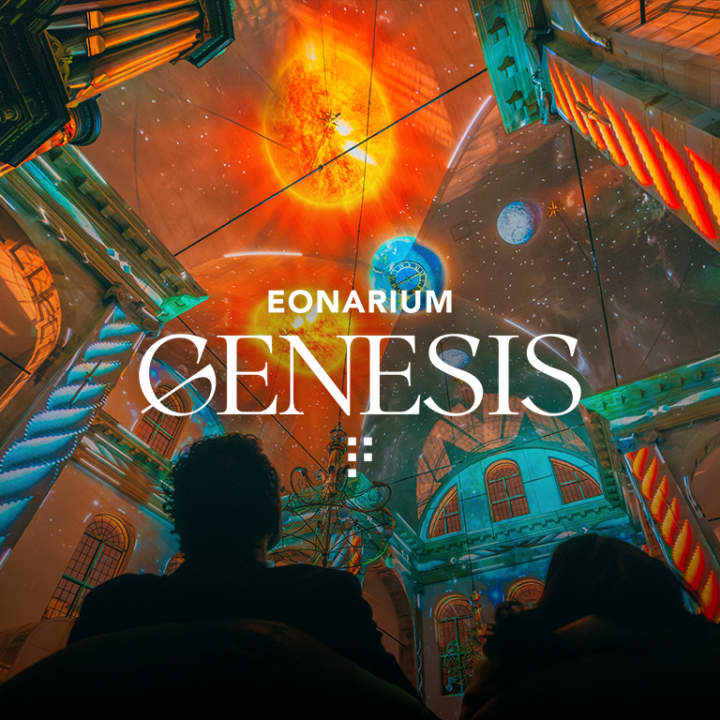
Genesis, the Creation Story in an Immersive Light Show
Wed, Feb 25 • 6:30 PM
Itäinen Papinkatu 2, Helsinki, 00530
View details

Create a traditional Finnish meal in Punavuori
Thu, Feb 26 • 9:00 AM
00120, Helsinki, Finland
View details

Paradox Museum Helsinki
Wed, Feb 25 • 3:15 PM
Fabianinkatu 29, Helsinki, Finland, Fabianinka
View details
Nearby attractions of Helsinki Cathedral
Senate Square
Helsinki City Museum
The Bank of Finland Museum
The National Library of Finland
Alexander II Statue
Holy Trinity Church
Children’s Town
Esplanadi
University of Helsinki
Havis Amanda
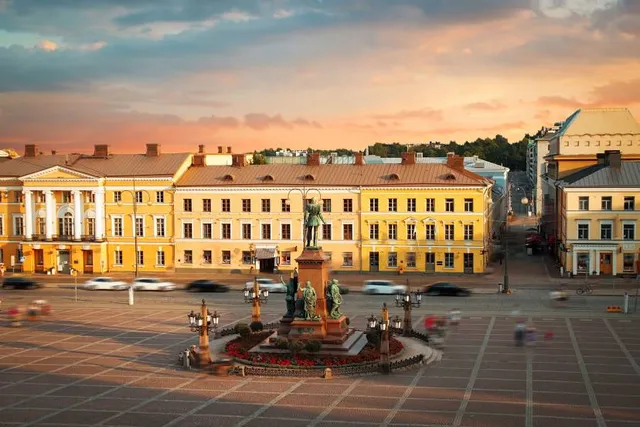
Senate Square
4.5
(8.1K)
Open until 12:00 AM
Click for details
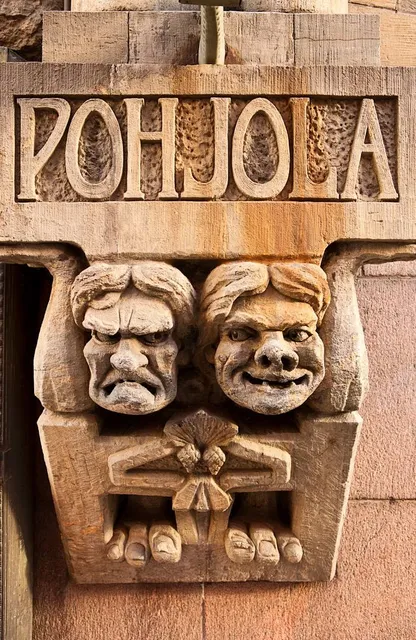
Helsinki City Museum
4.4
(1.4K)
Open until 7:00 PM
Click for details
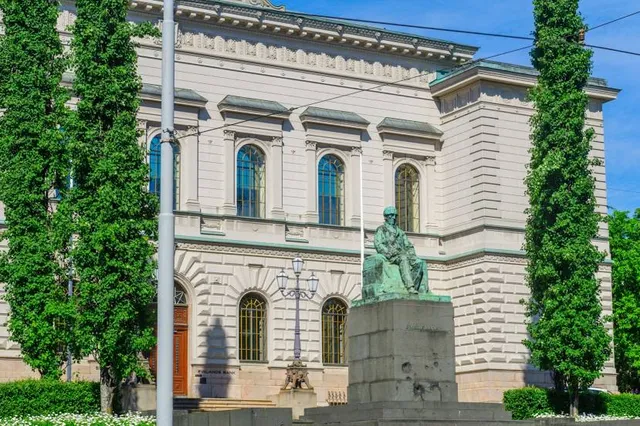
The Bank of Finland Museum
4.4
(182)
Closed
Click for details
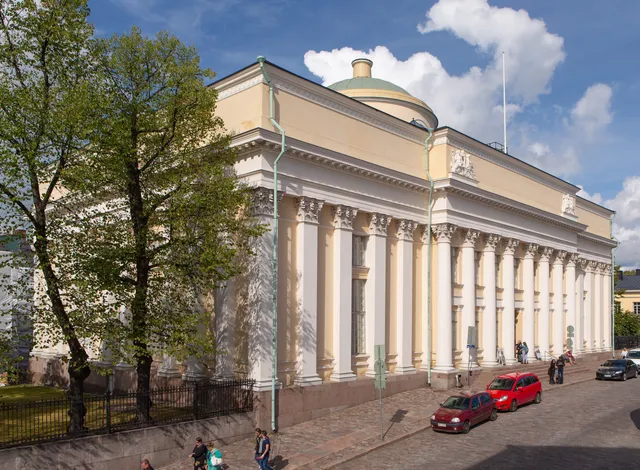
The National Library of Finland
4.8
(238)
Open until 8:00 PM
Click for details
Nearby restaurants of Helsinki Cathedral
Pizzeria Via Tribunali
Café Engel
Fazer Café Kluuvikatu
Restaurant Caverna
Gastro Hub
Dongbei House
Ravintola Sunn
Restaurant Brasa
Helsinki Bryggeri Brewhouse
Kappeli
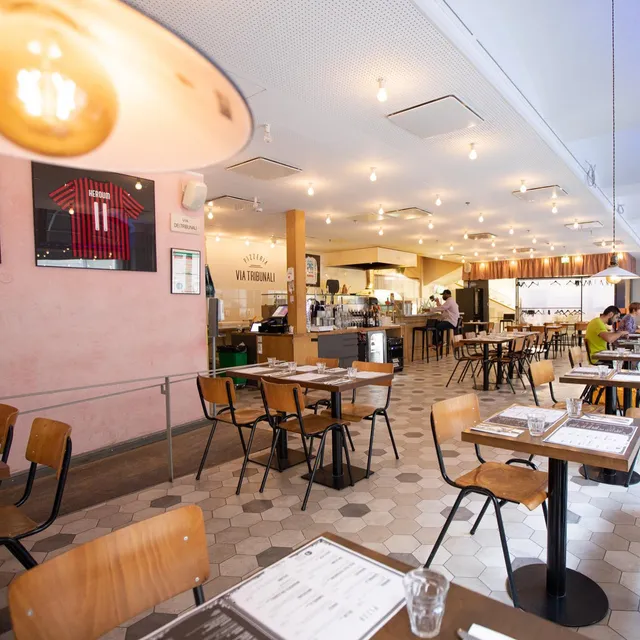
Pizzeria Via Tribunali
4.5
(1.6K)
Open until 10:00 PM
Click for details
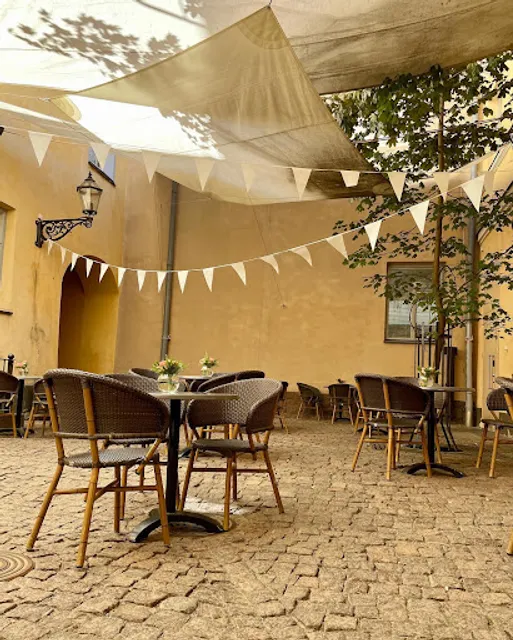
Café Engel
4.5
(550)
Open until 9:00 PM
Click for details
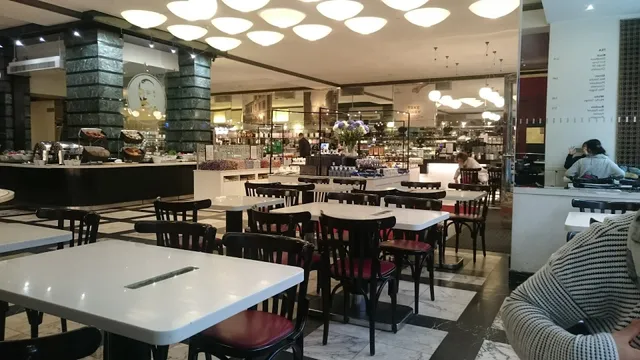
Fazer Café Kluuvikatu
4.4
(2.4K)
Open until 10:00 PM
Click for details
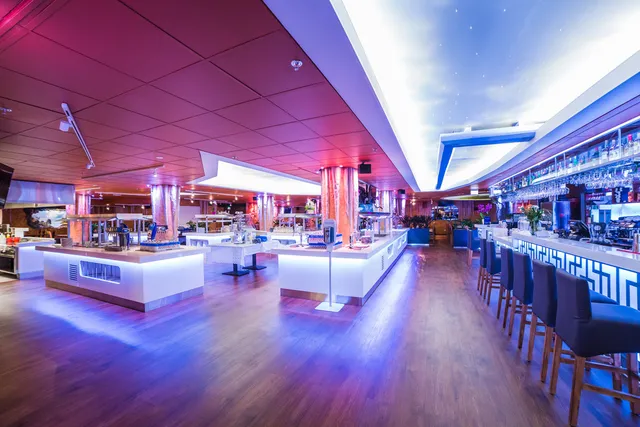
Restaurant Caverna
4.2
(1.4K)
Open until 10:00 PM
Click for details
Nearby local services of Helsinki Cathedral
Market Square
Finnkino Kinopalatsi Helsinki
House of the Estates
Ainola
Helsingin yliopiston pääkirjasto Kaisa-talo
Gastrogrill Muré
Helsinki City Hall
Kaisaniemi Reuse Centre
Citycenter Mall
Food Market Herkku
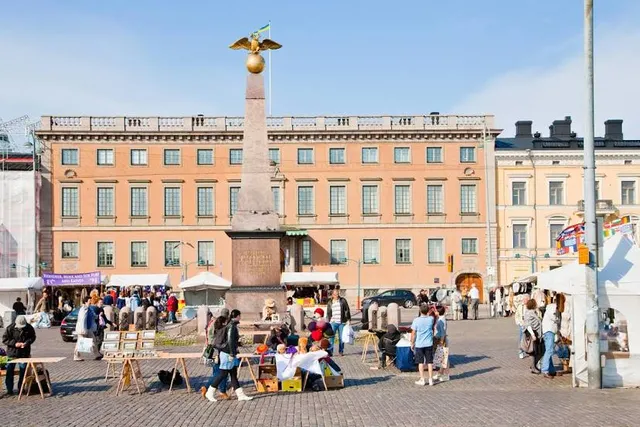
Market Square
4.3
(9.1K)
Click for details
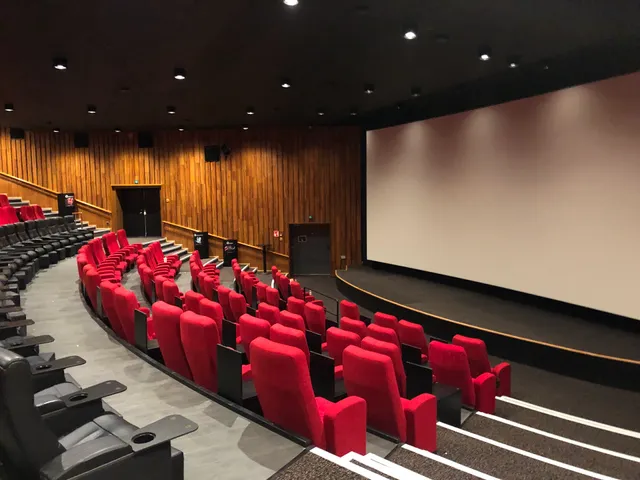
Finnkino Kinopalatsi Helsinki
4.1
(1.8K)
Click for details
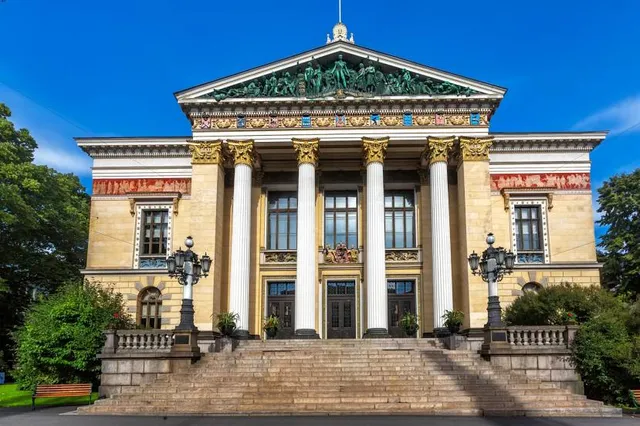
House of the Estates
4.5
(80)
Click for details
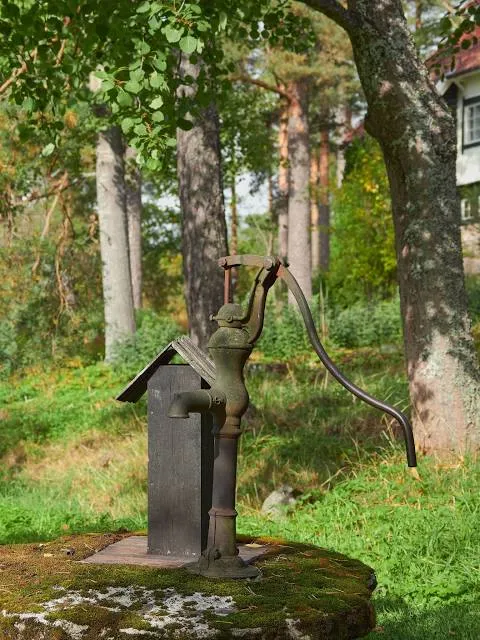
Ainola
4.4
(361)
Click for details