Musée d'Orsay things to do, attractions, restaurants, events info and trip planning
Basic Info
Musée d'Orsay
Esplanade Valéry Giscard d'Estaing, 75007 Paris, France
4.8(34.7K)
Open until 12:00 AM


tickets
Save
spot
spot
Ratings & Description
Info
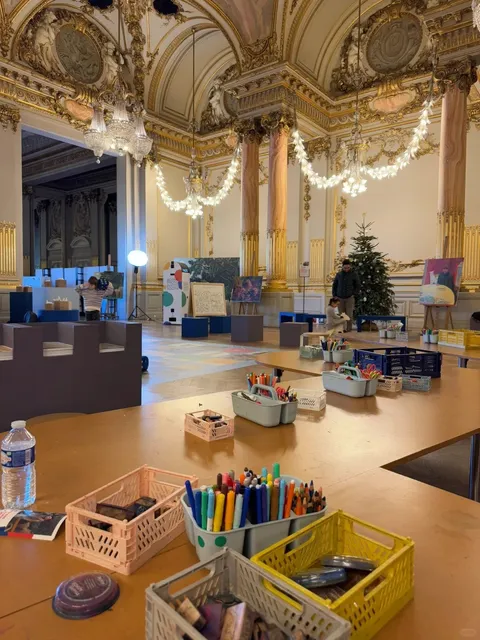
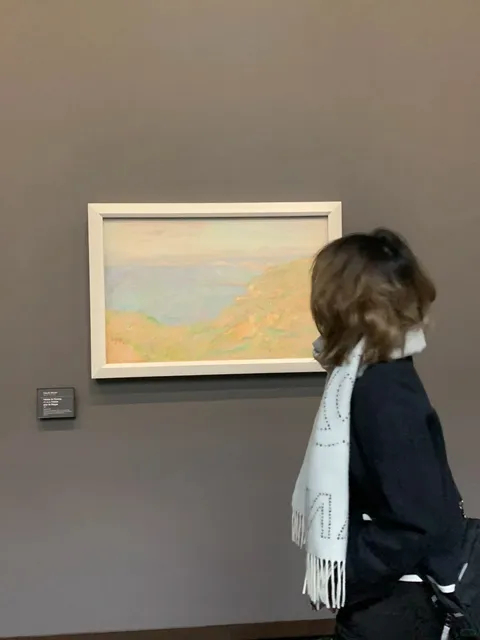
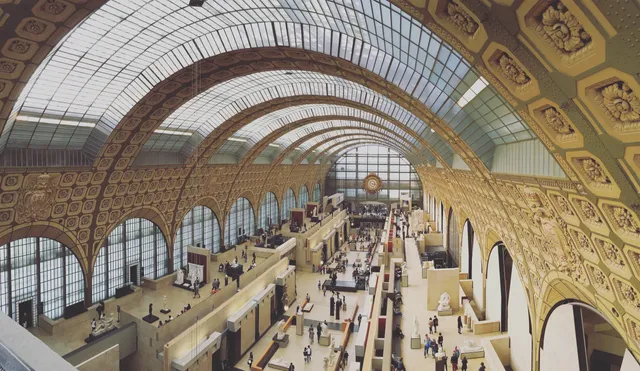
The Musée d'Orsay is a museum in Paris, France, on the Left Bank of the Seine. It is housed in the former Gare d'Orsay, a Beaux-Arts railway station built between 1898 and 1900. The museum holds mainly French art dating from 1848 to 1914, including paintings, sculptures, furniture, and photography.
Cultural
Accessibility
Family friendly
attractions: Tuileries Garden, Tuileries Garden, Musée de la Légion d'honneur, Batobus- Musée d'Orsay, Maison Des Polytechniciens, L'hôtel De Poulpry, Passerelle Léopold-Sédar-Senghor, Friends of the Orsay Museum, Musée de l'Orangerie, Deyrolle, Maison Gainsbourg, restaurants: Café d’Orsay, Le Restaurant du Musée d'Orsay, Les Antiquaires, Café Campana, Paris Seine, Cinq-Mars, Café de l'Empire, Maxim's sur Seine, Cocorico, Les Deux Musées, local businesses: 5 Rue du Bac, Musée d'Orsay, Dolce Vita Yacht - Private Seine River Cruise Paris, Museo de la Legión de Honor y de las órdenes de caballería, Happy Cruise in Paris - Croisière privée sur la Seine, Paris Rental - Services immobilier - Location d'appartements meublés aux entreprises, Androuet, Tax Free La Boutique, Monoprix, Pont Royal
 Learn more insights from Wanderboat AI.
Phone
+33 1 40 49 48 14
Website
musee-orsay.fr
Open hoursSee all hours
Tue9:30 AM - 6 PMOpen
Plan your stay

Pet-friendly Hotels in Paris
Find a cozy hotel nearby and make it a full experience.

Affordable Hotels in Paris
Find a cozy hotel nearby and make it a full experience.

The Coolest Hotels You Haven't Heard Of (Yet)
Find a cozy hotel nearby and make it a full experience.

Trending Stays Worth the Hype in Paris
Find a cozy hotel nearby and make it a full experience.
Reviews
Live events
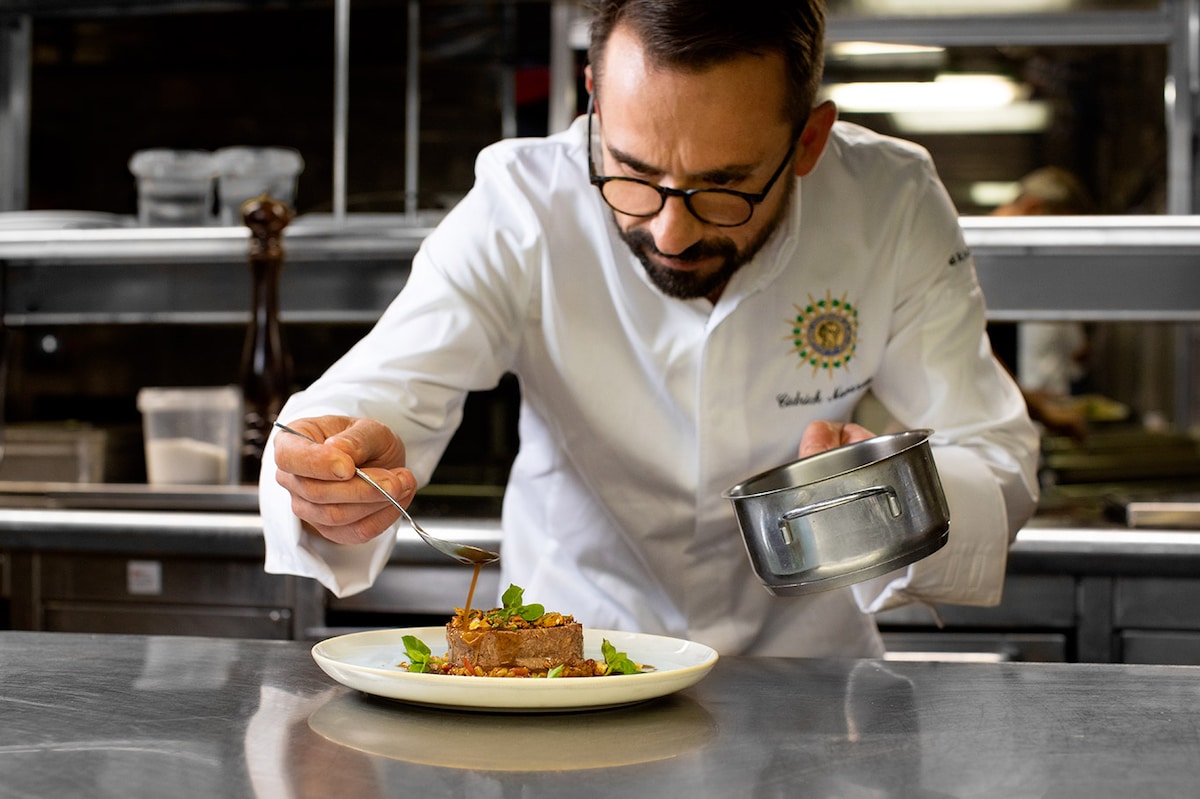
Dinner Cruise in the Heart of Paris with Music
Fri, Feb 27 • 8:30 PM
Port de la Bourdonnais 75007, Paris, France
View details

Learn to bake classic French croissants
Tue, Feb 24 • 9:00 AM
75007, Paris, France
View details
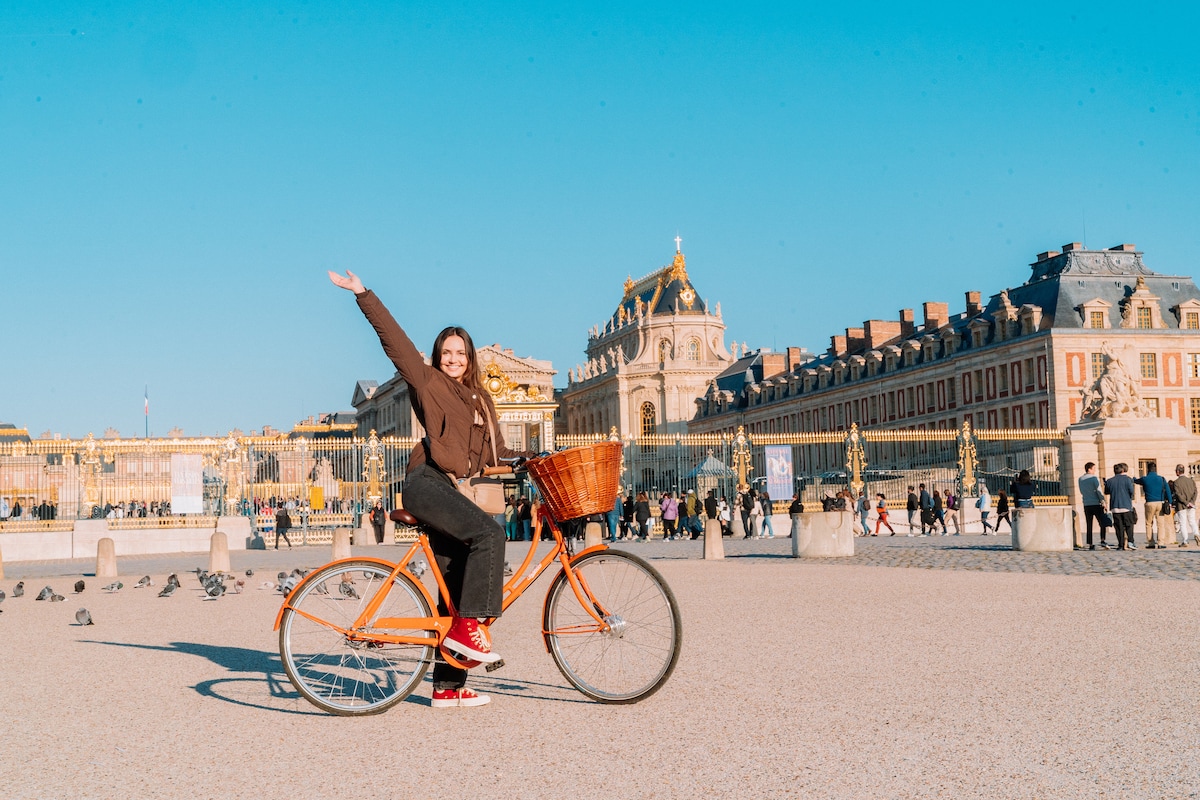
Versailles food and palace bike tour
Tue, Feb 24 • 9:00 AM
75741, Paris, France
View details
Nearby attractions of Musée d'Orsay
Tuileries Garden
Tuileries Garden
Musée de la Légion d'honneur
Batobus- Musée d'Orsay
Maison Des Polytechniciens, L'hôtel De Poulpry
Passerelle Léopold-Sédar-Senghor
Friends of the Orsay Museum
Musée de l'Orangerie
Deyrolle
Maison Gainsbourg
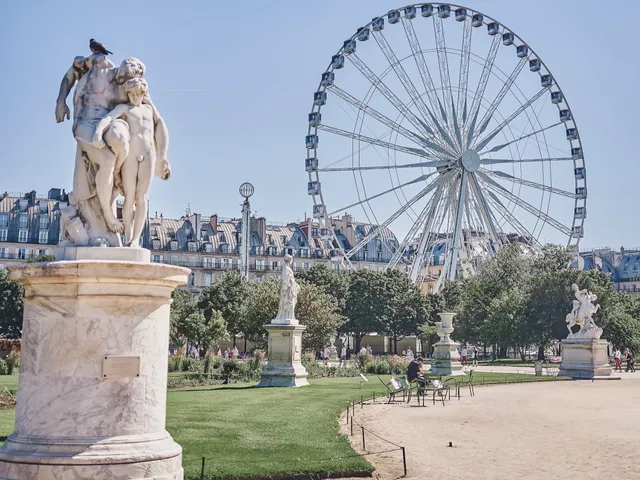
Tuileries Garden
4.6
(36.9K)
Open until 7:30 PM
Click for details
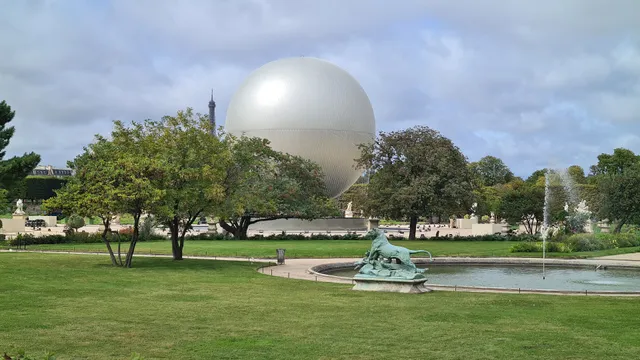
Tuileries Garden
4.6
(39.7K)
Open until 9:00 PM
Click for details
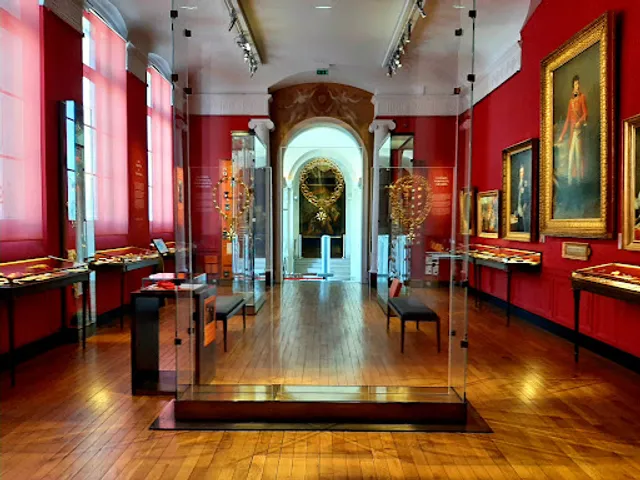
Musée de la Légion d'honneur
4.6
(362)
Open until 12:00 AM
Click for details
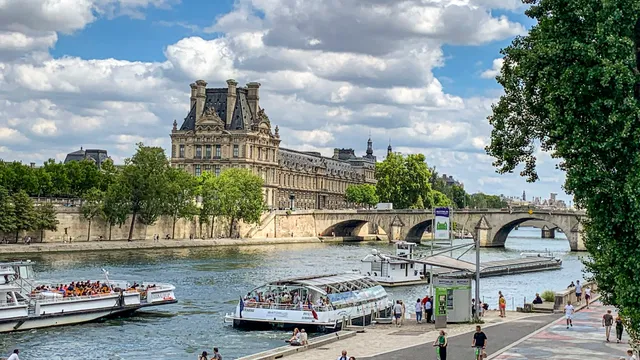
Batobus- Musée d'Orsay
4.4
(159)
Closed
Click for details
Nearby restaurants of Musée d'Orsay
Café d’Orsay
Le Restaurant du Musée d'Orsay
Les Antiquaires
Café Campana
Paris Seine
Cinq-Mars
Café de l'Empire
Maxim's sur Seine
Cocorico
Les Deux Musées
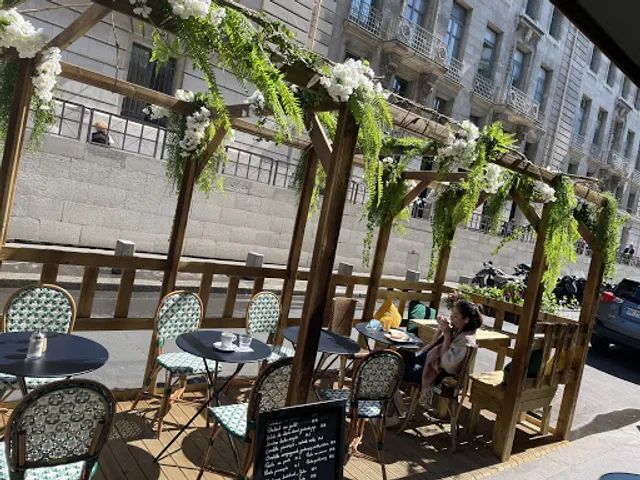
Café d’Orsay
4.4
(965)
Open until 12:00 AM
Click for details
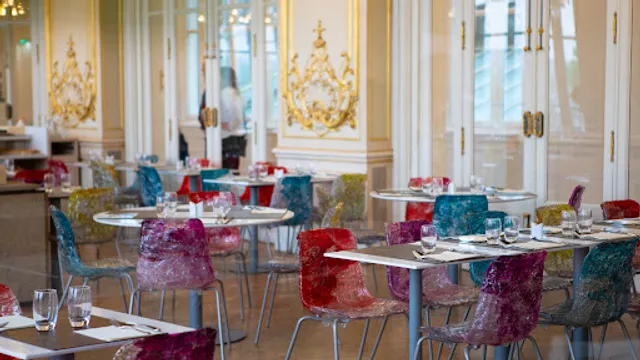
Le Restaurant du Musée d'Orsay
4.1
(657)
Open until 12:00 AM
Click for details
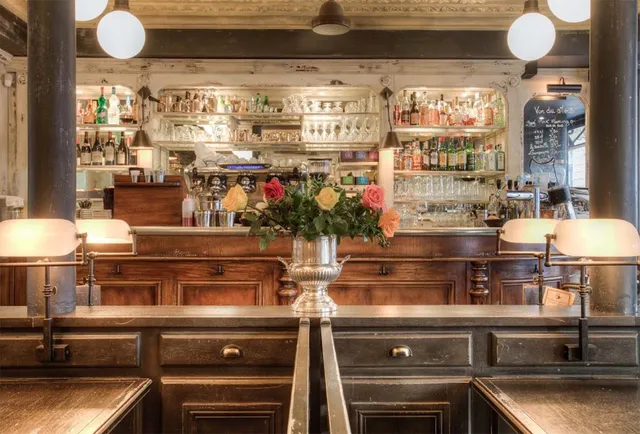
Les Antiquaires
4.6
(4K)
$$
Open until 2:00 AM
Click for details
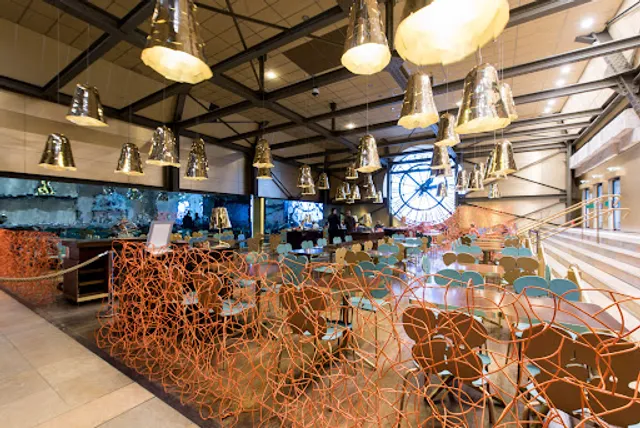
Café Campana
3.5
(349)
Open until 12:00 AM
Click for details
Nearby local services of Musée d'Orsay
5 Rue du Bac
Musée d'Orsay
Dolce Vita Yacht - Private Seine River Cruise Paris
Museo de la Legión de Honor y de las órdenes de caballería
Happy Cruise in Paris - Croisière privée sur la Seine
Paris Rental - Services immobilier - Location d'appartements meublés aux entreprises
Androuet
Tax Free La Boutique
Monoprix
Pont Royal
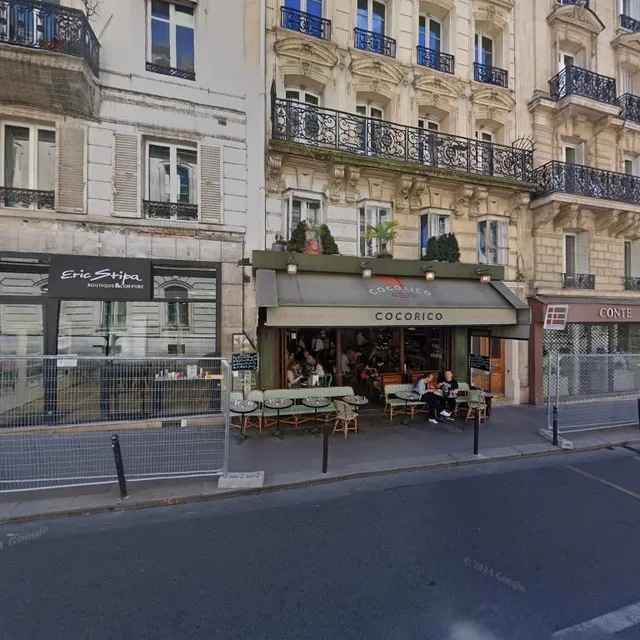
5 Rue du Bac
4.4
(1.4K)
Click for details
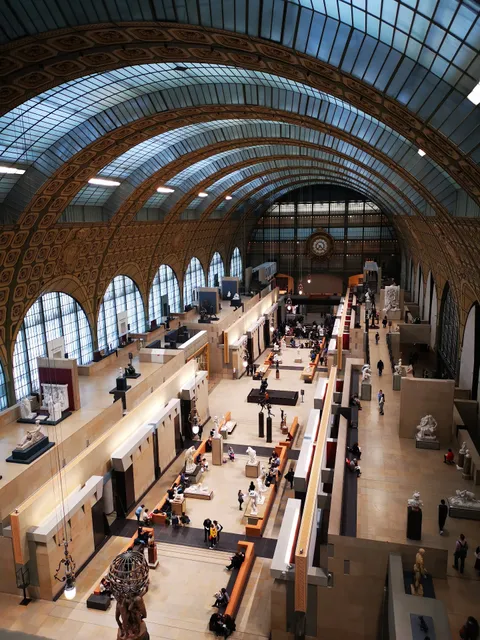
Musée d'Orsay
4.5
(168)
Click for details
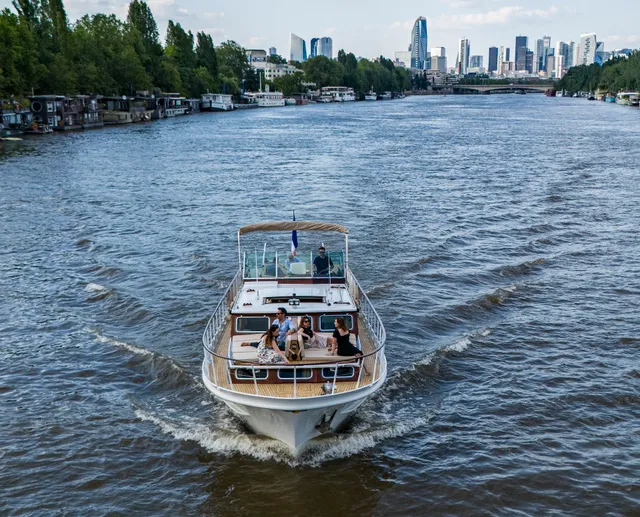
Dolce Vita Yacht - Private Seine River Cruise Paris
5.0
(63)
Click for details
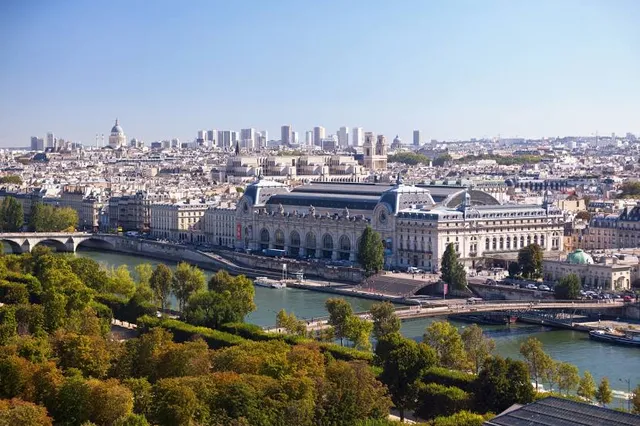
Museo de la Legión de Honor y de las órdenes de caballería
4.5
(297)
Click for details