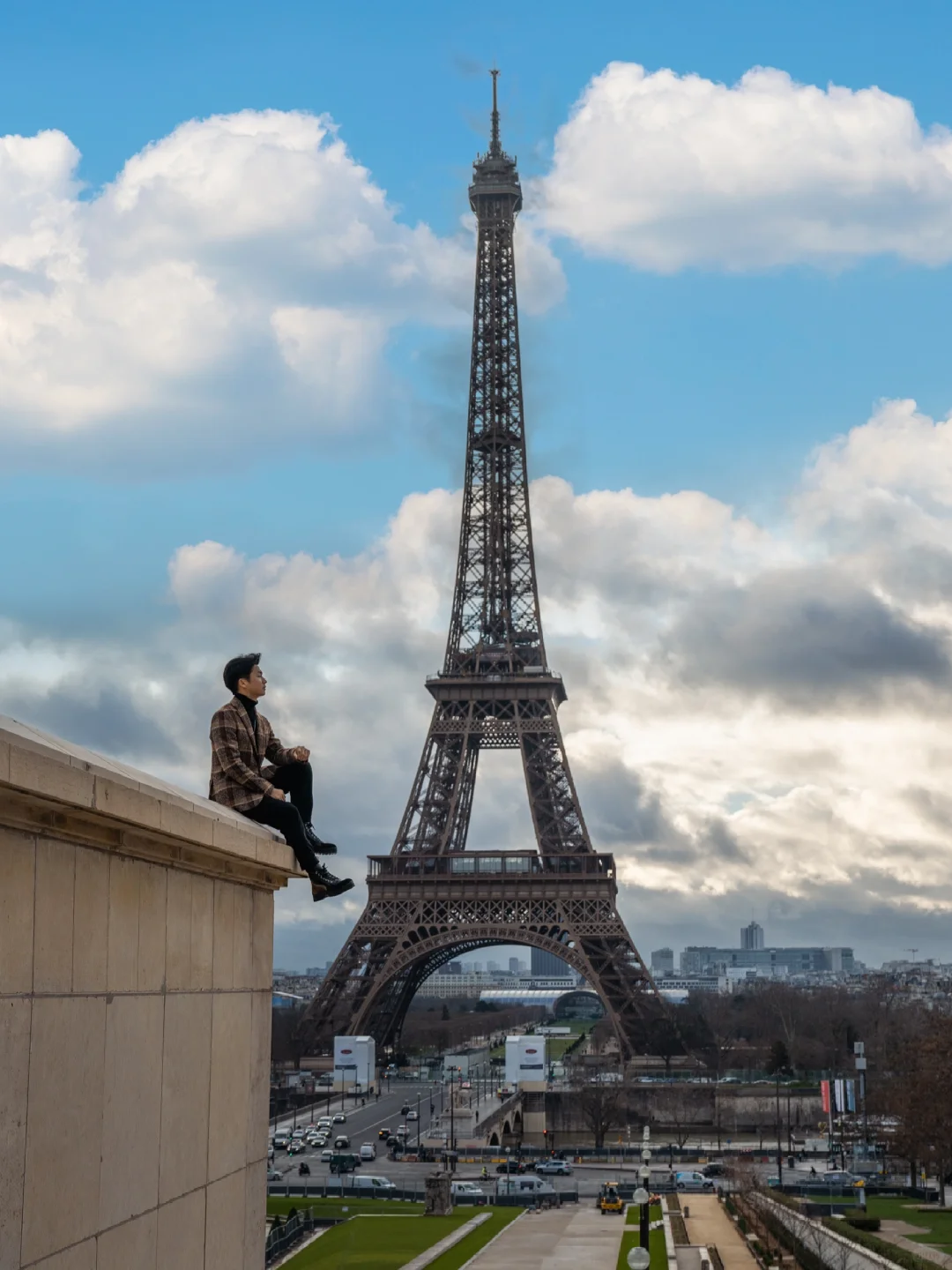
one simply cannot miss the enchanting Palais de Chaillot. This architectural gem, located in the heart of the city, offers a captivating blend of history, culture, and breathtaking views that left me in awe during my recent visit. From its magnificent façade to its well-curated exhibitions, the Palais de Chaillot exceeded my expectations in every way.
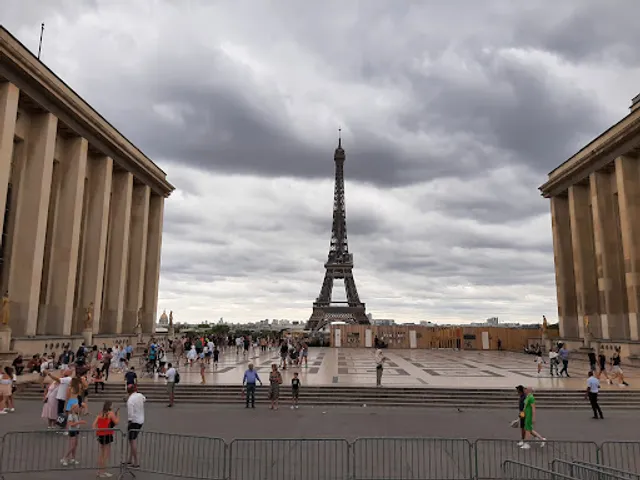
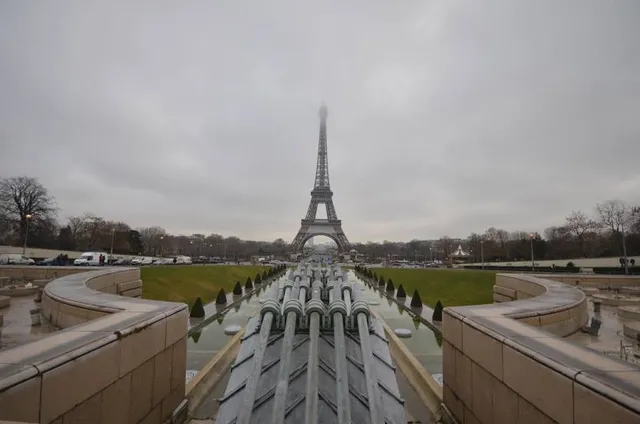
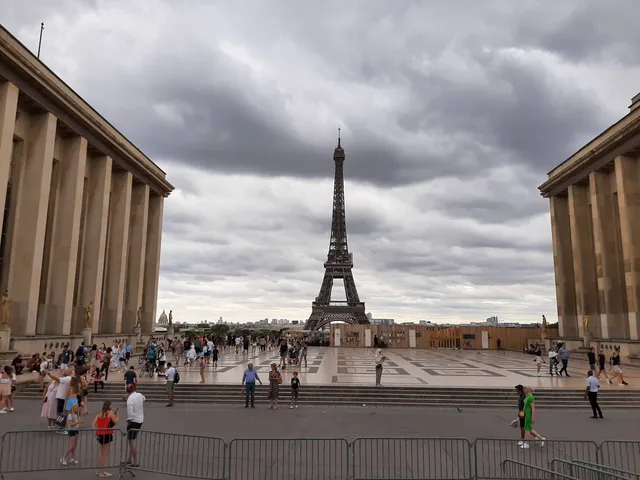
Upon arriving at the Palais de Chaillot, I was immediately struck by the grandeur of its design. The neoclassical architecture, with its imposing columns and ornate details, commands attention and evokes a sense of grandiosity. The spacious esplanade surrounding the palace provides an excellent vantage point to admire the iconic Eiffel Tower and the stunning cityscape of Paris.
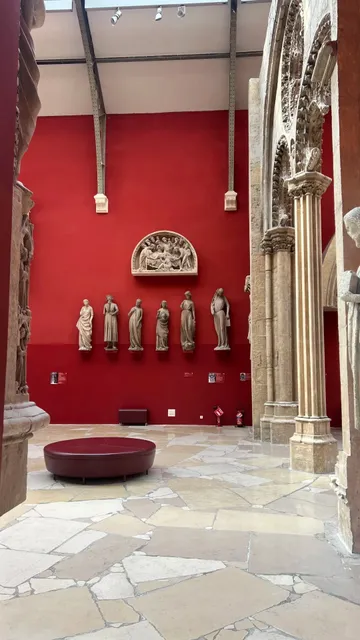
Inside, the Palais de Chaillot houses several museums and exhibition spaces that showcase a diverse range of art and history. The Cité de l'Architecture et du Patrimoine allows visitors to explore the evolution of French architecture through immersive displays and interactive exhibits. From the medieval period to modernist movements, the museum offers a comprehensive journey through time, shedding light on the rich architectural heritage of France.
The Musée de l'Homme, located within the Palais de Chaillot, is another highlight not to be missed. It delves into the depths of human anthropology, presenting thought-provoking displays that shed light on our origins, diversity, and interconnectedness as a species. The museum's collection is both educational and engaging, and it offers a unique perspective on what it means to be human.
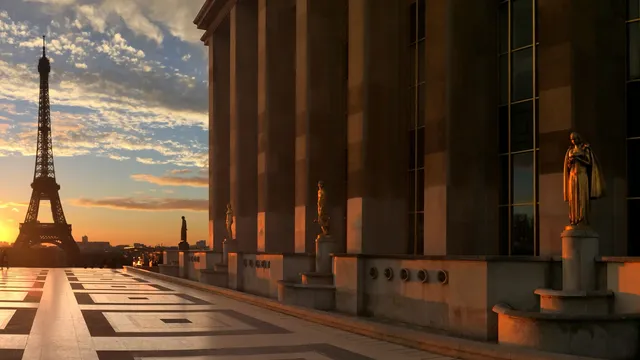
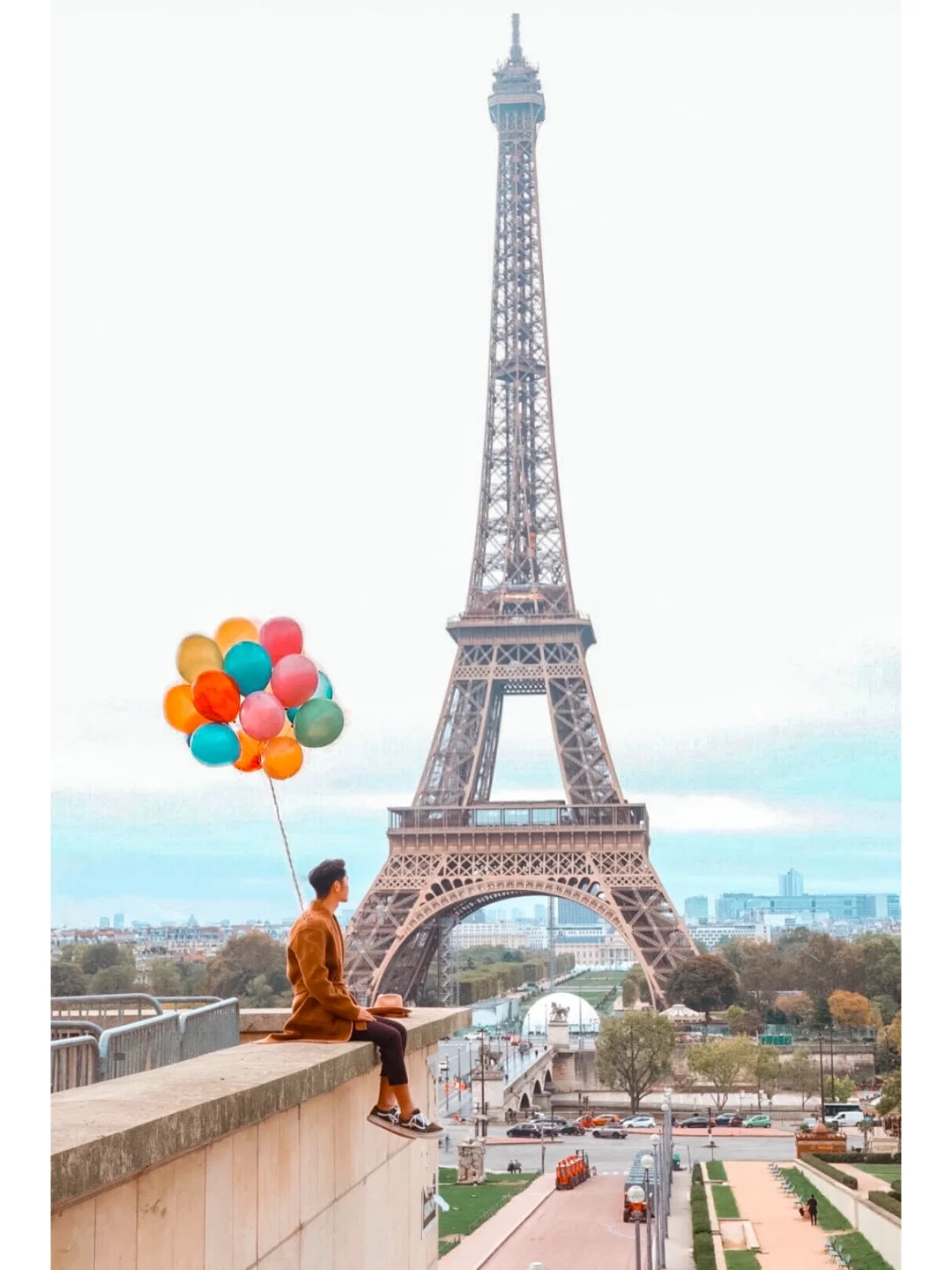
One of the true highlights of my visit to Palais de Chaillot was undoubtedly the panoramic terrace. The terrace offers unparalleled views of Paris, providing an unobstructed vista of the Eiffel Tower, the Seine River, and the surrounding landmarks. Whether during the day or at night when the city lights up, the panorama from the Palais de Chaillot is nothing short of magical. It's an ideal spot for capturing stunning photographs and creating lasting memories.
Additionally, the Palais de Chaillot benefits from excellent amenities, including well-maintained facilities and knowledgeable staff. The visitor services team was friendly, helpful, and readily available to answer any questions, making the overall experience even more enjoyable.
In conclusion, a visit to Palais de Chaillot is an absolute must for any traveler in Paris. Its striking architecture, fascinating museums, and unparalleled views make it a true gem in the city's cultural landscape. Whether you're a history enthusiast, an art lover, or simply seeking breathtaking vistas, the Palais de Chaillot promises an unforgettable experience that will leave you with a newfound appreciation for the beauty of Paris and its...
Read moreThe Palais de Chaillot is a prominent architectural complex located in the 16th arrondissement of Paris, France. Here’s a comprehensive overview of its history, architecture, and significance:
History
Construction: The Palais de Chaillot was constructed between 1937 and 1939 for the International Exposition of Arts and Technology in Modern Life. It was designed by architects Louis-Hippolyte Boileau, Jacques Carlu, and Léon Azéma.
Predecessor: The site originally hosted the Château de Chaillot, a palace built in the 18th century, which was demolished to make way for the new structure.
Post-Exposition Use: After the exposition, the Palais became a venue for various institutions, including museums and cultural organizations.
Architecture
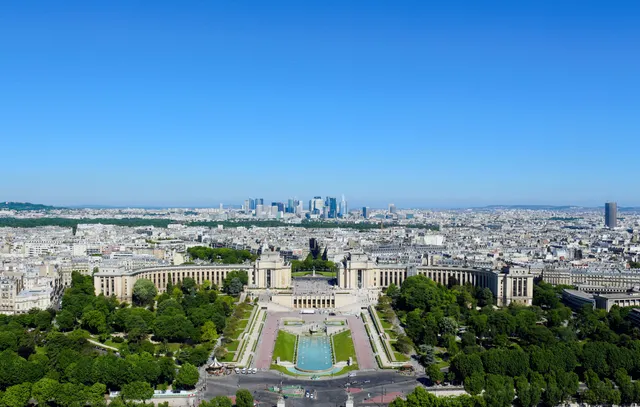
Design: The Palais is characterized by its modernist style, featuring a mix of Art Deco and classical elements. The structure is made up of two wings flanking a central open space, known as the Esplanade des Droits de l'Homme (Esplanade of Human Rights).
Features: The complex includes several notable features, such as:
Terrace with Views: It offers stunning views of the Eiffel Tower and the Seine River.
Sculptures and Fountains: The façade features various sculptures and fountains that add to its artistic appeal.
Museums and Institutions
The Palais de Chaillot houses several important institutions, including:
Cité de l'Architecture et du Patrimoine: A museum dedicated to the preservation and promotion of French architecture and heritage.
Musée de l'Homme: A museum focused on anthropology and the evolution of humanity.
Théâtre National de Chaillot: A prominent theater venue that hosts various performances and cultural events.
Cultural Significance
Human Rights: The Esplanade des Droits de l'Homme, located in front of the Palais, serves as a symbol of human rights and democracy, often hosting events and demonstrations related to these themes.
Tourist Attraction: The Palais de Chaillot is a popular tourist destination, attracting visitors for its architecture, cultural institutions, and stunning panoramic views of Paris.
Visiting Information
Location: The Palais de Chaillot is situated at Place du Trocadéro et du 11 Novembre, 75016 Paris, France.
Accessibility: It is easily accessible via public transportation, including the Paris Métro (Trocadéro station).
Opening Hours: The museums within the Palais may have varying hours, so it’s best to check their websites for the latest information before visiting.
The Palais de Chaillot remains a significant cultural and historical landmark in Paris, reflecting the city’s commitment to the arts, architecture, and...
Read moreThe Palais de Chaillot is a building at the top of the Chaillot hill in the Trocadéro area in the 16th arrondissement of Paris, France.
For the Exposition Internationale of 1937, the old 1878 Palais du Trocadéro was partly demolished and partly rebuilt to create the Palais de Chaillot. It was designed in classicizing "moderne" style by architects Louis-Hippolyte Boileau, Jacques Carlu and Léon Azéma. The Palais consists of two separate wings shaped to form a wide arc, which are those of the former building with new taller portions built in front. The pair of larger central pavilions are also those of the former palais, encapsulated in new construction. The large central hall and towers of the old palais were demolished, leaving only the basement, with a wide esplanade created on top, establishing an open view from the place du Trocadéro to the Eiffel Tower and beyond.
The buildings are decorated with quotations by Paul Valéry, and sculptural groups at the attic level by Raymond Delamarre, Carlo Sarrabezolles and Alfred Bottiau.[1] The eight gilded figures on the terrace of the Rights of Man are attributed to the sculptors Alexandre Descatoire, Marcel Gimond, Jean Paris dit Pryas, Paul Cornet, Lucien Brasseur, Robert Couturier, Paul Niclausse, and Félix-Alexandre Desruelles.[2]
The buildings now house a number of museums:
the Musée national de la Marine (naval museum) and the Musée de l'Homme (ethnology) in the southern (Passy) wing, the Cité de l'Architecture et du Patrimoine, including the Musée national des Monuments Français, in the eastern (Paris) wing, from which one also enters the Théâtre national de Chaillot, a theater below the esplanade. It was on the front terrace of the palace that Adolf Hitler was pictured during his short tour of the city in 1940, with the Eiffel Tower in the background. This became an iconic image of the Second World War. In 1948, the Palais de Chaillot hosted the third United Nations General Assembly, and, in 1951, the sixth General Assembly.[3] It is in the Palais de Chaillot that the United Nations General Assembly adopted the Universal Declaration of Human Rights on December 10, 1948. This event is now commemorated by a stone, and the esplanade is known as the esplanade des droits de l'homme ("esplanade of human rights"). The Palais de Chaillot was also the initial headquarters of NATO, while the "Palais de l'OTAN" (now Université Paris Dauphine) was...
Read more