Square Barye things to do, attractions, restaurants, events info and trip planning
Basic Info
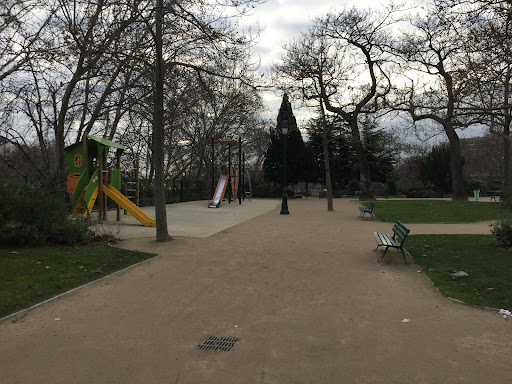
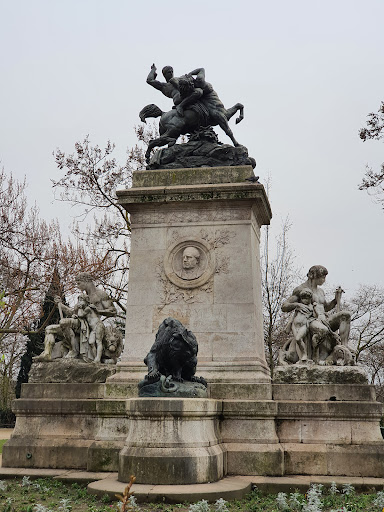
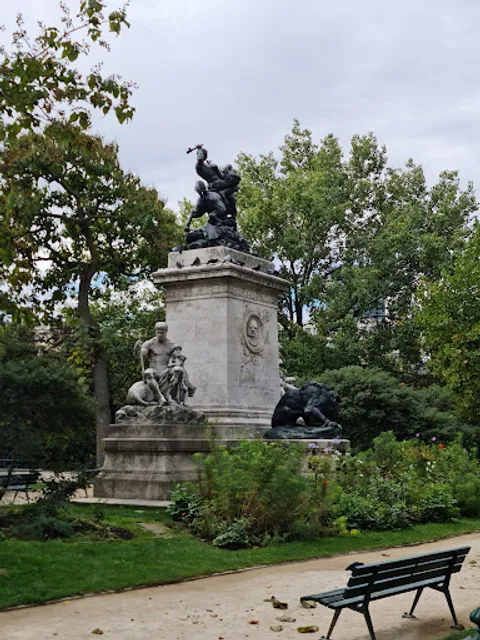
Square Barye
2 Bd Henri IV, 75004 Paris, France
4.3(396)
Open until 12:00 AM
Save
spot
spot
Ratings & Description
Info
Outdoor
Relaxation
Scenic
Family friendly
attractions: Arab World Institute, Pont de Sully, Pavillon de l'Arsenal, Église Saint-Louis-en-l'Île, Pont Marie, Pont de la Tournelle, Tino Rossi Garden, Square Henri Galli, Lauzun Hotel, Hotel Lambert, restaurants: Bonnie, Dar Mima, Le Nouvel Institut, Les Nautes, Berthillon, Berthillon, Wonderland brunchy Notre Dame/ Restaurant Brunch, TiTi Palacio, Le Sully, L'Orangerie Paris, local businesses: Giant, Garage de l'Île Saint-Louis, Ophtavet, Île Saint-Louis, Puente Marie, Camille Albane - Coiffeur Paris 4ème, Midas PARIS 04 - CELESTINS, Ménagerie (Zoológico) del Jardín de las Plantas, EPHEMERA, La Ritournelle
 Learn more insights from Wanderboat AI.
Website
paris.fr
Open hoursSee all hours
Fri9 a.m. - 6 p.m.Open
Plan your stay

Pet-friendly Hotels in Paris
Find a cozy hotel nearby and make it a full experience.

Affordable Hotels in Paris
Find a cozy hotel nearby and make it a full experience.

The Coolest Hotels You Haven't Heard Of (Yet)
Find a cozy hotel nearby and make it a full experience.

Trending Stays Worth the Hype in Paris
Find a cozy hotel nearby and make it a full experience.
Reviews
Live events
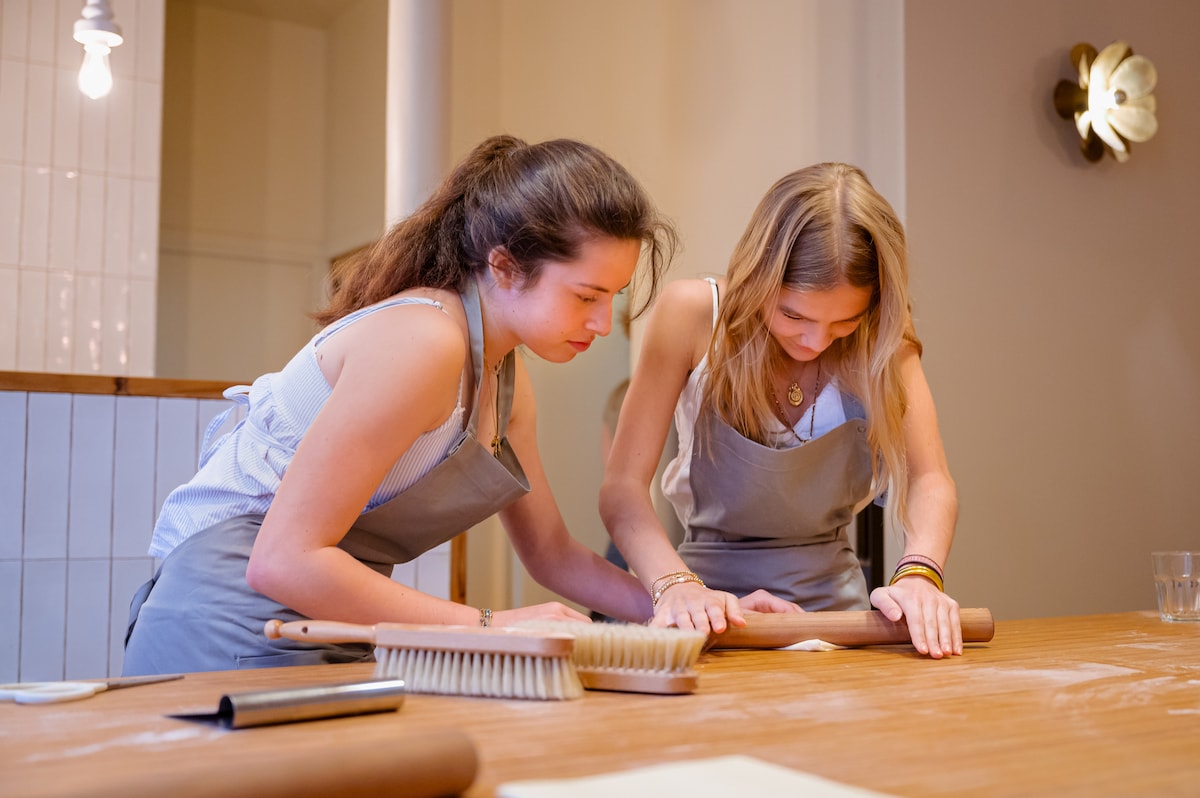
Learn to bake classic French croissants
Sat, Feb 28 • 9:00 AM
75007, Paris, France
View details

Planète Préhistorique : Dinosaures, L’expérience immersive à l’Atelier des Lumières
Fri, Feb 27 • 7:00 PM
38 Rue Saint-Maur, 75011
View details
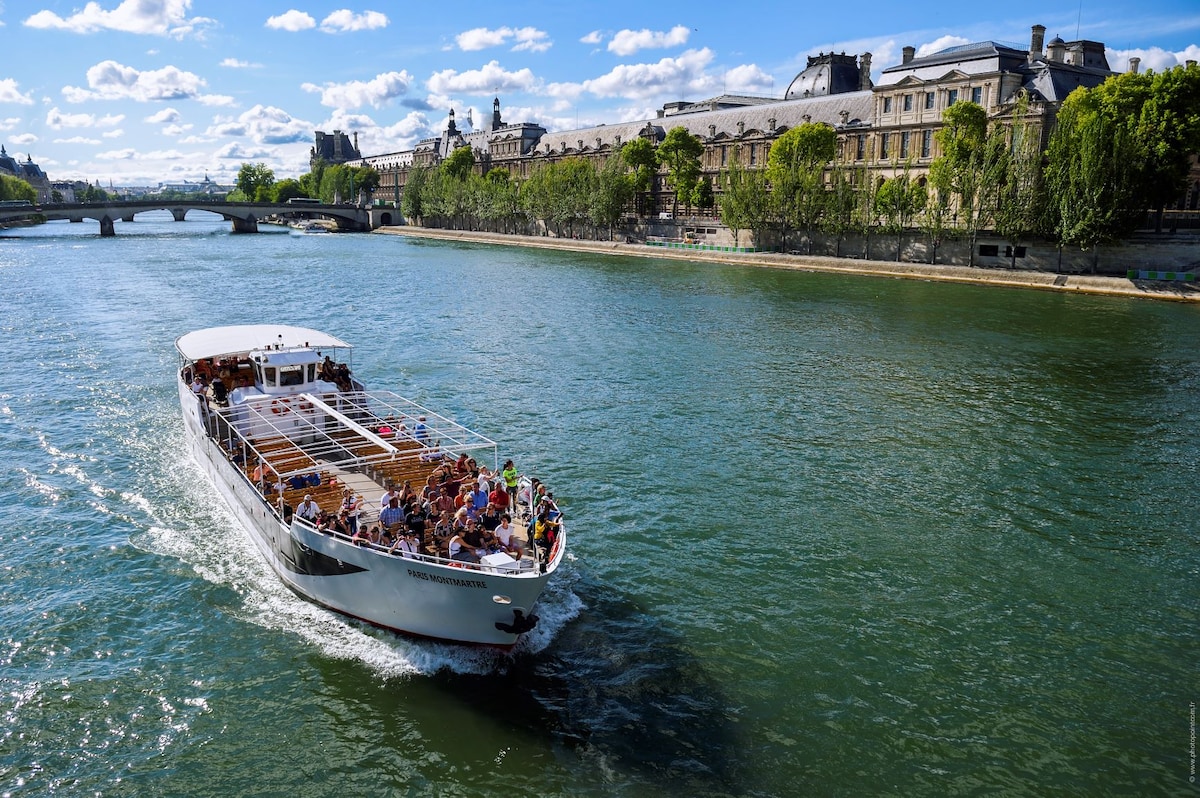
Fast-Access Seine River Cruise from Eiffel Tower
Tue, Mar 3 • 10:45 AM
75015, Paris, France
View details
Nearby attractions of Square Barye
Arab World Institute
Pont de Sully
Pavillon de l'Arsenal
Église Saint-Louis-en-l'Île
Pont Marie
Pont de la Tournelle
Tino Rossi Garden
Square Henri Galli
Lauzun Hotel
Hotel Lambert
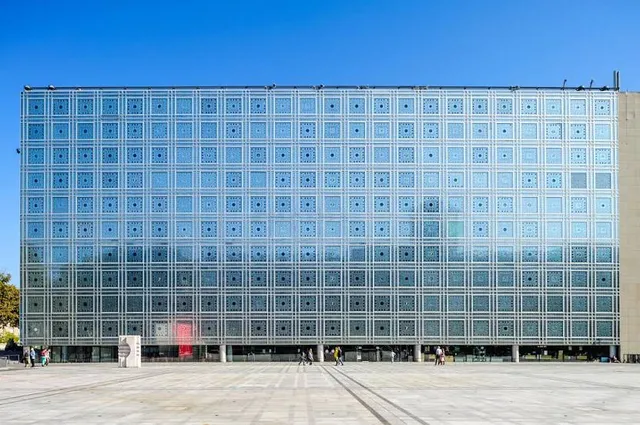
Arab World Institute
4.2
(1.6K)
Closed
Click for details
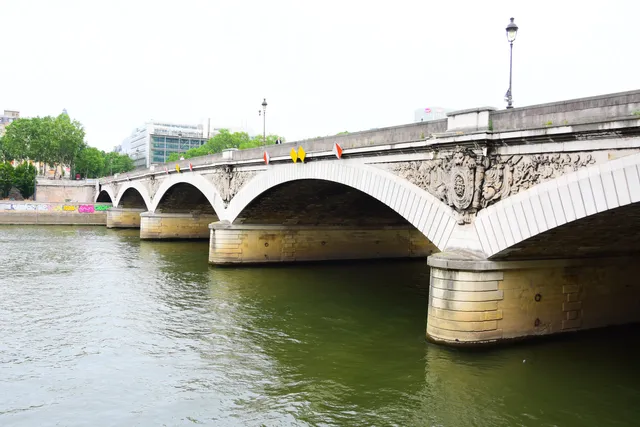
Pont de Sully
4.5
(427)
Open until 12:00 AM
Click for details
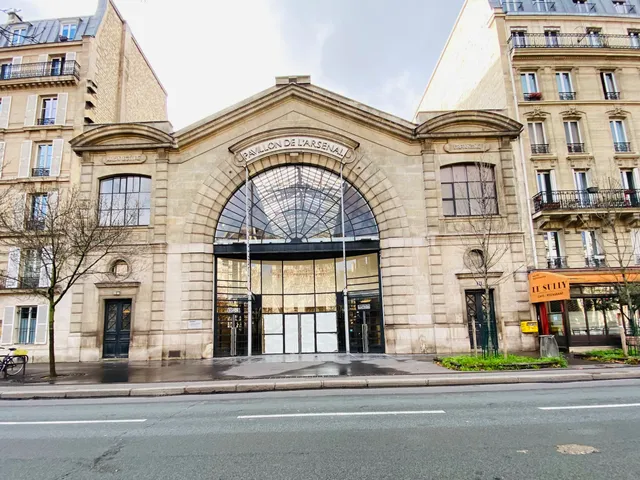
Pavillon de l'Arsenal
4.4
(758)
Open 24 hours
Click for details
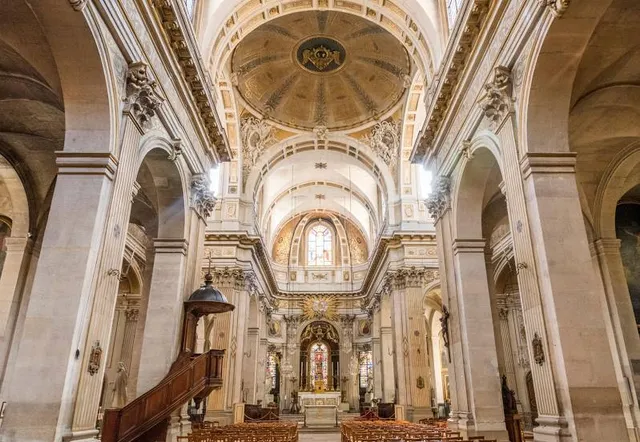
Église Saint-Louis-en-l'Île
4.6
(361)
Closed
Click for details
Nearby restaurants of Square Barye
Bonnie
Dar Mima
Le Nouvel Institut
Les Nautes
Berthillon
Berthillon
Wonderland brunchy Notre Dame/ Restaurant Brunch
TiTi Palacio
Le Sully
L'Orangerie Paris
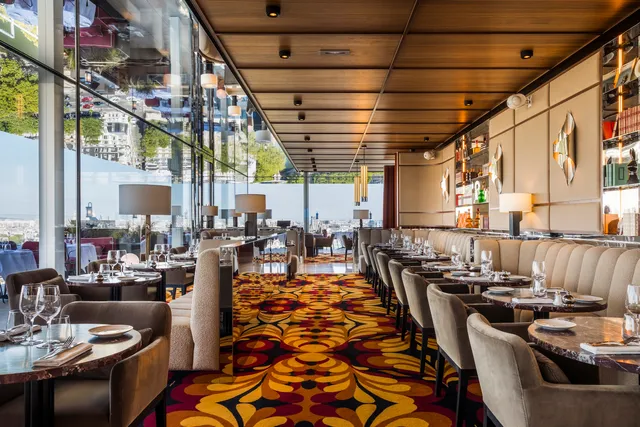
Bonnie
4.0
(1.6K)
Open until 11:30 PM
Click for details
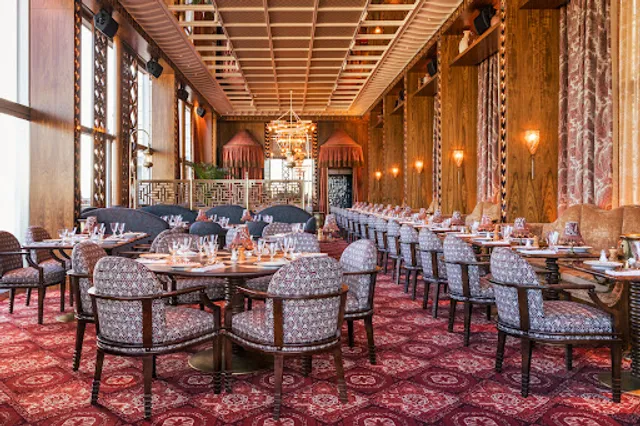
Dar Mima
3.4
(1.6K)
Open until 2:00 AM
Click for details
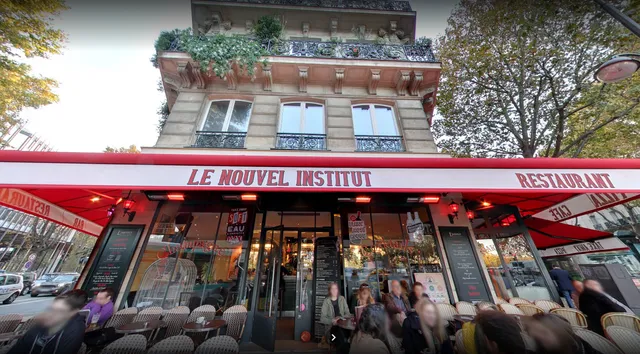
Le Nouvel Institut
4.4
(2.9K)
Open until 2:00 AM
Click for details
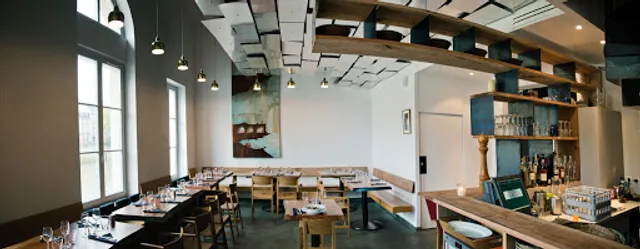
Les Nautes
4.3
(1.1K)
Open until 12:00 AM
Click for details
Nearby local services of Square Barye
Giant
Garage de l'Île Saint-Louis
Ophtavet
Île Saint-Louis
Puente Marie
Camille Albane - Coiffeur Paris 4ème
Midas PARIS 04 - CELESTINS
Ménagerie (Zoológico) del Jardín de las Plantas
EPHEMERA
La Ritournelle

Giant
4.8
(350)
Click for details

Garage de l'Île Saint-Louis
4.7
(48)
Click for details

Ophtavet
4.7
(162)
Click for details
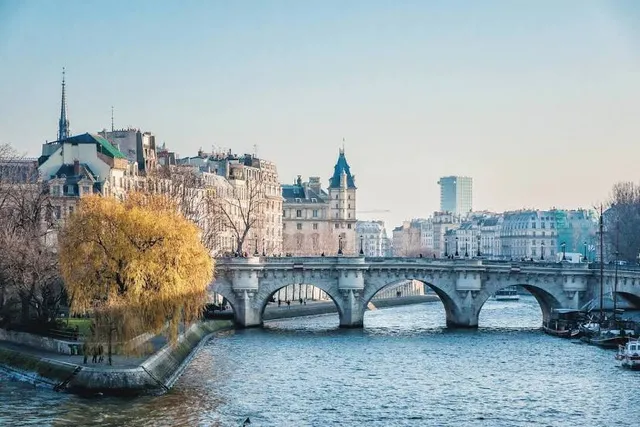
Île Saint-Louis
4.6
(366)
Click for details