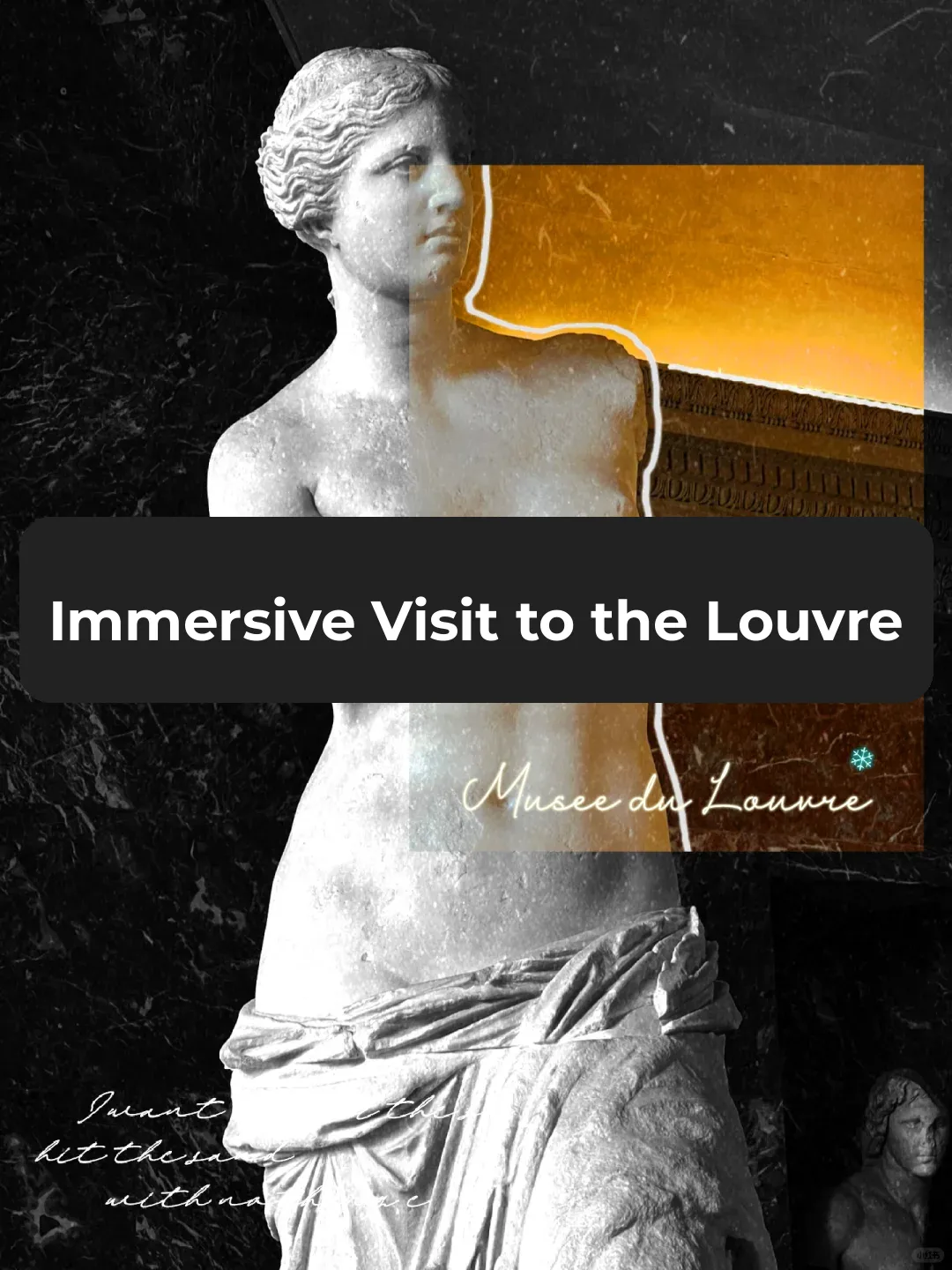
Vénus de Milo things to do, attractions, restaurants, events info and trip planning
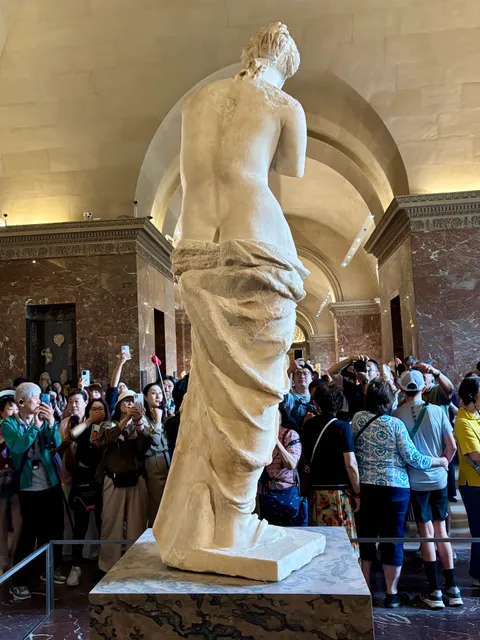
Basic Info
Vénus de Milo
2 Quai François Mitterrand, 75001 Paris, France
4.8(69)
Open 24 hours
Save
spot
spot
Ratings & Description
Info
Cultural
Accessibility
Family friendly
attractions: Louvre Museum, Louvre Museum, Louvre Museum, Louvre Pyramid, Pont des Arts, Musée du Louvre - Galerie des Antiquités, Mona Lisa, Galerie d'Apollon, Saint-Germain-l'Auxerrois, Domaine National du Palais-Royal, restaurants: Le Café Marly, Angelina Paris Louvre Museum, Le Calife, La Maison du Chocolat Louvre, Le Fumoir, Creperie Parisienne Paris, Bistrot Benoit, BO&MIE Louvre-Rivoli, Enza Famiglia, CAFE SAINT HONORÉ, local businesses: La Petite Manis, Barbier Saint Louis, Carrousel du Louvre, Fondation Cartier pour l'art contemporain, Hertz Location De Voitures - Paris - Carrousel Du Louvre, Cour Carrée, Carrousel du Louvre, Samaritaine, Columnas de Perrault - Museo del Louvre, Vedettes du Pont Neuf
 Learn more insights from Wanderboat AI.
Plan your stay

Pet-friendly Hotels in Paris
Find a cozy hotel nearby and make it a full experience.

Affordable Hotels in Paris
Find a cozy hotel nearby and make it a full experience.

The Coolest Hotels You Haven't Heard Of (Yet)
Find a cozy hotel nearby and make it a full experience.

Trending Stays Worth the Hype in Paris
Find a cozy hotel nearby and make it a full experience.
Reviews
Live events

Learn to bake classic French croissants
Fri, Feb 27 • 4:30 PM
75007, Paris, France
View details

Planète Préhistorique : Dinosaures, L’expérience immersive à l’Atelier des Lumières
Fri, Feb 27 • 6:00 PM
38 Rue Saint-Maur, 75011
View details
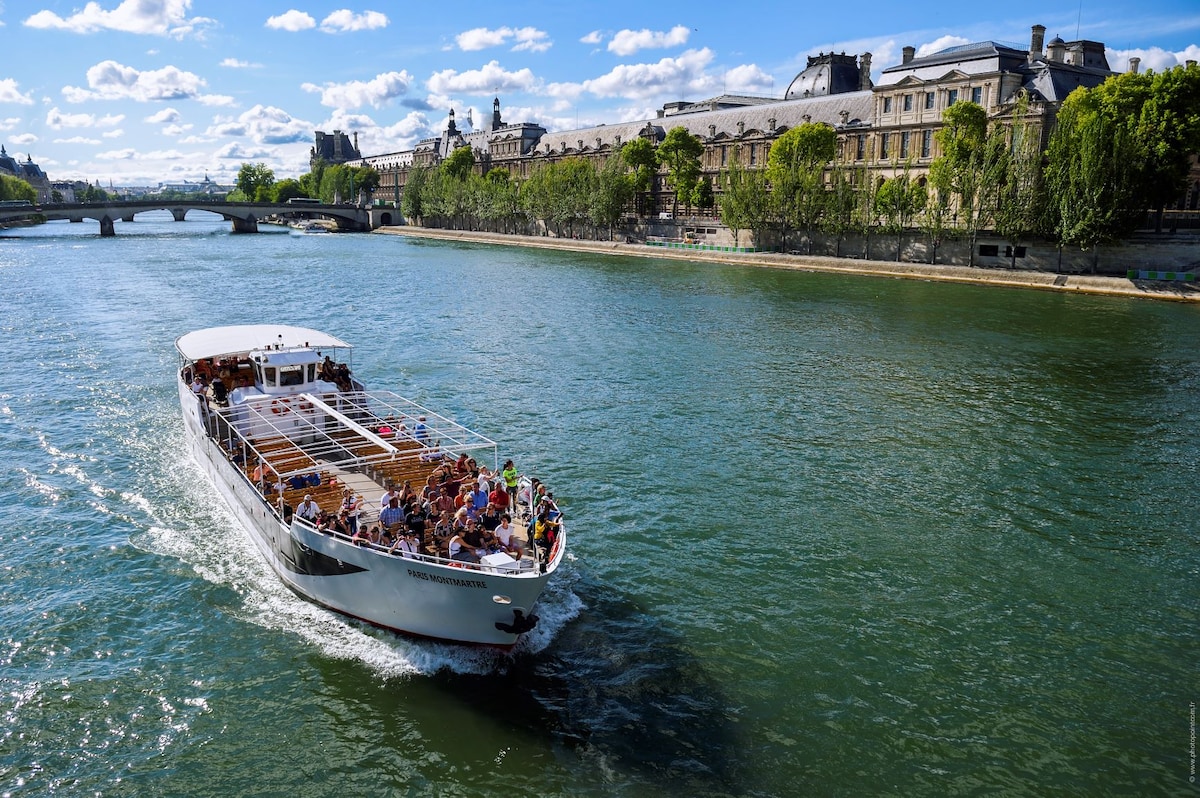
Fast-Access Seine River Cruise from Eiffel Tower
Tue, Mar 3 • 10:45 AM
75015, Paris, France
View details
Nearby attractions of Vénus de Milo
Louvre Museum
Louvre Museum
Louvre Museum
Louvre Pyramid
Pont des Arts
Musée du Louvre - Galerie des Antiquités
Mona Lisa
Galerie d'Apollon
Saint-Germain-l'Auxerrois
Domaine National du Palais-Royal
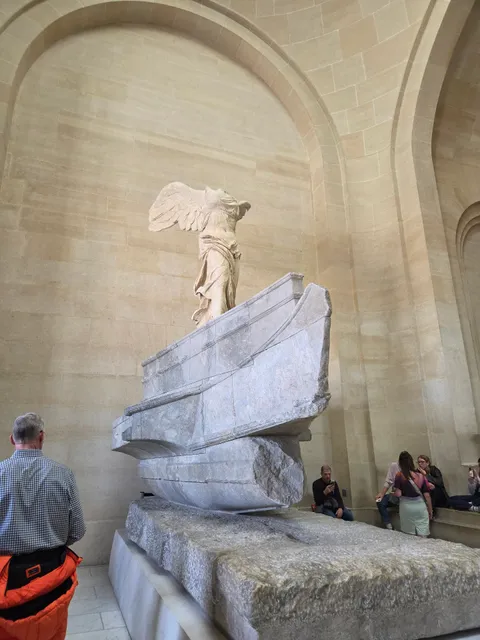
Louvre Museum
4.7
(102K)
Open until 9:00 PM
Click for details
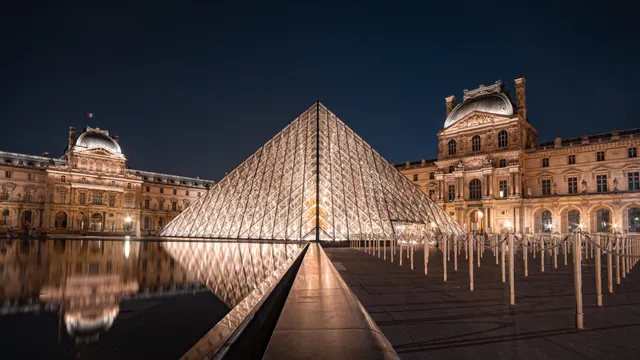
Louvre Museum
4.7
(109.8K)
Open until 9:00 PM
Click for details
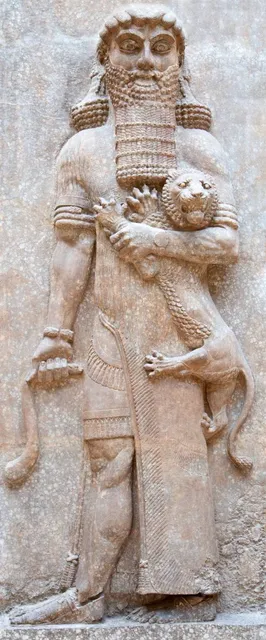
Louvre Museum
4.7
(104.8K)
Open until 9:00 PM
Click for details
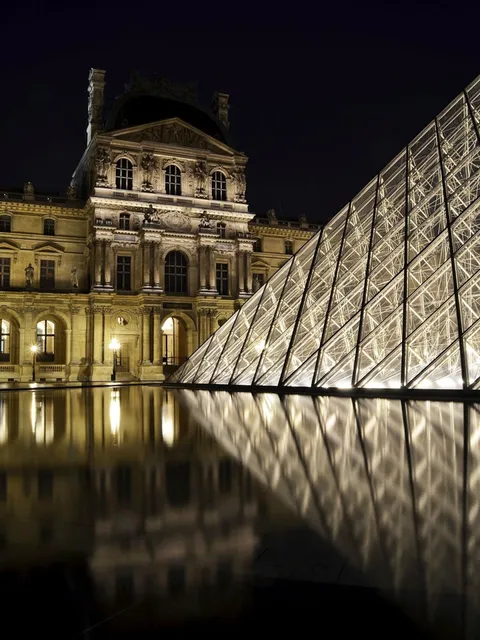
Louvre Pyramid
4.7
(27.6K)
Open until 9:45 PM
Click for details
Nearby restaurants of Vénus de Milo
Le Café Marly
Angelina Paris Louvre Museum
Le Calife
La Maison du Chocolat Louvre
Le Fumoir
Creperie Parisienne Paris
Bistrot Benoit
BO&MIE Louvre-Rivoli
Enza Famiglia
CAFE SAINT HONORÉ
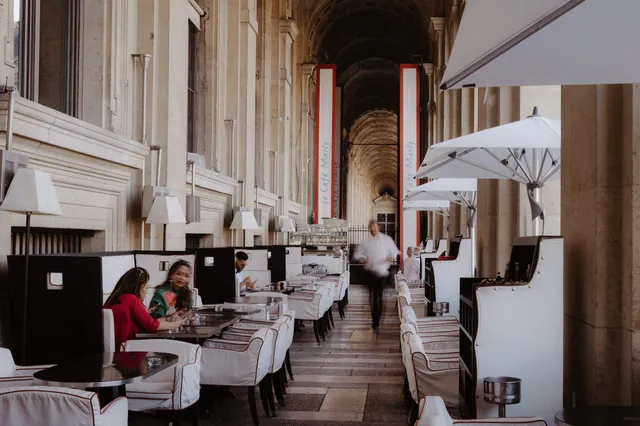
Le Café Marly
3.8
(4.5K)
$$$
Open until 2:00 AM
Click for details
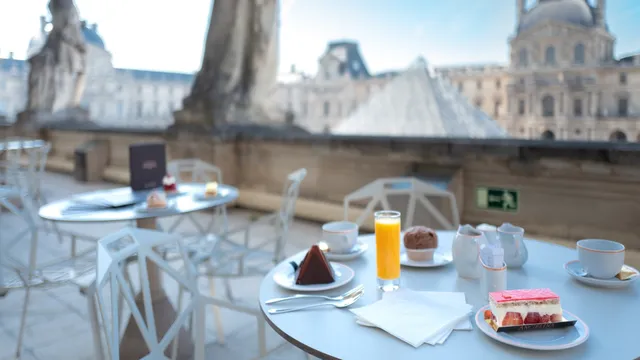
Angelina Paris Louvre Museum
3.7
(841)
Closed
Click for details
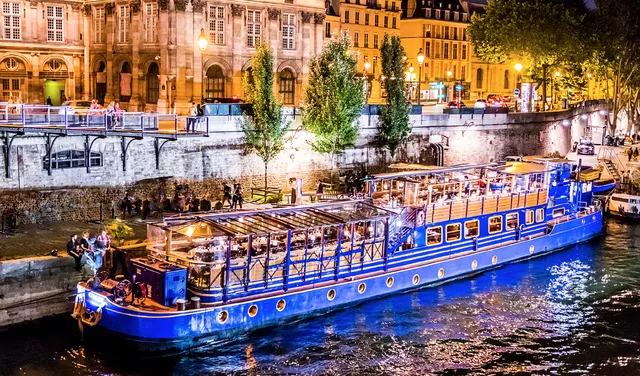
Le Calife
4.7
(1.3K)
Closed
Click for details
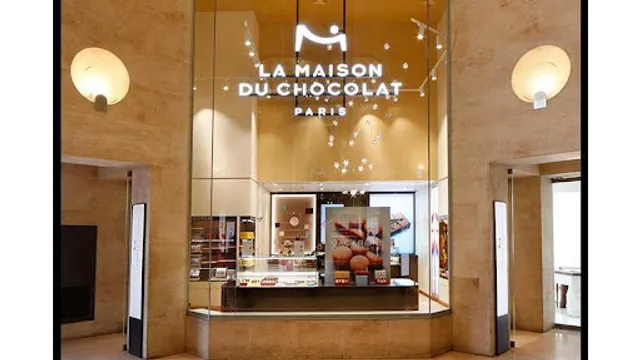
La Maison du Chocolat Louvre
4.5
(108)
Closed
Click for details
Nearby local services of Vénus de Milo
La Petite Manis
Barbier Saint Louis
Carrousel du Louvre
Fondation Cartier pour l'art contemporain
Hertz Location De Voitures - Paris - Carrousel Du Louvre
Cour Carrée
Carrousel du Louvre
Samaritaine
Columnas de Perrault - Museo del Louvre
Vedettes du Pont Neuf

La Petite Manis
5.0
(57)
Click for details

Barbier Saint Louis
5.0
(48)
Click for details

Carrousel du Louvre
4.5
(104)
Click for details

Fondation Cartier pour l'art contemporain
4.3
(2.1K)
Click for details