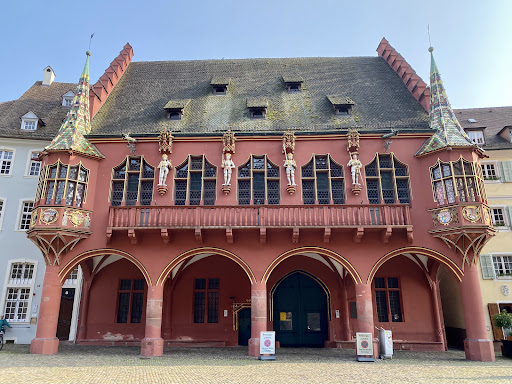
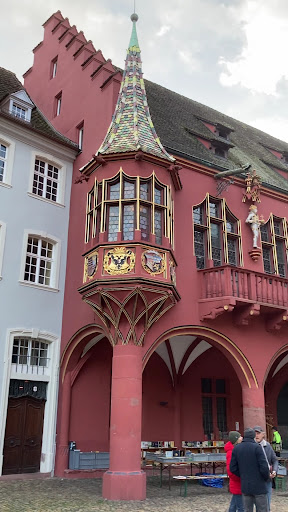
Historical Merchants' Hall things to do, attractions, restaurants, events info and trip planning
Basic Info
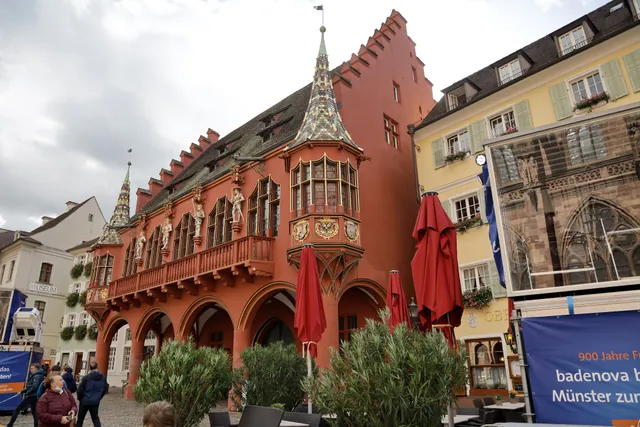
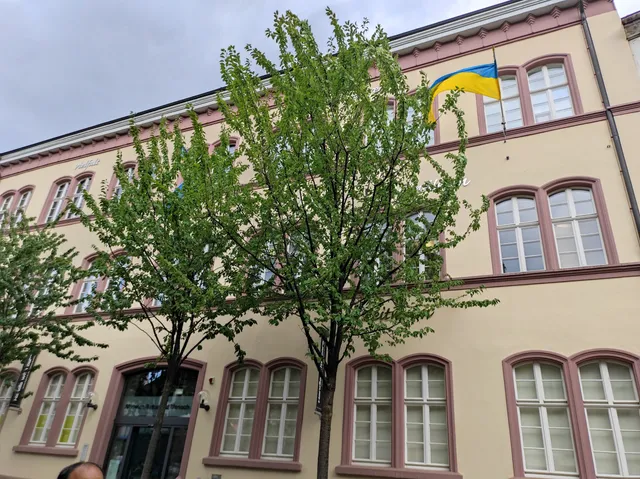
Historical Merchants' Hall
Münsterplatz 24, 79098 Freiburg im Breisgau, Germany
4.7(279)
Open 24 hours
Save
spot
spot
Ratings & Description
Info
Cultural
Scenic
Family friendly
Accessibility
attractions: Freiburg Cathedral, Bertoldsbrunnen, Augustiner Museum, Museum Natur und Mensch, Martin's Gate, Museum für Neue Kunst, Schwabentor, Tourist Information Freiburg, Kanonenplatz, Freiburger Bächle, restaurants: Ganter Brauereiausschank, Hotel Oberkirch, Alte Wache Freiburg - Haus der badischen Weine, Feierling, Zum Deutschen Haus, Zum Kranz, Goldener Engel, SAMS Café, TACHELES, Origin Coffee Stories, local businesses: Münstermarkt, Museo de Historia de la Ciudad, Einkaufszentrum Schwarzwald City Freiburg, Musée de la Nature et de l'Homme, mamita, club bar latino, Lindt Boutique Freiburg, Erzbischöfliches Ordinariat, Blickfang, Stadtgarten Freiburg, Schlossbergbahn
 Learn more insights from Wanderboat AI.
Phone
+49 761 38812150
Website
freiburg.de
Plan your stay

Pet-friendly Hotels in Freiburg im Breisgau
Find a cozy hotel nearby and make it a full experience.

Affordable Hotels in Freiburg im Breisgau
Find a cozy hotel nearby and make it a full experience.

The Coolest Hotels You Haven't Heard Of (Yet)
Find a cozy hotel nearby and make it a full experience.

Trending Stays Worth the Hype in Freiburg im Breisgau
Find a cozy hotel nearby and make it a full experience.
Reviews
Live events
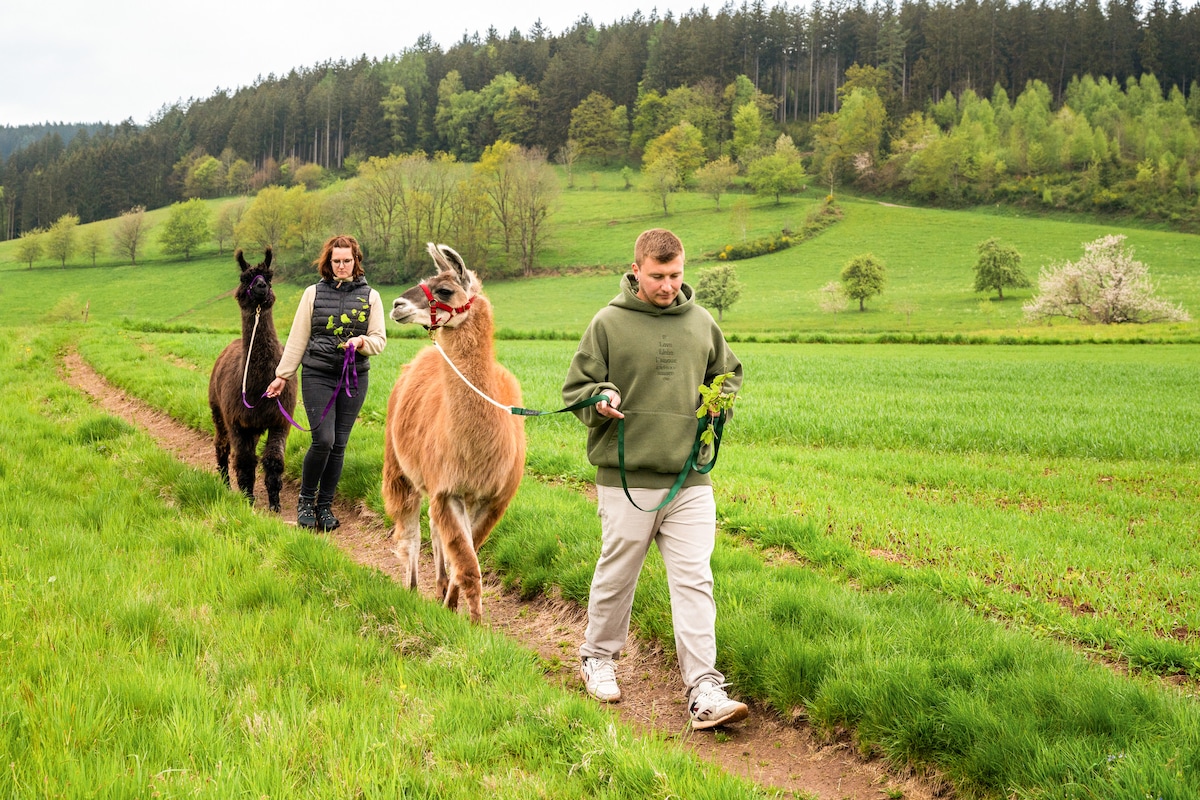
Meeting llamas, learn llama leading, llama walking
Sat, Feb 14 • 1:00 PM
79215, Biederbach, Germany
View details
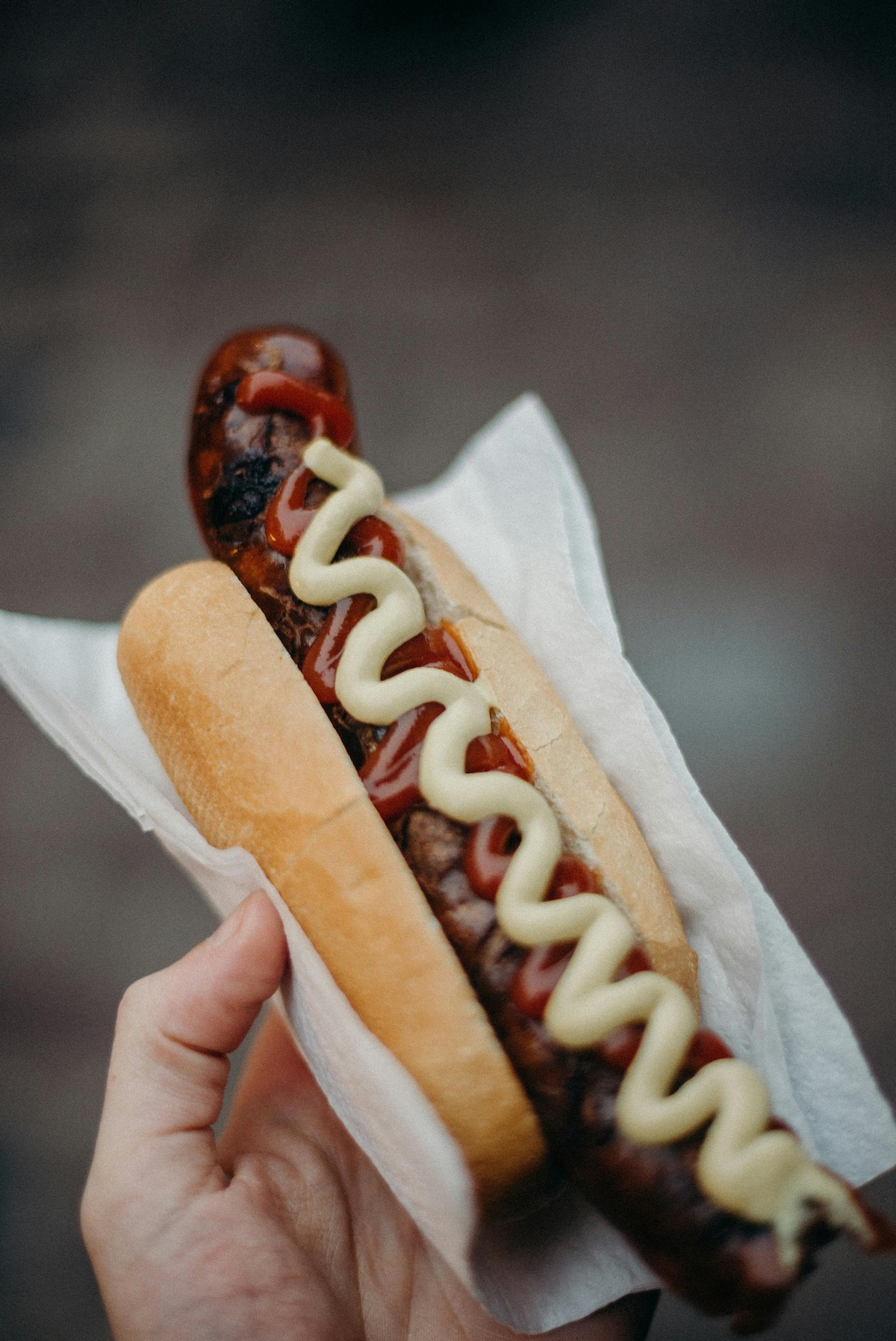
Freiburg: German flavors in a full meal Experience
Fri, Feb 13 • 10:45 AM
79098, Freiburg im Breisgau, Germany
View details

Valentinstag: Paarzeit-Schatzsuche Freiburg im Breisgau
Fri, Feb 13 • 12:00 PM
Bertoldstraße 30, 79098 Freiburg im Breisgau, 79098
View details
Nearby attractions of Historical Merchants' Hall
Freiburg Cathedral
Bertoldsbrunnen
Augustiner Museum
Museum Natur und Mensch
Martin's Gate
Museum für Neue Kunst
Schwabentor
Tourist Information Freiburg
Kanonenplatz
Freiburger Bächle
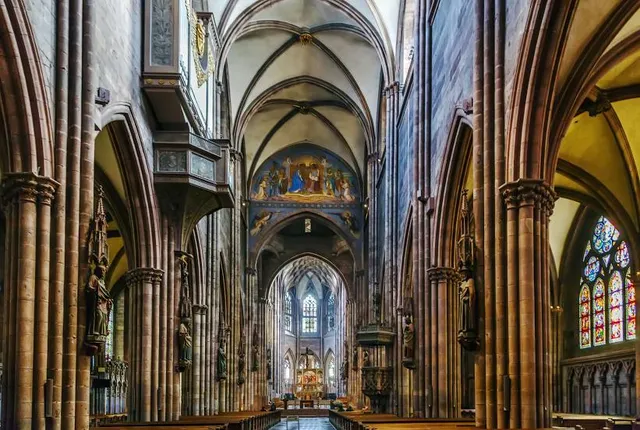
Freiburg Cathedral
4.7
(7.4K)
Open 24 hours
Click for details
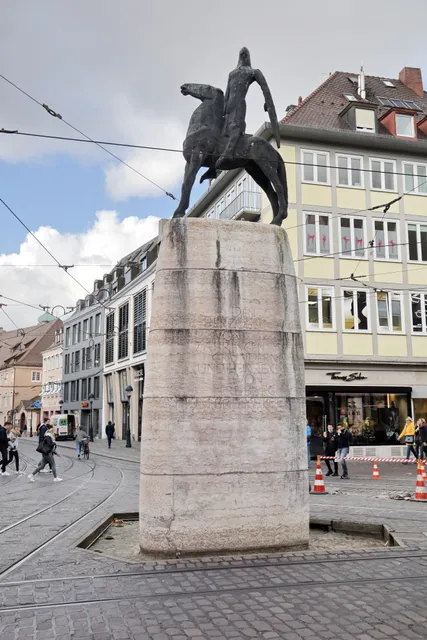
Bertoldsbrunnen
4.4
(3.1K)
Open until 12:00 AM
Click for details
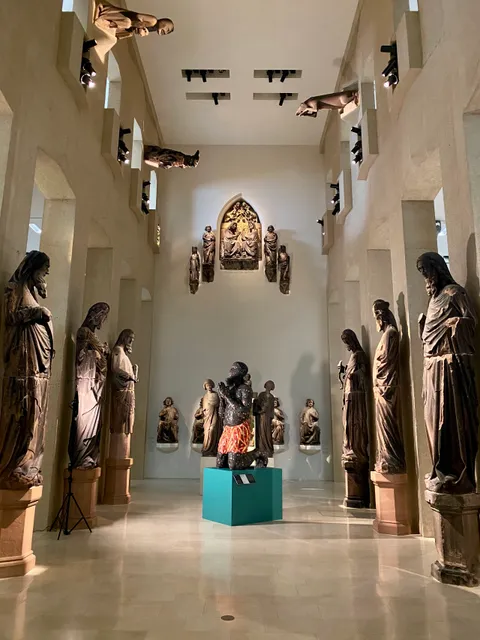
Augustiner Museum
4.5
(497)
Open until 7:00 PM
Click for details
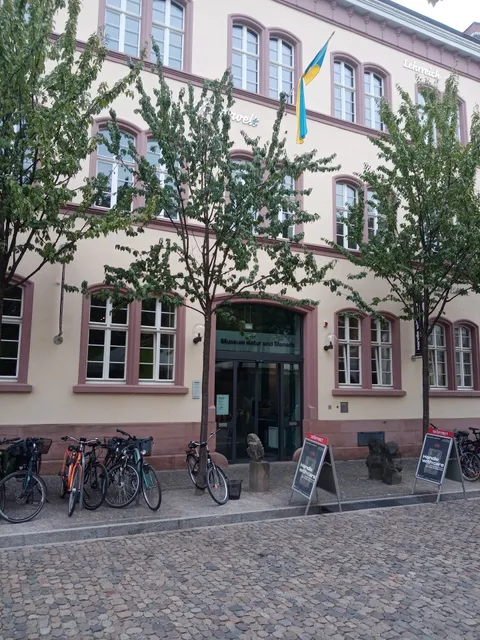
Museum Natur und Mensch
4.3
(450)
Open until 5:00 PM
Click for details
Nearby restaurants of Historical Merchants' Hall
Ganter Brauereiausschank
Hotel Oberkirch
Alte Wache Freiburg - Haus der badischen Weine
Feierling
Zum Deutschen Haus
Zum Kranz
Goldener Engel
SAMS Café
TACHELES
Origin Coffee Stories
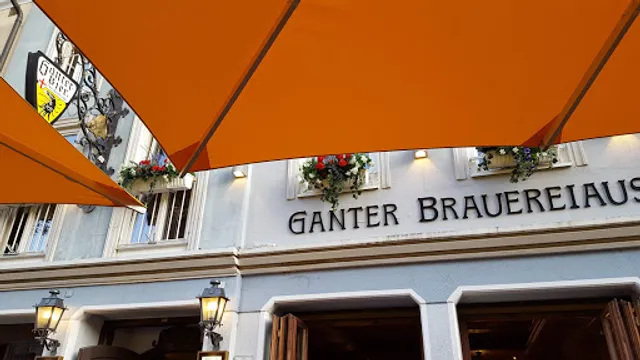
Ganter Brauereiausschank
4.1
(774)
Open until 10:30 PM
Click for details
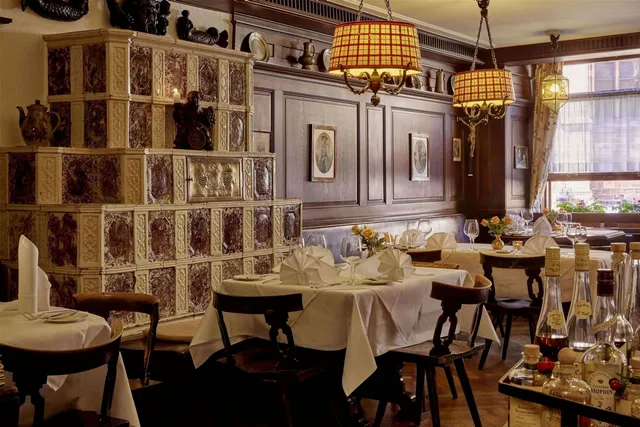
Hotel Oberkirch
4.4
(279)
Click for details
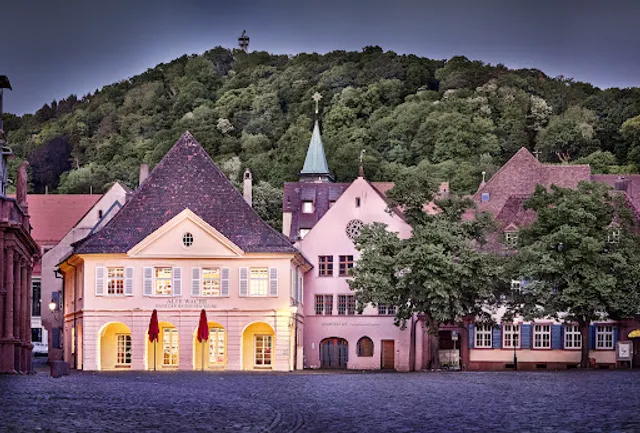
Alte Wache Freiburg - Haus der badischen Weine
4.5
(431)
Open until 9:00 PM
Click for details
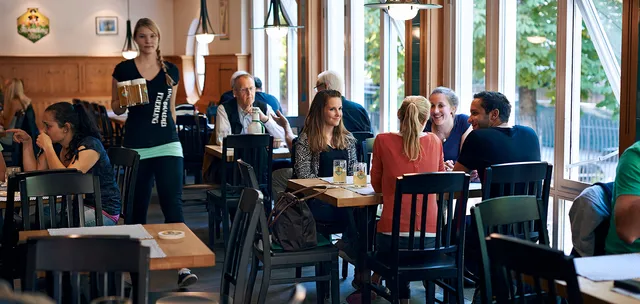
Feierling
4.5
(2.6K)
Open until 12:00 AM
Click for details
Nearby local services of Historical Merchants' Hall
Münstermarkt
Museo de Historia de la Ciudad
Einkaufszentrum Schwarzwald City Freiburg
Musée de la Nature et de l'Homme
mamita, club bar latino
Lindt Boutique Freiburg
Erzbischöfliches Ordinariat
Blickfang
Stadtgarten Freiburg
Schlossbergbahn
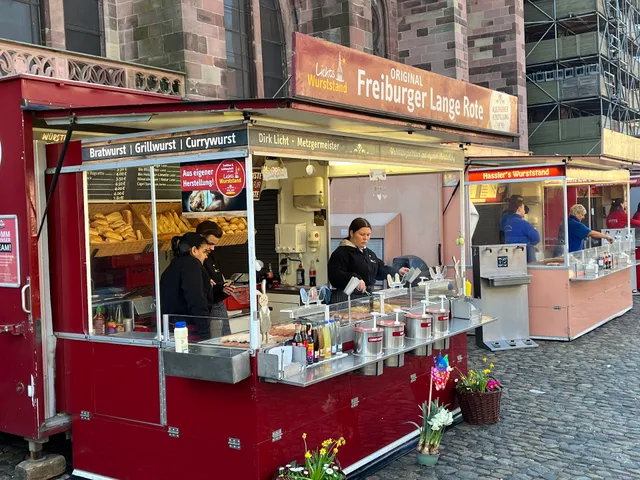
Münstermarkt
4.7
(594)
Click for details
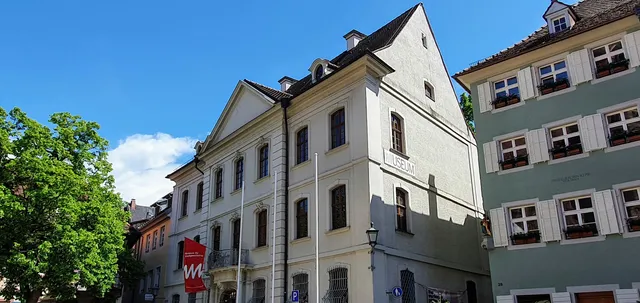
Museo de Historia de la Ciudad
4.0
(75)
Click for details
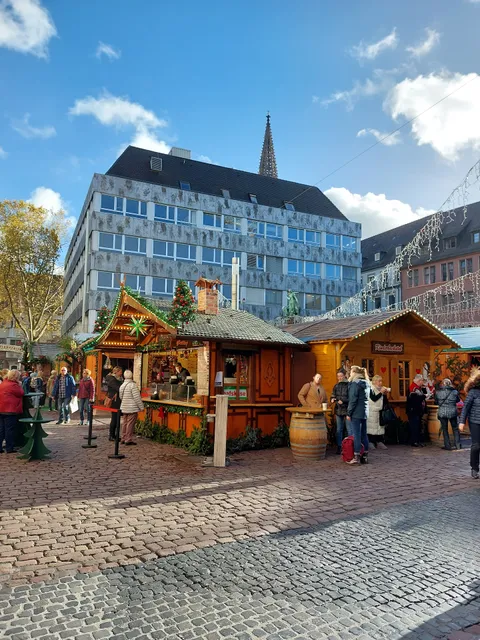
Einkaufszentrum Schwarzwald City Freiburg
4.2
(2.4K)
Click for details
Musée de la Nature et de l'Homme
4.3
(300)
Click for details