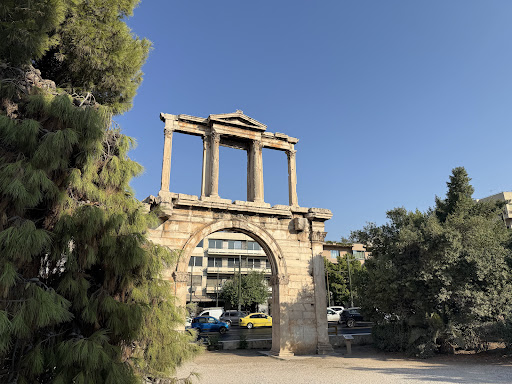
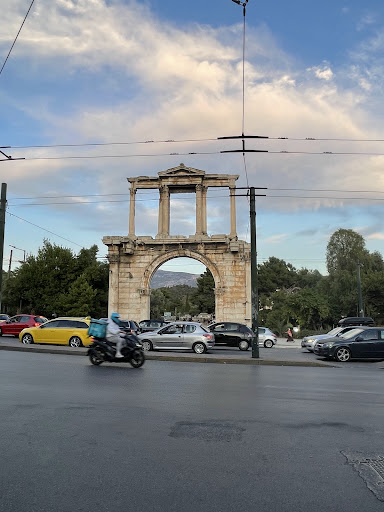
Arch of Hadrian things to do, attractions, restaurants, events info and trip planning
Basic Info
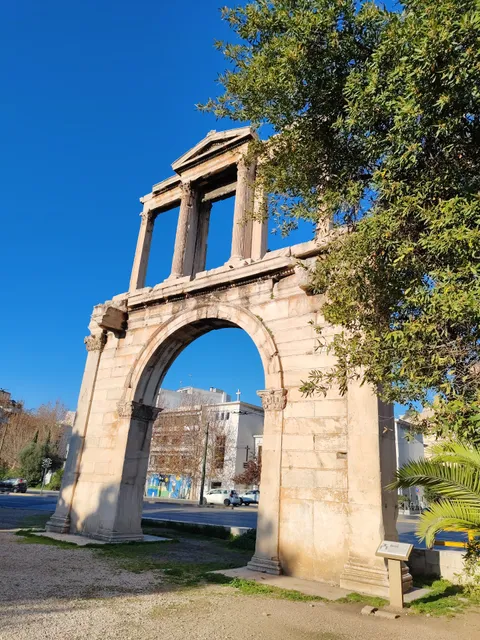
Arch of Hadrian
Leof. Vasilisis Amalias 50, Athina 105 58, Greece
4.6(659)
Open 24 hours
Save
spot
spot
Ratings & Description
Info
Cultural
Scenic
Family friendly
Accessibility
attractions: Temple of Olympian Zeus, Melina Mercouri Monument, Acropolis Museum, Choragic Monument of Lysicrates, Holy Church of Saint Catherine, South Slope of the Acropolis of Athens, Parthenon, Zappeion Garden, Theatre of Dionysus, Statue of Lord Byron, restaurants: Indian Haveli ( Indian Restaurant & Bar), Trattoria Plaka, Brettos, Ta Giouvetsakia, Sense Rooftop Restaurant, Ionos Mediterranean Greek Cuisine, Taverna Saita, Samano Radio Restaurant, LUKUMAΔΕΣ, Plakaki Cafe, local businesses: First Greek Evangelical Church of Athens, Plaka, Center of all Greek Legends, Greek Roots, Hammam Shahrazad, Chillbox Plaka, dotAhart Athens art lab, Alchemist Cafe Patisserie, Al Hammam Traditional Baths, Holy Church of the Transfiguration of the Saviour - Soteira of Kottakis, Greco Souvenir
 Learn more insights from Wanderboat AI.
Website
odysseus.culture.gr
Plan your stay

Pet-friendly Hotels in Athens
Find a cozy hotel nearby and make it a full experience.

Affordable Hotels in Athens
Find a cozy hotel nearby and make it a full experience.

The Coolest Hotels You Haven't Heard Of (Yet)
Find a cozy hotel nearby and make it a full experience.

Trending Stays Worth the Hype in Athens
Find a cozy hotel nearby and make it a full experience.
Reviews
Live events
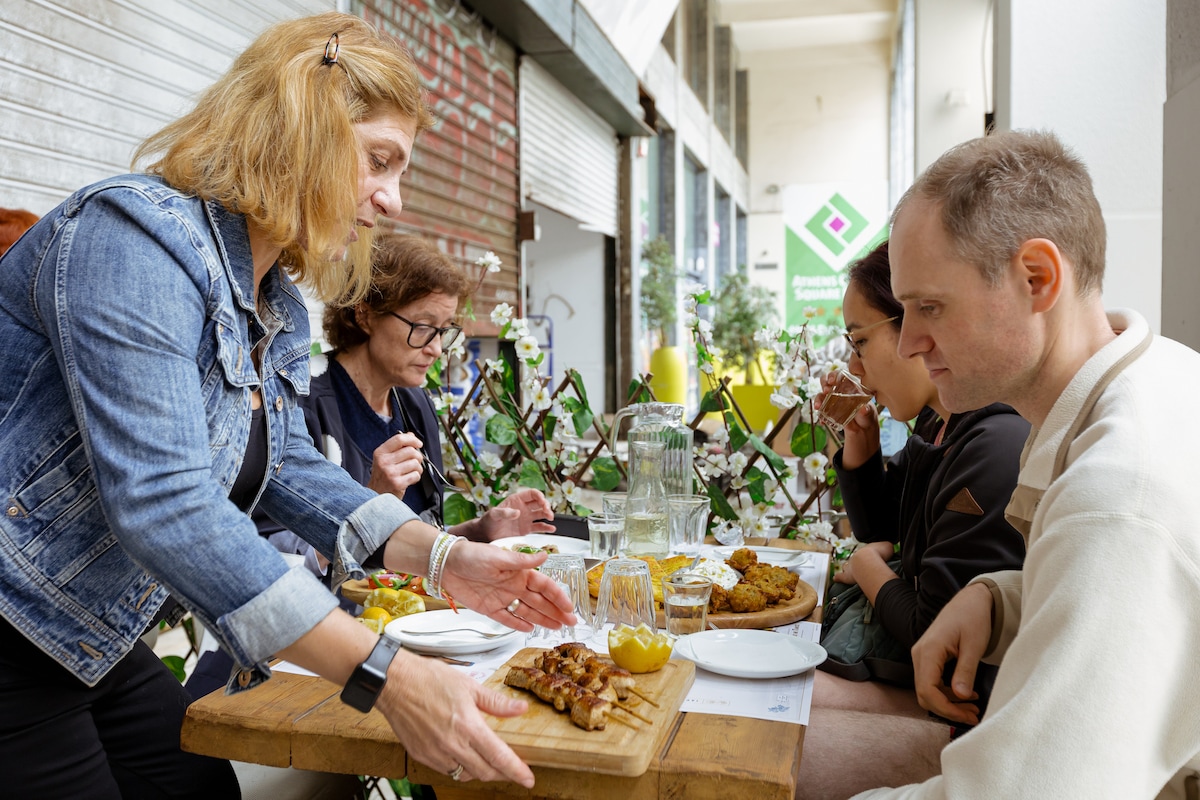
Taste hidden Athenian flavors on culinary romp
Wed, Feb 25 • 11:00 AM
105 54, Athens, Greece
View details
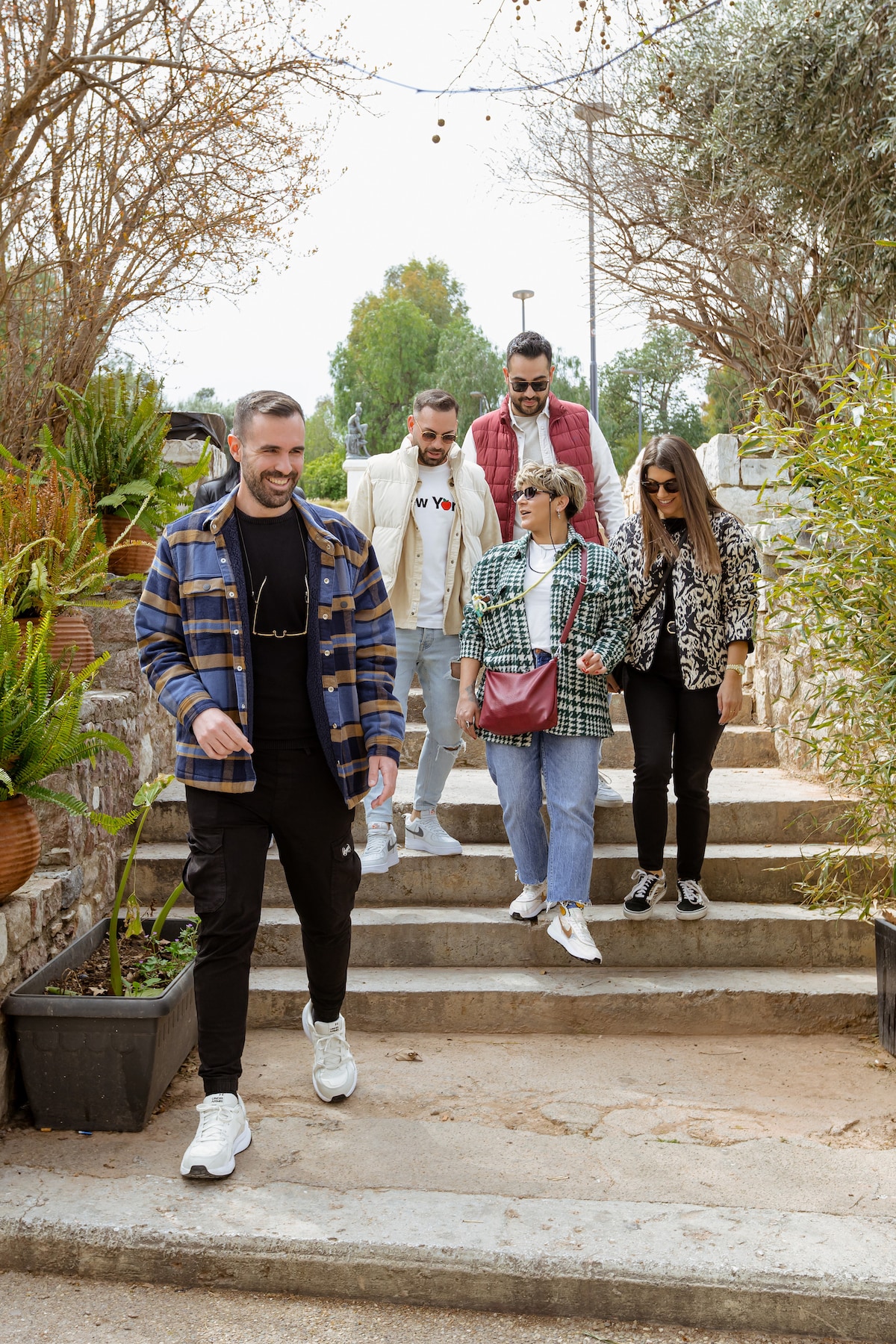
Amazing Athens Walks & Local Hidden Gems
Wed, Feb 25 • 7:00 AM
105 55, Athens, Greece
View details
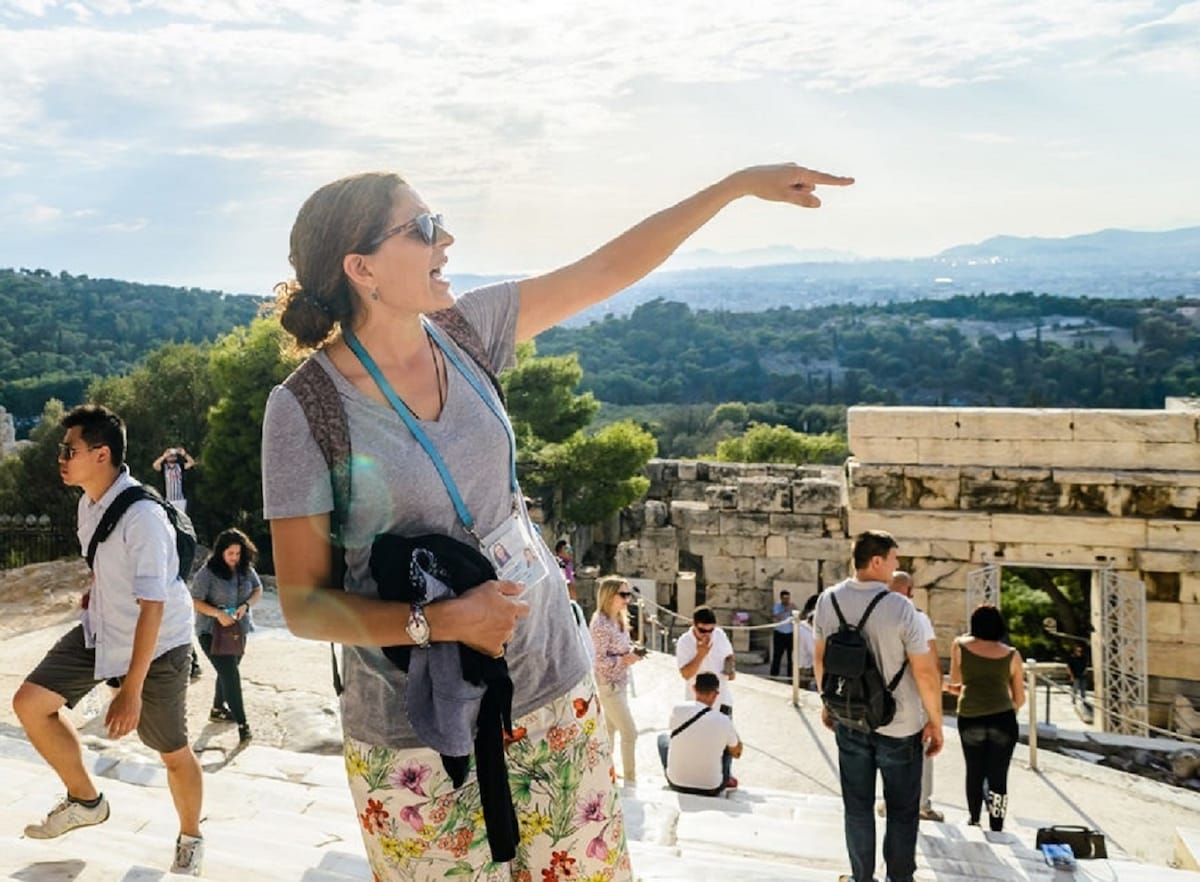
See the Acropolis with a licensed guide
Wed, Feb 25 • 8:00 AM
117 42, Athens, Greece
View details
Nearby attractions of Arch of Hadrian
Temple of Olympian Zeus
Melina Mercouri Monument
Acropolis Museum
Choragic Monument of Lysicrates
Holy Church of Saint Catherine
South Slope of the Acropolis of Athens
Parthenon
Zappeion Garden
Theatre of Dionysus
Statue of Lord Byron
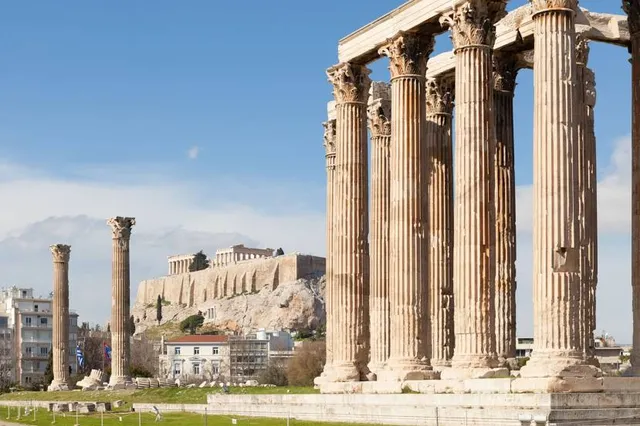
Temple of Olympian Zeus
4.4
(11.5K)
Open 24 hours
Click for details
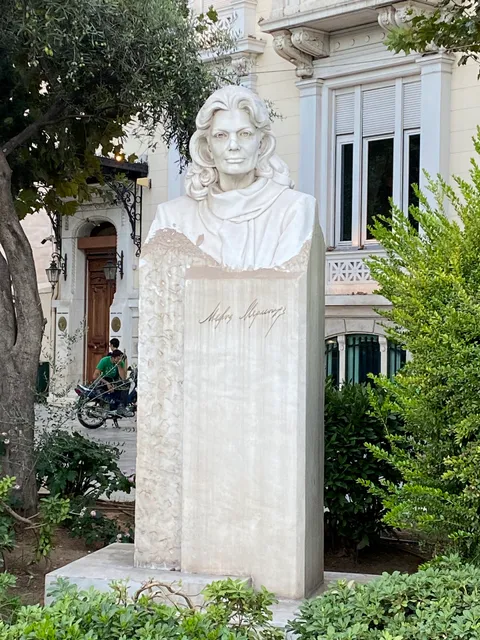
Melina Mercouri Monument
4.4
(342)
Open until 12:00 AM
Click for details
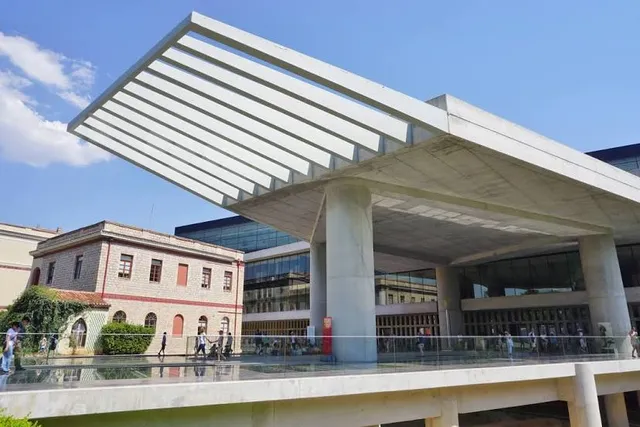
Acropolis Museum
4.7
(27.4K)
Closed
Click for details
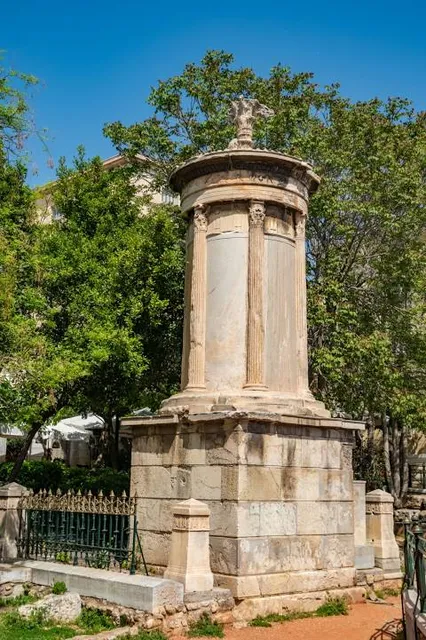
Choragic Monument of Lysicrates
4.5
(1.1K)
Open until 12:00 AM
Click for details
Nearby restaurants of Arch of Hadrian
Indian Haveli ( Indian Restaurant & Bar)
Trattoria Plaka
Brettos
Ta Giouvetsakia
Sense Rooftop Restaurant
Ionos Mediterranean Greek Cuisine
Taverna Saita
Samano Radio Restaurant
LUKUMAΔΕΣ
Plakaki Cafe
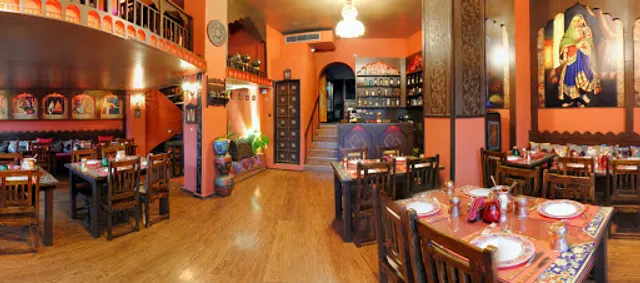
Indian Haveli ( Indian Restaurant & Bar)
4.6
(1.9K)
Closed
Click for details
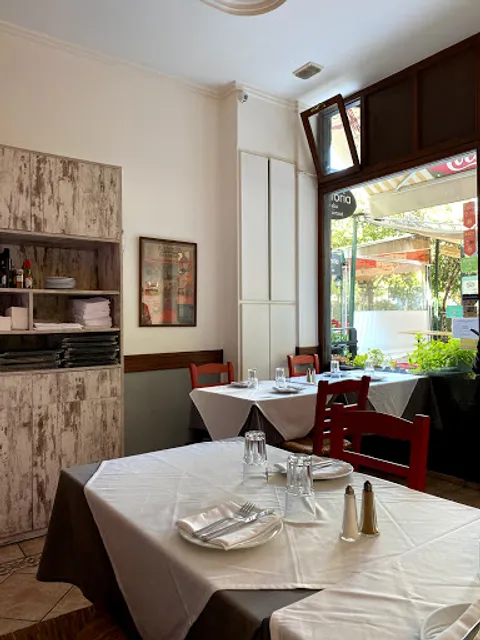
Trattoria Plaka
4.5
(1.8K)
Closed
Click for details
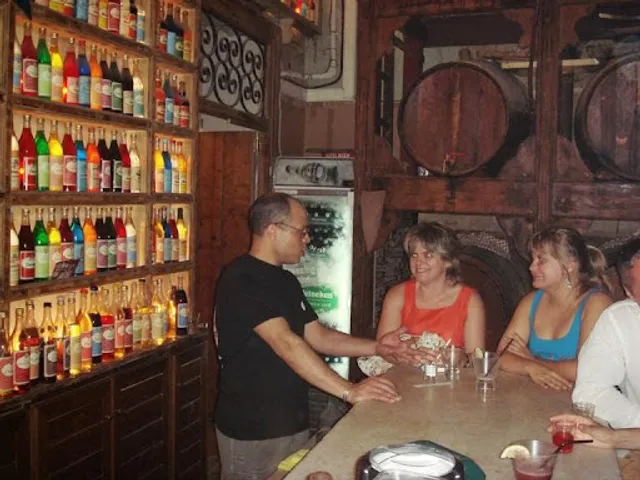
Brettos
4.6
(2.1K)
Open until 2:00 AM
Click for details
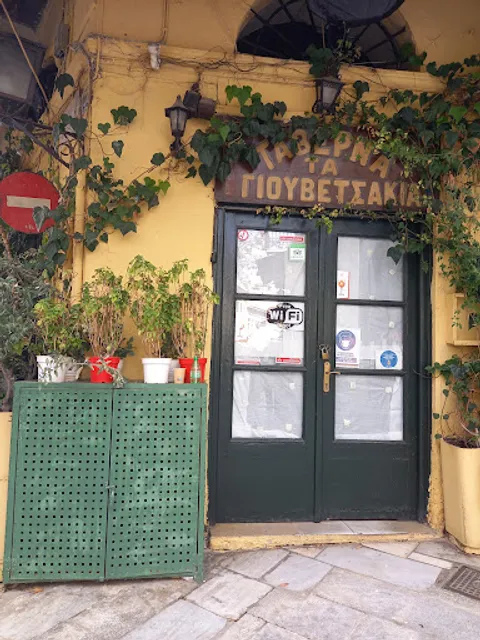
Ta Giouvetsakia
4.4
(1.9K)
Closed
Click for details
Nearby local services of Arch of Hadrian
First Greek Evangelical Church of Athens
Plaka, Center of all Greek Legends
Greek Roots
Hammam Shahrazad
Chillbox Plaka
dotAhart Athens art lab
Alchemist Cafe Patisserie
Al Hammam Traditional Baths
Holy Church of the Transfiguration of the Saviour - Soteira of Kottakis
Greco Souvenir
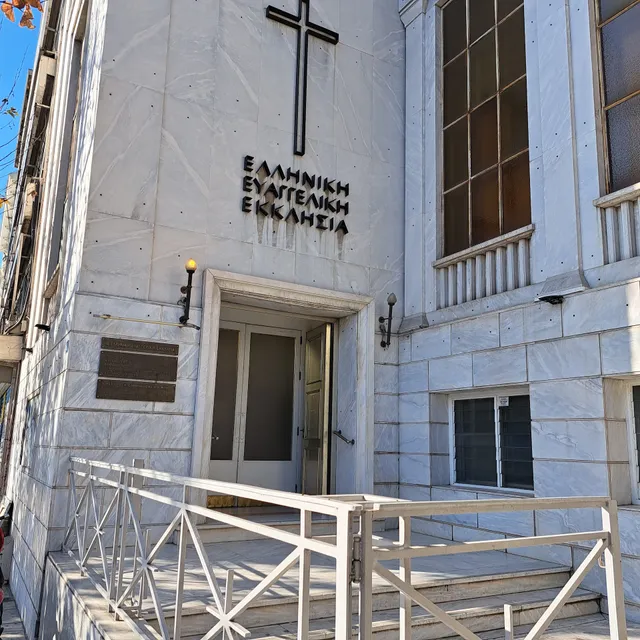
First Greek Evangelical Church of Athens
4.7
(142)
Click for details
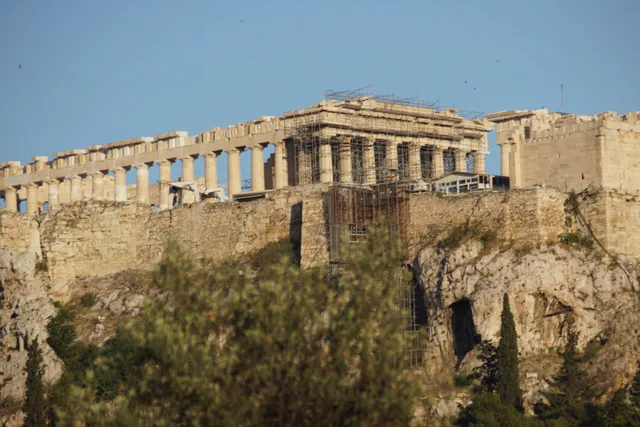
Plaka, Center of all Greek Legends
4.8
(70)
Click for details
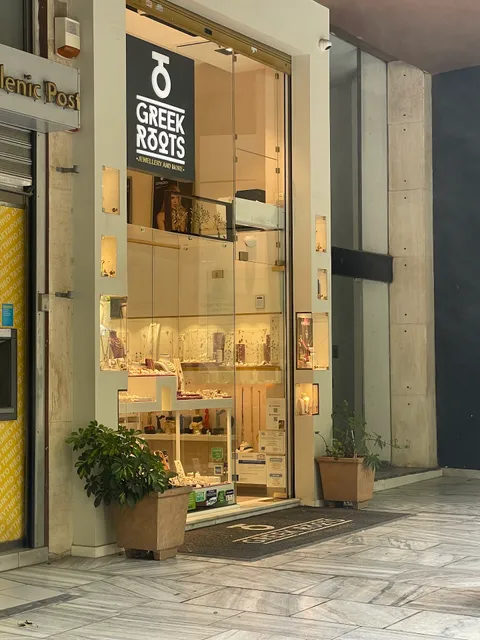
Greek Roots
4.7
(91)
Click for details
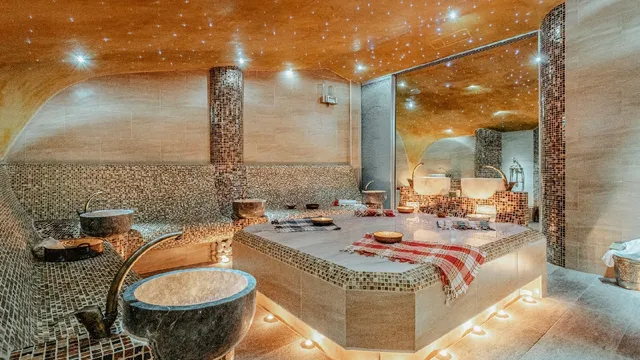
Hammam Shahrazad
4.8
(411)
Click for details