HTML SitemapExplore
logo
Find Things to DoFind The Best Restaurants

Theatre of Dionysus — Attraction in Athens

Name
Theatre of Dionysus
Description
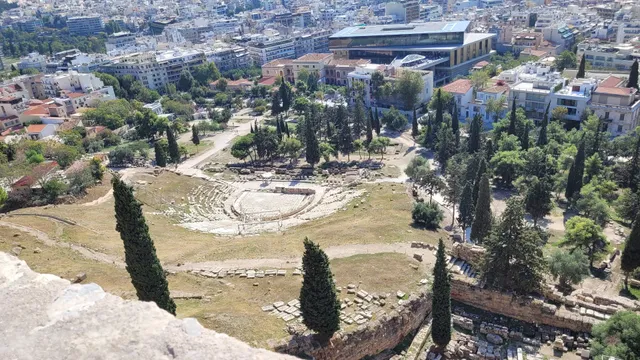
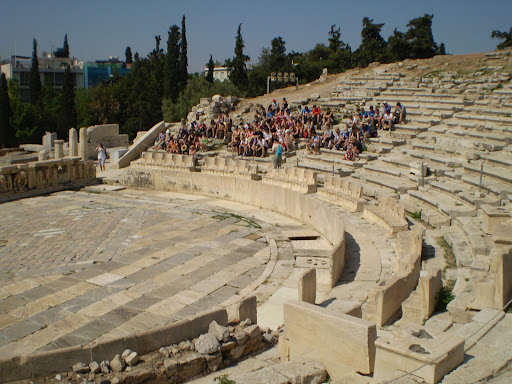
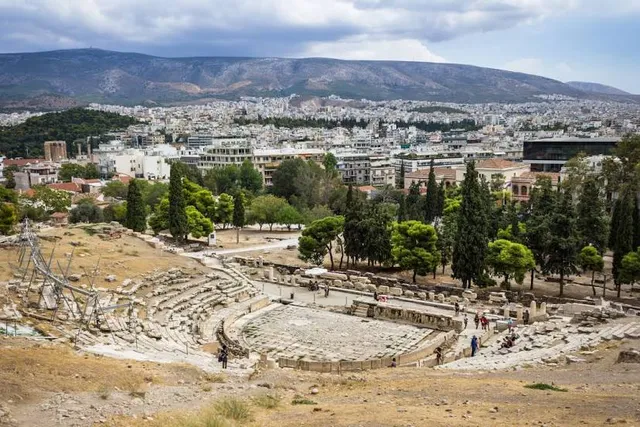
The Theatre of Dionysus is an ancient Greek theatre in Athens. It is built on the south slope of the Acropolis hill, originally part of the sanctuary of Dionysus Eleuthereus. The first orchestra terrace was constructed on the site around the mid- to late-sixth century BC, where it hosted the City Dionysia.
Nearby attractions
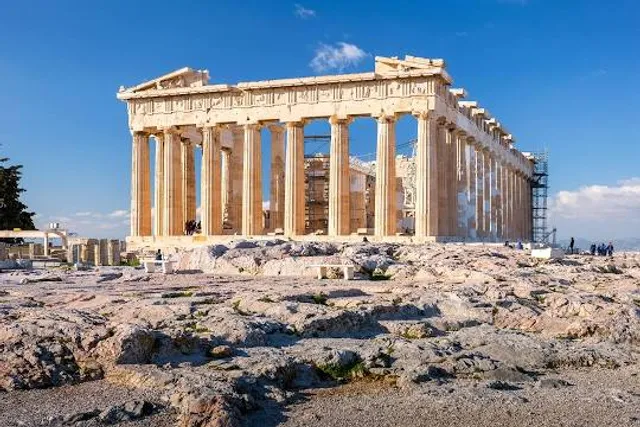
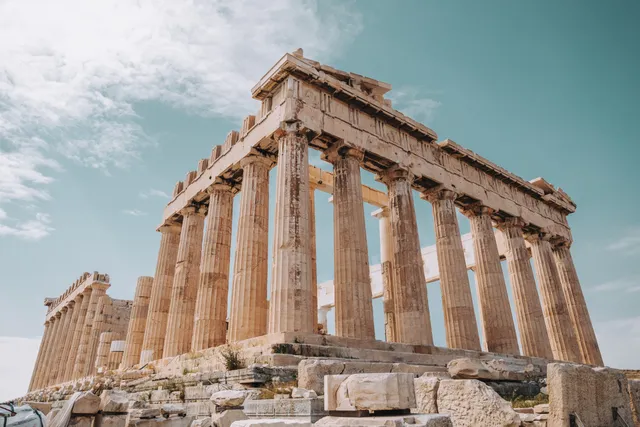
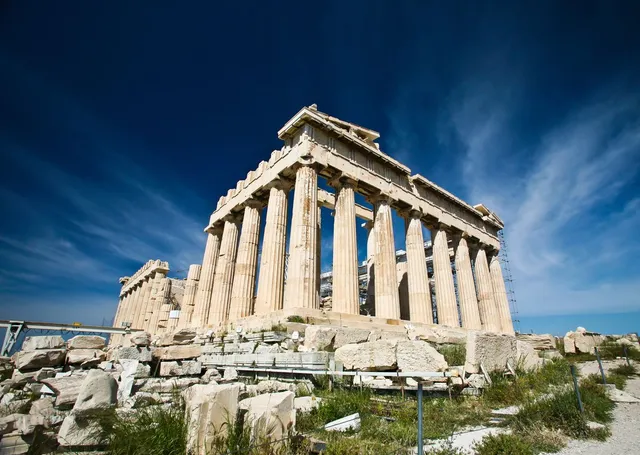
Parthenon
Athens 105 58, Greece
Acropolis of Athens
Athens 105 58, Greece
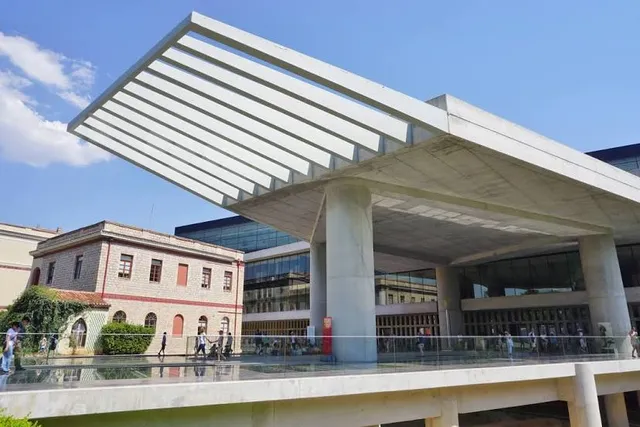
Acropolis Museum
Dionysiou Areopagitou 15, Athina 117 42, Greece
South Slope of the Acropolis of Athens
Dionysiou Areopagitou, Athina 105 58, Greece
Odeon of Herodes Atticus
Dionysiou Areopagitou, Athina 105 55, Greece
Choragic Monument of Lysicrates
Epimenidou 3, Athina 105 58, Greece
Erechtheion
Athens 105 58, Greece
Ilias Lalaounis Jewelry Museum
Kallisperi 12, Athina 117 42, Greece
Choregic Monument of Thrasyllos (Panagia Speliotissa)
Anafiotika 3-11, Athina 105 58, Greece
Temple of Olympian Zeus
Athens 105 57, Greece
Nearby restaurants
Cave of Acropolis
Thrasillou 24, Athina 105 58, Greece
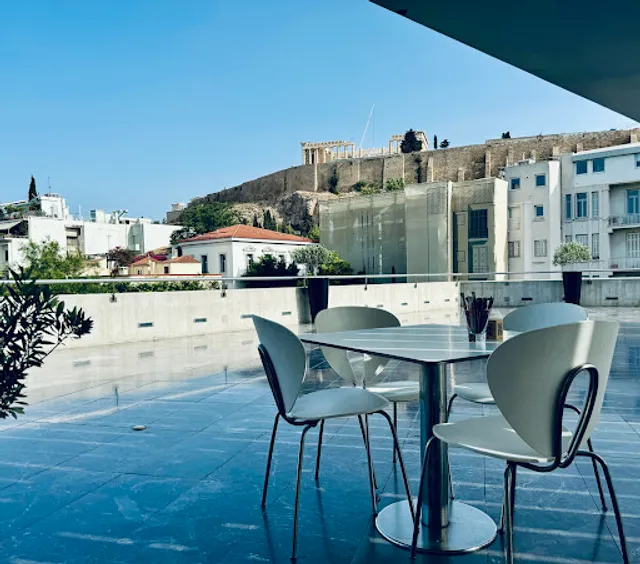
Acropolis Museum Cafe and Restaurant
Acropolis Museum, Dionysiou Areopagitou 15, Athina 117 42, Greece
Diogenes
Pl. Lisikrati 1, Athina 105 58, Greece
Thespis
Thespidos 18, Athina 105 58, Greece
LIONDI Traditional Greek Restaurant
Makrigianni 19-21, Athina 117 42, Greece
Yard restaurant
Makrigianni 17, Athina 117 42, Greece
Ta Giouvetsakia
Adrianou 144, Athina 105 58, Greece
Restaurant Scholarhio
Tripodon 14, Athina 105 58, Greece
ARCADIA RESTAURANT
Makrigianni 23-27, Athina 117 42, Greece
o Gyros Pou Gyrevis
Athanasiou Diakou 1, Athina 117 42, Greece
Related posts
Keywords
Theatre of Dionysus tourism.Theatre of Dionysus hotels.Theatre of Dionysus bed and breakfast. flights to Theatre of Dionysus.Theatre of Dionysus attractions.Theatre of Dionysus restaurants.Theatre of Dionysus travel.Theatre of Dionysus travel guide.Theatre of Dionysus travel blog.Theatre of Dionysus pictures.Theatre of Dionysus photos.Theatre of Dionysus travel tips.Theatre of Dionysus maps.Theatre of Dionysus things to do.
Theatre of Dionysus things to do, attractions, restaurants, events info and trip planning
Theatre of Dionysus
GreeceAtticaAthensTheatre of Dionysus

Basic Info

Theatre of Dionysus

Mitseon 25, Athina 117 42, Greece
4.7(2.6K)
Open 24 hours
Save
spot

Ratings & Description

Info

The Theatre of Dionysus is an ancient Greek theatre in Athens. It is built on the south slope of the Acropolis hill, originally part of the sanctuary of Dionysus Eleuthereus. The first orchestra terrace was constructed on the site around the mid- to late-sixth century BC, where it hosted the City Dionysia.

Cultural
Outdoor
Family friendly
attractions: Parthenon, Acropolis of Athens, Acropolis Museum, South Slope of the Acropolis of Athens, Odeon of Herodes Atticus, Choragic Monument of Lysicrates, Erechtheion, Ilias Lalaounis Jewelry Museum, Choregic Monument of Thrasyllos (Panagia Speliotissa), Temple of Olympian Zeus, restaurants: Cave of Acropolis, Acropolis Museum Cafe and Restaurant, Diogenes, Thespis, LIONDI Traditional Greek Restaurant, Yard restaurant, Ta Giouvetsakia, Restaurant Scholarhio, ARCADIA RESTAURANT, o Gyros Pou Gyrevis
logoLearn more insights from Wanderboat AI.
Phone
+30 21 0322 4625
Website
odysseus.culture.gr

Plan your stay

hotel
Pet-friendly Hotels in Athens
Find a cozy hotel nearby and make it a full experience.

hotel
Affordable Hotels in Athens
Find a cozy hotel nearby and make it a full experience.

hotel
The Coolest Hotels You Haven't Heard Of (Yet)
Find a cozy hotel nearby and make it a full experience.

hotel
Trending Stays Worth the Hype in Athens
Find a cozy hotel nearby and make it a full experience.

Reviews

Nearby attractions of Theatre of Dionysus

Parthenon

Acropolis of Athens

Acropolis Museum

South Slope of the Acropolis of Athens

Odeon of Herodes Atticus

Choragic Monument of Lysicrates

Erechtheion

Ilias Lalaounis Jewelry Museum

Choregic Monument of Thrasyllos (Panagia Speliotissa)

Temple of Olympian Zeus

Parthenon

Parthenon

4.8

(27.3K)

Open 24 hours
Click for details
Acropolis of Athens

Acropolis of Athens

4.8

(44.2K)

Open 24 hours
Click for details
Acropolis Museum

Acropolis Museum

4.7

(26K)

Open 24 hours
Click for details
South Slope of the Acropolis of Athens

South Slope of the Acropolis of Athens

4.6

(1.2K)

Closed
Click for details

Things to do nearby

See the Acropolis with a licensed guide
Fri, Dec 5 • 8:00 AM
117 42, Athens, Greece
View details
Explore Sounio Temple of Poseidon &Athens Riviera
Fri, Dec 5 • 8:00 AM
105 58, Athens, Greece
View details
Philosophy and Democracy Tour of Athens
Fri, Dec 5 • 8:30 AM
105 55, Athens, Greece
View details

Nearby restaurants of Theatre of Dionysus

Cave of Acropolis

Acropolis Museum Cafe and Restaurant

Diogenes

Thespis

LIONDI Traditional Greek Restaurant

Yard restaurant

Ta Giouvetsakia

Restaurant Scholarhio

ARCADIA RESTAURANT

o Gyros Pou Gyrevis
Cave of Acropolis

Cave of Acropolis

4.1

(1.4K)

$$

Click for details
Acropolis Museum Cafe and Restaurant

Acropolis Museum Cafe and Restaurant

4.3

(2.3K)

$$$

Click for details
Diogenes

Diogenes

3.8

(1.1K)

$$

Click for details
Thespis

Thespis

4.2

(703)

$$

Click for details
Get the Appoverlay
Get the AppOne tap to find yournext favorite spots!
Wanderboat LogoWanderboat

Your everyday Al companion for getaway ideas

CompanyAbout Us
InformationAI Trip PlannerSitemap
SocialXInstagramTiktokLinkedin
LegalTerms of ServicePrivacy Policy

Get the app

© 2025 Wanderboat. All rights reserved.
logo

Reviews of Theatre of Dionysus

4.7
(2,621)
avatar
5.0
2y

The Theatre of Dionysus in Athens is a cultural gem that takes visitors on a captivating journey into the world of ancient Greek drama. Located at the foot of the Acropolis, this historic amphitheater is a testament to the enduring legacy of theater and its profound impact on Western civilization.

Stepping into the Theatre of Dionysus, one can't help but be transported back in time. The grandeur and scale of this ancient venue are awe-inspiring. Imagining the rows of spectators eagerly awaiting the performances, the amphitheater comes alive with the echoes of applause and dramatic dialogues.

This theater holds immense historical significance as the birthplace of Greek tragedy and comedy. It was in this very spot that the plays of renowned playwrights like Aeschylus, Sophocles, and Euripides were first performed, shaping the foundations of theatrical art.

Walking through the stone seats, one can visualize the dramatic performances that once graced this hallowed stage. The natural setting, nestled amidst the ancient ruins and overlooking the city, adds an air of mystique and authenticity to the experience. It's a testament to the Greeks' reverence for theater and their desire to connect with the divine through storytelling.

The Theatre of Dionysus not only serves as a historical site but also hosts modern performances, bringing ancient traditions to life for contemporary audiences. Attending a theatrical production in this iconic setting is a truly magical experience, where the past and present converge in a celebration of artistic expression.

The amphitheater's surroundings, with stunning views of the Acropolis and the Parthenon, create an unforgettable backdrop for cultural exploration. It's a picturesque spot to take a leisurely stroll, admire the architectural marvels, and absorb the rich history that permeates every stone.

While the Theatre of Dionysus may not be as well-preserved as some other ancient sites, its significance and the sense of wonder it evokes make it a must-visit destination. It serves as a reminder of the enduring power of storytelling, the importance of artistic expression, and the legacy left behind by the ancient Greeks.

Visiting the Theatre of Dionysus is an opportunity to connect with the roots of theater and gain a deeper appreciation for the profound impact it has had on our cultural heritage. Whether you're a theater enthusiast, a history buff, or simply curious about the ancient world, this extraordinary site will leave you with a newfound admiration for the transformative power of the...

   Read more
avatar
5.0
13w

The Birthplace of Theatre.

The Theatre of Dionysus Eleuthereus, situated on the southern slope of the Acropolis, is considered the cradle of European drama. Dedicated to Dionysus, the god of wine, fertility, and the arts, it was here in the 5th century BC that the plays of Aeschylus, Sophocles, Euripides, and Aristophanes were first performed. This sacred space was not only a place of entertainment but also a site of religious ritual and civic identity.

Initially constructed in wood, the theatre was rebuilt in stone during the 4th century BC and could eventually hold up to 17,000 spectators. Its semi-circular seating arrangement, orchestra, and stage building set the standard for Greek and later Roman theatres. The theatre’s integration into the natural slope of the Acropolis exemplifies the harmony of Greek architecture with its environment.

The Theatre of Dionysus was at the heart of the City Dionysia festival, a major religious celebration that brought Athenians together to honor their god and their city. Through the performances, themes of justice, power, love, and human fate were explored, shaping the cultural and intellectual life of classical Athens.

Today, although partly ruined, its stones still echo the voices of the great playwrights, and remains one of the most meaningful monuments on the...

   Read more
avatar
5.0
2y

Το Θέατρο του Διονύσου ή Θέατρο Διονύσου Ελευθερέως είναι ο σημαντικότερος γνωστός υπαίθριος θεατρικός χώρος στην αρχαία Αθήνα και θεωρείται το πρώτο θέατρο του κόσμου. Βρισκόταν 3 περίπου μέτρα πάνω από το ναό2] και αποτελούσε μέρος του ιερού του Ελευθερέως Διονύσου που βρισκόταν στις νοτιοανατολικές παρυφές της Ακρόπολης και υπήρξε ο βασικός τόπος παράστασης του αττικού δράματος, αφού φιλοξενούσε τα Μεγάλα Διονύσια, τη μεγαλύτερη θεατρική γιορτή της πόλης των Αθηνών. Οι σωζόμενες τραγωδίες και κωμωδίες του 5ου και του 4ου π.Χ. αι. γράφτηκαν - τουλάχιστον οι περισσότερες - για να εκτελεστούν σε αυτόν τον χώρο.

Η Ελληνική Αρχαιολογική Εταιρεία ξεκίνησε τις ανασκαφές στη περιοχή του θεάτρου το 1838 οι οποίες συνεχίστηκαν πολύ περισσότερο στο υπόλοιπο του 19ου αιώνα.[3]

Θεμελίωση Το θέατρο του Διονύσου θεμελιώθηκε πιθανώς τον 6ο π.Χ. αι., στην περίοδο της δυναστείας των Πεισιστρατιδών, που με τα τότε δεδομένα θεωρείται γιγάντιο τεχνικό έργο. Έκτοτε επανοικοδομήθηκε και επεκτάθηκε πολλές φορές και έτσι είναι δύσκολο να καθορισθεί ποια ήταν η αρχική του μορφή. Σήμερα στον ίδιο χώρο βρίσκονται τα ερείπια ενός ρωμαϊκού θεάτρου. Από την κεντρική κερκίδα του θεάτρου σώζονται σήμερα μόνο 13 σειρές εδωλίων.

Αρχιτεκτονική

Σχεδιάγραμμα του Θεάτρου Το θέατρο ήταν αρχικά μόνο ένα μέρος του περιβόλου ή τεμένους του Διονύσου. Αποτελούνταν από έναν επίπεδο χώρο για την ορχήστρα και ελάχιστες σειρές ξύλινων ή μαρμάρινων κερκίδων στο λόφο. Η παλαιότερη ορχήστρα στον περίβολο του θεάτρου πιστεύεται πως ήταν κυκλική και είχε διάμετρο περίπου 27 μέτρων, αν και υπάρχουν διαφωνίες προς το θέμα αυτό.[4 Μια ξύλινη σκηνή κατασκευάστηκε στο πίσω μέρος της ορχήστρας, για την τοποθέτηση τεχνητών σκηνικών και πιθανώς για τη βελτίωση της ακουστικής.5] Ο περίβολος περιείχε τον αρχαιότερο ναό του Διονύσου και έναν θυσιαστικό βωμό. Αργότερα προστέθηκε μια αίθουσα ή στοά εξαλείφοντας τον παλαιότερο ναό και χτίστηκε ένας δεύτερος ναός επεκτείνοντας νότια τα όρια του περιβόλου. Η ακουστική του χώρου θεωρούνταν εξαιρετική.[6] Στα τέλη του 5ου αιώνα π.Χ. οι ξύλινες κατασκευές αντικαταστάθηκαν με μαρμάρινες.[7]

Το Θέατρο του Διονύσου οφείλει την παρούσα μορφή του ως επί το πλείστον στον Λυκούργο (περ. 390-324/4 π.Χ), ο οποίος ως επιβλέπων του οικονομικού και οικοδομικού προγράμματος, αναμόρφωσε το θέατρο σε μαρμάρινο και του έδωσε μνημειακή μορφή.[8] Το θέατρο του 4ου αιώνα π.Χ. είχε μόνιμη σκηνή η οποία εκτεινόταν μπροστά από την ορχήστρα και χώρο κερκίδων τριών διαζωμάτων (θέατρον) το οποίο εκτεινόταν στη πλαγιά του λόφου. Το κτίσμα της σκηνής διέθετε δύο πτέρυγες προβολής σε κάθε πλευρά (παρασκήνια), στα οποία ενδεχομένως τοποθετούνταν σκάλες ή κινητά σκηνικά.[9

Μεταβολές υλοποιήθηκαν στο θέατρο κατά την ύστερη Ελληνιστική περίοδο, όταν και προστέθηκαν 67 μαρμάρινοι θρόνοι γύρω από την περιφέρεια της ορχήστρας. Οι θρόνοι ήταν ενυπόγραφοι με τα όνοματα των αξιωματούχων οι οποίοι τους κατείχαν. Οι μαρμάρινοι θρόνοι που σώζωνται μέχρι σήμερα, έχουν τη μορφή καθισμάτων κλισμού, και φαίνεται πως ήταν Ρωμαϊκά αντίγραφα προγενέστερων περιόδων.1113] Στο ενδιάμεσο αυτής της σειράς καθισμάτων βρισκόταν ένας μεγάλος μαρμάρινος θρόνος που ανήκε στον ιερέα του Διονύσου.[8]

Το θέατρο εκσυγχρονίστηκε κατά τη Ρωμαιοκρατία, αν και διατηρήθηκαν τα στοιχεία, η ακεραιότητα και η γενική μορφή του αρχαιοελληνικού θεάτρου. Μια εξ ολοκλήρου νέα σκηνή κατασκευάστηκε κατά τον 1ο αιώνα μ.Χ., αφιερωμένη στον Διόνυσο και τον Ρωμαίο αυτοκράτορα Νέρωνα. Μέχρι την περίοδο αυτή, στο δάπεδο της ορχήστρας τοποθετήθηκε μάρμαρο, ενώ νέες τιμητικές θέσεις χτίστηκαν στην άκρη της ορχήστρας. Κάποιες ακόμη αλλαγές έγιναν κατά τη διάρκεια του 3ου αιώνα μ.Χ. από τον άρχοντα Φαίδρο, συμπεριλαμβανομένης και της επανάχρησης των πρωιμότερων ανάγλυφων του Αδριανού, τα οποία είχαν χτιστεί μπροστά από το κτίσμα της σκηνής.[3 Τα απομεινάρια της ανακαινισμένης και επανασχεδιασμένης Ρωμαϊκής έκδοσης του θεάτρου υπάρχουν...

   Read more
Page 1 of 7
Previous
Next

Posts

Lefteris StamatelatosLefteris Stamatelatos
The Birthplace of Theatre. The Theatre of Dionysus Eleuthereus, situated on the southern slope of the Acropolis, is considered the cradle of European drama. Dedicated to Dionysus, the god of wine, fertility, and the arts, it was here in the 5th century BC that the plays of Aeschylus, Sophocles, Euripides, and Aristophanes were first performed. This sacred space was not only a place of entertainment but also a site of religious ritual and civic identity. Initially constructed in wood, the theatre was rebuilt in stone during the 4th century BC and could eventually hold up to 17,000 spectators. Its semi-circular seating arrangement, orchestra, and stage building set the standard for Greek and later Roman theatres. The theatre’s integration into the natural slope of the Acropolis exemplifies the harmony of Greek architecture with its environment. The Theatre of Dionysus was at the heart of the City Dionysia festival, a major religious celebration that brought Athenians together to honor their god and their city. Through the performances, themes of justice, power, love, and human fate were explored, shaping the cultural and intellectual life of classical Athens. Today, although partly ruined, its stones still echo the voices of the great playwrights, and remains one of the most meaningful monuments on the Acropolis slopes.
Alexandros RentzisAlexandros Rentzis
Το Θέατρο του Διονύσου ή Θέατρο Διονύσου Ελευθερέως είναι ο σημαντικότερος γνωστός υπαίθριος θεατρικός χώρος στην αρχαία Αθήνα και θεωρείται το πρώτο θέατρο του κόσμου. Βρισκόταν 3 περίπου μέτρα πάνω από το ναό[2] και αποτελούσε μέρος του ιερού του Ελευθερέως Διονύσου που βρισκόταν στις νοτιοανατολικές παρυφές της Ακρόπολης και υπήρξε ο βασικός τόπος παράστασης του αττικού δράματος, αφού φιλοξενούσε τα Μεγάλα Διονύσια, τη μεγαλύτερη θεατρική γιορτή της πόλης των Αθηνών. Οι σωζόμενες τραγωδίες και κωμωδίες του 5ου και του 4ου π.Χ. αι. γράφτηκαν - τουλάχιστον οι περισσότερες - για να εκτελεστούν σε αυτόν τον χώρο. Η Ελληνική Αρχαιολογική Εταιρεία ξεκίνησε τις ανασκαφές στη περιοχή του θεάτρου το 1838 οι οποίες συνεχίστηκαν πολύ περισσότερο στο υπόλοιπο του 19ου αιώνα.[3] Θεμελίωση Το θέατρο του Διονύσου θεμελιώθηκε πιθανώς τον 6ο π.Χ. αι., στην περίοδο της δυναστείας των Πεισιστρατιδών, που με τα τότε δεδομένα θεωρείται γιγάντιο τεχνικό έργο. Έκτοτε επανοικοδομήθηκε και επεκτάθηκε πολλές φορές και έτσι είναι δύσκολο να καθορισθεί ποια ήταν η αρχική του μορφή. Σήμερα στον ίδιο χώρο βρίσκονται τα ερείπια ενός ρωμαϊκού θεάτρου. Από την κεντρική κερκίδα του θεάτρου σώζονται σήμερα μόνο 13 σειρές εδωλίων. Αρχιτεκτονική Σχεδιάγραμμα του Θεάτρου Το θέατρο ήταν αρχικά μόνο ένα μέρος του περιβόλου ή τεμένους του Διονύσου. Αποτελούνταν από έναν επίπεδο χώρο για την ορχήστρα και ελάχιστες σειρές ξύλινων ή μαρμάρινων κερκίδων στο λόφο. Η παλαιότερη ορχήστρα στον περίβολο του θεάτρου πιστεύεται πως ήταν κυκλική και είχε διάμετρο περίπου 27 μέτρων, αν και υπάρχουν διαφωνίες προς το θέμα αυτό.[4][3] Μια ξύλινη σκηνή κατασκευάστηκε στο πίσω μέρος της ορχήστρας, για την τοποθέτηση τεχνητών σκηνικών και πιθανώς για τη βελτίωση της ακουστικής.[5] Ο περίβολος περιείχε τον αρχαιότερο ναό του Διονύσου και έναν θυσιαστικό βωμό. Αργότερα προστέθηκε μια αίθουσα ή στοά εξαλείφοντας τον παλαιότερο ναό και χτίστηκε ένας δεύτερος ναός επεκτείνοντας νότια τα όρια του περιβόλου. Η ακουστική του χώρου θεωρούνταν εξαιρετική.[6] Στα τέλη του 5ου αιώνα π.Χ. οι ξύλινες κατασκευές αντικαταστάθηκαν με μαρμάρινες.[7] Το Θέατρο του Διονύσου οφείλει την παρούσα μορφή του ως επί το πλείστον στον Λυκούργο (περ. 390-324/4 π.Χ), ο οποίος ως επιβλέπων του οικονομικού και οικοδομικού προγράμματος, αναμόρφωσε το θέατρο σε μαρμάρινο και του έδωσε μνημειακή μορφή.[8] Το θέατρο του 4ου αιώνα π.Χ. είχε μόνιμη σκηνή η οποία εκτεινόταν μπροστά από την ορχήστρα και χώρο κερκίδων τριών διαζωμάτων (θέατρον) το οποίο εκτεινόταν στη πλαγιά του λόφου. Το κτίσμα της σκηνής διέθετε δύο πτέρυγες προβολής σε κάθε πλευρά (παρασκήνια), στα οποία ενδεχομένως τοποθετούνταν σκάλες ή κινητά σκηνικά.[9][10] Μεταβολές υλοποιήθηκαν στο θέατρο κατά την ύστερη Ελληνιστική περίοδο, όταν και προστέθηκαν 67 μαρμάρινοι θρόνοι γύρω από την περιφέρεια της ορχήστρας. Οι θρόνοι ήταν ενυπόγραφοι με τα όνοματα των αξιωματούχων οι οποίοι τους κατείχαν. Οι μαρμάρινοι θρόνοι που σώζωνται μέχρι σήμερα, έχουν τη μορφή καθισμάτων κλισμού, και φαίνεται πως ήταν Ρωμαϊκά αντίγραφα προγενέστερων περιόδων.[11][12][13] Στο ενδιάμεσο αυτής της σειράς καθισμάτων βρισκόταν ένας μεγάλος μαρμάρινος θρόνος που ανήκε στον ιερέα του Διονύσου.[8] Το θέατρο εκσυγχρονίστηκε κατά τη Ρωμαιοκρατία, αν και διατηρήθηκαν τα στοιχεία, η ακεραιότητα και η γενική μορφή του αρχαιοελληνικού θεάτρου. Μια εξ ολοκλήρου νέα σκηνή κατασκευάστηκε κατά τον 1ο αιώνα μ.Χ., αφιερωμένη στον Διόνυσο και τον Ρωμαίο αυτοκράτορα Νέρωνα. Μέχρι την περίοδο αυτή, στο δάπεδο της ορχήστρας τοποθετήθηκε μάρμαρο, ενώ νέες τιμητικές θέσεις χτίστηκαν στην άκρη της ορχήστρας. Κάποιες ακόμη αλλαγές έγιναν κατά τη διάρκεια του 3ου αιώνα μ.Χ. από τον άρχοντα Φαίδρο, συμπεριλαμβανομένης και της επανάχρησης των πρωιμότερων ανάγλυφων του Αδριανού, τα οποία είχαν χτιστεί μπροστά από το κτίσμα της σκηνής.[3][14] Τα απομεινάρια της ανακαινισμένης και επανασχεδιασμένης Ρωμαϊκής έκδοσης του θεάτρου υπάρχουν ακόμη στο χώρο.
Hans SoloHans Solo
The Theater of Dionysus in Athens is an extraordinary place that left a profound impression on me. As the cradle of ancient Greek theater, it offers a unique insight into the culture and art of the ancient Greeks. Upon entering the theater, I was instantly transported to another era. The well-preserved structures and the semi-circular arrangement of the seating rows create an atmosphere that must be experienced. It's easy to imagine how classical tragedies and comedies were once performed here, captivating the audience. The location of the theater on the southern slope of the Acropolis is also spectacular. From some of the seats, there is a magnificent view of the surrounding landscape and the Acropolis. This view surely added an extra dimension to the performances that took place here. Beyond its historical significance, the Theater of Dionysus is also a symbol of artistic innovation. It is fascinating to learn how this theater influenced the development of the performing arts and continues to serve as a source of inspiration for theater and acting today. I recommend anyone interested in history, art, or theater to visit this impressive monument. It's not just a journey into the past, but also an appreciation of the foundations of our cultural traditions.
See more posts
See more posts
hotel
Find your stay

Pet-friendly Hotels in Athens

Find a cozy hotel nearby and make it a full experience.

The Birthplace of Theatre. The Theatre of Dionysus Eleuthereus, situated on the southern slope of the Acropolis, is considered the cradle of European drama. Dedicated to Dionysus, the god of wine, fertility, and the arts, it was here in the 5th century BC that the plays of Aeschylus, Sophocles, Euripides, and Aristophanes were first performed. This sacred space was not only a place of entertainment but also a site of religious ritual and civic identity. Initially constructed in wood, the theatre was rebuilt in stone during the 4th century BC and could eventually hold up to 17,000 spectators. Its semi-circular seating arrangement, orchestra, and stage building set the standard for Greek and later Roman theatres. The theatre’s integration into the natural slope of the Acropolis exemplifies the harmony of Greek architecture with its environment. The Theatre of Dionysus was at the heart of the City Dionysia festival, a major religious celebration that brought Athenians together to honor their god and their city. Through the performances, themes of justice, power, love, and human fate were explored, shaping the cultural and intellectual life of classical Athens. Today, although partly ruined, its stones still echo the voices of the great playwrights, and remains one of the most meaningful monuments on the Acropolis slopes.
Lefteris Stamatelatos

Lefteris Stamatelatos

hotel
Find your stay

Affordable Hotels in Athens

Find a cozy hotel nearby and make it a full experience.

Get the Appoverlay
Get the AppOne tap to find yournext favorite spots!
Το Θέατρο του Διονύσου ή Θέατρο Διονύσου Ελευθερέως είναι ο σημαντικότερος γνωστός υπαίθριος θεατρικός χώρος στην αρχαία Αθήνα και θεωρείται το πρώτο θέατρο του κόσμου. Βρισκόταν 3 περίπου μέτρα πάνω από το ναό[2] και αποτελούσε μέρος του ιερού του Ελευθερέως Διονύσου που βρισκόταν στις νοτιοανατολικές παρυφές της Ακρόπολης και υπήρξε ο βασικός τόπος παράστασης του αττικού δράματος, αφού φιλοξενούσε τα Μεγάλα Διονύσια, τη μεγαλύτερη θεατρική γιορτή της πόλης των Αθηνών. Οι σωζόμενες τραγωδίες και κωμωδίες του 5ου και του 4ου π.Χ. αι. γράφτηκαν - τουλάχιστον οι περισσότερες - για να εκτελεστούν σε αυτόν τον χώρο. Η Ελληνική Αρχαιολογική Εταιρεία ξεκίνησε τις ανασκαφές στη περιοχή του θεάτρου το 1838 οι οποίες συνεχίστηκαν πολύ περισσότερο στο υπόλοιπο του 19ου αιώνα.[3] Θεμελίωση Το θέατρο του Διονύσου θεμελιώθηκε πιθανώς τον 6ο π.Χ. αι., στην περίοδο της δυναστείας των Πεισιστρατιδών, που με τα τότε δεδομένα θεωρείται γιγάντιο τεχνικό έργο. Έκτοτε επανοικοδομήθηκε και επεκτάθηκε πολλές φορές και έτσι είναι δύσκολο να καθορισθεί ποια ήταν η αρχική του μορφή. Σήμερα στον ίδιο χώρο βρίσκονται τα ερείπια ενός ρωμαϊκού θεάτρου. Από την κεντρική κερκίδα του θεάτρου σώζονται σήμερα μόνο 13 σειρές εδωλίων. Αρχιτεκτονική Σχεδιάγραμμα του Θεάτρου Το θέατρο ήταν αρχικά μόνο ένα μέρος του περιβόλου ή τεμένους του Διονύσου. Αποτελούνταν από έναν επίπεδο χώρο για την ορχήστρα και ελάχιστες σειρές ξύλινων ή μαρμάρινων κερκίδων στο λόφο. Η παλαιότερη ορχήστρα στον περίβολο του θεάτρου πιστεύεται πως ήταν κυκλική και είχε διάμετρο περίπου 27 μέτρων, αν και υπάρχουν διαφωνίες προς το θέμα αυτό.[4][3] Μια ξύλινη σκηνή κατασκευάστηκε στο πίσω μέρος της ορχήστρας, για την τοποθέτηση τεχνητών σκηνικών και πιθανώς για τη βελτίωση της ακουστικής.[5] Ο περίβολος περιείχε τον αρχαιότερο ναό του Διονύσου και έναν θυσιαστικό βωμό. Αργότερα προστέθηκε μια αίθουσα ή στοά εξαλείφοντας τον παλαιότερο ναό και χτίστηκε ένας δεύτερος ναός επεκτείνοντας νότια τα όρια του περιβόλου. Η ακουστική του χώρου θεωρούνταν εξαιρετική.[6] Στα τέλη του 5ου αιώνα π.Χ. οι ξύλινες κατασκευές αντικαταστάθηκαν με μαρμάρινες.[7] Το Θέατρο του Διονύσου οφείλει την παρούσα μορφή του ως επί το πλείστον στον Λυκούργο (περ. 390-324/4 π.Χ), ο οποίος ως επιβλέπων του οικονομικού και οικοδομικού προγράμματος, αναμόρφωσε το θέατρο σε μαρμάρινο και του έδωσε μνημειακή μορφή.[8] Το θέατρο του 4ου αιώνα π.Χ. είχε μόνιμη σκηνή η οποία εκτεινόταν μπροστά από την ορχήστρα και χώρο κερκίδων τριών διαζωμάτων (θέατρον) το οποίο εκτεινόταν στη πλαγιά του λόφου. Το κτίσμα της σκηνής διέθετε δύο πτέρυγες προβολής σε κάθε πλευρά (παρασκήνια), στα οποία ενδεχομένως τοποθετούνταν σκάλες ή κινητά σκηνικά.[9][10] Μεταβολές υλοποιήθηκαν στο θέατρο κατά την ύστερη Ελληνιστική περίοδο, όταν και προστέθηκαν 67 μαρμάρινοι θρόνοι γύρω από την περιφέρεια της ορχήστρας. Οι θρόνοι ήταν ενυπόγραφοι με τα όνοματα των αξιωματούχων οι οποίοι τους κατείχαν. Οι μαρμάρινοι θρόνοι που σώζωνται μέχρι σήμερα, έχουν τη μορφή καθισμάτων κλισμού, και φαίνεται πως ήταν Ρωμαϊκά αντίγραφα προγενέστερων περιόδων.[11][12][13] Στο ενδιάμεσο αυτής της σειράς καθισμάτων βρισκόταν ένας μεγάλος μαρμάρινος θρόνος που ανήκε στον ιερέα του Διονύσου.[8] Το θέατρο εκσυγχρονίστηκε κατά τη Ρωμαιοκρατία, αν και διατηρήθηκαν τα στοιχεία, η ακεραιότητα και η γενική μορφή του αρχαιοελληνικού θεάτρου. Μια εξ ολοκλήρου νέα σκηνή κατασκευάστηκε κατά τον 1ο αιώνα μ.Χ., αφιερωμένη στον Διόνυσο και τον Ρωμαίο αυτοκράτορα Νέρωνα. Μέχρι την περίοδο αυτή, στο δάπεδο της ορχήστρας τοποθετήθηκε μάρμαρο, ενώ νέες τιμητικές θέσεις χτίστηκαν στην άκρη της ορχήστρας. Κάποιες ακόμη αλλαγές έγιναν κατά τη διάρκεια του 3ου αιώνα μ.Χ. από τον άρχοντα Φαίδρο, συμπεριλαμβανομένης και της επανάχρησης των πρωιμότερων ανάγλυφων του Αδριανού, τα οποία είχαν χτιστεί μπροστά από το κτίσμα της σκηνής.[3][14] Τα απομεινάρια της ανακαινισμένης και επανασχεδιασμένης Ρωμαϊκής έκδοσης του θεάτρου υπάρχουν ακόμη στο χώρο.
Alexandros Rentzis

Alexandros Rentzis

hotel
Find your stay

The Coolest Hotels You Haven't Heard Of (Yet)

Find a cozy hotel nearby and make it a full experience.

hotel
Find your stay

Trending Stays Worth the Hype in Athens

Find a cozy hotel nearby and make it a full experience.

The Theater of Dionysus in Athens is an extraordinary place that left a profound impression on me. As the cradle of ancient Greek theater, it offers a unique insight into the culture and art of the ancient Greeks. Upon entering the theater, I was instantly transported to another era. The well-preserved structures and the semi-circular arrangement of the seating rows create an atmosphere that must be experienced. It's easy to imagine how classical tragedies and comedies were once performed here, captivating the audience. The location of the theater on the southern slope of the Acropolis is also spectacular. From some of the seats, there is a magnificent view of the surrounding landscape and the Acropolis. This view surely added an extra dimension to the performances that took place here. Beyond its historical significance, the Theater of Dionysus is also a symbol of artistic innovation. It is fascinating to learn how this theater influenced the development of the performing arts and continues to serve as a source of inspiration for theater and acting today. I recommend anyone interested in history, art, or theater to visit this impressive monument. It's not just a journey into the past, but also an appreciation of the foundations of our cultural traditions.
Hans Solo

Hans Solo

See more posts
See more posts