Horologion of Andronikos Cyrrhestes things to do, attractions, restaurants, events info and trip planning
Basic Info
Horologion of Andronikos Cyrrhestes
Aiolou, Athina 105 55, Greece
4.7(752)
Open until 8:00 PM

tickets
Save
spot
spot
Ratings & Description
Info
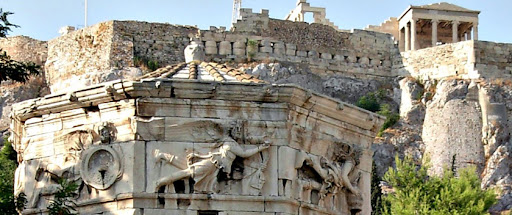
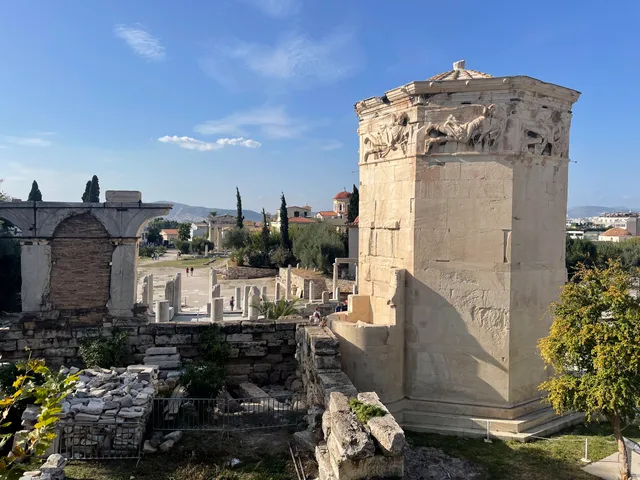
The Tower of the Winds, also known by other names, is an octagonal Pentelic marble tower in the Roman Agora in Athens, named after the eight large reliefs of wind gods around its top. Its date is uncertain, but was by about 50 BC at the latest, as it was mentioned by Varro in his De re Rustica of about 37 BC.
Cultural
Scenic
attractions: Roman Forum of Athens (Roman Agora), Acropolis of Athens, Parthenon, Hadrian's Library, Monastiraki Square, Flea Market, Museum of Greek Folk Musical Instruments "Fivos Anoyanakis" - Centre for Ethnomusicology, Fethiye Mosque Museum, Holy Metropolitan Church of the Annunciation to the Virgin Mary, The Mitropoleos square, restaurants: Klepsydra, Ydria Cafe - Restaurant, Platanos Taverna, Aerides Plaka Restaurant, Lyra Restaurant Athens, Anafiotika Cafe - Restaurant, Anefani, Geros Tou Moria Restaurant, Thanasis, L' Amiral Athens, local businesses: Boîte Apanemia, Holy Church of the All-Great Taxiarchs and the Virgin Mary Gregorousa, Holy Church of the Virgin Mary Chrysokastriotissa, Acropolis, Stoa of Attalos, Phaedra Greek souvenir shop, Monastiraki, Forget Me Not, Holy Church of the Transfiguration of the Saviour, Flâneur Souvenirs & Supplies
 Learn more insights from Wanderboat AI.
Phone
+30 21 0321 9776
Open hoursSee all hours
Tue8 AM - 8 PMOpen
Plan your stay

Pet-friendly Hotels in Athens
Find a cozy hotel nearby and make it a full experience.

Affordable Hotels in Athens
Find a cozy hotel nearby and make it a full experience.

The Coolest Hotels You Haven't Heard Of (Yet)
Find a cozy hotel nearby and make it a full experience.

Trending Stays Worth the Hype in Athens
Find a cozy hotel nearby and make it a full experience.
Reviews
Live events

Taste hidden Athenian flavors on culinary romp
Tue, Jan 27 • 11:00 AM
105 54, Athens, Greece
View details
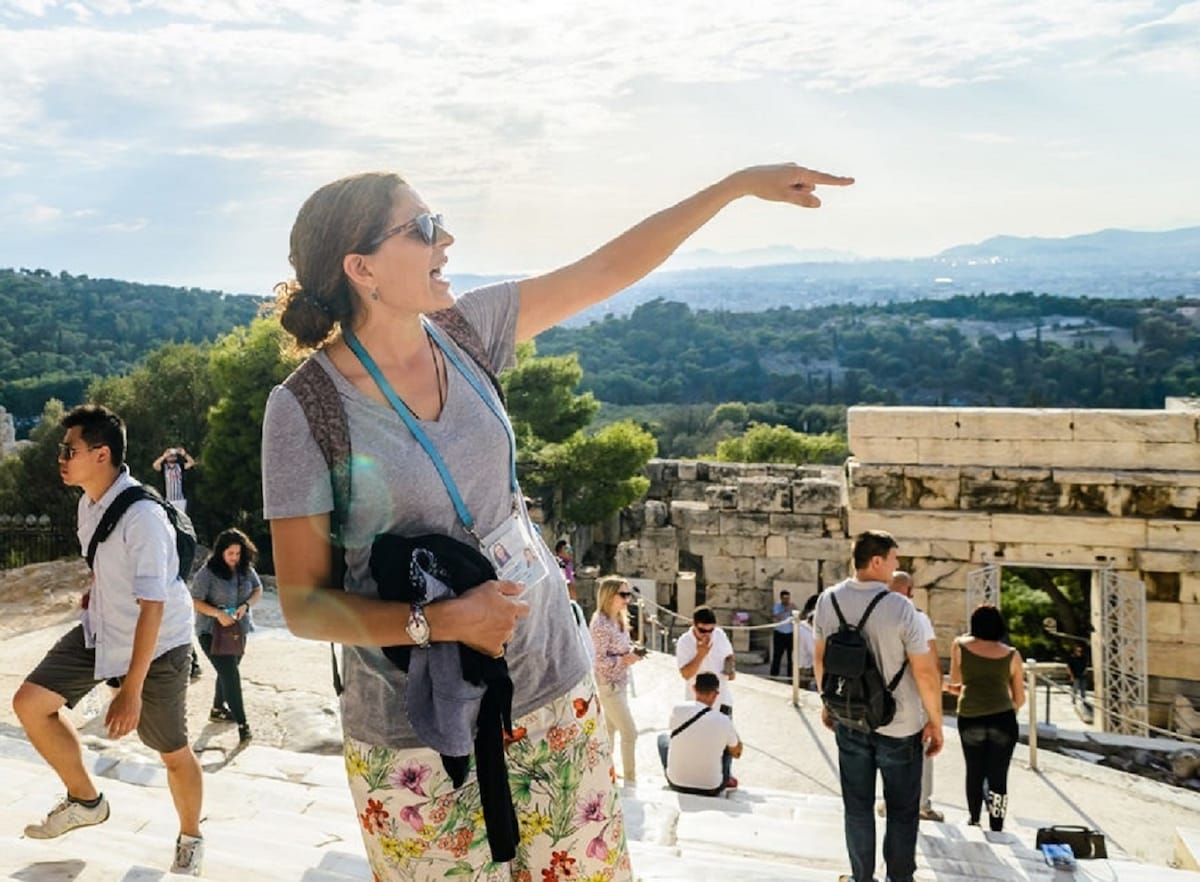
See the Acropolis with a licensed guide
Wed, Jan 28 • 8:00 AM
117 42, Athens, Greece
View details

Amazing Athens Walks & Local Hidden Gems
Tue, Jan 27 • 4:00 PM
105 55, Athens, Greece
View details
Nearby attractions of Horologion of Andronikos Cyrrhestes
Roman Forum of Athens (Roman Agora)
Acropolis of Athens
Parthenon
Hadrian's Library
Monastiraki Square
Flea Market
Museum of Greek Folk Musical Instruments "Fivos Anoyanakis" - Centre for Ethnomusicology
Fethiye Mosque Museum
Holy Metropolitan Church of the Annunciation to the Virgin Mary
The Mitropoleos square
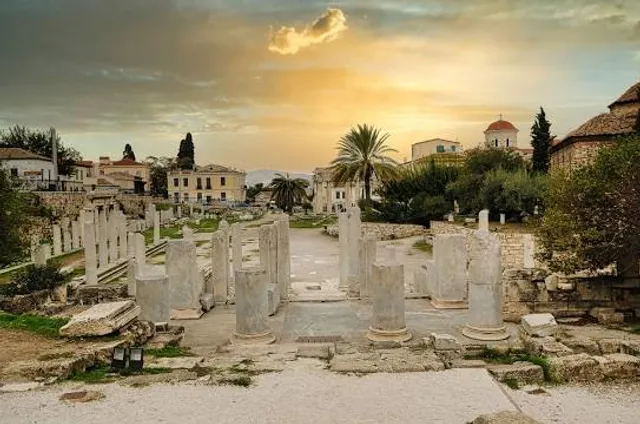
Roman Forum of Athens (Roman Agora)
4.5
(6K)
Open until 8:00 PM
Click for details
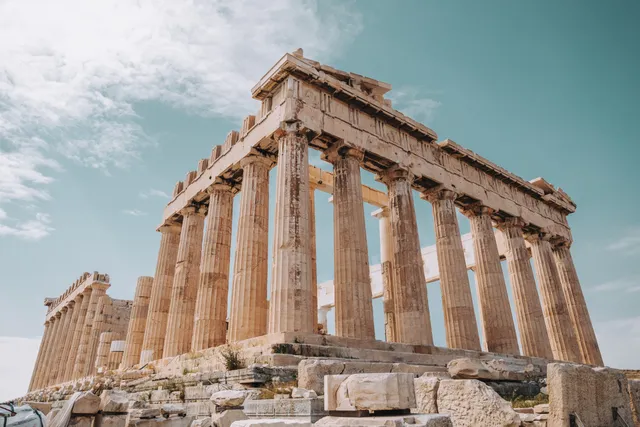
Acropolis of Athens
4.8
(46K)
Open until 8:00 PM
Click for details
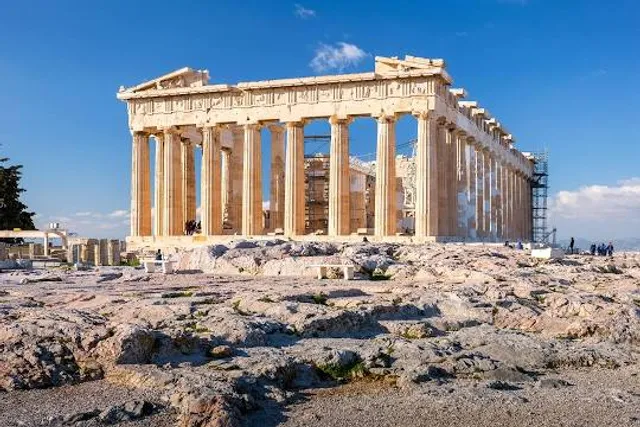
Parthenon
4.8
(29.1K)
Open until 12:00 AM
Click for details
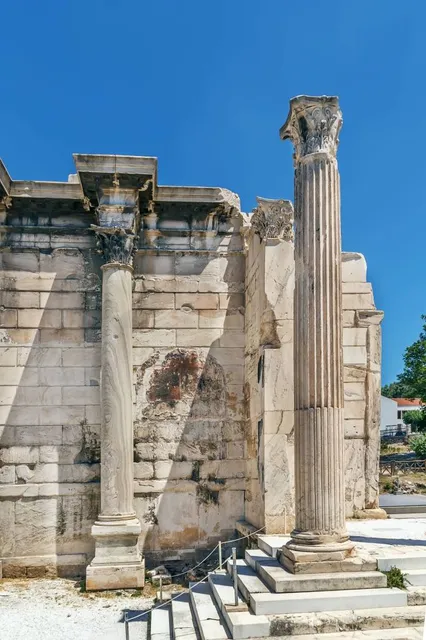
Hadrian's Library
4.4
(3.1K)
Open until 8:00 PM
Click for details
Nearby restaurants of Horologion of Andronikos Cyrrhestes
Klepsydra
Ydria Cafe - Restaurant
Platanos Taverna
Aerides Plaka Restaurant
Lyra Restaurant Athens
Anafiotika Cafe - Restaurant
Anefani
Geros Tou Moria Restaurant
Thanasis
L' Amiral Athens
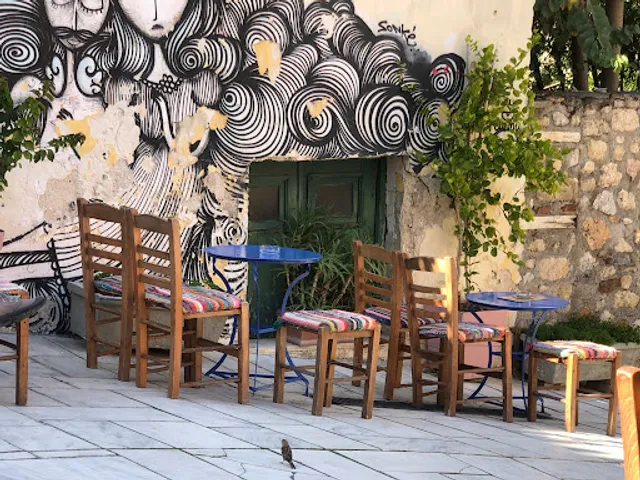
Klepsydra
4.4
(1.8K)
Open until 1:00 AM
Click for details
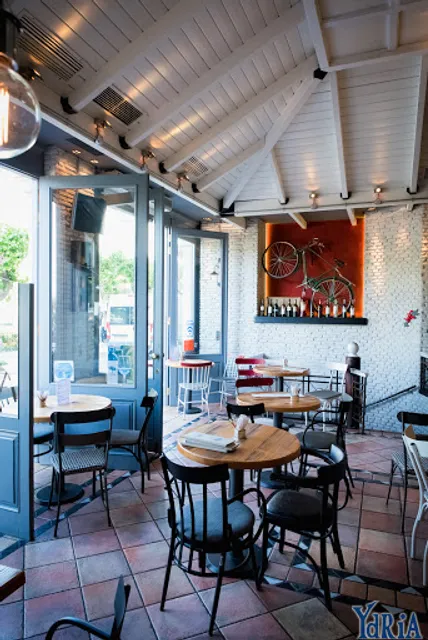
Ydria Cafe - Restaurant
4.2
(1.1K)
$$
Open until 11:00 PM
Click for details
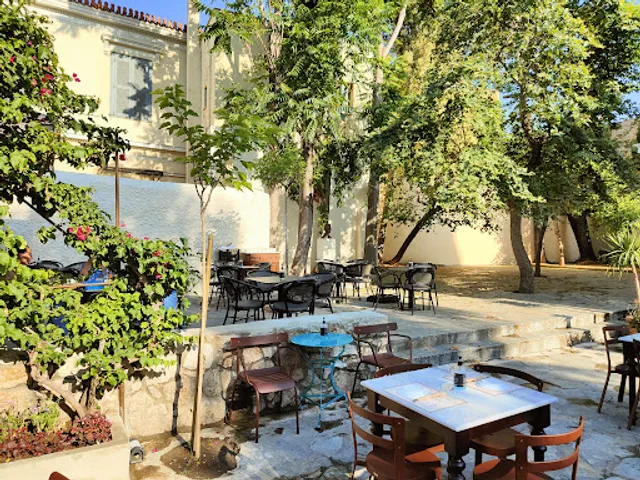
Platanos Taverna
4.1
(900)
Open until 12:00 AM
Click for details
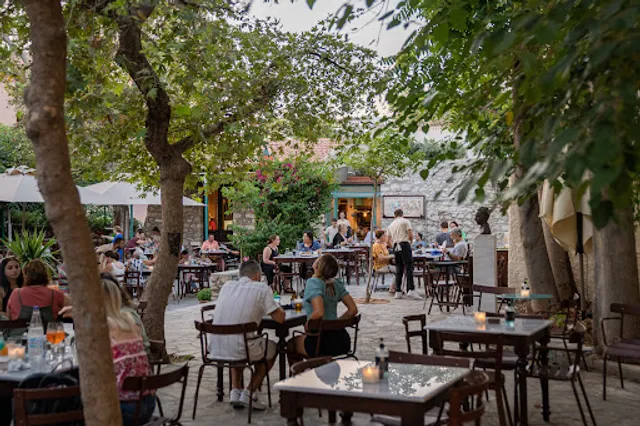
Aerides Plaka Restaurant
4.7
(1.1K)
Open until 12:00 AM
Click for details
Nearby local services of Horologion of Andronikos Cyrrhestes
Boîte Apanemia
Holy Church of the All-Great Taxiarchs and the Virgin Mary Gregorousa
Holy Church of the Virgin Mary Chrysokastriotissa
Acropolis
Stoa of Attalos
Phaedra Greek souvenir shop
Monastiraki
Forget Me Not
Holy Church of the Transfiguration of the Saviour
Flâneur Souvenirs & Supplies
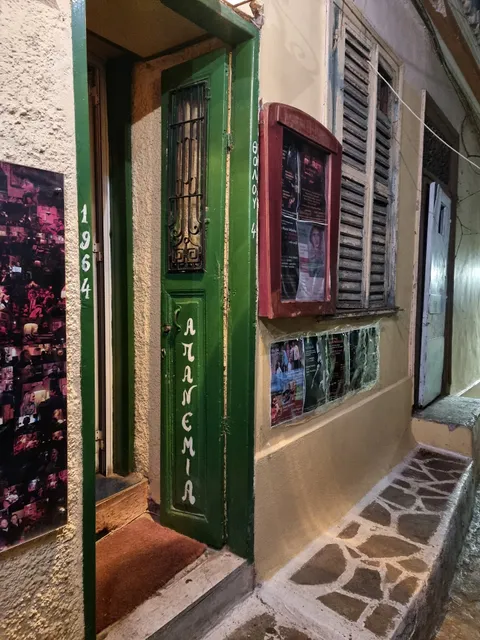
Boîte Apanemia
4.4
(445)
Click for details
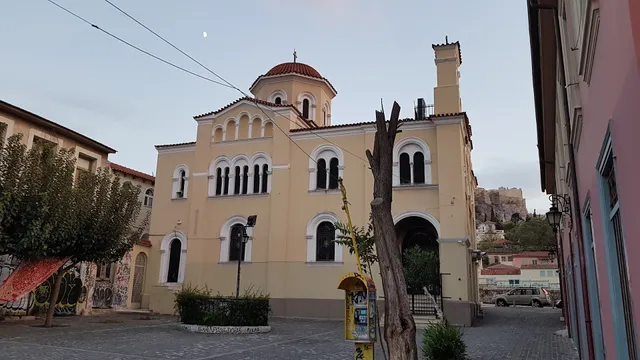
Holy Church of the All-Great Taxiarchs and the Virgin Mary Gregorousa
4.8
(195)
Click for details
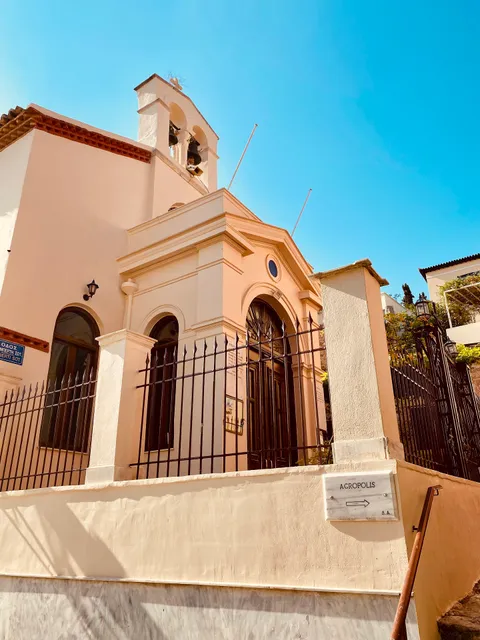
Holy Church of the Virgin Mary Chrysokastriotissa
4.9
(113)
Click for details
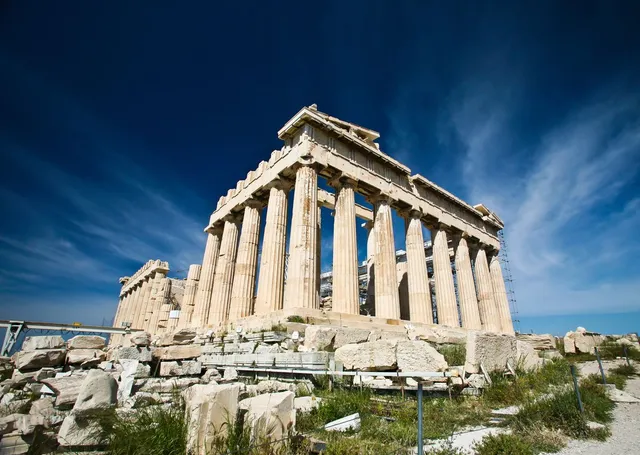
Acropolis
4.7
(2.7K)
Click for details