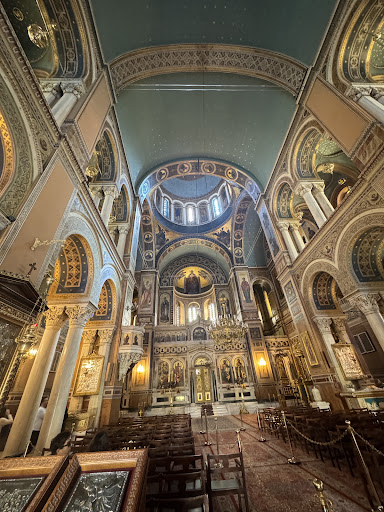
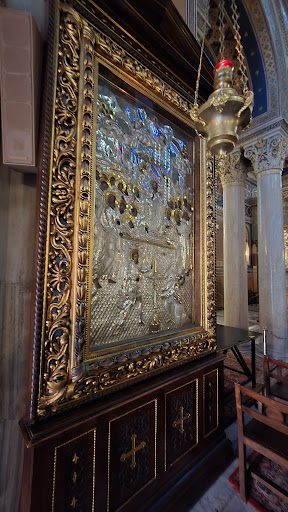
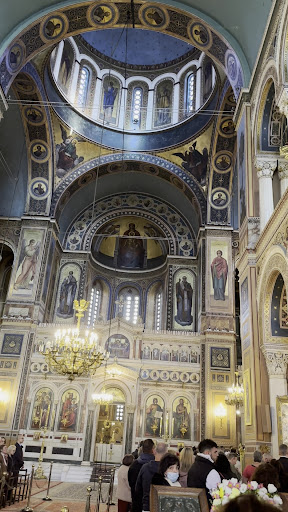
Holy Metropolitan Church of the Annunciation to the Virgin Mary things to do, attractions, restaurants, events info and trip planning
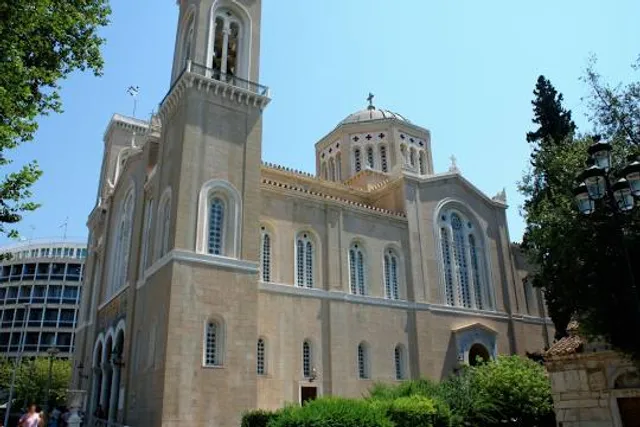
Basic Info
Holy Metropolitan Church of the Annunciation to the Virgin Mary
E056 105, Athina 118 54, Greece
4.7(3.8K)
Open 24 hours
Save
spot
spot
Ratings & Description
Info
The Metropolitan Cathedral of the Annunciation, popularly known as the Metropolis or Mitropoli, is the cathedral church of the Archbishopric of Athens and all of Greece.
Cultural
Accessibility
attractions: The Mitropoleos square, Holy Church of the Virgin Mary Gorgoepikoos and Saint Eleutherius, Maria Callas Museum, Monastiraki Square, School Life & Education Museum, Roman Forum of Athens (Roman Agora), Holy Archdiocese of Athens, Hadrian's Library, Flea Market, Parthenon, restaurants: Old Ithaki, Meat the Greek, CENTRALE ATHENS, Ciel Athens, The Zillers Rooftop Gastronomy, Cherchez La Femme, Piazza Duomo Athènes, Aspro Alogo (i.e. White Horse) Traditional Greek Food, ERGON House Athens, Vegan Beat Athens, local businesses: Ipitou 4, Panagía Kapnikaréa Church, Forget Me Not, Kalamaki mono!, Kalliope - Handmade Jewelry, The Box Hair Studio, Korres Natural Products, Flâneur Souvenirs & Supplies, Romvis 18, Sir Barber
 Learn more insights from Wanderboat AI.
Phone
+30 21 0335 2380
Plan your stay

Pet-friendly Hotels in Athens
Find a cozy hotel nearby and make it a full experience.

Affordable Hotels in Athens
Find a cozy hotel nearby and make it a full experience.

The Coolest Hotels You Haven't Heard Of (Yet)
Find a cozy hotel nearby and make it a full experience.

Trending Stays Worth the Hype in Athens
Find a cozy hotel nearby and make it a full experience.
Reviews
Live events
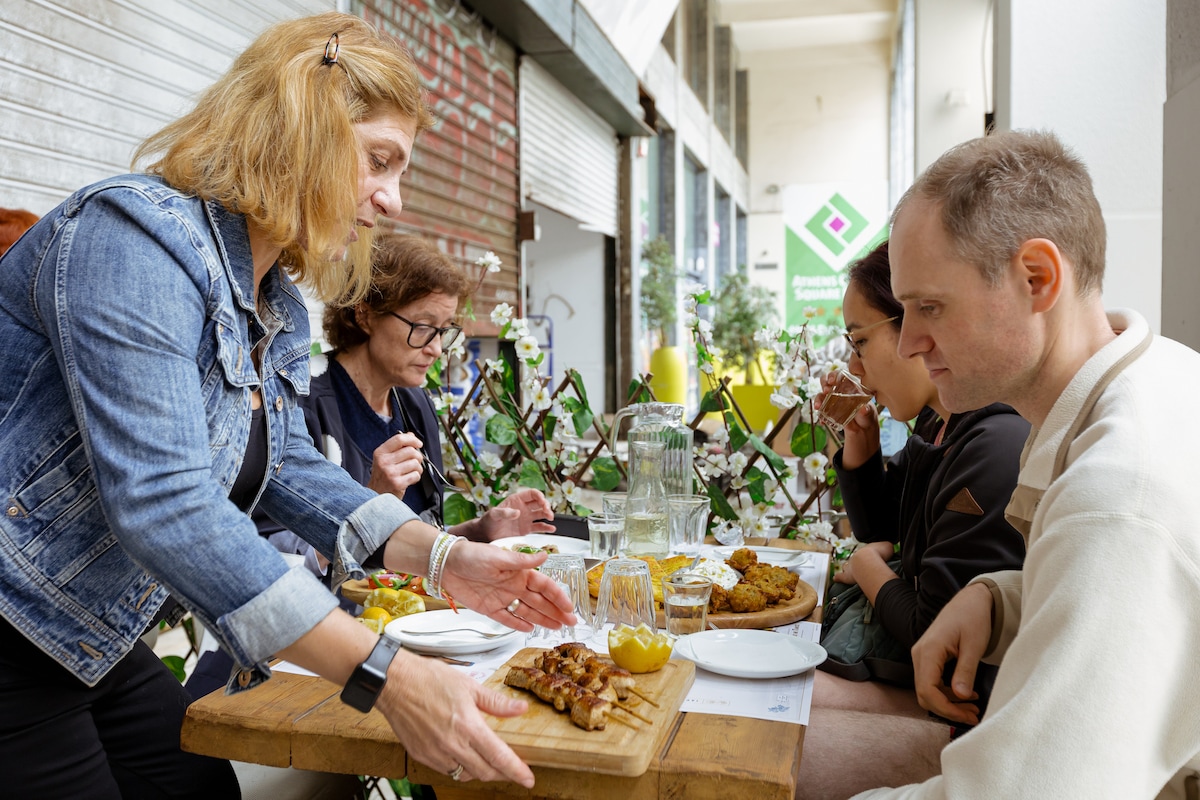
Taste hidden Athenian flavors on culinary romp
Wed, Jan 28 • 11:00 AM
105 54, Athens, Greece
View details
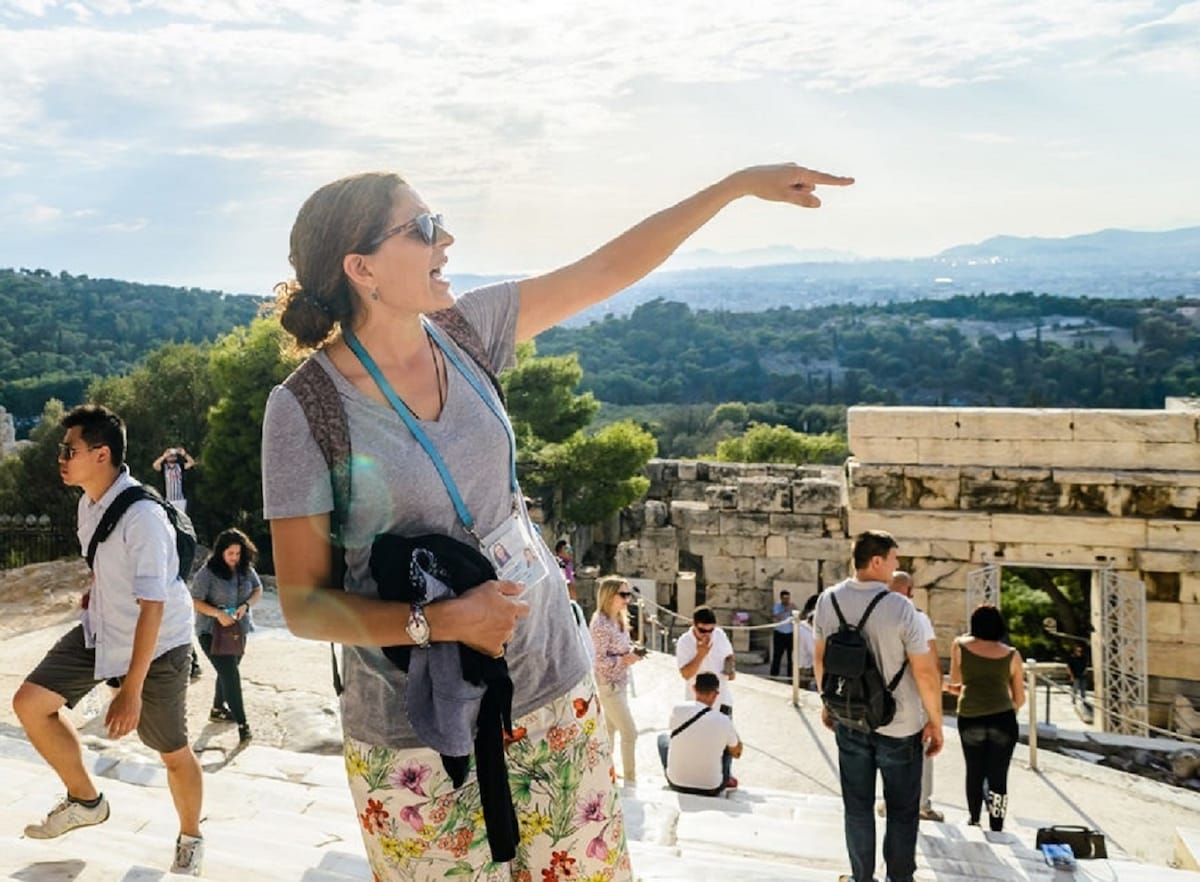
See the Acropolis with a licensed guide
Wed, Jan 28 • 8:00 AM
117 42, Athens, Greece
View details

Amazing Athens Walks & Local Hidden Gems
Wed, Jan 28 • 7:00 AM
105 55, Athens, Greece
View details
Nearby attractions of Holy Metropolitan Church of the Annunciation to the Virgin Mary
The Mitropoleos square
Holy Church of the Virgin Mary Gorgoepikoos and Saint Eleutherius
Maria Callas Museum
Monastiraki Square
School Life & Education Museum
Roman Forum of Athens (Roman Agora)
Holy Archdiocese of Athens
Hadrian's Library
Flea Market
Parthenon
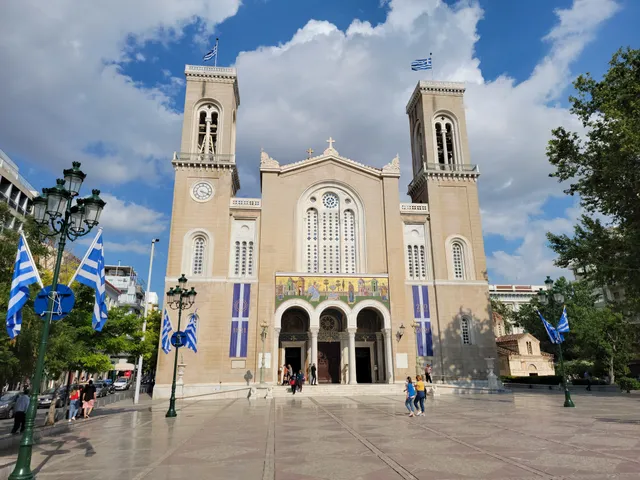
The Mitropoleos square
4.6
(2.4K)
Open until 12:00 AM
Click for details
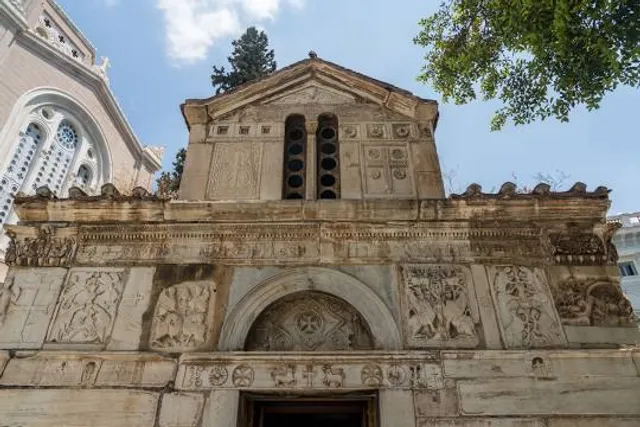
Holy Church of the Virgin Mary Gorgoepikoos and Saint Eleutherius
4.7
(553)
Closed
Click for details
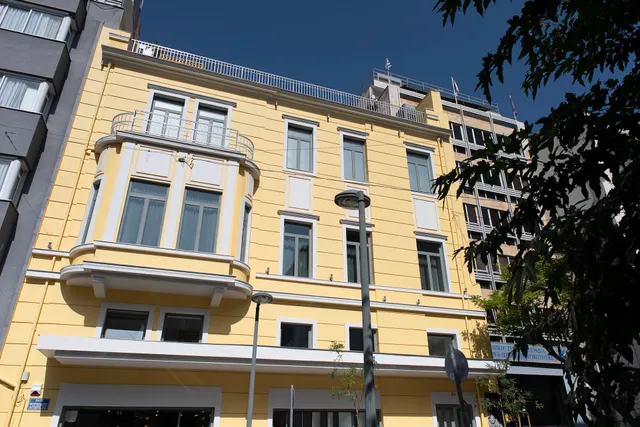
Maria Callas Museum
4.7
(470)
Closed
Click for details
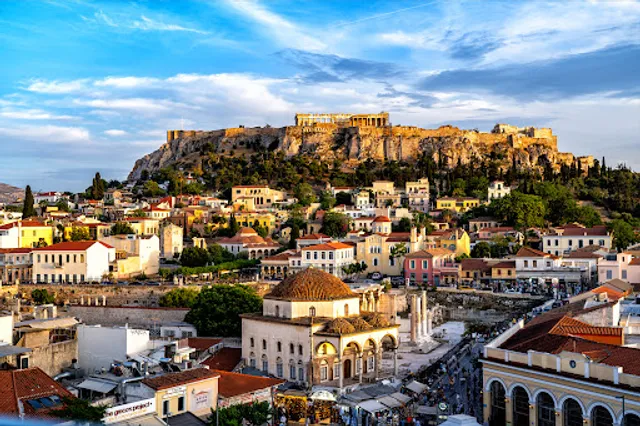
Monastiraki Square
4.5
(9.9K)
Open until 12:00 AM
Click for details
Nearby restaurants of Holy Metropolitan Church of the Annunciation to the Virgin Mary
Old Ithaki
Meat the Greek
CENTRALE ATHENS
Ciel Athens
The Zillers Rooftop Gastronomy
Cherchez La Femme
Piazza Duomo Athènes
Aspro Alogo (i.e. White Horse) Traditional Greek Food
ERGON House Athens
Vegan Beat Athens
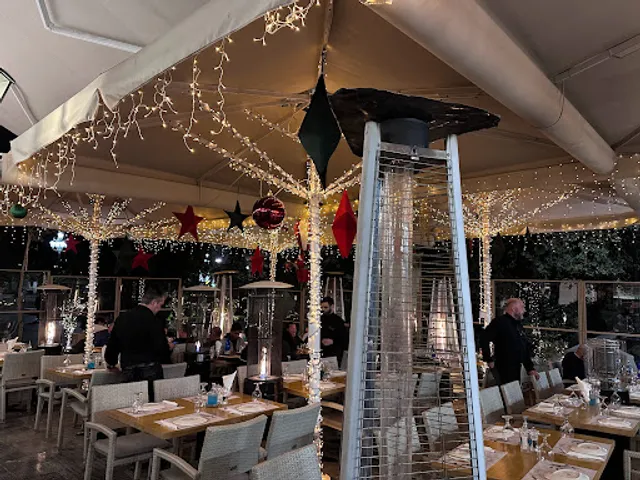
Old Ithaki
4.7
(1.9K)
$$
Closed
Click for details
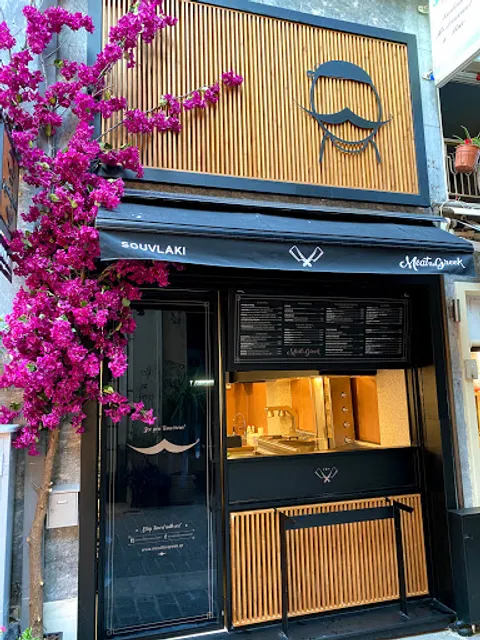
Meat the Greek
4.7
(2.1K)
Closed
Click for details
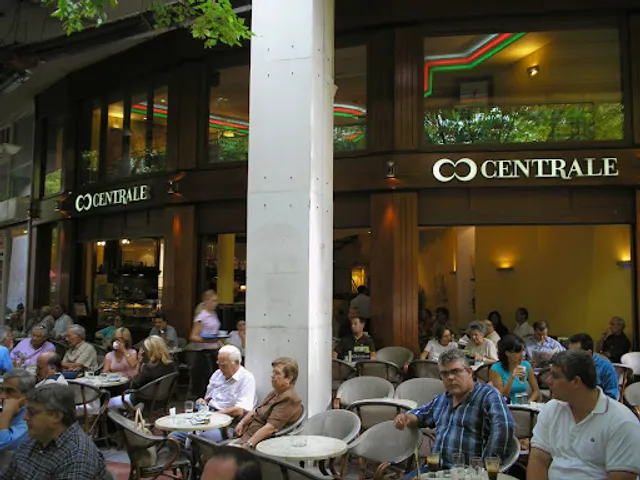
CENTRALE ATHENS
4.2
(1.1K)
$$
Closed
Click for details
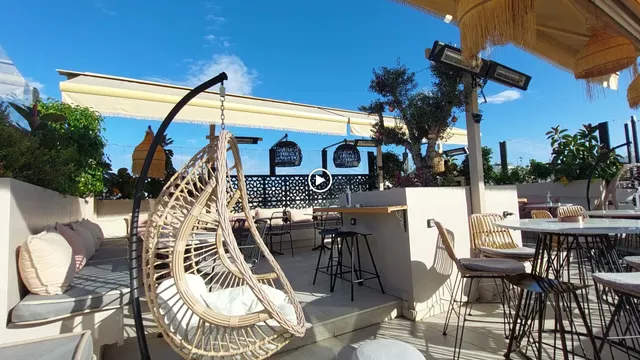
Ciel Athens
4.4
(2K)
Closed
Click for details
Nearby local services of Holy Metropolitan Church of the Annunciation to the Virgin Mary
Ipitou 4
Panagía Kapnikaréa Church
Forget Me Not
Kalamaki mono!
Kalliope - Handmade Jewelry
The Box Hair Studio
Korres Natural Products
Flâneur Souvenirs & Supplies
Romvis 18
Sir Barber
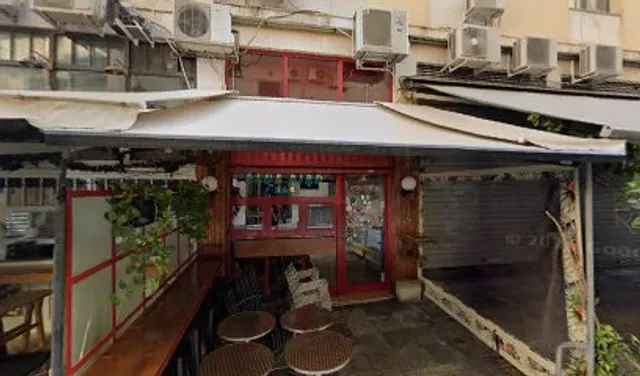
Ipitou 4
4.4
(858)
Click for details
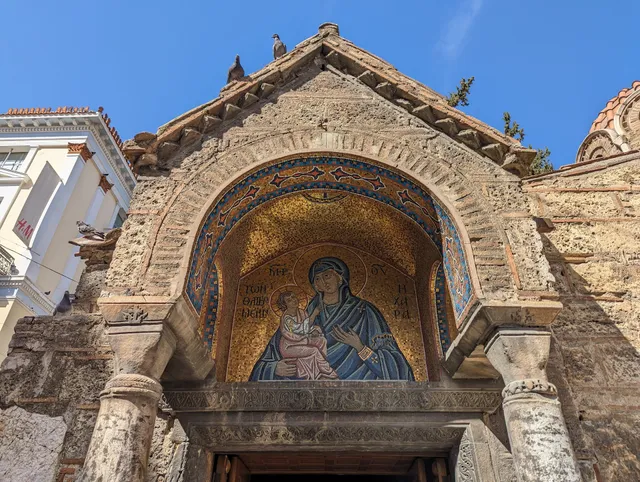
Panagía Kapnikaréa Church
4.7
(269)
Click for details
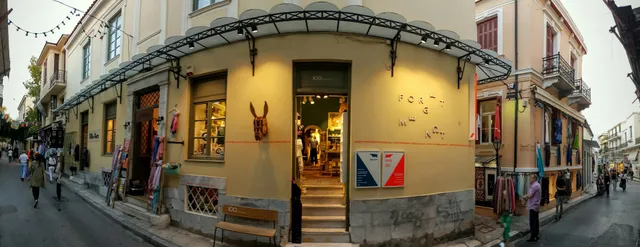
Forget Me Not
4.6
(232)
Click for details
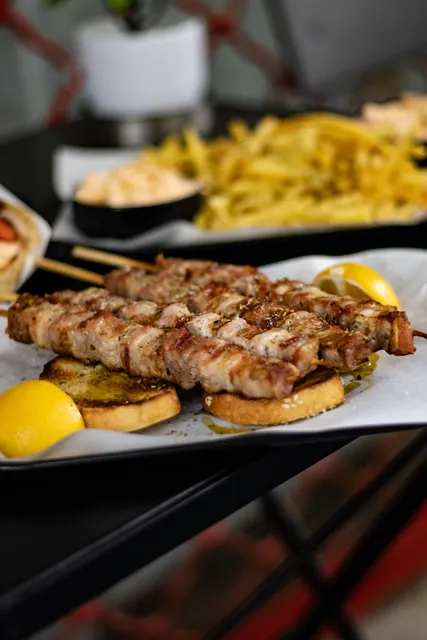
Kalamaki mono!
4.8
(207)
Click for details