Byzantine Museum of Antivouniotissa things to do, attractions, restaurants, events info and trip planning
GreecePeloponnese, Western Greece and the IonianMunicipality of Central Corfu and Diapontia IslandsByzantine Museum of Antivouniotissa
Basic Info
Byzantine Museum of Antivouniotissa
gesloten, Arseniou 25, Kerkira 491 00, Greece
4.3(269)
Open until 12:00 AM

tickets
Save
spot
spot
Ratings & Description
Info
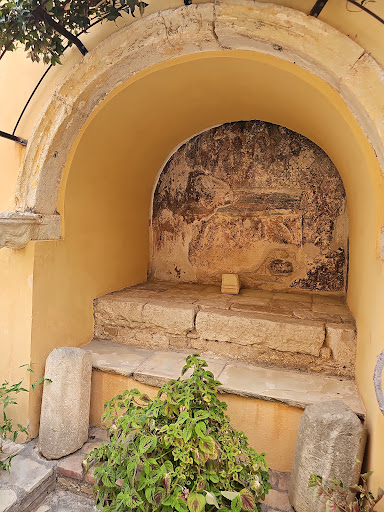
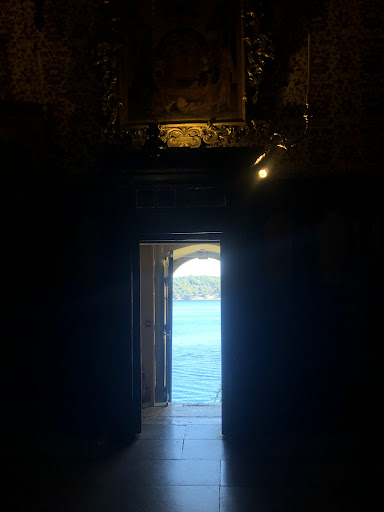
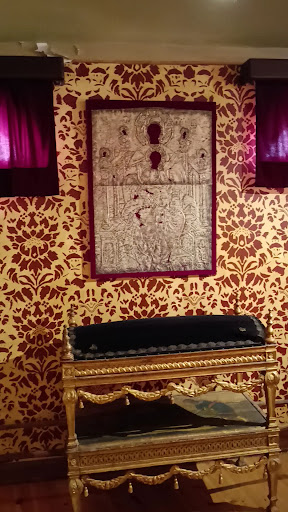
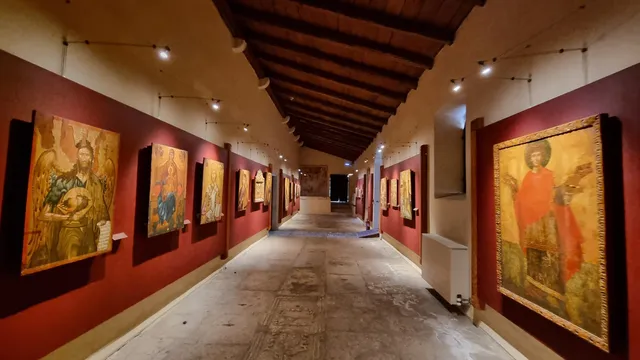
The Antivouniotissa Museum is a museum of post-Byzantine religious art of the Cretan and early Heptanese schools in Corfu, Greece. It is located in the former church of the Holy Mother of God Antivouniotissa
Cultural
Family friendly
Accessibility
attractions: Holy Church of Saint Spyridon, Corfu Museum of Asian Art, Faliraki Corfu, Museum of Dionysios Solomos, Faliraki Bathing Beach, Spianada Square, Banknote Museum of the Ionian Bank, Liston - Eleftheria Pedestrian Street, Municipal Gallery of Corfu, Old Fortress of Corfu, restaurants: Favela Nº17, Mouragia, Veranda, Venetian Well, Antranik, To Tsipouradiko, Cucina Di Boneti, Tratamento, Imabari Corfu, Tsantsamini, local businesses: The Touristic Market of Corfu Old Town, Corfu, Holy Metropolitan Church of the Virgin Mary Spilaiotissa, Saint Blaise and Saint Theodora Augusta, Dairy Shop of Alexis, KRITIKOS, Lily Fleur, Admiral Ushakov Memorial, The Old School, PIZZA AL METRO By Symbolo
 Learn more insights from Wanderboat AI.
Phone
+30 2661 020193
Website
archaeologicalmuseums.gr
Open hoursSee all hours
Wed8:30 AM - 3 PMOpen
Plan your stay

Pet-friendly Hotels in Municipality of Central Corfu and Diapontia Islands
Find a cozy hotel nearby and make it a full experience.

Affordable Hotels in Municipality of Central Corfu and Diapontia Islands
Find a cozy hotel nearby and make it a full experience.

The Coolest Hotels You Haven't Heard Of (Yet)
Find a cozy hotel nearby and make it a full experience.

Trending Stays Worth the Hype in Municipality of Central Corfu and Diapontia Islands
Find a cozy hotel nearby and make it a full experience.
Reviews
Live events

Mediterranean indulgence with a French touch
Fri, Jan 30 • 6:00 PM
491 00, Corfu, Greece
View details
Nearby attractions of Byzantine Museum of Antivouniotissa
Holy Church of Saint Spyridon
Corfu Museum of Asian Art
Faliraki Corfu
Museum of Dionysios Solomos
Faliraki Bathing Beach
Spianada Square
Banknote Museum of the Ionian Bank
Liston - Eleftheria Pedestrian Street
Municipal Gallery of Corfu
Old Fortress of Corfu
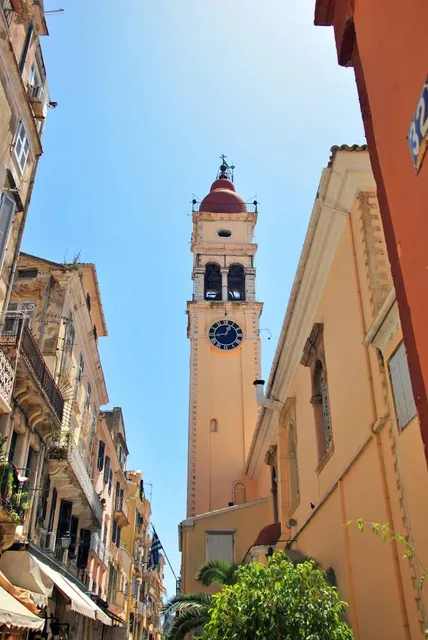
Holy Church of Saint Spyridon
4.8
(1.6K)
Closed
Click for details
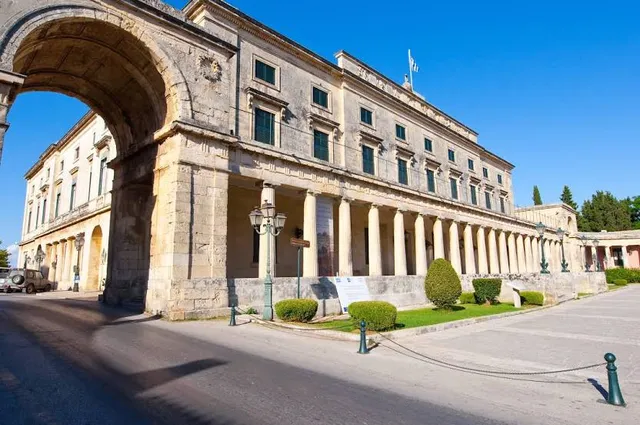
Corfu Museum of Asian Art
4.7
(1.6K)
Closed
Click for details
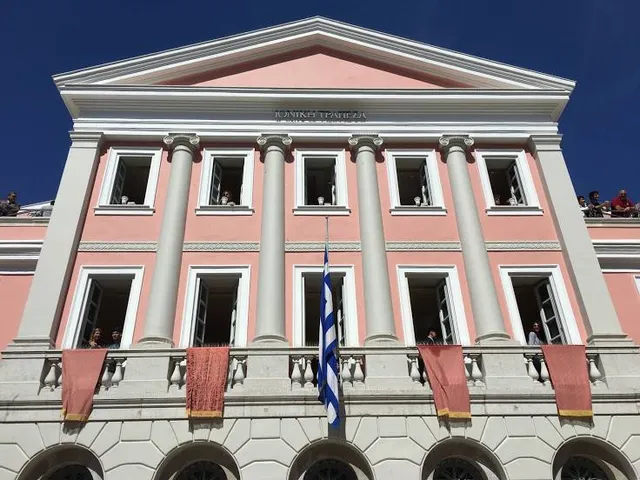
Faliraki Corfu
4.6
(1.2K)
Open until 12:00 AM
Click for details
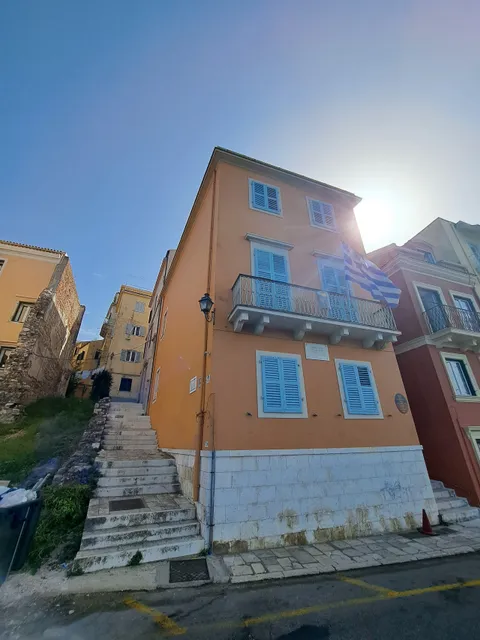
Museum of Dionysios Solomos
4.6
(106)
Closed
Click for details
Nearby restaurants of Byzantine Museum of Antivouniotissa
Favela Nº17
Mouragia
Veranda
Venetian Well
Antranik
To Tsipouradiko
Cucina Di Boneti
Tratamento
Imabari Corfu
Tsantsamini
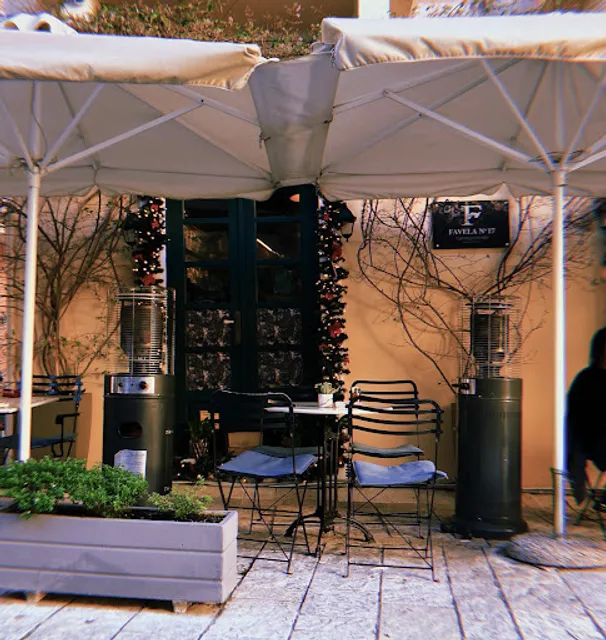
Favela Nº17
4.8
(1.1K)
Open until 11:30 PM
Click for details
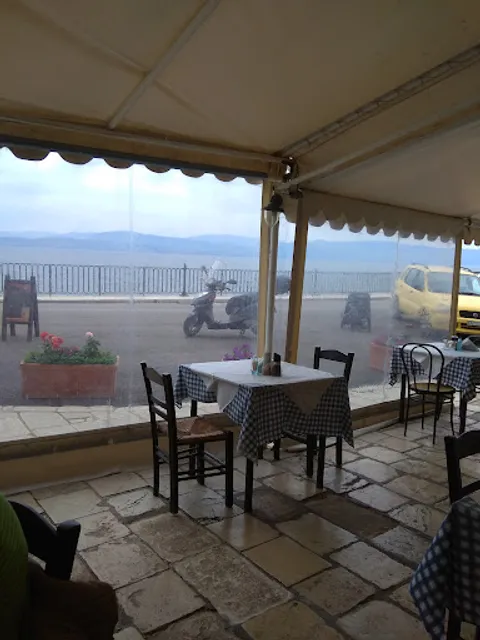
Mouragia
4.5
(652)
$$
Open until 12:00 AM
Click for details
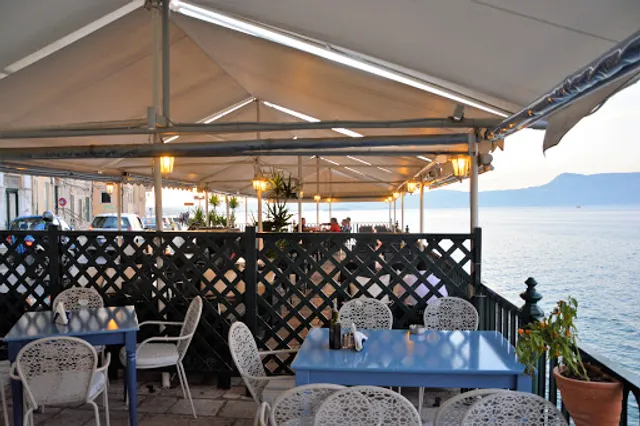
Veranda
4.3
(751)
$$
Click for details
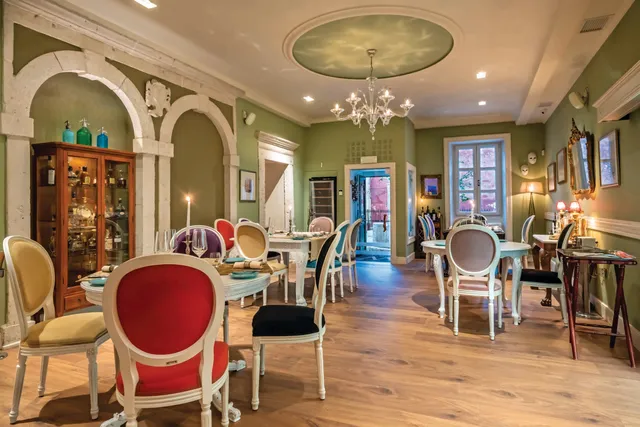
Venetian Well
4.5
(427)
Open until 11:30 PM
Click for details
Nearby local services of Byzantine Museum of Antivouniotissa
The Touristic Market of Corfu Old Town
Corfu
Holy Metropolitan Church of the Virgin Mary Spilaiotissa, Saint Blaise and Saint Theodora Augusta
Dairy Shop of Alexis
KRITIKOS
Lily Fleur
Admiral Ushakov Memorial
The Old School
PIZZA AL METRO By Symbolo
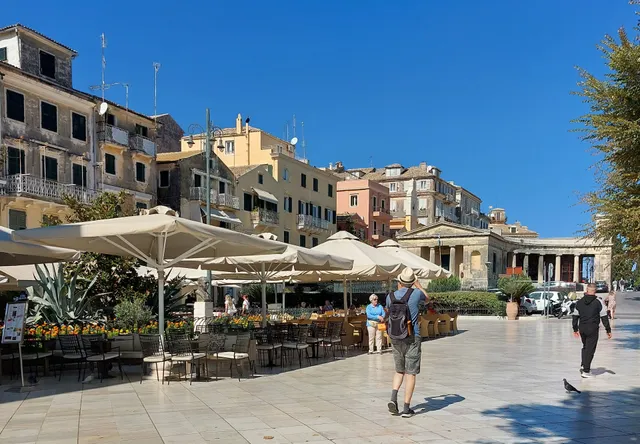
The Touristic Market of Corfu Old Town
4.6
(1.3K)
Click for details
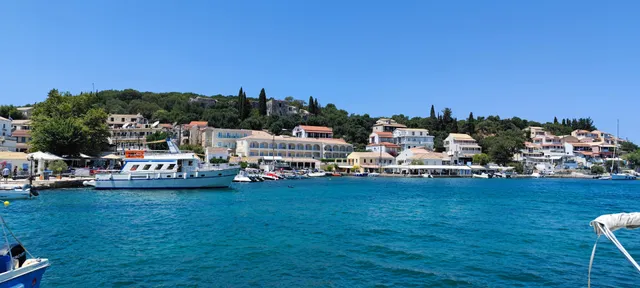
Corfu
4.7
(4.2K)
Click for details
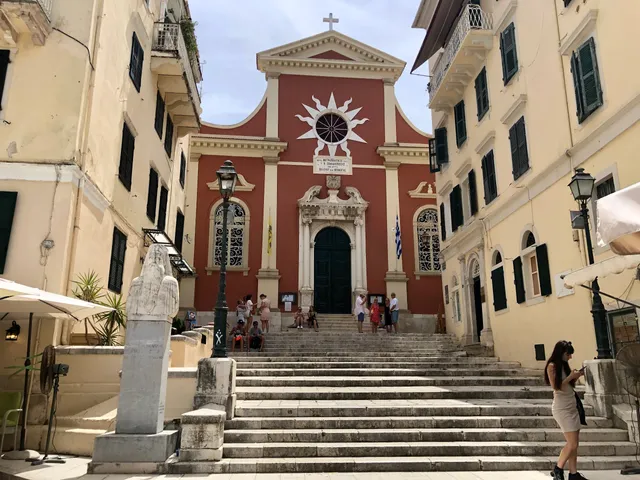
Holy Metropolitan Church of the Virgin Mary Spilaiotissa, Saint Blaise and Saint Theodora Augusta
4.8
(148)
Click for details
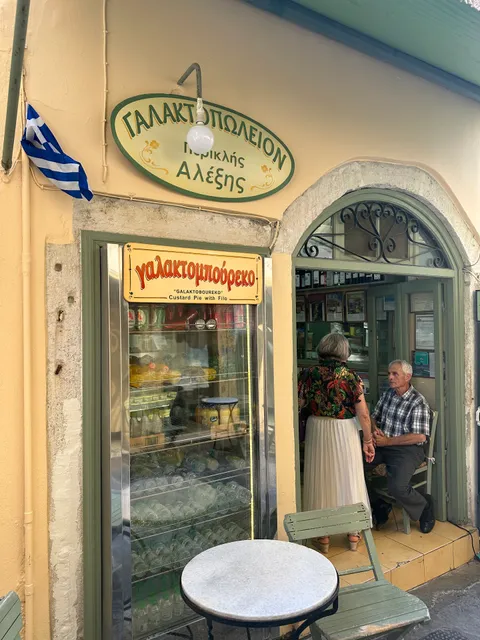
Dairy Shop of Alexis
4.6
(375)
Click for details