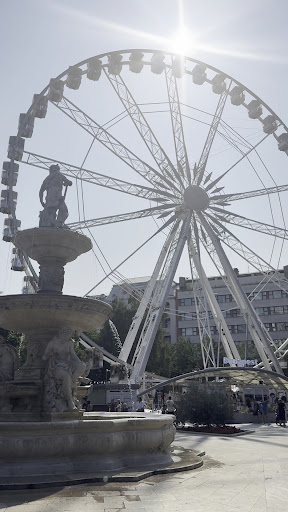
Elizabeth Square things to do, attractions, restaurants, events info and trip planning
Basic Info
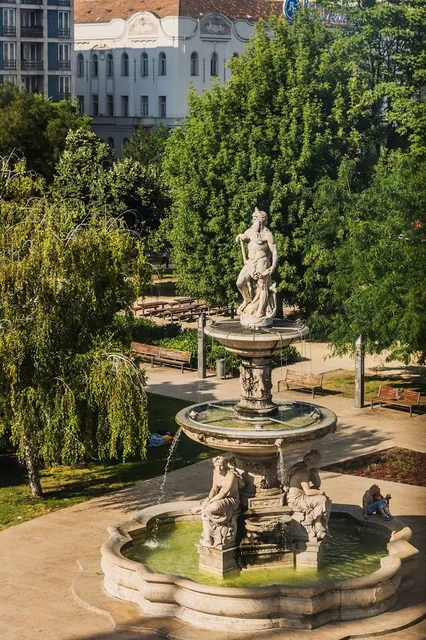
Elizabeth Square
Budapest, Deák Ferenc tér 2, 1052 Hungary
4.5(5.7K)
Closed
Save
spot
spot
Ratings & Description
Info
Cultural
Outdoor
Family friendly
Accessibility
attractions: Ferris Wheel of Budapest, St. Stephen's Basilica, Danubius Fountain, Vörösmarty tér, Budapest Retro Élményközpont, Underground Railway Museum, MiniPolisz, Central Passage, Lion Fountain, The Policeman, restaurants: Fröccsterasz, Akvárium Klub, Parasztkonyha Restaurant, Starbucks Fashion, A Lángosos, Café Gerbeaud, Quán Nón Restaurant, WHAT'S RUNNING SOUP-SUSHI-HOTPOT ⋅ RESTAURANT, Borkonyha Winekitchen, Bamba Marha Burger Bár #DEÁK, local businesses: Fashion Street, Hot Stone Steakhouse Budapest, Bajcsy-Zsilinszky út 9, Budapest retro Erlebnispark, Kempinski The Spa - Budapest, Madame Tussauds Budapest, Duran Szendvics Hungaria Kft., PARC Városháza, Vörösmarty tér, Museum of Illusions
 Learn more insights from Wanderboat AI.
Website
fokert.hu
Open hoursSee all hours
Sat8:30 AM - 8 PMClosed
Plan your stay

Pet-friendly Hotels in Budapest
Find a cozy hotel nearby and make it a full experience.

Affordable Hotels in Budapest
Find a cozy hotel nearby and make it a full experience.

The Coolest Hotels You Haven't Heard Of (Yet)
Find a cozy hotel nearby and make it a full experience.

Trending Stays Worth the Hype in Budapest
Find a cozy hotel nearby and make it a full experience.
Reviews
Live events
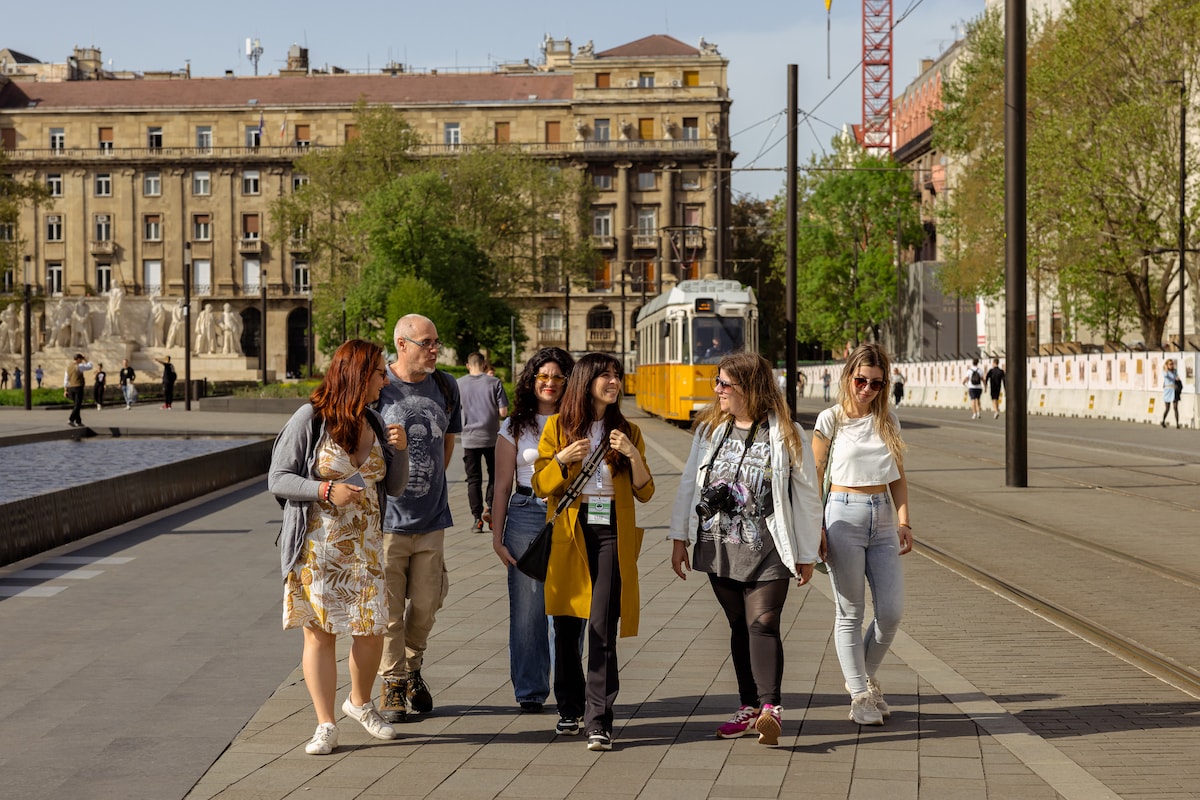
Free tour of downtown Budapest, in Spanish
Sun, Mar 1 • 10:30 AM
Budapest, 1055, Hungary
View details

Budapest Market Tour & Cooking Class with Locals
Sat, Feb 28 • 1:00 PM
Budapest, 1093, Hungary
View details
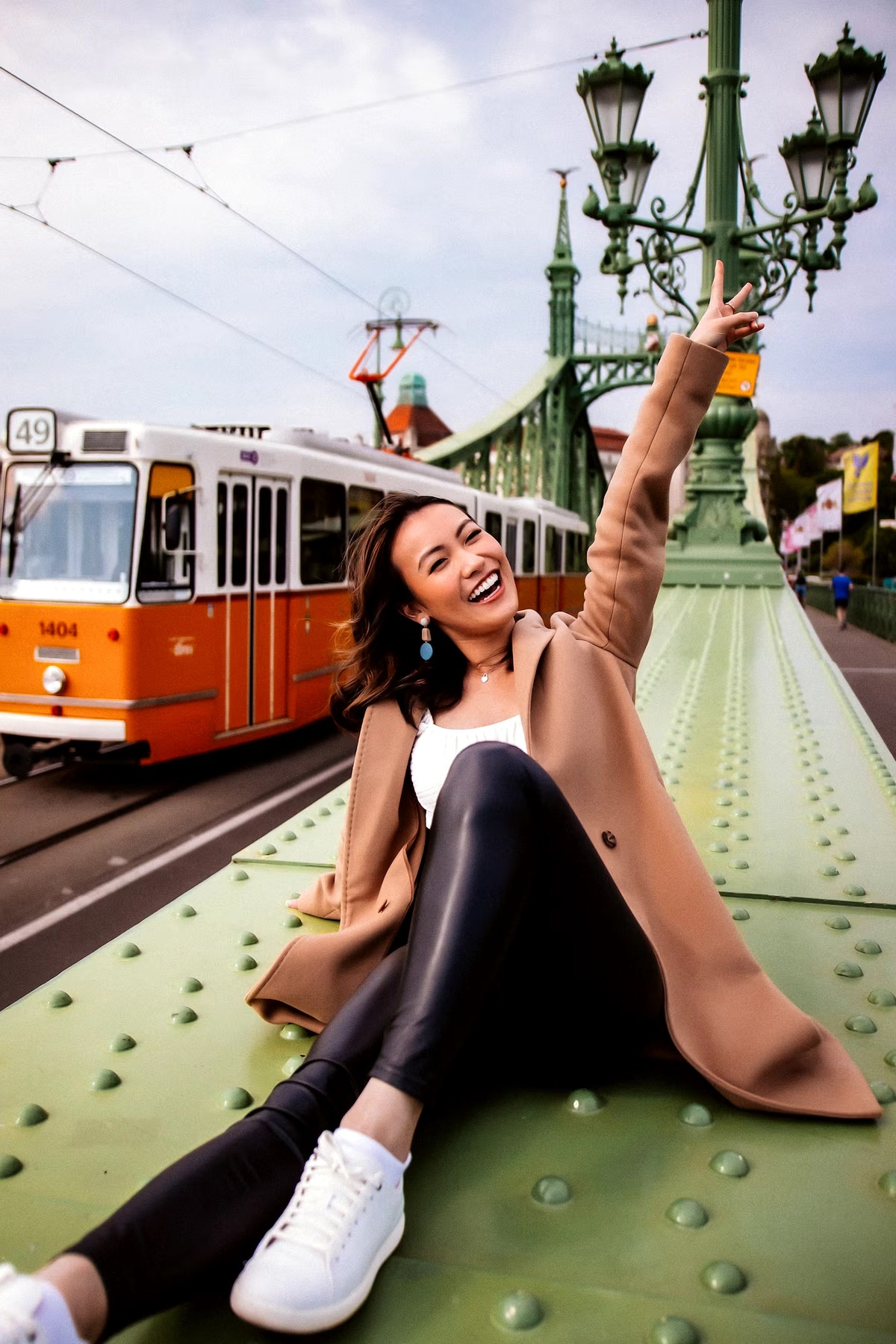
Amazing Private Photo Shoot in Budapest
Sat, Feb 28 • 7:00 AM
Budapest, 1014, Hungary
View details
Nearby attractions of Elizabeth Square
Ferris Wheel of Budapest
St. Stephen's Basilica
Danubius Fountain
Vörösmarty tér
Budapest Retro Élményközpont
Underground Railway Museum
MiniPolisz
Central Passage
Lion Fountain
The Policeman
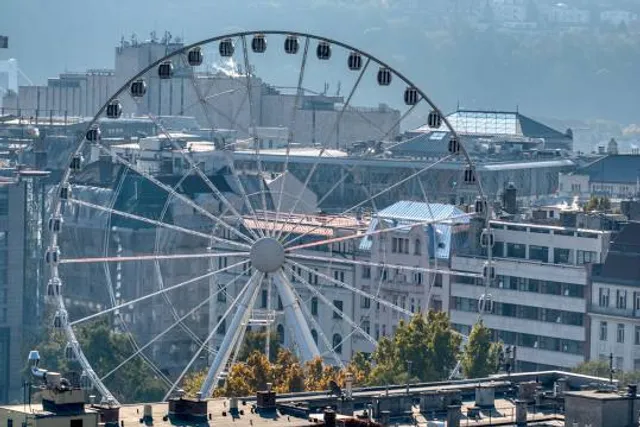
Ferris Wheel of Budapest
4.5
(10.1K)
Open 24 hours
Click for details
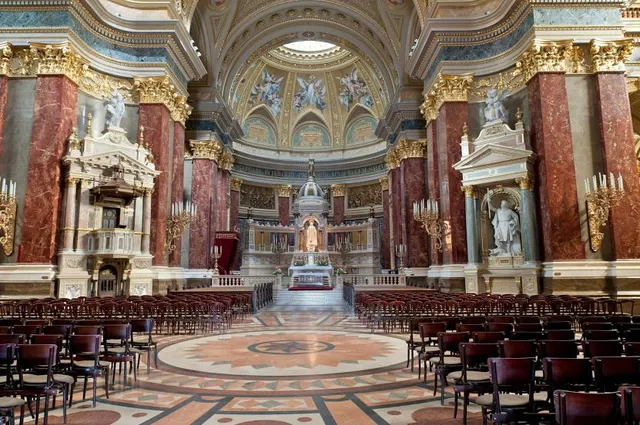
St. Stephen's Basilica
4.7
(24.9K)
Closed
Click for details
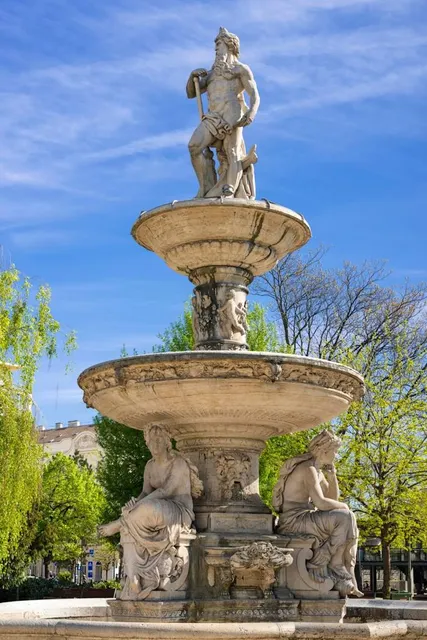
Danubius Fountain
4.6
(235)
Open until 12:00 AM
Click for details
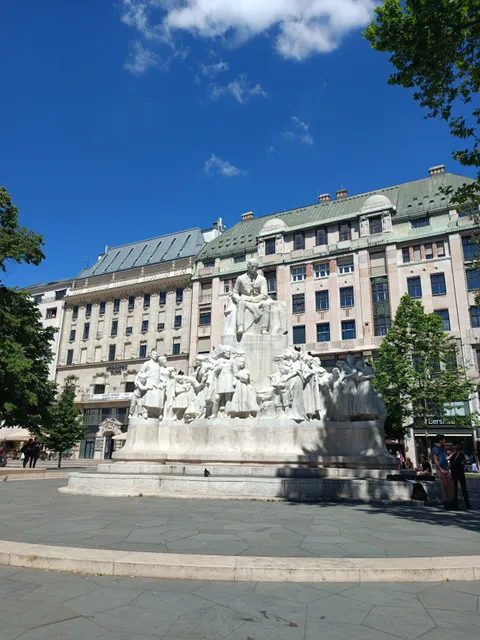
Vörösmarty tér
4.6
(3.7K)
Closed
Click for details
Nearby restaurants of Elizabeth Square
Fröccsterasz
Akvárium Klub
Parasztkonyha Restaurant
Starbucks Fashion
A Lángosos
Café Gerbeaud
Quán Nón Restaurant
WHAT'S RUNNING SOUP-SUSHI-HOTPOT ⋅ RESTAURANT
Borkonyha Winekitchen
Bamba Marha Burger Bár #DEÁK
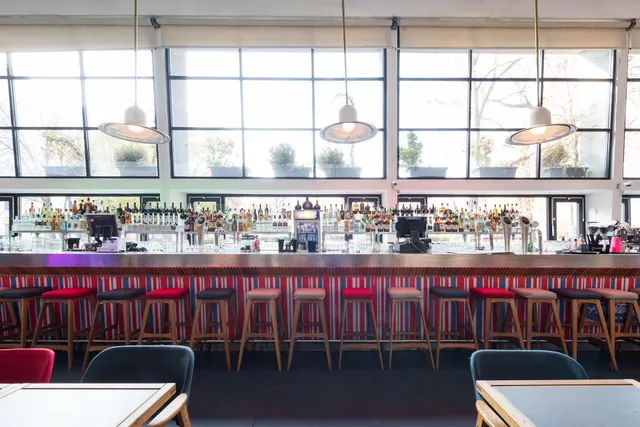
Fröccsterasz
3.8
(1.8K)
$$
Open until 5:00 AM
Click for details
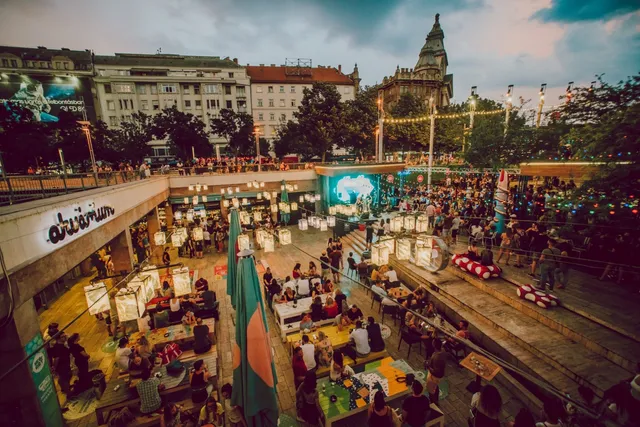
Akvárium Klub
4.1
(1.7K)
Click for details
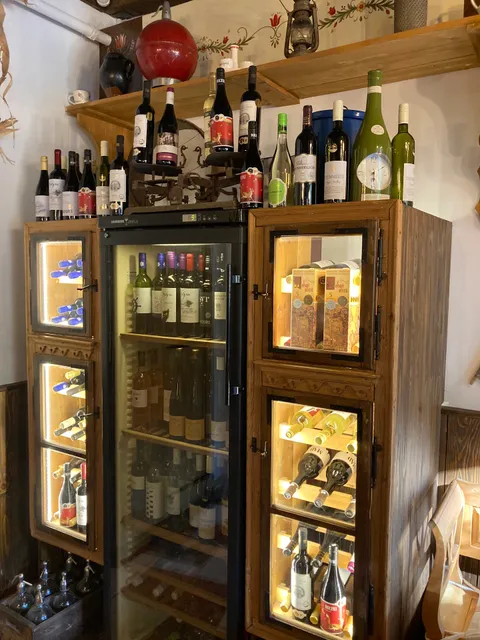
Parasztkonyha Restaurant
4.8
(3.4K)
$$
Closed
Click for details
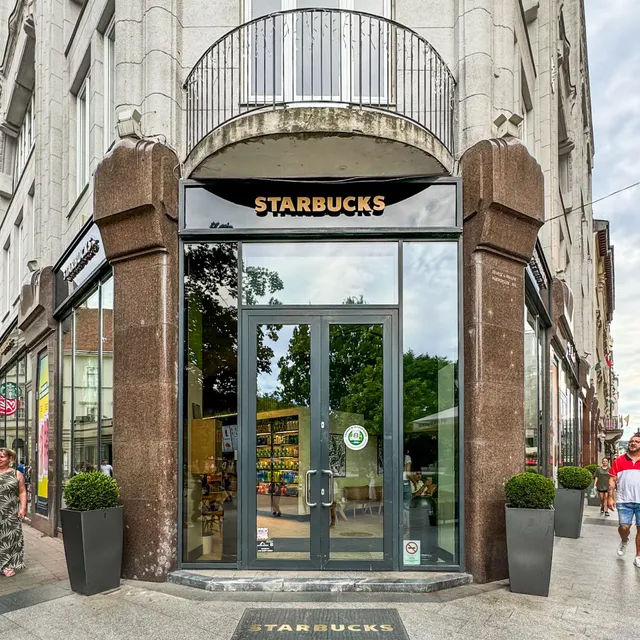
Starbucks Fashion
4.1
(1.9K)
Closed
Click for details
Nearby local services of Elizabeth Square
Fashion Street
Hot Stone Steakhouse Budapest
Bajcsy-Zsilinszky út 9
Budapest retro Erlebnispark
Kempinski The Spa - Budapest
Madame Tussauds Budapest
Duran Szendvics Hungaria Kft.
PARC Városháza
Vörösmarty tér
Museum of Illusions
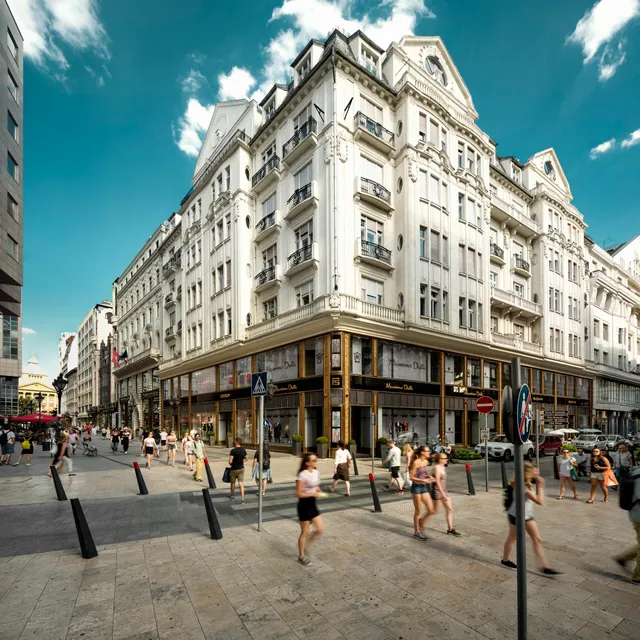
Fashion Street
4.5
(1.5K)
Click for details

Hot Stone Steakhouse Budapest
4.7
(4.6K)
Click for details
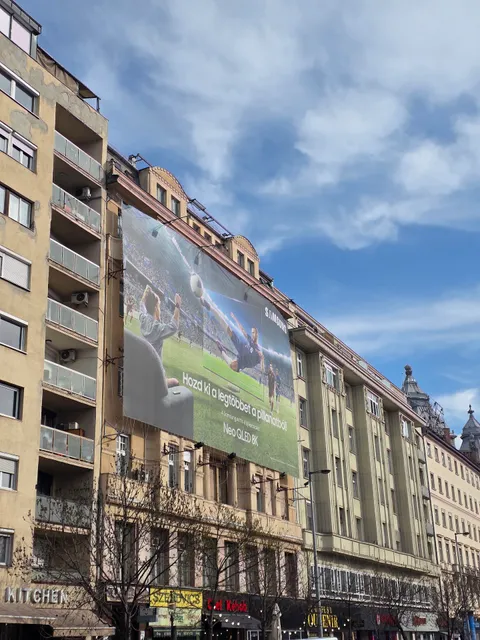
Bajcsy-Zsilinszky út 9
4.4
(1.2K)
Click for details
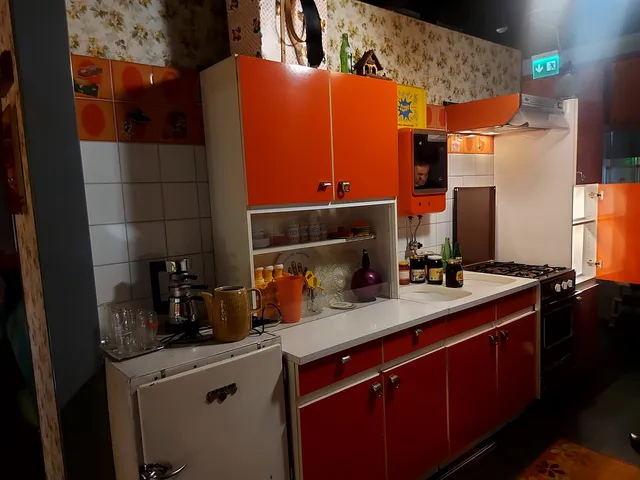
Budapest retro Erlebnispark
4.8
(1.1K)
Click for details