Szent István Király szobra things to do, attractions, restaurants, events info and trip planning
Basic Info
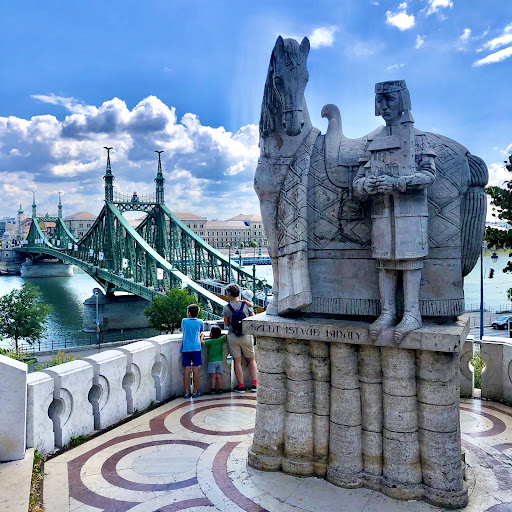
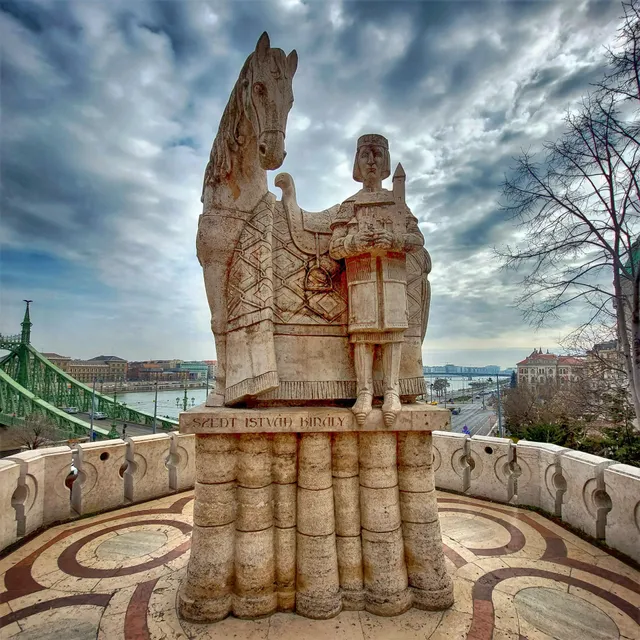
Szent István Király szobra
Budapest, Verejték lejtő, 1118 Hungary
4.7(169)
Open until 12:00 AM
Save
spot
spot
Ratings & Description
Info
Cultural
Scenic
attractions: Gellért Hill Cave, Gellért Thermal Bath, Gellért-hegy, Rock Chapel, Gellérthegyi playground with slides, Csúszdapark, Gellért-hegy, Central Market Hall, Citadella, Ponte della Libertà, restaurants: Szeged Restaurant, MITZI – Kávé, Konyha, Bár, Palack Wine Bar, Grillmánia - Faszenes grill étterem, KEG sörművház, Vegan Love, Bartók - Reggel, Délben, Este, hummusbar, Libella, Szpot, local businesses: Szent Gellért tér-Műegyetem, Liberty Bridge, Rudas Baths, Market Hall, Fővám tér market, Zenta Kraft by Etyeki, Havas u. 7, Central market Hall of Budapest, Gellért Budapest Suites, L'enoteca Borbár
 Learn more insights from Wanderboat AI.
Open hoursSee all hours
FriOpen 24 hoursOpen
Plan your stay

Pet-friendly Hotels in Budapest
Find a cozy hotel nearby and make it a full experience.

Affordable Hotels in Budapest
Find a cozy hotel nearby and make it a full experience.

The Coolest Hotels You Haven't Heard Of (Yet)
Find a cozy hotel nearby and make it a full experience.

Trending Stays Worth the Hype in Budapest
Find a cozy hotel nearby and make it a full experience.
Reviews
Live events
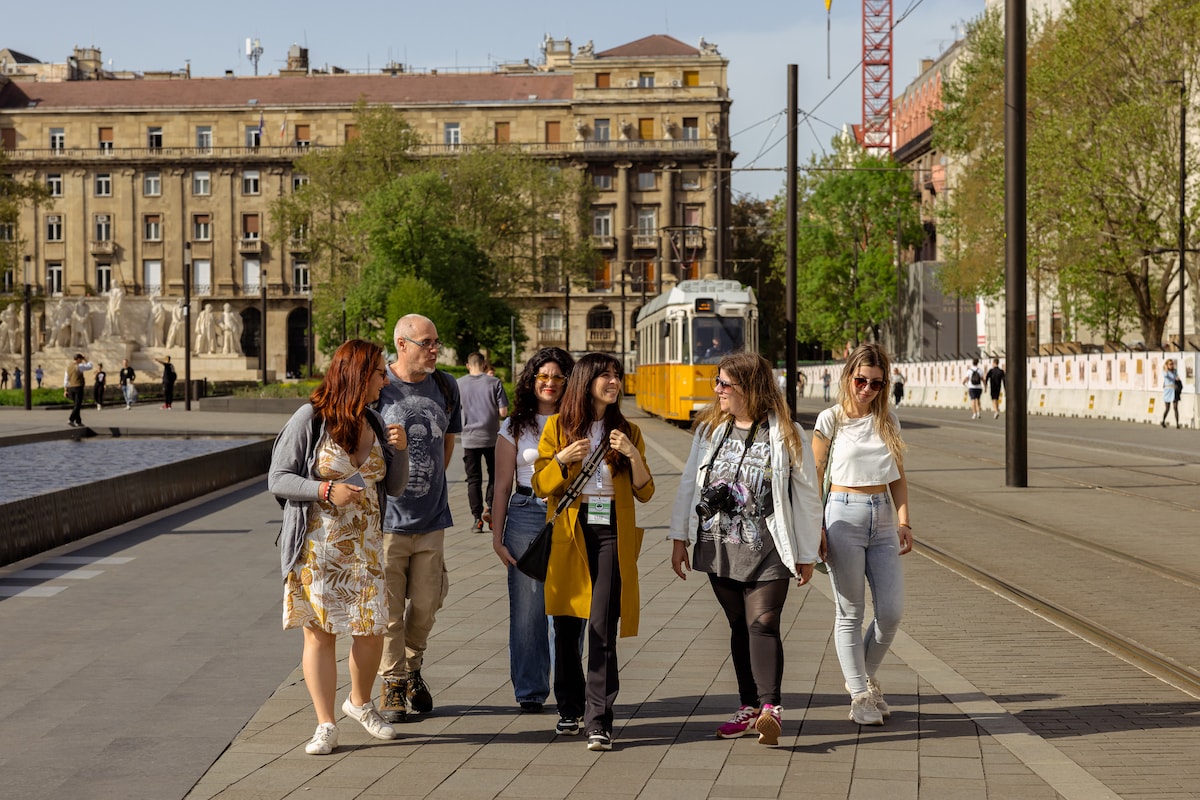
Free tour of downtown Budapest, in Spanish
Sun, Mar 1 • 10:30 AM
Budapest, 1055, Hungary
View details
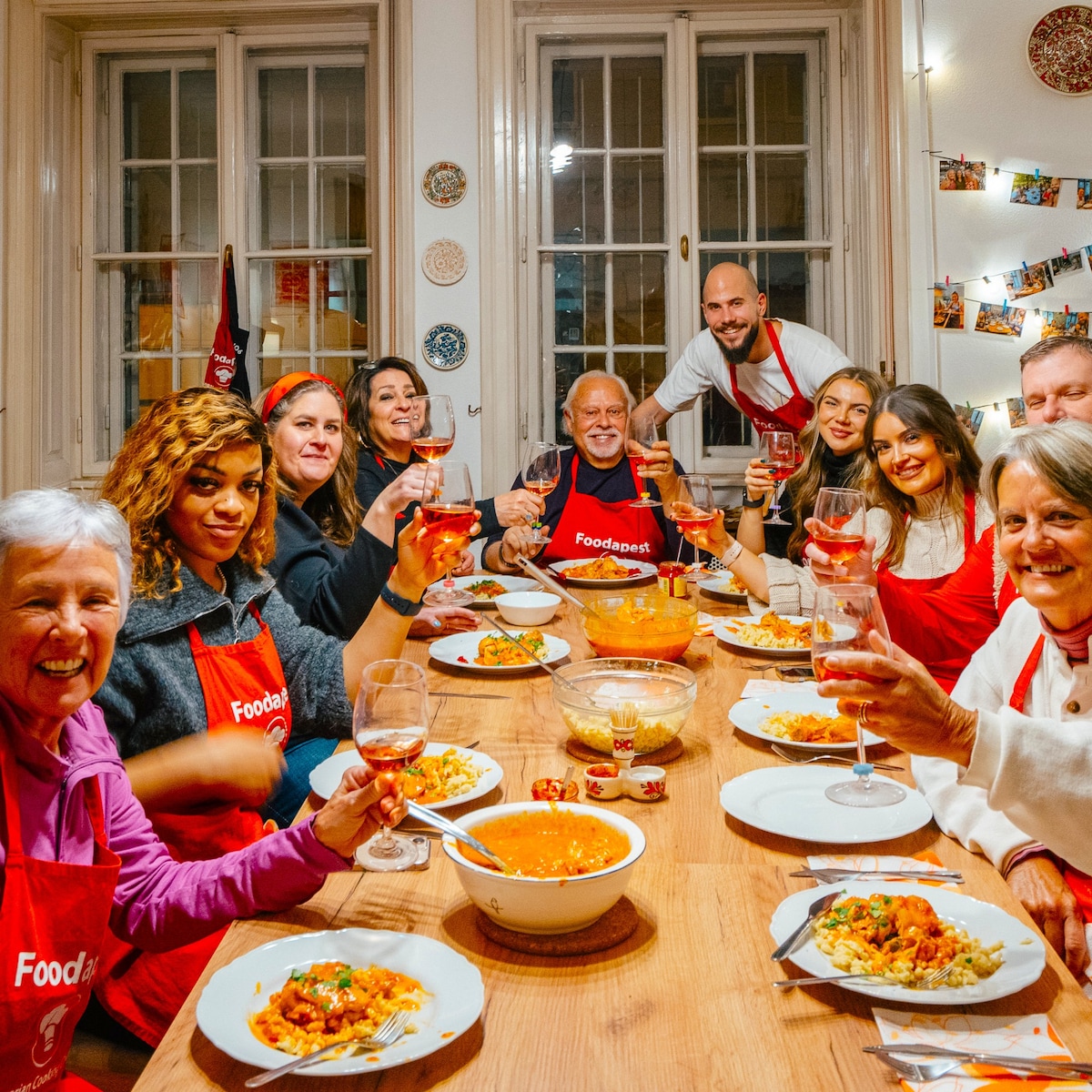
Budapest Market Tour & Cooking Class with Locals
Sat, Feb 28 • 1:00 PM
Budapest, 1093, Hungary
View details

Amazing Private Photo Shoot in Budapest
Sat, Feb 28 • 7:00 AM
Budapest, 1014, Hungary
View details
Nearby attractions of Szent István Király szobra
Gellért Hill Cave
Gellért Thermal Bath
Gellért-hegy
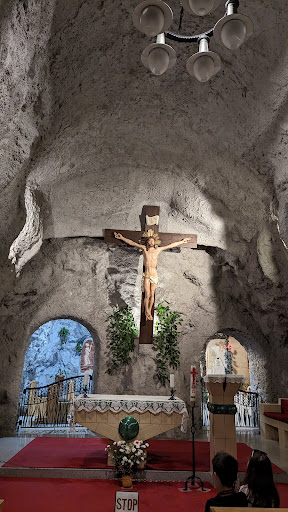
Rock Chapel
Gellérthegyi playground with slides
Csúszdapark
Gellért-hegy
Central Market Hall
Citadella
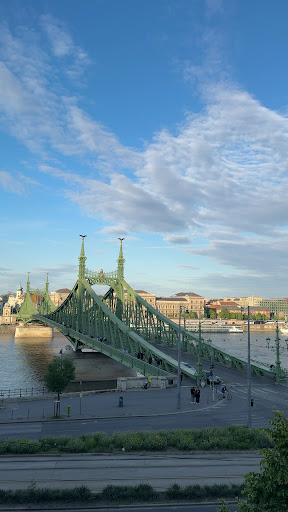
Ponte della Libertà
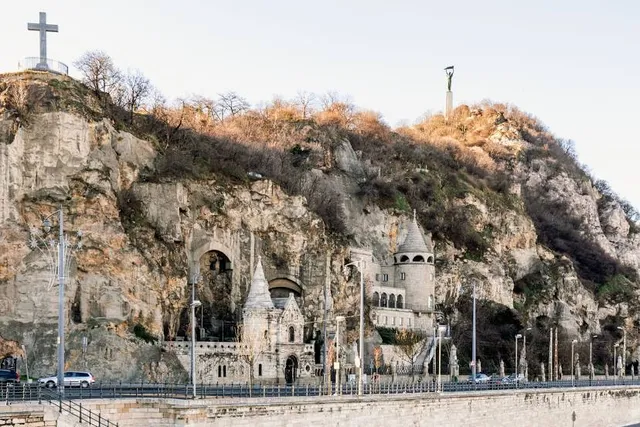
Gellért Hill Cave
4.4
(2.4K)
Closed
Click for details
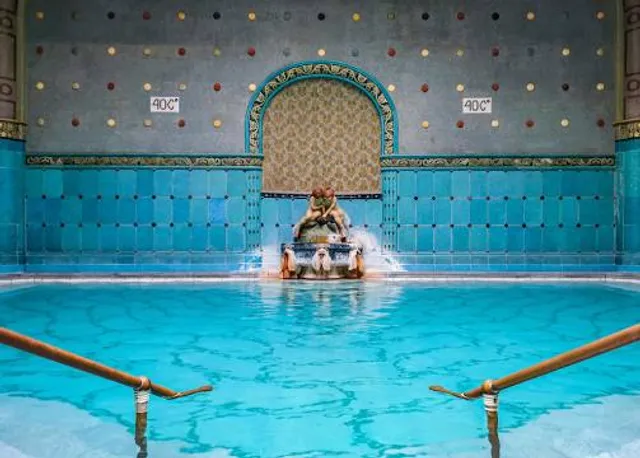
Gellért Thermal Bath
4.2
(11.6K)
Open 24 hours
Click for details

Gellért-hegy
4.7
(13.3K)
Open 24 hours
Click for details
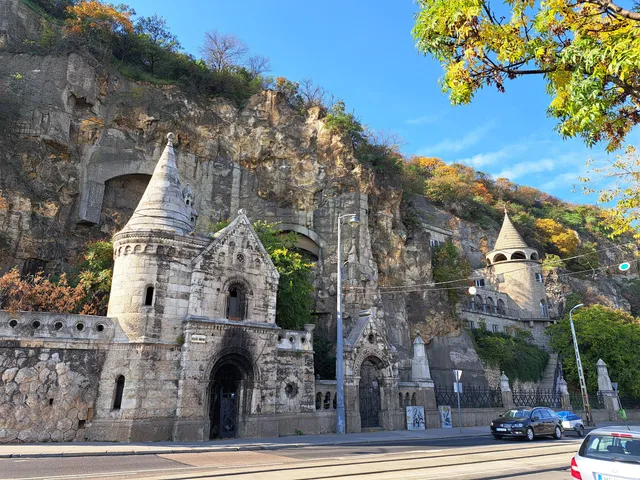
Rock Chapel
4.5
(145)
Closed
Click for details
Nearby restaurants of Szent István Király szobra
Szeged Restaurant
MITZI – Kávé, Konyha, Bár
Palack Wine Bar
Grillmánia - Faszenes grill étterem
KEG sörművház
Vegan Love
Bartók - Reggel, Délben, Este
hummusbar
Libella
Szpot
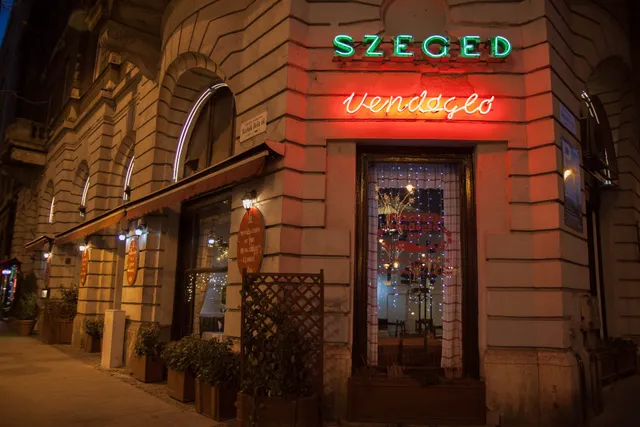
Szeged Restaurant
4.2
(765)
$$
Open until 10:00 PM
Click for details
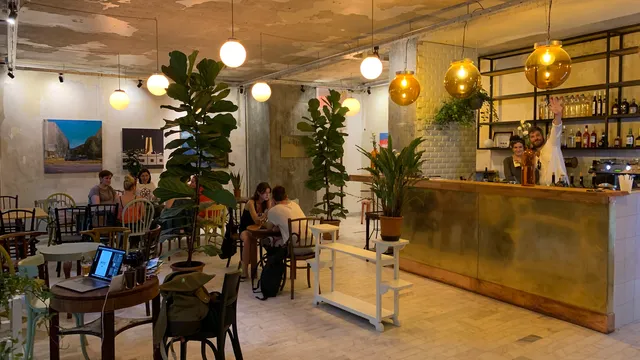
MITZI – Kávé, Konyha, Bár
4.6
(810)
$$
Open until 11:00 PM
Click for details
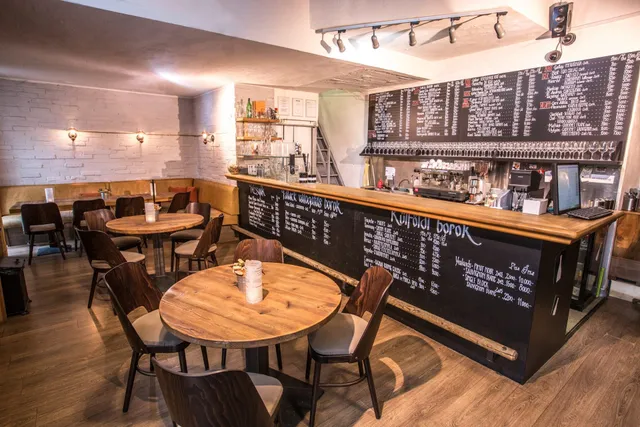
Palack Wine Bar
4.6
(787)
$$
Open until 12:00 AM
Click for details
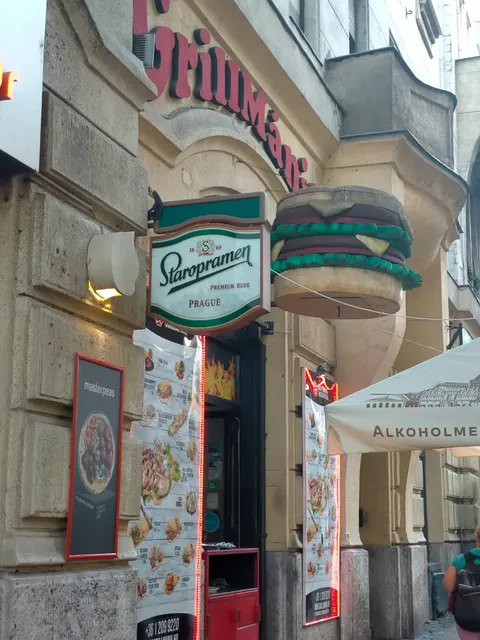
Grillmánia - Faszenes grill étterem
4.5
(849)
Open until 11:00 PM
Click for details
Nearby local services of Szent István Király szobra
Szent Gellért tér-Műegyetem
Liberty Bridge
Rudas Baths
Market Hall
Fővám tér market
Zenta Kraft by Etyeki
Havas u. 7
Central market Hall of Budapest
Gellért Budapest Suites
L'enoteca Borbár
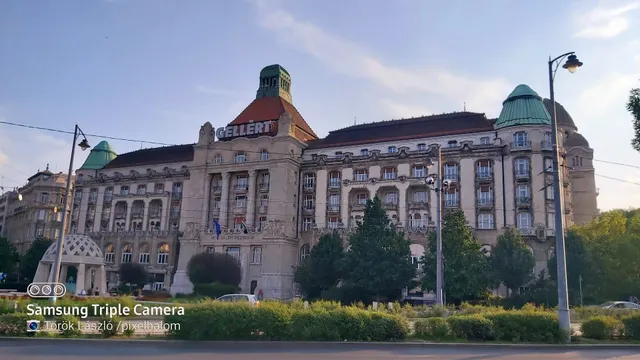
Szent Gellért tér-Műegyetem
4.7
(154)
Click for details
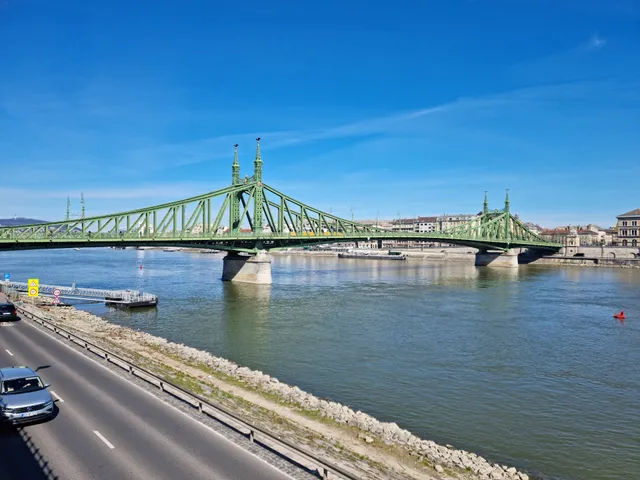
Liberty Bridge
4.8
(244)
Click for details
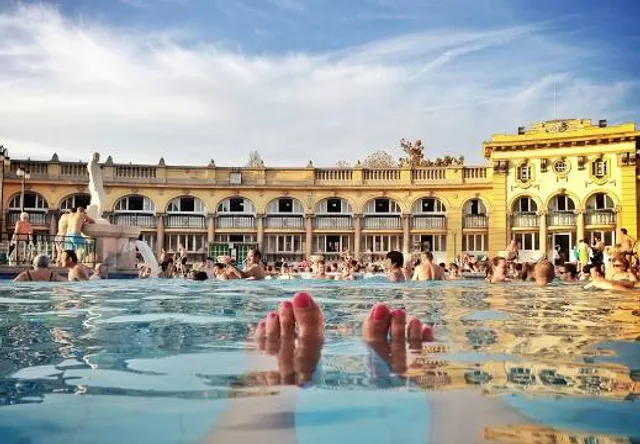
Rudas Baths
4.4
(4.2K)
Click for details
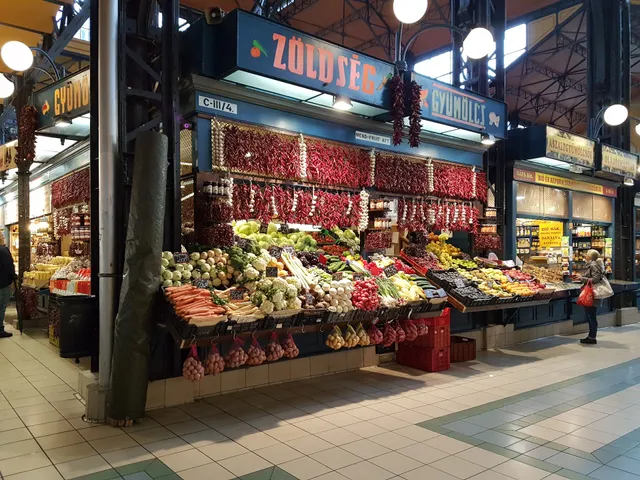
Market Hall
4.4
(1.1K)
Click for details