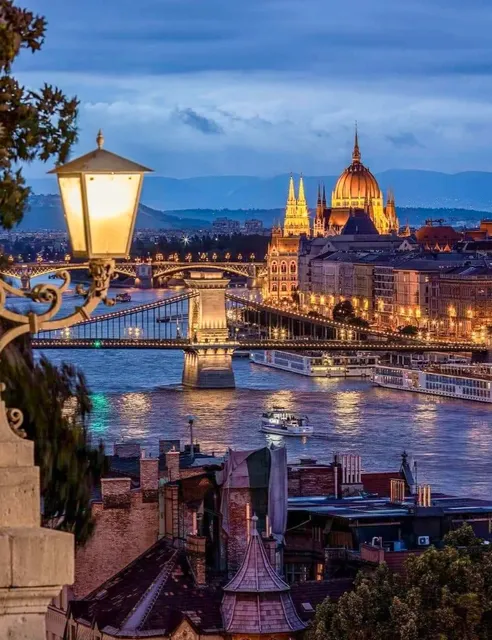
🇬🇧 Esztergom – Hungary
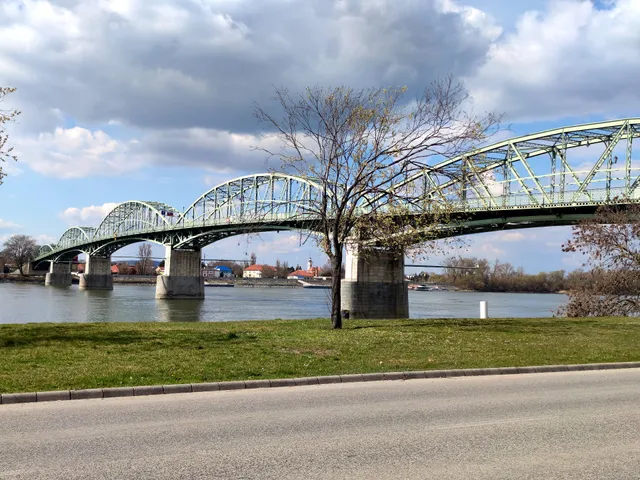
Situated on the right bank of the Danube, directly along the Slovak border, Esztergom is a city where history speaks from every street, and the soul of Hungary feels almost tangible. It is one of the country’s oldest and most iconic cities — a symbol of statehood and of the nation’s spiritual heritage.
Archaeological findings show that the area of modern-day Esztergom has been inhabited since ancient times. Different peoples — Celts, Romans, Huns, Avars, and Germanic tribes — all left their mark here, adding their own layers to the landscape. During the Roman era, the settlement was known as Solva or Salvio Mansio. After the Hungarian conquest in the 10th–11th centuries, Esztergom became one of the key centers of the emerging Hungarian state: Prince Géza chose it as his seat of power, and his son Vajk (later King Stephen I, canonized Saint Stephen) was baptized and crowned here.
During the Árpád dynasty, Esztergom was not only a political and royal center but also the spiritual heart of Hungary — it was from here that much of the country’s ecclesiastical life was organized. For a long time, it also served as the royal capital, until the mid-13th century, when the court and administration gradually moved to Buda and other cities.
The city has witnessed wars and sieges as well: in 1543, Esztergom fell to the Ottoman Empire after a long siege. Many buildings and monuments were destroyed, yet even today the layers of history remain visible among the ruins and restored sites.
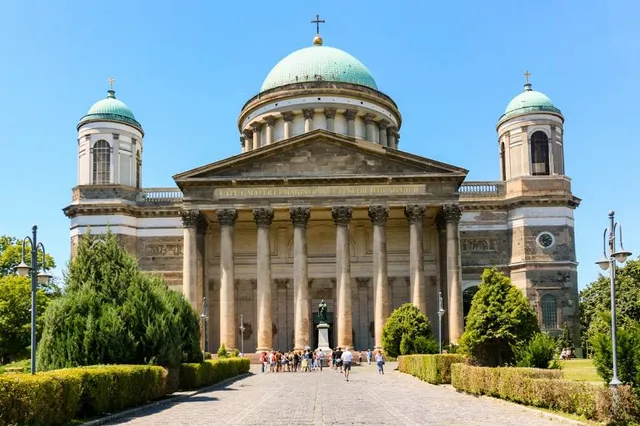
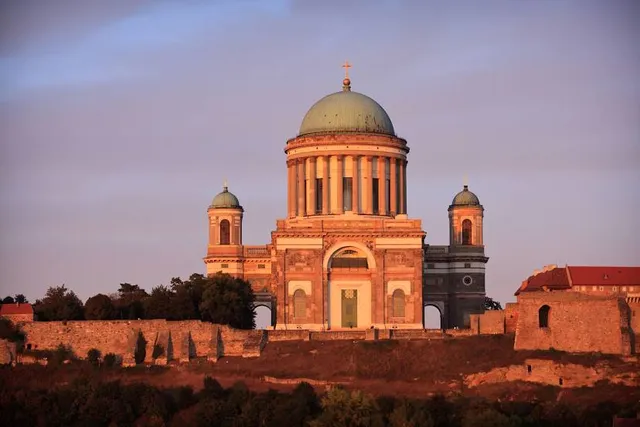
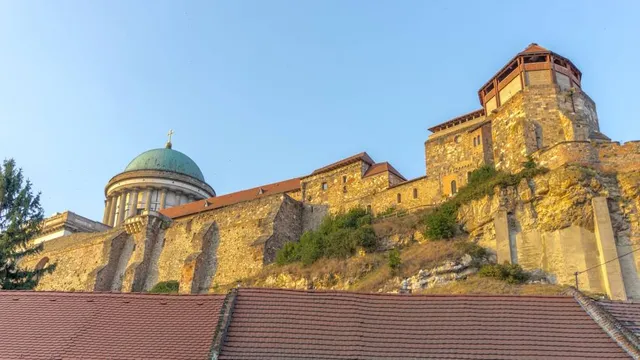
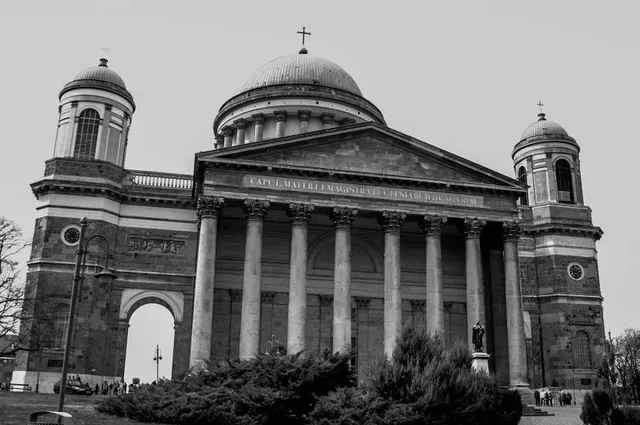
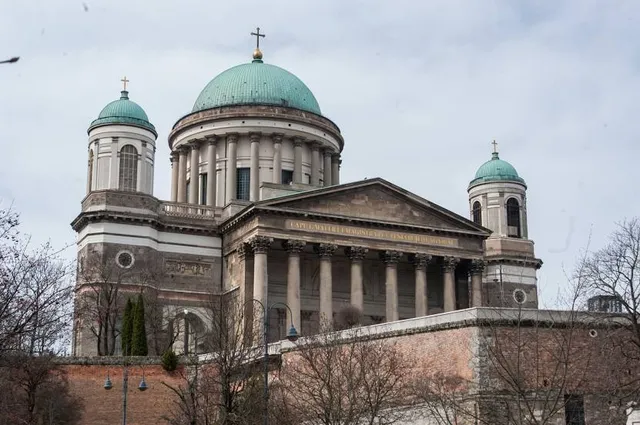
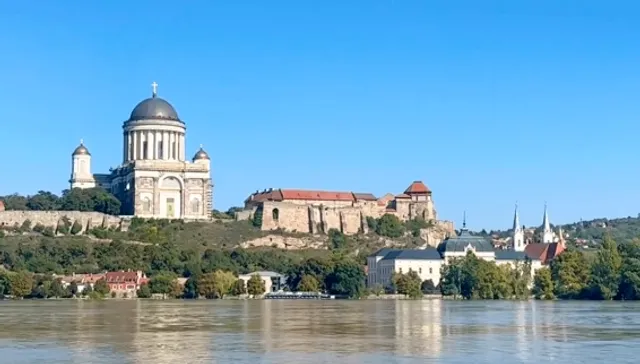
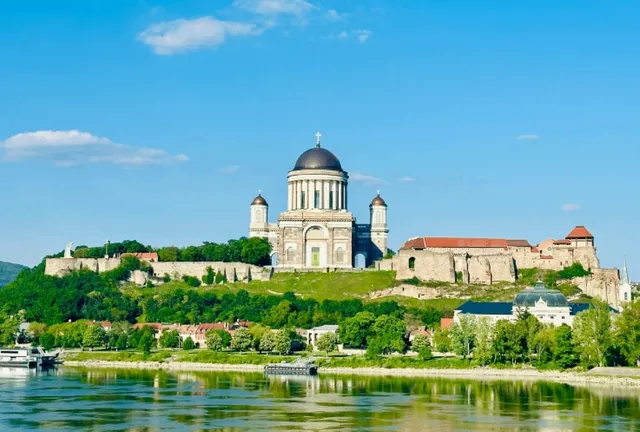
The Basilica — Hungary’s largest church — is the crown of Esztergom. Built in the 19th century in classical style, with its monumental dome, vast interior, and ornate decorations, it dominates both the skyline and the spirit of the city.
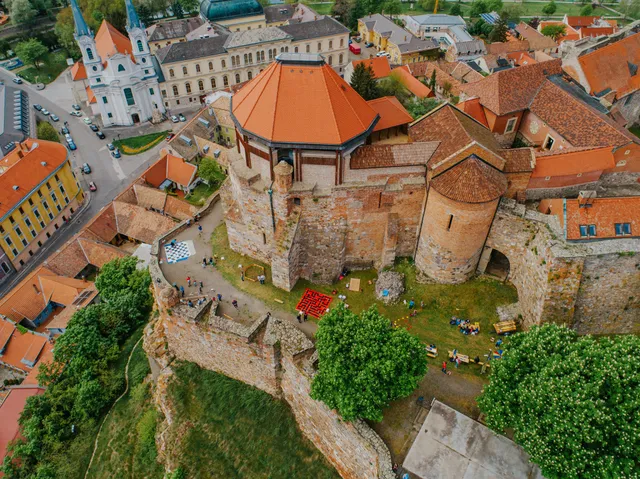
Behind the basilica rises Castle Hill, home to the remains of the ancient royal palace, fortifications, and the Castle Museum. The exhibitions here guide visitors through Esztergom’s story — from Roman times through the Middle Ages, the Ottoman period, and into modern history.
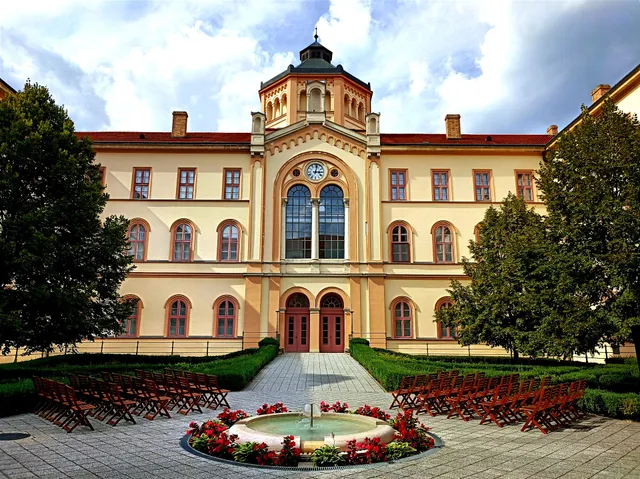
The Víziváros (“Watertown”) district by the Danube offers a true journey through time with its narrow streets, fort walls, traces of Turkish baths and mosques, and the imposing Primatial Palace / Christian Museum. The Christian Museum holds Hungary’s largest ecclesiastical art collection, featuring medieval altarpieces, sculptures, liturgical treasures, and artworks from across Europe.
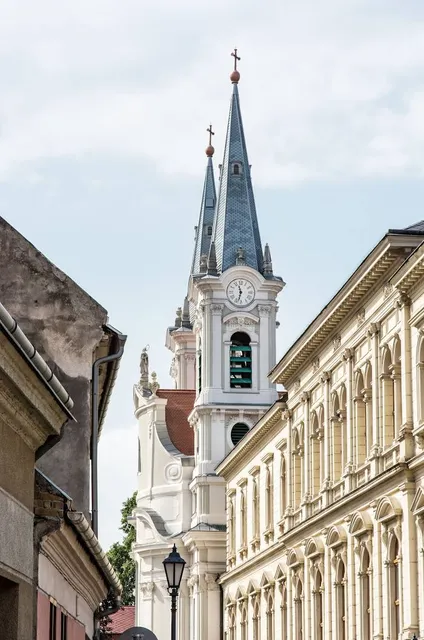
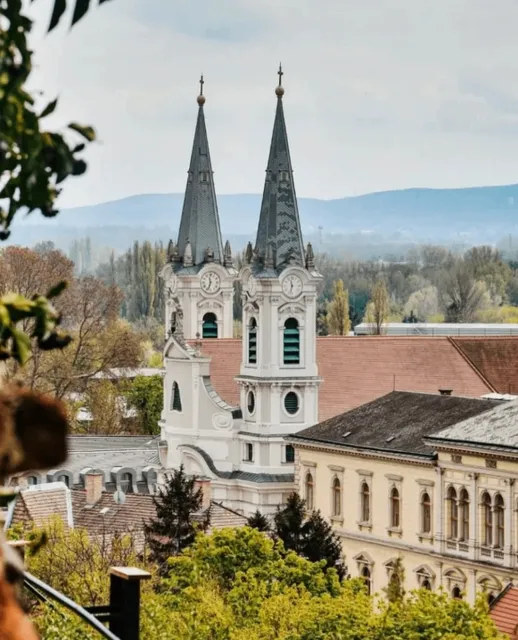
The Bakócz Chapel, a rare Renaissance gem from the 16th century, was preserved and later integrated into the basilica itself. Baroque and classical churches, elegant stone houses, and ornate squares complete the city’s historical character.
Despite wars and transformations — from the Ottoman era to the world wars — Esztergom has always rebuilt itself and continued to thrive. After the Treaty of Trianon, it became a border town, losing territory but never its culture, sanctity, or symbolic strength.
As a guide, I see Esztergom not as a museum city, but as a living witness to Hungary’s struggles, faith, and artistry. For anyone seeking a deeper connection to Hungary’s roots — spiritually, architecturally, or emotionally — Esztergom is essential.
— Krisztina...
Read moreEsztergom Basilica: A Photographer’s Dream Destination
During my photography expeditions across Europe, I had the privilege to capture the grandeur of the Esztergom Basilica in Hungary. This architectural marvel isn't just a sacred religious site; it's a treasure trove for photographers seeking to blend architectural prowess with natural beauty.
Magnificent Architecture: The Esztergom Basilica, also known as the Primatial Basilica of the Blessed Virgin Mary Assumed Into Heaven and St Adalbert, is the largest church in Hungary. Its classical architecture, with a blend of Renaissance and Baroque elements, provides a fascinating subject for architectural photography. The imposing dome, visible from great distances, offers a compelling focus in landscape shots, and the detailed facades present endless opportunities for close-up architectural photography.
Breathtaking Interiors: Inside, the Basilica is a realm of artistic wonder. The vastness of the interior, with its ornate decorations and striking altar, challenges photographers to capture its grandeur in a single frame. The play of light through the large windows illuminates the artwork, sculptures, and the world's largest altarpiece, providing a myriad of opportunities for capturing the interplay of light and shadow.
Panoramic Vistas: Situated on the banks of the Danube River, the Basilica offers stunning panoramic views of the river and the surrounding landscapes. The vantage points from the Basilica's dome are unparalleled, offering photographers a chance to capture breathtaking vistas of the river and the quaint town of Esztergom.
Dynamic Lighting Conditions: The lighting at Esztergom Basilica varies significantly throughout the day, presenting diverse photographic conditions. Sunrise and sunset times are particularly magical, casting a golden glow on the Basilica’s façade and creating a mystical atmosphere.
Serene Atmosphere for Creative Work: Unlike some more crowded tourist destinations, Esztergom Basilica often provides a more tranquil environment. This setting allows photographers to take their time composing shots without the rush associated with busier locations, perfect for those who like to immerse themselves deeply in their creative work.
Ideal for Workshops and Educational Tours: For photography workshop leaders, the Basilica offers a unique blend of architectural, landscape, and artistic photography opportunities. It’s an excellent location for teaching various techniques, from wide-angle architectural shots to intricate details of interior photography.
In conclusion, Esztergom Basilica stands not only as a significant religious landmark but also as a photographer's paradise. Its architectural grandeur, coupled with its picturesque location and the ever-changing light conditions, create a myriad of opportunities for capturing stunning images. For photographers visiting Hungary, this Basilica is an unmissable destination, promising a rewarding and enriching...
Read moreThe Primatial Basilica of the Blessed Virgin Mary Assumed Into Heaven and St Adalbert is an ecclesiastic basilica in Esztergom, Hungary, the mother church of the Archdiocese of Esztergom-Budapest, and the seat of the Catholic Church in Hungary. It is dedicated to the Saint Mary of the Assumption and Saint Adalbert. It is the largest church and the tallest building in Hungary. Its inner area is 5,600 m². It is 118 m long and 49 m wide. It has a reverberation time of more than 9 seconds. Its dome, forming a semi-sphere, is situated in the middle, and it has 12 windows. It is 71.5 m high inside, with a diameter of 33.5 metres, and is 100 m high from outside, the stairs count 400 steps counted from the crypt. The huge crypt, built in Old Egyptian style in 1831, is today the resting place of late archbishops, among others, József Mindszenty, famous for his opposition to both Nazi and Communist rule. The building of the present church took place on the foundation of several earlier churches. The first was built by Stephen I of Hungary between 1001–1010 (as the original Saint Adalbert church), the first cathedral in Hungary, which was burned down at the end of the 12th century. It was rebuilt, and even survived the Mongol invasion of Hungary. However, in 1304, Wenceslaus III, a probable candidate for the Hungarian throne, sacked the castle and the church. It was repaired in the following years. The archbishops of the 14th and 15th century made the church more ornate and added a huge library, the second most significant one in the country. It was ruined again under Turkish rule, in 1543. In 1820, the Archdiocese was restored and archbishop Sándor Rudnay decided to restore Esztergom's status as mother church of the country. The foundation-stone was laid and work began in 1822. The Bakócz chapel was carefully disassembled (into about 1,600 pieces) and was moved 20 metres away from its original location and attached to the new basilica. In 1838 Packh was murdered, so József Hild was placed in charge of construction. He completed it in Classicistic style. Under the next archbishop, János Scitovszky, the upper church was completed and dedicated on August 31, 1856. The 1856 consecration ceremonies featured the premiere of the Missa solennis zur Einweihung der Basilika in Gran (Gran Mass), composed and conducted by Franz Liszt, and featuring the organist Alexander Winterberger. The final completion of the cathedral took place twelve years...
Read more