St. Francis CSI Church things to do, attractions, restaurants, events info and trip planning
Basic Info
St. Francis CSI Church
St Francis Church Rd, opp. Head Post Office, Fort Kochi, Kochi, Kerala 682001, India
4.3(1.4K)
Open until 12:00 AM
Save
spot
spot
Ratings & Description
Info
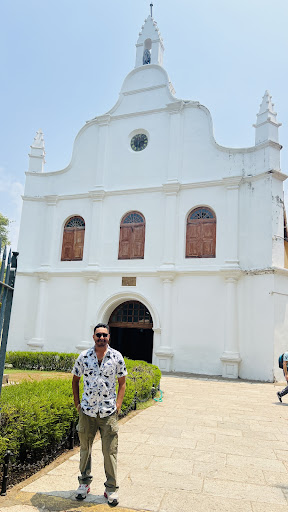
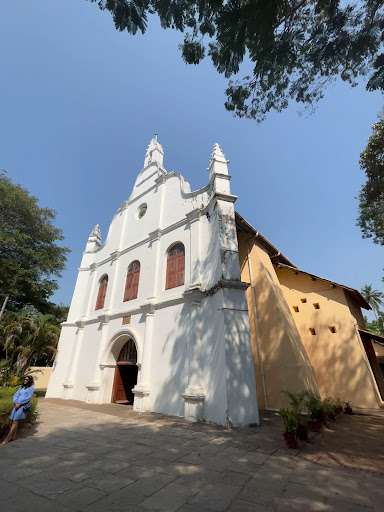
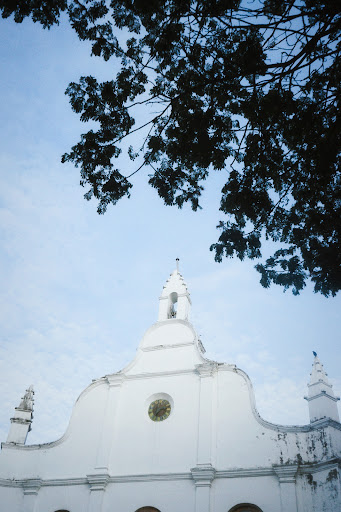
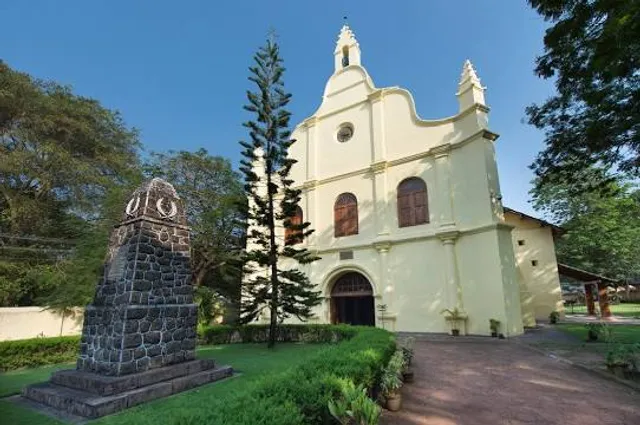
Saint Francis Church, in Fort Kochi, Kochi, originally built in 1503, is one of the oldest European churches in India and has great historical significance as a witness to the European colonial ambitions in the subcontinent.
Cultural
Accessibility
attractions: Vasco da Gama Square, Pandhal Cafe & Deli, David Hall Art Cafe CGH Earth, Bastion Bungalow, Mahatma Gandhi Beach, Town House (Kashi Art Gallery), Idha Artists’ Gallery - Stay with Art, Fort Kochi Beach, Kochi Beach, VOC Gate, Indo-Portuguese Museum, restaurants: Rasoi Fort Kochi, Kerala Cafe Fort Kochi, Loafers Corner Cafe., Lila - Curated Experiences, Francis, Fort Paragon Restaurant by Calicut Paragon, Warehouse Cafe Fortkochi, Kashi Art Café, Kochi Kapital Kafe, French Toast Fort Kochi, local businesses: Santa Cruz Cathedral Basilica Fort Kochi, Fort Emmanuel, Anokhi, Walton's Boutique, L'atelier Des Souvenirs, Santa Cruz Cathedral Basilica, Kochi, Princess Street, Gelato Pillai, kochi kochi shop, Oy's in Restaurant with Home Stay
 Learn more insights from Wanderboat AI.
Phone
+91 93886 06182
Open hoursSee all hours
SunClosedOpen
Plan your stay

Pet-friendly Hotels in Kerala
Find a cozy hotel nearby and make it a full experience.

Affordable Hotels in Kerala
Find a cozy hotel nearby and make it a full experience.

The Coolest Hotels You Haven't Heard Of (Yet)
Find a cozy hotel nearby and make it a full experience.

Trending Stays Worth the Hype in Kerala
Find a cozy hotel nearby and make it a full experience.
Reviews
Live events
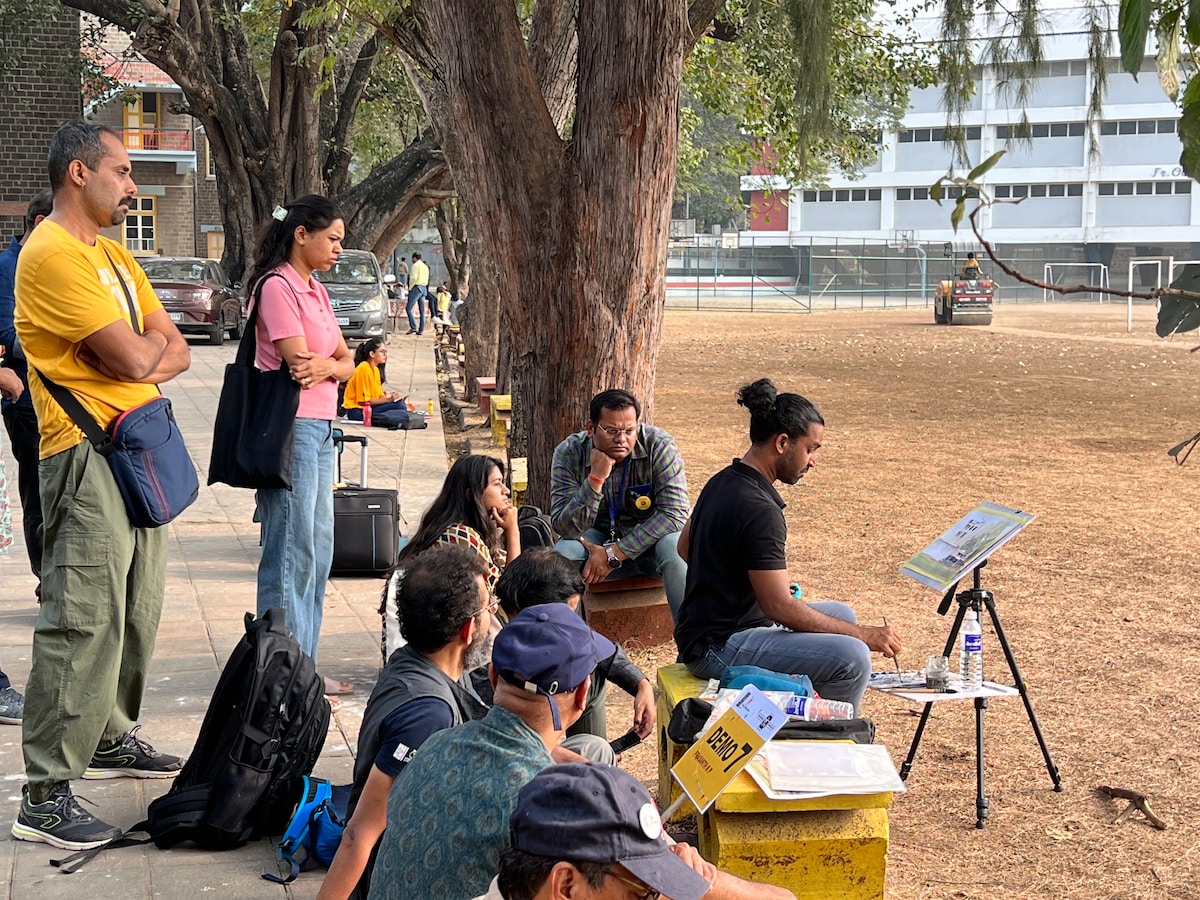
Learn watercolour and sketch with artist Prasanth
Sun, Feb 22 • 9:00 AM
Opposite Parade ground Kochi, Kerala, 682001, India
View details
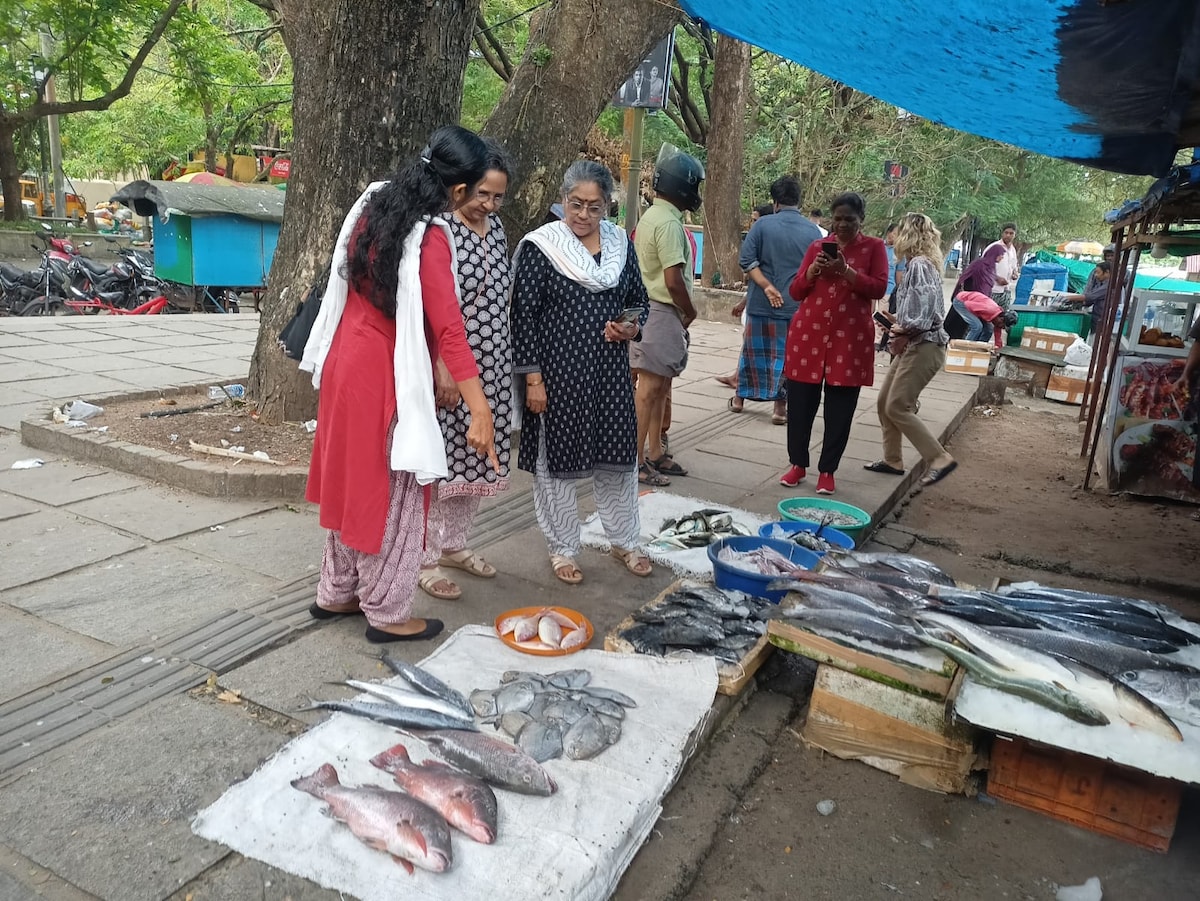
Kochi Stories by Ajita Skaria
Sun, Feb 22 • 7:00 AM
Kochi, Kerala, 682001, India
View details
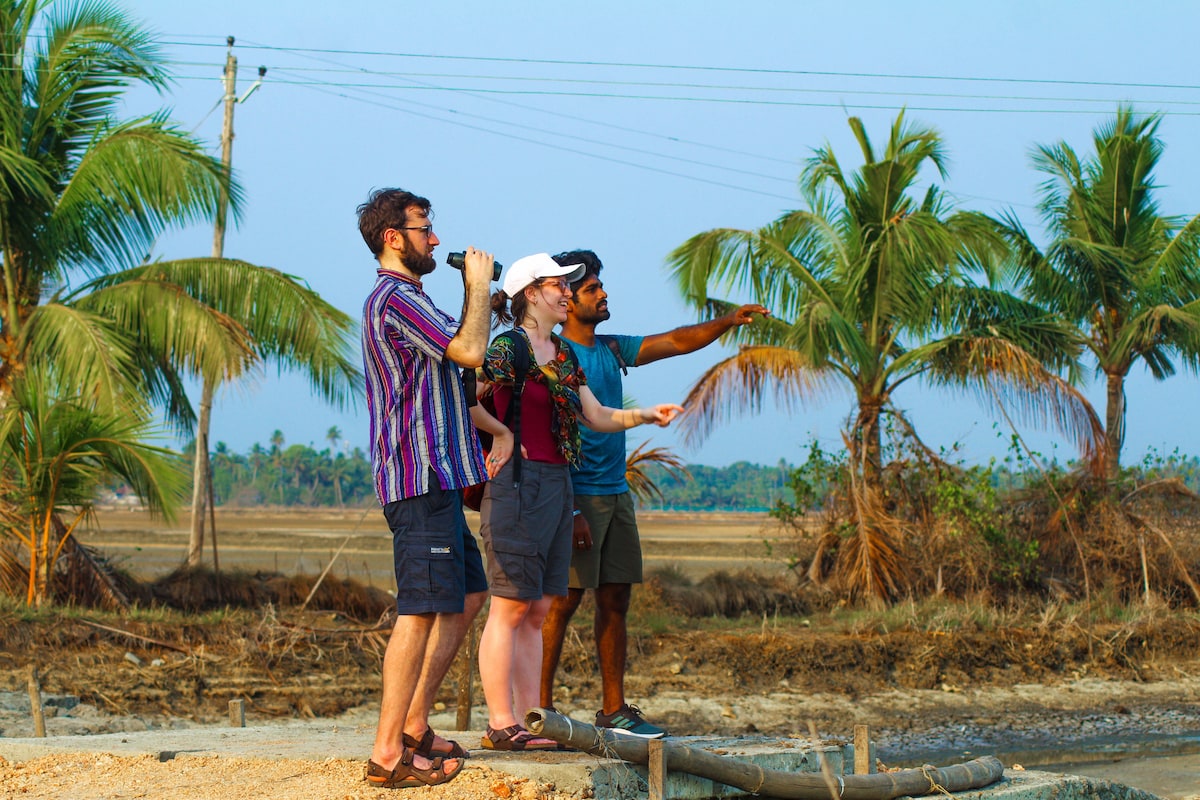
Village Cycling & Birdwatching Adventure
Wed, Feb 25 • 6:30 AM
Thazhuppu Park Kodamthuruth, Kerala, 688532, India
View details
Nearby attractions of St. Francis CSI Church
Vasco da Gama Square
Pandhal Cafe & Deli, David Hall Art Cafe CGH Earth
Bastion Bungalow
Mahatma Gandhi Beach
Town House (Kashi Art Gallery)
Idha Artists’ Gallery - Stay with Art
Fort Kochi Beach
Kochi Beach
VOC Gate
Indo-Portuguese Museum
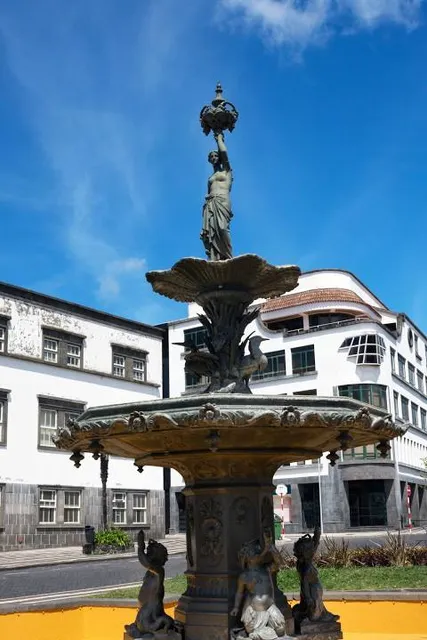
Vasco da Gama Square
4.3
(4.9K)
Open until 12:00 AM
Click for details
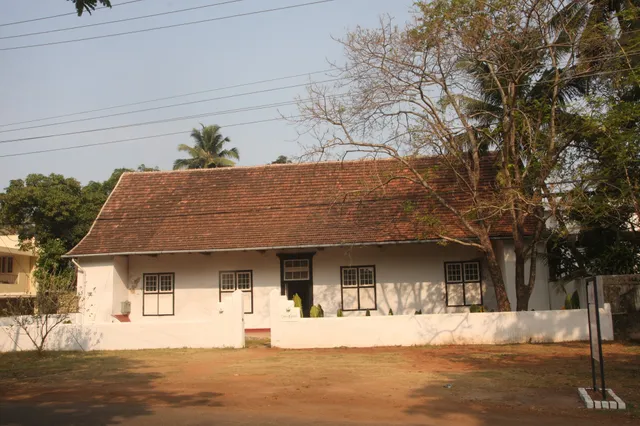
Pandhal Cafe & Deli, David Hall Art Cafe CGH Earth
4.5
(2.7K)
Closed
Click for details
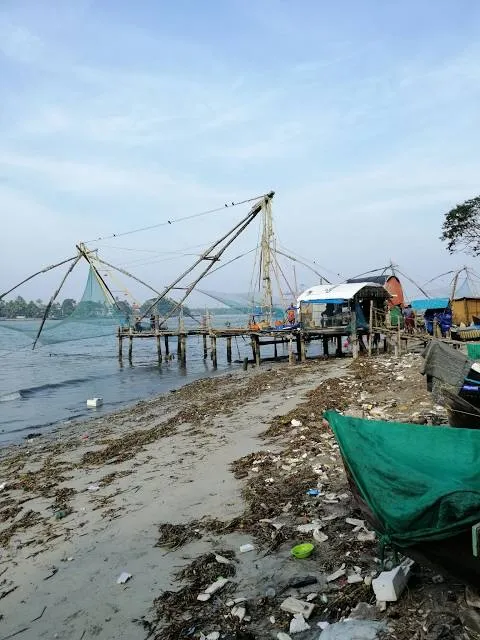
Bastion Bungalow
4.2
(307)
Closed
Click for details
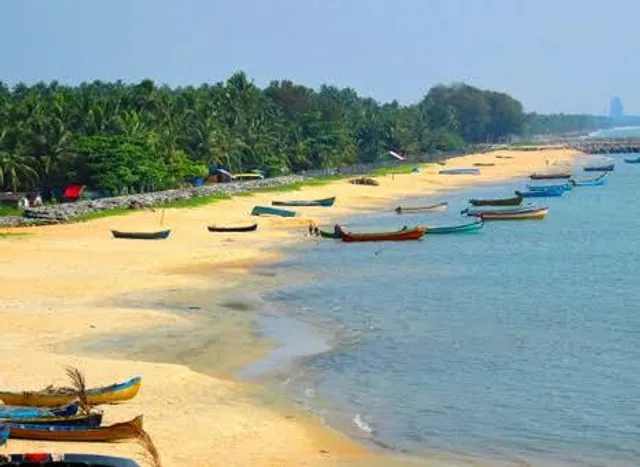
Mahatma Gandhi Beach
4.0
(451)
Open 24 hours
Click for details
Nearby restaurants of St. Francis CSI Church
Rasoi Fort Kochi
Kerala Cafe Fort Kochi
Loafers Corner Cafe.
Lila - Curated Experiences
Francis
Fort Paragon Restaurant by Calicut Paragon
Warehouse Cafe Fortkochi
Kashi Art Café
Kochi Kapital Kafe
French Toast Fort Kochi
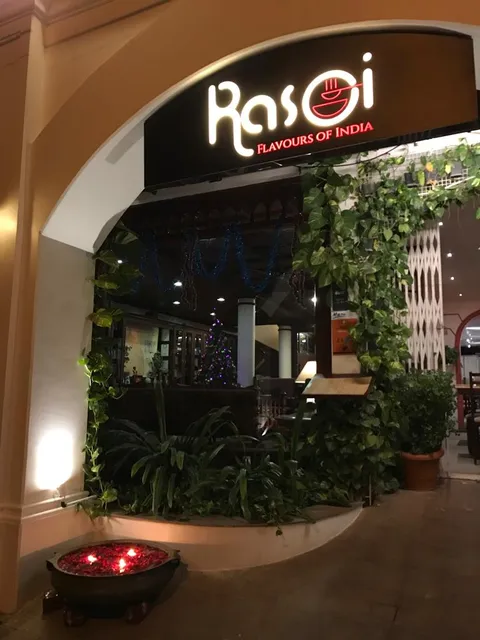
Rasoi Fort Kochi
4.4
(973)
Closed
Click for details
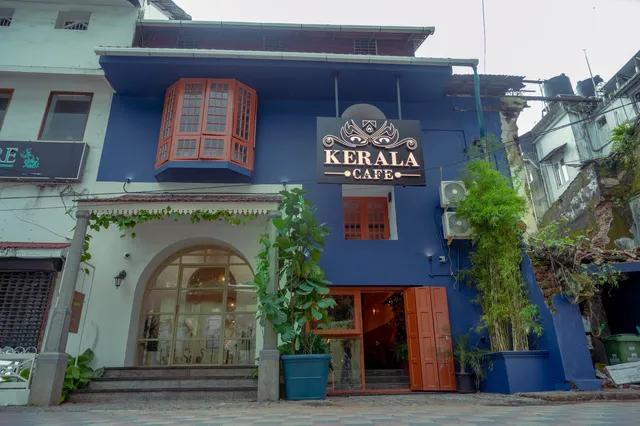
Kerala Cafe Fort Kochi
4.5
(857)
Closed
Click for details
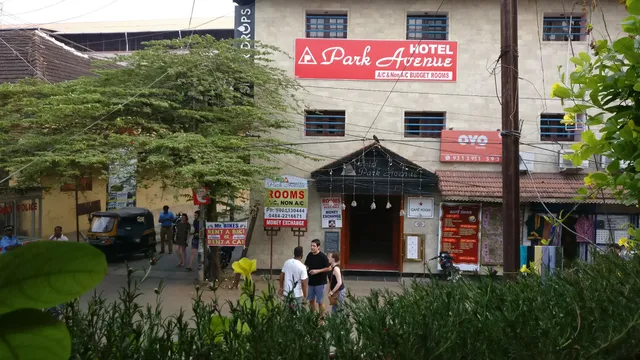
Loafers Corner Cafe.
4.3
(1.3K)
Closed
Click for details
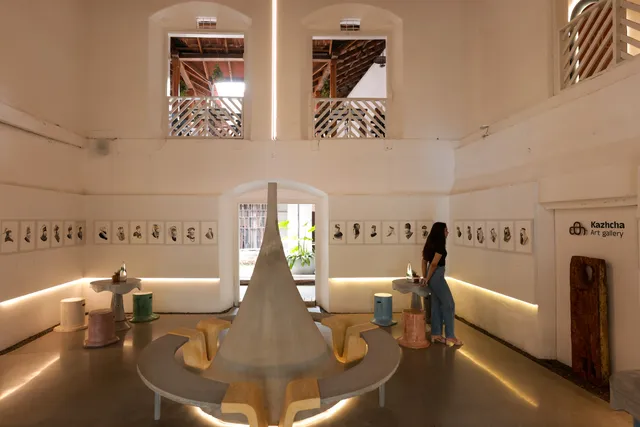
Lila - Curated Experiences
4.2
(530)
Closed
Click for details
Nearby local services of St. Francis CSI Church
Santa Cruz Cathedral Basilica Fort Kochi
Fort Emmanuel
Anokhi
Walton's Boutique
L'atelier Des Souvenirs
Santa Cruz Cathedral Basilica, Kochi
Princess Street
Gelato Pillai
kochi kochi shop
Oy's in Restaurant with Home Stay
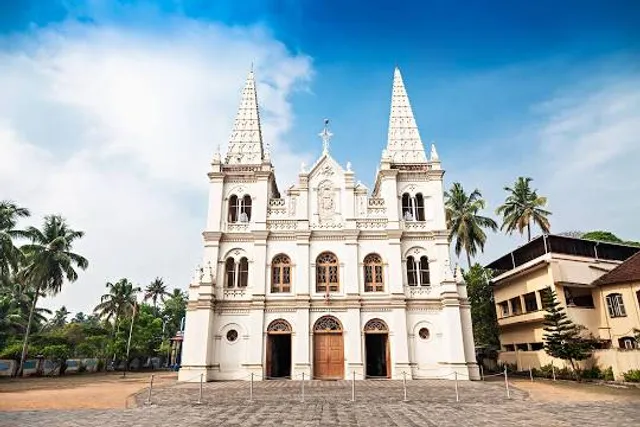
Santa Cruz Cathedral Basilica Fort Kochi
4.5
(2.1K)
Click for details
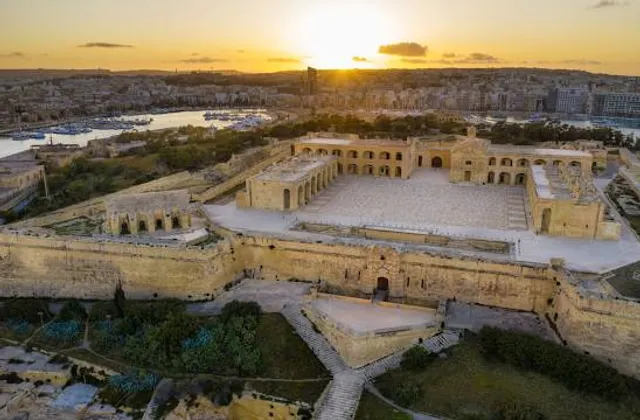
Fort Emmanuel
4.1
(144)
Click for details
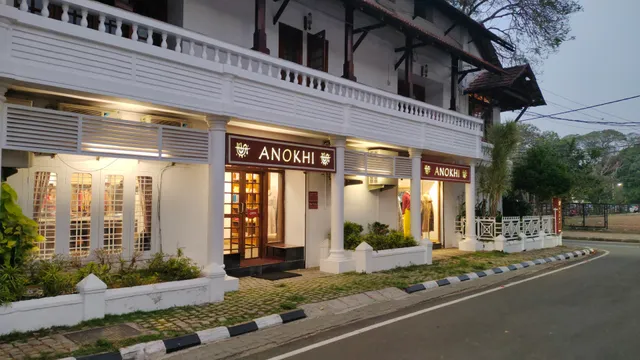
Anokhi
4.4
(117)
Click for details
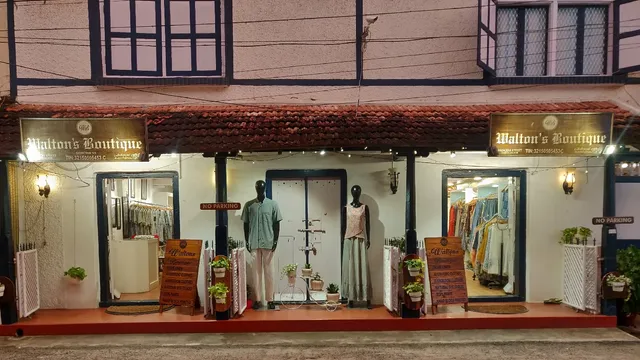
Walton's Boutique
4.8
(48)
Click for details