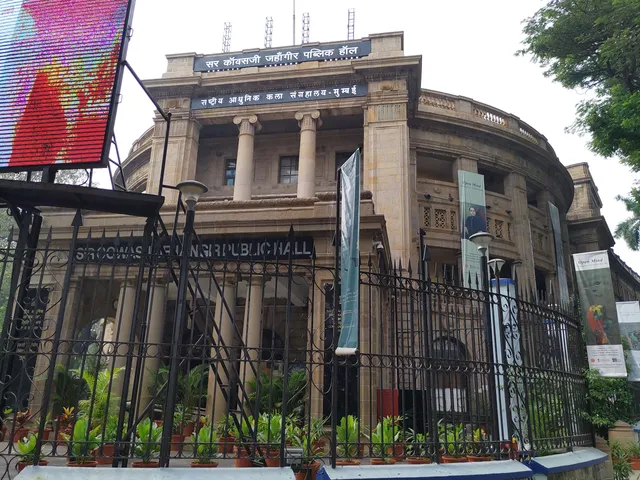
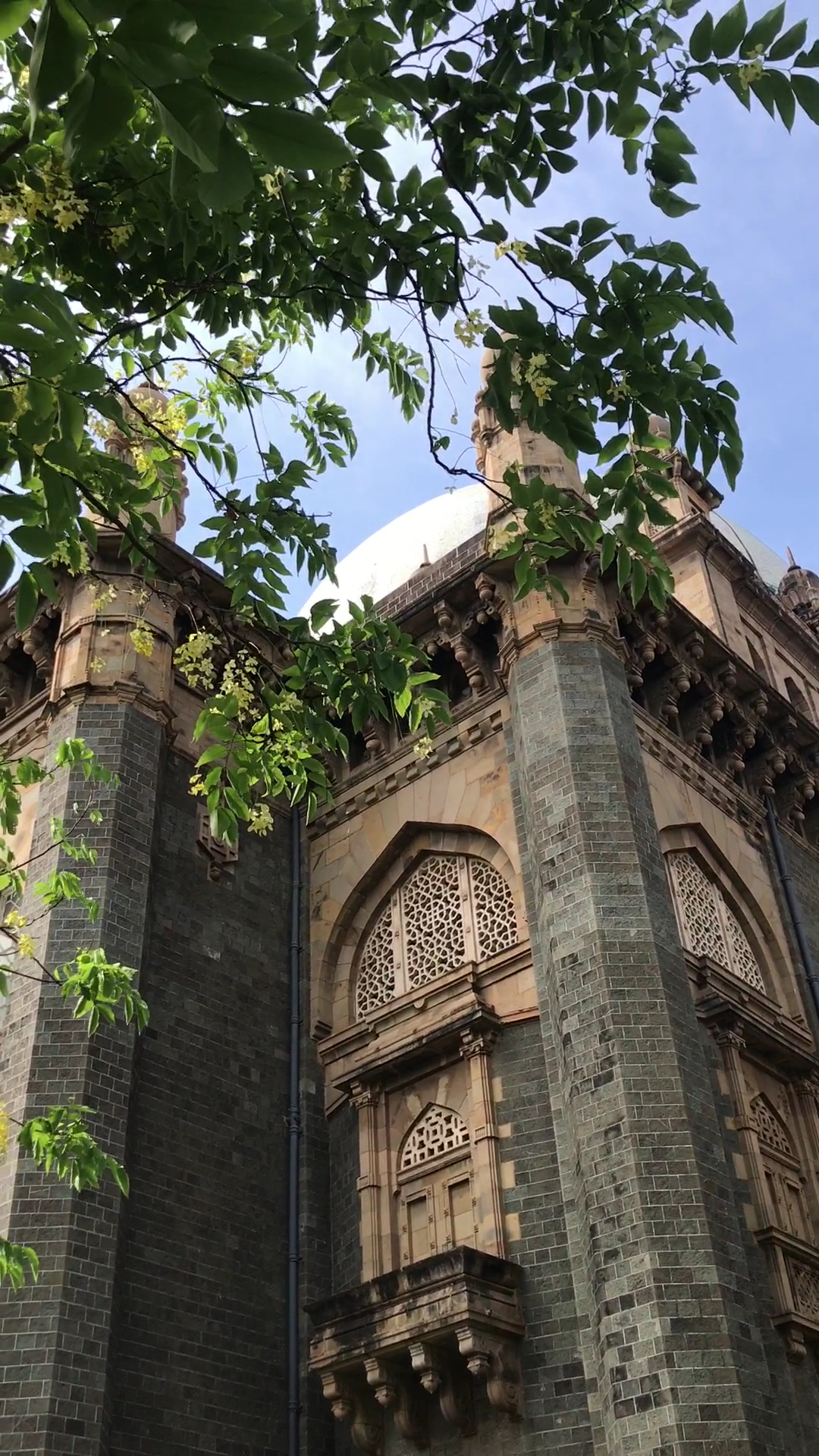
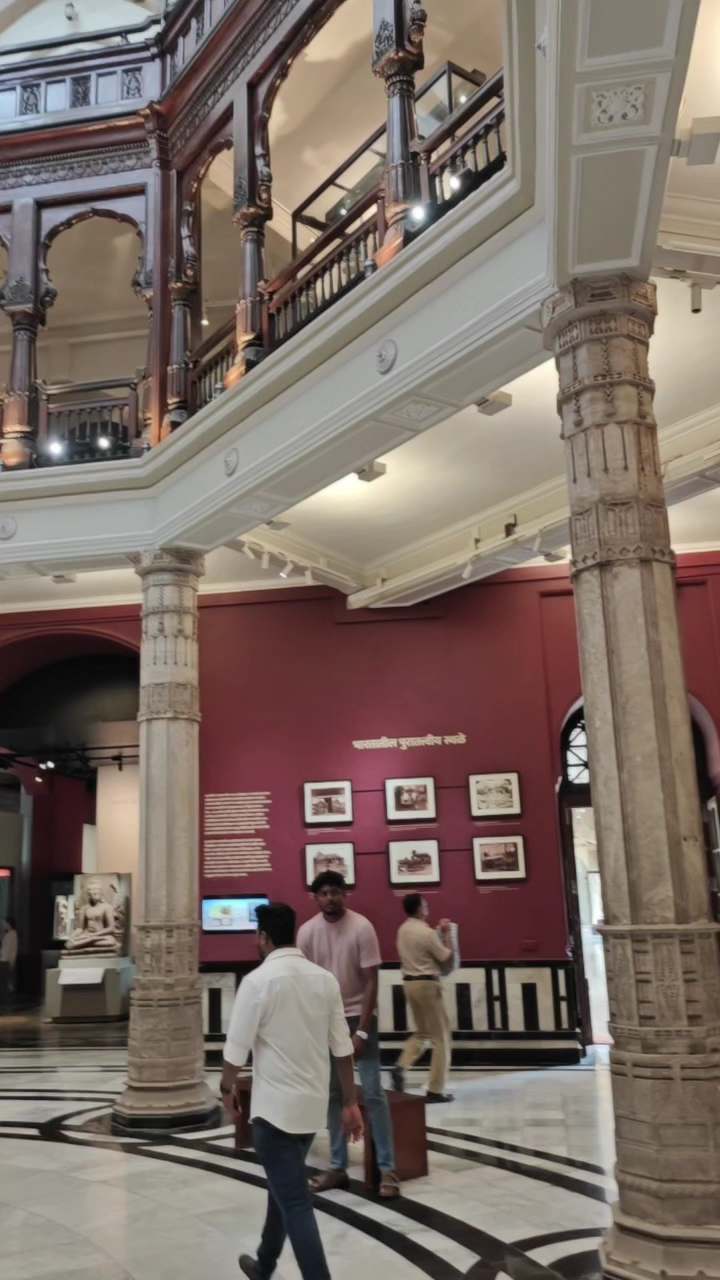
The Chhatrapati Shivaji Maharaj Vastu Sangrahalaya is far more than a museum—it is a living temple of Bharatiya sanskriti (Indian culture), a testament to our ancient glory, and a homage to one of India’s greatest civilizational heroes: Chhatrapati Shivaji Maharaj.
Renamed in honour of the great Maratha warrior, this institution proudly carries forward the ideals of Swadharma, Swarajya, and Sanskriti, rooted deeply in the spirit of Sanatan Bharat. Shivaji Maharaj was not merely a king—he was a Dharmaveer, a visionary who fiercely protected and revived native traditions during a time of cultural siege. This museum, standing tall in the heart of Mumbai, reflects that same spirit of cultural reclamation and civilizational confidence.
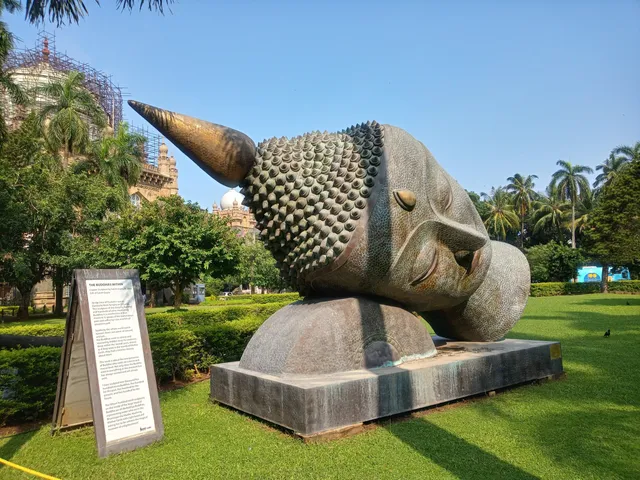
What truly elevates the museum is its stunning Sculpture Gallery, a sanctified space that immerses you in the spiritual, artistic, and philosophical brilliance of ancient India. Each sculpture, carved from stone or cast in bronze, is imbued with sacred meaning—preserved not just for aesthetic admiration, but for spiritual awakening and historical reconnection.
✨ Some Divine Masterpieces That Deserve Reverence:
🕉️ Saptamurti “Parel Relief” of Shiva (5th–6th century CE): This rare, awe-inspiring relief reveals seven forms of Mahadev, exuding cosmic strength and divine stillness. Unearthed in Mumbai itself, this masterpiece binds the city’s spiritual history to the present.
🕉️ Uma-Maheshvara from Aihole (7th century CE): A tender yet powerful Chalukyan-era depiction of Shiva and Parvati in union—symbolizing the balance of Shakti and Shivtatva.
🕉️ Vishnu and Brahma Statues (6th–8th century CE): Crafted in black basalt, these deities stand with grace and grandeur, embodying the timeless beauty of Hindu iconography.
🕉️ Dvarapala Yaksha from Pitalkhora (2nd century BCE): A guardian figure that once stood outside ancient caves, it now guards our memory of India’s Buddhist-Hindu continuity.
🕉️ Mahishasuramardini (Durga) (6th century CE): A fierce and divine representation of the Shakti tradition, Durga slaying Mahishasura is a powerful visual reminder of adharma parajaya (the defeat of evil) through divine feminine strength.
Together, these sculptures span over a thousand years of civilizational evolution, reflecting the Sanatan Dharma’s unbroken continuity—from Vedic rituals to Bhakti resurgence, from temple-building to royal patronage of the arts.
Each exhibit is meticulously curated, not merely as an object of study, but as a window into the civilizational soul of Bharat. The artistic techniques, symbolic postures (mudras), and spiritual intent behind each sculpture make this gallery not just an academic visit—but a spiritual yatra (pilgrimage).
🛡️ For those who resonate with Bharatiya asmita (cultural self-respect) and are rediscovering pride in our roots, this museum is a sacred stop. It stands as a civilizational counter-narrative to colonial distortions—reminding us that long before the West conceived of museums, India lived her knowledge systems through temples, sculptures, and oral traditions.
🗓️ Recommendation: Take a full day to explore. The galleries on epigraphy, ancient textiles, Indian arms & armour, miniature paintings, and Hindu cosmology deserve immersive attention. The sculptures alone make the visit worth a thousand textbooks.
💬 Final Reflection: In an age of rediscovering our civilizational identity, the Chhatrapati Shivaji Maharaj Vastu Sangrahalaya serves as a beacon of cultural revivalism. It is a repository of our indigenous genius—an eternal flame that refuses to be dimmed by foreign rule or modern amnesia.
Every Indian—especially the youth—must visit, not just to admire the past, but to awaken the dharma within. For in these stone-carved deities and in the vision of Shivaji Maharaj, lies the roadmap to a...
Read moreThe Chhatrapati Shivaji Maharaj Vastu Sangrahalaya (CSMVS) in Mumbai offers a remarkable experience—here’s a glowingly positive review along with a few thoughtful suggestions:
👍 What’s Great
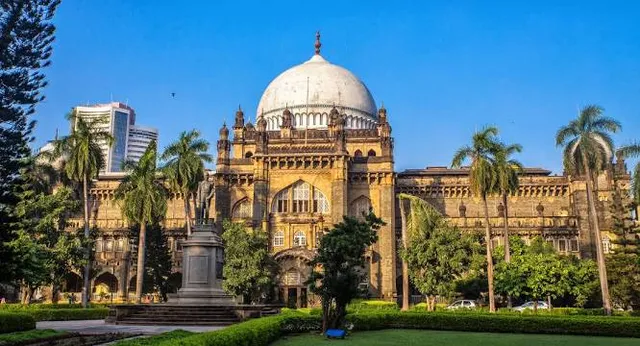
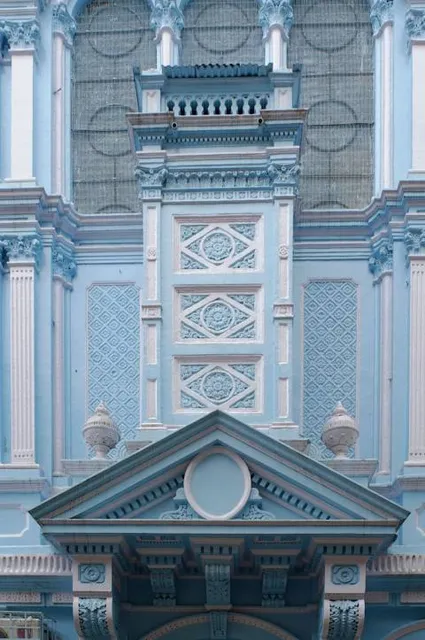
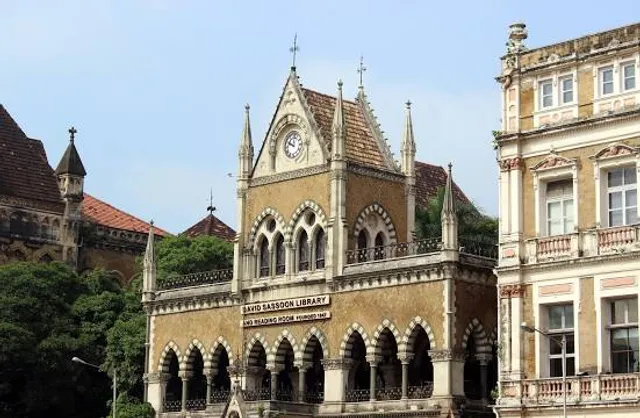
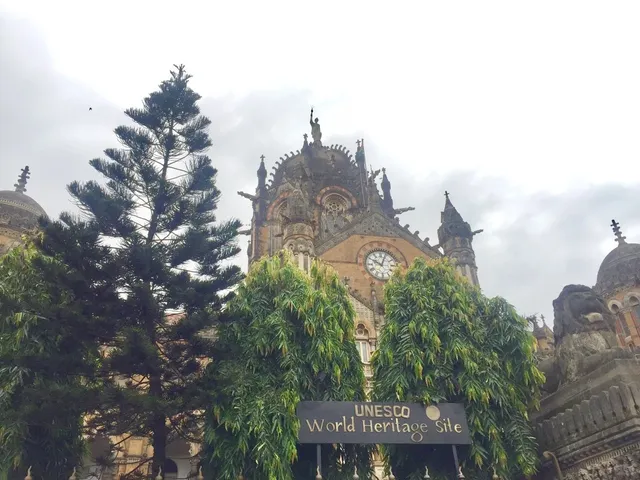
Stunning Indo‑Saracenic architecture The majestic central dome, carved arches, and wooden balcony (originally from a Nasik wada) make the building itself a work of art—a Grade I heritage structure and UNESCO‑listed gem .
Vast, diverse collection Housing around 50–70 k artifacts across archaeology, art, natural history, and decorative arts, CSMVS takes you through epochs—from Indus Valley seals to Mughal miniatures, Tibetan statues to the Egyptian & Assyrian galleries .
Engaging for all ages Scavenger hunts, workshops, audio guides (free for foreigners!), and educational programs (including a PG Diploma in Museology) make it rich and interactive for families, students, and enthusiasts .
Excellent restoration & sustainability efforts The meticulous restoration post-2016, executed without closing the museum, earned UNESCO Asia‑Pacific excellence awards; it also received a Platinum IGBC rating for green building management .
Prime location in Fort/Kala Ghoda With easy access via Churchgate or CST, it’s ideally placed near the Gateway of India, art galleries, and Colaba market—perfect for combining culture, architecture, and street life .
💡 Suggestions for Even Better Visits
Enhance real-time exhibit info While plaques and audio guides are helpful, integrating QR‑based augmented reality features or multilingual mobile support can make exhibits more immersive.
Extend evening visit hours or host twilight events After‑hours tours, candlelight screenings, or curated live talks under the dome could offer magical atmospheric experiences and attract more adult audiences.
Improve crowd flow in key galleries At peak times, major galleries—especially central atrium and sculpture sections—can feel congested. Directional signage or timed-entry passes may help.
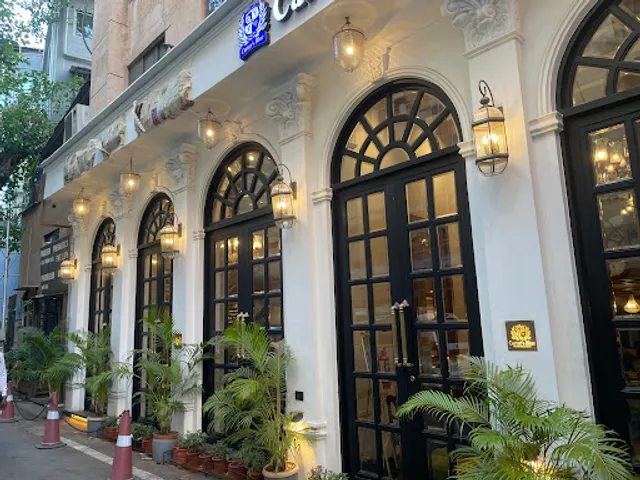
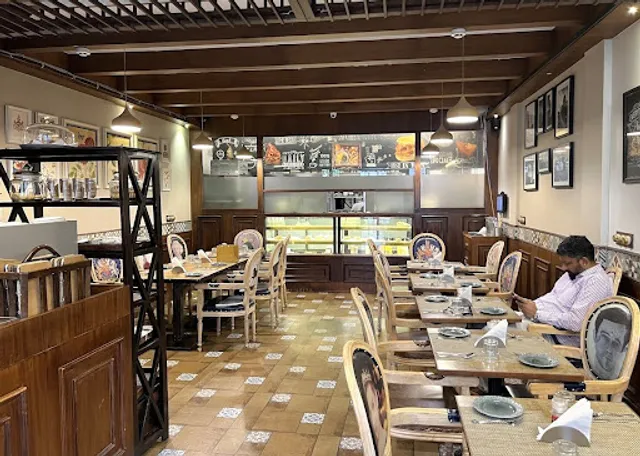
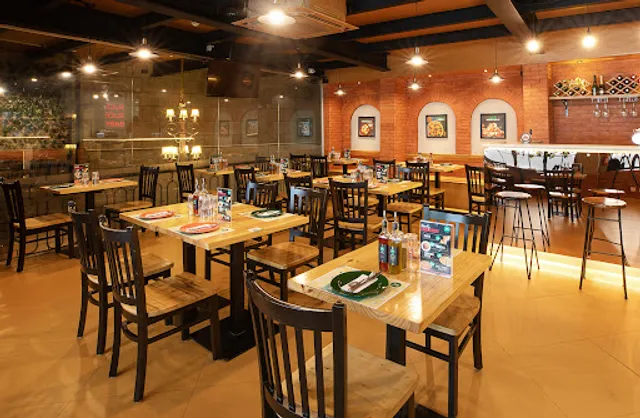
Strengthen visitor amenities Expanding the café with light meals/snacks (beyond the outdoor spot) and adding resting benches inside larger galleries would enhance comfort during longer visits.
Promote rotating micro‑exhibitions Short-term focused exhibits on themes like Maratha naval history or upcoming Raigad astrolabe (to be displayed here) can increase repeat visits .
🌟 Summary
CSMVS is a cultural powerhouse—an architectural marvel, encyclopedic in scope, and family-friendly, with commendable heritage care. With a few enhancements in digital interpretation, evening programming, and visitor comfort, it could further elevate Mumbai’s museum scene and deepen engagement for locals and...
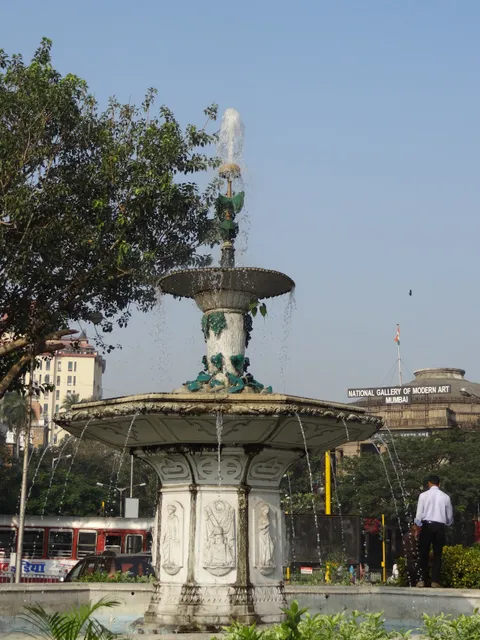
Read moreThe Chhatrapati Shivaji Maharaj Vastu Sangrahalaya (CSMVS), formerly the Prince of Wales Museum, is a premier cultural and historical landmark in South Mumbai. Set within a beautiful Indo-Saracenic building with a striking dome, this museum offers a deep dive into India's rich heritage and history. The surrounding gardens provide a serene ambiance, making it a wonderful place for a leisurely cultural exploration.
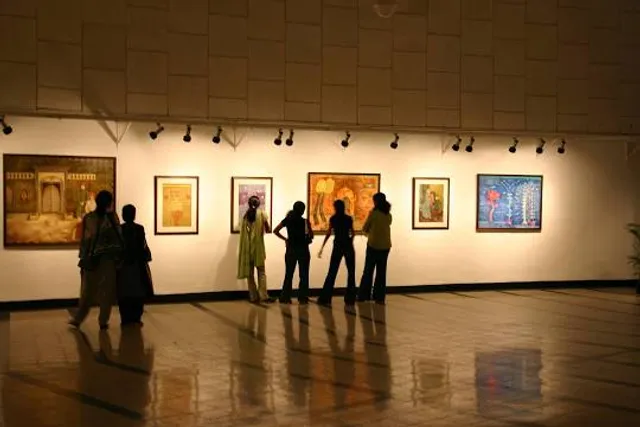
The museum is divided into several sections, each offering a unique glimpse into different aspects of art, culture, and history. The Sculpture Gallery showcases remarkable stone and bronze sculptures from ancient India, including iconic pieces from the Indus Valley Civilization. The Miniature Painting Gallery houses an exquisite collection of Mughal, Rajasthani, Pahari, and Deccan paintings, each narrating vivid stories of India’s artistic past.
The Arms and Armor Gallery is another highlight, featuring intricately designed weapons, shields, and armor from different eras, including Mughal and Maratha times. The Textiles and Decorative Arts Gallery showcases an impressive collection of handwoven fabrics, jewelry, and everyday artifacts that reflect India’s craftsmanship.
For nature enthusiasts, the Natural History Section is a must-visit, with its well-preserved specimens of flora, fauna, and fossils. The Maritime Heritage Gallery focuses on India’s ancient seafaring traditions and includes artifacts like ship models and navigation instruments. Temporary exhibitions and international collaborations often add a global dimension to the museum's offerings.
The Children’s Museum and Interactive Zone are great additions for younger visitors, making history and science accessible and engaging. Additionally, the museum frequently hosts workshops, lectures, and cultural programs that attract enthusiasts of all ages.
While the museum offers a rich and well-curated experience, a few areas could benefit from improved lighting and more detailed exhibit descriptions. The entry fee for foreign tourists is relatively steep, and the café options are limited, though the museum shop compensates with unique souvenirs, books, and traditional crafts.
Overall, CSMVS is a must-visit for anyone interested in exploring the cultural and historical tapestry of India. Its diverse collections, engaging exhibits, and iconic architecture make it one of Mumbai’s most treasured...
Read more