HTML SitemapExplore
logo
Find Things to DoFind The Best Restaurants

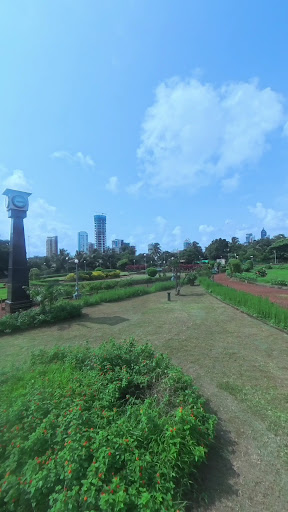
Hanging Gardens — Attraction in Mumbai

Name
Hanging Gardens
Description
The Hanging Gardens of Babylon were one of the Seven Wonders of the Ancient World listed by Hellenic culture.
Nearby attractions
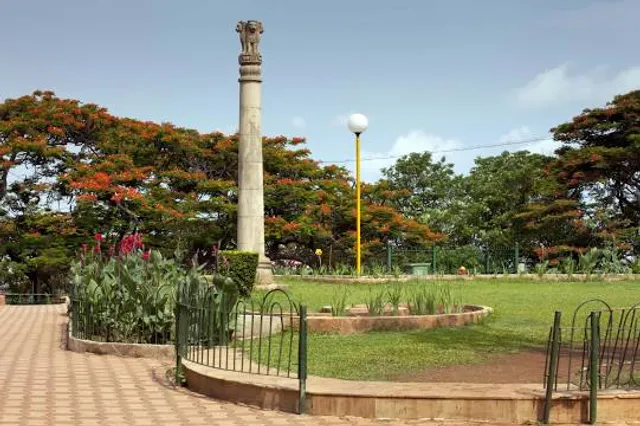
Kamala Nehru Park
XR43+2X5, Dadi Sheth Wadi, Malabar Hill, Mumbai, Maharashtra 400006, India
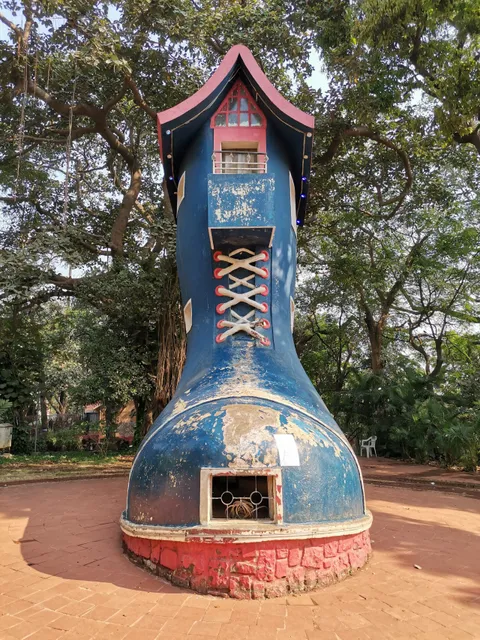
Old Woman's Shoe
XR44+778, Dadi Sheth Wadi, Malabar Hill, Mumbai, Maharashtra 400006, India
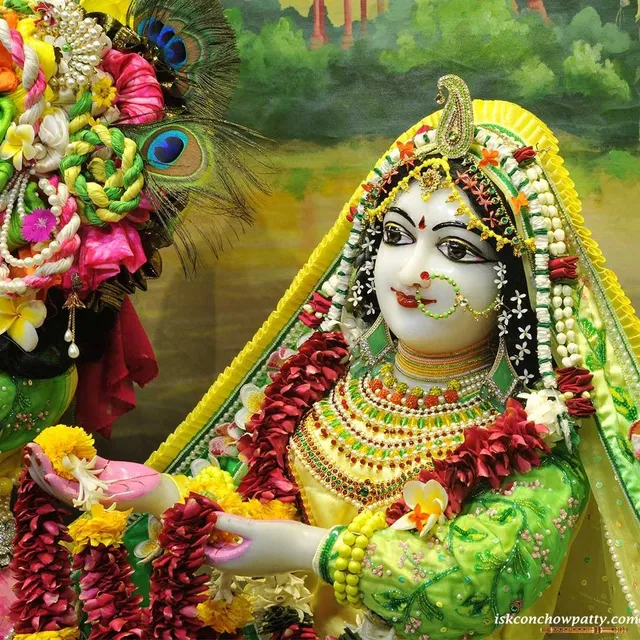
ISKCON Chowpatty (Sri Sri Radha Gopinath Mandir)
7, K. M. Munshi Marg, Girgaon, Chowpatty, Mumbai, Maharashtra 400007, India
Shree Babulnath Mandir Charities
16, Babulnath Rd, Babulnath, Khareghat Colony, Gamdevi, Mumbai, Maharashtra 400007, India
Priyadarshini Park
Nepean Sea Rd, Malabar Hill, Mumbai, Maharashtra 400006, India
The Nest, Malabar Hill
Simla Nagar, Malabar Hill, Mumbai, Maharashtra 400026, India
Bharatiya Vidya Bhavan
29, KM Munshi Rd, Gamdevi, Mumbai, Maharashtra 400007, India
August Kranti Maidan
Jer Mansion, 70 B, August Kranti Rd, Gowalia Tank, Tardeo, Mumbai, Maharashtra 400026, India
Marine drive beach
29, Dr N A Purandare Marg, Sea Face, Chowpatty, Gamdevi, Mumbai, Maharashtra 400007, India
Shri Gamdevi Temple
Gamdevi Rd, Gamdevi, Mumbai, Maharashtra 400007, India
Nearby restaurants
Spices and Flavours
Ground Floor, Loyalka Compound, Dadi Seth Lane, 1, Walkeshwar Rd, opp. Kilachand Garden, next to Sukho Thai, Mumbai, Maharashtra 400006, India
Soam
Sadguru Sadan, Ground Floor, Babulnath Rd, Babulnath, Chowpatty, Mumbai, Maharashtra 400007, India
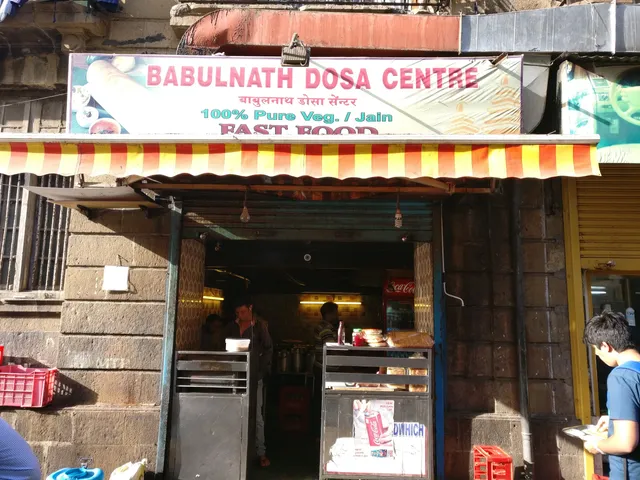
Babulnath Dosa's
BN Cross Lane 1, Babulnath, Dadi Sheth Wadi, Malabar Hill, Mumbai, Maharashtra 400007, India
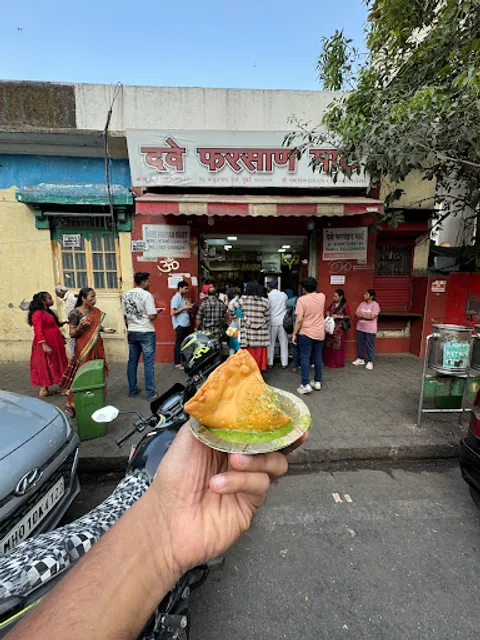
Dave Farsan Mart
10, Babulnath Rd, beside Babulnath Temple, Babulnath, Chowpatty, Malabar Hill, Mumbai, Maharashtra 400007, India
SHREE SIDDHI VINAYAK FAST FOOD
Post Office, BG Kher Rd, opposite Malabar Hill, Marg, Dadi Sheth Wadi, Malabar Hill, Mumbai, Maharashtra 400006, India
Vijay Sagar
16, Babulnath Rd, near Babulnath, Babulnath, Dadi Sheth Wadi, Malabar Hill, Mumbai, Maharashtra 400007, India
Café New York
44, Dabholkar Building, N S Patkar Marg, Mumbai, Maharashtra 400007, India
Govindas International- The Higher Taste
1, KM Munshi Rd, Babulnath, Dadi Sheth Wadi, Malabar Hill, Mumbai, Maharashtra 400007, India
TANTRAơ
Kapur Mansion, 41/43, N S Patkar Marg, Gamdevi, Mumbai, Maharashtra 400007, India
Santosh Sagar Fast Food
Shop No.6, Mahtru Ashish Building, Nepean Sea Rd, Simla Nagar, Malabar Hill, Mumbai, Maharashtra 400026, India
Related posts
Keywords
Hanging Gardens tourism.Hanging Gardens hotels.Hanging Gardens bed and breakfast. flights to Hanging Gardens.Hanging Gardens attractions.Hanging Gardens restaurants.Hanging Gardens travel.Hanging Gardens travel guide.Hanging Gardens travel blog.Hanging Gardens pictures.Hanging Gardens photos.Hanging Gardens travel tips.Hanging Gardens maps.Hanging Gardens things to do.
Hanging Gardens things to do, attractions, restaurants, events info and trip planning
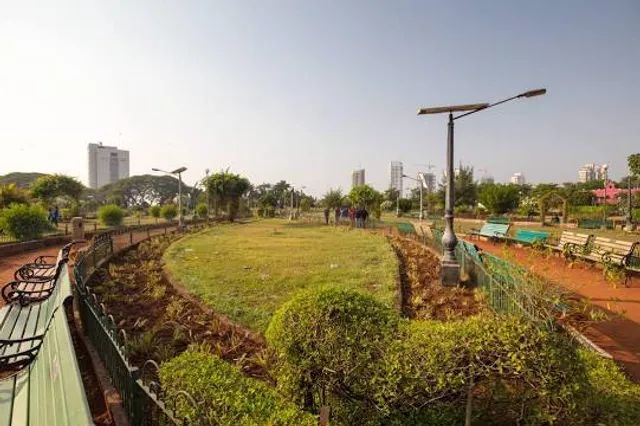
Hanging Gardens
IndiaMaharashtraMumbaiHanging Gardens

Basic Info

Hanging Gardens

Ridge Rd, Simla Nagar, Malabar Hill, Mumbai, Maharashtra 400006, India
4.2(14.1K)
Open until 8:00 PM
Save
spot

Ratings & Description

Info

The Hanging Gardens of Babylon were one of the Seven Wonders of the Ancient World listed by Hellenic culture.

Outdoor
Relaxation
Family friendly
attractions: Kamala Nehru Park, Old Woman's Shoe, ISKCON Chowpatty (Sri Sri Radha Gopinath Mandir), Shree Babulnath Mandir Charities, Priyadarshini Park, The Nest, Malabar Hill, Bharatiya Vidya Bhavan, August Kranti Maidan, Marine drive beach, Shri Gamdevi Temple, restaurants: Spices and Flavours, Soam, Babulnath Dosa's, Dave Farsan Mart, SHREE SIDDHI VINAYAK FAST FOOD, Vijay Sagar, Café New York, Govindas International- The Higher Taste, TANTRAơ, Santosh Sagar Fast Food
logoLearn more insights from Wanderboat AI.
Website
hanginggardens.co
Open hoursSee all hours
Fri6 AM - 8 PMOpen

Plan your stay

hotel
Pet-friendly Hotels in Mumbai
Find a cozy hotel nearby and make it a full experience.

hotel
Affordable Hotels in Mumbai
Find a cozy hotel nearby and make it a full experience.

hotel
The Coolest Hotels You Haven't Heard Of (Yet)
Find a cozy hotel nearby and make it a full experience.

hotel
Trending Stays Worth the Hype in Mumbai
Find a cozy hotel nearby and make it a full experience.

Reviews

Nearby attractions of Hanging Gardens

Kamala Nehru Park

Old Woman's Shoe

ISKCON Chowpatty (Sri Sri Radha Gopinath Mandir)

Shree Babulnath Mandir Charities

Priyadarshini Park

The Nest, Malabar Hill

Bharatiya Vidya Bhavan

August Kranti Maidan

Marine drive beach

Shri Gamdevi Temple

Kamala Nehru Park

Kamala Nehru Park

4.3

(2.7K)

Open 24 hours
Click for details
Old Woman's Shoe

Old Woman's Shoe

4.4

(121)

Open until 9:00 PM
Click for details
ISKCON Chowpatty (Sri Sri Radha Gopinath Mandir)

ISKCON Chowpatty (Sri Sri Radha Gopinath Mandir)

4.8

(3.4K)

Open until 11:50 AM
Click for details
Shree Babulnath Mandir Charities

Shree Babulnath Mandir Charities

4.8

(1.1K)

Open 24 hours
Click for details

Things to do nearby

Paradox Museum - Mumbai
Fri, Dec 5 • 11:00 AM
Shreeniwas House, 27, H Somani Marg, Fort, Mumbai, 400001
View details
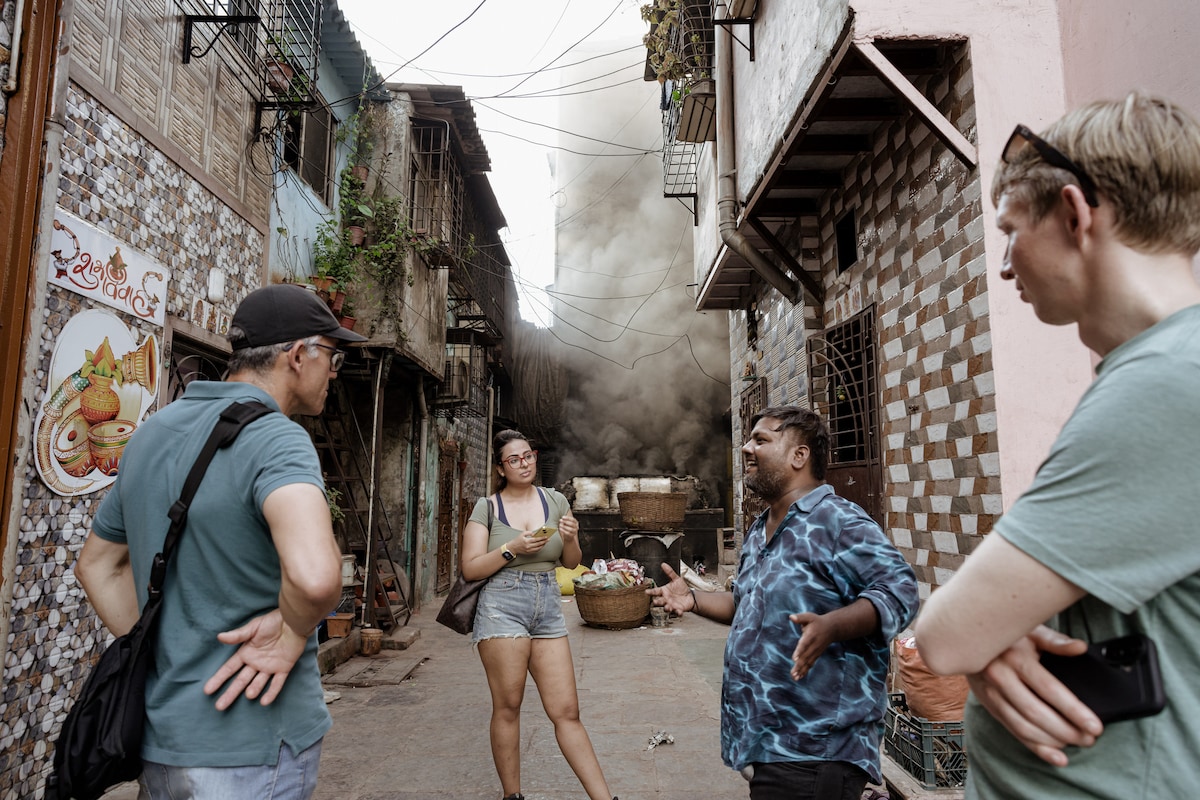
Dharavi Slum Tour
Dharavi Slum Tour
Thu, Dec 4 • 4:00 PM
Mumbai, Maharashtra, 400016, India
View details
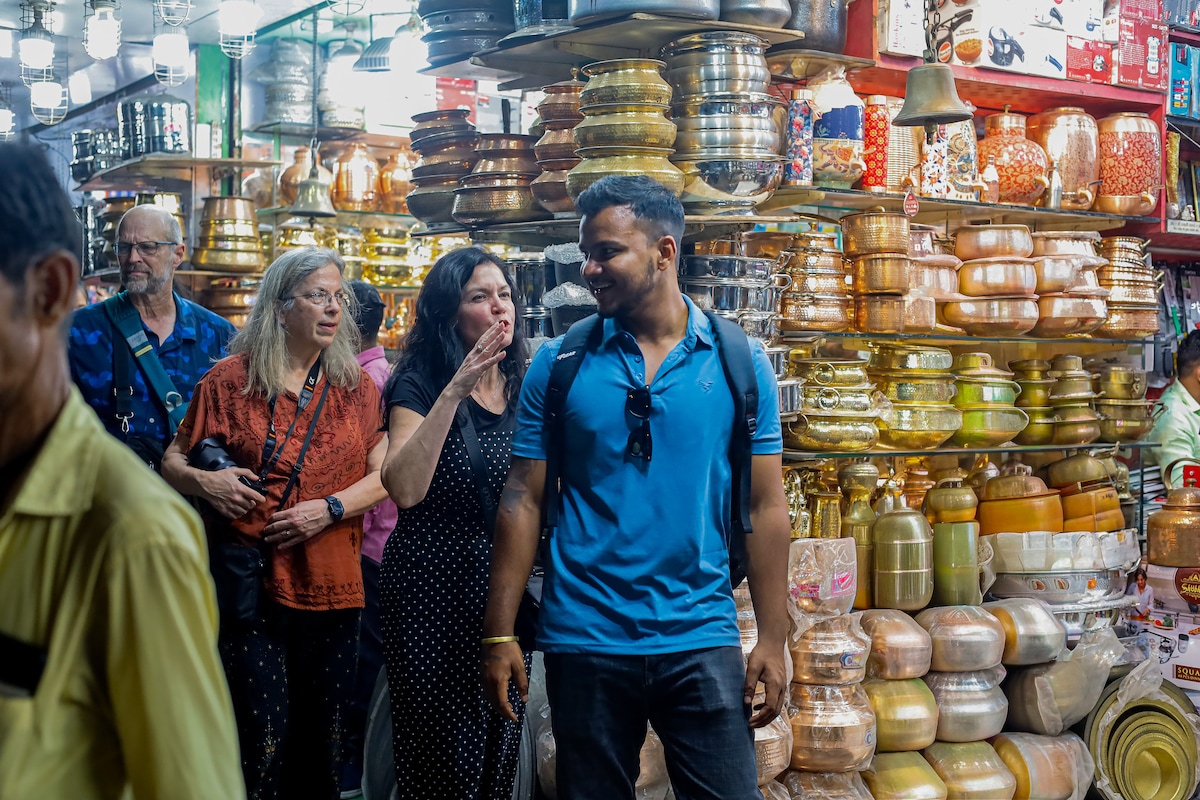
Bombay Express Food Tour with 15-plus tastings
Fri, Dec 5 • 4:00 PM
Mumbai, Maharashtra, 400020, India
View details
Nearby restaurants of Hanging Gardens

Spices and Flavours

Soam

Babulnath Dosa's

Dave Farsan Mart

SHREE SIDDHI VINAYAK FAST FOOD

Vijay Sagar

Café New York

Govindas International- The Higher Taste

TANTRAơ

Santosh Sagar Fast Food

Spices and Flavours

Spices and Flavours

4.2

(1.3K)

$$$

Click for details
Soam

Soam

4.3

(2.6K)

$$

Click for details
Babulnath Dosa's

Babulnath Dosa's

4.2

(901)

Click for details
Dave Farsan Mart

Dave Farsan Mart

4.3

(596)

Click for details
Get the Appoverlay
Get the AppOne tap to find yournext favorite spots!
Wanderboat LogoWanderboat

Your everyday Al companion for getaway ideas

CompanyAbout Us
InformationAI Trip PlannerSitemap
SocialXInstagramTiktokLinkedin
LegalTerms of ServicePrivacy Policy

Get the app

© 2025 Wanderboat. All rights reserved.
logo

Reviews of Hanging Gardens

4.2
(14,097)
avatar
5.0
17w

Timeless Tranquility Above the Arabian Sea: Hanging Gardens, Mumbai

Nestled atop Malabar Hill, floating gently above the city’s din and overlooking the Arabian Sea, the Hanging Gardens of Mumbai—officially known as Pherozeshah Mehta Gardens—offer a sanctuary not just of greenery, but of perspective. This is not merely a public garden; it is a verdant amphitheatre of history, memory, and floral artistry, gracefully perched above the chaos of one of the world’s most populous cities.

Laid out in 1881 during the British colonial era, the gardens were named after Sir Pherozeshah Mehta, a prominent Indian political leader, barrister, and municipal reformer often dubbed the “Father of Bombay Municipality.” These terraced gardens were strategically designed atop a vast water reservoir built in 1880 to protect the potable water stored beneath from contamination—a rare fusion of aesthetic charm and functional urban planning. The term “hanging” refers to their tiered structure, reminiscent of the ancient Hanging Gardens of Babylon, though in a uniquely Mumbai avatar.

Spread over 3.5 hectares, the gardens are a botanical canvas of seasonal blooms, trimmed hedges shaped into peacocks and elephants, and walking paths lined with bougainvillea and hibiscus. Early mornings here are cloaked in dew and golden silence, while evenings unfurl a soft breeze laden with the scent of champa and nostalgia.

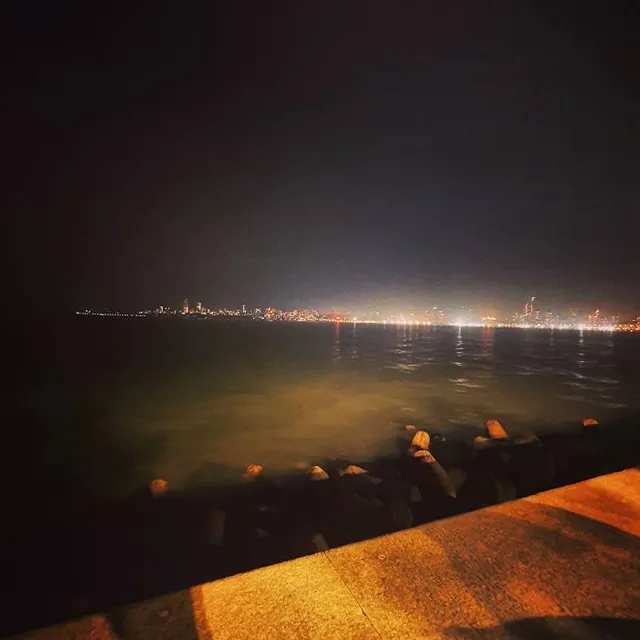
The gardens serve not only as a leisure spot but also as a historic lookout point. From the stone-laced edges of the garden, one can gaze upon the Queen’s Necklace—the crescent curve of Marine Drive sparkling at dusk like a diadem of diamonds. The panoramic views extend to Chowpatty Beach and the domes of colonial Mumbai, framed by frangipani branches and monsoon clouds. On clear days, you can trace the outline of Back Bay and the far-off industrial silhouettes of Mumbai’s docks, all quietly pulsating beneath you.

What’s lesser known is the role this garden has played in Mumbai’s socio-cultural evolution. Malabar Hill, where it resides, has long been home to the city’s governors, business magnates, and cultural stalwarts. The garden has been a silent witness to morning walks of poets, twilight musings of artists, and first dates under lampposts. It has absorbed the shifting decades—from the horse-drawn carriages of colonial Bombay to the digital hush of smartphone joggers today.

Flora-wise, the garden is home to more than 300 plant species, from native shrubs to exotic ornamental trees. The iconic topiary animals are pruned with extraordinary dedication—a form of green sculpture that evokes both whimsy and discipline. Birdsong is a regular visitor, with over 40 species documented in the area. And if you come at sunrise, you may catch a fleeting glimpse of parakeets, mynas, and even the occasional Brahminy kite soaring above the palm-lined horizon.

The gardens are open to the public from 5:00 a.m. to 9:00 p.m. daily, and entry is entirely free—a democratic gift of peace in the middle of a bustling megapolis. Benches are generously placed under ancient banyans and jamun trees, and the walking loops stretch to about 1.2 kilometers—perfect for a meditative morning or leisurely evening stroll. Adjacent to the Hanging Gardens lies Kamala Nehru Park, forming a twin green space that doubles the delight for walkers and picnickers alike.

It’s easy to forget that beneath your feet lies one of the city’s largest water tanks, built during the late 19th century to supply fresh drinking water to South Mumbai. To build a blooming paradise atop a utilitarian tank speaks volumes of the city’s ability to balance necessity and beauty—a rare feat, especially in the urban sprawl of modern India.

In a city constantly negotiating between its past and its future, the Hanging Gardens offer a still point—a place where history lingers not in museums, but in the fragrance of flowering shrubs and the silence between leaves.

Come not just for a walk—but to rediscover how quietly a...

   Read more
avatar
5.0
1y

The Hanging Gardens of Mumbai, also known as Pherozeshah Mehta Gardens, is a well-known green oasis located on the western side of Malabar Hill, opposite Kamala Nehru Park. Here’s a detailed review of its various features:

About Oxygen Area One of the most appealing aspects of the Hanging Gardens is the lush greenery that serves as a significant oxygen source. The abundance of trees and plants provides a refreshing escape from the city's pollution, making it a popular spot for nature lovers. The well-maintained flower beds and topiaries add to the charm, creating a serene environment where visitors can breathe in the fresh air and enjoy the natural beauty.

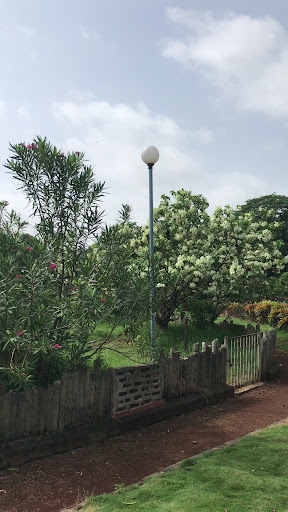
Garden The garden itself is beautifully designed, featuring meticulously manicured lawns, vibrant flower beds, and intricate hedges shaped into various animals. The colorful blooms, particularly during the flowering season, create a picturesque setting that is perfect for leisurely strolls and relaxation. The garden’s layout is thoughtfully planned, with winding pathways that allow visitors to explore different sections at a relaxed pace.

Picnic Area For those looking to spend a day outdoors, the Hanging Gardens provide an excellent picnic area. Families and friends often gather here, spreading out blankets and enjoying meals amidst the tranquil surroundings. The shade provided by the large trees makes it comfortable even on sunny days. The picnic area is a favorite spot for both locals and tourists, offering a peaceful retreat from the bustling city life.

Morning Walk Early mornings at the Hanging Gardens are particularly delightful. The cool breeze, chirping birds, and dew-kissed plants create a perfect setting for a morning walk. The pathways are frequented by joggers and walkers who appreciate the quiet and refreshing atmosphere. The garden opens early, allowing visitors to start their day with a healthy dose of exercise and nature’s beauty.

View One of the highlights of the Hanging Gardens is the stunning view it offers. Located atop Malabar Hill, the garden provides panoramic views of the Arabian Sea and the iconic Marine Drive, also known as the Queen’s Necklace due to its sparkling lights at night. This vantage point is perfect for photography enthusiasts and those looking to soak in the scenic vistas of Mumbai’s coastline. Sunset views from the garden are particularly spectacular, drawing many visitors who come to witness the sky’s changing hues over the sea. The Hanging Gardens of Mumbai is a true gem, offering a blend of natural beauty, recreational spaces, and breathtaking views. Whether you're looking for a peaceful spot to read a book, a picturesque setting for a family picnic, or a scenic location for a morning walk, this garden caters to all. Its well-maintained greenery and serene environment make it a must-visit for anyone in Mumbai, providing a refreshing escape from the urban...

   Read more
avatar
4.0
1y

The fate might not be hanging -- but the prestige is

Not far from the sea and amongst the most famous gardens in the city, Hanging Gardens, located at the highest point in South Mumbai, might not be in a state of despair but in a state where its status ( quo ) can be viewed askance.

The walking track, undeservingly deprived of the waft which was probably a misfortune of mine, is entirely covered with mud -- which is flattened, hard and consistent -- throughout the garden. The advantage is that it helps keep the temperature down by a Fahrenheit or two; one won't see many gardens with such tracks in the city. Another benefit is having a jog on such a track feels better. However, apropos the track material, don't let the prima facie belief settle down on you, and I don't mean any rebuking by stating so. One doesn't relate the above-mentioned characteristics with mud; some leg taps should be enough to plausibly convince one that the track isn't entirely of mud but only has a layer of it. The base is very likely than not cement on top of which the mud has been layered.

Having several of them, the garden's sub-tracks take one through numerous small lawns, a number of which were dug up when I went here. Ideally, the digging should have commenced prior to the monsoon; what transpired the garden authorities to start in the middle of monsoon probably only the authorities would know the best. A third of the lawns had dry, untrimmed grass, which surprisingly lacked any freshness despite the monsoon season. Another third of the lawns had plants with about 8-10 types of flowers. At various points, empty carts -- flipped -- were seen, sometimes stacked on top of one another.

There are benches at the regular stretches, and the park is tidy. The benches at the nooks are hotspots not because of the scenery they offer but because of the privacy they offer to certain audiences. The green tunnels are only a handful and small, and they aren't densely, but reasonably covered by leaves. It feels cool to sit under them and schmooze. There are no medium-sized or large trees in the park, and this means there isn't any shade in a significant majority of the park's area. This means the sun will hit you hard if you are there in the afternoon, and as such, late evenings are the best time to visit.

Located at one of the ends of the city, the garden is free from outside noise. There are no entrance fees, and there is a solitary lavatory & drinking water establishment inside. A small nursery is available in the park, selling some plant species. One might also consider visiting Kamla Nehru Park, which is a road asunder. The tranquillity is quite worth it to spend some time here. However, a booming garden in a better state than now would make it definitely worth a visit.

Overall, the park, given the above, looks like a work in progress despite being fully operational. The park is open...

   Read more
Page 1 of 7
Previous
Next

Posts

priyak midderpriyak midder
Timeless Tranquility Above the Arabian Sea: Hanging Gardens, Mumbai Nestled atop Malabar Hill, floating gently above the city’s din and overlooking the Arabian Sea, the Hanging Gardens of Mumbai—officially known as Pherozeshah Mehta Gardens—offer a sanctuary not just of greenery, but of perspective. This is not merely a public garden; it is a verdant amphitheatre of history, memory, and floral artistry, gracefully perched above the chaos of one of the world’s most populous cities. Laid out in 1881 during the British colonial era, the gardens were named after Sir Pherozeshah Mehta, a prominent Indian political leader, barrister, and municipal reformer often dubbed the “Father of Bombay Municipality.” These terraced gardens were strategically designed atop a vast water reservoir built in 1880 to protect the potable water stored beneath from contamination—a rare fusion of aesthetic charm and functional urban planning. The term “hanging” refers to their tiered structure, reminiscent of the ancient Hanging Gardens of Babylon, though in a uniquely Mumbai avatar. Spread over 3.5 hectares, the gardens are a botanical canvas of seasonal blooms, trimmed hedges shaped into peacocks and elephants, and walking paths lined with bougainvillea and hibiscus. Early mornings here are cloaked in dew and golden silence, while evenings unfurl a soft breeze laden with the scent of champa and nostalgia. The gardens serve not only as a leisure spot but also as a historic lookout point. From the stone-laced edges of the garden, one can gaze upon the Queen’s Necklace—the crescent curve of Marine Drive sparkling at dusk like a diadem of diamonds. The panoramic views extend to Chowpatty Beach and the domes of colonial Mumbai, framed by frangipani branches and monsoon clouds. On clear days, you can trace the outline of Back Bay and the far-off industrial silhouettes of Mumbai’s docks, all quietly pulsating beneath you. What’s lesser known is the role this garden has played in Mumbai’s socio-cultural evolution. Malabar Hill, where it resides, has long been home to the city’s governors, business magnates, and cultural stalwarts. The garden has been a silent witness to morning walks of poets, twilight musings of artists, and first dates under lampposts. It has absorbed the shifting decades—from the horse-drawn carriages of colonial Bombay to the digital hush of smartphone joggers today. Flora-wise, the garden is home to more than 300 plant species, from native shrubs to exotic ornamental trees. The iconic topiary animals are pruned with extraordinary dedication—a form of green sculpture that evokes both whimsy and discipline. Birdsong is a regular visitor, with over 40 species documented in the area. And if you come at sunrise, you may catch a fleeting glimpse of parakeets, mynas, and even the occasional Brahminy kite soaring above the palm-lined horizon. The gardens are open to the public from 5:00 a.m. to 9:00 p.m. daily, and entry is entirely free—a democratic gift of peace in the middle of a bustling megapolis. Benches are generously placed under ancient banyans and jamun trees, and the walking loops stretch to about 1.2 kilometers—perfect for a meditative morning or leisurely evening stroll. Adjacent to the Hanging Gardens lies Kamala Nehru Park, forming a twin green space that doubles the delight for walkers and picnickers alike. It’s easy to forget that beneath your feet lies one of the city’s largest water tanks, built during the late 19th century to supply fresh drinking water to South Mumbai. To build a blooming paradise atop a utilitarian tank speaks volumes of the city’s ability to balance necessity and beauty—a rare feat, especially in the urban sprawl of modern India. In a city constantly negotiating between its past and its future, the Hanging Gardens offer a still point—a place where history lingers not in museums, but in the fragrance of flowering shrubs and the silence between leaves. Come not just for a walk—but to rediscover how quietly a city can exhale.
Pratik GadgilPratik Gadgil
The fate might not be hanging -- but the prestige is Not far from the sea and amongst the most famous gardens in the city, Hanging Gardens, located at the highest point in South Mumbai, might not be in a state of despair but in a state where its status ( quo ) can be viewed askance. The walking track, undeservingly deprived of the waft which was probably a misfortune of mine, is entirely covered with mud -- which is flattened, hard and consistent -- throughout the garden. The advantage is that it helps keep the temperature down by a Fahrenheit or two; one won't see many gardens with such tracks in the city. Another benefit is having a jog on such a track feels better. However, apropos the track material, don't let the prima facie belief settle down on you, and I don't mean any rebuking by stating so. One doesn't relate the above-mentioned characteristics with mud; some leg taps should be enough to plausibly convince one that the track isn't entirely of mud but only has a layer of it. The base is very likely than not cement on top of which the mud has been layered. Having several of them, the garden's sub-tracks take one through numerous small lawns, a number of which were dug up when I went here. Ideally, the digging should have commenced prior to the monsoon; what transpired the garden authorities to start in the middle of monsoon probably only the authorities would know the best. A third of the lawns had dry, untrimmed grass, which surprisingly lacked any freshness despite the monsoon season. Another third of the lawns had plants with about 8-10 types of flowers. At various points, empty carts -- flipped -- were seen, sometimes stacked on top of one another. There are benches at the regular stretches, and the park is tidy. The benches at the nooks are hotspots not because of the scenery they offer but because of the privacy they offer to certain audiences. The green tunnels are only a handful and small, and they aren't densely, but reasonably covered by leaves. It feels cool to sit under them and schmooze. There are no medium-sized or large trees in the park, and this means there isn't any shade in a significant majority of the park's area. This means the sun will hit you hard if you are there in the afternoon, and as such, late evenings are the best time to visit. Located at one of the ends of the city, the garden is free from outside noise. There are no entrance fees, and there is a solitary lavatory & drinking water establishment inside. A small nursery is available in the park, selling some plant species. One might also consider visiting Kamla Nehru Park, which is a road asunder. The tranquillity is quite worth it to spend some time here. However, a booming garden in a better state than now would make it definitely worth a visit. Overall, the park, given the above, looks like a work in progress despite being fully operational. The park is open on all days.
NOSHIR KATRAKNOSHIR KATRAK
It is a boon to have a green patch in the middle of the most busy city. The City that never sleeps - Mumbai. To have a green space in Mumbai is sparse. That too having it in South Mumbai - it's s real boon. Hanging Gardens is situated on the Western side of Malabar Hill. For centuries this place must have been visited by almost all the school students. It is a picnic spot for school outings and even perfect for a family picnics. Hanging Garden is also known as Pherozeshah Mehta Gardens were first built in 1881. Designed by Ulhas Ghapokar. In 1921 the Garden was renovated to the present srate. Hanging Garden is built over one of Bombay’s main water reservoir to protect it from getting polluted, particularly by the nearby Towers of Silence. Primarily the Garden is dedicated to Pherozeshah Mehta, a prominent Parsi political leader and lawyer. Pherozeshah Mehta also, known as The Lion of Bombay, because if his vast contributions to the city. He was the President of Bombay Municipality four times (1884, 1885, 1905 and 1911). Its a beautiful landscape with greenery all around, well maintained by BMC. A soft classical instrumental pipe music keeps on playing. Well designed, sitting place to relax and discuss in a group maintaining social distancing. Clean, filtered drinking water is provided. Dust bins are situated at various locations. Rest room is also available. An earnest request to all who are visiting. Please maintain cleanliness, please don't litter. Keep the area clean it is for our good only. Our children must receive a good environment. When BMC is taking so much pain to maintain the greenery, as a decent citizens we must help them to keep the area clean. People do visit for jogging & good to avail Vitamin 'D' through only means - SUN. It also has a Oxygen area. All sorts of trees are planted. Just enjoy the scenery & greenery, breathe the clean air in the midst of the busy city. The garden is open to public. During day apply Sun screen lotion on your body, if your skin is sensitive. Will post evening photos next time.
See more posts
See more posts
hotel
Find your stay

Pet-friendly Hotels in Mumbai

Find a cozy hotel nearby and make it a full experience.

Timeless Tranquility Above the Arabian Sea: Hanging Gardens, Mumbai Nestled atop Malabar Hill, floating gently above the city’s din and overlooking the Arabian Sea, the Hanging Gardens of Mumbai—officially known as Pherozeshah Mehta Gardens—offer a sanctuary not just of greenery, but of perspective. This is not merely a public garden; it is a verdant amphitheatre of history, memory, and floral artistry, gracefully perched above the chaos of one of the world’s most populous cities. Laid out in 1881 during the British colonial era, the gardens were named after Sir Pherozeshah Mehta, a prominent Indian political leader, barrister, and municipal reformer often dubbed the “Father of Bombay Municipality.” These terraced gardens were strategically designed atop a vast water reservoir built in 1880 to protect the potable water stored beneath from contamination—a rare fusion of aesthetic charm and functional urban planning. The term “hanging” refers to their tiered structure, reminiscent of the ancient Hanging Gardens of Babylon, though in a uniquely Mumbai avatar. Spread over 3.5 hectares, the gardens are a botanical canvas of seasonal blooms, trimmed hedges shaped into peacocks and elephants, and walking paths lined with bougainvillea and hibiscus. Early mornings here are cloaked in dew and golden silence, while evenings unfurl a soft breeze laden with the scent of champa and nostalgia. The gardens serve not only as a leisure spot but also as a historic lookout point. From the stone-laced edges of the garden, one can gaze upon the Queen’s Necklace—the crescent curve of Marine Drive sparkling at dusk like a diadem of diamonds. The panoramic views extend to Chowpatty Beach and the domes of colonial Mumbai, framed by frangipani branches and monsoon clouds. On clear days, you can trace the outline of Back Bay and the far-off industrial silhouettes of Mumbai’s docks, all quietly pulsating beneath you. What’s lesser known is the role this garden has played in Mumbai’s socio-cultural evolution. Malabar Hill, where it resides, has long been home to the city’s governors, business magnates, and cultural stalwarts. The garden has been a silent witness to morning walks of poets, twilight musings of artists, and first dates under lampposts. It has absorbed the shifting decades—from the horse-drawn carriages of colonial Bombay to the digital hush of smartphone joggers today. Flora-wise, the garden is home to more than 300 plant species, from native shrubs to exotic ornamental trees. The iconic topiary animals are pruned with extraordinary dedication—a form of green sculpture that evokes both whimsy and discipline. Birdsong is a regular visitor, with over 40 species documented in the area. And if you come at sunrise, you may catch a fleeting glimpse of parakeets, mynas, and even the occasional Brahminy kite soaring above the palm-lined horizon. The gardens are open to the public from 5:00 a.m. to 9:00 p.m. daily, and entry is entirely free—a democratic gift of peace in the middle of a bustling megapolis. Benches are generously placed under ancient banyans and jamun trees, and the walking loops stretch to about 1.2 kilometers—perfect for a meditative morning or leisurely evening stroll. Adjacent to the Hanging Gardens lies Kamala Nehru Park, forming a twin green space that doubles the delight for walkers and picnickers alike. It’s easy to forget that beneath your feet lies one of the city’s largest water tanks, built during the late 19th century to supply fresh drinking water to South Mumbai. To build a blooming paradise atop a utilitarian tank speaks volumes of the city’s ability to balance necessity and beauty—a rare feat, especially in the urban sprawl of modern India. In a city constantly negotiating between its past and its future, the Hanging Gardens offer a still point—a place where history lingers not in museums, but in the fragrance of flowering shrubs and the silence between leaves. Come not just for a walk—but to rediscover how quietly a city can exhale.
priyak midder

priyak midder

hotel
Find your stay

Affordable Hotels in Mumbai

Find a cozy hotel nearby and make it a full experience.

Get the Appoverlay
Get the AppOne tap to find yournext favorite spots!
The fate might not be hanging -- but the prestige is Not far from the sea and amongst the most famous gardens in the city, Hanging Gardens, located at the highest point in South Mumbai, might not be in a state of despair but in a state where its status ( quo ) can be viewed askance. The walking track, undeservingly deprived of the waft which was probably a misfortune of mine, is entirely covered with mud -- which is flattened, hard and consistent -- throughout the garden. The advantage is that it helps keep the temperature down by a Fahrenheit or two; one won't see many gardens with such tracks in the city. Another benefit is having a jog on such a track feels better. However, apropos the track material, don't let the prima facie belief settle down on you, and I don't mean any rebuking by stating so. One doesn't relate the above-mentioned characteristics with mud; some leg taps should be enough to plausibly convince one that the track isn't entirely of mud but only has a layer of it. The base is very likely than not cement on top of which the mud has been layered. Having several of them, the garden's sub-tracks take one through numerous small lawns, a number of which were dug up when I went here. Ideally, the digging should have commenced prior to the monsoon; what transpired the garden authorities to start in the middle of monsoon probably only the authorities would know the best. A third of the lawns had dry, untrimmed grass, which surprisingly lacked any freshness despite the monsoon season. Another third of the lawns had plants with about 8-10 types of flowers. At various points, empty carts -- flipped -- were seen, sometimes stacked on top of one another. There are benches at the regular stretches, and the park is tidy. The benches at the nooks are hotspots not because of the scenery they offer but because of the privacy they offer to certain audiences. The green tunnels are only a handful and small, and they aren't densely, but reasonably covered by leaves. It feels cool to sit under them and schmooze. There are no medium-sized or large trees in the park, and this means there isn't any shade in a significant majority of the park's area. This means the sun will hit you hard if you are there in the afternoon, and as such, late evenings are the best time to visit. Located at one of the ends of the city, the garden is free from outside noise. There are no entrance fees, and there is a solitary lavatory & drinking water establishment inside. A small nursery is available in the park, selling some plant species. One might also consider visiting Kamla Nehru Park, which is a road asunder. The tranquillity is quite worth it to spend some time here. However, a booming garden in a better state than now would make it definitely worth a visit. Overall, the park, given the above, looks like a work in progress despite being fully operational. The park is open on all days.
Pratik Gadgil

Pratik Gadgil

hotel
Find your stay

The Coolest Hotels You Haven't Heard Of (Yet)

Find a cozy hotel nearby and make it a full experience.

hotel
Find your stay

Trending Stays Worth the Hype in Mumbai

Find a cozy hotel nearby and make it a full experience.

It is a boon to have a green patch in the middle of the most busy city. The City that never sleeps - Mumbai. To have a green space in Mumbai is sparse. That too having it in South Mumbai - it's s real boon. Hanging Gardens is situated on the Western side of Malabar Hill. For centuries this place must have been visited by almost all the school students. It is a picnic spot for school outings and even perfect for a family picnics. Hanging Garden is also known as Pherozeshah Mehta Gardens were first built in 1881. Designed by Ulhas Ghapokar. In 1921 the Garden was renovated to the present srate. Hanging Garden is built over one of Bombay’s main water reservoir to protect it from getting polluted, particularly by the nearby Towers of Silence. Primarily the Garden is dedicated to Pherozeshah Mehta, a prominent Parsi political leader and lawyer. Pherozeshah Mehta also, known as The Lion of Bombay, because if his vast contributions to the city. He was the President of Bombay Municipality four times (1884, 1885, 1905 and 1911). Its a beautiful landscape with greenery all around, well maintained by BMC. A soft classical instrumental pipe music keeps on playing. Well designed, sitting place to relax and discuss in a group maintaining social distancing. Clean, filtered drinking water is provided. Dust bins are situated at various locations. Rest room is also available. An earnest request to all who are visiting. Please maintain cleanliness, please don't litter. Keep the area clean it is for our good only. Our children must receive a good environment. When BMC is taking so much pain to maintain the greenery, as a decent citizens we must help them to keep the area clean. People do visit for jogging & good to avail Vitamin 'D' through only means - SUN. It also has a Oxygen area. All sorts of trees are planted. Just enjoy the scenery & greenery, breathe the clean air in the midst of the busy city. The garden is open to public. During day apply Sun screen lotion on your body, if your skin is sensitive. Will post evening photos next time.
NOSHIR KATRAK

NOSHIR KATRAK

See more posts
See more posts