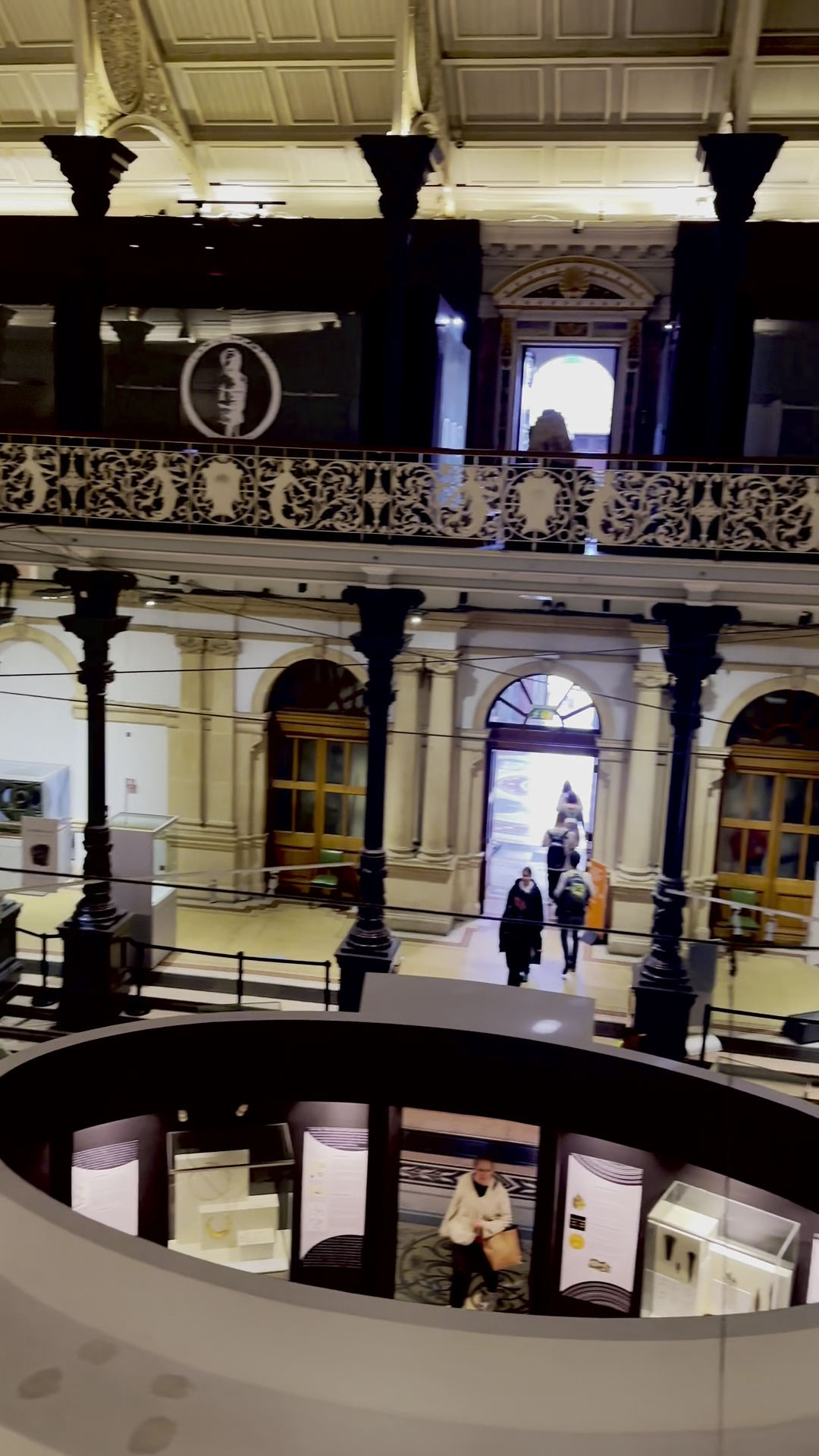
This is one of the worst archaeology museums I have been to in a long time. The last time I went to an archeology museum this bad my husband was with me... When he asked me how the archeology museum was here I asked "do you remember visiting __ museum" and he said.. "oh that bad?"
My qualifications:
I have two degrees in archaeology as well as field experience. One of my degrees specifically focused on the intersection of archaeology, museums, and education. I have traveled around the world assessing archaeology museums for educational content and visitor experiences.
Staff:
Out of the three interactions I had with staff members, none were pleasant.
I had stopped for a moment to look at some of their programs for youth and young visitors, because of my interest in educational experiences of archeology museums. These programs were found on the information desk and the staff member told to "shove off" because I didn't have a child. A visitor who has just walked into your museum being told to "shove off," is unacceptable and unprofessional. This interaction was so rude as we were entering the museum, that we nearly walked out.
Because the museum was undergoing some renovations we were entering through yhe gift shop, which made the experience a little confusing because we were starting at the end. However, at no point where we told that we were entering through the exit, and when other people went and complained that they were confused (which we saw several times), the same worker would take them to "the beginning point." It was very frustrating to see them having a polite interaction with this employee when we had an immediate bad interaction with her.
Our second interaction, which was a stop to ask an employee a question, was met with a similar amount of rudness. I asked a very basic question, which frankly should have been addressed by the informational signs but was not. I had other questions but disregarded them because of the response I received.
Exhibits and Collections:
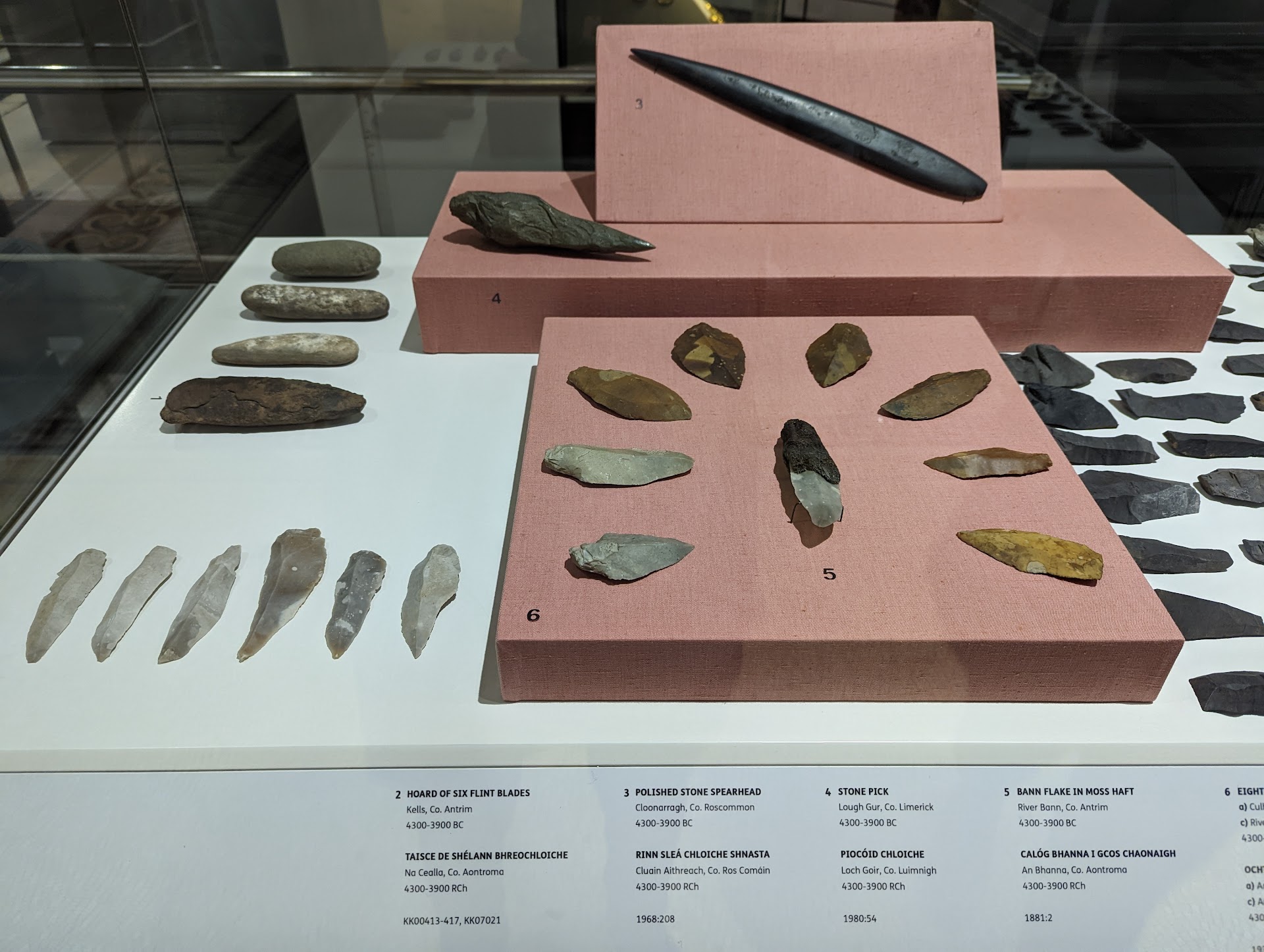
For a museum focused on the history of Ireland, it was amazing how much the collections came off as "great man." The exhibits also raised a lot more questions than they answered (e.g. here is a photo of earthworks. They were used for ceremonial purposes only. These are some pots, they have decoration on the inside........ Are the pots associated with the earthworks? Can I have more information on these "ceremonial purposes?" Are the pots in the display associated with the ceremony? How did the pots get decorated inside? What was the purpose of the pots being decorated on the inside?).
We wandered through several of the galleries before ending up in a gallery labeled "Kinship." For someone like me, this gallery had some interest; however be warned, because they have no labels or signs. If you are not interested in seeing bog bodies, this is the gallery where they are kept.
I learned more and had a much better experience in a lot of the other archeology museums that I visited in Ireland. This would not be on my travel recommendation list. The interaction level for educational content is extremely low. You're not guaranteed a good interaction with staff members. If you know anything about archeology, their educational content leaves a lot of holes in your understanding of...
Read moreIt was a quiet Tuesday morning in Dublin, or as quiet as a city can be when seagulls the size of sheep patrol the skies and every other taxi driver has a conspiracy theory about the Vikings. But inside the National Museum of Ireland – Archaeology on Kildare Street, something truly extraordinary was about to unfold.
Now, this isn’t your average museum. No sir. This fine institution, opened in 1890, is home to ancient treasures like the Ardagh Chalice, the Tara Brooch, and bog bodies so well preserved they look like they’ve just queued for a pint at the pub.
But on this day, while the curator was sipping his third cup of tea and giving a lecture on Iron Age hair gel (spoiler: it was lime), the ground beneath the Early Christian Ireland exhibit began to wobble.
“Jaysus, not another Viking curse,” muttered Mary from Security, clutching her walkie-talkie like a holy relic.
Suddenly, with a gloopy splorp, a large, wobbling gelatinous blob oozed its way out from beneath the floor. It was shimmering pink and suspiciously smelled like raspberry.
“Is that… jelly?” asked a bewildered American tourist, pointing as the blob wobbled dangerously close to the bog bodies.
Indeed it was. It turns out that due to a mix-up between ancient preservation techniques and a rogue shipment of expired aspic from the museum café, the museum’s temperature controls had triggered an alchemical reaction. The bog bodies had fermented. And from their noble juices, a sentient jelly had been born.
The blob—nicknamed “Seamus the Slurp” by the museum staff—wasn’t malevolent. In fact, Seamus had a passion for Bronze Age weaponry and could often be found gently jiggling beside the famous Gleninsheen Gorget, humming the tune of “The Fields of Athenry.”
Tourists loved him. Children tried to feed him Jaffa Cakes. The Taoiseach declared it “a new era of Irish blob-diplomacy.”
Historians were divided. One group claimed Seamus was a living metaphor for Ireland’s rich, gooey history. Another theorized he was a reincarnated druid who had skipped a few stages of the afterlife and landed in dessert form.
But tragedy struck when someone accidentally sat on Seamus, mistaking him for a novelty bean bag. A national day of mourning was declared. The River Liffey was dyed raspberry pink in his honor.
Today, if you visit the National Museum of Ireland on Kildare Street, you’ll find a small shrine in the Viking exhibit—a humble bowl of jelly, lovingly wobbled once an hour by a staff member with a spoon.
And remember, when walking through the hallowed halls of Ireland’s past, keep an eye on your dessert. History has a way of wiggling back.
Historical Footnote (real bits!):
The museum did open in 1890. It houses treasures like the Ardagh Chalice, Tara Brooch, and bog bodies like “Clonycavan Man” (whose Iron Age hair gel included imported French pine resin). No actual jelly...
Read moreBog Bodies – Where History Gets Weird, Wrinkly, and Wonderfully Preserved
So, you’re in Dublin. You’ve had your pint of Guinness, you’ve pet a street cat outside a pub (probably named Paddy), and now you’re wondering: “What’s next?” The answer is obvious — go meet some Iron Age people who accidentally discovered the most extreme form of self-care: bog mummification.
At the National Museum of Ireland – Archaeology, the "Kingship and Sacrifice" exhibit introduces you to some of the most dramatically preserved folks to ever take a mud bath. These guys didn’t just die — they made a statement. Whether they were ancient kings, unlucky criminals, or just blokes with terrible luck, they’ve been chilling in bogs for over 2,000 years, and honestly? They still look better than me on a Monday.
Meet the squad:
Old Croghan Man – Basically the Iron Age version of The Rock. Massive arms, big energy, unfortunate end.
Clonycavan Man – Hair goals. Rocking an ancient mullet held together with pine resin and imported hair gel. He walked so your hair mousse could run.
Cashel Man & Gallagh Man – Mysterious, moody, and possibly sacrificed in bizarre royal rituals. Basically the original goths.
Pro Tips for Tourists:
Admission is FREE. That's right — you can see ancient dead guys with six-packs without spending a single Euro.
The museum is indoors. A major win in rainy Dublin. If the weather is throwing a tantrum (and it probably is), this is the perfect escape.
Photography is allowed, but maybe don’t get too close. These are real human remains, not props from a Halloween store. Be respectful... and try not to have your phone on selfie mode.
Take your time. The exhibit isn’t huge, but it’s dense with detail. Read the signs, gasp dramatically, and impress your friends later with your new knowledge of “bog chemistry.”
Grab a snack afterward. You’ll need to decompress, and probably rehydrate after all that ancient dryness. The nearby cafés are great for tea and existential reflection.
Final Verdict: Whether you’re a history nerd, a true crime junkie, or just someone who likes their museum exhibits with a touch of “what the actual bog?!”, this is a must-see. It’s strange, it’s spooky, it’s scientifically mind-blowing — and it won’t cost you a thing.
10/10 bog boys — would time travel back to give them sunscreen and...
Read more