Mura Veneziane things to do, attractions, restaurants, events info and trip planning
Basic Info
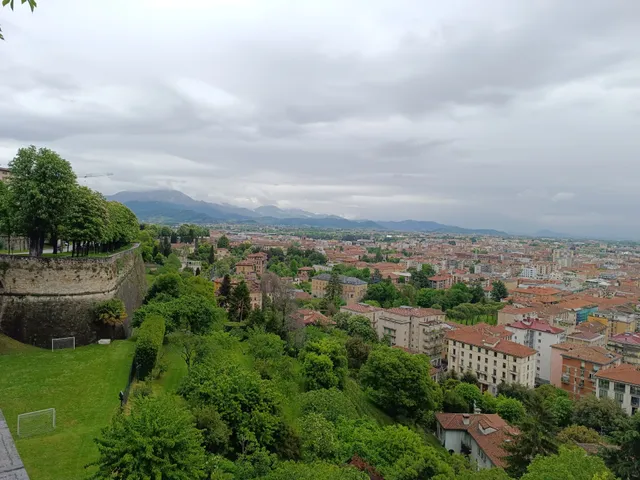
Mura Veneziane
Viale delle Mura, 24129 Bergamo BG, Italy
4.8(1.3K)
Open until 12:00 AM
Save
spot
spot
Ratings & Description
Info
Cultural
Outdoor
Scenic
Family friendly
attractions: Basilica di Santa Maria Maggiore, Piazza Vecchia Bergamo Alta, Bergamo Cathedral, Colleoni Chapel, Terzi Palace, Campanone, Donizetti Museum, Antico Lavatoio, Cappella di Santa Croce, Museo Diocesano Adriano Bernareggi, restaurants: Circolino Città Alta, Da Franco Restaurant, Caffè del Tasso 1476, Da Mimmo Bergamo Alta, Lalimentari, Birreria di Città Alta, Mimì • La Casa dei Sapori, Cavour 1880, Il Fornaio, Al Donizetti, local businesses: Mura Veneziane-Patrimonio mondiale dell'UNESCO, Funicolare Città Alta, Campanone, Palazzo della Ragione, Diocesi di Bergamo - Curia Diocesana, University of Bergamo - Department of Languages, Battistero di Bergamo, Monastero delle Benedettine di Santa Grata, University of Bergamo, Profilo Bergamo Alta
 Learn more insights from Wanderboat AI.
Phone
+39 035 459 5751
Website
visitbergamo.net
Open hoursSee all hours
WedOpen 24 hoursOpen
Plan your stay

Pet-friendly Hotels in Bergamo
Find a cozy hotel nearby and make it a full experience.

Affordable Hotels in Bergamo
Find a cozy hotel nearby and make it a full experience.

The Coolest Hotels You Haven't Heard Of (Yet)
Find a cozy hotel nearby and make it a full experience.

Trending Stays Worth the Hype in Bergamo
Find a cozy hotel nearby and make it a full experience.
Reviews
Live events

AI FORNELLI COL CUOCO... UNA CENA DEL CAVOLO
Wed, Feb 11 • 8:30 PM
16 Via Astino 24129 Bergamo
View details

Spettacolo I love you Paul
Sat, Feb 14 • 9:00 PM
Via Arena 11 24129 Bergamo Alta
View details

Lets Run Together - Runners Bergamo
Sat, Feb 14 • 8:30 AM
100 Via Martin Luther King 24127 Bergamo
View details
Nearby attractions of Mura Veneziane
Basilica di Santa Maria Maggiore
Piazza Vecchia Bergamo Alta
Bergamo Cathedral
Colleoni Chapel
Terzi Palace
Campanone
Donizetti Museum
Antico Lavatoio
Cappella di Santa Croce
Museo Diocesano Adriano Bernareggi
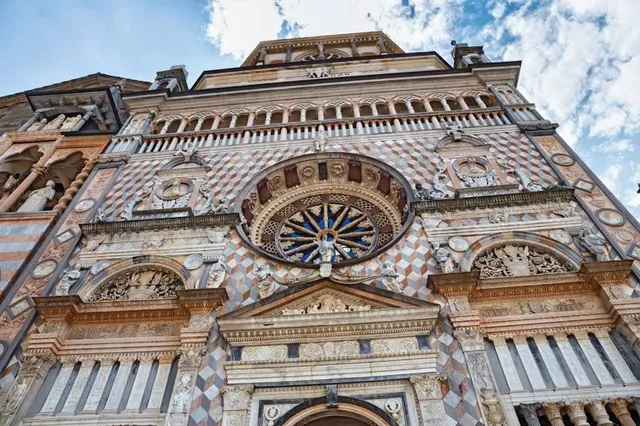
Basilica di Santa Maria Maggiore
4.8
(3K)
Open until 6:00 PM
Click for details
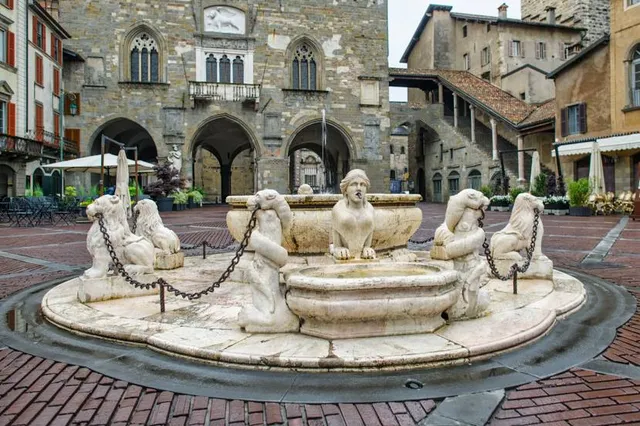
Piazza Vecchia Bergamo Alta
4.8
(3.5K)
Open until 12:00 AM
Click for details
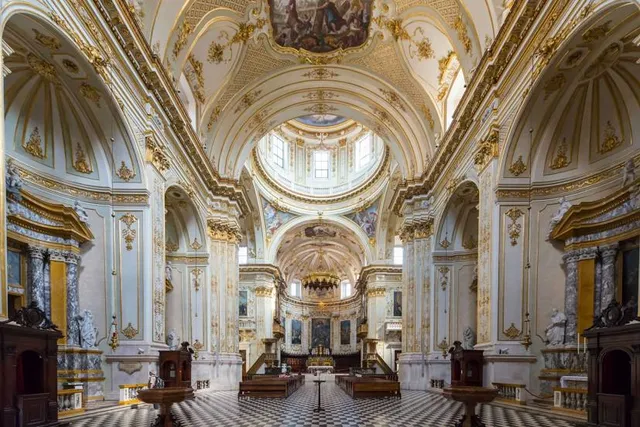
Bergamo Cathedral
4.8
(1.1K)
Closed
Click for details
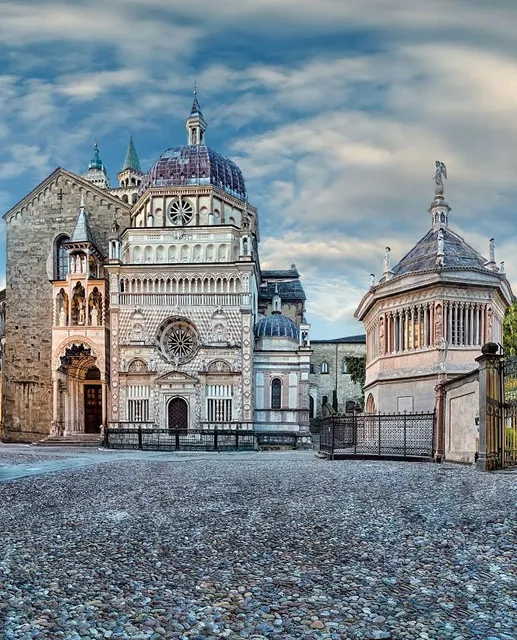
Colleoni Chapel
4.7
(792)
Closed
Click for details
Nearby restaurants of Mura Veneziane
Circolino Città Alta
Da Franco Restaurant
Caffè del Tasso 1476
Da Mimmo Bergamo Alta
Lalimentari
Birreria di Città Alta
Mimì • La Casa dei Sapori
Cavour 1880
Il Fornaio
Al Donizetti
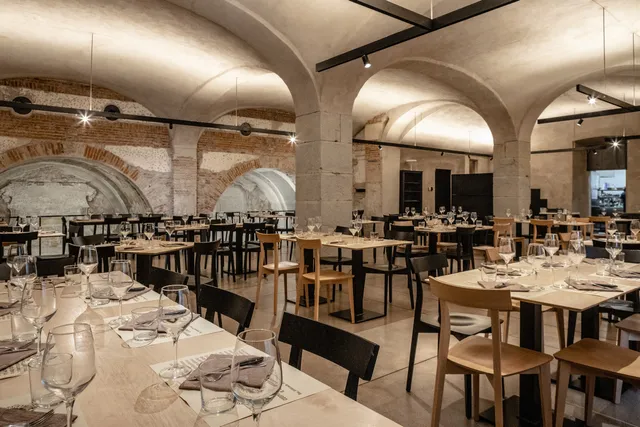
Circolino Città Alta
4.4
(5.4K)
Open until 1:00 AM
Click for details
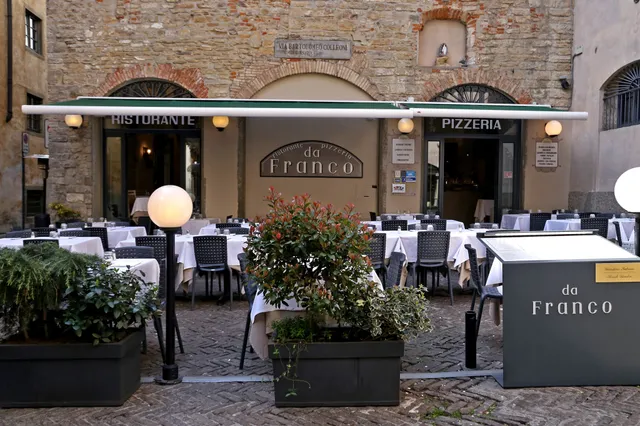
Da Franco Restaurant
4.3
(1.5K)
Open until 2:30 PM
Click for details
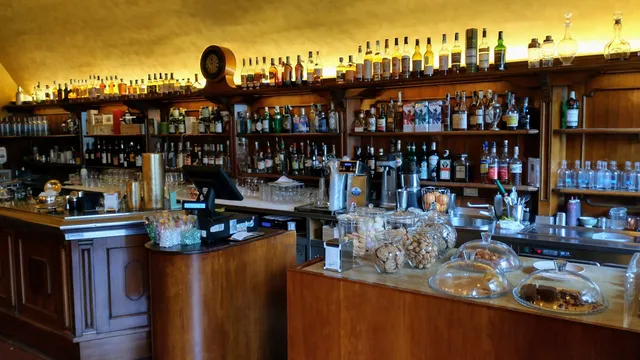
Caffè del Tasso 1476
4.1
(655)
$$$
Open until 12:00 AM
Click for details
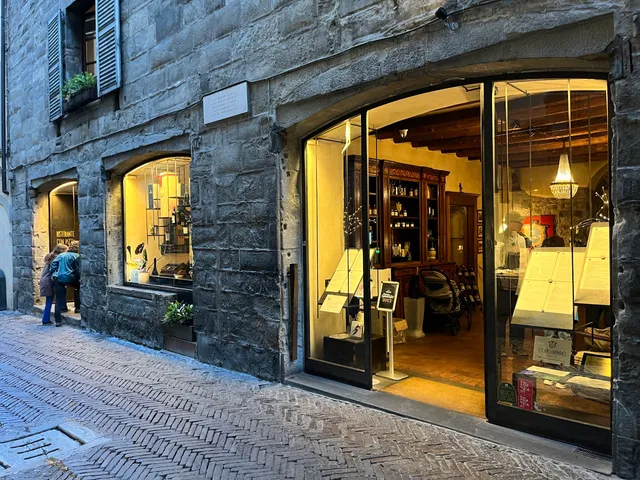
Da Mimmo Bergamo Alta
4.4
(2.7K)
Open until 2:30 PM
Click for details
Nearby local services of Mura Veneziane
Mura Veneziane-Patrimonio mondiale dell'UNESCO
Funicolare Città Alta
Campanone
Palazzo della Ragione
Diocesi di Bergamo - Curia Diocesana
University of Bergamo - Department of Languages
Battistero di Bergamo
Monastero delle Benedettine di Santa Grata
University of Bergamo
Profilo Bergamo Alta
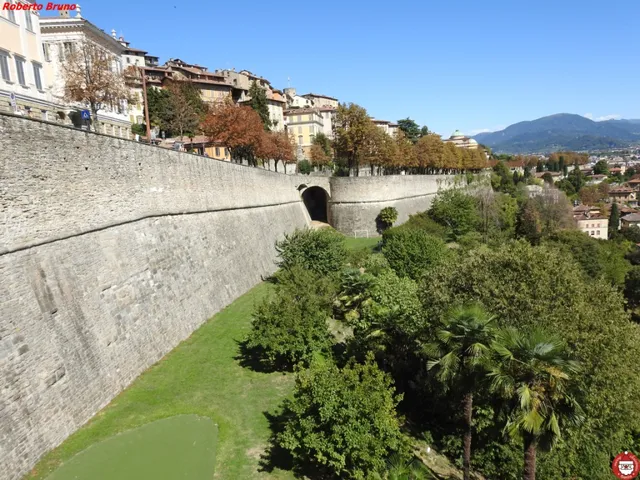
Mura Veneziane-Patrimonio mondiale dell'UNESCO
4.8
(791)
Click for details
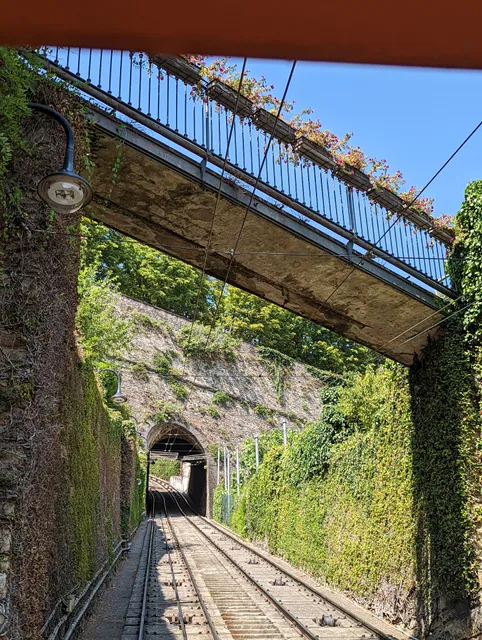
Funicolare Città Alta
4.5
(2.9K)
Click for details
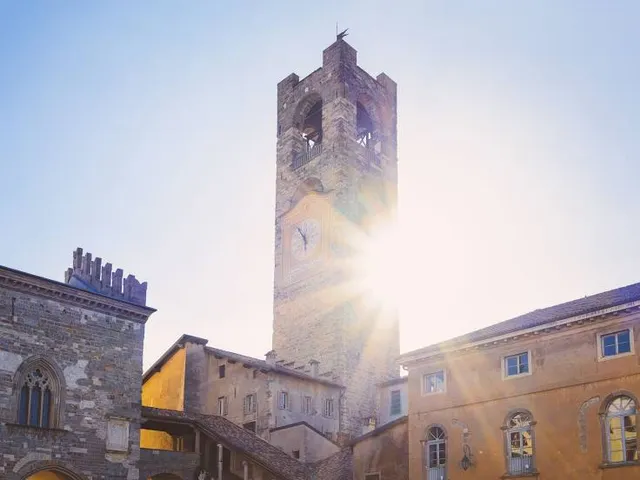
Campanone
4.7
(460)
Click for details
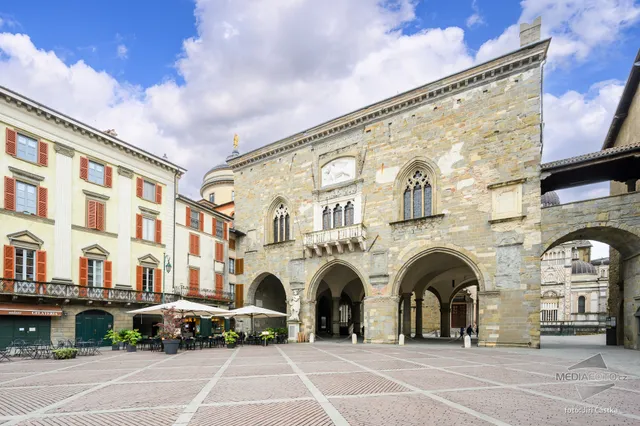
Palazzo della Ragione
4.6
(443)
Click for details