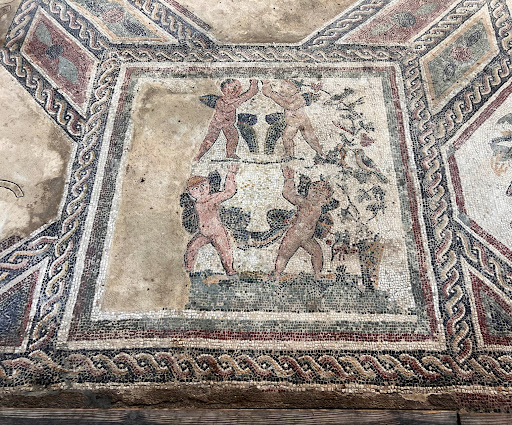
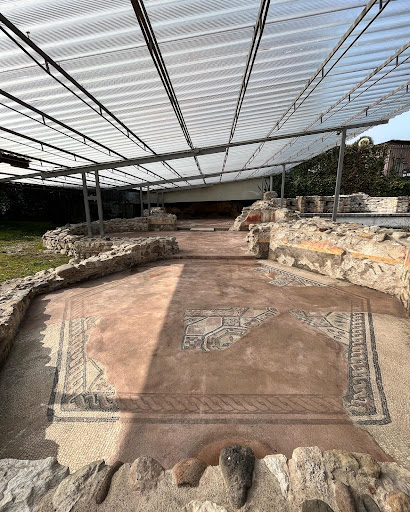
Villa Romana di Desenzano del Garda things to do, attractions, restaurants, events info and trip planning
Basic Info
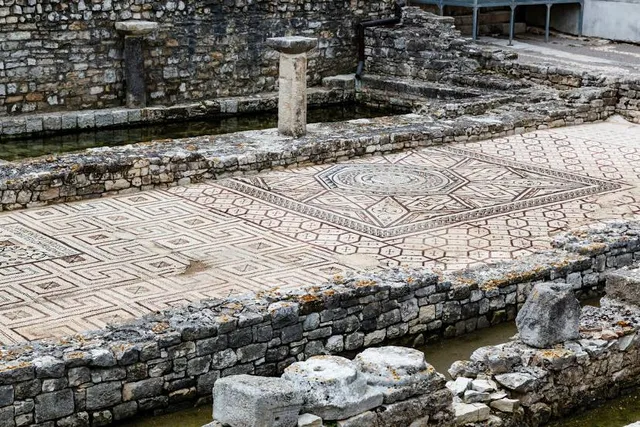
Villa Romana di Desenzano del Garda
Via Crocefisso, 22, 25015 Desenzano del Garda BS, Italy
4.3(984)
Open until 12:00 AM

tickets
Save
spot
spot
Ratings & Description
Info
Cultural
Accessibility
attractions: Duomo di Santa Maria Maddalena, Castello di Desenzano del Garda, Spiaggia "Desenzanino", Margy Beach, Giardini Marinai d'Italia, Museo Civico Archeologico "Giovanni Rambotti", restaurants: La Taverna del garda, Ristorante Garda, Spritz & Burger Desenzano d/Garda, Osteria Sapore Divino, Cartapaglia Pizza & Gin, Santa Pizza | Pizzeria Gourmet Ristorante Vista Lago, Al Fattore, Cappelletti - Food&Drinks, LA COCCINELLA SICILIANA, Lemon Tree Ristorante, local businesses: Weekly Market Desenzano Del Garda, Dolphin Boat. Noleggio barche Desenzano.Affitta un motoscafo per goderti un'esperienza su uno dei più bei laghi d'Europa, Gelateria Artigianale Venturelli, Il gelato dei masters, Sweet Sweet Way di Forneria Panedolci snc di Marcolini Edoardo, Mercato contadino di Desenzano del Garda, Games Academy Desenzano del Garda, Vintage Antique market Desenzano, Residence Il Sogno Desenzano
 Learn more insights from Wanderboat AI.
Phone
+39 030 914 3547
Website
museilombardia.cultura.gov.it
Open hoursSee all hours
Tue9 AM - 7 PMOpen
Plan your stay

Pet-friendly Hotels in Desenzano del Garda
Find a cozy hotel nearby and make it a full experience.

Affordable Hotels in Desenzano del Garda
Find a cozy hotel nearby and make it a full experience.

The Coolest Hotels You Haven't Heard Of (Yet)
Find a cozy hotel nearby and make it a full experience.

Trending Stays Worth the Hype in Desenzano del Garda
Find a cozy hotel nearby and make it a full experience.
Reviews
Live events

LE RAGIONI DEL SÌ
Mon, Mar 2 • 6:00 PM
20 Via X Giornate 25121 Brescia
View details

Candlelight: Ennio Morricone e altre colonne sonore
Sun, Mar 1 • 7:45 PM
Via Giovanni Piamarta, 4, Brescia, 25121
View details
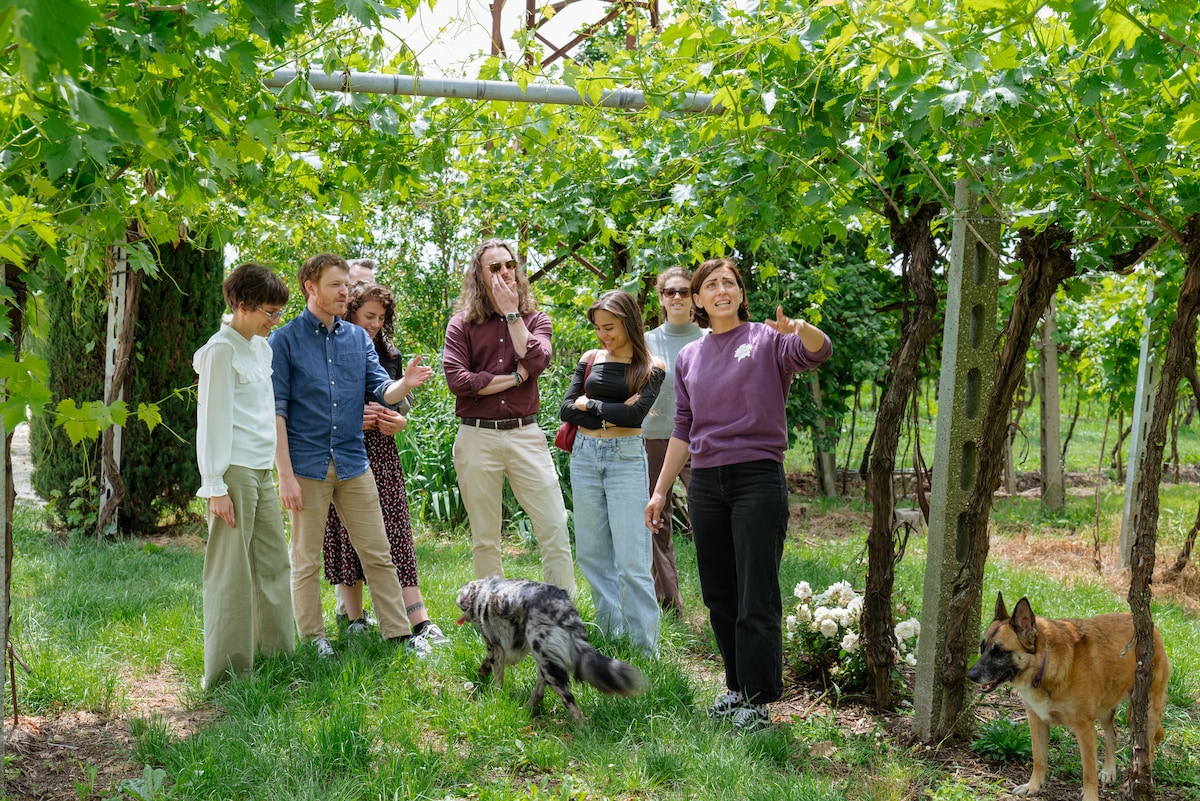
Taste wines in the Valpolicella Classica
Tue, Feb 24 • 2:30 PM
37029, Pedemonte, Veneto, Italy
View details
Nearby attractions of Villa Romana di Desenzano del Garda
Duomo di Santa Maria Maddalena
Castello di Desenzano del Garda
Spiaggia "Desenzanino"
Margy Beach
Giardini Marinai d'Italia
Museo Civico Archeologico "Giovanni Rambotti"
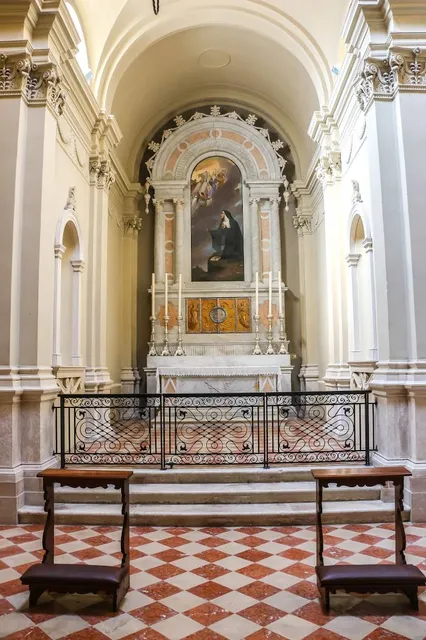
Duomo di Santa Maria Maddalena
4.4
(267)
Closed
Click for details
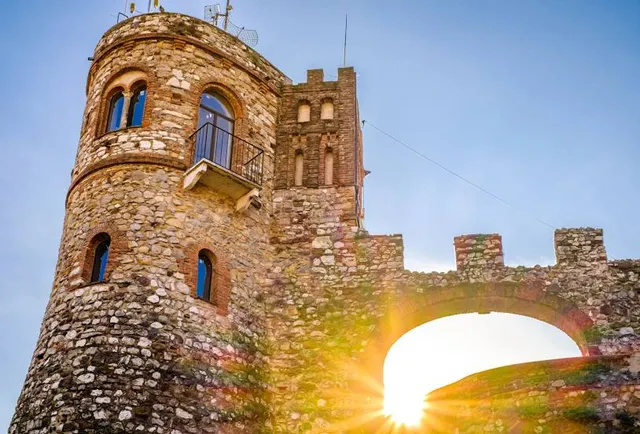
Castello di Desenzano del Garda
4.3
(3.1K)
Open until 12:00 AM
Click for details
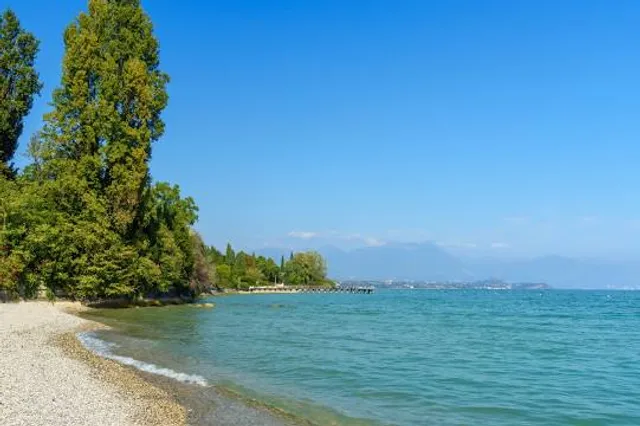
Spiaggia "Desenzanino"
4.2
(832)
Open 24 hours
Click for details

Margy Beach
4.4
(339)
Closed
Click for details
Nearby restaurants of Villa Romana di Desenzano del Garda
La Taverna del garda
Ristorante Garda
Spritz & Burger Desenzano d/Garda
Osteria Sapore Divino
Cartapaglia Pizza & Gin
Santa Pizza | Pizzeria Gourmet Ristorante Vista Lago
Al Fattore
Cappelletti - Food&Drinks
LA COCCINELLA SICILIANA
Lemon Tree Ristorante
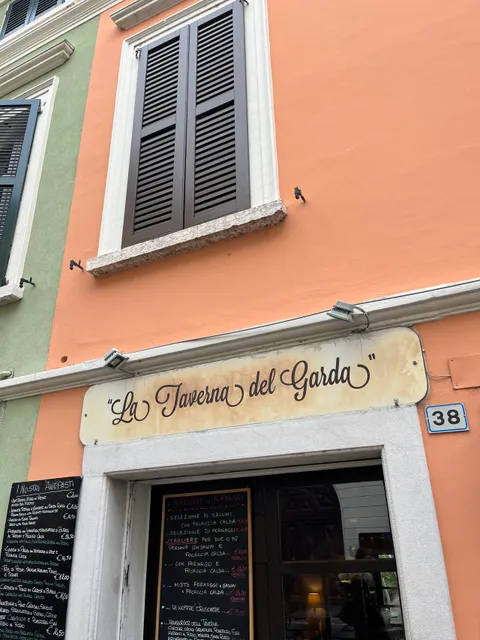
La Taverna del garda
4.4
(675)
Closed
Click for details
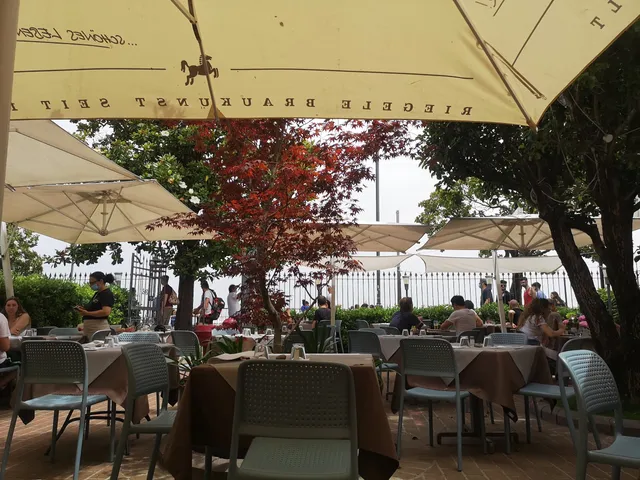
Ristorante Garda
4.2
(954)
Closed
Click for details
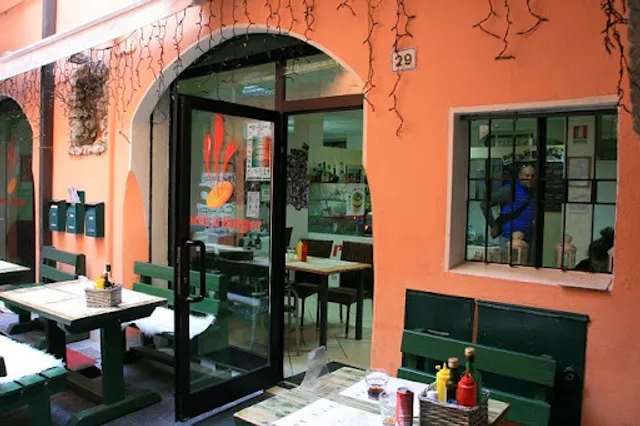
Spritz & Burger Desenzano d/Garda
4.5
(688)
Closed
Click for details
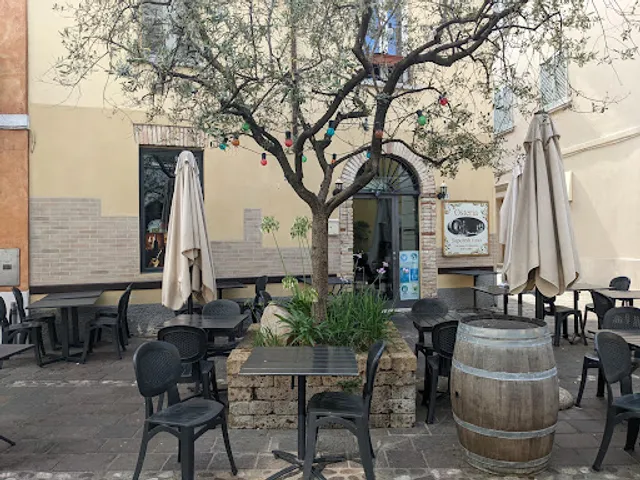
Osteria Sapore Divino
4.3
(260)
Open until 12:00 AM
Click for details
Nearby local services of Villa Romana di Desenzano del Garda
Weekly Market Desenzano Del Garda
Dolphin Boat. Noleggio barche Desenzano.Affitta un motoscafo per goderti un'esperienza su uno dei più bei laghi d'Europa
Gelateria Artigianale Venturelli
Il gelato dei masters
Sweet Sweet Way di Forneria Panedolci snc di Marcolini Edoardo
Mercato contadino di Desenzano del Garda
Games Academy Desenzano del Garda
Vintage Antique market Desenzano
Residence Il Sogno Desenzano
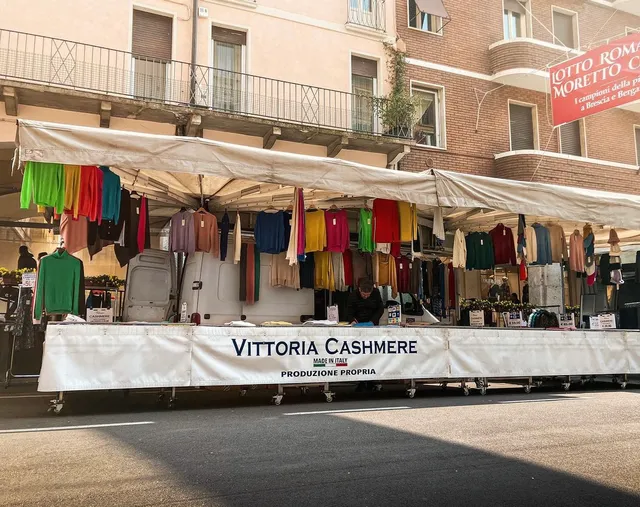
Weekly Market Desenzano Del Garda
4.4
(314)
Click for details
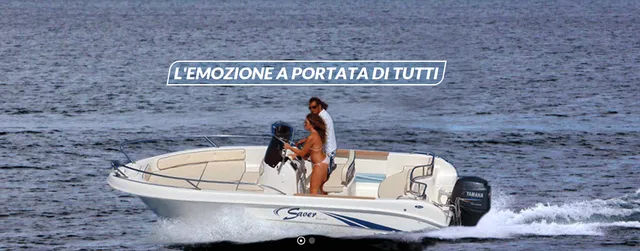
Dolphin Boat. Noleggio barche Desenzano.Affitta un motoscafo per goderti un'esperienza su uno dei più bei laghi d'Europa
4.6
(232)
Click for details
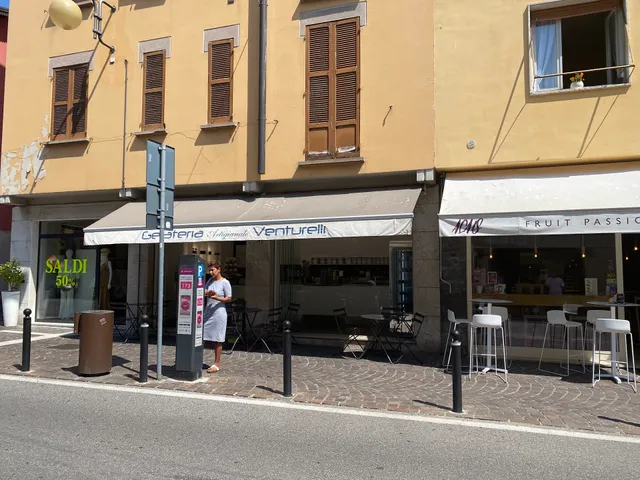
Gelateria Artigianale Venturelli
4.6
(326)
Click for details
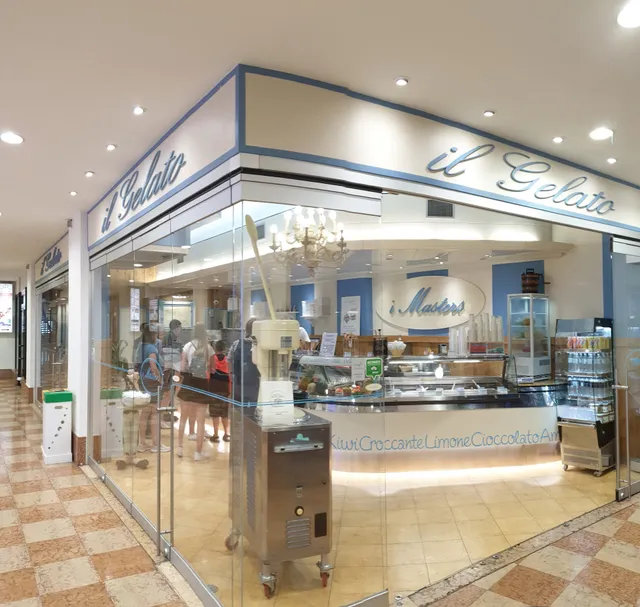
Il gelato dei masters
4.3
(222)
Click for details