Cloister of the Scalzo things to do, attractions, restaurants, events info and trip planning
Basic Info
Cloister of the Scalzo
Via Camillo Cavour, 69, 50121 Firenze FI, Italy
4.7(112)
Open until 12:00 AM
Save
spot
spot
Ratings & Description
Info
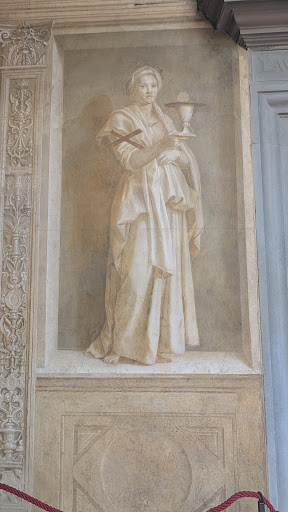
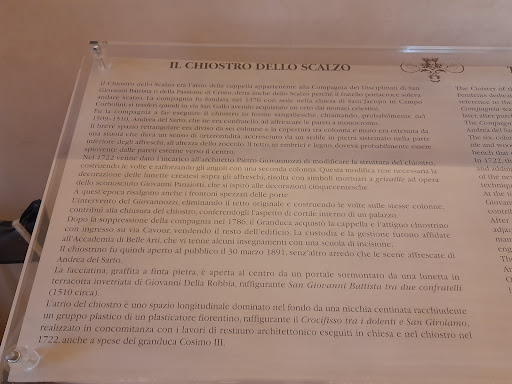
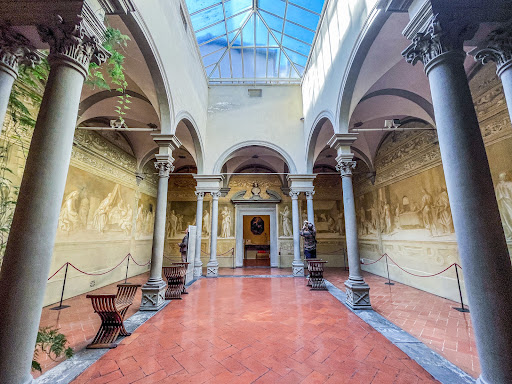
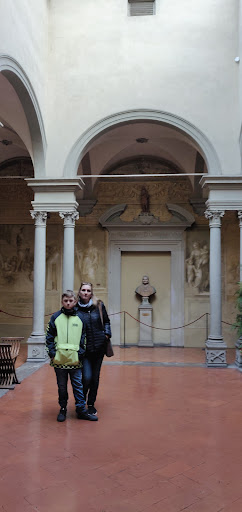
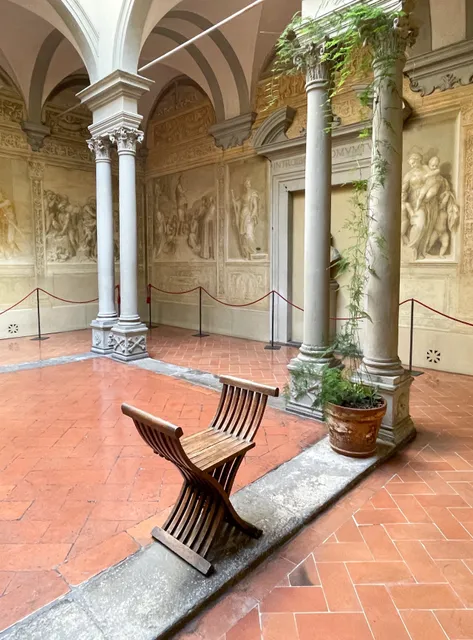
The Chiostro della Scalzo or is a cloister in Florence, Italy that originally led to a chapel once belonging to a religious company known as the Compagnia del diciplinati di San Giovanni Battista or della Passione di Cristo.
Cultural
attractions: San Marco Museum, Accademia Gallery, Piazza San Marco, David of Michelangelo, Geology and Paleontology Museum, Orto Botanico Giardino dei Semplici - Università di Firenze, Università di Firenze, The SS. Annunziata di Firenze, Ex Convento di San Marco, Piazza della Santissima Annunziata, restaurants: Il Vegano - Firenze, Vineria 54 Rosso, MIRÓ Ristorante Pizzeria, Finnegan's, Kitsch 2, Il Vegetariano, Trattoria Tiberio Firenze, Trattoria Calandrino, Ribeo, I' Birba, local businesses: Museo de Historia Natural de Florencia, Via Camillo Cavour, Basilica of Saint Mark Evangelist, The SS. Annunziata di Firenze, Museo Leonardo Da Vinci, Leonardo da Vinci Interactive Museum, Gonzaga University, Florence Academy of Fine Arts, Piazza della Libertà, il Mercato Centrale Firenze
 Learn more insights from Wanderboat AI.
Phone
+39 055 238 8604
Website
cultura.gov.it
Open hoursSee all hours
MonClosedOpen
Plan your stay

Pet-friendly Hotels in Florence
Find a cozy hotel nearby and make it a full experience.

Affordable Hotels in Florence
Find a cozy hotel nearby and make it a full experience.

The Coolest Hotels You Haven't Heard Of (Yet)
Find a cozy hotel nearby and make it a full experience.

Trending Stays Worth the Hype in Florence
Find a cozy hotel nearby and make it a full experience.
Reviews
Live events

Pastamania
Mon, Jan 26 • 10:00 AM
50125, Florence, Tuscany, Italy
View details

My Farm - three experiences in one day
Mon, Jan 26 • 9:15 AM
50124, Florence, Tuscany, Italy
View details
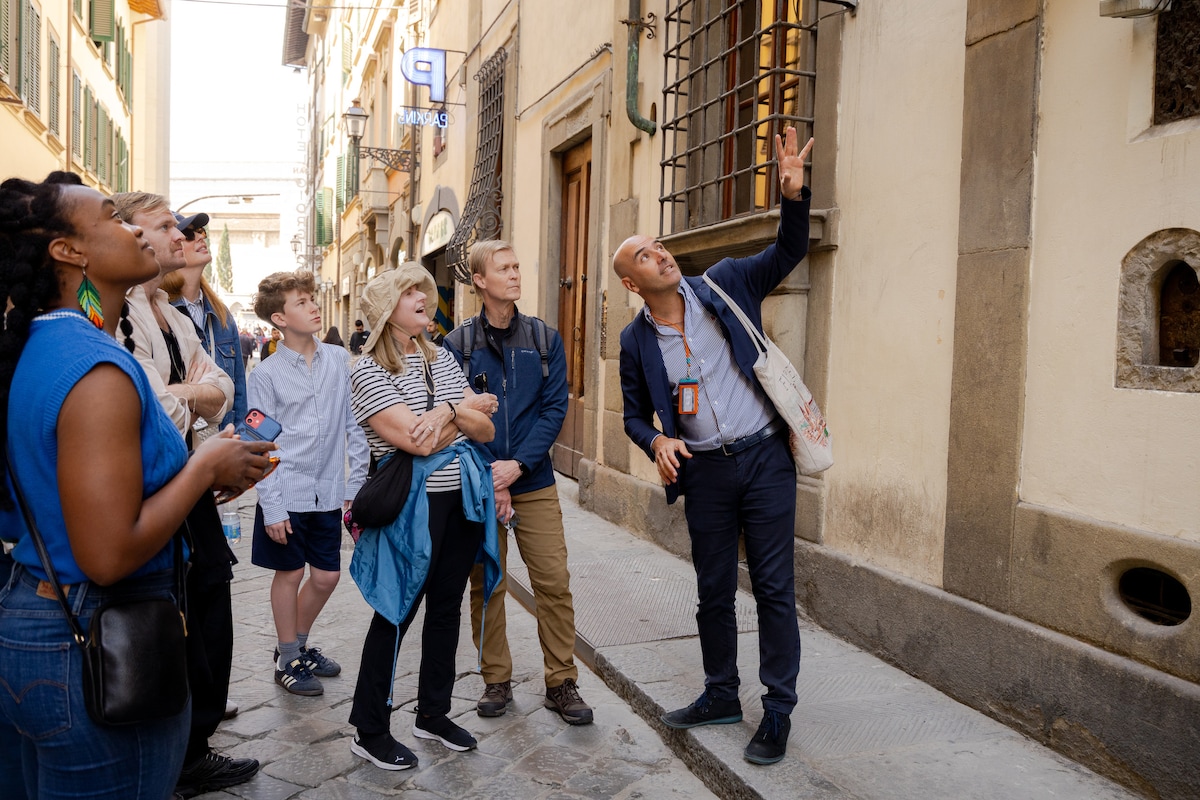
Tasty Florence Street Food Tour
Mon, Jan 26 • 11:00 AM
50123, Florence, Tuscany, Italy
View details
Nearby attractions of Cloister of the Scalzo
San Marco Museum
Accademia Gallery
Piazza San Marco
David of Michelangelo
Geology and Paleontology Museum
Orto Botanico Giardino dei Semplici - Università di Firenze
Università di Firenze
The SS. Annunziata di Firenze
Ex Convento di San Marco
Piazza della Santissima Annunziata
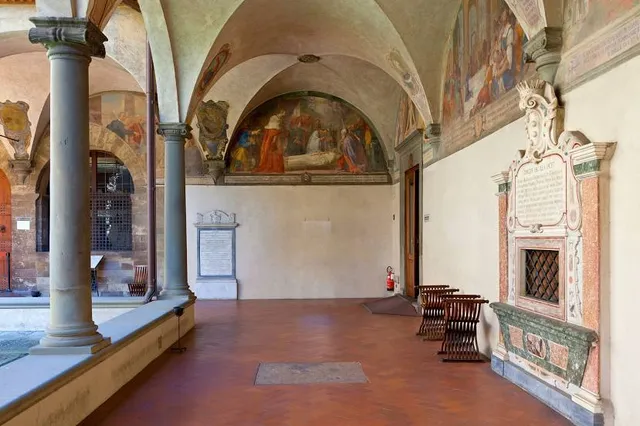
San Marco Museum
4.7
(1.6K)
Open until 12:00 AM
Click for details

Accademia Gallery
4.6
(18.6K)
Open until 12:00 AM
Click for details
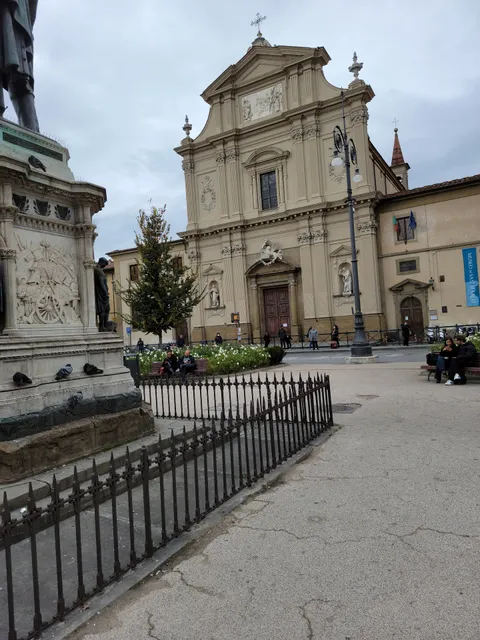
Piazza San Marco
4.4
(2.9K)
Open 24 hours
Click for details
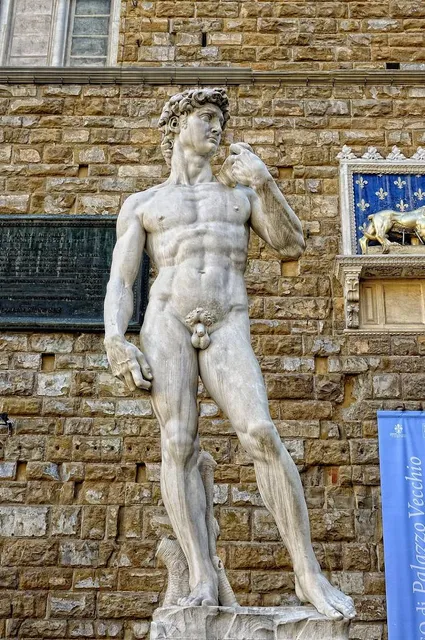
David of Michelangelo
4.9
(7.3K)
Open until 12:00 AM
Click for details
Nearby restaurants of Cloister of the Scalzo
Il Vegano - Firenze
Vineria 54 Rosso
MIRÓ Ristorante Pizzeria
Finnegan's
Kitsch 2
Il Vegetariano
Trattoria Tiberio Firenze
Trattoria Calandrino
Ribeo
I' Birba
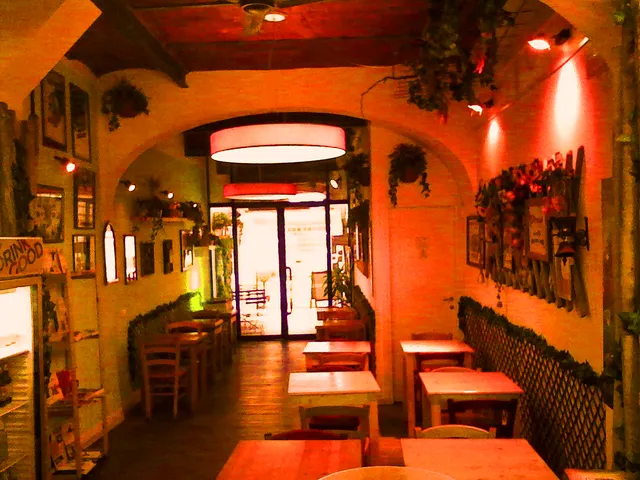
Il Vegano - Firenze
4.4
(650)
Open until 12:00 AM
Click for details
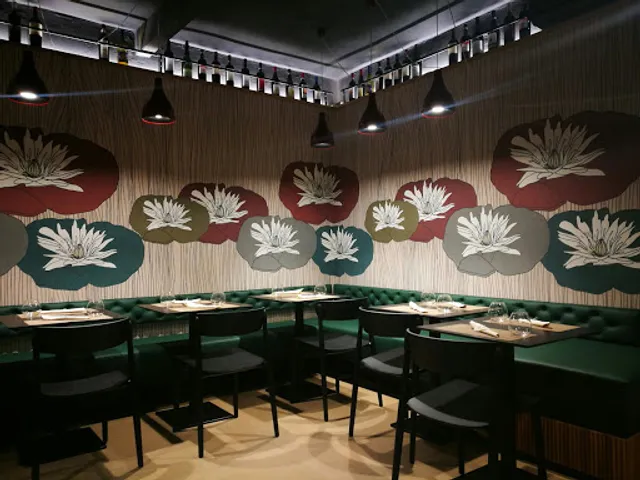
Vineria 54 Rosso
4.8
(320)
Closed
Click for details
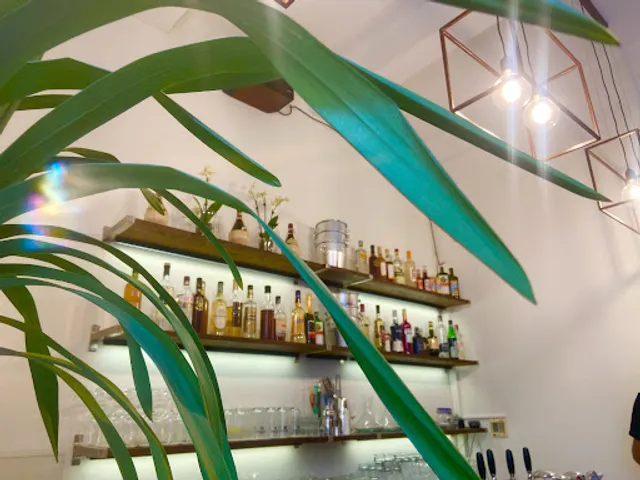
MIRÓ Ristorante Pizzeria
4.8
(423)
Click for details
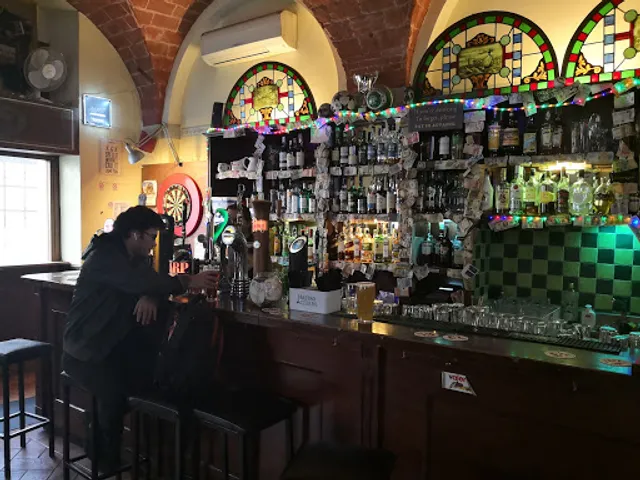
Finnegan's
4.4
(228)
Closed
Click for details
Nearby local services of Cloister of the Scalzo
Museo de Historia Natural de Florencia
Via Camillo Cavour
Basilica of Saint Mark Evangelist
The SS. Annunziata di Firenze
Museo Leonardo Da Vinci
Leonardo da Vinci Interactive Museum
Gonzaga University
Florence Academy of Fine Arts
Piazza della Libertà
il Mercato Centrale Firenze
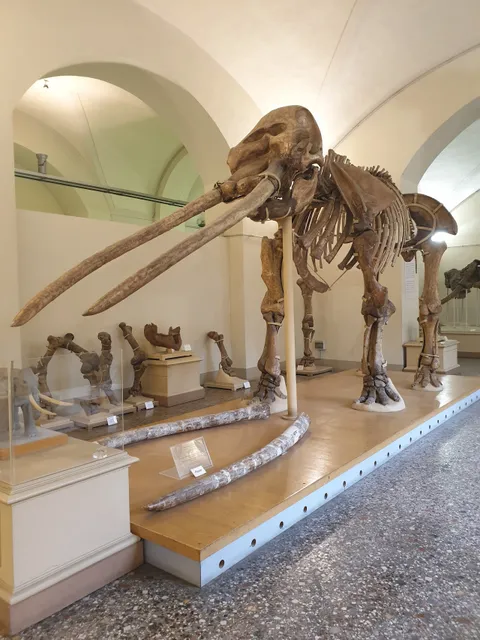
Museo de Historia Natural de Florencia
4.5
(391)
Click for details
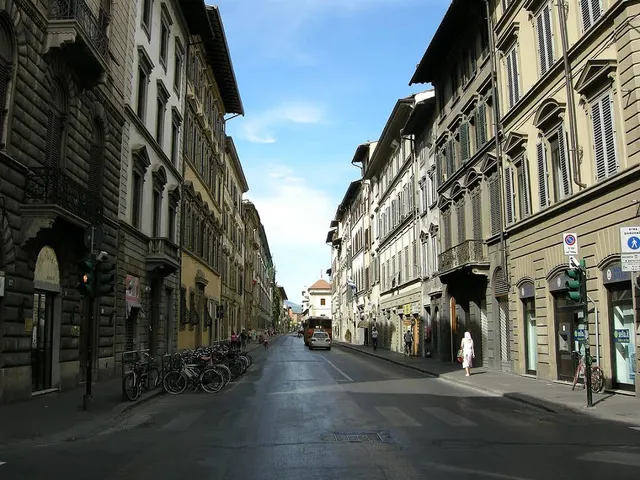
Via Camillo Cavour
4.4
(45)
Click for details
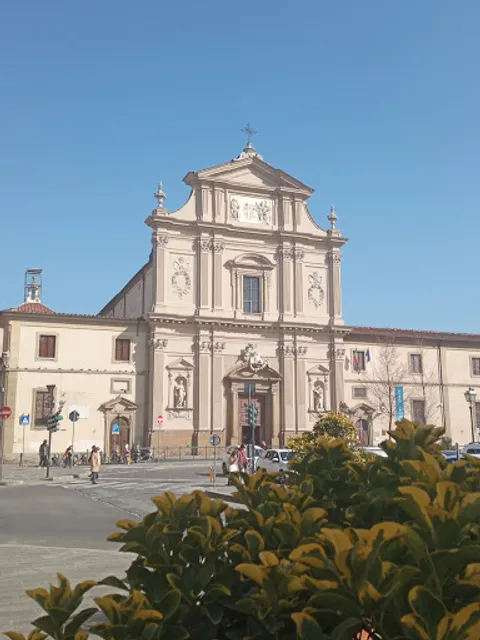
Basilica of Saint Mark Evangelist
4.6
(149)
Click for details

The SS. Annunziata di Firenze
4.8
(889)
Click for details